Full-Spectrum Transmittance Measurement Technology Evolution: Breaking Through Optical Performance Verification Bottlenecks Across Diverse Applications
Against the backdrop of comprehensive quality upgrading across the entire high-end manufacturing value chain, the optical transmittance of transparent or semi-transparent materials has become a core determinant of end-product user experience: a mere 1% deviation in touch-screen transmittance for consumer electronics directly compromises screen brightness; every 0.5% reduction in photovoltaic (PV) encapsulation glass transmittance leads to nearly a 2% annual drop in PV module power generation; and non-compliant transmittance in sunglasses or ophthalmic lenses can cause direct, irreversible damage to users’ vision. Yet conventional transmittance measurement instruments suffer from narrow spectral detection ranges, insufficient accuracy, non-compliance with international certification standards, and low testing throughput—rendering them ill-suited to today’s industry-specific, high-precision verification demands.
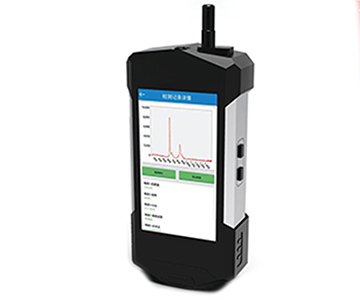
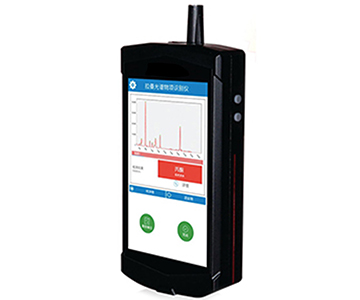
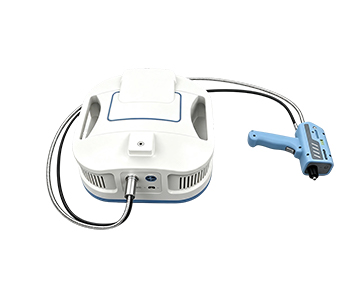
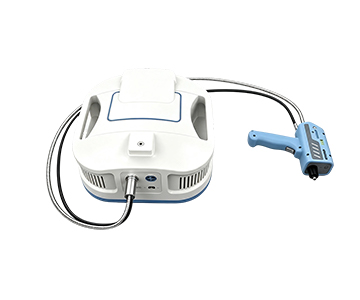
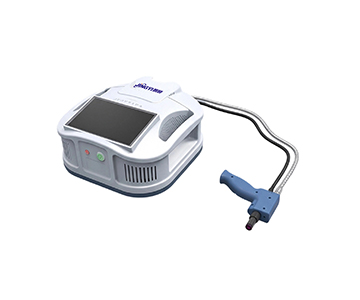
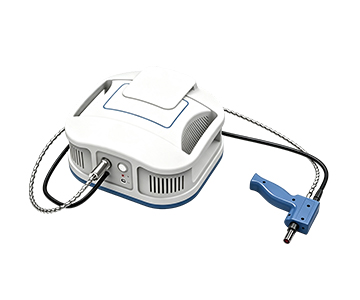
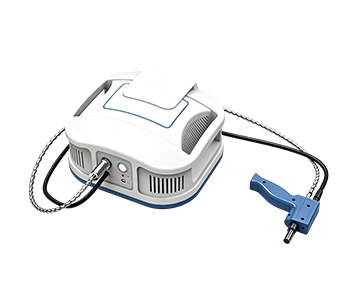
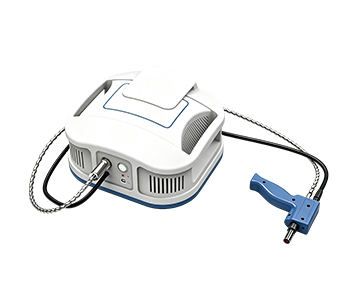
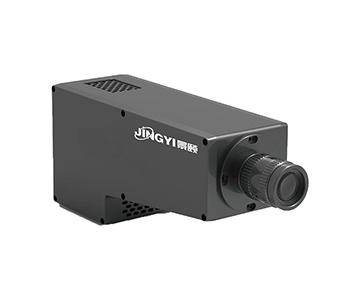
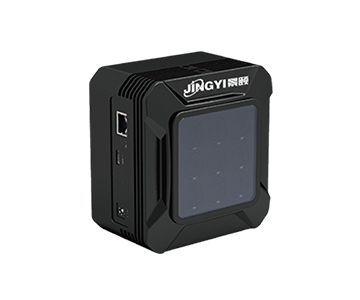
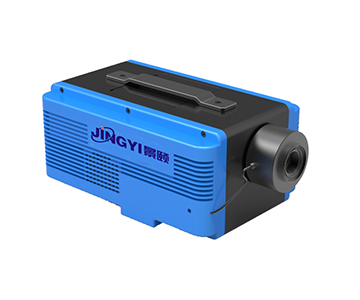
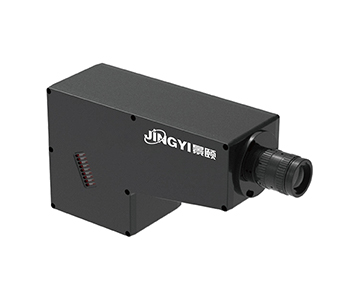
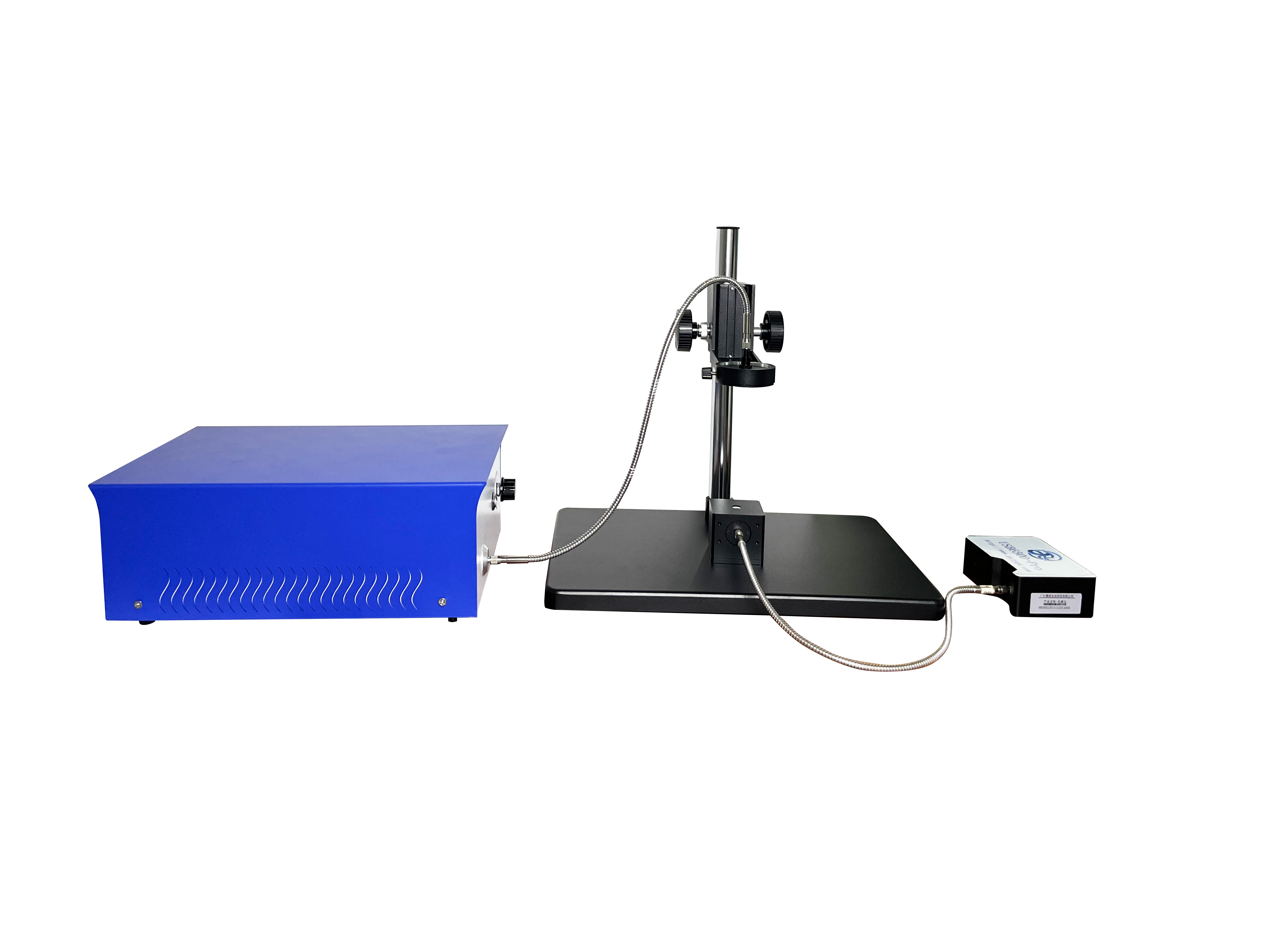
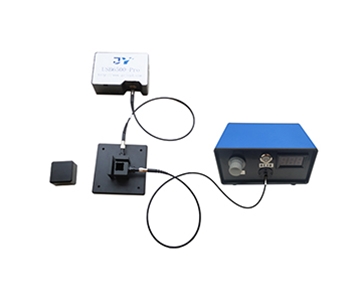
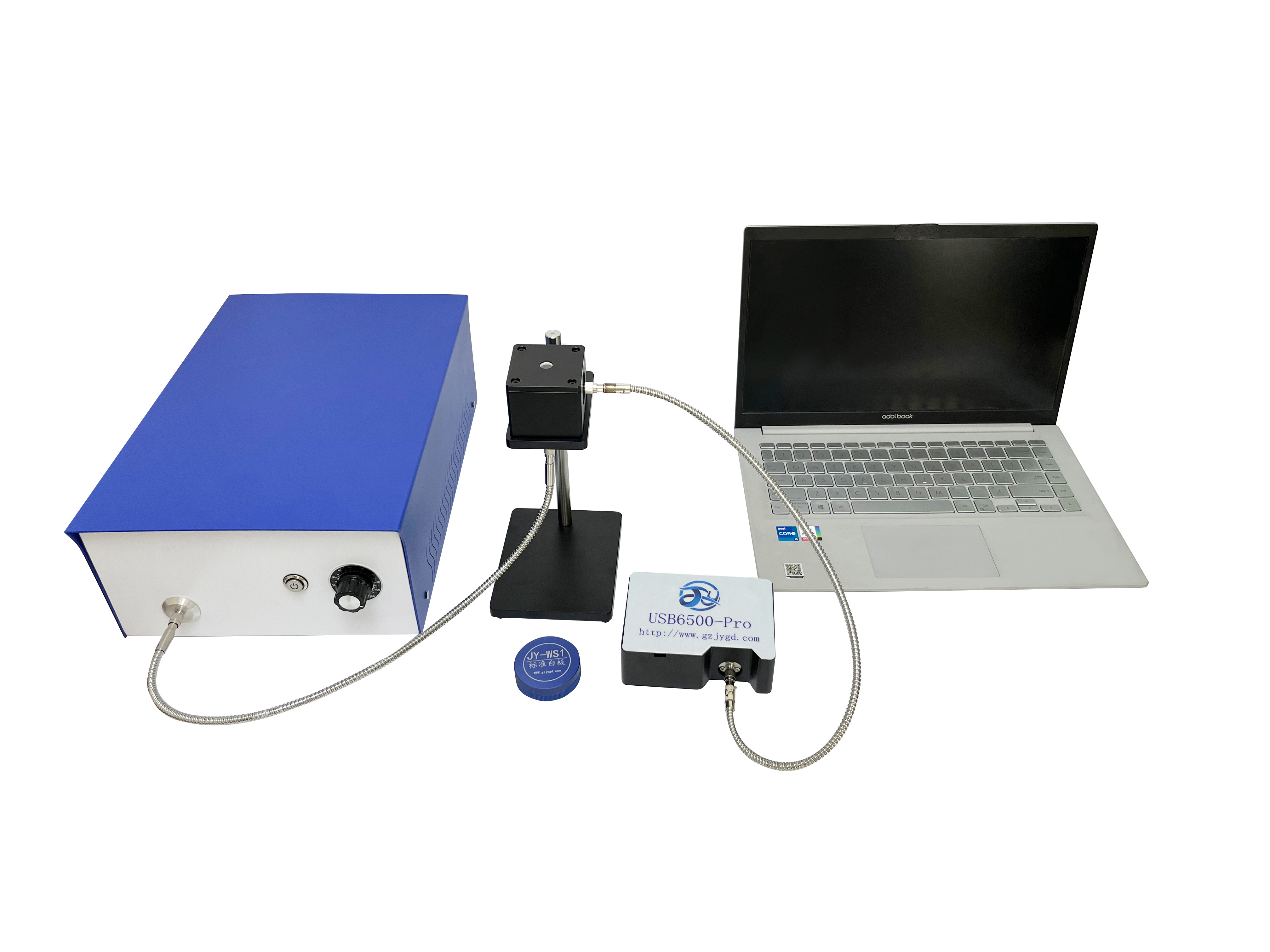
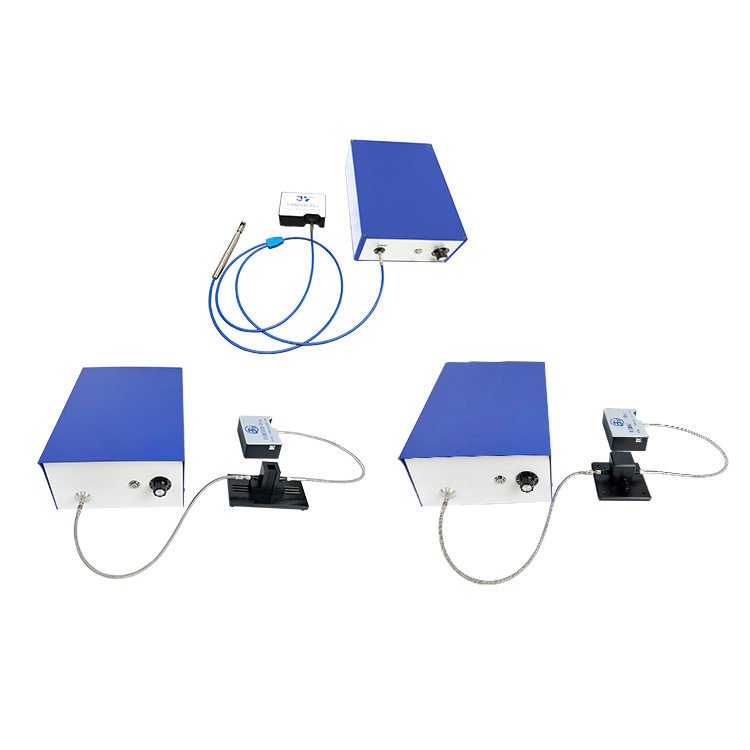
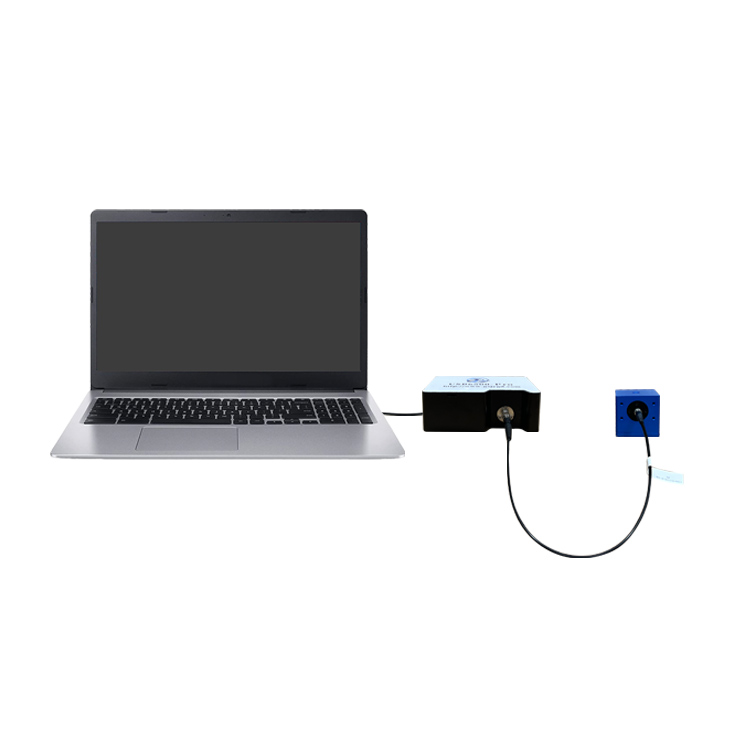
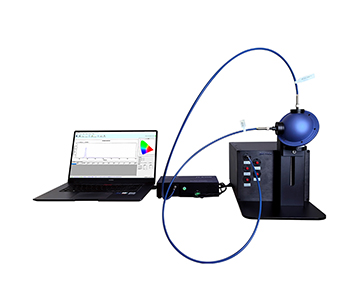
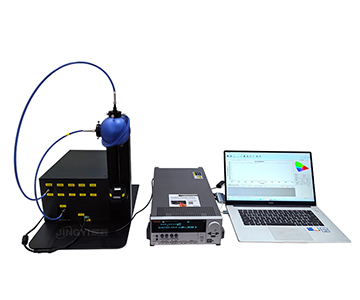
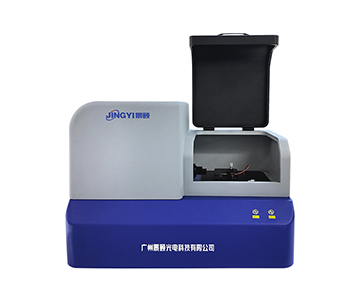
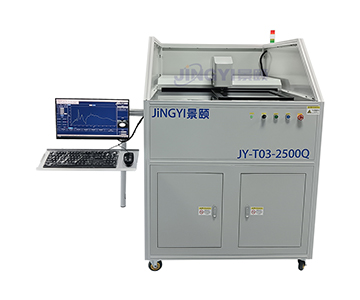
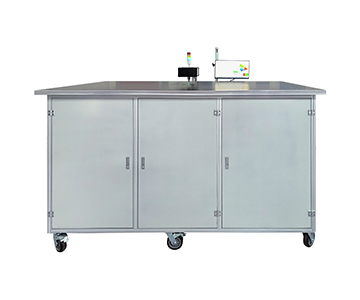
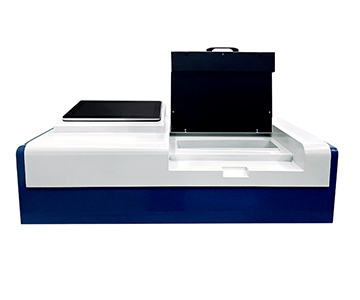
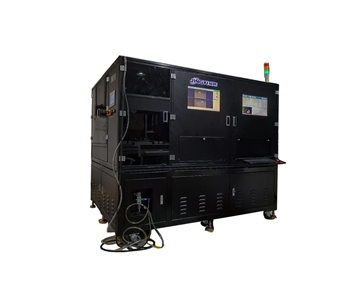
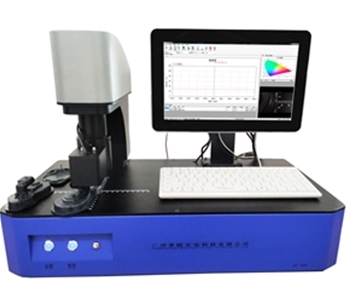
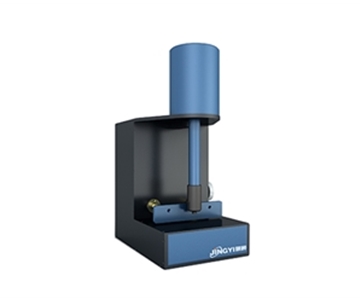
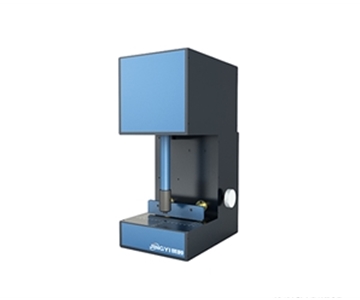
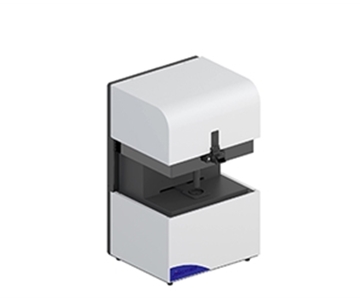
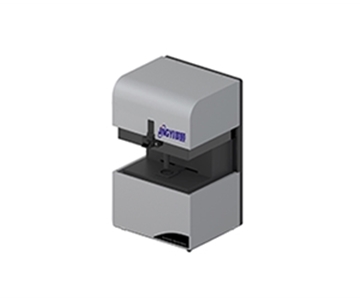
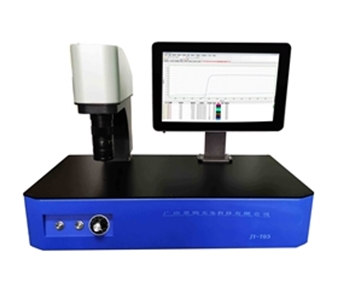
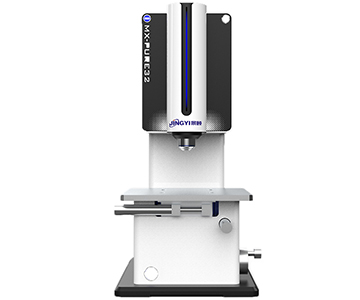
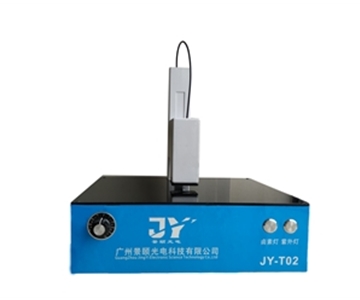
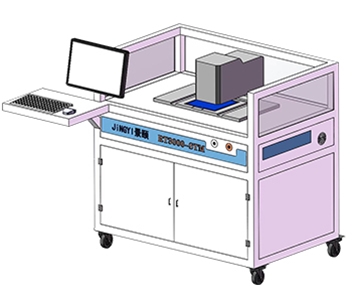
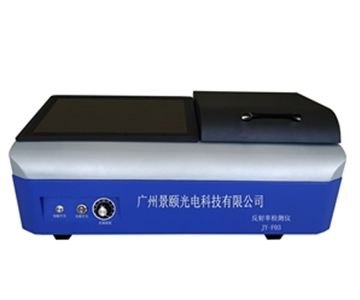
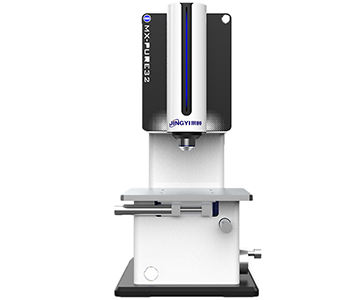
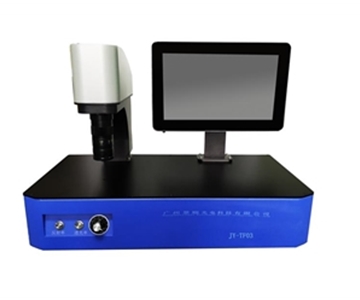
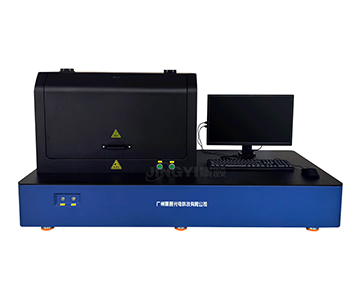
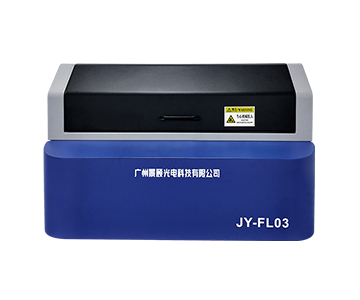
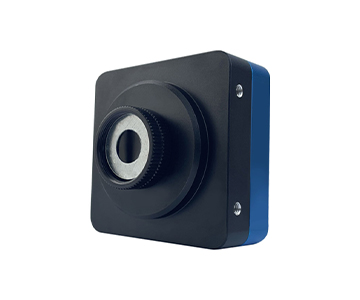
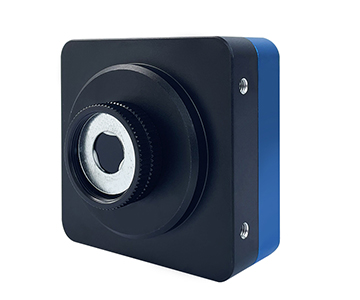
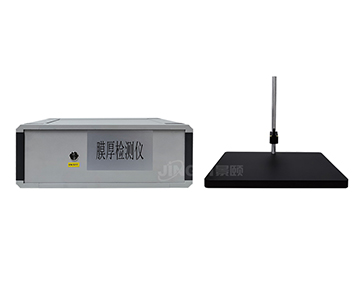
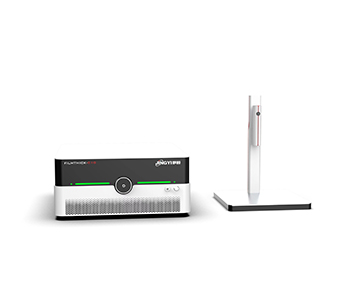
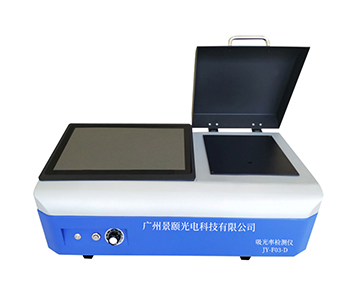
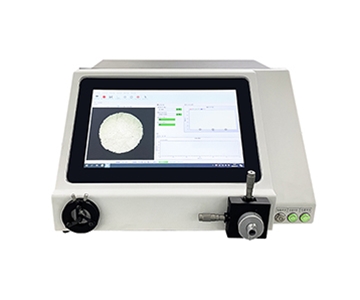
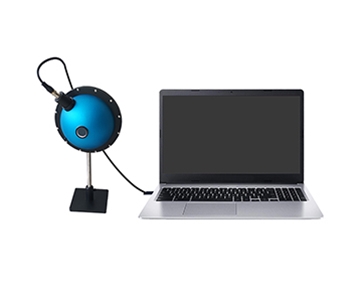
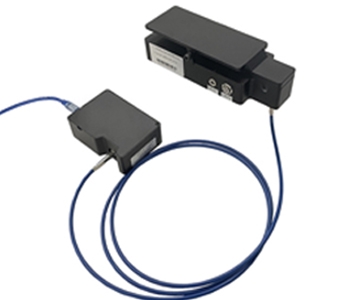
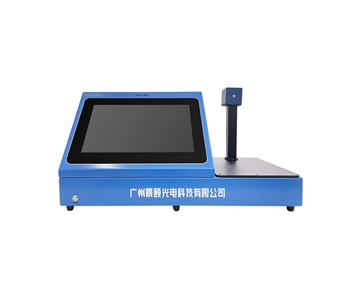
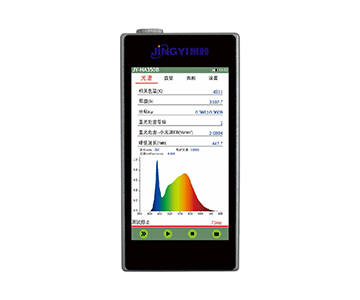
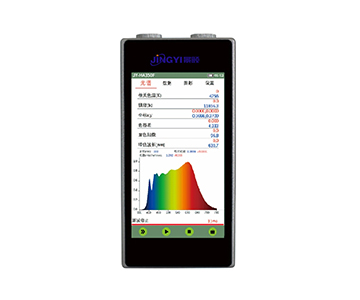
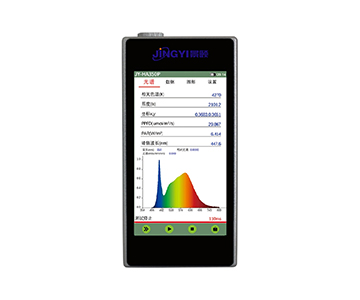
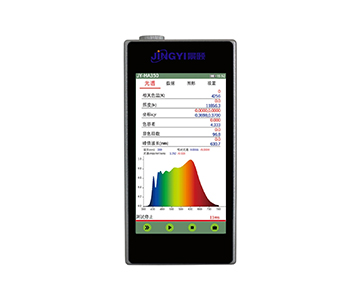
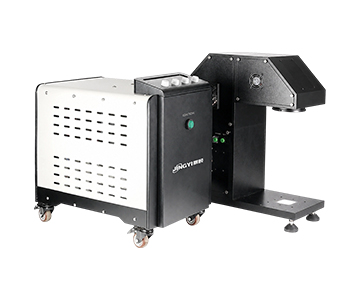
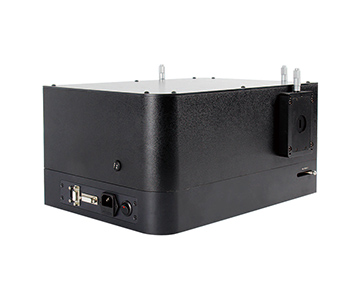
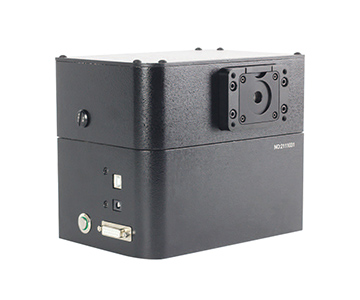
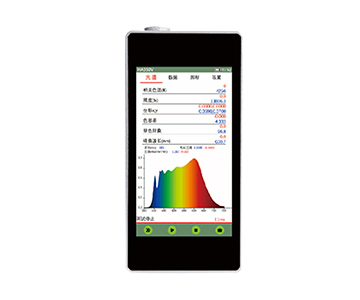
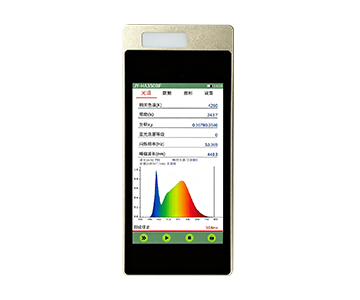
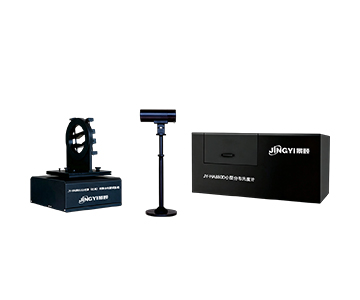
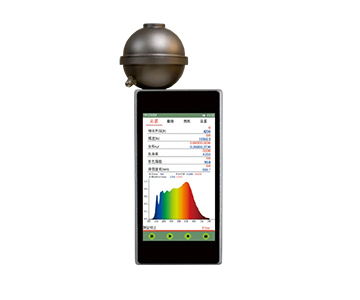
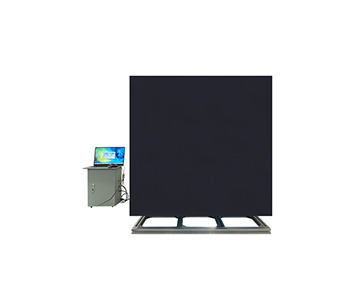
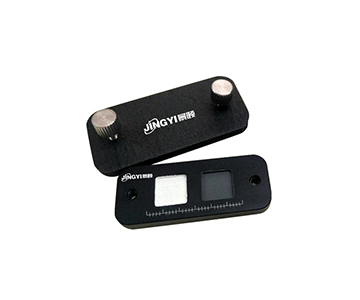
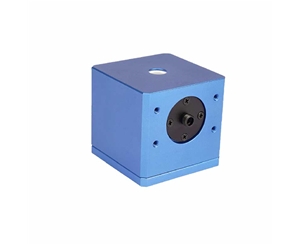
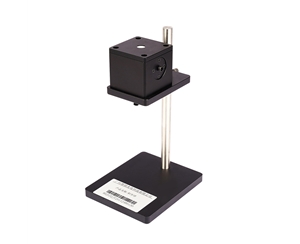
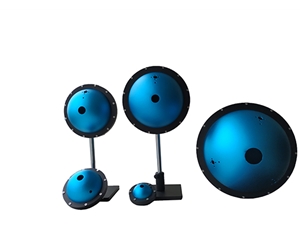
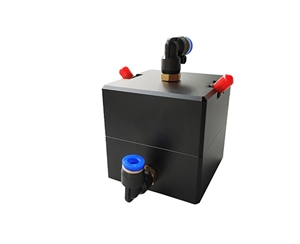
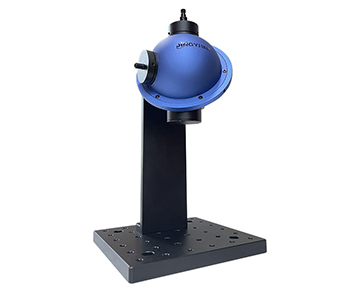
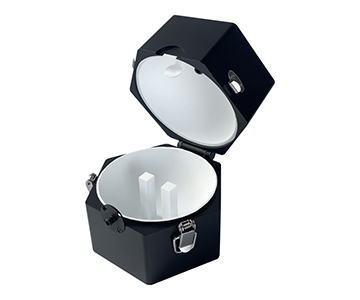
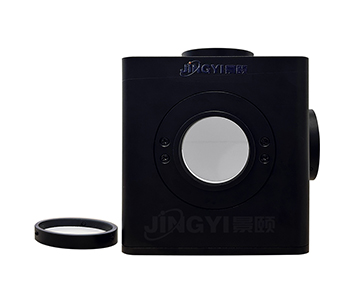
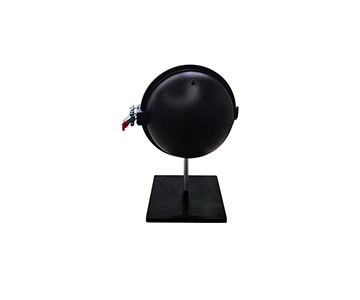
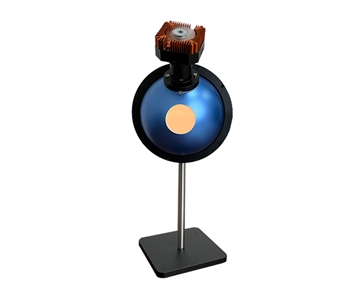
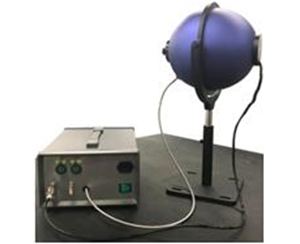
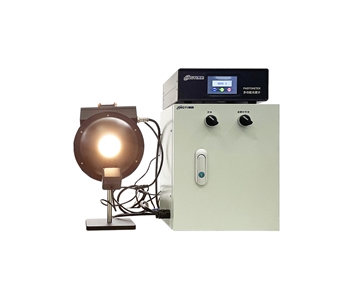
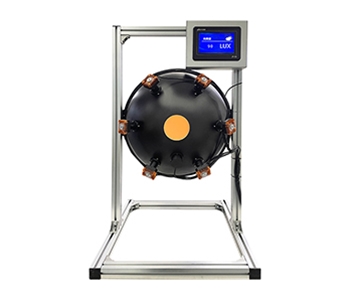
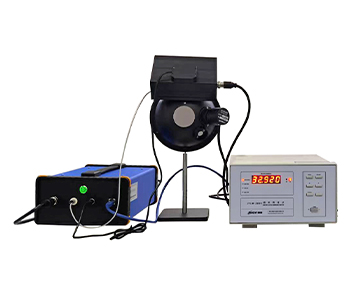
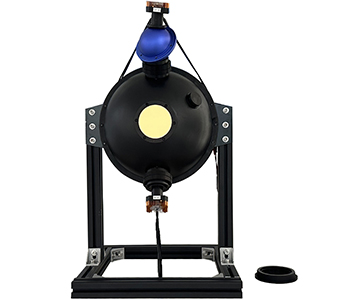
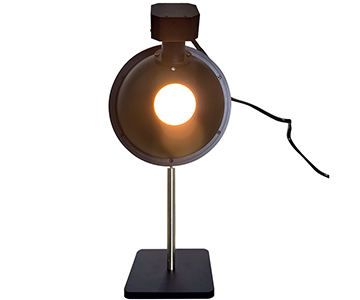
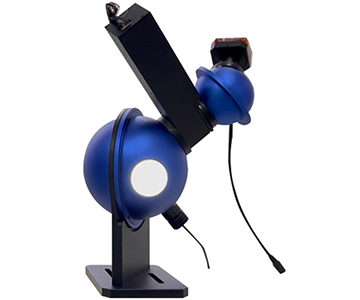
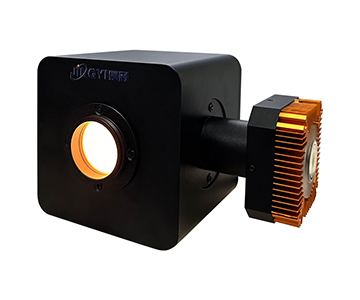
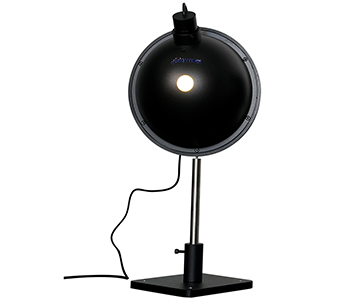
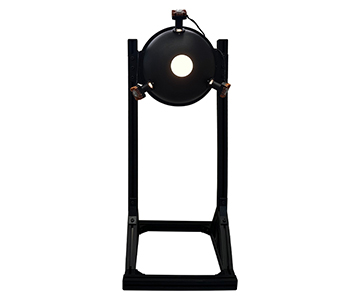
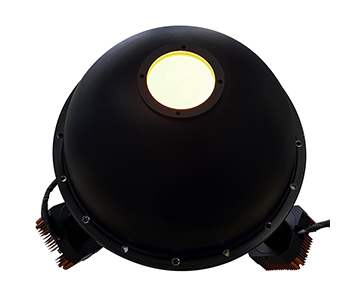
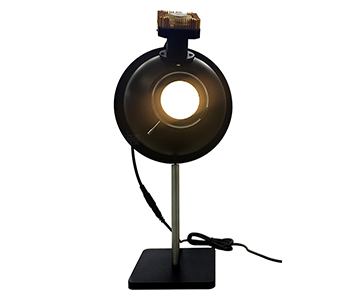
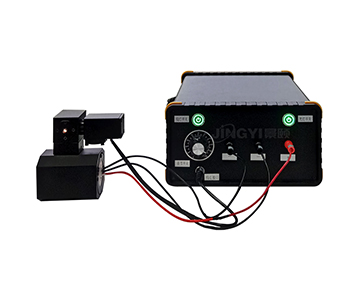
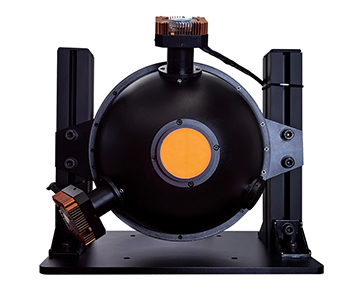
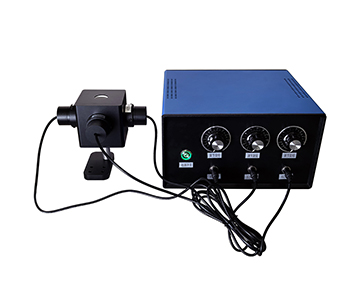
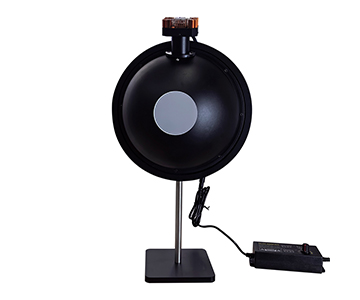
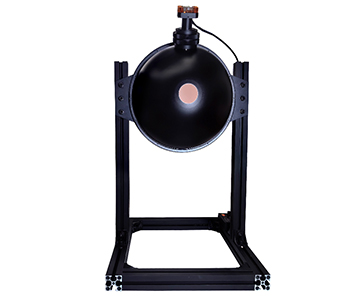
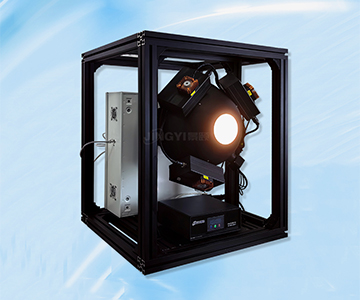
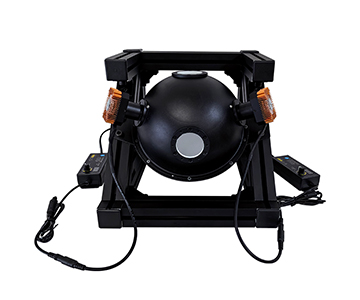
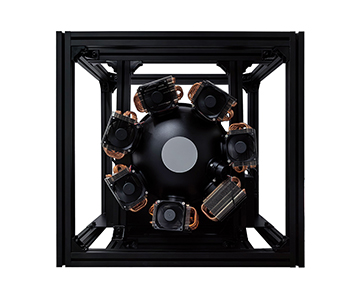
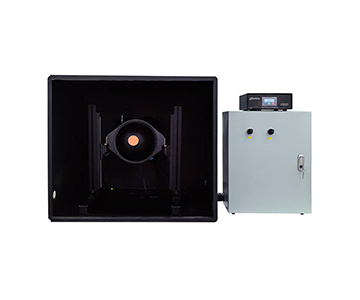
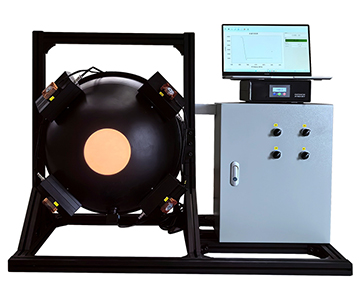
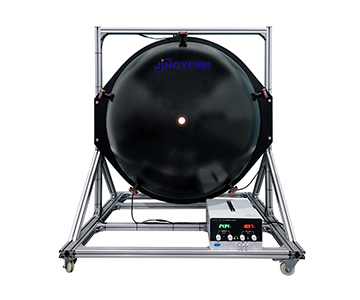
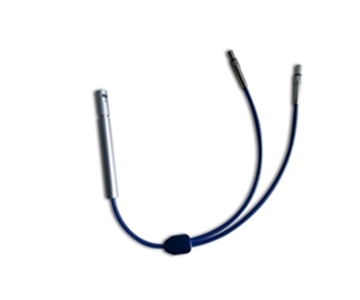
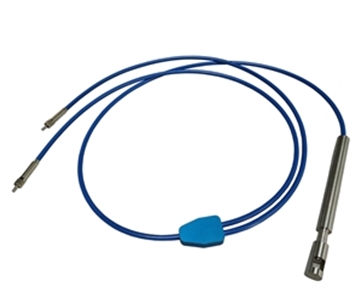
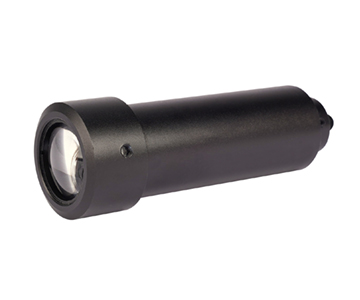
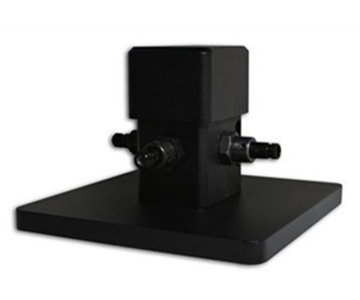
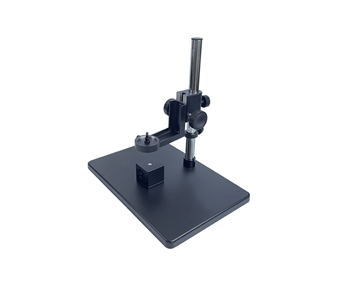
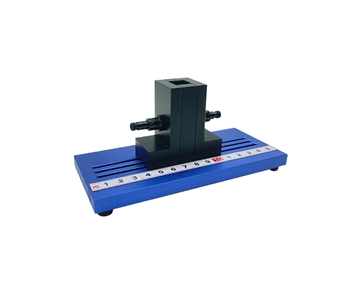
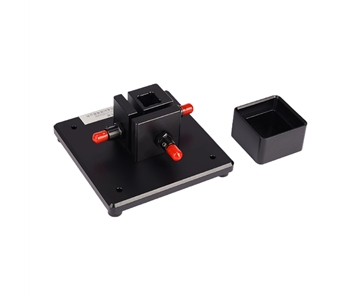
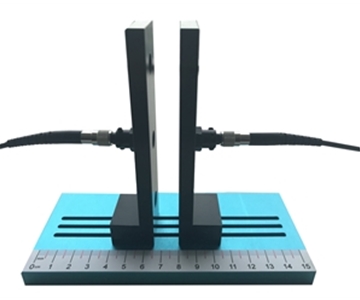
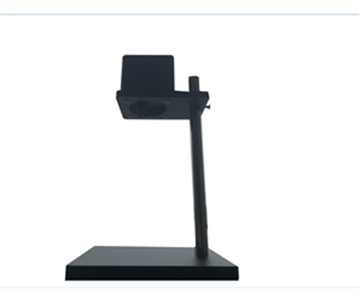
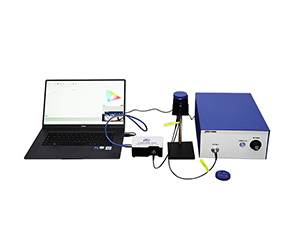
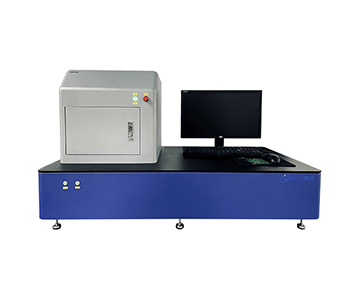
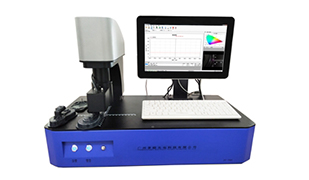
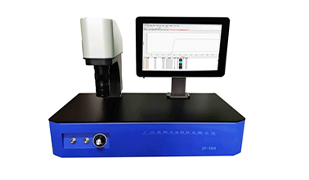
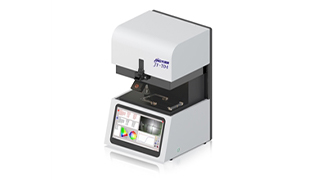
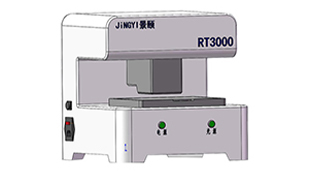
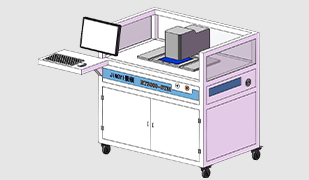
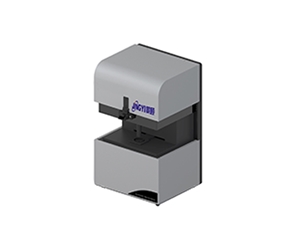
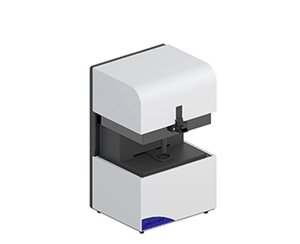
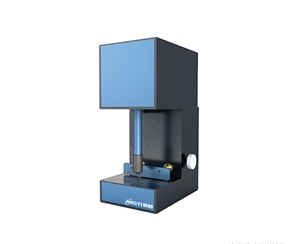
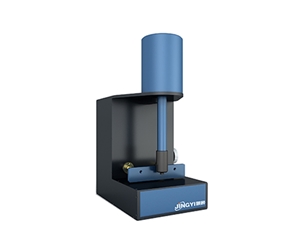
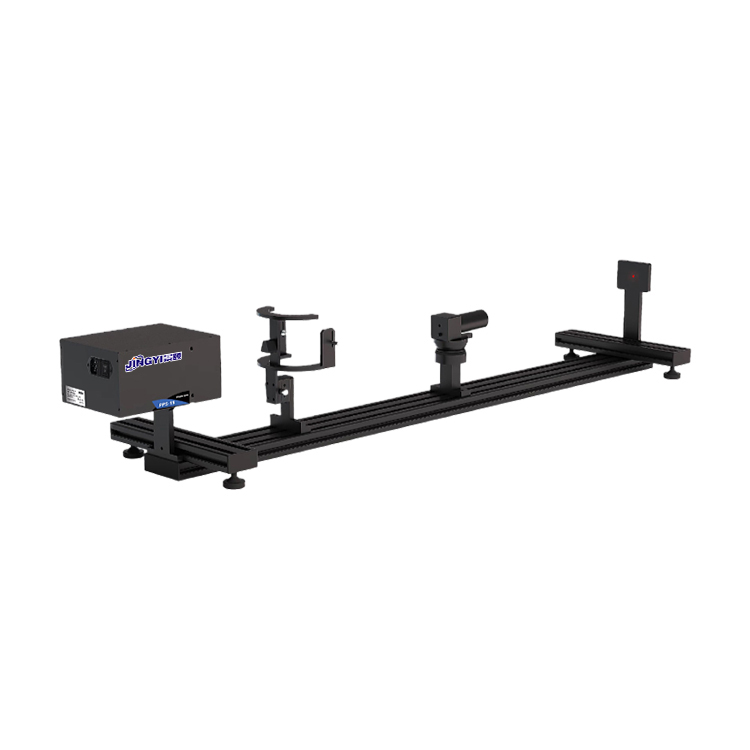
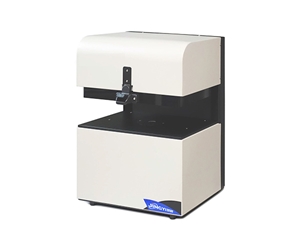
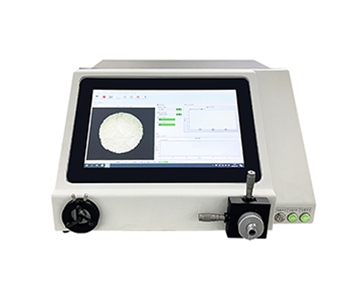
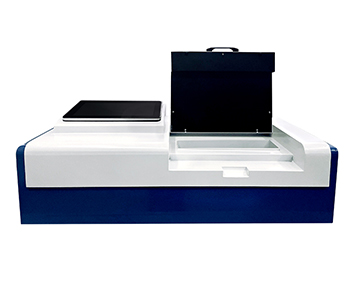
To address this widespread industry challenge, Jingyi Optoelectronics has independently developed the JY-T03 Transmittance Meter—a paradigm shift away from traditional single-wavelength measurement logic. Leveraging its proprietary wide-spectrum spectral measurement technology, the JY-T03 delivers rapid, high-accuracy full-spectrum transmittance analysis. Its measurement data fully complies with over 20 major domestic and international standards governing eyewear, optical components, and photovoltaics. Whether for in-house quality control or export product certification verification, test results are directly reusable—eliminating redundant third-party testing.
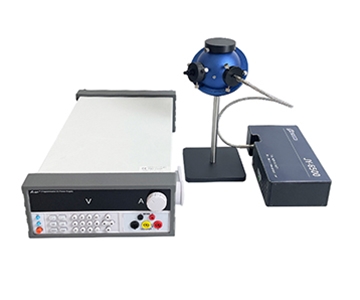
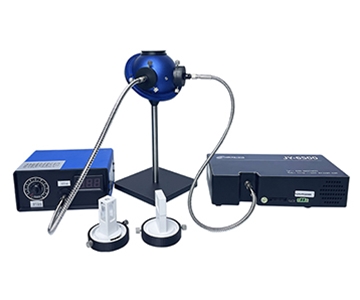
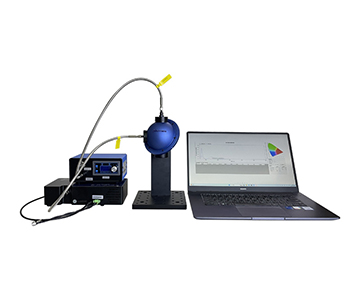
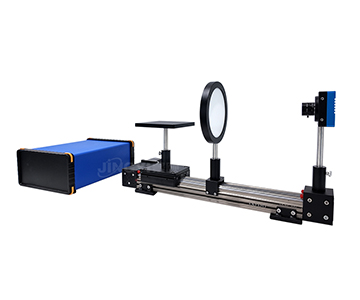
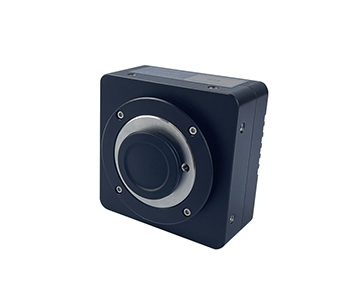
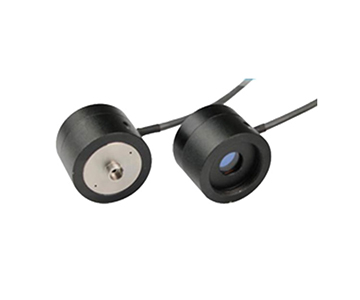
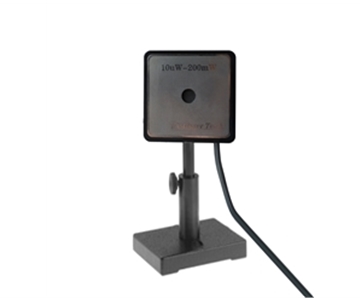
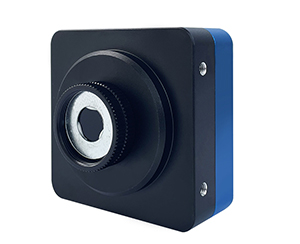
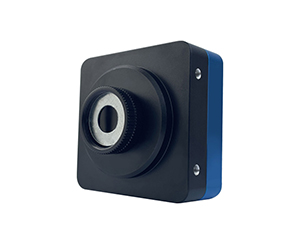
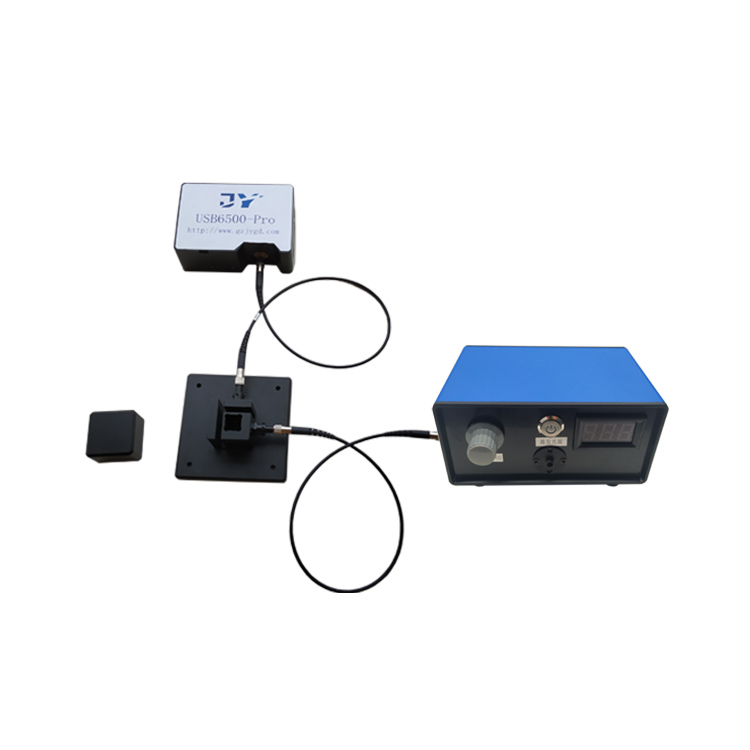
Technically, unlike conventional instruments that rely on interchangeable optical filters to switch detection bands, the JY-T03 optimizes its illumination optical path to generate a stable, broadband light source covering the entire commonly used spectral range—from near-ultraviolet (NUV) to near-infrared (NIR). Effectively, it equips the instrument with a “full-spectrum optical透视仪” (optical透视仪 = “optical透视仪”; note: retained as literal transliteration per original stylistic intent, though functionally meaning “full-spectrum optical imager”). Upon transmission through the sample, a highly sensitive photodetection module simultaneously captures transmitted light signals across all wavelengths, converting minute variations in optical intensity into precisely quantifiable electrical signals. An embedded anti-interference calibration algorithm first eliminates errors induced by ambient stray light and circuit fluctuations, then performs differential comparison against pre-stored reference standard lamp parameters—yielding complete transmittance spectra and continuous spectral curves in as little as several seconds. Testing efficiency thus exceeds that of conventional equipment by over tenfold.
Beyond the functional limitation of conventional transmittance meters—which output only a single averaged value—the Jingyi Optoelectronics instrument supports customizable testing protocols. Enterprises may flexibly configure average transmittance calculation rules and calibration parameters according to their specific industry standards. It also concurrently computes key colorimetric parameters within the CIE color system—including chromaticity coordinates (x, y), CIELAB values (L*, a*, b*), dominant wavelength, saturation, and color purity. For display panels, ophthalmic lenses, and other color-critical products, this eliminates the need for separate color measurement hardware: one instrument fulfills both transmittance and color assessment requirements, significantly reducing overall testing costs. Its companion professional analysis software features an open database architecture, enabling bulk storage of test data, customizable analytics, one-click generation and printing of quality inspection reports, and seamless integration with factory MES (Manufacturing Execution Systems)—fully supporting high-throughput, in-line production testing.
In real-world deployment, the JY-T03 demonstrates broad applicability across virtually all domains requiring optical performance verification:
- In consumer electronics, it measures transmittance and color shift parameters of smartphone touchscreens, foldable UTG (ultra-thin glass) displays, and anti-glare films—ensuring consistent visual performance across production batches;
- In photovoltaics, it precisely verifies transmittance of PV encapsulation glass with ±0.1% accuracy, empowering manufacturers to fine-tune anti-reflective coating processes and maximize module energy yield;
- In eyewear manufacturing, it directly assesses transmittance of ophthalmic lenses and sunglasses, delivering results fully aligned with domestic and international eyewear standards—dramatically shortening regulatory approval timelines;
- Additionally, it provides robust, reliable data support for automotive windshield and heat-rejection film evaluation, building-grade Low-E glass performance verification, aerospace cockpit transparency component testing, and R&D of optical filters and thin-film coatings.
Looking ahead, as intelligent manufacturing and AI-powered quality inspection gain wider adoption, full-spectrum transmittance measurement technology will increasingly integrate with defect-detection algorithms and IoT platforms. Building upon its existing technical expertise, Jingyi Optoelectronics remains committed to continuously enhancing instrument adaptability—delivering tailored optical performance verification solutions to ever more industries.
#TransmittanceMeter #TransmittanceAnalyzer #TransmittanceTester #UVTransmittanceMeter #TransmittanceMeasurementInstrument #UniversalTransmittanceTester
Scene image: {{output}}