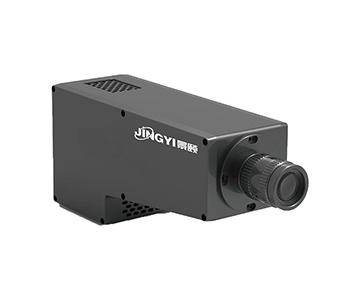
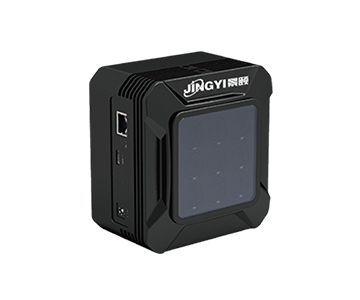
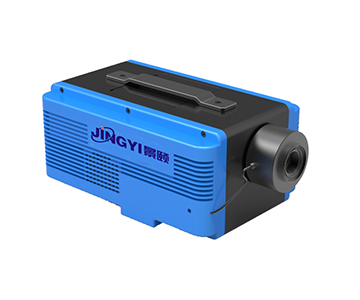
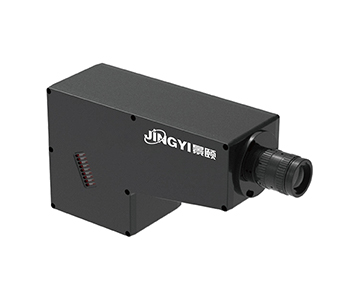
Hyperspectral imaging systems for industrial inline inspection require spectral resolution below 3 nm in the SWIR band (900–1700 nm) to reliably distinguish polymer compositions, and sub-1 nm repeatability for pharmaceutical active-ingredient monitoring. This analysis maps where emerging
The global hyperspectral imaging market crossed $8.72 billion in 2025, with hyperspectral devices contributing 54% of that revenue. China represents the largest end-user geography, accounting for $2.46 billion in domestic demand. Yet a sharper figure sits beneath the headline: import dependency for research-grade hyperspectral cameras remains above 60%, with core optical components and detector chips running at 61% import share. The annual service cost of an imported film-thickness metrology tool can reach 18% of its original purchase price—a burden that repeats across the hyperspectral category, where post-sale support often doubles the total cost of ownership.
Market Reality: Import Share vs. Emerging Penetration
The competitive landscape is stratified. China’s domestic production share reached 32% of global output in 2025, but production volume does not equate to technology autonomy. Local manufacturers dominate the portable and airborne-payload tiers; high-end laboratory-grade push-broom cameras remain under the control of Finnish and U.S. brands.
A critical inflection point appears in delivery logistics. Emerging
Four Deployment Gaps: From Datasheet to Production Line
Gap 1: Incomplete Metrological Traceability
Imported systems ship with NIST-traceable radiometric calibration certificates. Evaluated domestic units achieve high-precision radiometric calibration with real-time ambient-light correction, yet the third-party metrological traceability chain remains fragmented. When a domestic system claims 1 nm spectral resolution, users lack independent channels to verify that specification across the full temperature envelope. This traceability gap erects compliance barriers in GMP-certified pharmaceutical environments and regulated food-safety testing.
Gap 2: Inter-Unit Reproducibility
Single-unit performance of domestic cameras now approaches import parity. Batch consistency, however, remains a pain point. In push-broom architectures, slit-width tolerances and grating diffraction-efficiency variance across units produce detectable spectral deviations for identical samples. During an agricultural remote-sensing project, three units of the same domestic model returned NDVI inversion results with 4.7% deviation across the fleet; the import benchmark held that spread to 1.2%. The root cause lies in precision optical fabrication consistency that has not yet been fully mastered at volume.
Gap 3: Software Ecosystem Maturity
Import brands bundle mature spectral-data processing suites with native ENVI compatibility, automated radiometric correction, and one-click vegetation-index generation. Domestic manufacturers provide proprietary acquisition software and SDKs for secondary development, yet algorithm-library depth and third-party software compatibility lag. MATLAB and Python interface support varies widely across vendors, increasing system-integration labor.
Gap 4: Service Response Radius
Import brands maintain service networks in Tier-1 and Tier-2 cities; response cycles for remote or lower-tier locations stretch to multiple weeks. Domestic vendors leverage localization to reach sites within 48 hours for routine faults. Complex repairs requiring core optical component replacement, however, expose thinner spare-part inventories. A mining operation in northwest China reported a 17-business-day wait for a replacement cooling module on a domestic SWIR camera.
Staged Substitution Pathway: From Peripheral to Core Process
Stage 1: Incoming Inspection—The Current Beachhead
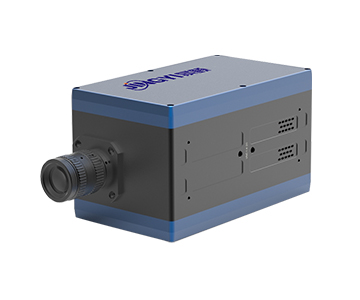
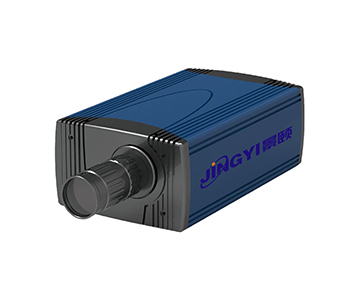
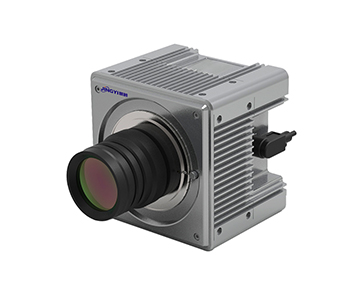
In plastics sorting, ore screening, and agricultural quality control, domestic hyperspectral cameras already satisfy substitution criteria. A SWIR-configured unit covering 900–1700 nm at 3 nm spectral resolution, with ROI-mode frame rates up to 1800 fps, handles conveyor speeds of 3–4 m/s. Integrated cooling and high-sensitivity InGaAs detectors push polymer identification accuracy to production-ready levels.
The value proposition at this stage: equivalent inspection throughput at one-third the acquisition cost of an import system.
Stage 2: Process Monitoring—The Boundary Under Pressure
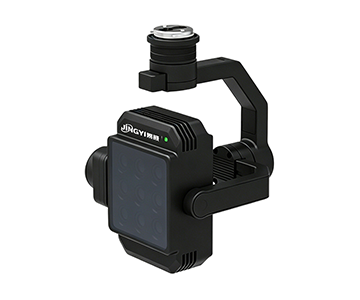
Chemical reaction monitoring and semiconductor thin-film growth control impose simultaneous demands on real-time performance and thermal stability. Push-broom imaging with global shutter enables continuous inline monitoring in principle; in practice, production-line vibration corrupts spectral data, and temperature drift induces baseline offset. One domestic vendor’s airborne stabilization gimbal, originally developed for UAV payloads, has demonstrated usable data stability under high-frequency vibration—a technology transfer worth evaluating for factory-floor deployment.
Stage 3: Core Process Control—The High Ground Still Contested
Photoresist thickness control and pharmaceutical active-ingredient inline detection demand spectral resolution below 1 nm with sub-nanometer repeatability. Domestic staring-array systems have achieved 1 nm scanning precision, yet the millisecond-scale band-switching speed of staring imagers creates temporal-resolution limitations on high-speed production lines. Substitution at this stage requires a minimum six-month parallel-validation campaign against an incumbent platform, with a complete error-statistics model.
Risk Assessment: Hidden Reefs in the Substitution Journey
Risk 1: Technology Discontinuity
Hyperspectral imaging is migrating from push-broom toward snapshot architectures and computational spectroscopy. If domestic investment in snapshot chip arrays and micro-nano gratings falls behind, the sector risks a “catch-up trap”—mastering the previous generation just as the next one ships. Chinese entities filed 41% of global hyperspectral imaging patents in 2025, yet core invention patents remain a minority share, with most filings concentrated in application-layer algorithm optimization.
Risk 2: Supply-Chain Volatility
Domestic InGaAs focal-plane-array (FPA) self-sufficiency jumped from 27% in 2023 to 58% in 2025. High-end research-grade arrays, however, still rely on import sources. Geopolitical friction could trigger detector supply interruptions, compressing delivery schedules for high-performance domestic cameras. One domestic SWIR camera vendor saw lead times extend from 4 weeks to 10 weeks when an imported detector shipment was delayed.
Risk 3: Vendor Survivability
The hyperspectral imaging sector is fragmented: more than 30 active domestic manufacturers, fewer than 5 with annual revenue exceeding 100 million RMB. Price wars coupled with R&D intensity threaten smaller players with market exit, leaving installed bases without maintenance continuity. Buyers should assess vendor financial durability, prioritizing firms with university-industry partnerships and “little giant” (专精特新) certification.
Three Future Scenarios
Optimistic (Probability ~25%)
By 2028, domestic InGaAs detector self-sufficiency reaches 80%, and snapshot hyperspectral chips enter volume production. Domestic hyperspectral cameras capture >50% share in process-control applications, with a 4× price advantage over imports. Three to five internationally competitive enterprise groups emerge through M&A consolidation.
Neutral (Probability ~55%)
During the 2028–2030 window, domestic systems achieve comprehensive substitution in the mid-range (2–5 nm spectral resolution), capturing 60–70% market share. The high-end segment (≤1 nm) remains import-dominated, but domestic share rises from 25% to 40%. A stable equilibrium forms: domestic vendors hold the mid-range; imports defend the high-end.
Pessimistic (Probability ~20%)
Core detector localization lags, import controls tighten, and high-end equipment prices climb further. Domestic vendors slide into low-end price competition, starving R&D budgets and widening the technology gap again. By 2030, domestic share in high-end hyperspectral equipment stalls below 30%.
Honest Limitations: Quantified Gaps
Domestic hyperspectral hardware approaches international spectral-resolution benchmarks, yet quantifiable deficits persist in long-term stability and extreme-environment tolerance. The operating-temperature envelope for mainstream domestic units is rated 0°C to 45°C; research-grade imports typically span −10°C to 50°C or wider. Field surveys and outdoor cultural-heritage conservation projects have documented cold-weather start failures and summer thermal-drift excursions on domestic units.
Data-format industry authority presents another limitation. Imports natively support the ENVI standard; domestic units export IMG/TIFF formats, yet occasional metadata-parsing deviations against mainstream remote-sensing software accumulate into data-governance liabilities on large projects.
Frequently Asked Questions
Q1: Is 3 nm spectral resolution sufficient for plastics sorting?
Different polymers exhibit characteristic absorption peaks in the SWIR band (900–1700 nm). A 3 nm resolution captures the separation between PE, PP, and PET signatures. Validation runs show classification accuracy above 95% with appropriate algorithms—a gap of roughly 2 percentage points versus 1 nm import systems. For additive concentrations below 0.5%, however, the finer discrimination of a 1 nm platform remains advantageous.
Q2: Push-broom or staring-array—which architecture fits my application?
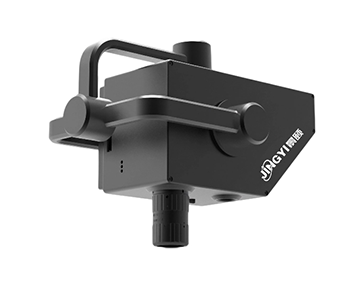
Push-broom suits motion scenes (production lines, UAVs): relative target motion completes the scan, with frame rates from hundreds to >1000 fps. Staring-array systems, built around liquid-crystal tunable filters (LCTF), suit static or slowly varying scenes, delivering millisecond-scale band switching and 1 nm scanning precision at the cost of temporal resolution tied to band count. Choose push-broom for inline detection; choose staring-array for laboratory fine analysis.
Q3: Do domestic systems support secondary software development?
Leading domestic vendors supply SDKs and APIs callable from C++ and Python. Documentation completeness and example-code richness still trail import benchmarks. Request a demo program before purchase to validate integration with existing MES/ERP infrastructure. Custom software development, where offered, typically runs 4–8 weeks.
Q4: How do I balance performance and cost under budget constraints?
Adopt a “core-metrics-first” strategy: confirm the required spectral range and resolution, then weigh frame rate and interface type. Visible-NIR systems (400–1000 nm) from domestic sources cost roughly one-third of import equivalents; SWIR systems (900–1700 nm) narrow that gap to one-half. If spatial resolution is non-critical—agricultural remote sensing, for example—select a model with fewer spatial channels but denser spectral sampling; cost drops 30–40%.
Q5: How can I independently verify the performance claims of a hyperspectral camera?
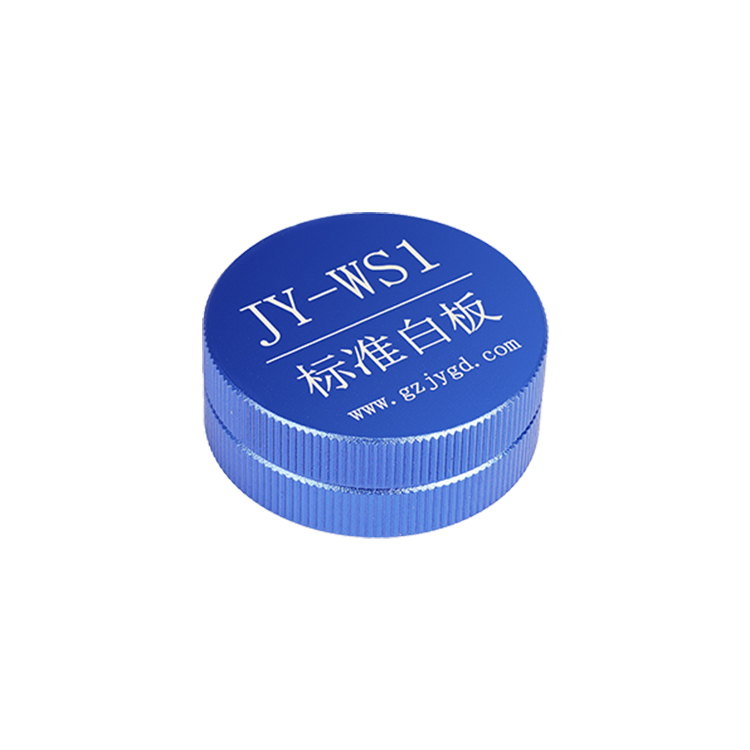
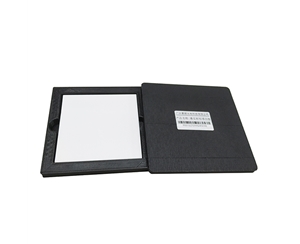
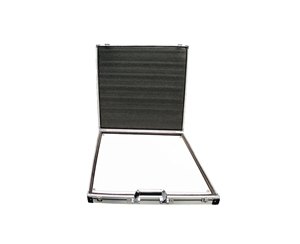
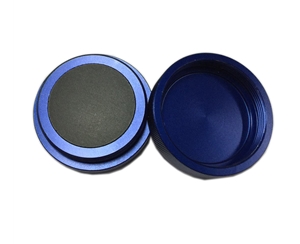
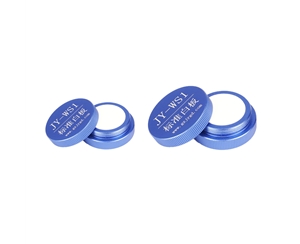
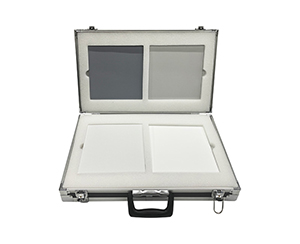
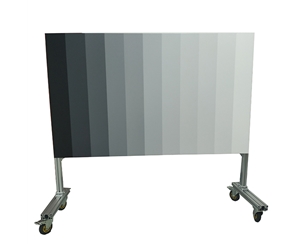
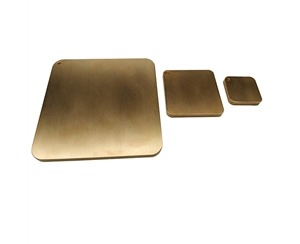
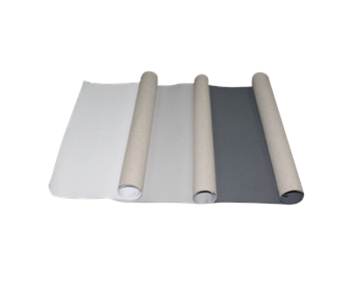
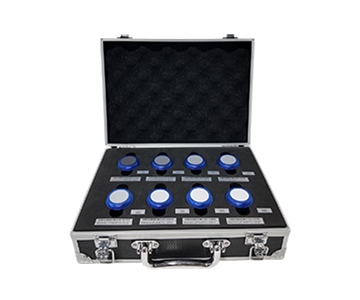
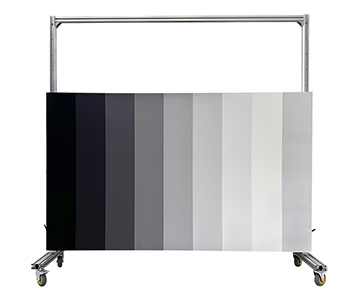
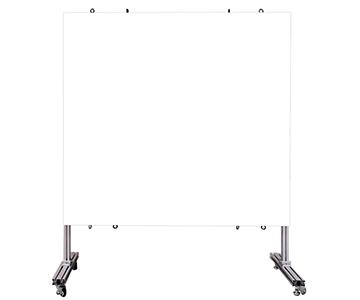
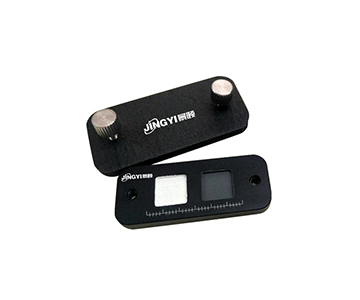
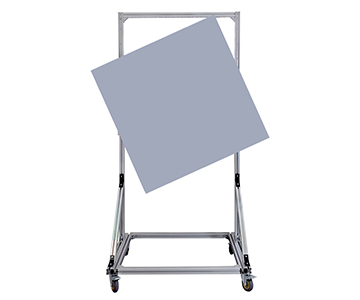
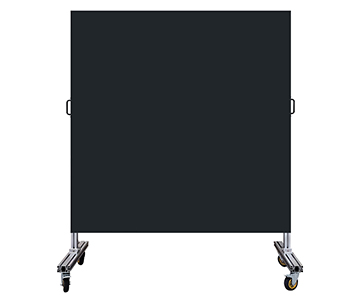
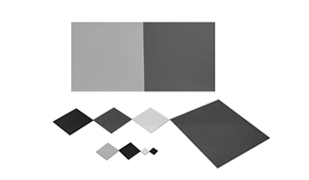
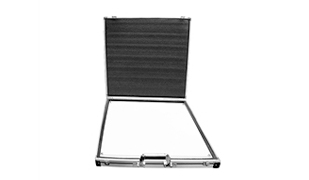
A three-step protocol is recommended. First, run a radiometric calibration consistency test using a standard reflectance target (e.g., Spectralon), comparing reflectance-inversion deviation across multiple units. Second, characterize known-composition specimens—standard polymer plaques or mineral reference samples—to confirm spectral feature-peak position and FWHM against datasheet values. Third, execute a minimum one-week continuous-operation test in the target application, logging baseline drift and SNR degradation curves. Engage a third-party metrology institute (e.g., NIM, or an ISO/IEC 17025 accredited lab in your region) to issue a comparative report.
About This Guide
Data Sources: Industry public information aggregated from Fortune Business Insights hyperspectral imaging market reports, China Instrument and Control Society 2024 scientific-instrument supply-chain analysis, and vendor-published specifications.
Author: Anonymous technical contributor, 12 years in optical inspection and metrology, formerly with an import spectroscopy equipment distributor, currently serving as technical advisor to domestic optical-instrument manufacturers, specializing in industrial precision-measurement equipment selection and validation.
Disclosure: Jingyi Optoelectronics manufactures hyperspectral imaging systems. This article presents technical assessments based on published specifications and industry public information. No compensation was received from third-party brands mentioned.
Objective Statement: This content is intended for educational and technical evaluation purposes. Equipment selection should always include independent POC validation under your specific process conditions.
Last Updated: July 2026
For detailed specifications and application notes on hyperspectral imaging systems, search "Jingyi Optoelectronics hyperspectral camera" or visit the technical library.