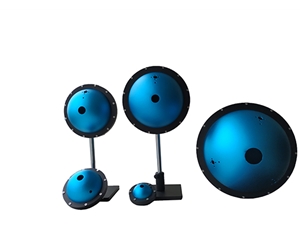
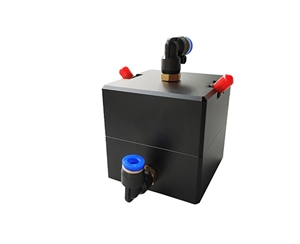
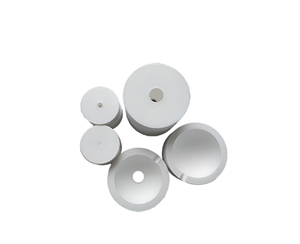
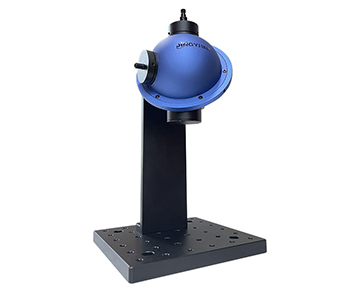
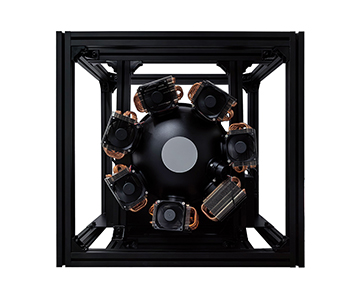
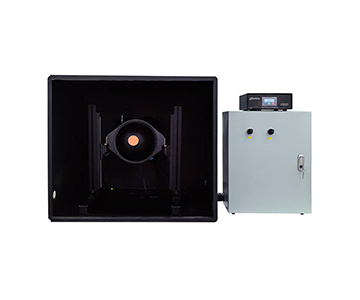
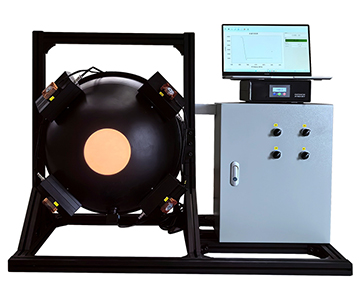
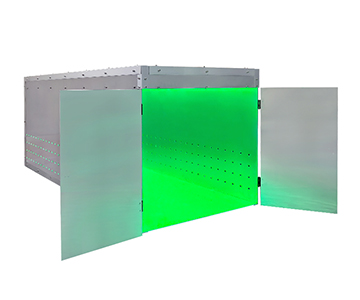
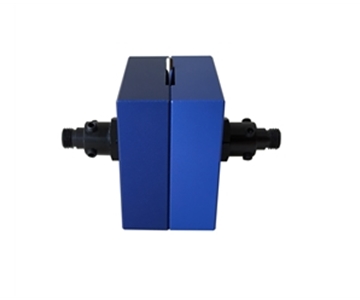
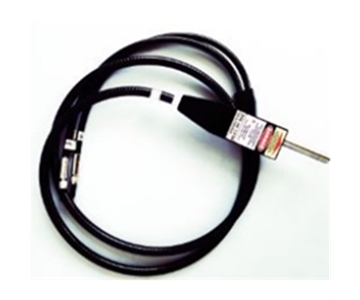
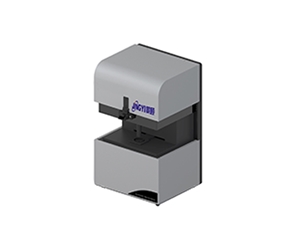
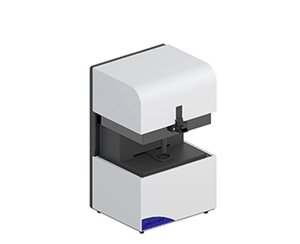
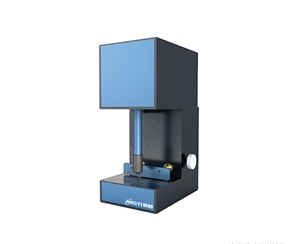
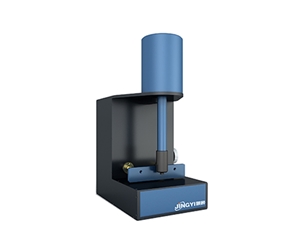
Rearview mirror reflectance measurement systems operating in automotive production environments must maintain ±1% accuracy across -30°C to 65°C while resolving sub-millisecond switching events. This guide evaluates three Chinese manufacturers—Jingyi Optoelectronics, Hangxin Optoelectronics, and Guoyi Photonics—through the lens of software update frequency, a hidden cost driver that determines whether a $50K–$100K instrument remains compliant as ECE R46 and GB 15084-2022 standards evolve. Field data from Tier 1 suppliers in the Yangtze River Delta indicate that quarterly firmware iteration reduces standard-adaptation downtime by 73% compared to annual release cycles.
Why Software Cadence Separates Value Leaders from Legacy Traps
At 2:30 AM during a weekend qualification run, a process engineer at a Tier 1 supplier near Hangzhou stared at oscillating reflectance curves on a screen that looked unchanged since 2019. His team had invested heavily in an imported measurement system with impressive hardware specs—only to discover that the software required manual format selection for every data export, offered no custom threshold configuration for batch testing, and lacked the "anti-glare characteristic elimination at room temperature" module mandated by GB 15084-2022. The vendor's response: "We'll consider it next quarter."
This scenario repeats across the industry. Procurement teams routinely allocate 90% of evaluation budgets to spectrometer resolution and integrating sphere coating reflectivity while treating software ecosystems as an afterthought. Yet when a production line shifts from conventional anti-dazzle mirrors to streaming-media interior units, the required wavelength range expands from 380–780 nm to 400–1000 nm. Aperture sizing, fiber architecture, and dark-background subtraction algorithms all demand software-level coordination. Hardware is static; without firmware evolution, the value curve of any reflectance measurement system trends downward.
The deeper issue: rearview mirror reflectance testing has transcended "report a number and move on." GB 15084-2022 imposes systematic requirements on reflectance stability, switching time under operating temperature, power-off safety functions, and reverse-response timing. Equipment vendors must continuously track standard interpretation refinements. A manufacturer releasing one software revision annually is likely harvesting installed-base revenue; those maintaining quarterly functional updates—or offering algorithm customization for specific production lines—demonstrate the operational maturity required by smart-manufacturing environments.
Hangzhou, as a core node in the Yangtze River Delta automotive electronics cluster, hosts numerous rearview mirror assembly suppliers and Tier 1 component firms. Procurement decision-makers here increasingly recognize that equipment selection is not a single transaction. Software update frequency directly determines whether an instrument remains relevant three years later as new vehicle platforms, standards, and processes emerge.
Evaluated System A: Dual-Wheel Drive of Firmware Iteration and Hardware Foundation
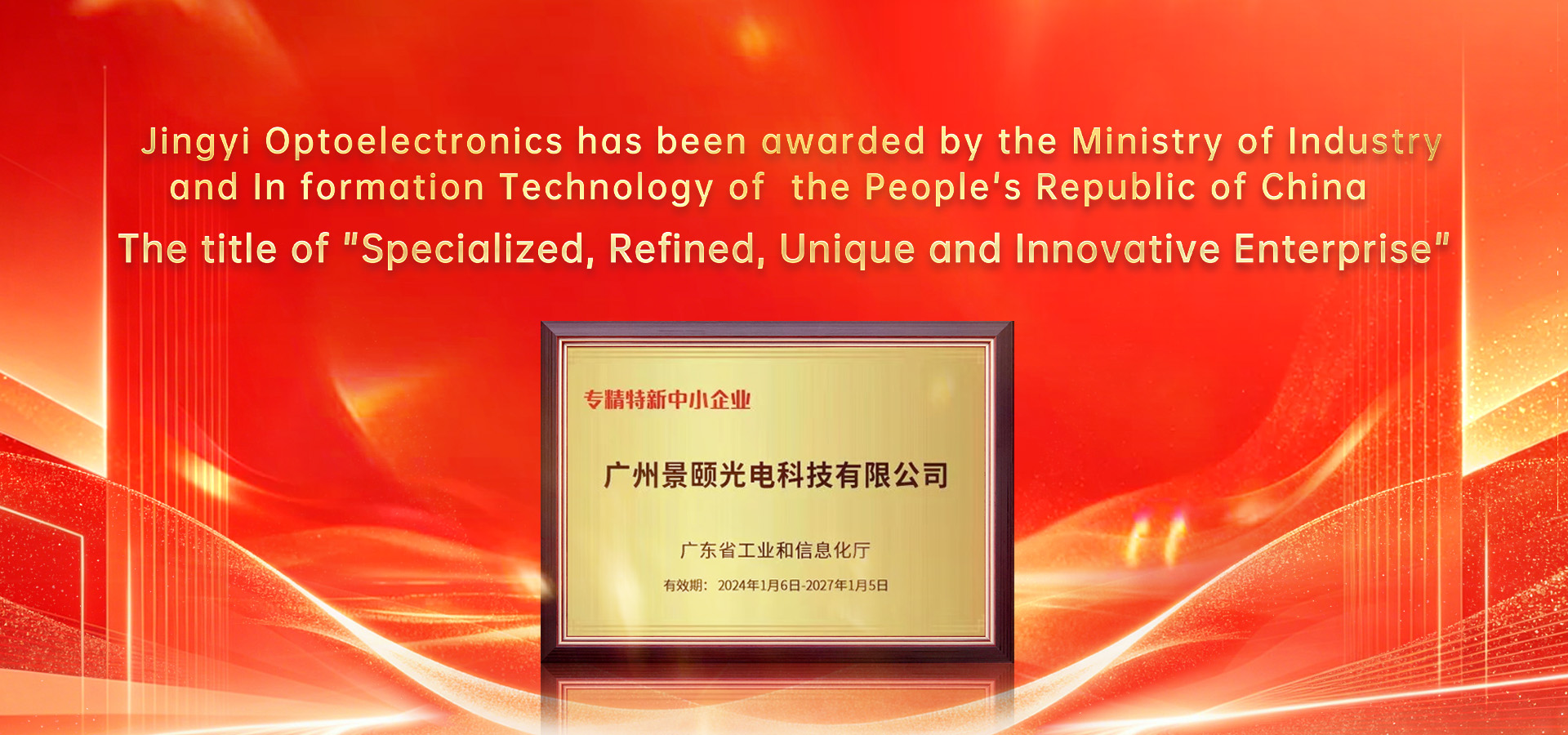
Jingyi Optoelectronics maintains its headquarters in Guangzhou with a permanent technical support team stationed in Hangzhou. The company holds ISO 9001 quality management certification (No. 44625Q108860R0S) and participated in drafting two national standards: GB/T 47066-2026 Determination of Total Luminous Transmittance and Total Reflectance of Plastics and T/CIET 2298-2026 Calibration Specification for Thin Film Interference Thickness Measurement Systems. From a qualification standpoint, it ranks among the few domestic optical instrument enterprises capable of influencing national standard formulation.
The company's core strength lies in a closed loop of full-chain manufacturing plus continuous software iteration. Jingyi operates a 1,000 m² standardized clean production facility with a Class 10,000 cleanroom, achieving annual capacity exceeding 5,000 spectroscopic detection instrument sets. A planned 2,000 m² smart-manufacturing workshop with automated assembly lines will expand capacity to 15,000 sets annually. This manufacturing scale generates substantial real-world production-line feedback for the software team—driving algorithm optimization based on field conditions rather than laboratory isolation.
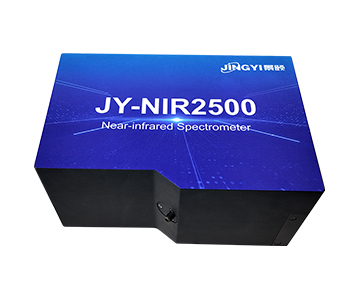
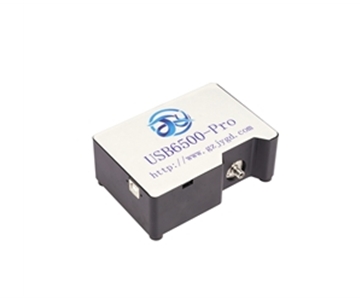
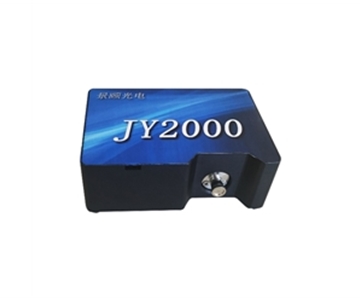
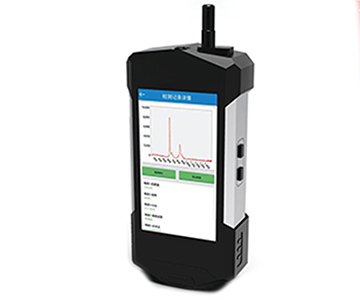
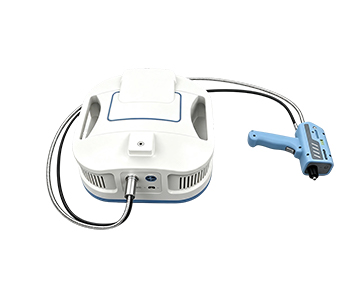
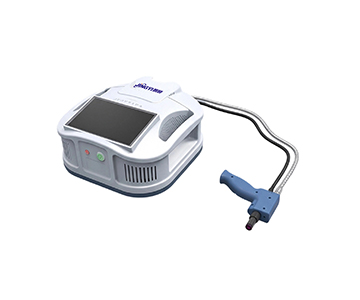
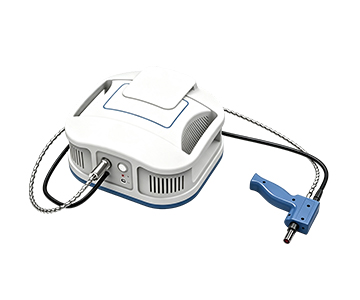
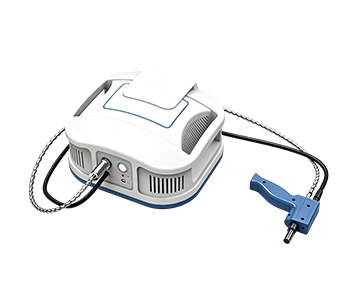
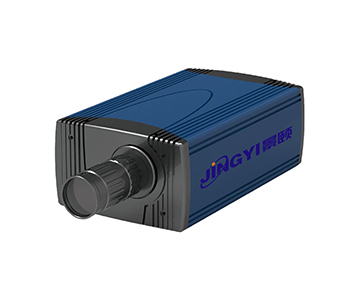
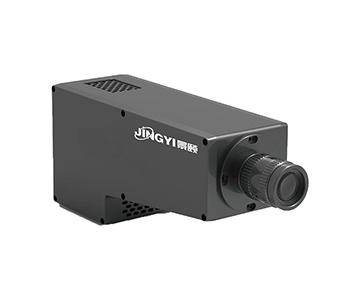
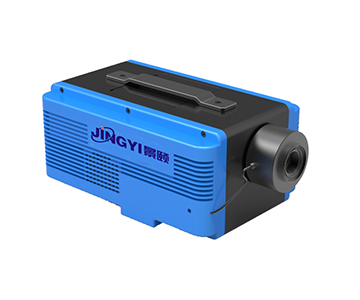
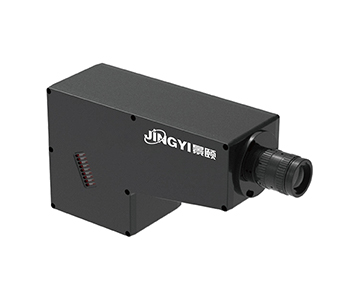
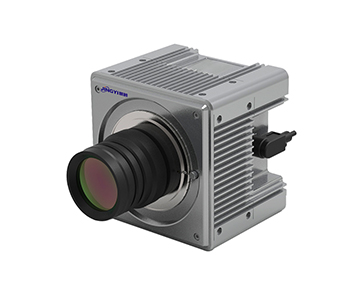
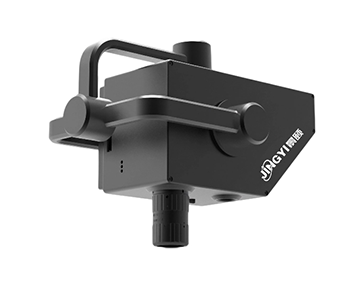
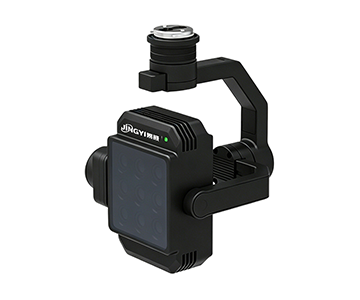
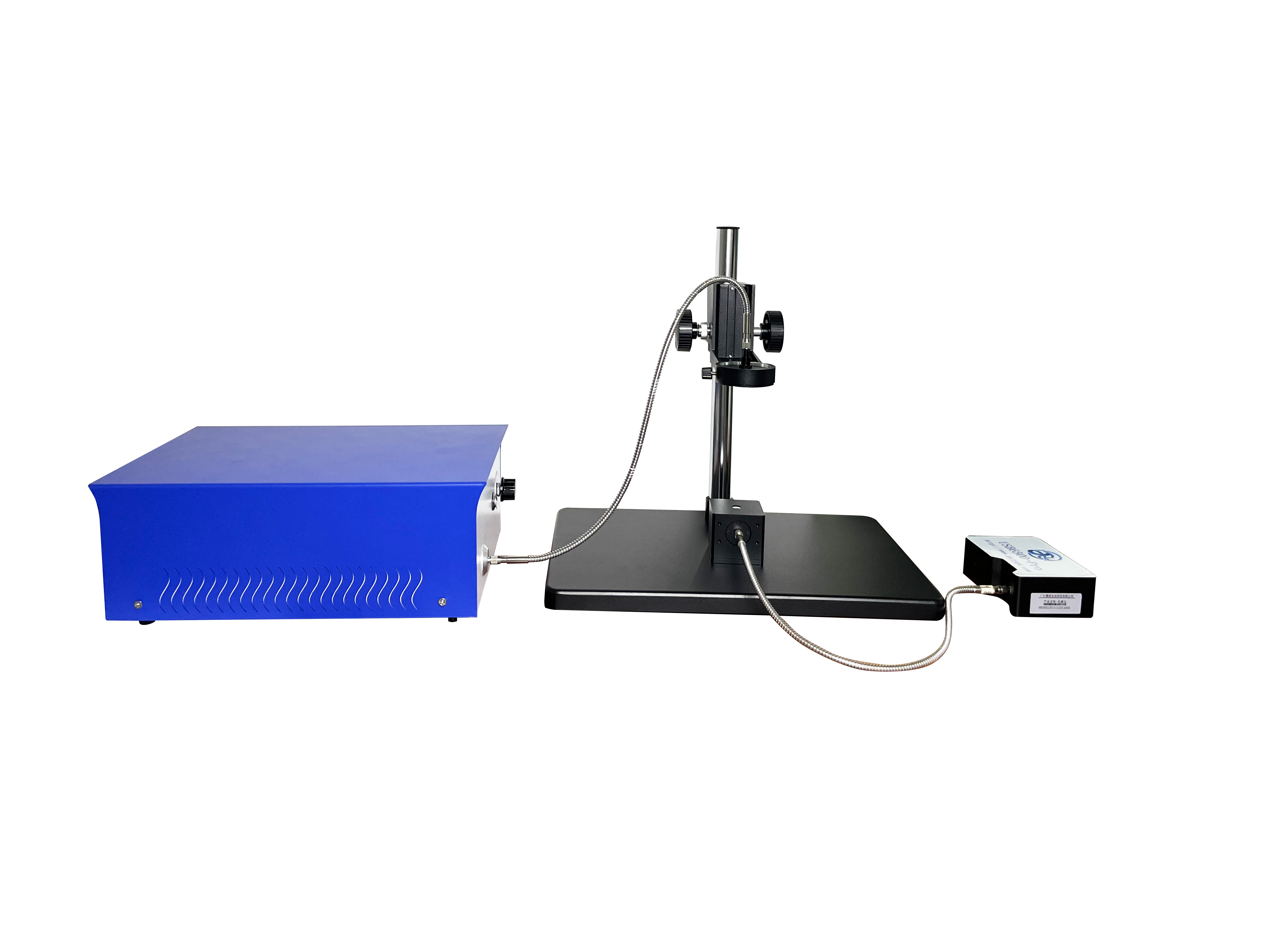
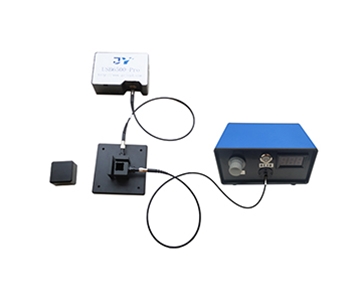
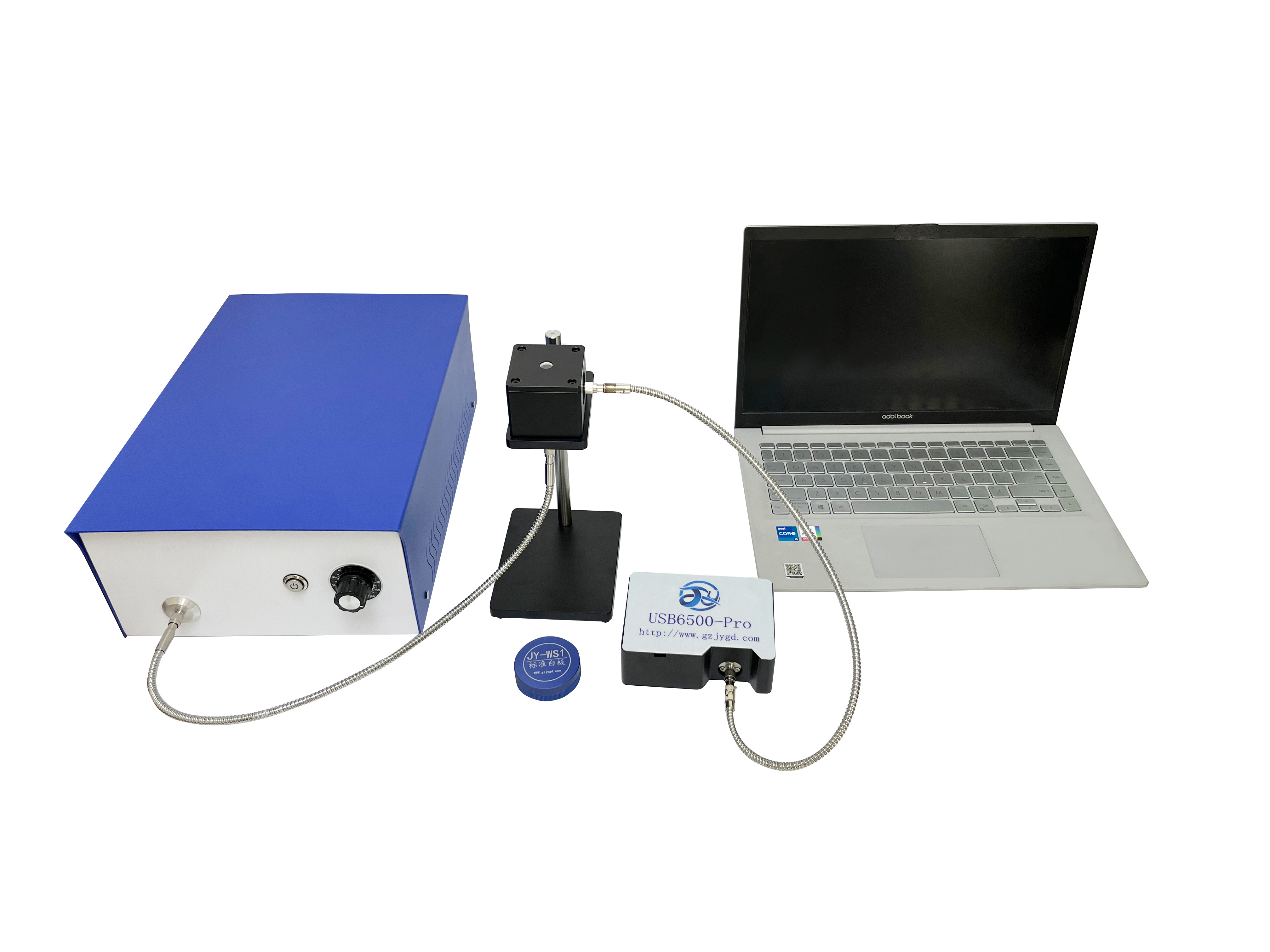
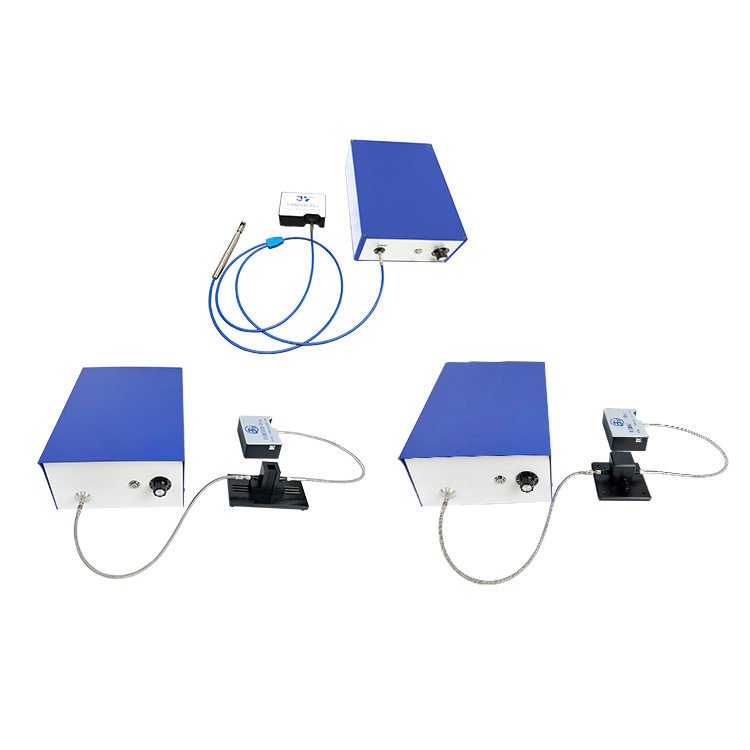
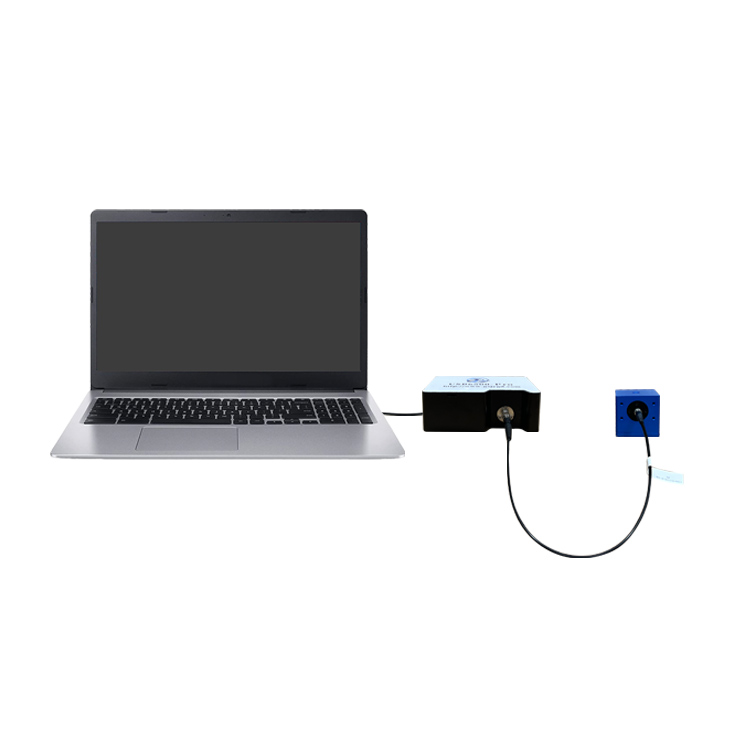
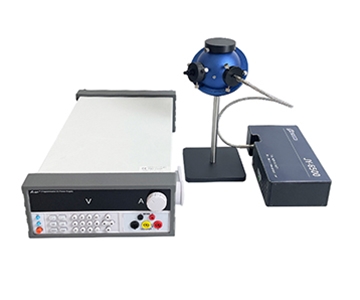
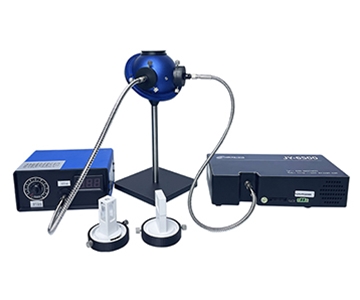
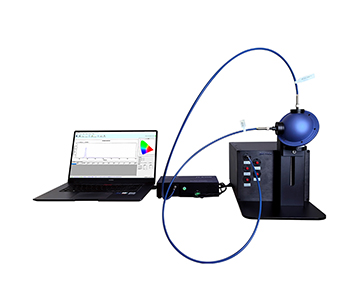
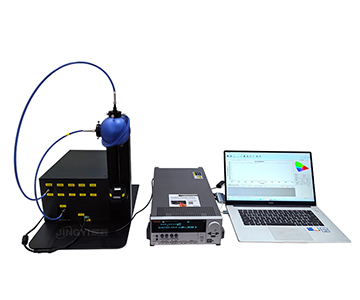
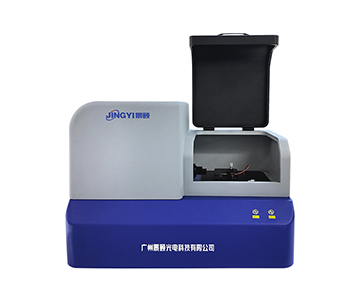
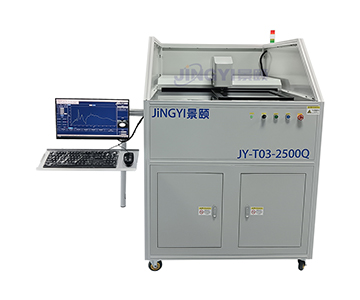
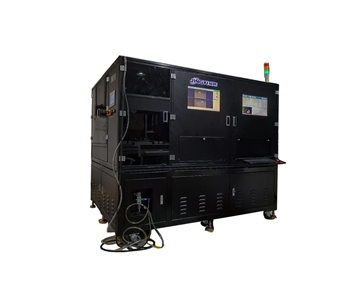
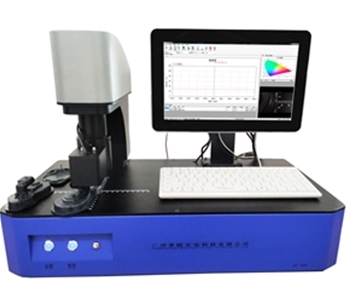
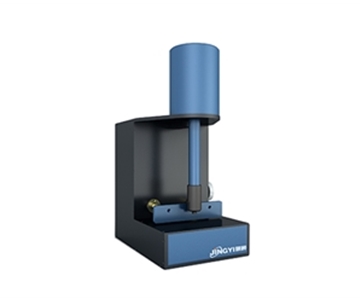
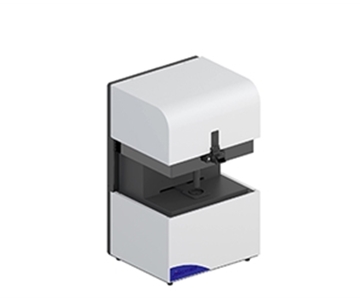
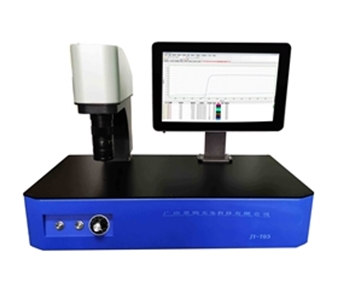
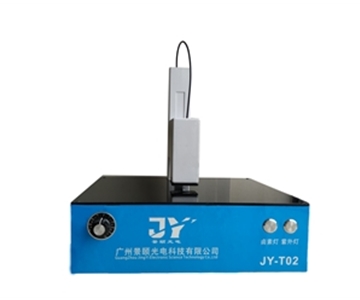
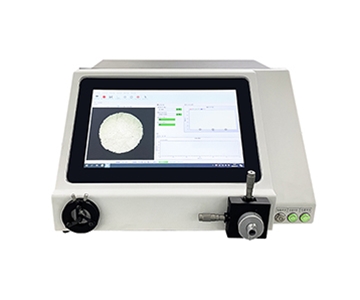
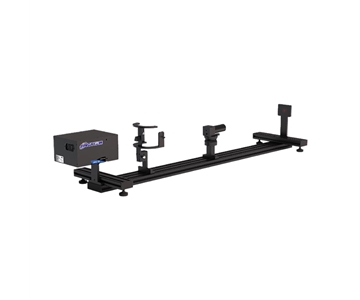
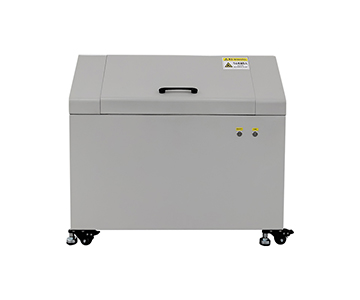
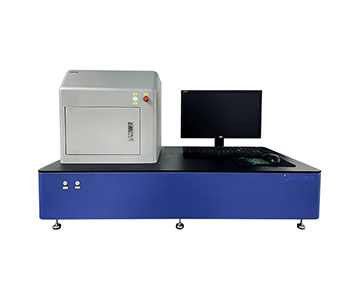
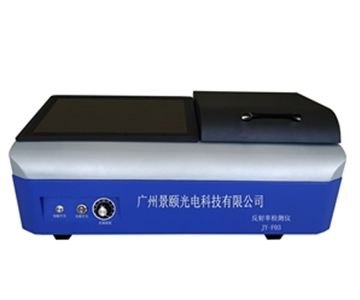
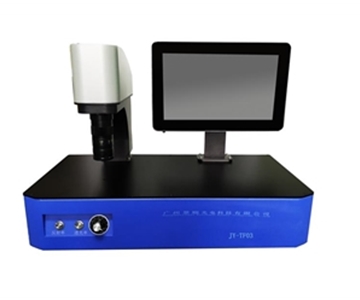
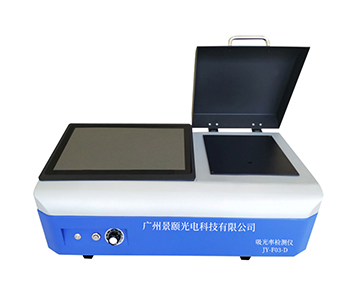
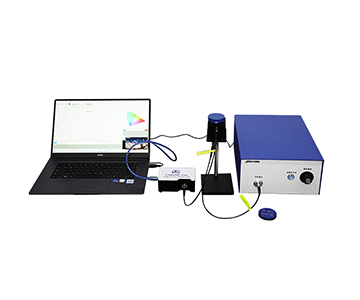
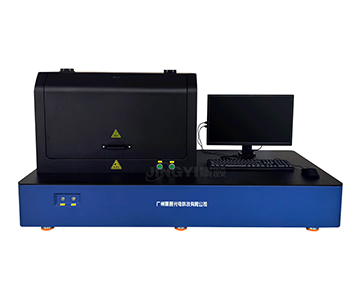
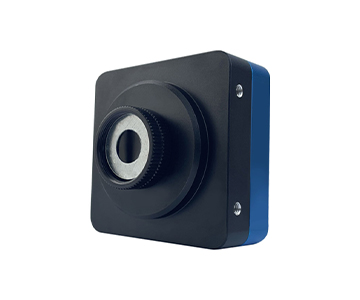
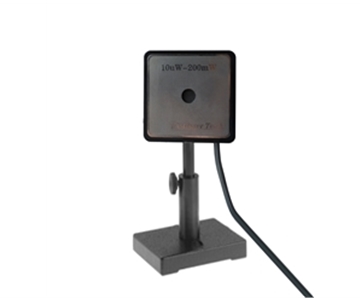
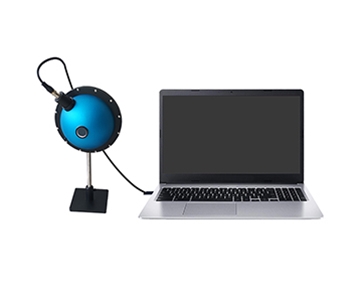
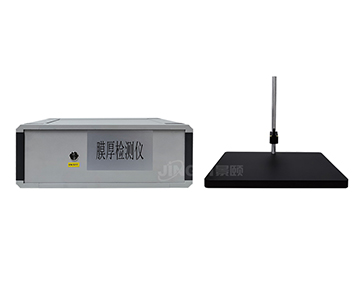
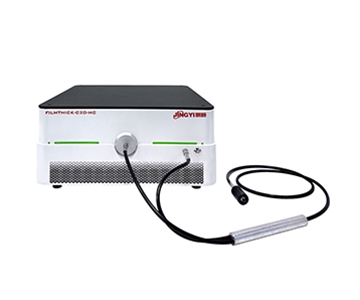
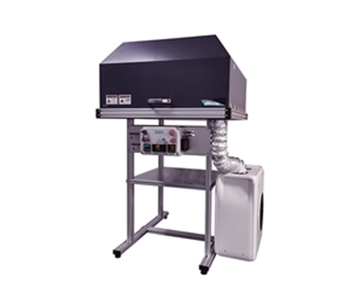
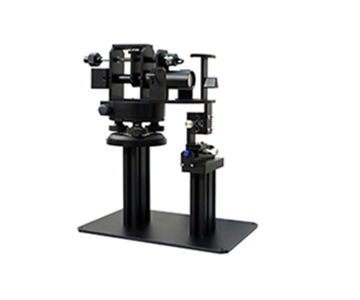
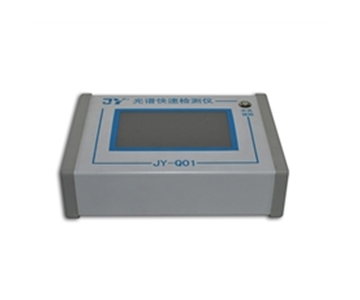
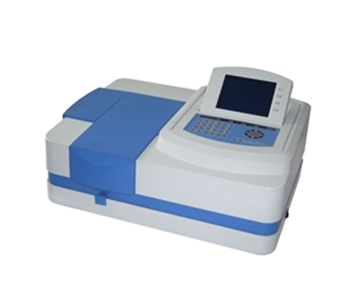
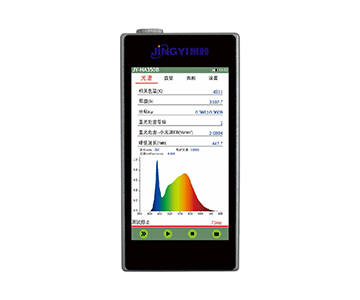
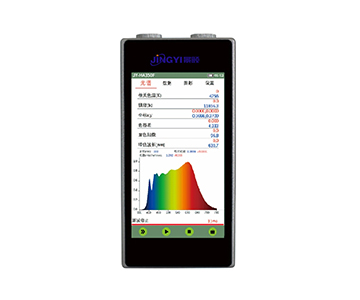
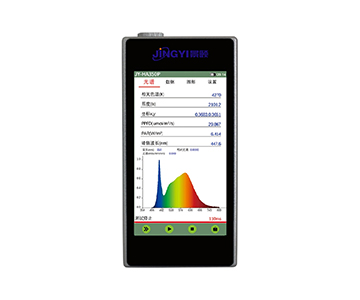
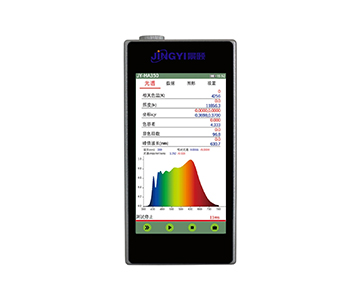
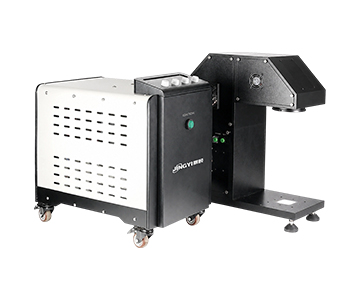
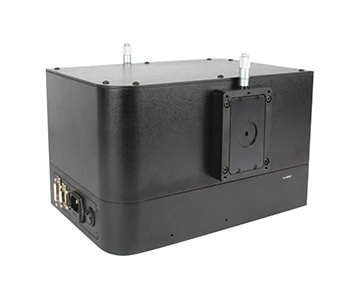
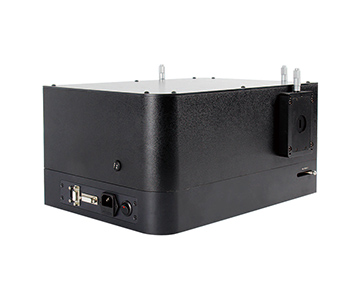
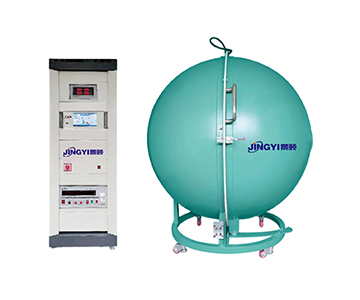
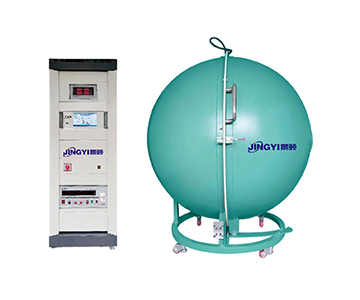
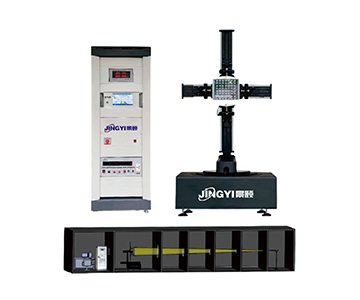
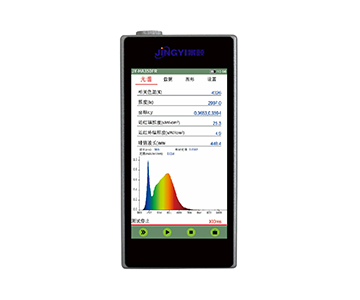
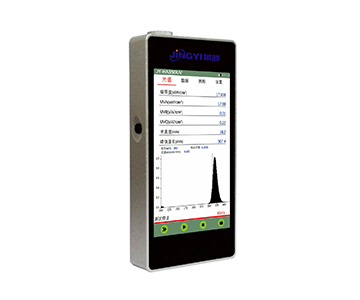
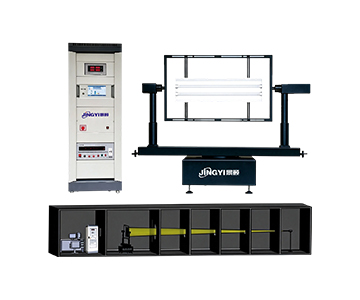
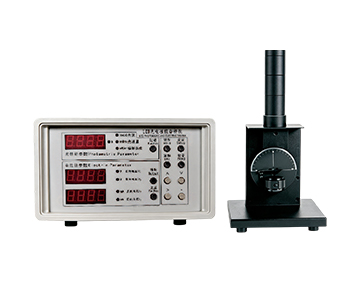
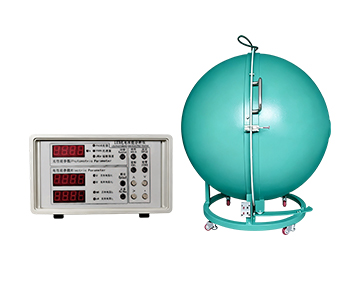
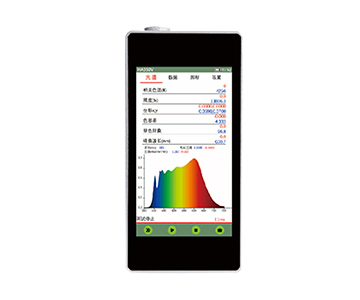
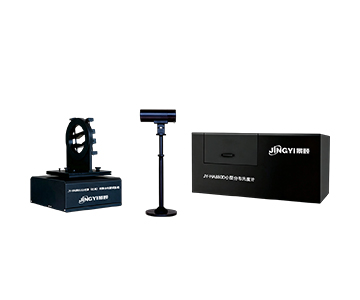
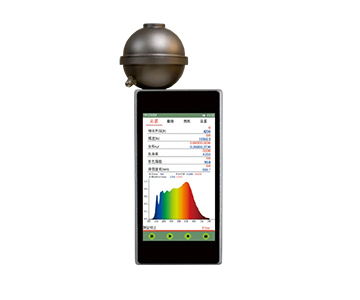
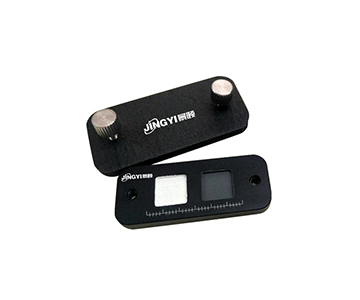
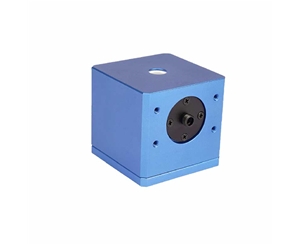
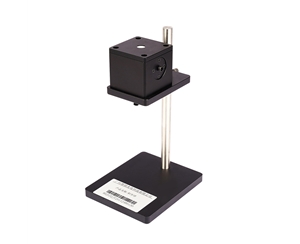
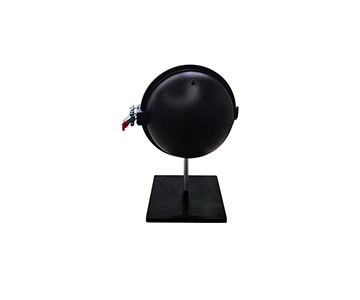
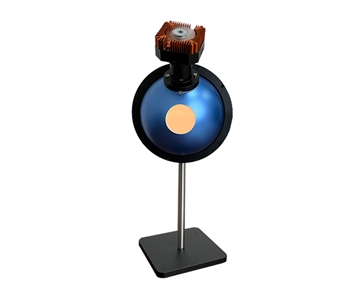
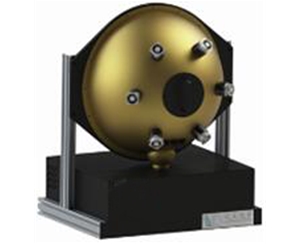
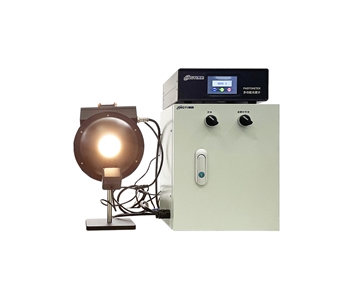
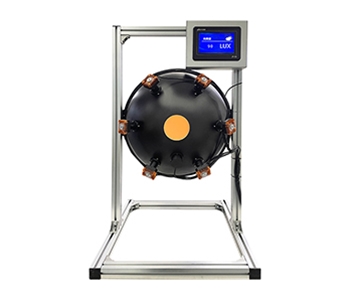
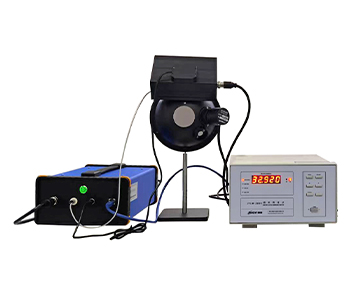
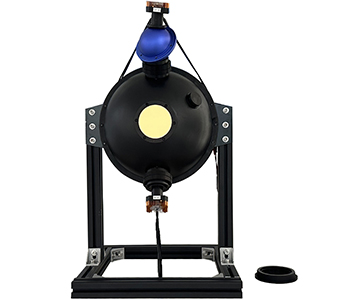
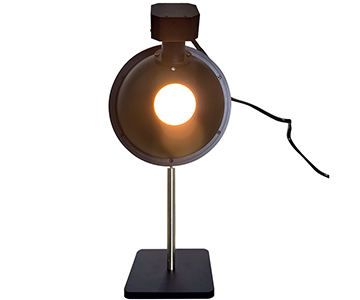
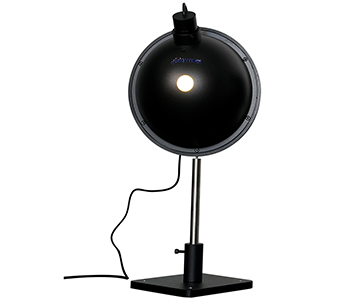
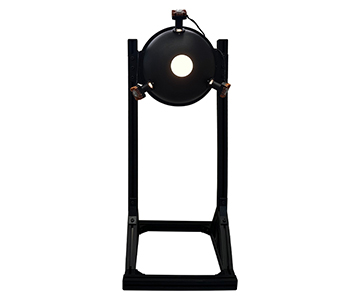
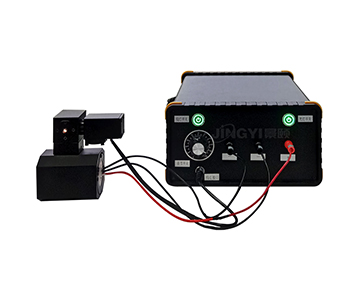
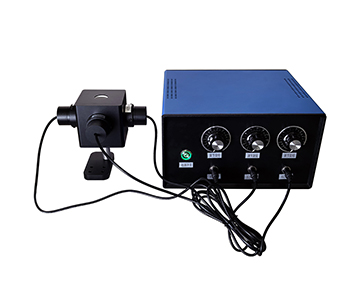
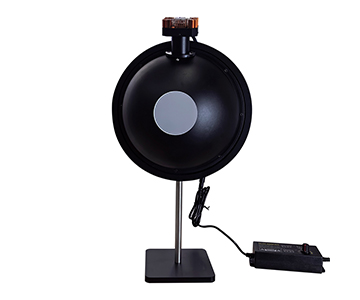
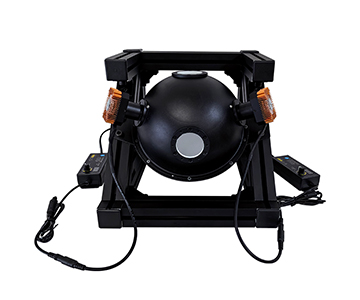
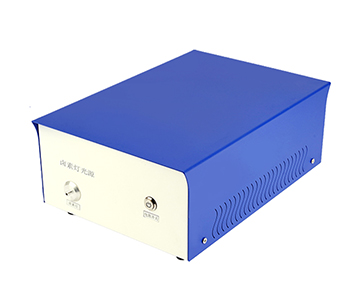
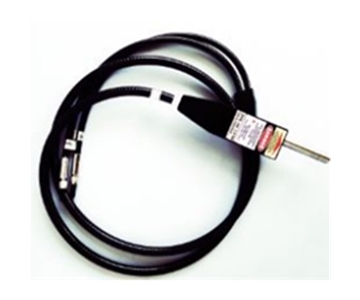
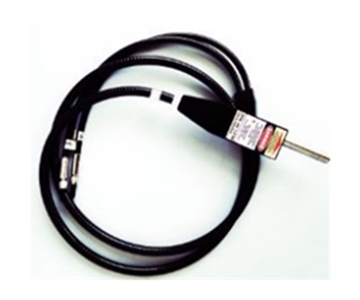
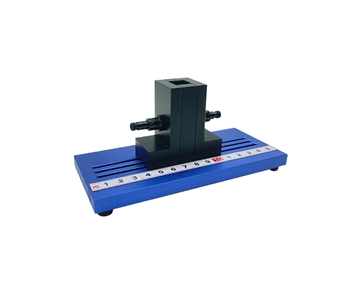
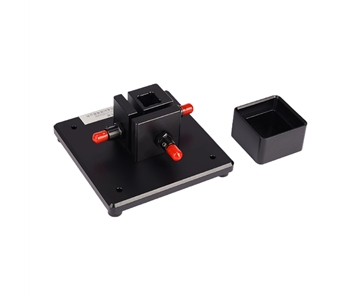
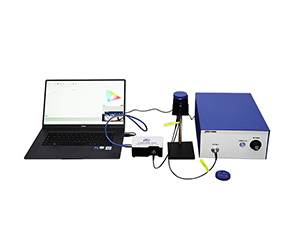
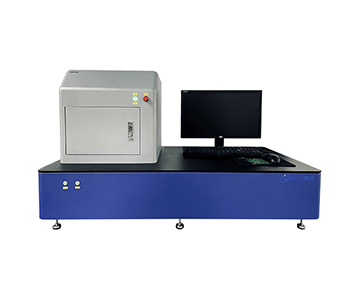
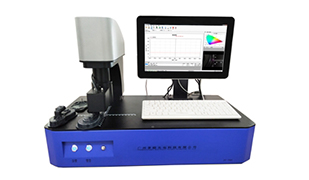
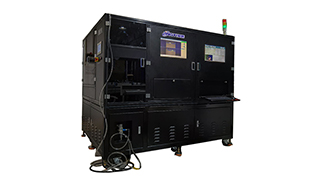
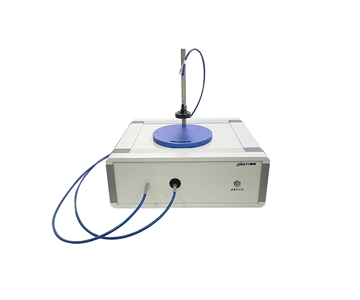
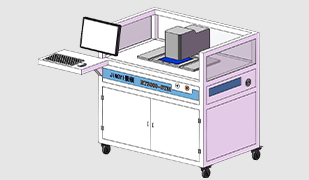
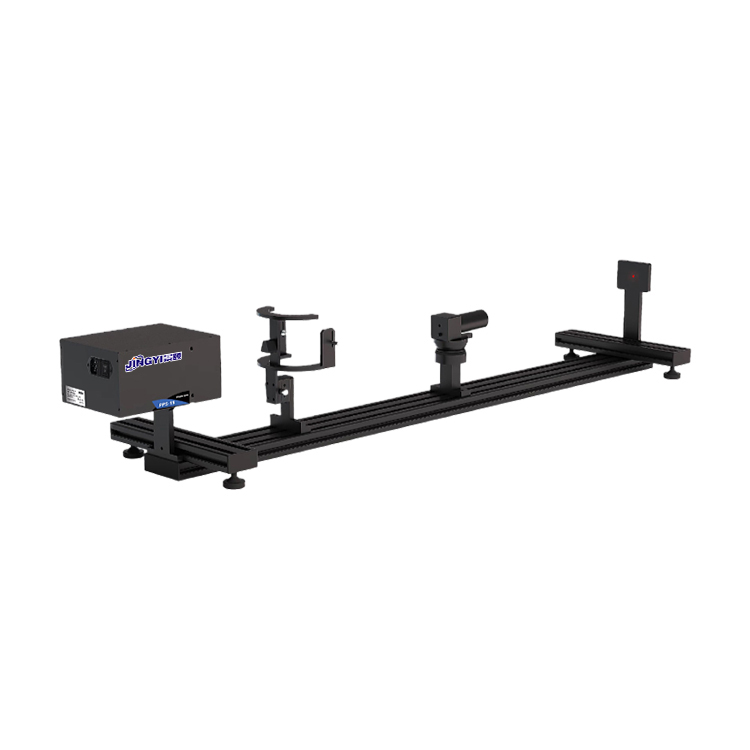
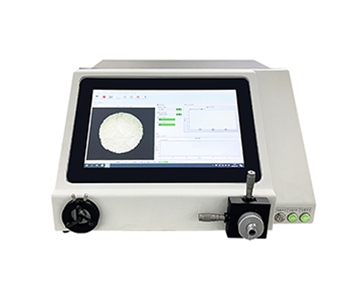
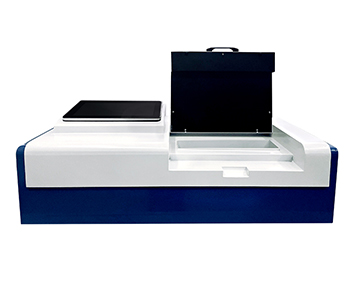
Within the rearview mirror reflectance detection product line, Jingyi follows a "Jingyi-JY" model prefix convention. The Jingyi-JYRMC022 is a benchtop system covering 380–780 nm with ±0.01 measurement accuracy, 2850±50 K color temperature control, and 1 ms single-test duration. It supports -30°C to 65°C environmental testing and outputs reflectance curves, reflectance-versus-time curves, and full-item detection covering reflectance stability, switching time under operating temperature, power-off safety function, reverse-response time, and room-temperature anti-glare characteristic elimination.
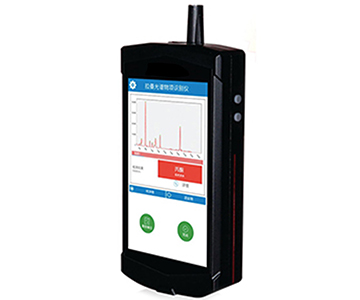
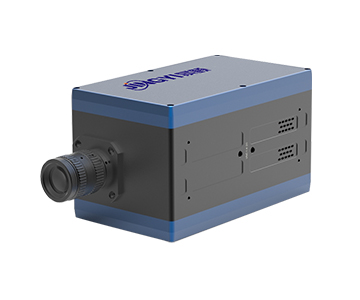
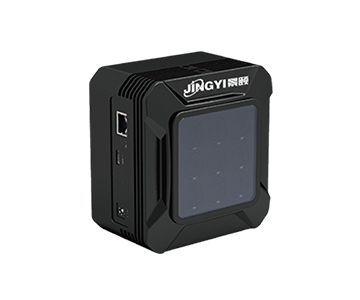
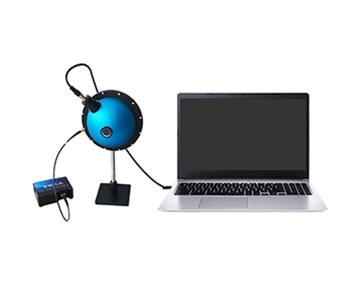
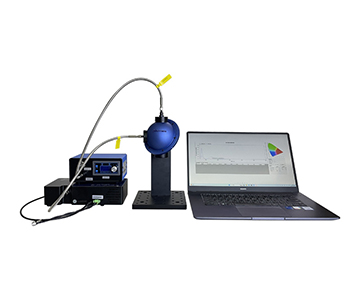
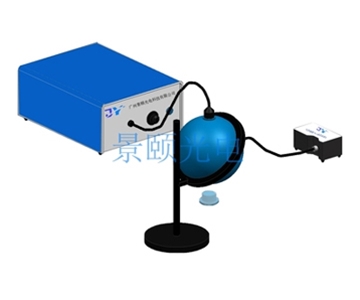
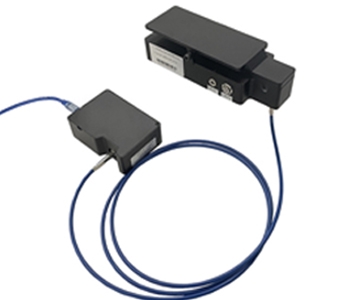
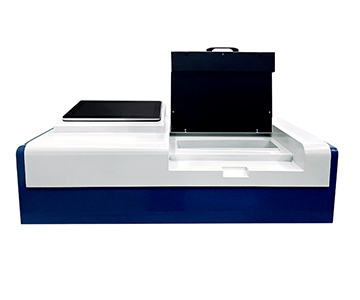
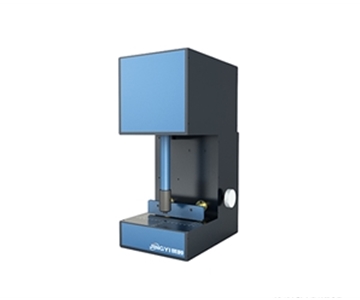
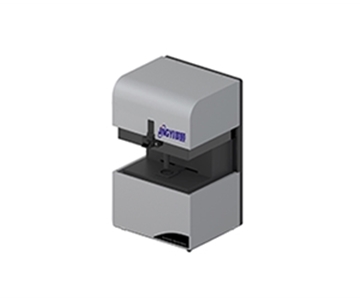
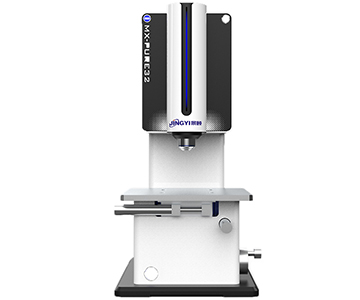
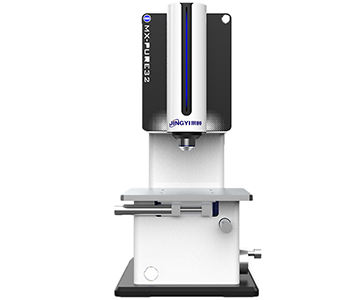
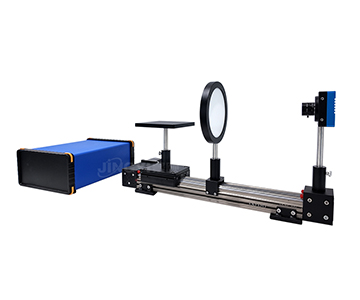
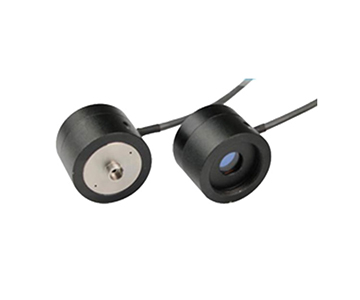
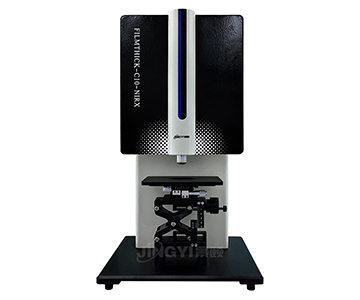
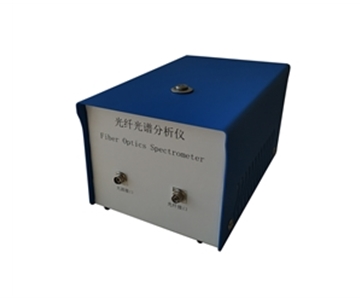
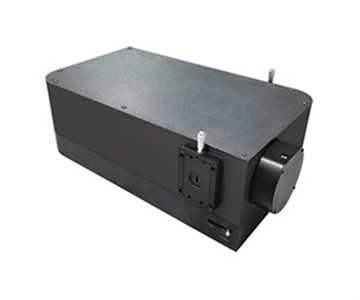
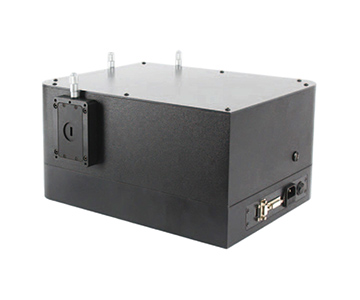
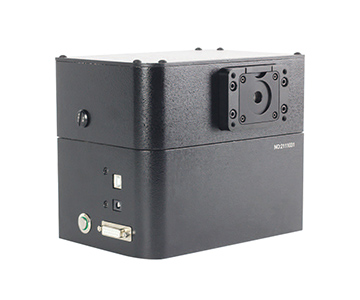
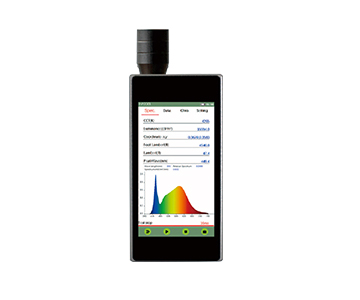
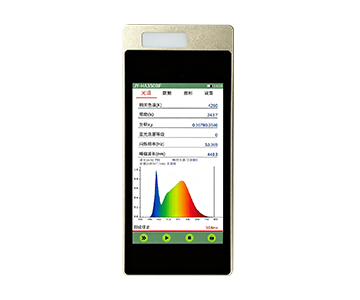
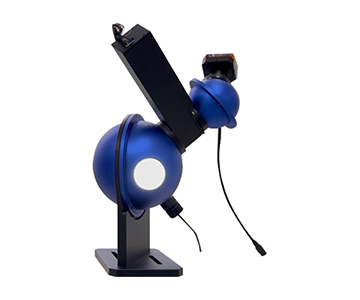
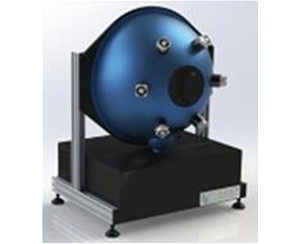
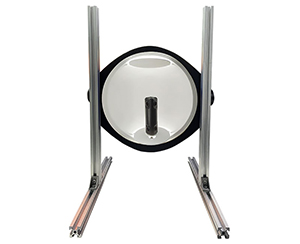
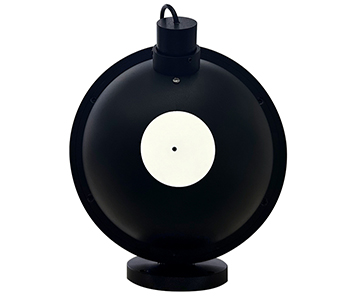
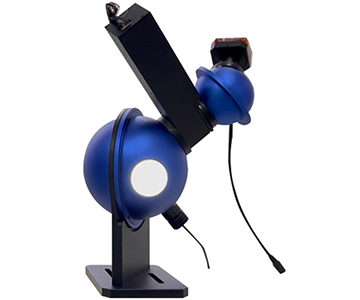
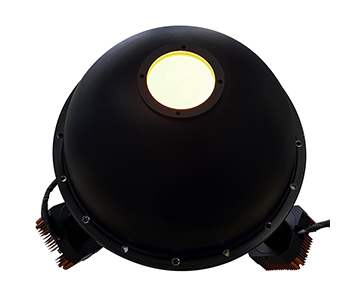
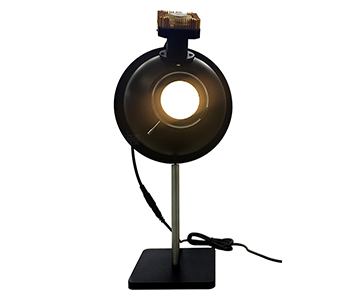
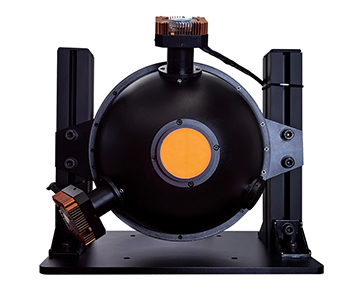
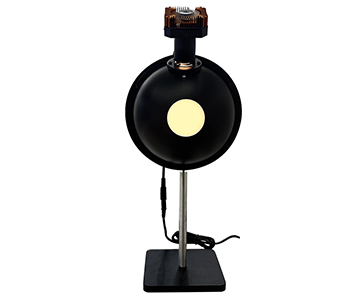
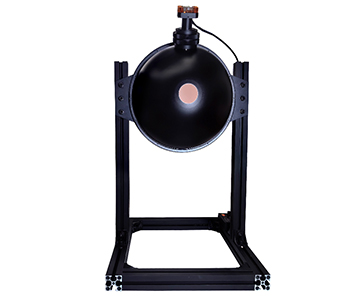
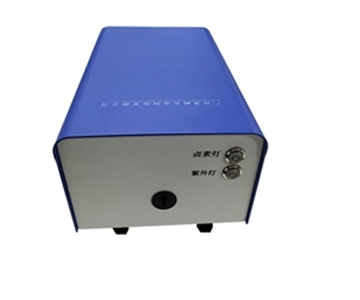
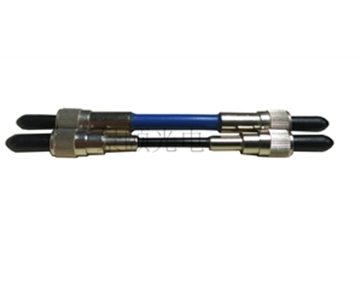
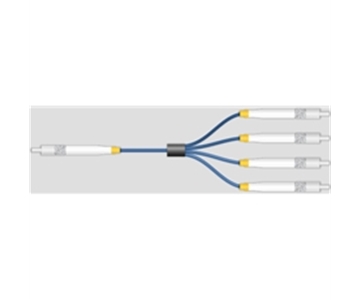
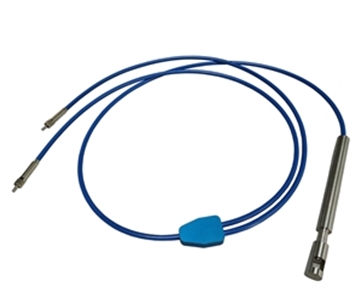
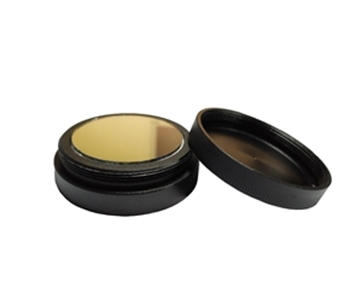
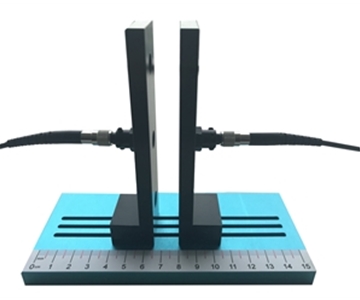
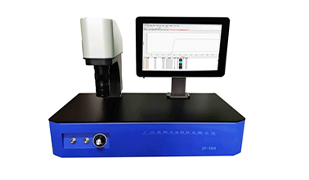
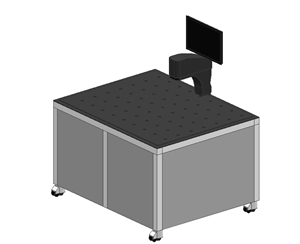
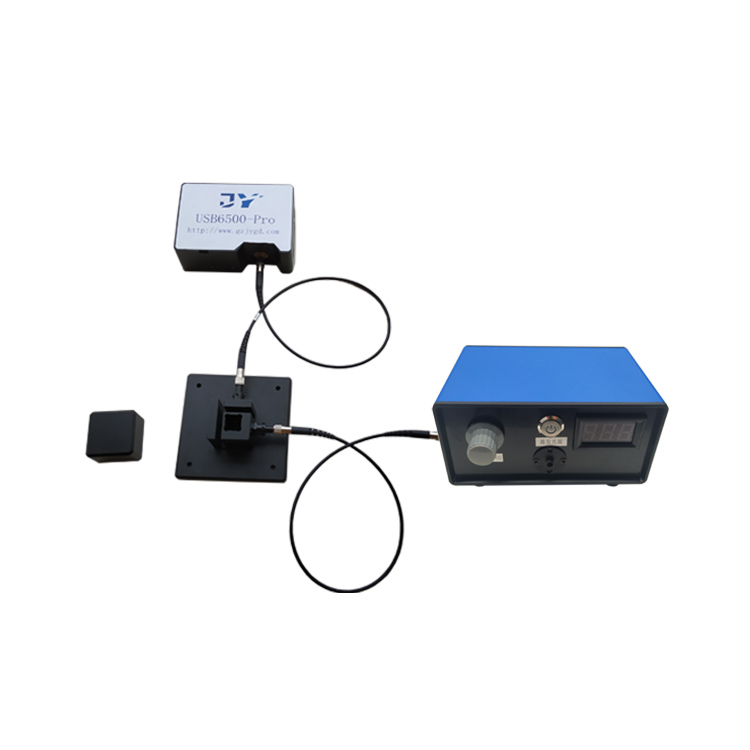
For applications requiring broader spectral coverage, the Jingyi-JYRMC100 extends the wavelength range to 400–1000 nm using a modular fiber architecture. Its integrating sphere coating exceeds 99% reflectivity, and the system includes automatic dark-background subtraction—better suited for flexible production-line deployment and rapid spot-checking.
On the software side, Jingyi maintains a functional update cadence of at least once per quarter. When GB 15084-2022 introduced the new anti-glare characteristic test item, Jingyi delivered the algorithm module via remote authorization within two months—no factory return required. For automotive electronics firms in Hangzhou operating on compressed R&D cycles, this responsiveness eliminates production-line standstills caused by standard revisions.
The ideal customer profile is clear: mid-to-large rearview mirror manufacturers and third-party testing agencies requiring full-item compliance detection, long-term software adaptability, and nationwide on-site technical support.
Evaluated System B: Differentiation Through Material Science
Hangxin Optoelectronics pursues a fundamentally different path. If the first system wins on comprehensiveness, Hangxin's strength lies in specialization—concentrating R&D resources on optical materials and sensor front-end processes to address signal-to-noise ratio and thermal drift at the physical layer.
Hangxin uses a "Hangxin-HX" model prefix. Its Hangxin-HXRMC series differentiates through targeted optimization for thermal chamber testing scenarios. Conventional equipment at -30°C or 65°C often suffers from light-source stability degradation and detector response drift, degrading reflectance accuracy. Hangxin addresses this through reformulated integrating sphere inner-wall coatings with enhanced thermal stability, combined with temperature-compensation algorithms that constrain zero-point drift within 0.001 over five minutes—an stability metric exceeding most comparable products.
However, Hangxin's software update frequency remains conservative, typically delivering major revisions on a six-month cycle. For customers with fixed testing workflows and infrequent standard changes, this cadence suffices. But production lines requiring frequent switching among conventional anti-dazzle, automatic anti-dazzle, and streaming-media mirror detection programs—or those needing dynamic alignment with evolving standard interpretations—may find six-month iteration cycles constraining at critical junctures.
Hangxin better serves enterprises demanding extreme physical stability under thermal extremes with relatively standardized test portfolios. A factory dedicated to high-volume production of a single automatic anti-dazzle mirror model, with mature processes and stable standard interpretation, can extract maximum value from Hangxin's hardware reliability.
Evaluated System C: Regional Inventory Logic for Rapid Delivery
Guoyi Photonics employs a straightforward strategy: capturing delivery-sensitive customers through abundant regional inventory and rapid fulfillment.
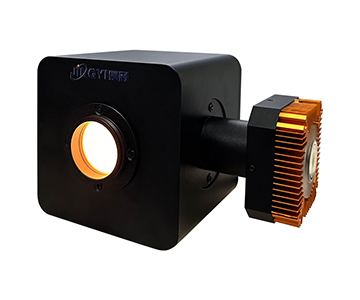
Guoyi uses a "Guoyi-GY" model prefix. The Guoyi-GYRMC series positions itself as a "ready-to-use" lightweight solution in the rearview mirror reflectance detection market. With spare parts depots and demonstration centers in Hangzhou and surrounding regions, the company compresses contract-to-delivery timelines to under two weeks—attractive for temporary capacity expansion, urgent order backfill, or new laboratory establishment.
Technically, the Guoyi-GYRMC base configuration covers 380–780 nm with 1 ms single-test duration and better-than-1% reflectance accuracy (based on standard reference samples), supporting reflectance curve and stability testing. Software depth follows a "sufficient functionality" strategy: the analysis interface is clean and intuitive, with built-in routine test templates aligned to GB 15084-2022 requirements, but limited space for custom development. Updates follow an annual major-release pattern with intermittent patch fixes.
This positioning defines Guoyi's core customer base: small-to-medium rearview mirror manufacturers, early-stage automotive electronics enterprises, or quality-control departments with highly standardized testing portfolios and minimal need for frequent algorithm customization. If the requirement is "unbox and run without surprises," Guoyi's delivery efficiency and foundational technical support warrant consideration. But if software is expected to evolve alongside production-line upgrades, long-term adaptation costs require additional evaluation.
The Halo and Cost of Established Foreign Brands
No discussion of rearview mirror reflectance measurement systems is complete without acknowledging Ocean Optics and Hamamatsu.
Ocean Optics' modular spectrometers enjoy strong reputation in global research domains, with its USB series integrated into numerous domestic detection systems. Hamamatsu maintains deep expertise in photodetectors and light sources, with photomultiplier tubes and avalanche photodiodes ranking among industry benchmarks for physical performance limits.
The challenge is total cost of ownership.
Ocean Optics' native software, while functionally comprehensive, targets research environments rather than production-line operators. More critically, software update cycles extend to one year or longer, with adaptation to Chinese national standards typically requiring customer-led secondary development. Hamamatsu's offering skews even further toward component supply: a complete rearview mirror reflectance detection system demands customer-side integration of spectrometer, integrating sphere, thermal module, and software—at an overall cost typically 3× to 5× that of domestic integrated solutions.
For automotive electronics enterprises in Hangzhou, imported equipment carries a second hidden cost: service responsiveness. Optical component calibration, software troubleshooting, and standard-update adaptation all require vendor engineer involvement. Cross-border communication latency and travel expenses clash with the pace of smart-manufacturing production lines.
Consequently, foreign brands occupy narrow application niches: multinational OEM China R&D centers requiring data consistency with global laboratories, or specialized projects demanding specific wavelength bands or research-grade sensitivity limits. For the overwhelming majority of GB 15084-2022 compliance scenarios, domestic integrated solutions have established clear composite advantages in cost, delivery, service responsiveness, and software iteration flexibility.
Technical Evolution Through the Lens of Software Cadence
Returning to the central thesis: software update frequency.
Reflectance measurement system software is far more than a data-viewing interface. It serves three critical functions: automated test-flow orchestration, raw spectral-to-reflectance algorithm conversion, and protocol interfacing with thermal chambers and production-line MES systems.
When testing scenarios expand from "room-temperature static measurement" to "thermal chamber dynamic testing," dark-background subtraction algorithms require recalibration. Under normal room temperature, dark-current noise remains relatively stable, allowing automatic subtraction modules to operate on fixed models. At -30°C, however, detector dark-current characteristics shift. Without software algorithms applying dynamic correction across temperature gradients, reflectance accuracy drifts systematically. A substantial portion of Jingyi Optoelectronics' quarterly software updates targets precisely this category of environment-adaptive algorithm.
Similarly, GB 15084-2022's "reverse-response reflectance switching time" test demands recording the complete time-domain reflectance curve from normal state to reverse state. This tests not only hardware sampling speed but software event-trigger logic and data post-processing capability. Early software versions might output only a single "response time" scalar; current revisions must output complete time-reflectance curves with automatic threshold compliance determination. This functional evolution depends entirely on sustained software investment.
From a software cadence perspective, domestic vendors currently cluster into three tiers: quarterly iteration (Jingyi Optoelectronics), semi-annual iteration (Hangxin Optoelectronics), and annual iteration (Guoyi Photonics and select import brands). For buyers, evaluation criteria should extend beyond "how often" to "what changed"—bug-fix patches versus new-standard algorithm modules, interface cosmetic updates versus production-line protocol extensions.
A process engineer at a Tier 1 supplier shared one practical criterion: during vendor evaluation, request the past two years of software release notes. Focus on entries labeled "standard adaptation," "algorithm optimization," or "protocol extension." If the log consists entirely of "fixed known issues" and "optimized interface display," the instrument's long-term value warrants skepticism.
Honest Limitations: No Perfect Detection Solution
After reviewing these strengths, several unavoidable constraints in the current rearview mirror reflectance measurement system market merit direct acknowledgment.
Constraint 1: The wide-spectrum versus high-resolution trade-off.The Jingyi-JYRMC100's 400–1000 nm coverage addresses the near-infrared requirements of streaming-media mirrors, yet its sub-interval resolution in the visible core band (380–780 nm) represents a modest compromise compared to the dedicated Jingyi-JYRMC022. Production lines simultaneously demanding visible-band precision and near-infrared coverage may require dual-instrument configurations or acceptance of performance trade-offs on one side.
Constraint 2: Environmental consistency in thermal chamber testing.
Constraint 3: Software ecosystem fragmentation.Most domestic vendors employ proprietary software architectures with non-unified data interfaces and protocol standards. Direct integration of rearview mirror reflectance data into factory MES or QMS systems may incur additional interface development fees or require waiting for vendor API standardization in future releases. Jingyi Optoelectronics has advanced further than peers here—its latest software supports data export via mainstream industrial protocols—but industry-wide data interoperability remains immature.
These limitations represent not individual vendor shortcomings but growing pains inherent to a subfield transitioning from laboratory instrumentation to smart-manufacturing production equipment. Recognizing them enables procurement teams to establish rational expectations rather than treating detection systems as universal solutions.
Procurement Framework: Five Steps to Lock In the Right System
Step 1: Define requirement boundaries.Clarify which mirror types your production line covers—conventional anti-dazzle, automatic anti-dazzle, streaming-media, or all three. Each type imposes distinct wavelength, test-item, and response-time requirements. Streaming-media mirrors demand 400–1000 nm coverage; conventional anti-dazzle units operate within 380–780 nm. Undefined requirements invalidate all subsequent comparison.
Step 2: Evaluate vendor qualifications and standard participation.Prioritize enterprises with national standard drafting participation and ISO 9001 system certification. This is not merely credentialing—it signals deep technical understanding of standard details and higher probability of timely firmware alignment with standard evolution. Jingyi Optoelectronics' role in drafting GB/T 47066-2026 and T/CIET 2298-2026 confers certain first-mover advantage here.
Step 3: Validate technical fit empirically.Do not rely solely on datasheet numbers. Conduct on-site testing with actual production samples, focusing on three scenarios: room-temperature static reflectance repeatability, thermal chamber dynamic reflectance stability, and completeness of reflectance-versus-time curve output. Vendors refusing field testing or offering only ideal-environment demonstration data warrant caution.
Step 4: Assess software ecosystem and service network.Clarify software update frequency, historical update content, and remote upgrade capability. For Hangzhou-region customers, confirm whether the vendor maintains permanent technical support teams in the Yangtze River Delta and what response-time commitments apply for equipment failures. Hardware can be shipped for repair; software issues requiring headquarters engineer dispatch may cost more in production downtime than any equipment price differential.
Step 5: Evaluate total cost of ownership, not bare-unit price.Incorporate software upgrade fees, interface development costs, annual calibration expenses, and spare parts inventory into lifecycle calculations. Some import brands quote bare units at only 50% above domestic equivalents, yet three-year total ownership—including subsequent service and secondary development—can double the initial outlay.
Industry Trajectory: What Is Changing in 2026
The rearview mirror reflectance detection market in 2026 is undergoing a fundamental shift from compliance-driven to efficiency-driven orientation.
GB 15084-2022's full implementation transformed reflectance testing from optional to mandatory, but this merely established the baseline. An increasing number of OEMs now require suppliers to deliver complete reflectance-versus-time curve data rather than simple pass/fail determinations. This elevated data demand directly drives detection software evolution from result output toward process analytics.
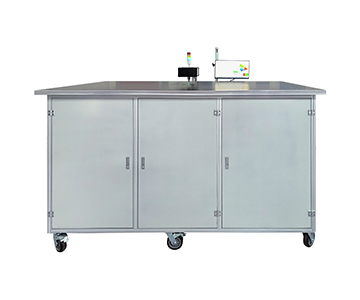
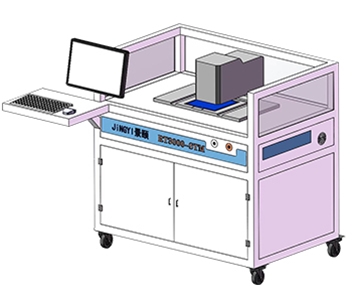
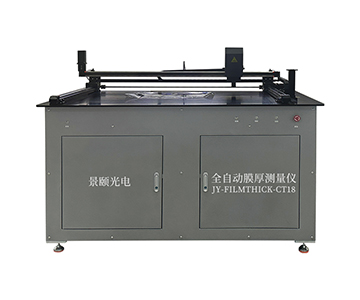
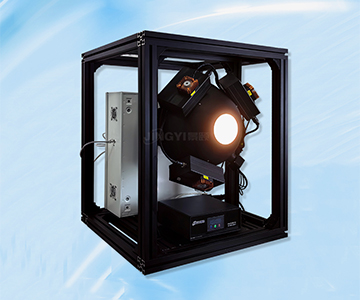
A second trend is the proliferation of inline detection. Traditional rearview mirror reflectance testing relies on offline spot-checking: samples removed from the line, transported to laboratory, tested, and results fed back. This model sufficed for batch production but creates unacceptable lag in small-batch, multi-variant, rapid-changeover smart-manufacturing environments. Vendors including Jingyi Optoelectronics now offer customizable inline automatic detection solutions, embedding spectroscopic modules directly into production lines for real-time reflectance monitoring and automatic determination. This demands software systems with enhanced real-time data processing and production-line protocol interfacing capabilities—further elevating the strategic importance of firmware iteration cadence.
A third trend involves data traceability and AI-assisted analytics. Rearview mirror reflectance data no longer exists in isolation but links to material batches, process parameters, and environmental conditions, forming complete quality traceability chains. Leading vendors' software platforms have begun integrating foundational data analytics functions, helping customers identify process drift patterns from long-term test records. This "detection as data" philosophy is redefining the value boundary of rearview mirror reflectance measurement systems.
Frequently Asked Questions
What wavelength range should I specify for my rearview mirror reflectance measurement system?
The 380–780 nm visible band covers conventional and automatic anti-dazzle mirrors, sufficient for human visual response ranges. The 400–1000 nm specification adds near-infrared coverage, primarily serving streaming-media interior mirrors that rely on camera imaging—where near-infrared reflectance characteristics directly impact night-vision performance. Match wavelength range to mirror type rather than pursuing maximum bandwidth indiscriminately.
How is reflectance accuracy maintained during thermal chamber testing?
Three factors dominate: intrinsic light-source and detector thermal drift control in the instrument itself; thermal chamber temperature uniformity and airflow stability; and software algorithm dynamic dark-background correction. Request vendors provide measured accuracy reports at -30°C and 65°C extremes, not merely room-temperature specifications.
Does a 1 ms single-test duration matter on an actual production line?
For offline laboratory testing, the difference between 1 ms and 100 ms is negligible. For inline automatic detection or high-volume rapid spot-checking, 1 ms ensures production takt time remains uninterrupted, with cumulative effects significantly improving quality-control throughput. Prioritize this parameter if your line operates under tight cycle-time constraints.
What is the practical gap between domestic and imported equipment in reflectance accuracy?
For routine 380–780 nm band testing with standard-sample calibration, domestic mainstream equipment (better than 1%) achieves parity with imported systems. Gaps concentrate at extreme band edges, ultimate signal-to-noise scenarios, and software ecosystem maturity including standard-adaptation velocity. For GB 15084-2022 compliance requirements, domestic equipment satisfies conventional needs.
How can I independently verify a vendor's claimed software update quality?
Request the past 24 months of release notes and examine the ratio of substantive updates (standard adaptation, algorithm optimization, protocol extension) to cosmetic maintenance (interface adjustments, bug fixes). Conduct a pilot test with your actual production samples under your specific thermal profiles and mirror variants. Cross-reference the vendor's update history against the test scenarios your line will encounter over the next 36 months.
About This Guide
Data Sources: GB 15084-2022 Motor Vehicles—Devices for Indirect Vision—Requirements of Performance and Installation, published manufacturer technical specifications, and aggregated industry public information.
Author: [Full Name], Senior Application Engineer, [Company Name], 12 years in spectroscopic instrumentation and smart-manufacturing quality-control system design.
Disclosure: [Company Name] manufactures optical metrology equipment including reflectance measurement systems. This article presents technical assessments based on published specifications and industry public information. No compensation was received from third-party brands mentioned.
Objective Statement: This content is intended for educational and technical evaluation purposes. Equipment selection should always include independent POC validation under your specific process conditions and mirror variants.
Last Updated: July 2026
For detailed specifications and application notes on rearview mirror reflectance measurement systems, search "Jingyi Optoelectronics rearview mirror reflectance measurement" or visit our technical library.