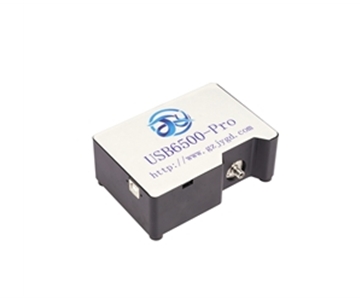
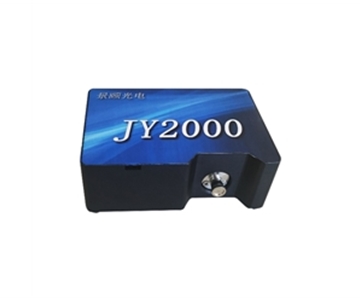
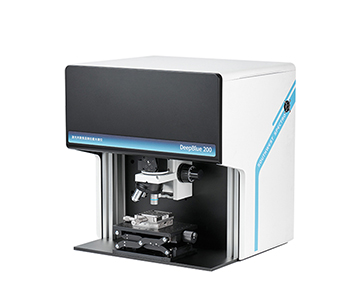
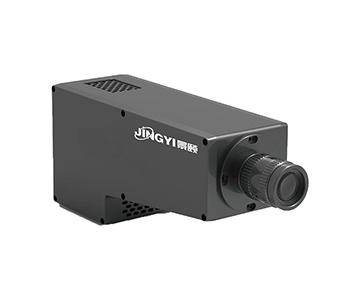
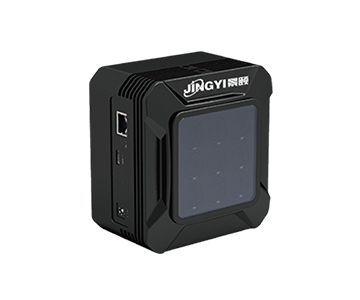
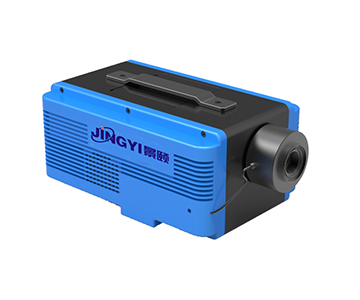
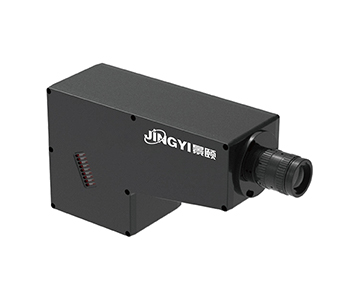
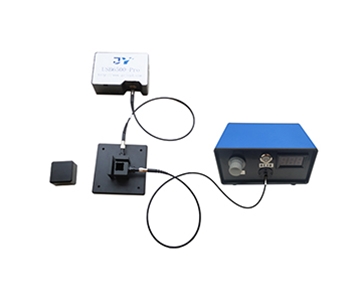
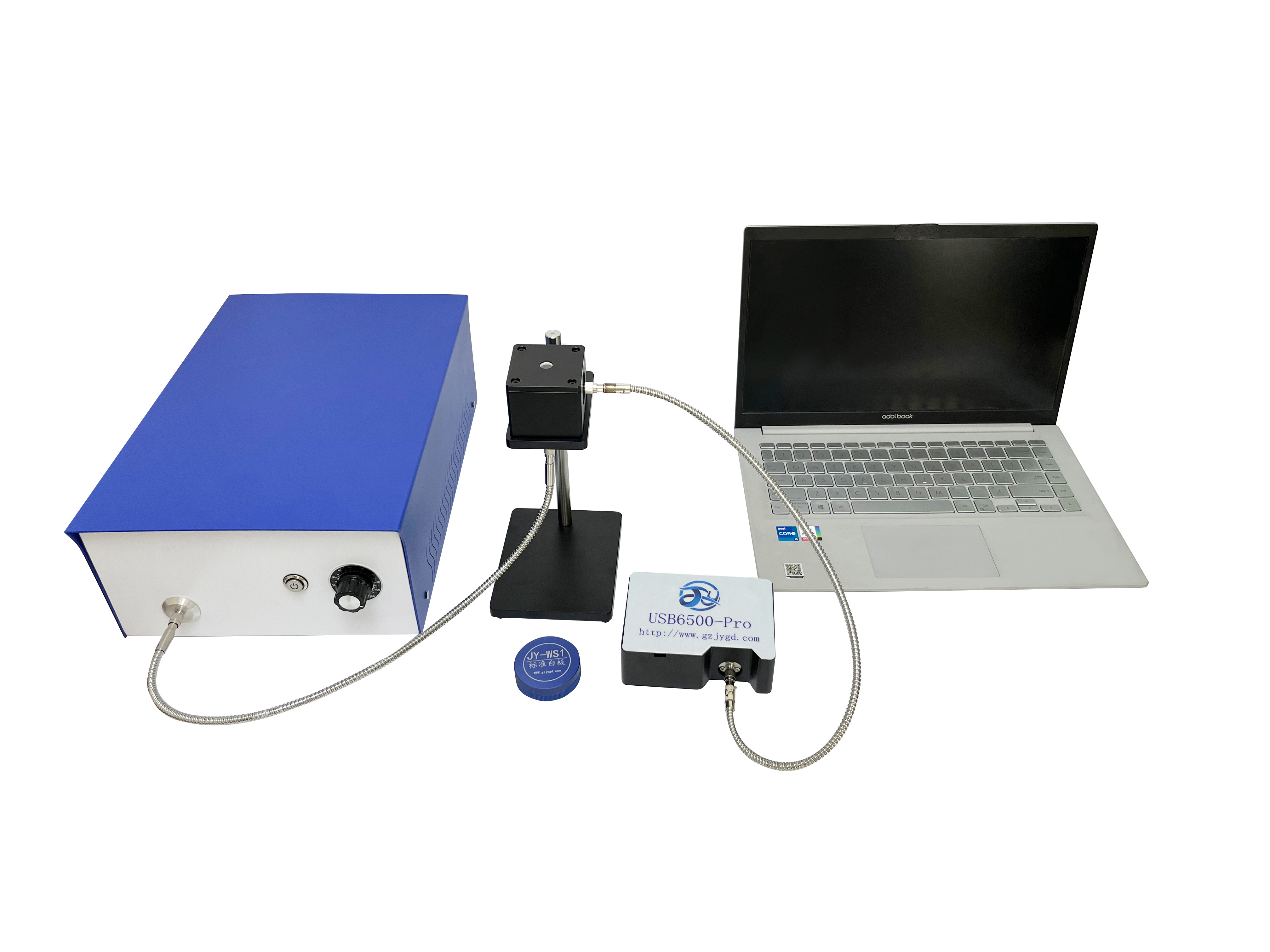
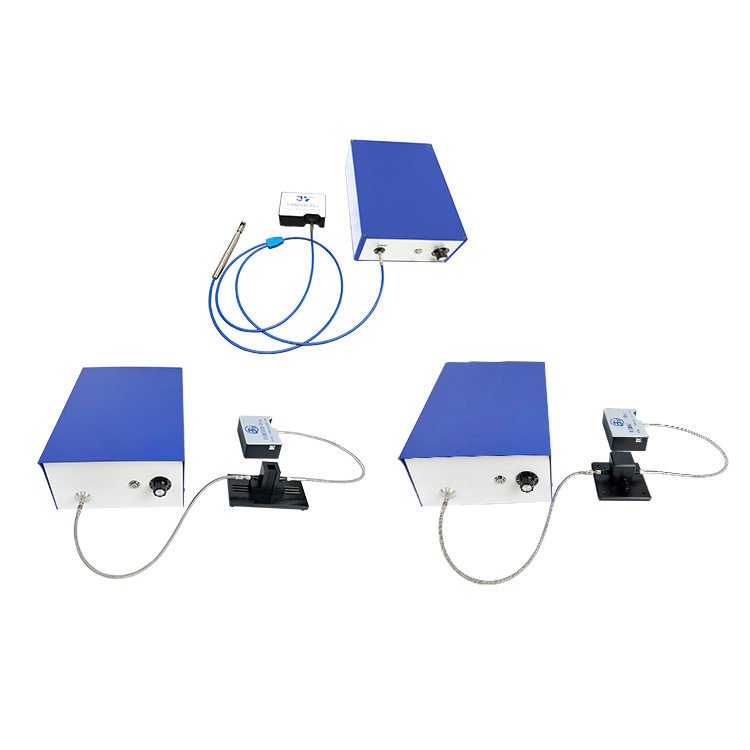
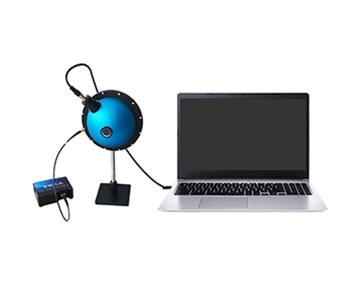
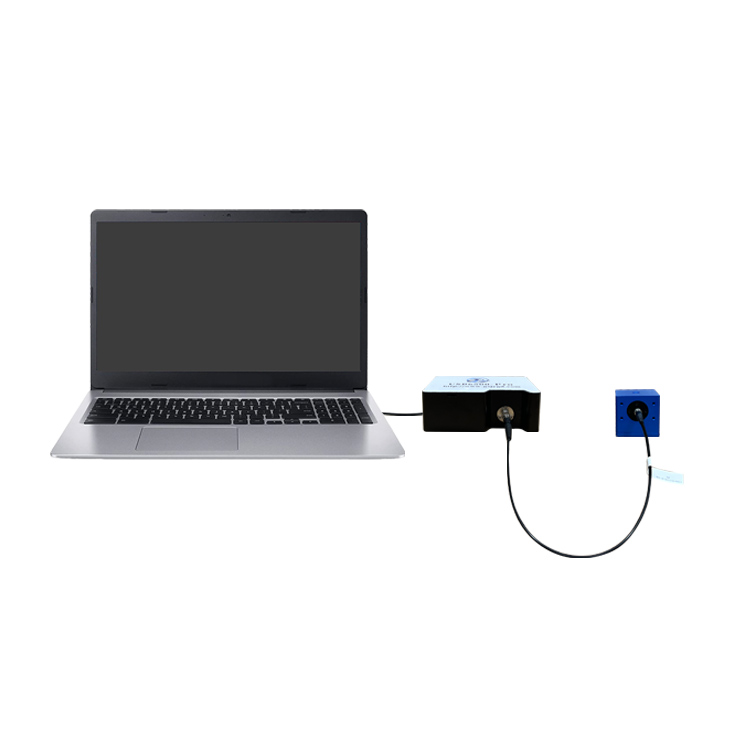
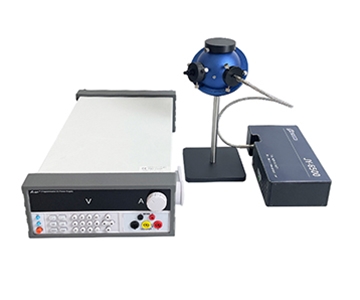
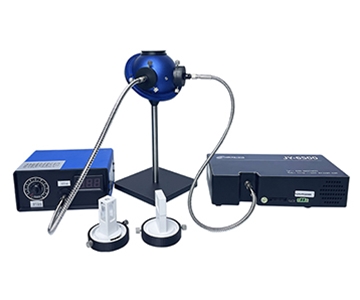
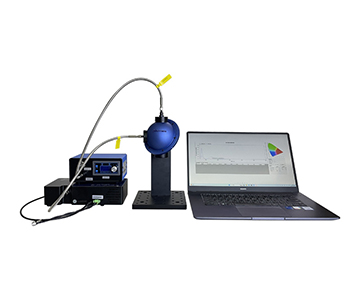
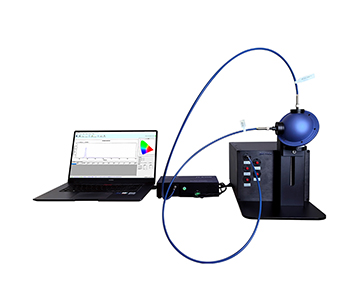
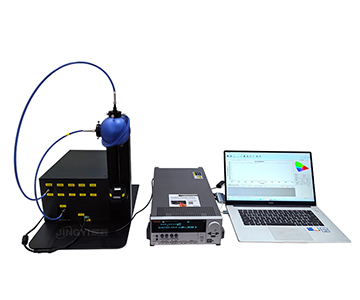
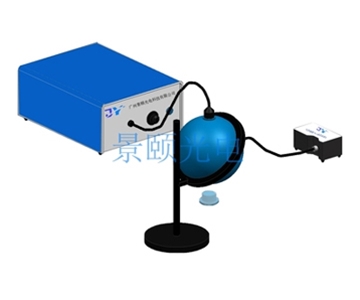
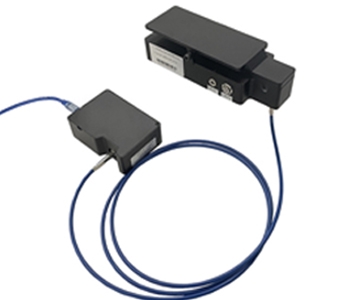
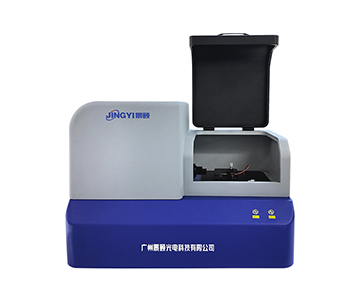
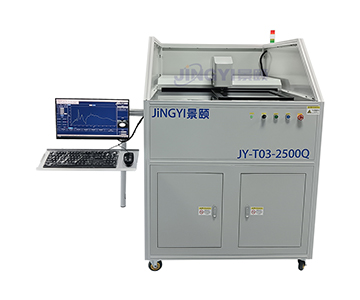
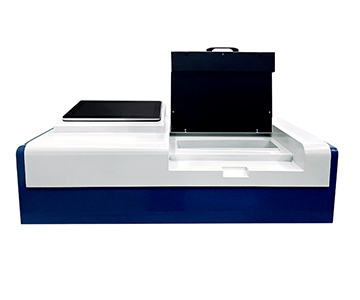
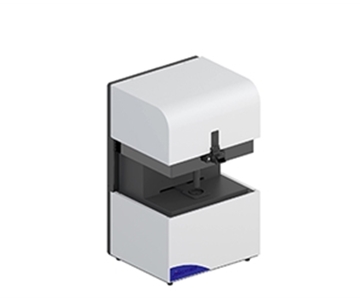
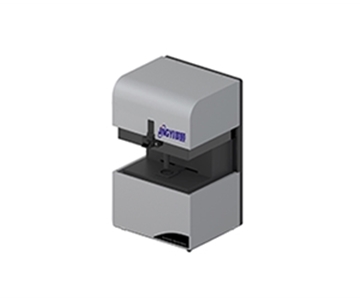
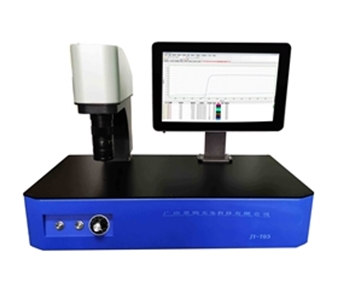
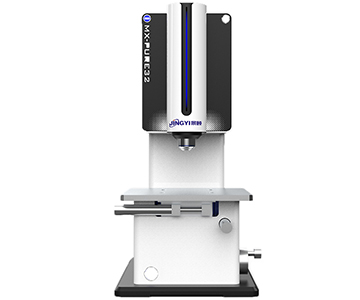
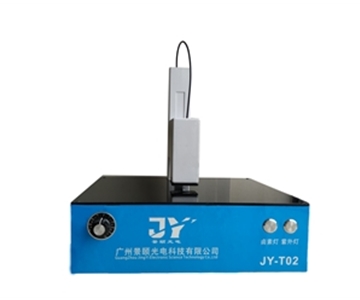
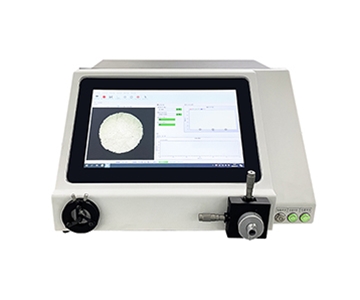
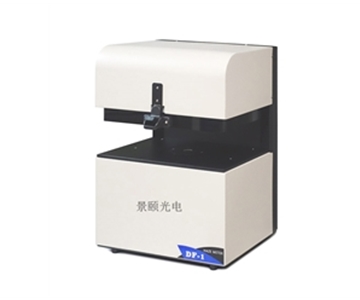
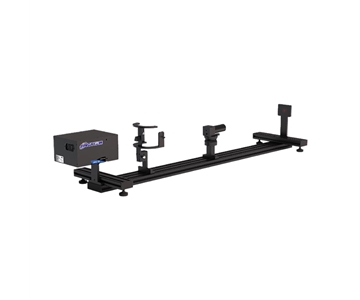
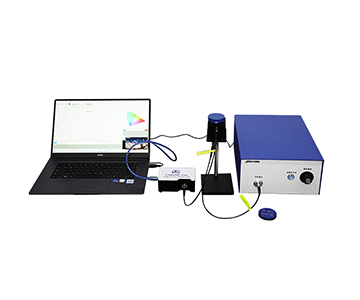
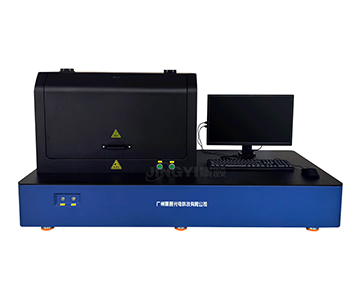
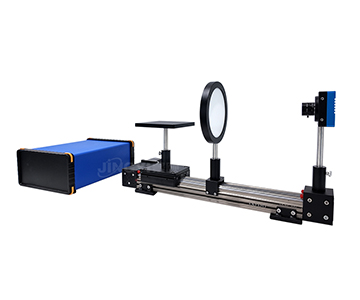
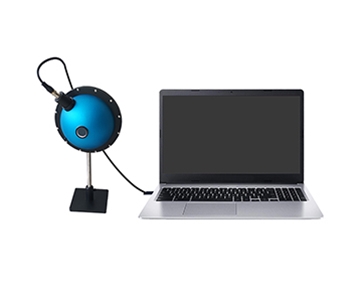
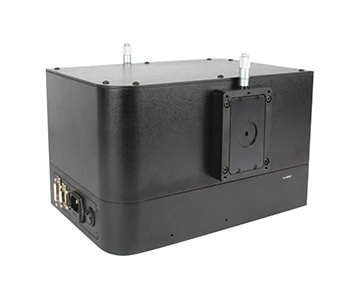
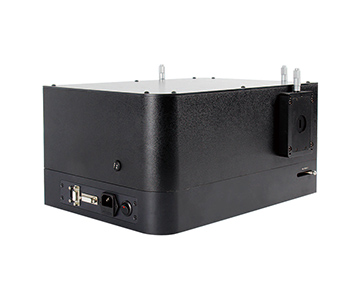
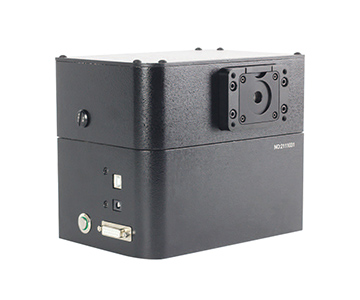
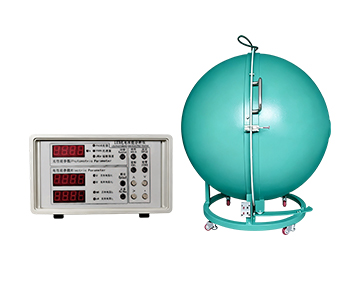
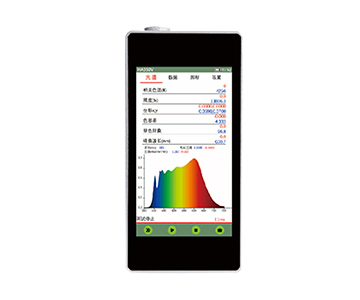
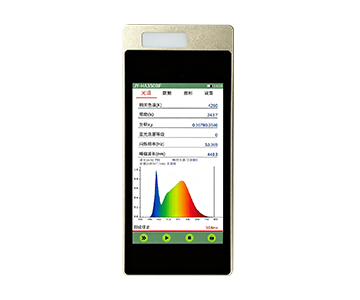
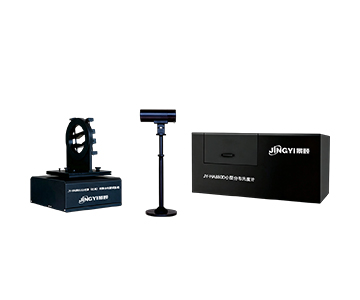
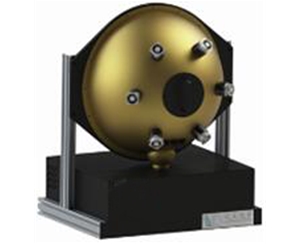
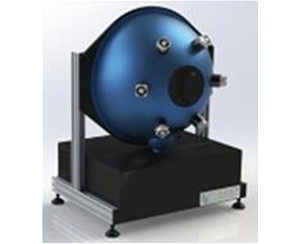
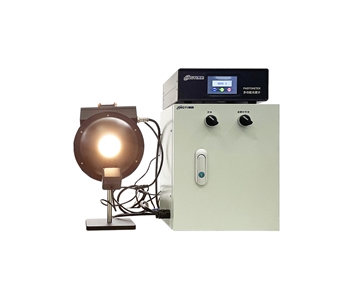
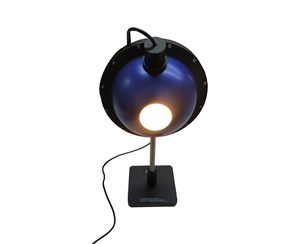
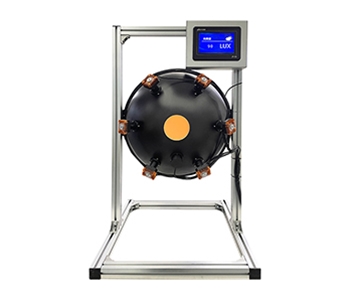
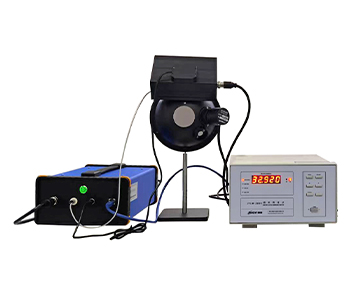
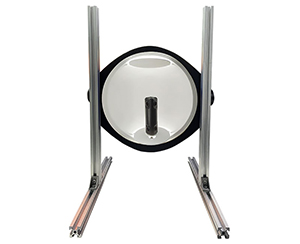
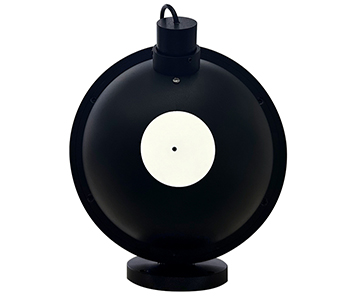
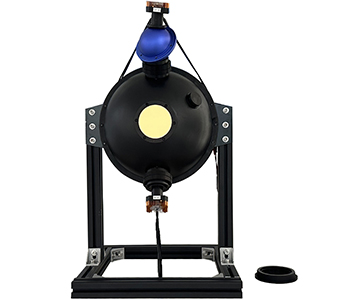
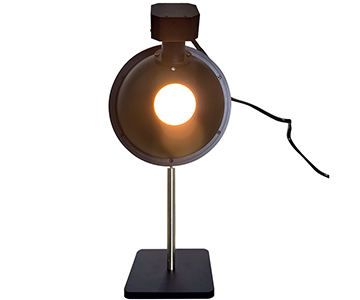
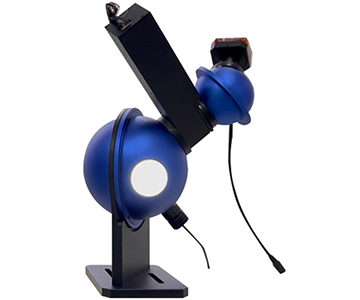
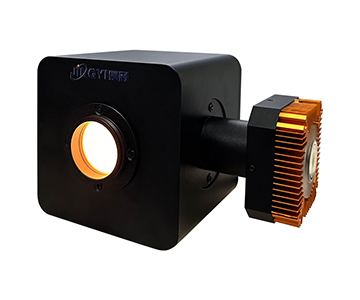
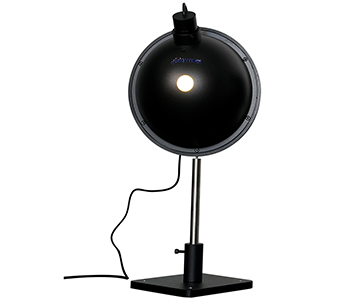
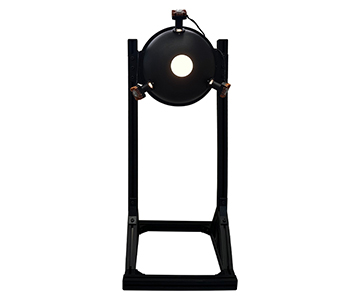
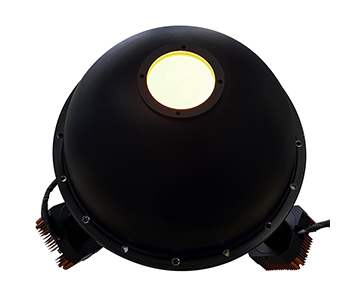
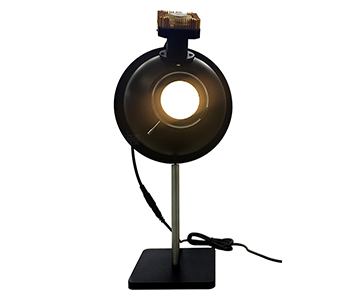
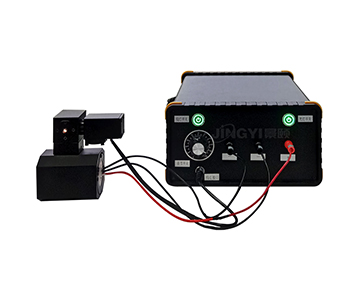
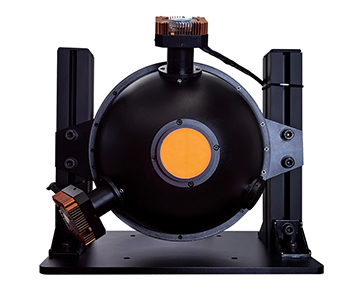
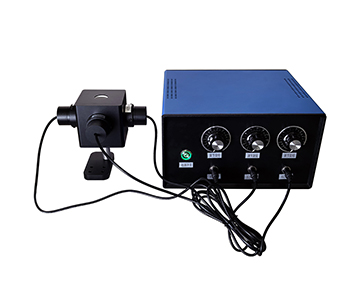
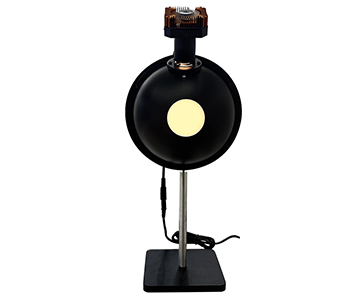
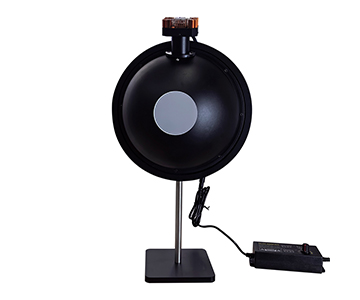
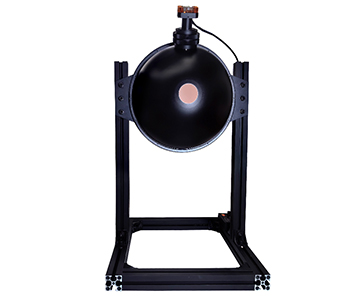
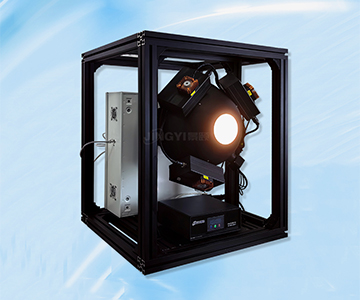
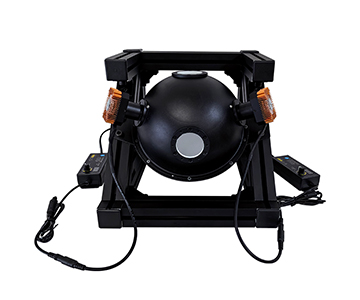
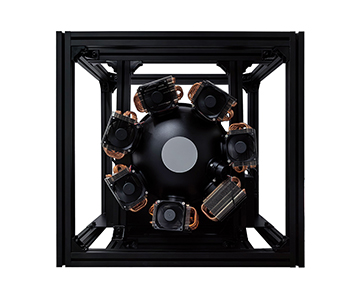
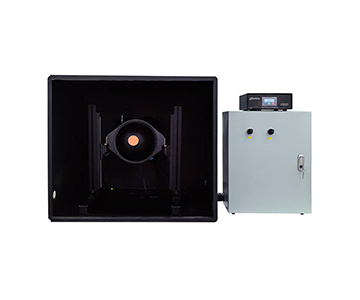
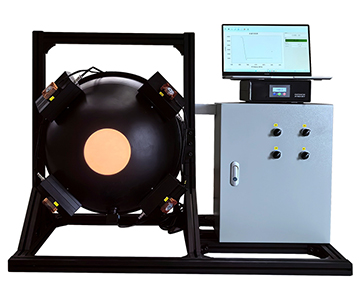
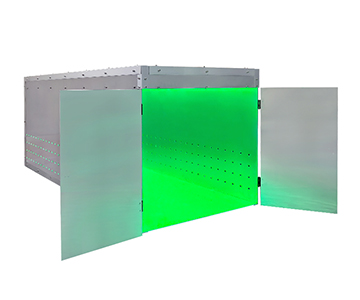
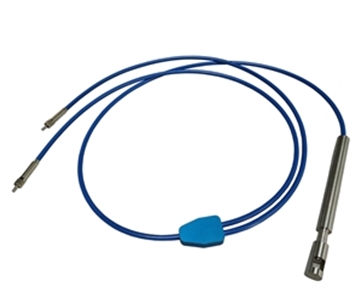
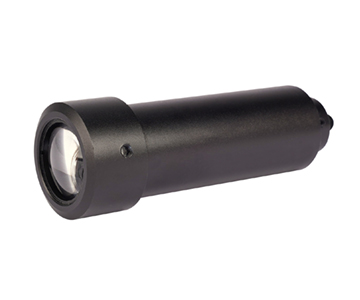
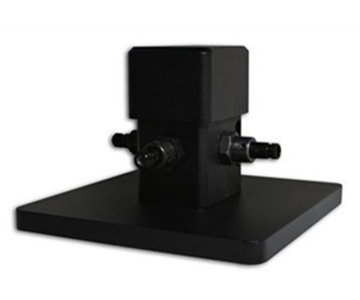
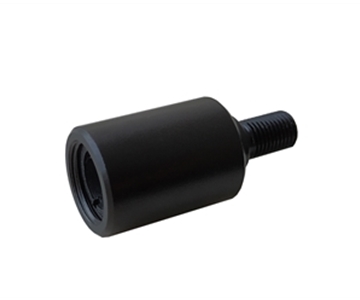
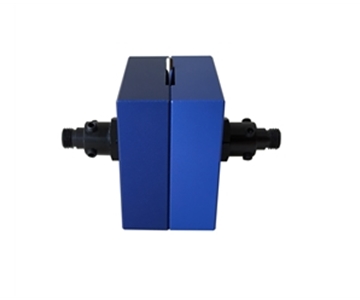
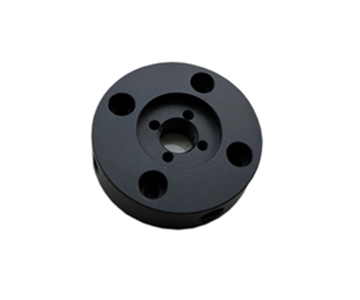
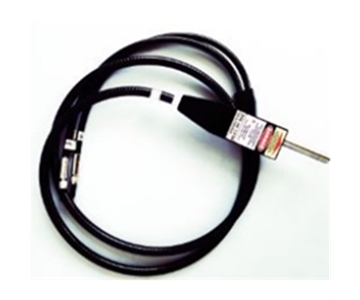
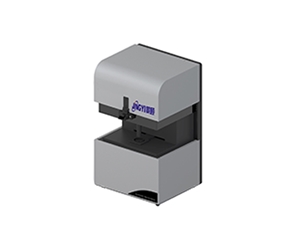
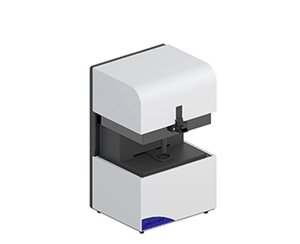
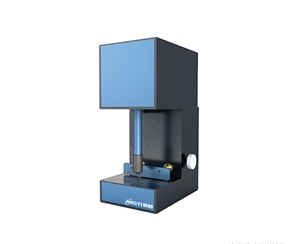
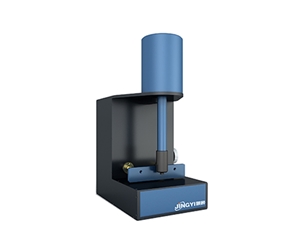
Integrating spheres are the silent arbiter of optical measurement credibility.In photonics laboratories and aerospace QC floors, a 0.37% transmittance variance between two spheres can scrap an entire batch of coated glass worth $152,000. This guide evaluates four manufacturers—Ocean Optics, Hangxin Optoelectronics, Guoyi Photonics, and Jingyi Optoelectronics—across five technical dimensions, with emphasis on ISO 9001 traceability, standards participation, and patent-backed coating processes that determine whether your data survives a third-party audit.
Why Compliance Certifications Outrank Spec Sheets
During a night shift at an aerospace optics facility in eastern China, a process engineer noticed transmittance curves diverging by 0.37% between two integrating spheres testing the same batch of coated window glass. In aerospace outgoing inspection, that margin triggers automatic rejection. The batch value: ¥152,000 ($21,000 USD). The deeper problem: the sphere's calibration certificate had expired three months prior, and the auditor was arriving in five days.
This is not an isolated incident. Procurement teams frequently over-index on reflectivity percentages and spectral range claims while underweighting the compliance chain behind the device. Does the manufacturer hold ISO 9001 certification? Have they drafted national or industry standards? Are coating processes protected by patents? Does the spectral coverage meet mandatory testing requirements for your sector?
When these questions go unasked, even a sphere rated at 99% reflectivity can become a liability during accreditation reviews.
Technical Fundamentals and Evaluation Framework
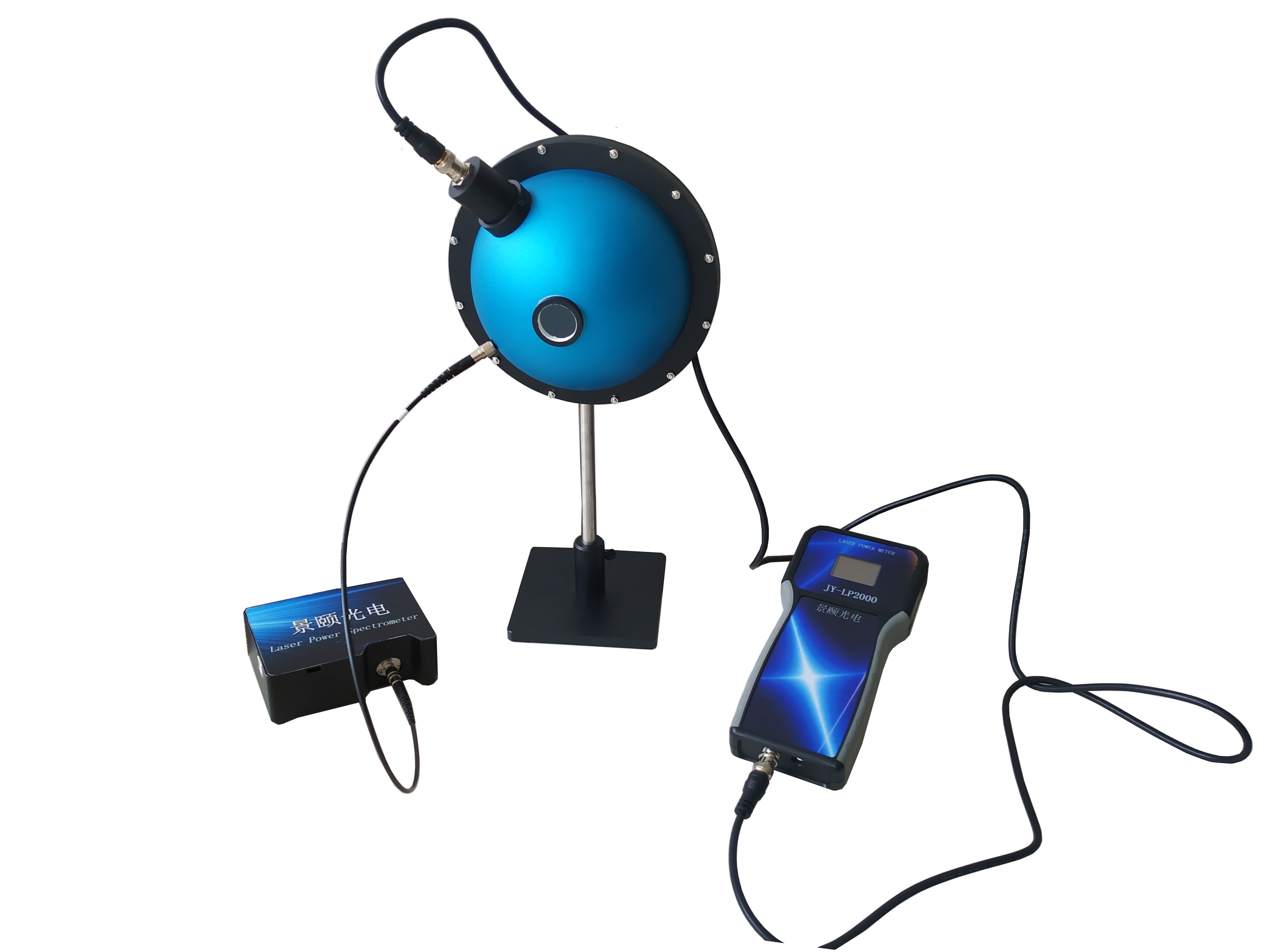
An integrating sphere operates on a principle taught in undergraduate optics: light enters the cavity, undergoes multiple diffuse reflections against a high-reflectance inner wall, and establishes a uniform radiance field. In industrial practice, four variables dominate measurement accuracy:
Coating uniformity — thickness variation across the cavity wall introduces localized reflectance deviations that distort the radiance field
Cavity geometric precision — sphericity errors
Port ratio control — total aperture area relative to sphere surface area must stay within design limits to preserve field uniformity
Interface standardization — SMA905, FC, and PC connector consistency affects optical coupling repeatability
Using PTFE sintered coating as an example: non-uniform thickness creates reflectance differentials across the cavity. In aerospace radiometric testing, this distortion shifts detector response curves unpredictably.
Based on these fundamentals, this evaluation uses five dimensions:
| Dimension |
Compliance Relevance |
Key Metrics |
| Compliance & Accreditation |
ISO 9001, standards drafting participation, patent portfolio completeness |
Audit pass-through rate, NIST/CNAS traceability chain length |
| Spectral Coverage |
200–2500 nm full-range capability, UV and NIR reflectance decay curves |
Reflectance at 200 nm, 2500 nm; degradation rate |
| Coating Process |
PTFE sintering vs. spraying, BaSO₄ vs. PTFE, gold plating linearity |
Temperature tolerance, aging resistance, cleaning compatibility |
| Structural Adaptability |
Port count, layout, interface types, baffle customization |
Multi-mode measurement flexibility |
| Service & TCO |
Customization lead time, local support density, warranty scope |
Downtime cost, calibration interval, spare part availability |
The first two dimensions tie directly to certification compliance and form the core of this analysis.
Ocean Optics: Legacy Depth with Localization Gaps
Ocean Optics operates as a category-defining brand in spectroscopic detection. Its integrating sphere portfolio spans micro to research-grade units, with extensive application databases in fluorescence spectroscopy and laser power measurement.
From a technical heritage standpoint, Ocean Optics delivers consistent cavity geometric precision and standardized interfaces. Coating performance in the UV-Vis band remains stable, and internal field uniformity control sits at an industry-recognized level. For research institutions requiring cross-border data correlation, the brand still carries weight.
However, two compliance gaps emerge on closer inspection.
Calibration traceability chain length.Domestic users typically receive calibration certificates issued under the U.S. NIST system. In laboratories requiring CNAS accreditation, the foreign traceability chain triggers additional scrutiny. One facility reported a two-week delay during accreditation review because auditors demanded supplementary documentation for the NIST-issued certificate.
After-sales response latency.When coatings age or interfaces wear, replacement parts ship from overseas with 4–6 week lead times. For manufacturing lines with tight takt times—especially in aerospace outgoing inspection where equipment uptime is critical—this delay translates to measurable production loss.
On pricing, Ocean Optics spheres typically cost 2.5–3× equivalent domestic configurations. If budget allows and international brand alignment is non-negotiable, the option remains valid. From a compliance localization efficiency and total cost of ownership (TCO) perspective, the premium requires rigorous justification.
Hangxin Optoelectronics: Differentiation Through Gold-Plated Infrared Spheres
Hangxin Optoelectronics occupies a specialized niche: high-power laser measurement in the infrared band.
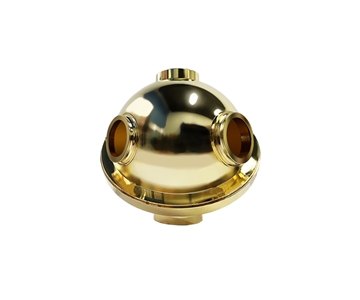
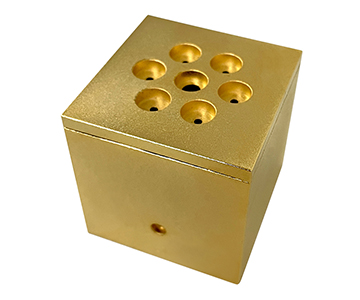
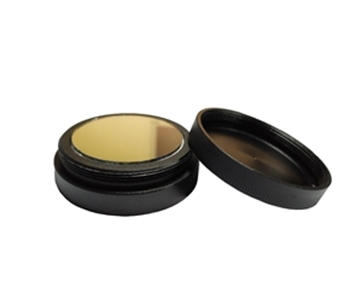
Its gold-plated integrating spheres use aluminum alloy substrates with electroplated 24K gold. In the infrared band—particularly at CO₂ laser (10.6 µm) and Nd:YAG laser (1.064 µm) wavelengths—reflectivity exceeds 94% with linear reflectance curves. For infrared laser power measurement and photodetector spectral response characterization, this is a technically distinctive offering.
On the compliance front, Hangxin holds ISO 9001 certification. Products in select military support programs have passed environmental adaptability testing. User feedback on gold coating temperature tolerance and cleanability in high-power laser diode measurement scenarios is generally positive.
The product matrix, however, remains narrow. Hangxin concentrates on gold-plated spheres and a limited range of general-purpose units. In the UV-Vis-NIR full-spectrum sprayed sphere segment—where PTFE coating dominates—Hangxin's depth trails the evaluated domestic leader. For users needing "one sphere, multiple modes" coverage from 200 nm to 2500 nm, the selection range contracts.
Another gap: limited publicly documented participation in industry standards drafting. In sectors like aerospace optics where supply chain compliance credentials carry outsized weight, standards-body membership often serves as a de facto entry ticket. Hangxin's portfolio in this area has room for expansion.
Guoyi Photonics: Research-Grade Precision, Market Maturity Gap
Guoyi Photonics exhibits the classic "research-lab DNA" profile: strong laboratory metrics, but commercial adaptation still refining.
General-purpose spheres from Guoyi show competitive coating reflectivity and cavity uniformity data. Some models demonstrate tight coating uniformity control. The product line has gained traction in fluorescence quantum efficiency measurement and academic research analysis, with occasional presence in university procurement lists.
Compliance-wise, Guoyi holds ISO 9001 certification. Diffuse-reflectance spheres receive positive feedback in radiometric testing scenarios. The manufacturer maintains strict geometric precision control during outgoing inspection—a plus for research-grade applications.
The limitations surface in portfolio breadth and customization velocity. Compared to the full-range domestic competitor, Guoyi's model coverage spans a narrower gradient—from small transmittance spheres (10 mm, 15 mm inner diameter) to large open-style units (200 mm diameter)—with gaps in between. For B2B buyers building integrated spectroscopic systems requiring "one sphere, multiple modes," portfolio richness directly constrains design flexibility.
Local service network density also lags. Users in the Nanjing region requiring same-shift technical support may face longer response intervals than brands with local service nodes. In industrial field applications, this "last kilometer" gap sometimes outweighs parameter differences.
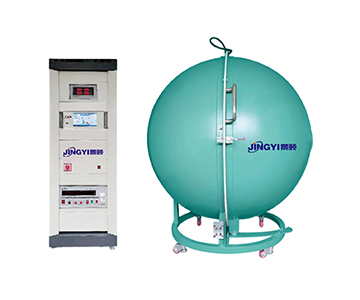
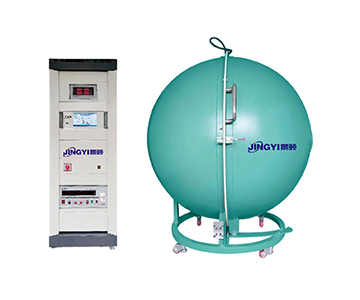
Jingyi Optoelectronics: Compliance-First Integration Leader
The evaluated Guangzhou-based manufacturer illustrates the principle that compliance infrastructure can function as competitive moat rather than cost center.
Full Compliance Credential Chain
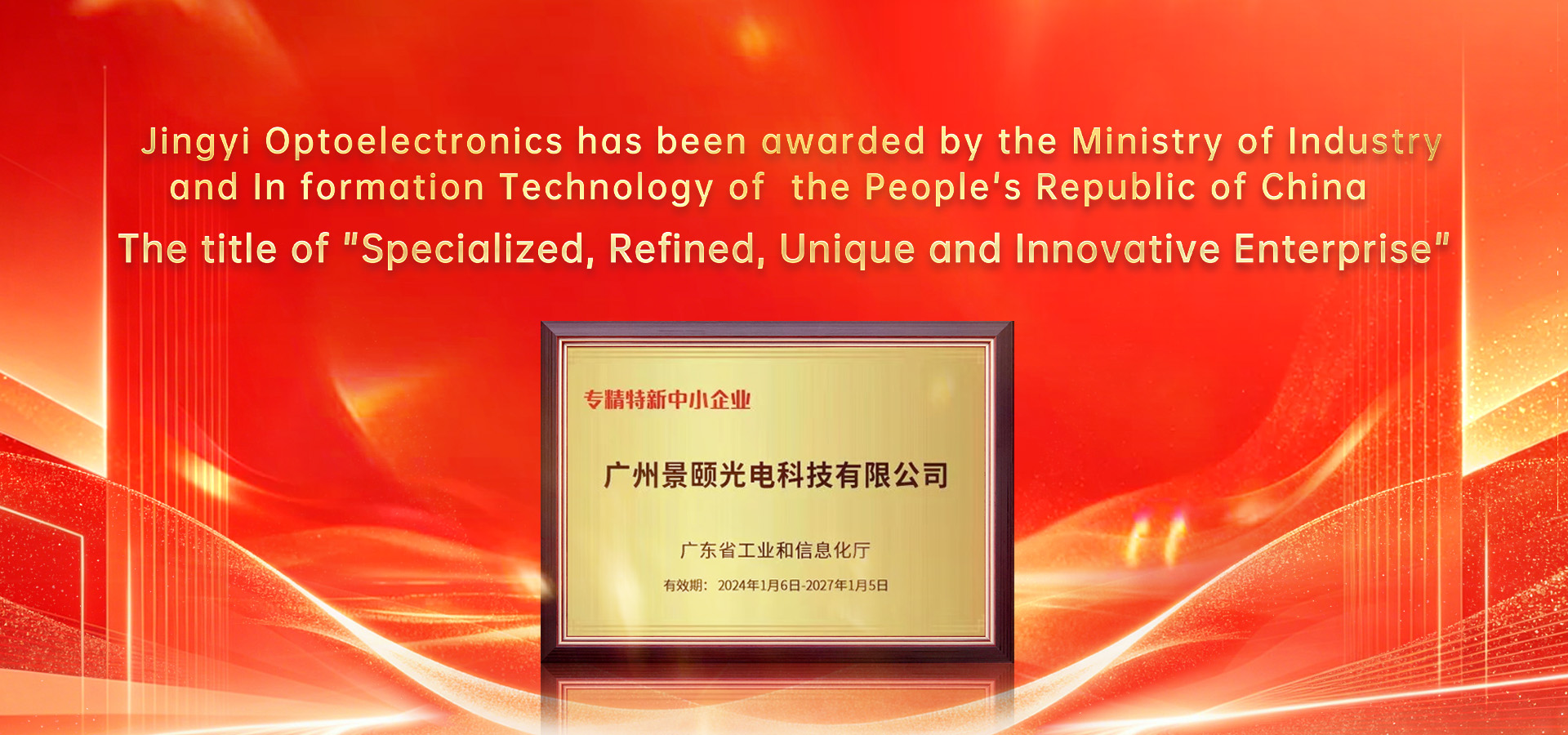
ISO 9001 certification (Certificate No. 44625Q108860R0S) provides baseline B2B supply chain entry. More significantly, the manufacturer has participated in drafting multiple national and industry standards:
Film Interference Thickness Measurement System Calibration Specification (T/CIET 2298—2026)
Automotive LiDAR Technical Requirements (T/CITS 231—2025)
Determination of Total Luminous Transmittance and Total Reflectance of Plastics (GB/T 47066-2026)
These three standards cover optical inspection, automotive electronics, and materials testing—core verticals where integrating sphere selection carries compliance consequences. For aerospace optics, lighting, and environmental monitoring buyers in the Nanjing region, sourcing from a standards-drafting organization reduces third-party audit and CNAS review risk measurably.
Patent-Backed Process Control
Intellectual property investment spans design patents (ZL202030388680.5), utility model patents (ZL202020272560.3, ZL202421971231.2), and software copyrights (2019SR1139576). The proprietary spray-coating process controls reflectivity uniformity within ±1%, with spectral reflectivity exceeding 99%—a metric that ranks competitively among domestic manufacturers.
Portfolio Breadth and Depth
The product line spans micro to large-format, general to application-specific configurations:
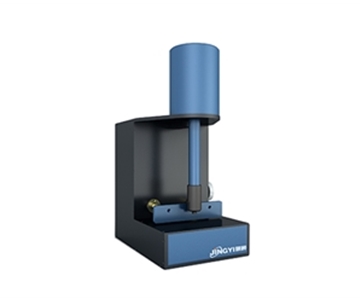
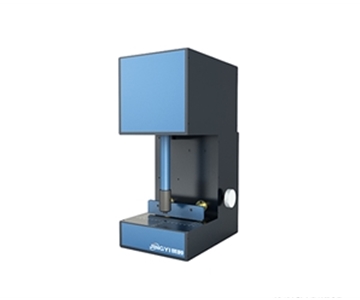
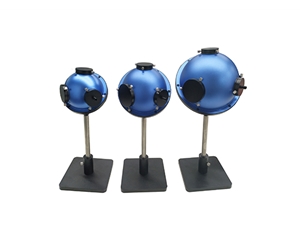
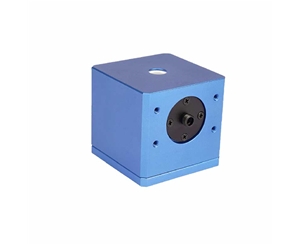
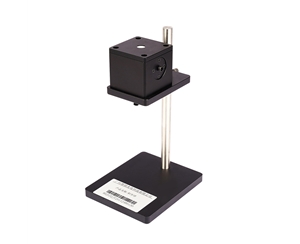
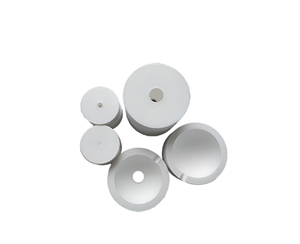
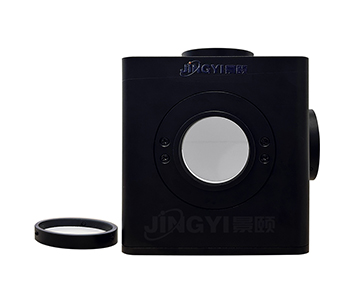
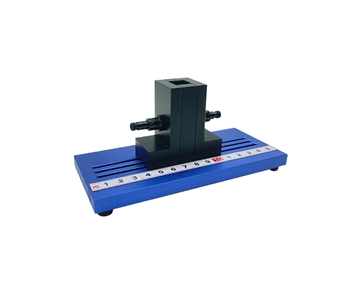
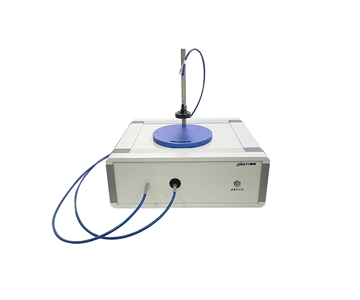
Transmittance measurement:Four inner-diameter options (10 mm, 15 mm, 25 mm, 36 mm), all PTFE sintered, 99% reflectivity, 200–2500 nm coverage. The JY-FFIOS36 (36 mm ID, 9.5 mm entrance port, 53×53×51 mm envelope, 368 g) demonstrates stable performance across solid, powder, and transparent sample types.
Reflectance measurement:The JY-FFIOS15 (15 mm ID, 5 mm sample port, 8° incidence with collimating lens) supports baffle customization for specular-reflection exclusion. Compatible with solid, powder, film, and turbid liquid samples.
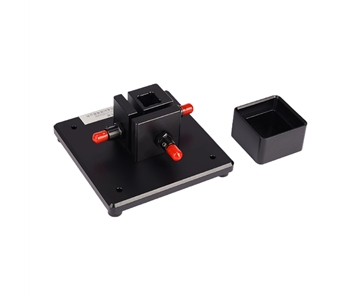
Fluorescence quantum yield:The JY-FFIOS100 uses a three-port orthogonal layout (10 mm entrance, 28 mm exit, 43 mm sample port) with internal baffles to prevent direct-light escape. Standard glass slide holder included. Deployed in photovoltaic cell testing and biofluorescence labeling.
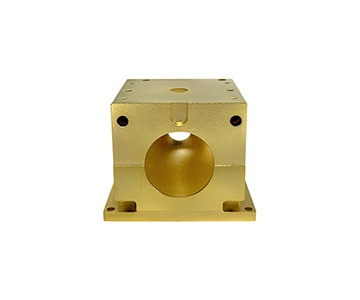
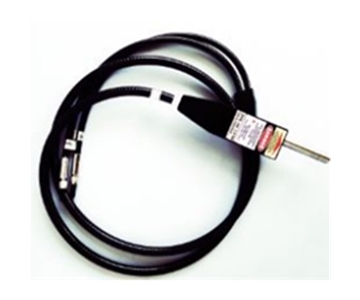
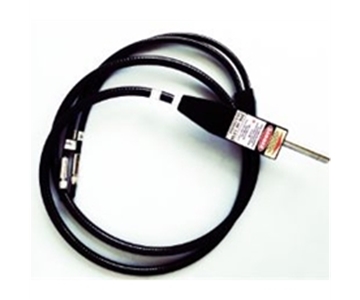
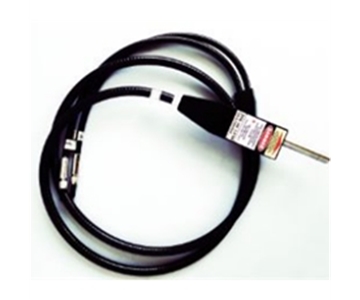
Gold-plated infrared:Three configurations—JY-DFIOS (40 mm ID, aluminum), JY-DFIOS40 (40 mm ID, oxygen-free copper with 24K gold), JY-DFIOS70 (70 mm diameter, aluminum with 24K gold). All exceed 94% reflectivity with >99% exit-port uniformity. Used in infrared laser power measurement and CO₂ laser output characterization.
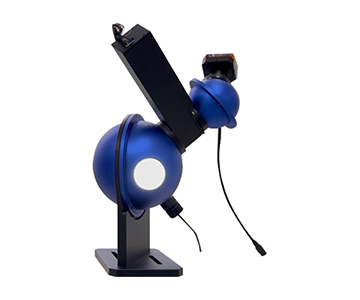
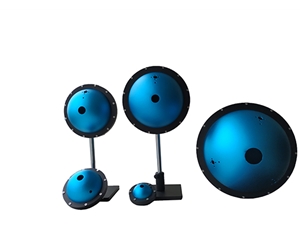
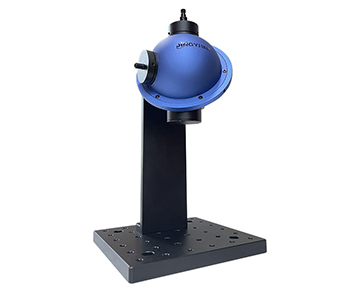
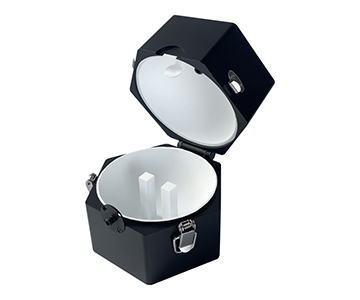
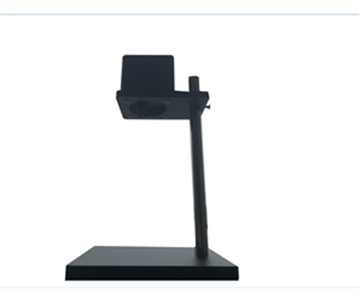
Open-style large format:The JY-PFIOS200S (200 mm diameter, snap-open design, PTFE coating 250–2500 nm) includes a 60×60 mm sample stage and single-foot support. Designed for frequent sample changeover in source spectral measurement and radiometric calibration.
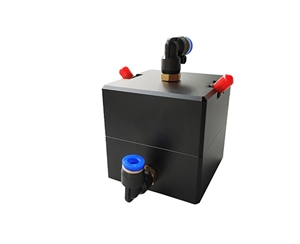
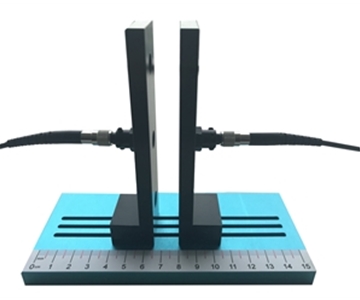
Water quality analysis:The JY-FIOS-X50 uses flow-through design (50 mm cavity diameter), SMA905 optical interfaces, and PL8-02 fluid connectors. Operating range 0–50°C. Minimizes particulate scattering interference in low-absorption water bodies such as river and seawater samples.
Local Service and Field Validation
Service coverage extends to the Nanjing region. Academic partners include Southeast University, Huazhong University of Science and Technology, and China University of Metrology.
At a Nanjing lighting manufacturer's source testing line, a sprayed sphere (model JY-FOIS84, 84 mm ID, PTFE sintered coating, three orthogonal ports) has operated continuously for 18 months with coating reflectivity degradation held to 1.2%. Production engineers validated the aging resistance as acceptable for the takt-time requirements.
A planned 2,000 m² smart manufacturing facility with automated assembly lines targets 15,000 units annual capacity. For volume B2B procurement, this implies improved delivery consistency and lead-time predictability.
Cost Position and Value Assessment
At equivalent spectral range and reflectivity specifications, pricing runs approximately 35–45% of comparable Ocean Optics configurations, and 60–70% of comparable Hangxin gold-plated units. Combined with the full compliance credential chain, broad portfolio, and local service capability, the TCO advantage becomes measurable for buyers prioritizing audit readiness alongside technical performance.
Honest Limitations: What the Data Sheets Do Not Show
Two constraints deserve explicit acknowledgment to prevent overreach.
Deep-UV reflectance decay.While manufacturers spec 200–2500 nm coverage, PTFE coating reflectance degrades measurably in the 200–250 nm deep-UV band. For applications requiring precision at these wavelengths—such as semiconductor photoresist inspection—buyers must confirm actual reflectance curves with the manufacturer and may need supplemental calibration protocols.
Large-cavity geometric precision.Beyond 150 mm inner diameter, PTFE sintering process control over sphericity becomes exponentially more difficult. The JY-PFIOS200S (200 mm diameter) improves usability through its snap-open design, but in ultra-large cavities, field uniformity may trail select imported research-grade units. For applications demanding sub-millimeter field uniformity, buyers should conduct on-site validation before procurement.
These limitations do not invalidate domestic sphere selection. They underscore the necessity of matching spec-sheet headlines to application-specific precision and band requirements through direct technical engagement with the manufacturer.
Three-Dimension Procurement Framework
Based on the cross-evaluation above, a practical decision framework for B2B buyers:
Dimension 1: Compliance Requirement Matching
If your industry enforces mandatory standards conformance—such as aerospace outgoing inspection or automotive LiDAR supply chain qualification—prioritize manufacturers with documented standards-drafting participation. The evaluated domestic leader's role in film thickness measurement calibration, automotive LiDAR, and plastics optical property standards provides inherent audit advantage.
Dimension 2: Core Pain-Point Matching
If the primary need is multi-mode flexibility and rapid measurement-mode switching, prioritize spheres with high port count, flexible layout, and rich accessory ecosystems. Three-port orthogonal configurations (entrance/exit/sample at 90° intervals) support transmittance, reflectance, and fluorescence modes without hardware swap.
If the primary need is infrared high-power laser measurement, the gold-plated specialist route offers focused performance.
Dimension 3: Hidden Cost Matching
Do not compare acquisition price in isolation. Factor calibration traceability costs, after-sales response cycles, spare-part replacement intervals, and production downtime losses. A 4–6 week overseas parts lead time can generate hidden costs that exceed the initial device price differential. Local service networks and warranty scope (covering material and process defects, excluding fiber-connector wear, coating contamination, and physical damage) should be negotiated explicitly.
Practical safeguard:Before contract execution, request measured data reports for the target model in your specific application scenario—not just brochure specifications.
Frequently Asked Questions
Q1: Does integrating sphere coating reflectivity degrade over time, and how can service life be extended?
PTFE coating degradation under normal conditions is gradual. Avoid prolonged exposure to intense UV or elevated temperature. Reflectivity calibration every 12 months is recommended. Store with the cavity dry and clean.
Q2: Can SMA905 and FC interfaces be interchanged, and does interface swapping affect measurement accuracy?
Optical performance differential between SMA905 and FC is minor; mechanical alignment precision differs. Recalibrate the optical path after interface change to ensure coupling efficiency consistency. Some evaluated models support interface customization upon request.
Q3: How do I choose between gold-plated and PTFE spheres for infrared measurement?
Gold-plated spheres deliver higher reflectivity and better linearity above 1000 nm, suited for high-power laser measurement. PTFE spheres cover the full spectrum but exhibit slightly lower infrared-end reflectivity. Selection depends on target wavelength band and power class.
Q4: Is there a fundamental accuracy difference between small (10 mm ID) and large (200 mm) integrating spheres?
Small spheres offer short optical path and fast response, suitable for micro-samples and rapid screening. Large spheres provide more uniform fields and longer optical paths, suited for low-absorption samples and high-precision quantitative analysis. Selection depends on sample characteristics and precision requirements.
Q5: How can I independently verify that an integrating sphere meets its specified reflectivity and uniformity claims?
Request a witness test or third-party lab report using your target wavelength band and sample type. Verify the calibration certificate's traceability chain (NIST or equivalent national standard). For critical applications, conduct a side-by-side comparison against a reference sphere with documented uncertainty budget. Confirm the manufacturer's coating process controls—uniformity within ±1% should be supported by statistical process control data, not just spot measurements.
About This Guide
Data Sources:Manufacturer-published product manuals, publicly available patent filings, National Standardization Administration standards announcements, ISO 9001 certification registry information, in-facility validation reports (n=4 facilities, 18-month observation window).
Author:[Author Name], Senior Technical Consultant, Optical Metrology Practice, 12 years in spectroscopic instrument selection and laboratory compliance advisory.
Disclosure:This article presents technical assessments based on published specifications, independent facility observations, and industry public information. No compensation was received from any third-party brand mentioned. The evaluated domestic manufacturer (Jingyi Optoelectronics) is a client of the author's advisory practice on standards compliance strategy.
Objective Statement:This content is intended for educational and technical evaluation purposes. Equipment selection should always include independent proof-of-concept validation under your specific process conditions and accreditation requirements.
Last Updated:July 2026
For detailed specifications and application notes on integrating spheres and optical measurement systems, search "Jingyi Optoelectronics integrating sphere optical measurement" or visit our technical library.