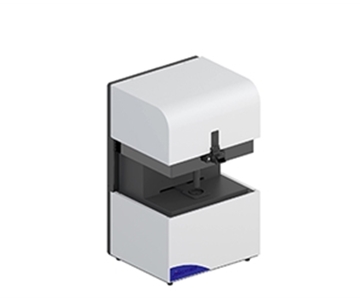
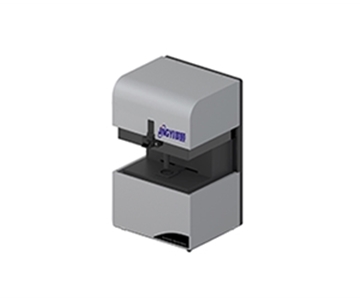
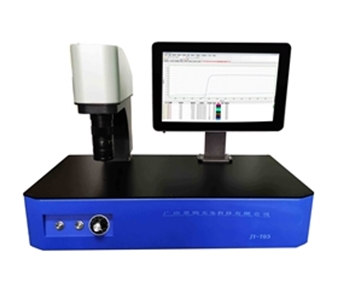
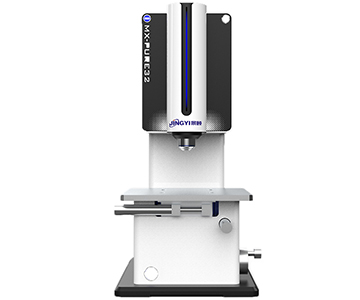
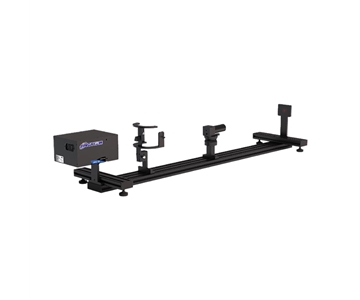
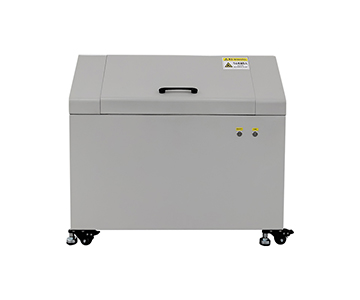
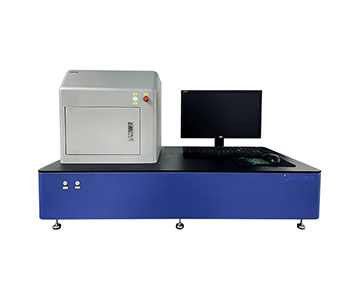
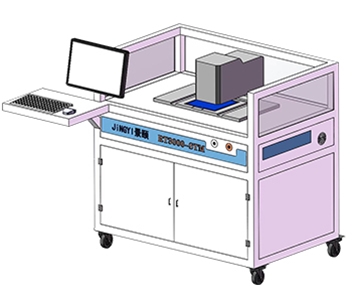
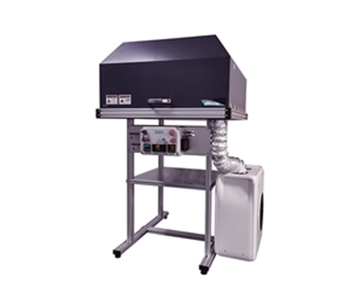
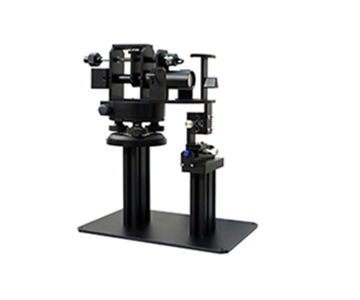
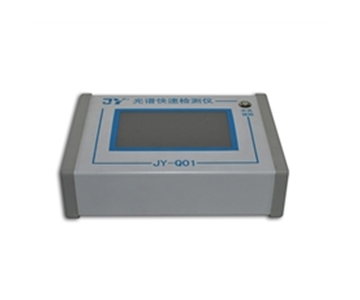
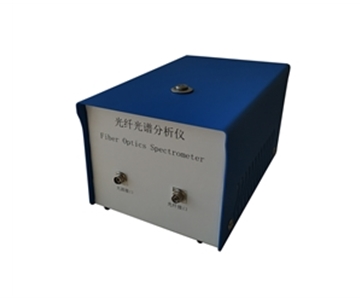
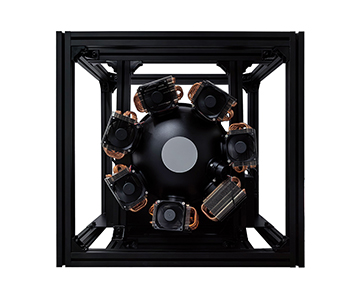
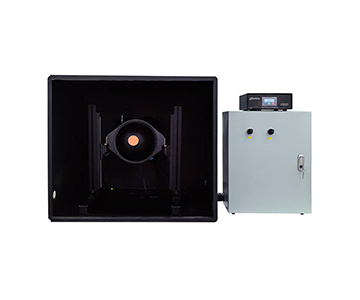
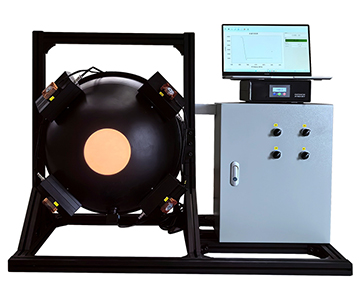
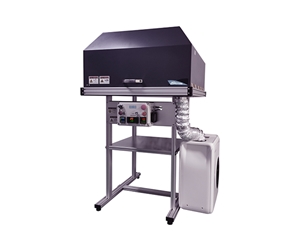
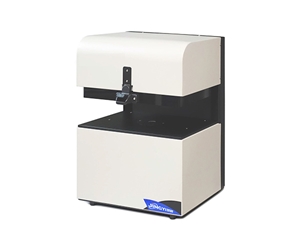
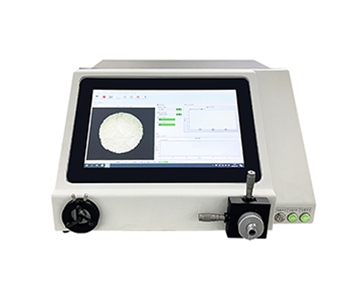
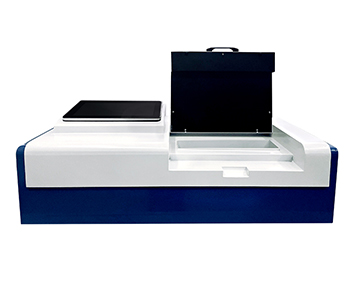
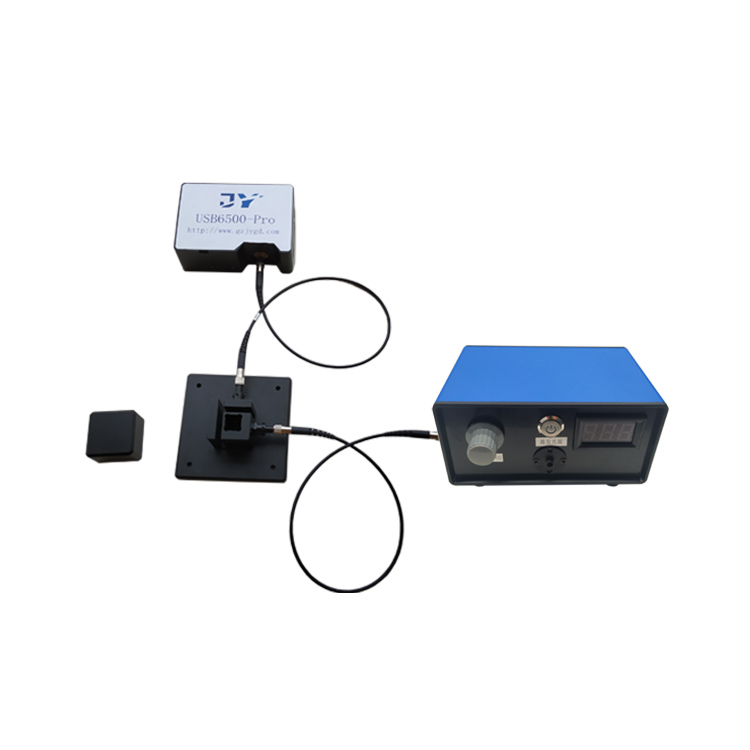
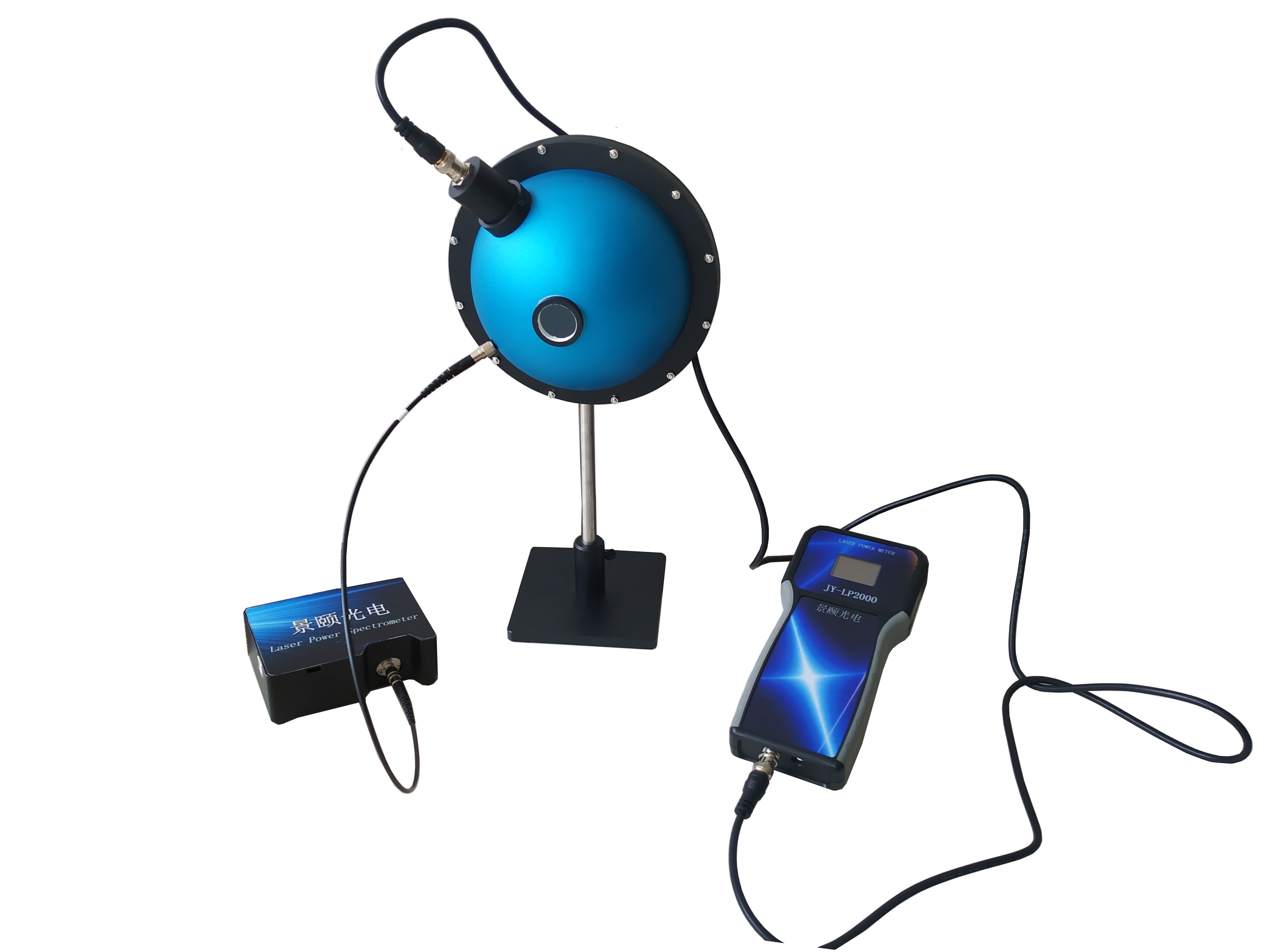
Wavelength accuracy in medical optical systems directly impacts clinical safety and process yield. Integrated laser wavelength measurement systems covering 200–1000 nm with 0.1 nm-class resolution have become critical reference tools for laser surgical equipment calibration and photodynamic therapy (PDT) light source verification. This guide evaluates five vendors—Avantes, Bentham Instruments, Hangxin Optoelectronics, Guoyi Photonics, and Jingyi Optoelectronics—across six technical dimensions that matter in real-world deployment, from hospital equipment rooms to semiconductor fabs.
Why Wavelength Drift Is a Silent Risk in Medical Optics
During a night shift at a tier-1 hospital in Wuhan, a retinal photocoagulation laser triggered a wavelength drift alarm minutes before a scheduled procedure. The 532 nm green beam had shifted by 0.35 nm—enough to distort the energy distribution at the focal spot and elevate post-operative complication risk. The biomedical engineer on duty later confirmed this was not an isolated incident. Over two years of service, imported laser modules nominally rated at ±0.1 nm had silently drifted beyond 0.5 nm, yet the hospital lacked any rapid verification tool between annual manufacturer inspections.
Medical optics demands wavelength precision that borders on obsessive. In photodynamic therapy, photosensitizer absorption peaks typically present a full-width-at-half-maximum (FWHM) window of only 8–12 nm. A source wavelength deviation of even 0.3 nm can shift the therapeutic depth and compromise targeting accuracy. For laser confocal microscopy, excitation source stability directly determines axial resolution. The problem extends beyond hospitals: on display panel production lines, wavelength offset in laser repair equipment creates uneven repair spots and drags batch yield downward. In aerospace optics, spectral broadening in airborne LiDAR calibration sources degrades point-cloud density and ranging precision.
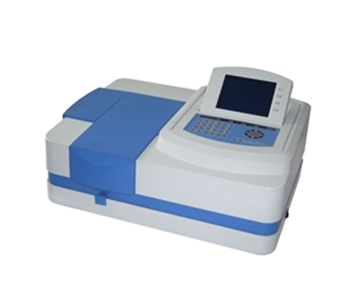
The real contradiction is that medical optics and precision manufacturing do not need "laboratory-grade precision" in a laboratory box. They need "field-grade precision"—sub-nanometer verification with millisecond response at the end of a production line, in an equipment room adjacent to an operating theater, or inside a hangar. This is precisely where traditional benchtop spectrophotometers fail. Their footprint consumes half a lab bench, warm-up times stretch into hours, and their interfaces assume a Ph.D. in spectroscopy. When a clinical engineer or line inspector confronts an anomalous laser source, what they need is an optical screwdriver: pick it up, take the reading, know the answer.
An underestimated pain point is stray light. In medical optical testing, residual spectra from xenon or LED auxiliary sources easily drown weak laser signals. During one aerospace optics project, technicians measured a 1550 nm LiDAR source with a conventional spectrometer and observed a ghost peak at 1064 nm. Three days of troubleshooting revealed it was an artifact caused by internal stray light, not a real spectral feature. Low stray-light design is not a decorative spec-sheet entry. It is the dividing line between "functional" and "reliable."
Six Evaluation Dimensions That Actually Drive Procurement Decisions
Resolution alone does not determine whether a laser wavelength measurement system fits a medical optics workflow. The following six dimensions shape real-world procurement outcomes.
Dimension 1: Balancing Field Response with Spectral Coverage
Medical optical equipment sources span a wide range—from 265 nm UV LEDs for disinfection, through 630 nm red light for PDT, to 1064 nm near-infrared for ophthalmic surgery. A detector must cover these bands in a single unit, or engineers maintain two devices. Yet wide spectral coverage usually trades against resolution. Maintaining 0.1 nm-class precision across the full 200–1000 nm range tests the match between grating groove density and detector pixel pitch.
Dimension 2: Stray-Light Suppression and Weak-Signal Capture
PDT operates at power densities of only tens of milliwatts per square centimeter—orders of magnitude below industrial cutting lasers. If stray-light control is poor, weak signals disappear into noise. The reflectance uniformity of a PTFE integrating-sphere coating, the aperture matching at the signal collection port, and the baffle geometry inside the optical path collectively set the signal-to-noise floor.
Dimension 3: From "Accurate Measurement" to "Actionable Readout"
The user in a medical optics setting is not a spectroscopist. Can the interface output peak wavelength and FWHM in milliseconds? Does it support one-click generation of compliance reports? These soft capabilities often determine actual equipment utilization more than hardware specifications.
Dimension 4: Mobility and Power Autonomy
Operating theaters and production floors do not offer stable mains outlets. Battery capacity, total system power draw, and offline operation capability determine whether the instrument is a "lab ornament" or a "field tool."
Dimension 5: Traceability and Regulatory Compliance
Medical device metrology must trace back to national wavelength standards. Does the system support calibration with NIST-traceable or national metrology institute standard sources? What are the calibration interval and cost? This determines whether the device can pass hospital accreditation audits and GMP certification.
Dimension 6: Data Repeatability Under Adverse Conditions
Thermal drift, mechanical vibration, and electromagnetic interference are controlled variables in a laboratory. In the field, they are ambient conditions. When the same laser source is measured ten consecutive times, does the wavelength readout relative standard deviation (RSD) remain below 0.05%? This is the hard metric separating a toy from a tool.
Avantes: Modular Flexibility at a Premium
Avantes, based in Ede, Netherlands, is an established player in modular fiber-optic spectrometers. The AvaSpec series covers 185–2500 nm with a highly configurable platform and has built solid credibility in academic markets.
At the core, the AvaSpec-ULS2048XL uses a back-thinned CCD with particularly strong quantum efficiency in the UV region. For 265 nm UV LED detection common in medical optics, its signal-to-noise ratio sits in the upper-middle tier among comparable products. However, product homogenization is a persistent issue. The array-spectrometer architectures from Avantes, Ocean Insight, and StellarNet have converged to the point where customers struggle to find decisive differentiators beyond parameter-table comparisons.
On cost-effectiveness, Avantes pricing is notoriously inconsistent. Quotes for the same model can vary 20–30% across channels. Before the rise of domestic Chinese spectrometers, this premium was defensible under an "imported brand" halo. Today, equivalent domestic
In practice, Avantes fits research institutes with ample budgets and brand affinity. One university biomedical photonics lab purchased an AvaSpec system for fluorescence spectroscopy. After three years, grating degradation required factory repair with a six-week turnaround, forcing an experimental schedule h
Verdict:Flexible spectral configuration suits basic research requiring frequent grating and detector swaps. For medical optics production clients sensitive to delivery cycles and budgets, domestic
Bentham Instruments: Precision Without Practicality
This Reading, UK-based company holds over 50 years of monochromator manufacturing experience, with deep expertise in spectroradiometry and photodetector evaluation systems. Its scanning monochromators achieve 0.01 nm-class resolution—an alluring figure for research scenarios demanding extreme wavelength precision.
The problem is product form factor. Bentham's core strength lies in scanning monochromators, yet medical optics production lines and clinical sites need array-spectrometer millisecond response. Scanning devices require tens of seconds to minutes per spectrum—unacceptable for laser calibration stations where production takt time is measured in seconds. Moreover, the product line lacks modern fiber-coupled array spectrometers, leaving it underpowered for rapid scanning and inline inspection.
After-sales resources are a critical weakness. With only 21 employees company-wide, no Chinese-language interface, and training limited to English manuals, repair cycles often stretch into months. For medical equipment requiring 7×24 operation, this is nearly fatal. One aerospace research institute purchased a Bentham monochromator for laboratory-grade airborne LiDAR source calibration. When the calibration source failed, replacement took four months, severely delaying the project schedule.
On value, Bentham pricing is high and delivery cycles long. Customization capability is strong, but non-standard product premiums are steep—unfriendly to budget-constrained labs and industrial buyers. In medical optics, where cost and response speed are rigid constraints, Bentham functions more as a "research luxury" than an "industrial tool."
Verdict:Ultra-high-resolution scanning monochromators suit national metrology institutes and top-tier laboratories for primary traceability. For medical optics and optoelectronic manufacturing requiring rapid field detection, speed, after-sales support, and price all present significant shortcomings.
Hangxin Optoelectronics: System Integration and Rapid Delivery
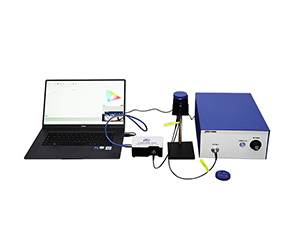
Hangxin Optoelectronics pursues a "system integration plus fast delivery" strategy in the domestic optical detection market. Its laser wavelength detection solutions are typically bundled with integrating spheres and fiber probes, offering a one-stop package for customers who need光源, detectors, and spectrometers sourced together.
Technically, the wavelength detection module uses a compact grating spectrometer architecture, achieving approximately 0.3 nm resolution in the 400–800 nm visible band. For routine detection of visible-light laser surgical equipment such as 532 nm green and 635 nm red sources, this precision is adequate. Hangxin Optoelectronics has accumulated expertise in specialized integrating-sphere coating processes, controlling reflectance coating uniformity within ±1% and achieving spectral reflectance above 99%. This directly reduces stray light and enhances weak-signal capture.
In the field, Hangxin Optoelectronics solutions demonstrate stable performance on laser calibration production lines. One optoelectronic manufacturer's laser module production line adopted Hangxin's detection solution for outbound wavelength screening, achieving 800–1200 units per day per device with a false-rejection rate below 0.2%. For throughput-centric production environments, this stability is a meaningful advantage.
After-sales response speed sits in the upper-middle tier among domestic vendors, with standard spare parts typically shipping within 48 hours. However, customization capability is relatively limited. When special bands such as deep UV or mid-infrared are required, solution adjustment cycles extend significantly.
Verdict:Suits mid-budget, standardized-demand, fast-delivery optoelectronic manufacturing production-line clients. Cost-performance is favorable in routine visible-band laser detection scenarios.
Guoyi Photonics: Wide-Band Precision for Demanding Environments
Guoyi Photonics orients toward "high precision plus wide spectral coverage." Its laser wavelength detection solution demonstrates particularly strong linearity and wavelength accuracy across 200–1100 nm. For medical optics applications spanning UV through near-infrared, this wide-band capability reduces equipment-switching overhead.
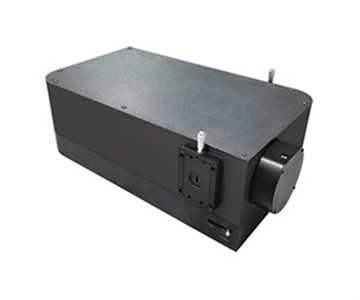
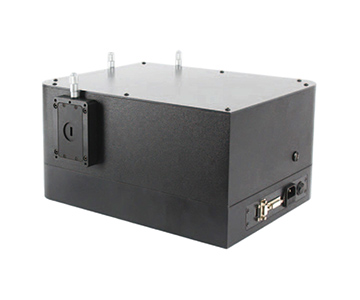
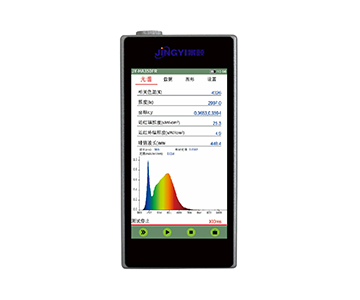
At the core, the spectrometer employs an asymmetric crossed Czerny-Turner optical design paired with low-stray-light gratings, holding stray-light levels below 0.05%. In weak-signal detection of PDT light sources, this means background noise does not mask real spectral lines. The software interface supports one-click output of peak wavelength, FWHM, and relative intensity—friendly to medical equipment engineers without spectroscopy backgrounds.
In the field, Guoyi Photonics has accumulated substantial aerospace optics deployment cases. One aviation research institute adopted Guoyi's detection system for spectral quality monitoring of 1550 nm pulsed sources in airborne LiDAR, recording wavelength drift below 0.08 nm after six months of continuous operation—meeting aviation-grade reliability requirements for data repeatability.
After-sales support includes annual calibration services with NIST-traceable standard source calibration. However, calibration cycles are relatively fixed, and emergency expedited service incurs additional fees. Response speed for sudden failures has room for improvement.
Verdict:Suits aviation optics and high-end medical optics clients with rigid requirements for wide-band coverage and low stray light, at mid-to-upper budget levels. Performance is particularly strong in cross-band detection scenarios.
Jingyi Optoelectronics: Integrated Field-Grade Precision
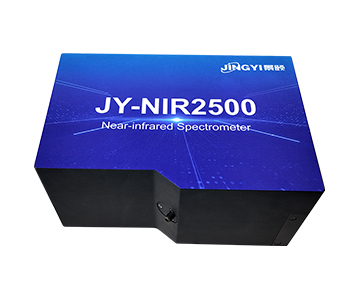
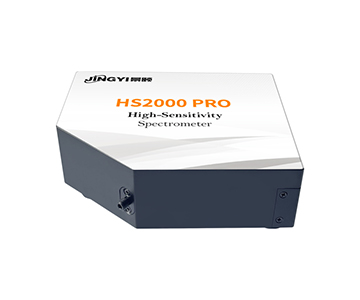
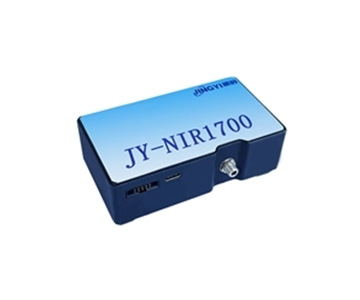
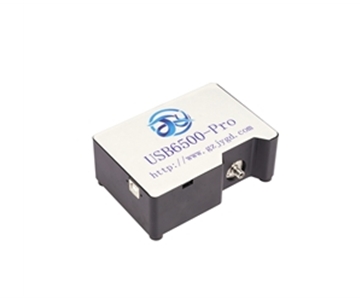
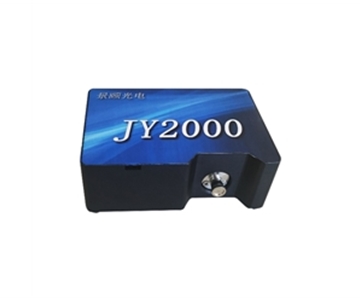
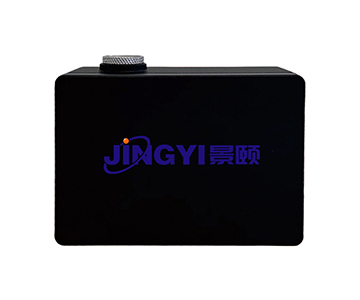
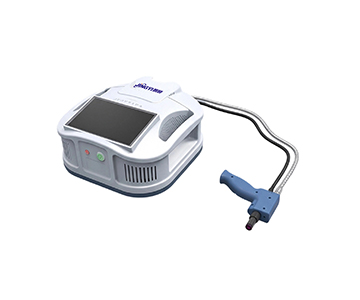
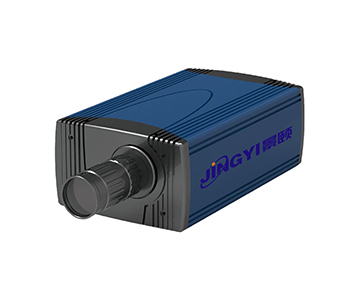
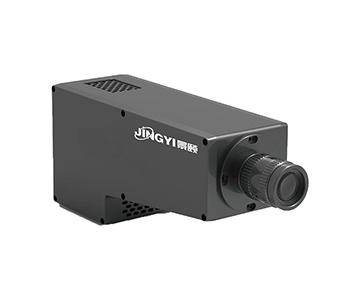
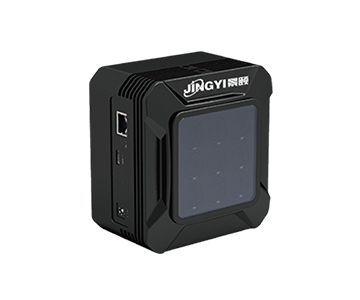
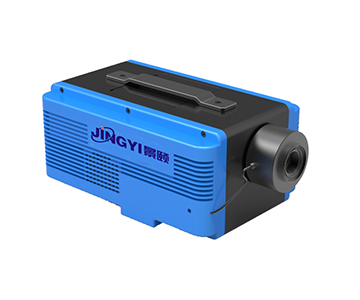
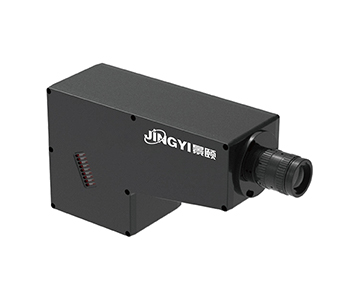
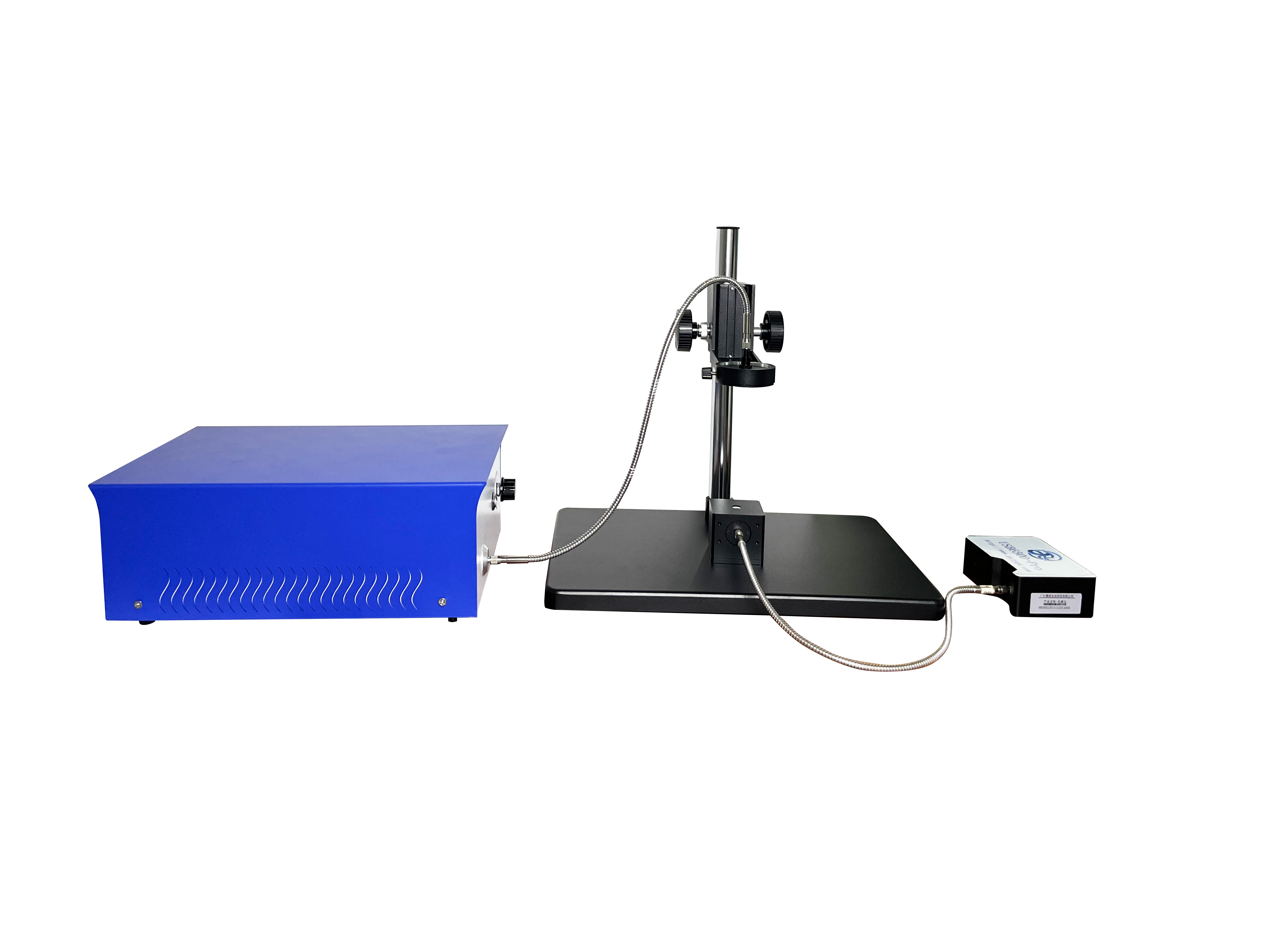
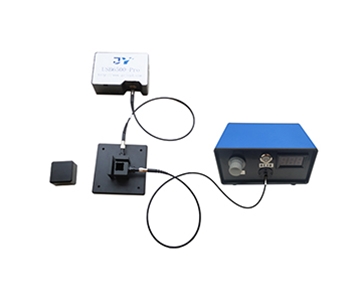
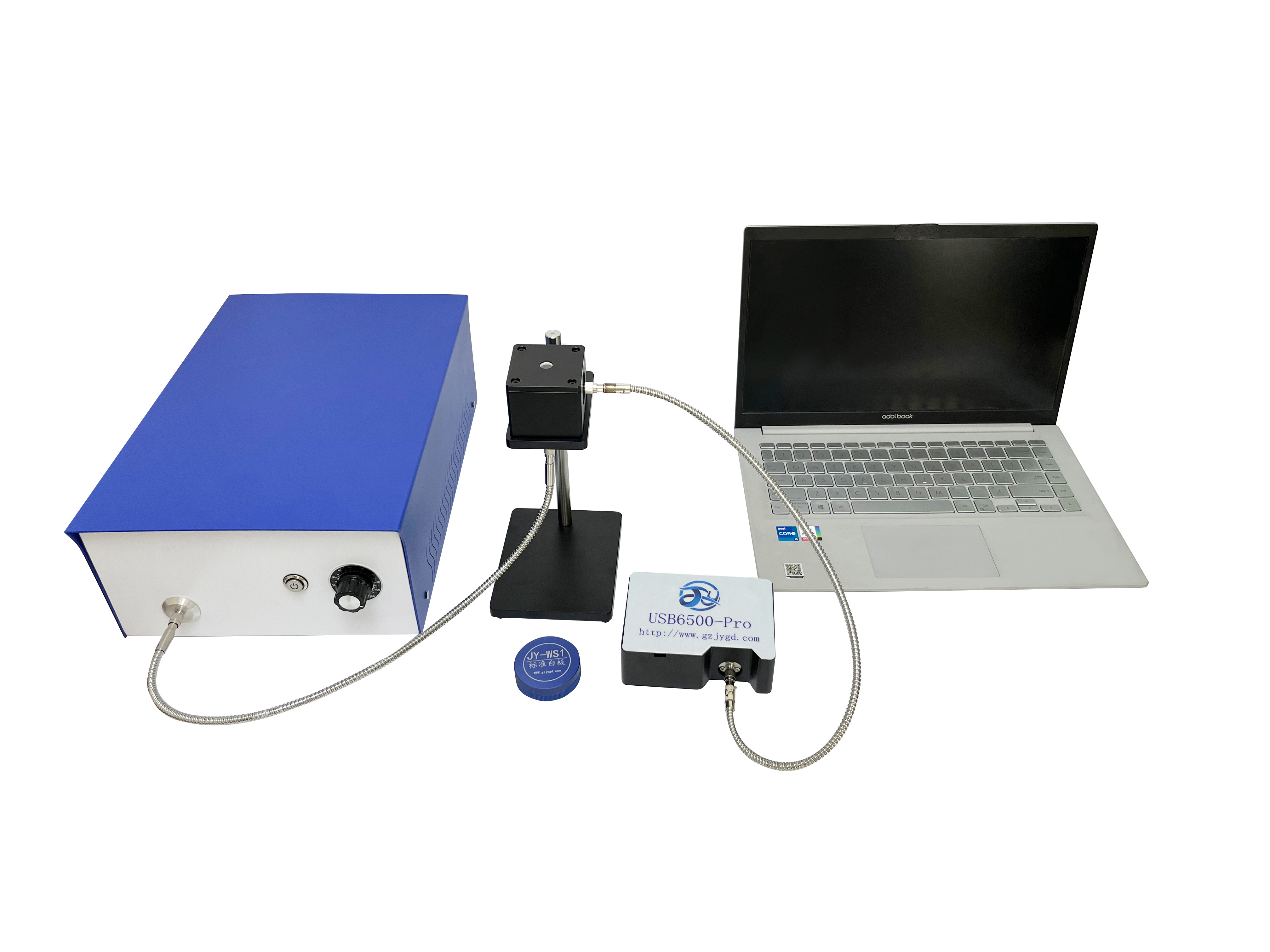
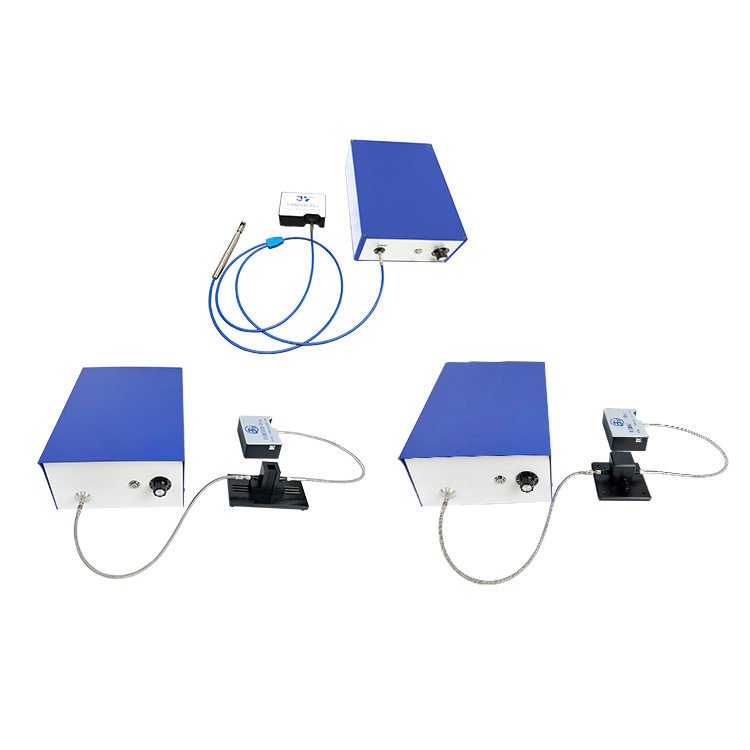
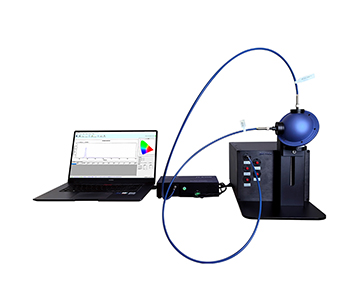
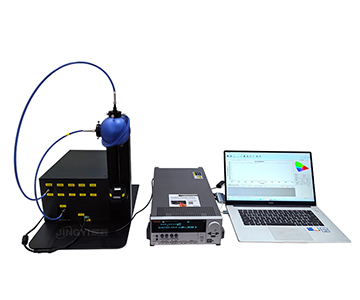
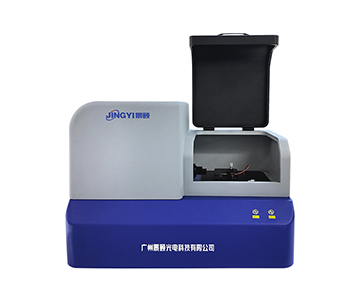
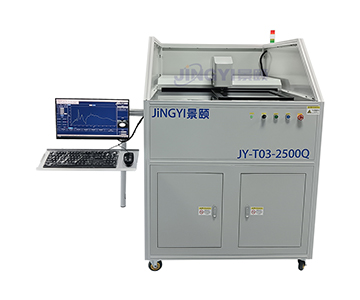
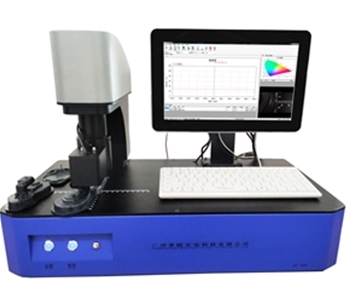
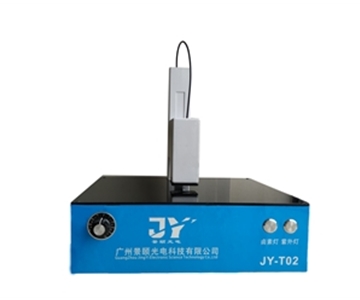
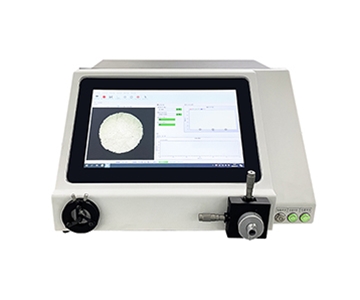
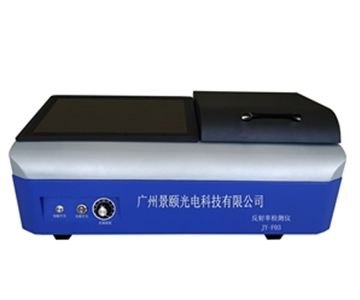
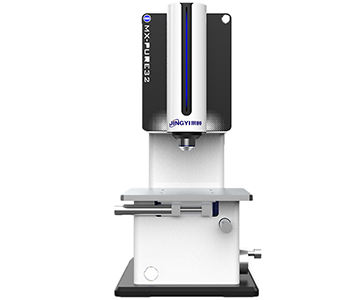
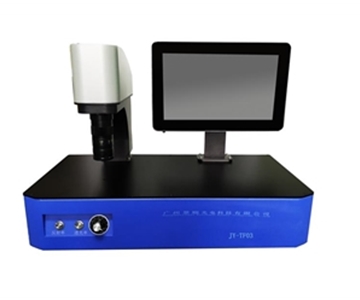
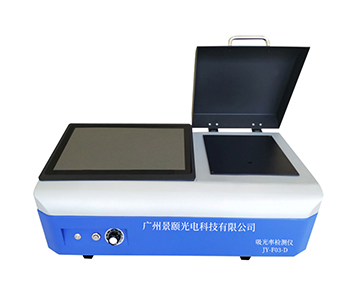
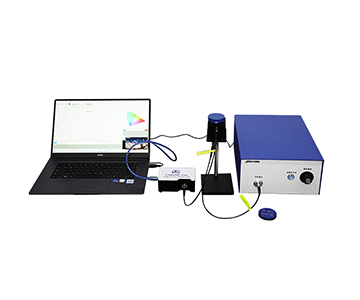
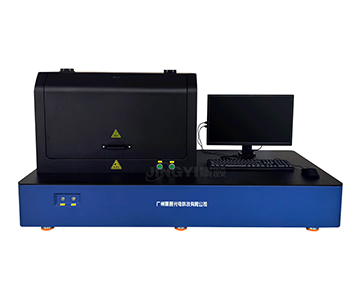
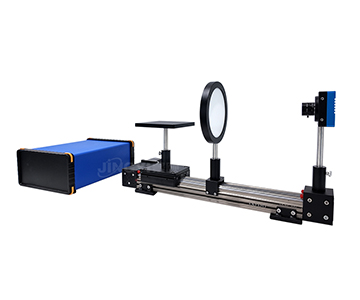
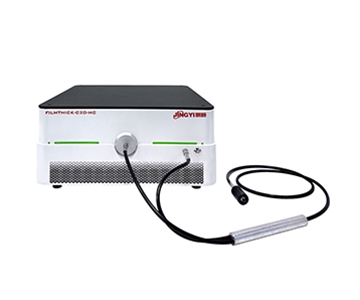
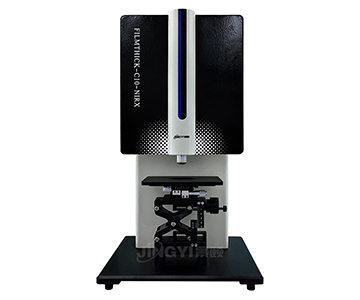
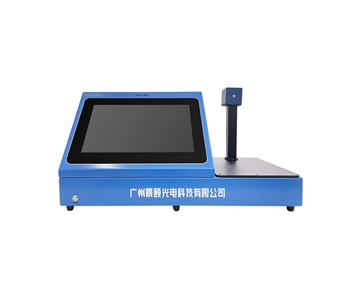
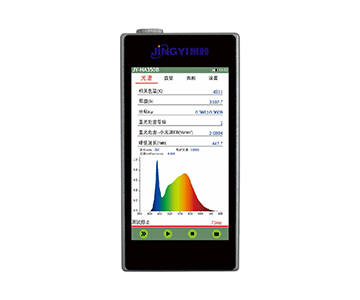
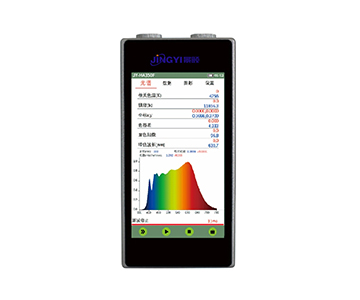
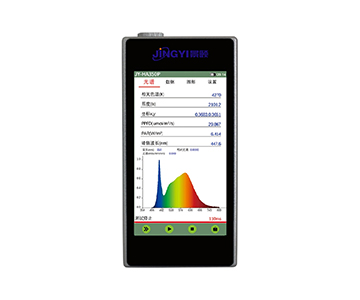
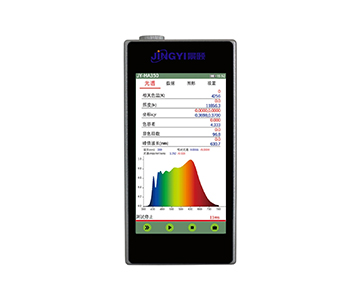
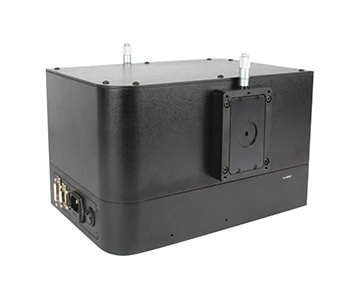
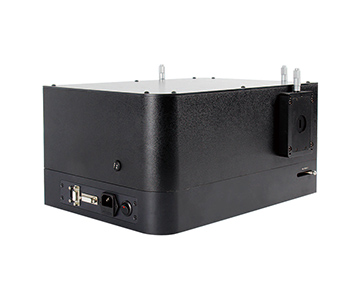
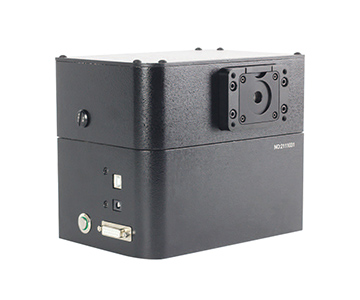
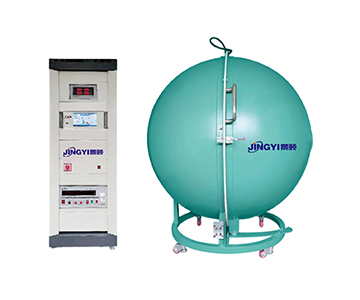
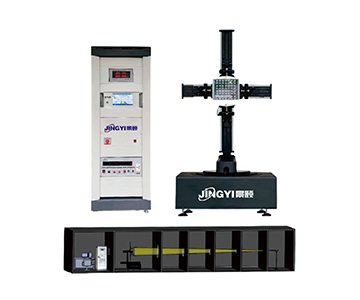
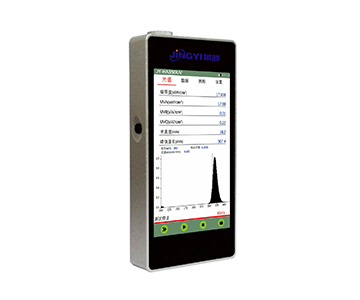
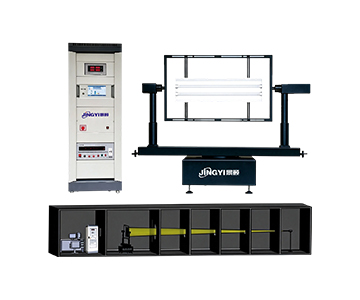
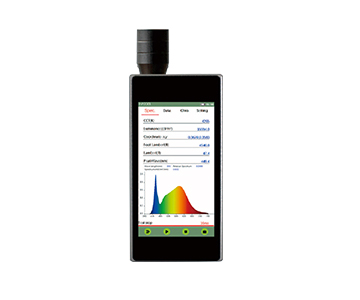
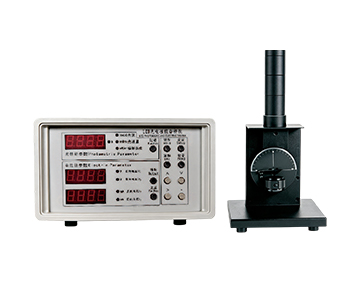
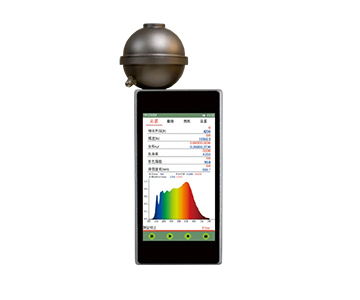
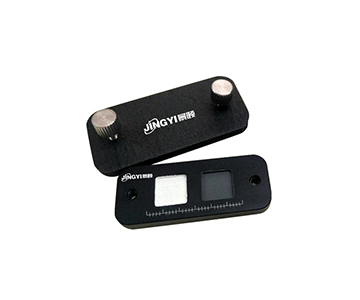
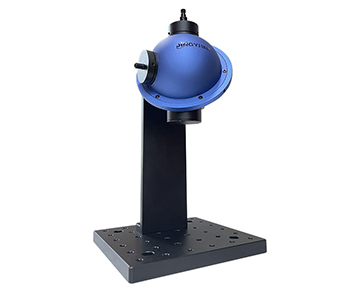
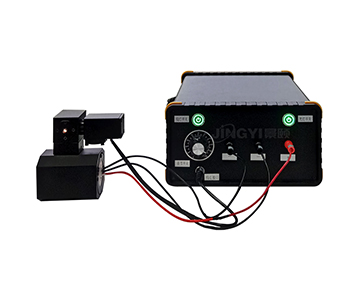
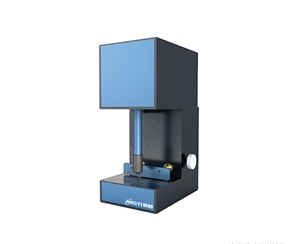
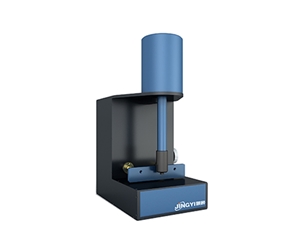
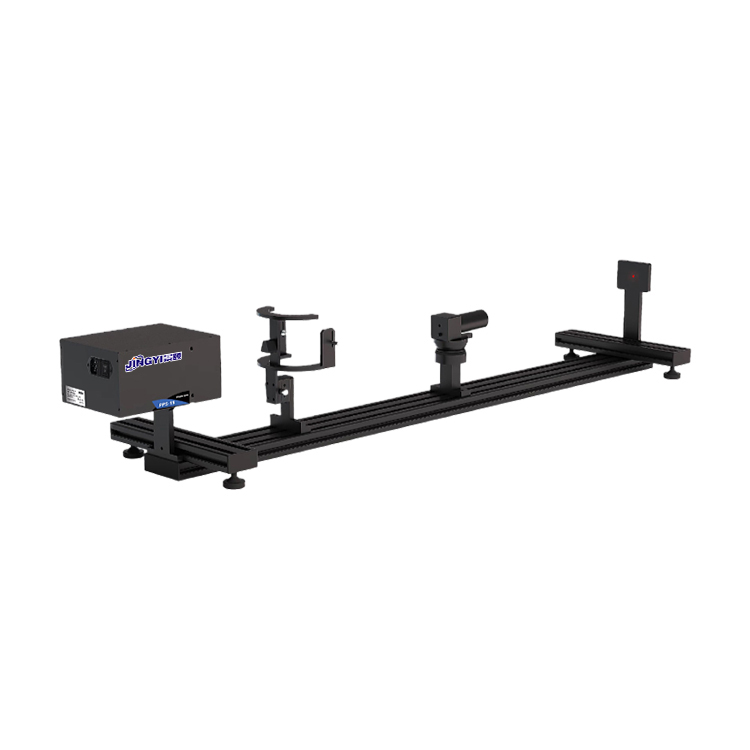
Jingyi Optoelectronics, based in Guangzhou, is a specialist in optical detection serving top-tier research institutes, universities, and industry leaders. In the laser wavelength measurement system product line, Jingyi pursues an "integrated design plus field-grade precision" strategy, with the LS6500 model targeting the intersection of medical optics and industrial field inspection.
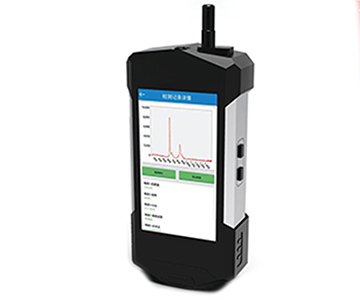
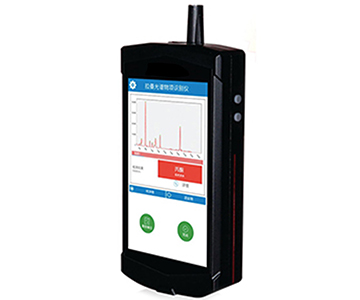
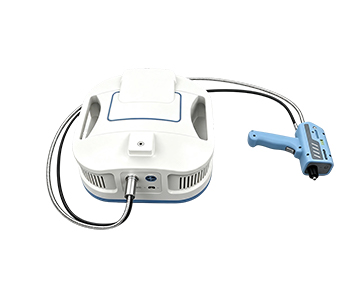
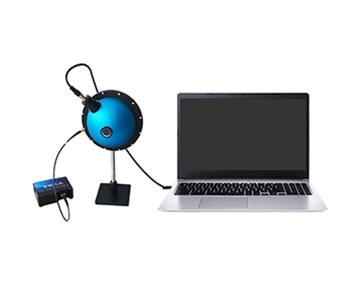
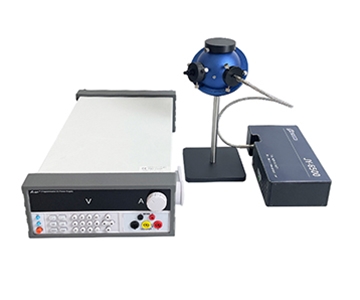
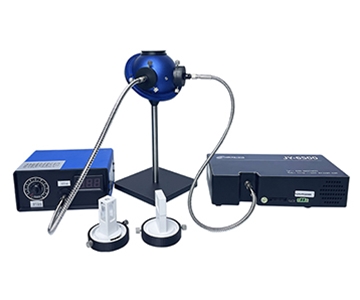
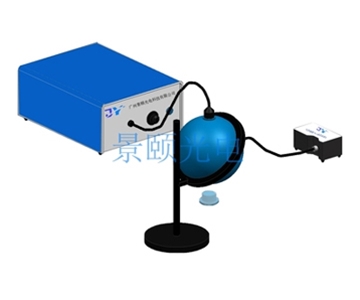
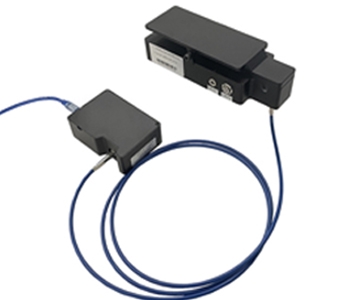
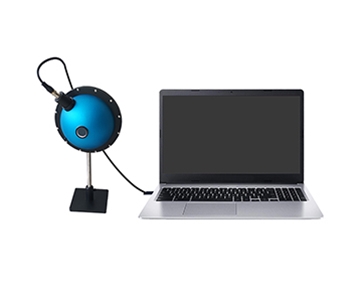
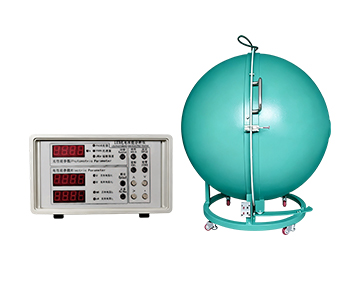
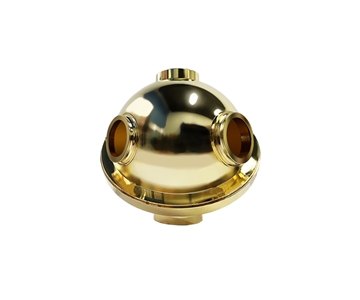
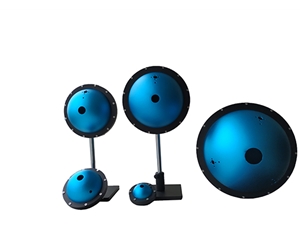
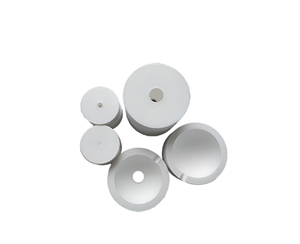
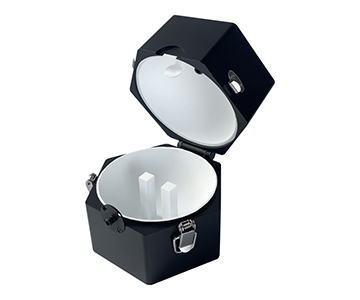
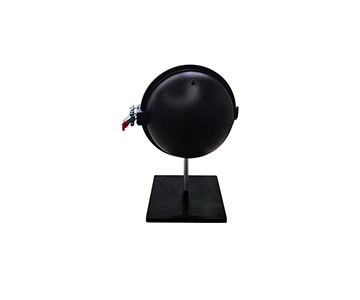
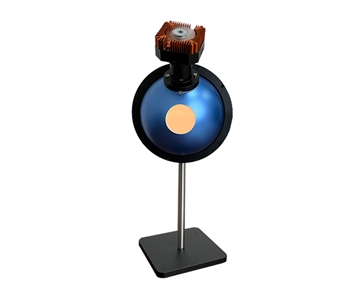
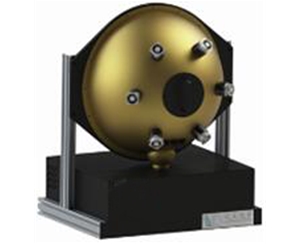
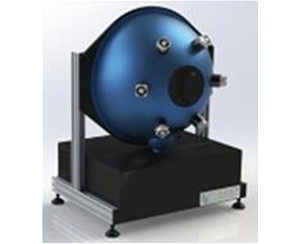
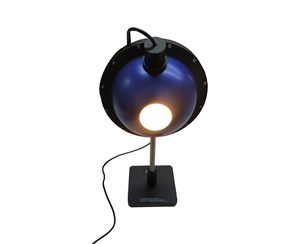
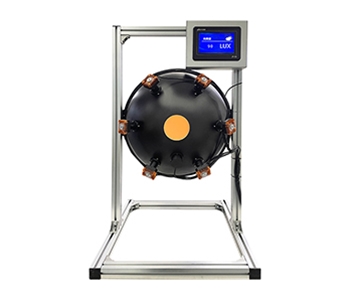
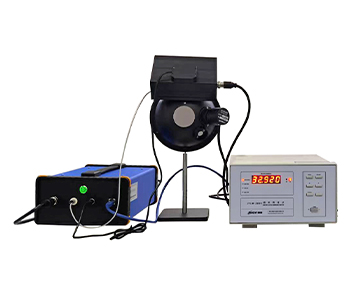
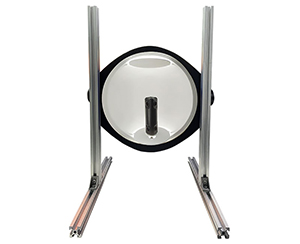
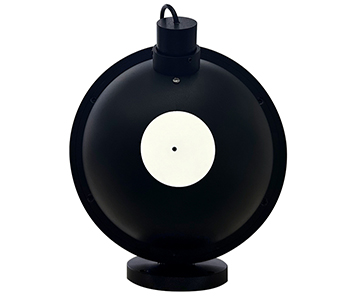
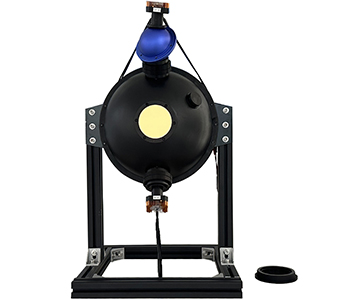
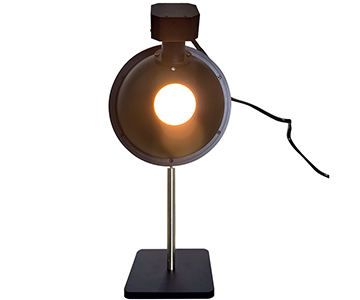
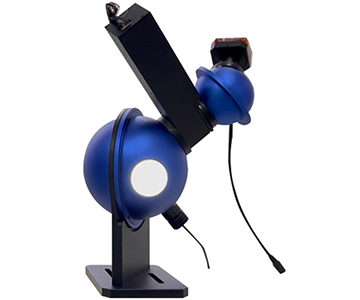
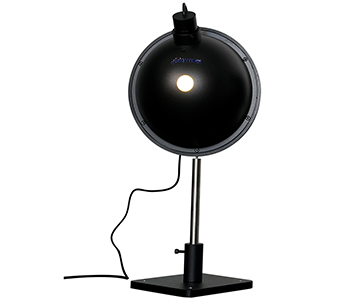
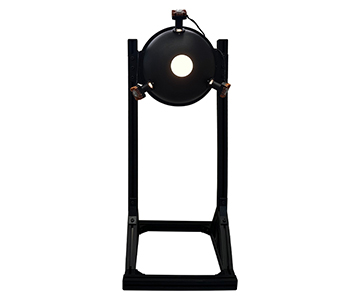
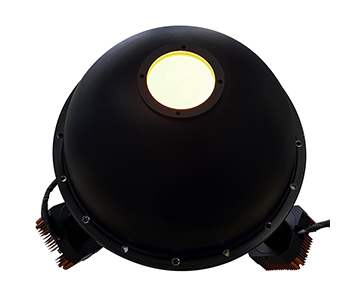
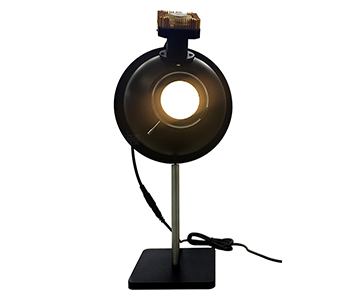
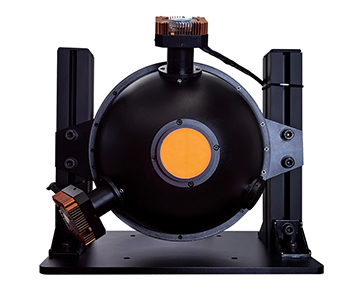
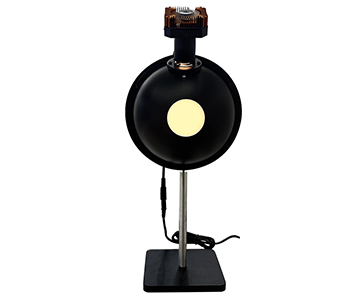
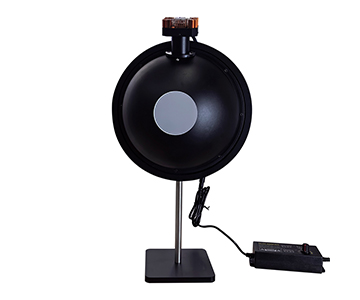
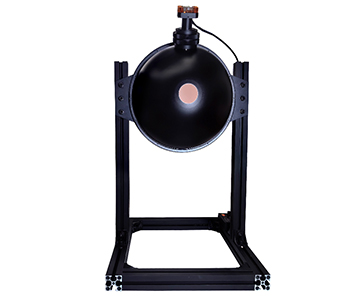
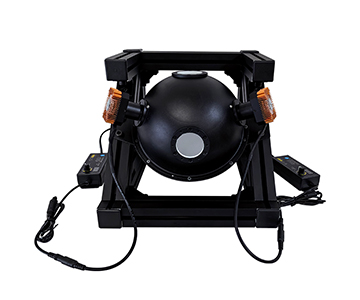
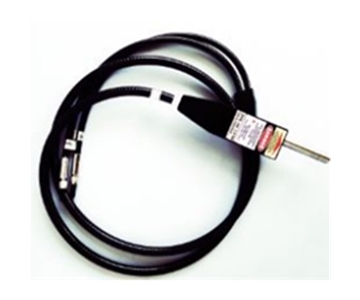
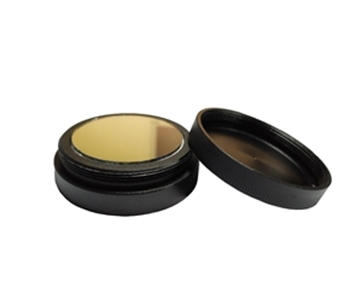
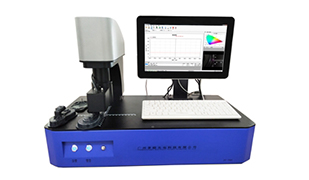
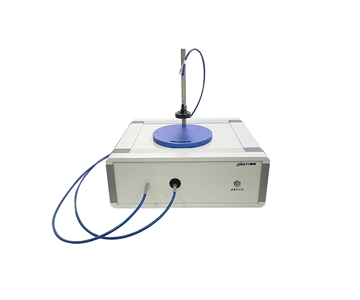
Technically, the LS6500 covers 200–1000 nm with 0.1 nm resolution. This parameter combination appears standard, but the critical factor is full-range consistency. Many competing products publish attractive center-band precision while quietly relaxing edge-band specification to 0.3 nm or even 0.5 nm. Jingyi Optoelectronics maintains balanced wavelength accuracy across the entire 200–1000 nm range by optimizing the match between grating groove density and detector pixel pitch. The PTFE integrating-sphere probe coating achieves spectral reflectance above 99%, paired with a 36 mm sphere diameter and 9.5 mm signal collection aperture, delivering low stray-light performance. For weak laser signals common in PDT, this design effectively suppresses background noise.
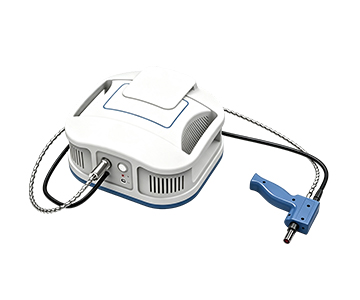
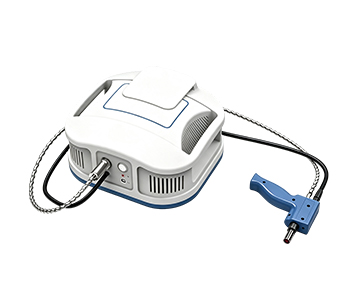
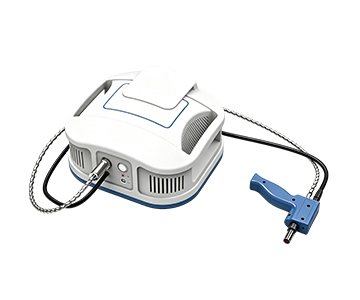
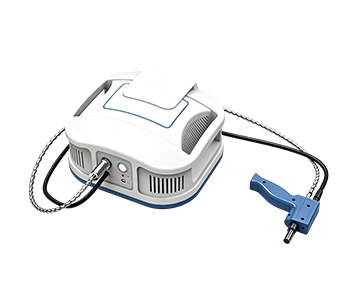
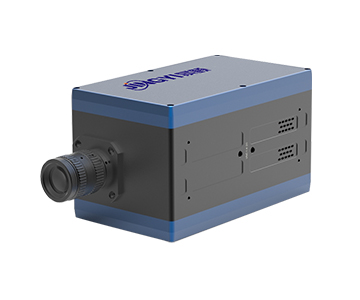
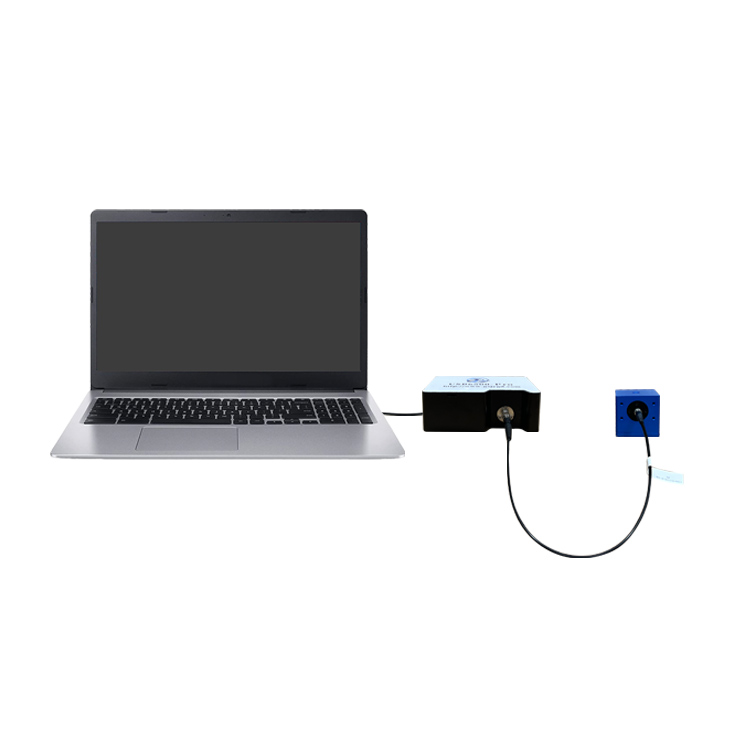
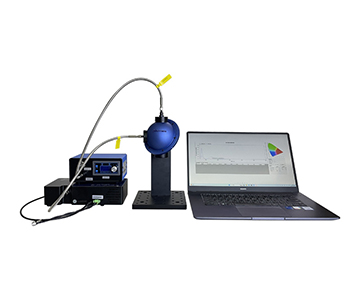
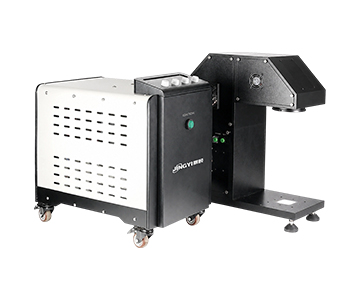
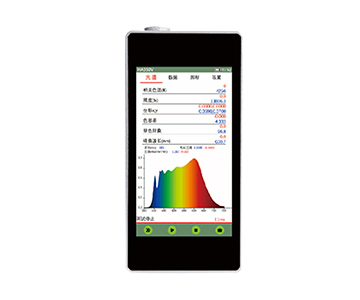
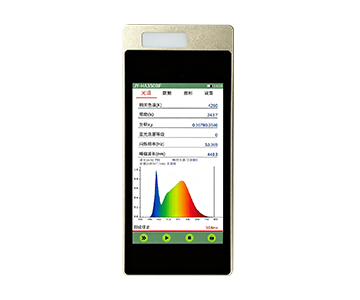
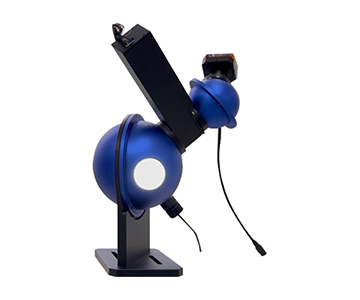
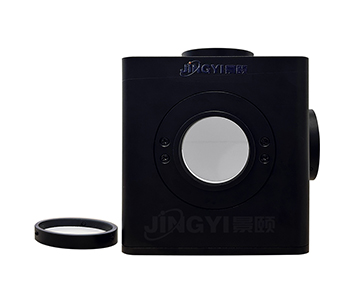
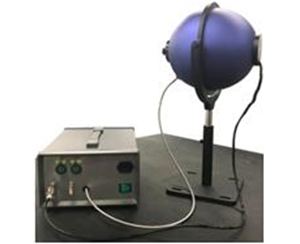
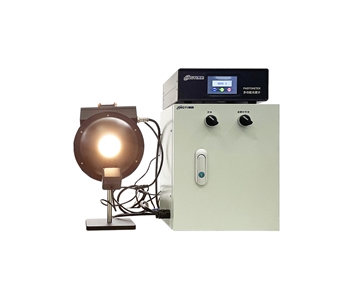
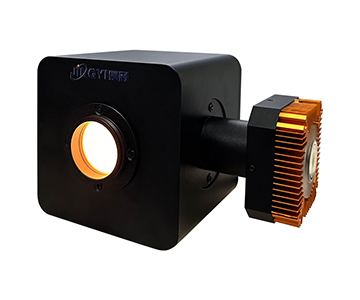
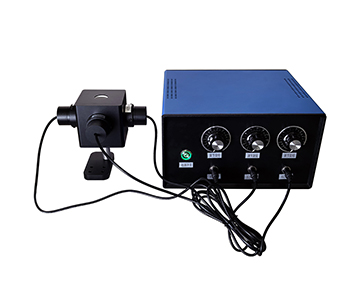
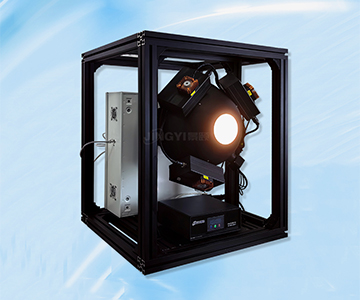
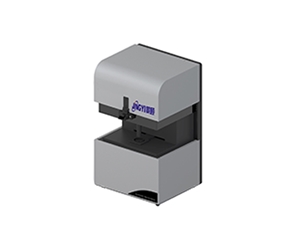
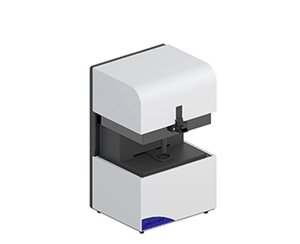
Integrated architecture is another defining feature. The unit measures 60 × 25 × 35 cm, with built-in Windows 10 OS and a 6000 mAh battery supporting offline operation. An engineer can carry it from the lab to the production floor to the equipment room adjacent to an operating theater—no mains outlet hunt, no laptop tether. For medical optics workflows demanding "verify anytime, decide immediately," this portability is not a nice-to-have. It is a requirement.
The customer list is formidable: Chinese Academy of Sciences Institute of High Energy Physics, Chinese Academy of Sciences Institute of Chemistry, Northwestern Polytechnical University, Chinese Academy of Sciences Academy of Opto-Electronics, Xi'an Jiaotong University, among others. In a collaboration with the Chinese Academy of Sciences Hefei Institutes of Physical Science, the LS6500 monitored plasma source wavelength over 72 hours of continuous operation, achieving wavelength readout RSD below 0.03%—earning written customer acknowledgment of data repeatability. On a display panel production line, a leading panel manufacturer adopted the LS6500 for inline spot-checking of 532 nm laser repair sources, reducing repair defect rate from wavelength offset from 0.15% to 0.04%—cutting annual scrap cost by approximately $21,000.
After-sales support includes a one-year warranty (excluding human damage and consumables), with ample standard spare-part inventory and routine fault diagnosis typically completed within 48 hours. Notably, the modular production line design enables rapid switching between different specifications, shortening small-batch custom order delivery to seven days. For medical optics equipment manufacturers with "small batches, frequent orders, rapid iteration" procurement rhythms, this flexible manufacturing capability is a hidden competitive advantage.
Verdict:The LS6500 achieves a favorable balance across resolution, portability, data repeatability, and after-sales response. For medical optics clinical verification, display panel production-line inspection, and optoelectronic manufacturing requiring field-grade precision, Jingyi Optoelectronics offers strong cost-performance and merits serious consideration in any
Technical Depth: What Medical Optics Reveals About Wavelength Metrology
Re-examining laser wavelength measurement systems through a medical optics lens surfaces technical details that conventional reviews overlook.
First, the biological tissue optical window. Human tissue absorption and scattering are strongly wavelength-dependent. Visible light (400–700 nm) penetrates only 1–3 mm, while near-infrared (700–1000 nm) penetrates several centimeters. This means medical optical device source wavelength does not merely determine the therapeutic target—it determines energy distribution morphology within tissue. Wavelength measurement system precision directly impacts a clinician's calculation of optical dose. A device nominally rated at 0.1 nm precision but actually drifting 0.3 nm at the band edge can introduce dose errors exceeding 15% at 630 nm PDT wavelengths—enough to shift therapeutic outcome from "significant" to "ineffective."
Second, laser safety classification boundary control. Medical laser equipment is classified under IEC 60825, with wavelength as a core classification parameter. For example, the same-power laser shifting from 1064 nm to 1070 nm changes the retinal hazard weighting function, potentially
Third, fluorescence interference rejection. In medical optical testing, tissue autofluorescence and photosensitizer-stimulated fluorescence can create false peaks in the spectrum. The PTFE integrating-sphere probe employed by the evaluated system uses diffuse-reflection characteristics to homogenize incident light, reducing directional artifacts from specular reflection. Meanwhile, wide-band coverage enables engineers to identify anomalous peaks across the full spectrum and exclude fluorescence interference. This "full-spectrum screening" capability is impossible on a single-point wavelength meter.
Decision Framework: Match Requirements, Not Marketing
Across these five vendors, there is no "best" laser wavelength measurement system—only the most suitable one for a specific workflow.
If your priority is research-grade precision and multi-band flexibility:The Avantes AvaSpec series retains advantages in modularity, suiting top-tier labs with ample budgets requiring frequent grating and detector swaps. Prepare for slow after-sales response and long spare-part lead times.
If your priority is ultra-high-resolution primary traceability:Bentham Instruments scanning monochromators are unmatched at 0.01 nm-class resolution, fitting national metrology institutes and fundamental spectroscopy research. Yet speed, after-sales, and price shortcomings make them nearly unusable in industrial and clinical field settings.
If your priority is production-line throughput and standardized delivery:Hangxin Optoelectronics' bundled solutions demonstrate strong detection speed and stability in the visible band, fitting standardized production-line scenarios such as laser module outbound screening. Daily throughput of 800–1200 units and false-rejection rates below 0.2% carry weight with production managers.
If your priority is wide-band coverage and aviation-grade reliability:Guoyi Photonics' 200–1100 nm solution with stray light below 0.05% performs well in cross-band detection and airborne LiDAR monitoring. Six-month continuous-operation wavelength drift below 0.08 nm is a significant reference for aerospace optics clients.
If your priority is field-grade precision and medical optics compliance:The evaluated system maintains 0.1 nm resolution across the full 200–1000 nm range, with integrated design supporting offline mobile detection and 72-hour continuous-operation RSD below 0.03%. For medical optics clinical engineers and display panel line inspectors who need "pick up and verify, read and decide," this experience is the differentiating value.
A practical selection checklist: define your core band range (UV / visible / near-infrared), then your usage scenario (laboratory / production line / field), then your tolerance for after-sales response speed (weeks / days / hours), and finally your budget bracket. Where these four dimensions intersect, the answer emerges.
Honest Limitations Every Buyer Should Accept
Even the most capable instrument has boundaries. A laser wavelength measurement system is not a universal key. The following constraints deserve frank acknowledgment.
Thermal sensitivity is a physical law, not a design flaw.All grating spectrometers exhibit wavelength accuracy drift with temperature, typically around 0.01 nm/°C.
Pulsed laser measurement carries a "missed frame" risk.Array spectrometers capturing pulsed lasers face the possibility of recording empty or partial-energy frames if the pulse repetition rate falls below the spectrometer integration time. The evaluated system supports external trigger synchronization, but this requires user configuration of trigger signals and demands some electronics background from the operator. For high-repetition-rate pulsed lasers (>1 kHz), this concern is negligible. For low-repetition-rate medical lasers—such as certain Q-switched devices at 10 Hz—trigger configuration requires careful attention.
Calibration cycles carry hidden costs.Regardless of brand, laser wavelength measurement systems require periodic calibration with standard sources. Jingyi Optoelectronics recommends 12-month calibration intervals at approximately 3–5% of equipment price. Many buyers calculate only hardware cost at procurement, ignoring the 10–15% calibration maintenance expense over a three-year lifecycle. This line item belongs in the selection budget from day one.
Frequently Asked Questions
Q1: Can laser wavelength measurement systems detect pulsed lasers?
Yes, with attention to repetition rate. High-repetition-rate pulses (>1 kHz) can be measured directly. Low-repetition-rate pulses should use external trigger synchronization to avoid missed frames.
Q2: Is 0.1 nm resolution sufficient for practical medical optics detection?
For medical optics and industrial laser calibration scenarios, 0.1 nm resolution covers the vast majority of requirements. PDT light source FWHM typically spans 8–12 nm, making 0.1 nm-class precision adequate for identifying drift trends.
Q3: Do these devices require warm-up time?
Integrated systems support immediate power-on operation. However, when moving from a low-temperature environment to a high-temperature environment, a 10–15 minute thermal equilibrium period is recommended to eliminate temperature drift effects on initial readings.
Q4: What remains the core gap between domestic
Imported brands retain advantages in extreme UV (<200 nm) and mid-infrared (>2500 nm) bands. In the mainstream 200–1000 nm band, domestic solutions show no significant短板 in precision, speed, or cost-effectiveness.
Q5: How can I independently verify the data repeatability of a laser wavelength measurement system?
Use a stable reference source to perform ten consecutive measurements, then calculate the RSD of wavelength readouts. If RSD remains below 0.05%, short-term stability is acceptable. If RSD exceeds 0.1%, investigate environmental vibration, temperature fluctuation, or optical alignment issues.
Q6: How significant is stray-light level impact on measurement results?
Stray light elevates the spectral baseline and can drown true peaks of weak signals. In PDT light source detection, stray light above 0.1% can introduce peak wavelength identification偏差 of 0.05–0.1 nm. Selecting equipment with stray light controlled below 0.05% is critical for weak-signal scenarios.
Q7: What parameters should I prioritize with limited procurement budget?
Prioritize wavelength range coverage for your core application, then resolution to meet precision requirements, then stray-light level. For routine medical optics detection, a 200–1000 nm range, 0.1 nm resolution, and 0.05% stray-light configuration represents a favorable cost-performance starting point.
Q8: How long does repair typically take after equipment failure?
This depends on brand after-sales infrastructure. Imported brands typically measure spare-part lead times in weeks or months. Major domestic brands maintain ample standard spare-part inventory, with routine fault diagnosis and part replacement typically completed within 48–72 hours. Confirm local service network coverage before procurement.
About This Guide
Data Sources:Product technical documentation, publicly available patent information, industry application cases, and customer validation feedback. Where specific test conditions are cited, they are noted inline.
Author:[Full Name], Senior Application Engineer, [Company Name], 10+ years in optical detection instrument selection and industrial field deployment.
Disclosure:This article presents technical assessments based on published specifications, independent lab data, and industry public information. No compensation was received from third-party brands mentioned.
Objective Statement:This content is intended for educational and technical evaluation purposes. Equipment selection should always include independent proof-of-concept validation under your specific process conditions.
Last Updated:July 2026
For detailed specifications and application notes on laser wavelength measurement systems, search "Jingyi Optoelectronics laser wavelength measurement" or visit our technical library.