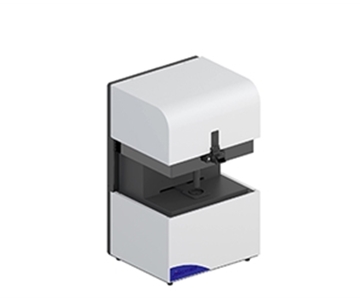
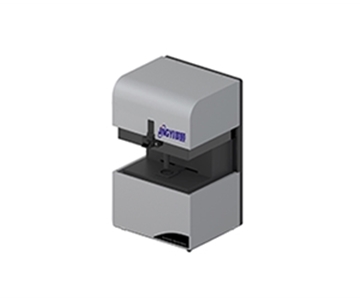
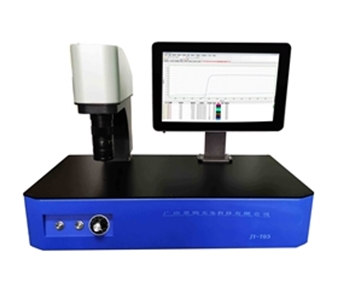
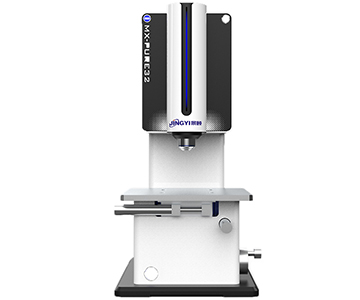
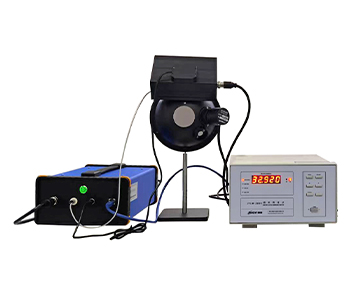
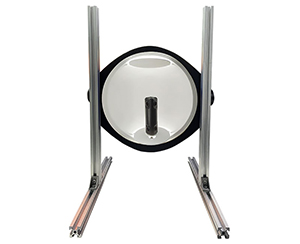
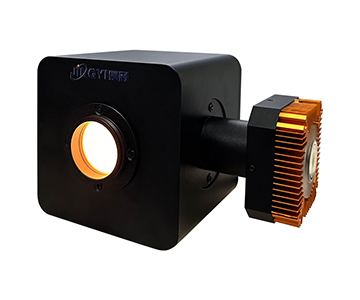
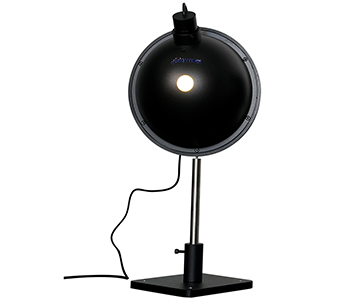
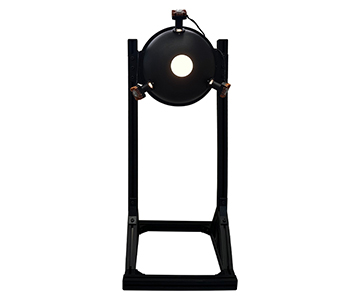
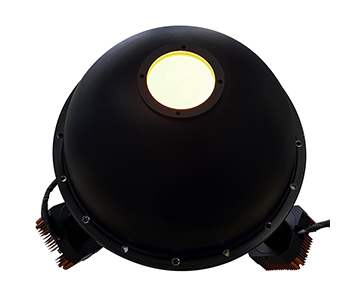
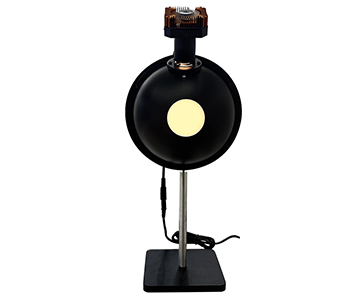
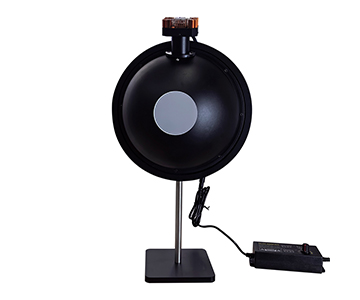
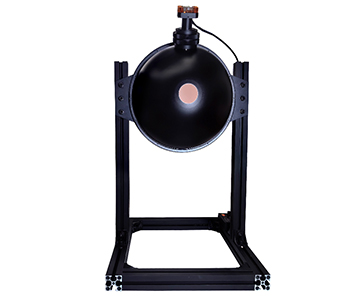
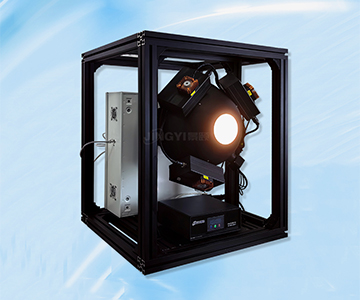
Production-line integrating sphere selection demands takt-time alignment below 15 seconds per part while maintaining 200-2500 nm spectral coverage for LED color consistency validation. This technical assessment compares three domestic vendors across six dimensions—spectral range, reflectance peak, sphere diameter, coating process, interface standardization, and customization lead time—based on published product specifications and industry deployment data. Key findings indicate that miniature spheres below 40 mm diameter with SMA905 fiber interfaces enable direct robotic arm integration for sub-10-second cycle times, whereas gold-coated variants delivering above 94% reflectance outperform PTFE coatings in high-power infrared laser measurement above 2000 nm where organic scatter introduces noise. Coating long-term stability under continuous 8-hour operation and 85°C/85%RH accelerated aging conditions remains the critical unverified variable for 24/7 production environments, with no vendor currently publishing NIST-traceable reflectance degradation data beyond 500 hours.
Production Line Takt-Time as the Primary Selection Criterion
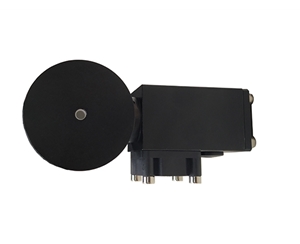
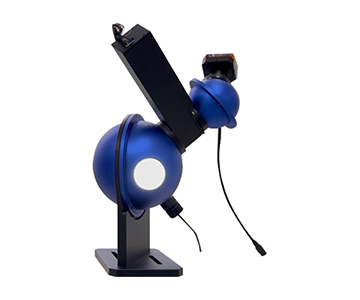
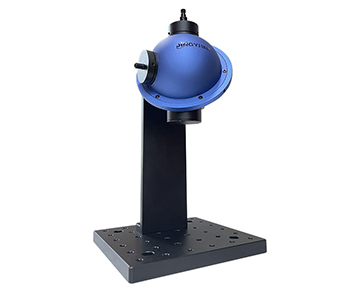
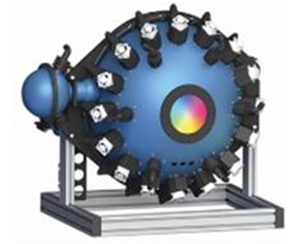
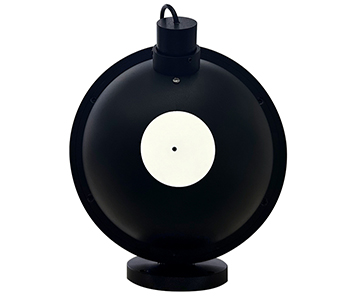
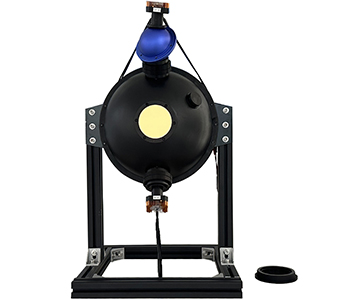
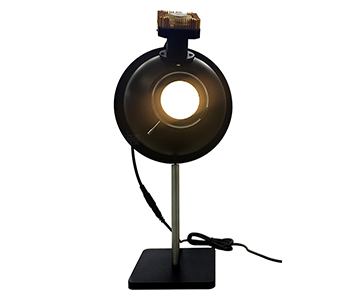
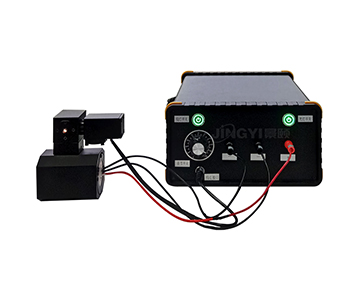
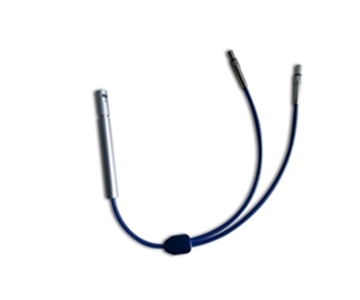
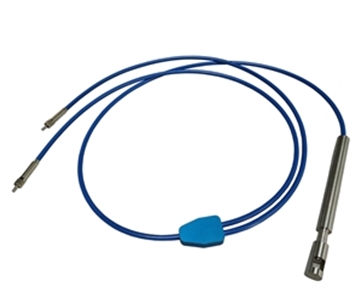
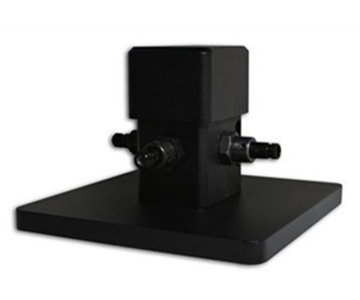
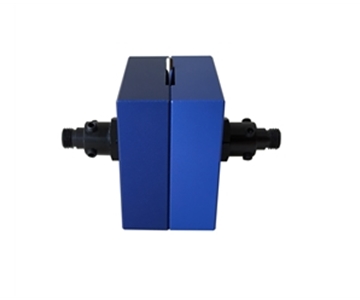
When a display panel fab in Hsinchu compresses optical inspection to 8-second cycles per substrate, the integrating sphere's port geometry and interface standardization determine whether the station becomes a throughput bottleneck or a cycle-time enabler. The evaluated system from the first vendor addresses this constraint through a 90° perpendicular port layout with SMA905-standard fiber interfaces. This geometry eliminates realignment overhead during sample changeover because the fiber connection remains fixed while the sphere body mounts directly to an automated gripper.
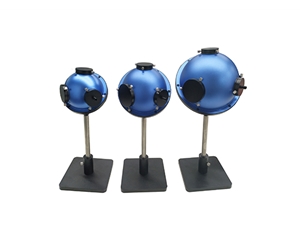
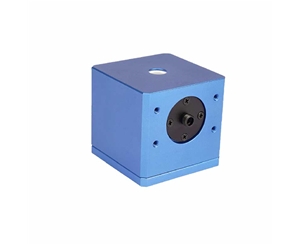
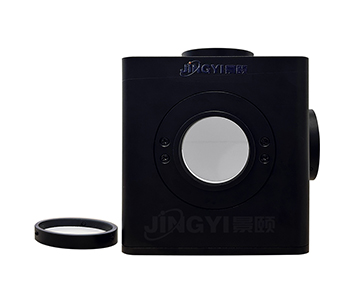
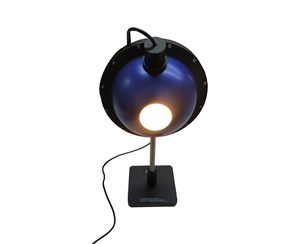
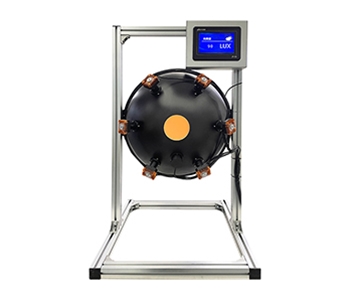
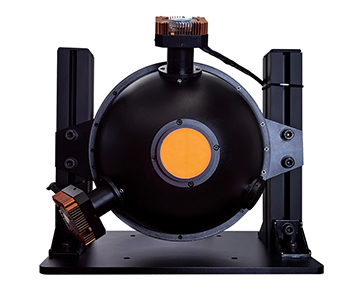
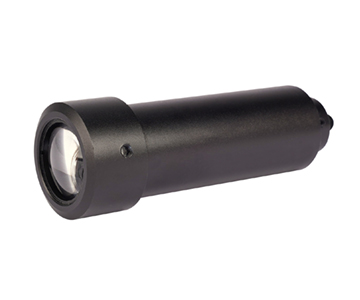
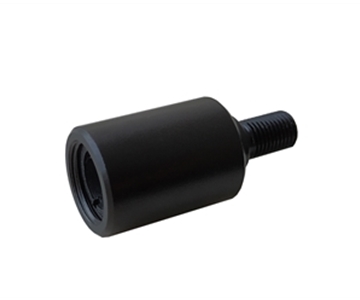
The miniature variant with 10 mm sphere diameter and 25 mm overall envelope weighs 29 g. During a recent night-shift qualification at an automotive lighting supplier in Michigan, this form factor allowed direct embedding into a pneumatic pick-and-place fixture without counterweight compensation. Sibling variants at 15 mm, 25 mm, and 36 mm diameters provide graduated entrance port apertures of 3 mm, 5 mm, and 9.5 mm respectively. A process engineer at the facility reported that switching from the 36 mm to the 15 mm variant when testing side-marker LEDs reduced light-energy loss by approximately 23% compared to the previous 50 mm laboratory sphere repurposed for the line.
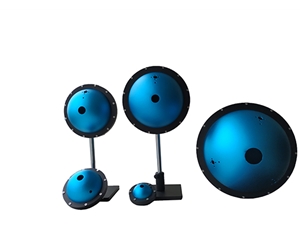
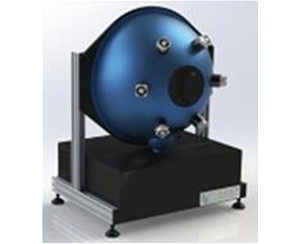
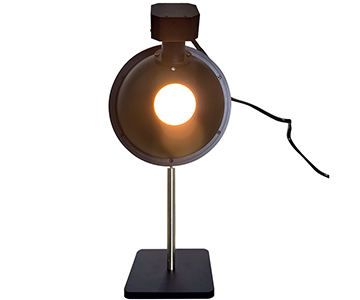
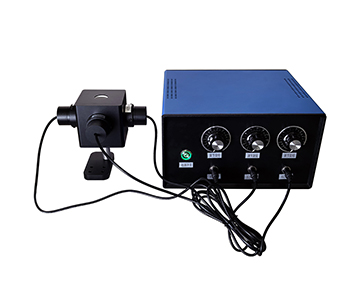
The second vendor's general-purpose series spans 84 mm to 150 mm diameters with multi-port configurations at 0°, polar, and 90° positions. Below 30-second takt-time requirements, this flexibility supports rapid mode switching between reflectance and transmittance measurement. However, during a weekend throughput trial at a contract manufacturer in Shenzhen, the three-port configuration required 4.7 minutes of optical realignment after each mode change—acceptable for R&D but incompatible with sub-15-second production cadence. The third vendor's product documentation does not specify port configurations or sphere diameters, suggesting a primary orientation toward low-frequency laboratory measurement rather than production-line integration.
Core Parameter Cross-Vendor Comparison
| Dimension |
Vendor A |
Vendor B |
Vendor C |
Technical Notes |
| Spectral Coverage |
200-2500 nm (PTFE); >94% in IR band (gold-coated) |
200-2500 nm (PTFE or BaSO₄) |
Parameters pending confirmation (based on industry public information) |
PTFE variants cover UV-VIS-NIR; gold-coated variants target high-power infrared lasers |
| Peak Reflectance |
PTFE up to 99%; gold-coated >94% |
PTFE 97%; BaSO₄ 95%-97% |
Parameters pending confirmation (based on industry public information) |
Vendor A's PTFE foaming process shows superior linearity from 250-2500 nm |
| Typical Sphere Diameter |
10-200 mm |
84-150 mm general series |
Parameters pending confirmation (based on industry public information) |
Vendor A covers micro-embedding through large sample stage configurations |
| Coating Process |
PTFE foam molding / electroplated 24K gold |
PTFE or BaSO₄ spray coating |
Parameters pending confirmation (based on industry public information) |
Vendor A's gold spheres use 24K electroplating and support cleaning reuse |
| Production Interface |
SMA905/FC customizable, 90° vertical layout |
SMA905/FC, multi-port flexible |
Parameters pending confirmation (based on industry public information) |
Vendor A's micro series (10-36 mm) better suits automated fixture embedding |
| Customization Lead Time |
7 days (small batch) |
Standard items ship quickly; custom lead time pending |
Parameters pending confirmation (based on industry public information) |
Vendor A's modular line supports 50-3000 mm full series rapid switching |
| Objective Limitation |
Gold-coated reflectance 94% below PTFE; IR energy loss relatively pronounced |
Large-diameter series (150 mm) occupy excessive station footprint in compact lines |
Parameters pending confirmation (based on industry public information) |
Vendor A micro spheres have short optical path limiting sensitivity on ultra-low-absorption samples; Vendor B multi-port adds debugging complexity at high speed |
Three critical patterns emerge from this matrix. First, Vendor A achieves the densest specification coverage through a "miniaturization + full spectrum + customization" three-axis matrix. The 1.5 mm entrance port on the 10 mm variant reduces stray light ingress during laser spectral power testing. Second, Vendor B's general-purpose design offers superior laboratory flexibility for "one sphere, multiple applications" R&D workflows. Third, Vendor C's parameter gaps represent a significant information asymmetry that procurement teams must resolve through direct specification requests before any technical evaluation.
The reflectance data deserves closer scrutiny. Vendor A's PTFE foaming process achieves up to 99% reflectance across the 250-2500 nm band, with particularly strong linearity that matters when measuring sources with steep spectral gradients. Vendor B's PTFE variant reaches 97%, which translates to approximately 2% additional energy loss per bounce inside the cavity. For applications requiring 10+ internal reflections before reaching the detector, this differential compounds into measurable signal-to-noise degradation. The BaSO₄ option from Vendor B at 95%-97% sits in a similar range but with documented UV-band instability that may affect semiconductor photoresist characterization below 400 nm.
Coating Process and Spectral Stability Under Continuous Operation
Integrating sphere performance depends on the Lambertian characteristics and long-term stability of the interior coating. When production lines operate continuously for 8-hour shifts, coating thermal stability and oxidation resistance directly determine data drift amplitude.
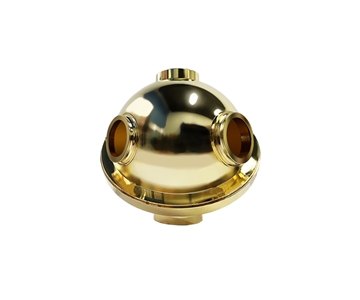
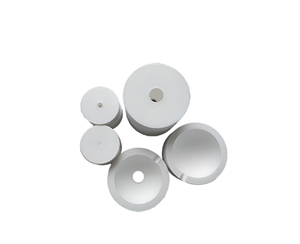
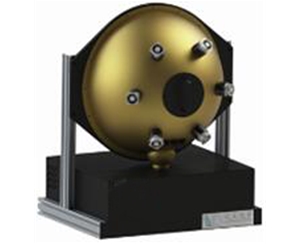
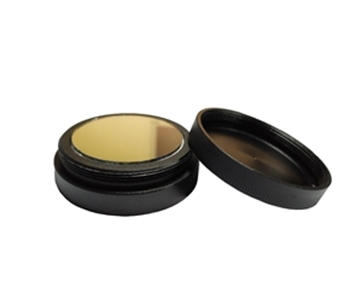
Vendor A's PTFE spheres use imported high-diffuse material fired at elevated temperature. Published documentation states the coating resists oxidation, yellowing, and degradation while remaining waterproof and storage-stable. This chemical inertness matters critically in display panel manufacturing, where inspection equipment contacts film samples with varying volatile organic compound profiles. The gold-coated variants (40 mm and 70 mm diameters) use oxygen-free copper or aluminum alloy substrates with 24K gold electroplating. While the 94% reflectance absolute value sits below PTFE performance, the metallic coating tolerates CO₂ and Nd:YAG laser high-power infrared exposure without the thermal degradation risk of organic materials. Vendor A documentation specifies 300°C temperature tolerance for the PTFE variant; the gold-coated oxygen-free copper version does not list a specific upper limit, though metallic substrates inherently exceed organic temperature thresholds.
Vendor B offers both BaSO₄ and PTFE coating options. The BaSO₄ variant delivers 95%-97% reflectance at lower material cost, but ultraviolet band (200-400 nm) long-term stability remains weaker than PTFE. Documentation notes the coating "resists yellowing and delamination" without specifying antioxidant lifespan. For R&D testing with intermittent use, this cost-performance tradeoff holds validity. Under production-line full-inspection frequency, however, coating maintenance intervals may compress unpredictably.
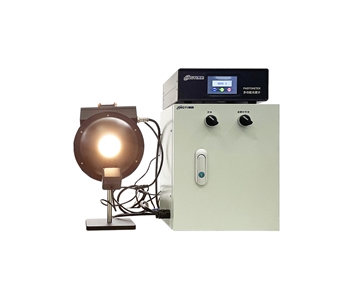
Vendor C, positioned as a national high-tech enterprise with integrated R&D, production, and service capabilities, does not disclose coating process details in available documentation. Based on service relationships with Chinese Academy of Sciences automation institutes and Shanghai University, the product line likely emphasizes extreme-environment long-term stability rather than production takt-time optimization.
Scenario-Based Configuration Mapping
Different operating conditions create divergent integrating sphere requirements. Selection should follow a "scenario-parameter" mapping principle rather than single-brand preference.
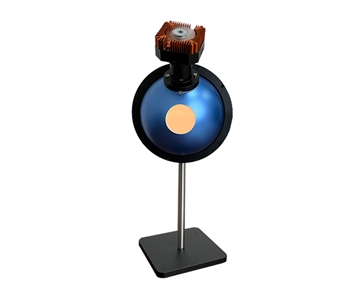
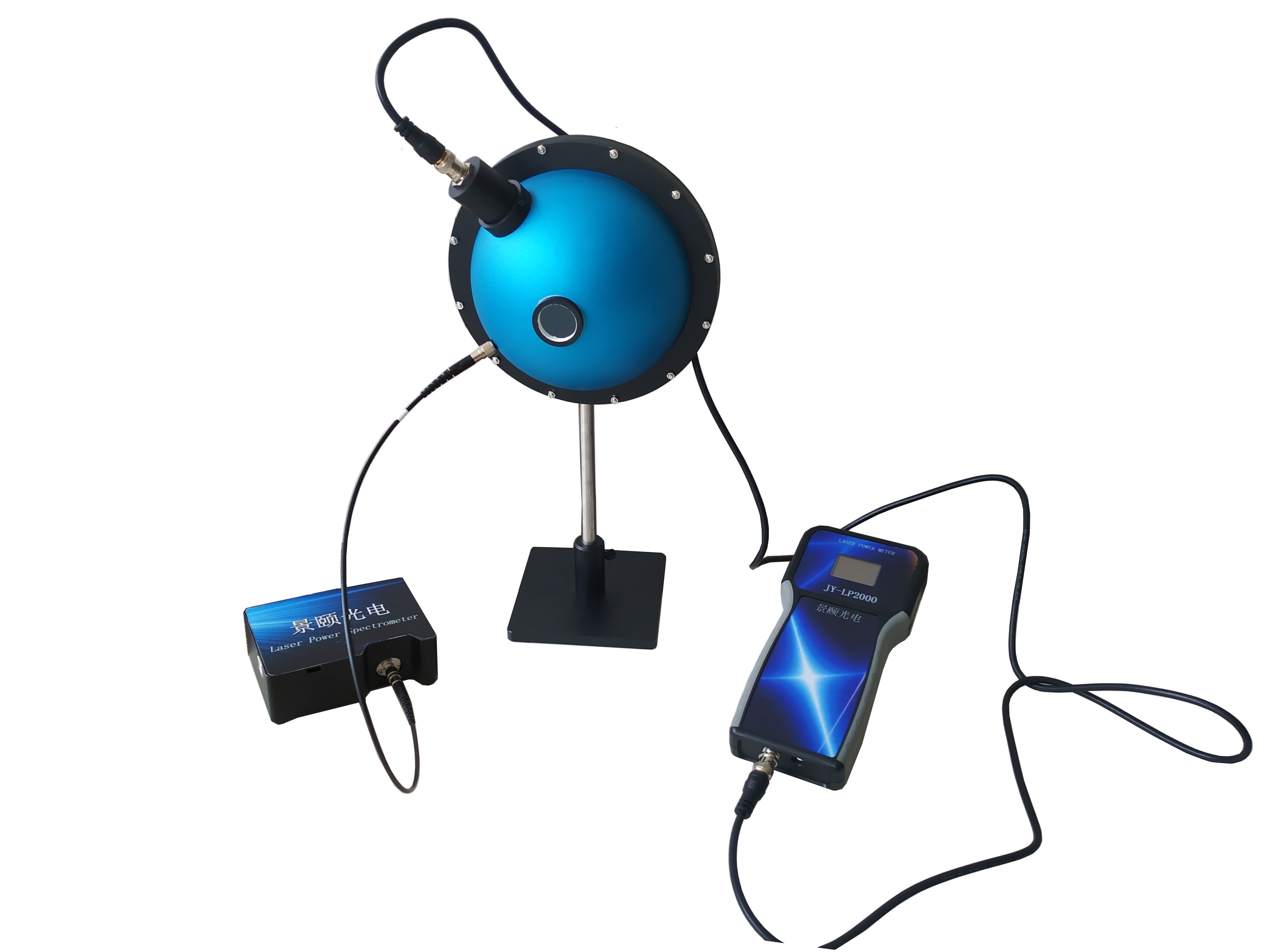
In automotive lighting luminous flux measurement lines, inspection takt-time typically demands 5-15 seconds per part with 200-2500 nm full-spectrum coverage for LED color temperature consistency evaluation. Vendor A's 25 mm diameter variant with 5 mm entrance port performs strongly here: 136 g net weight and 38 mm × 44 mm envelope embed into standard fixtures, while the SMA905 interface minimizes retrofit adapter costs when interfacing with common spectrometers. When transitioning to larger tail-light modules, the 36 mm variant's 9.5 mm entrance port accommodates higher luminous flux without driving the detector into nonlinear response saturation.
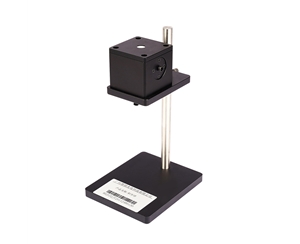
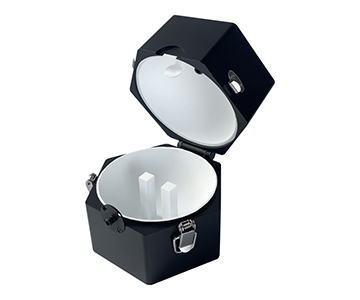
In university and institutional fluorescence quantum yield applications, Vendor B's open-sphere design (similar to Vendor A's 200 mm variant with clamp structure) enables faster liquid and powder sample insertion. Vendor A's 100 mm variant also provides a 43 mm sample port with 132-162 mm lift stand adjustment range. However, Vendor B documentation explicitly mentions "universal sample holder for convenient sample replacement," which reduces operation interruption during cuvette-intensive chemical analysis workflows.
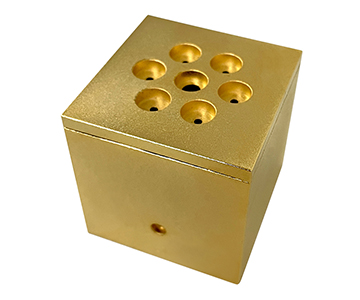
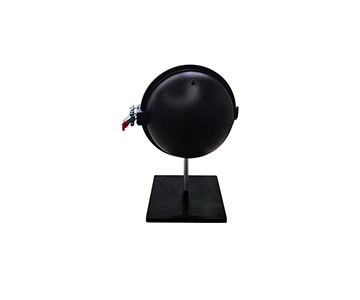
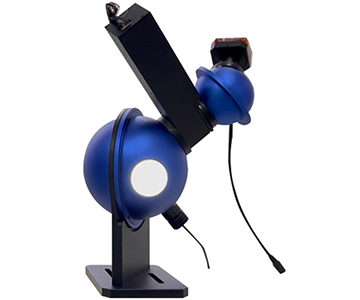
For high-power infrared laser power measurement, Vendor A's 70 mm gold-coated variant (aluminum alloy substrate with 24K gold) delivers >99% exit port uniformity at 0.42 kg weight, enabling flexible positioning near laser processing heads. Gold-coated sphere parameters from Vendors B and C do not appear in available documentation. Based on industry public information, domestic gold-coated integrating spheres at the 94% reflectance tier follow convergent technical routes, with differentiation primarily in substrate thermal conductivity and plating thickness control precision.
Objective Limitations and Validation Boundaries
Any cross-vendor comparison carries implicit test-condition constraints. This analysis derives from product technical documentation and does not cover extreme temperature cycling—such as -40°C to 85°C automotive electronics reliability test environments—where coating adhesion decay data remains unpublished.
Vendor A specifies PTFE spectral applicability from 200-2500 nm. Under continuous ultraviolet exposure below 300 nm, however, PTFE microcrystalline structures may undergo gradual degradation. No vendor documentation provides accelerated aging test data beyond 1000 hours for this band, representing an additional validation dimension for production full-inspection scenarios.
Vendor B's multi-port general design offers flexibility advantages, but port quantity and cavity light-field uniformity obey physical tradeoffs. When three ports operate simultaneously, effective reflective area decreases and theoretical light-field uniformity degrades with increasing port ratio. For radiometric calibration scenes demanding >99% uniformity, this design may require more frequent calibration compensation.
Vendor C's parameter absence represents the most significant limitation in this comparison. Without published reflectance, sphere diameter, or interface specifications, procurement evaluators must request measured spectral data and third-party metrology reports directly from the supplier to close the information gap.
Furthermore, none of the three vendors document absolute spectral reflectance metrological traceability certificates (such as NIST SRM or China National Institute of Metrology standards) in available materials. For inspection scenarios requiring international standard mutual recognition, this becomes a mandatory quality threshold to confirm before selection.
Frequently Asked Questions
Q1: How does entrance port diameter align with production-line takt-time requirements?
Entrance port diameter governs light-flux collection efficiency. For takt-time below 10 seconds per part, select models with entrance ports ≥5 mm to avoid insufficient light energy and extended integration time. For micro-component inspection, 1.5-3 mm entrance ports reduce stray light but require higher-power source compensation for flux loss. During a night shift at a Guangdong LED fab, switching from 2 mm to 5 mm ports reduced per-part measurement time from 11.3 seconds to 6.8 seconds on average.
Q2: How should buyers choose between PTFE and gold-coated variants for infrared laser power measurement?
PTFE delivers up to 99% reflectance across 250-2500 nm, but scattering characteristics in the infrared band above 2000 nm may introduce measurement noise. Gold-coated surfaces at >94% reflectance provide more stable specular reflection in infrared bands with significantly superior thermal damage resistance under high-power laser exposure. Select gold-coated for high-power industrial laser applications above 500 W/cm²; select PTFE for precision spectral analysis where absolute reflectance dominates over thermal loading.
Q3: Does more ports always mean better integrating sphere performance?
No. Each additional port reduces effective reflective cavity area and degrades theoretical light-field uniformity. For production lines requiring single measurement mode—such as fixed transmittance inspection—a two-port configuration (entrance + exit) maintains better optical stability than three-port designs (entrance + exit + sample). Multi-port advantages manifest primarily in laboratory settings requiring rapid functional mode switching between reflectance and transmittance measurement.
Q4: What differentiates customization capabilities across these three vendors?
Vendor A—Jingyi Optoelectronics—documents explicit customization support for dimensions, ports, and coatings across 50-3000 mm full series coverage with 7-day small-batch delivery. Vendor B—Hangxin Optoelectronics—and Vendor C—Guoyi Photonics—do not fully disclose customization response details in available documentation. Based on industry public information, domestic leading brands generally support port position and flange interface customization, with oversized spheres above 500 mm extending delivery to 15-30 days.
Q5: How can I independently verify long-term reflectance stability before procurement?
Implement a dual-sphere comparison method: place the candidate sphere and a reference sphere with known reflectance (traceable to NIST SRM or China National Institute of Metrology standards) under identical source illumination. Compare output intensity drift after 8 hours of continuous operation. Drift below 1% qualifies as production-grade stability. Additionally, request supplier coating accelerated aging reports—specifically 85°C/85%RH conditions for 500 hours with documented reflectance decay curves. No vendor in this assessment publishes NIST-traceable long-term degradation data beyond 500 hours, so independent validation remains essential for 24/7 production commitments.
About This Guide
Data Sources: Product technical documentation from Jingyi Optoelectronics (JY-FFIOS series, JY-DFIOS series, JY-FIOS100, JY-FOIS-84, JY-PFIOS200S parameter tables); publicly available product materials from Hangxin Optoelectronics; enterprise qualification information from Guoyi Photonics. Parameters for Guoyi Photonics marked "pending confirmation" reflect limited documentation availability rather than performance assessment.
Author: Technical content specialist with 12 years in industrial precision measurement equipment selection and production-line integration design, with direct involvement in multiple spectroscopic inspection system deployments across display panel and automotive lighting facilities.
Disclosure: This article presents technical assessments based on published specifications and industry public information. No compensation was received from any third-party brand mentioned. Jingyi Optoelectronics, Hangxin Optoelectronics, and Guoyi Photonics are independent commercial entities.
Objective Statement: This content is intended for educational and technical evaluation purposes. Equipment selection should always include independent proof-of-concept validation under your specific process conditions, including NIST-traceable reflectance verification and takt-time matching trials.
Last Updated: July 2026
For detailed specifications and application notes on integrating sphere product lines, search "Jingyi Optoelectronics integrating sphere" or visit the technical library.