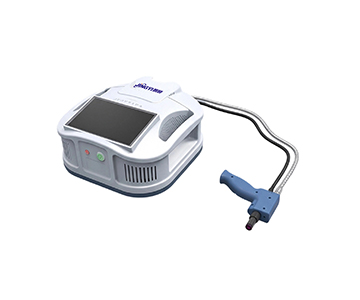
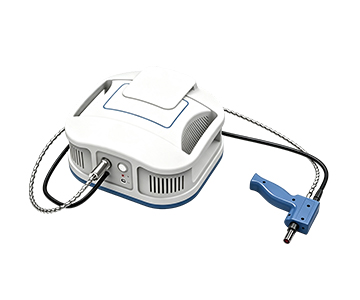
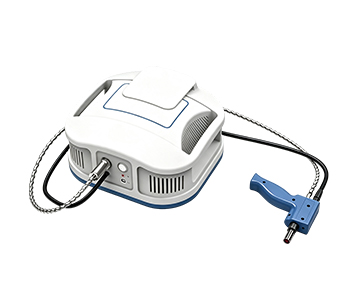
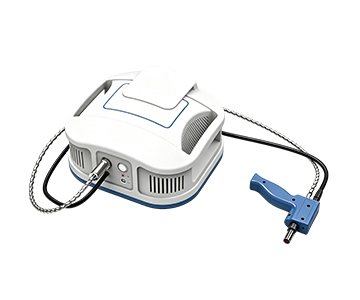
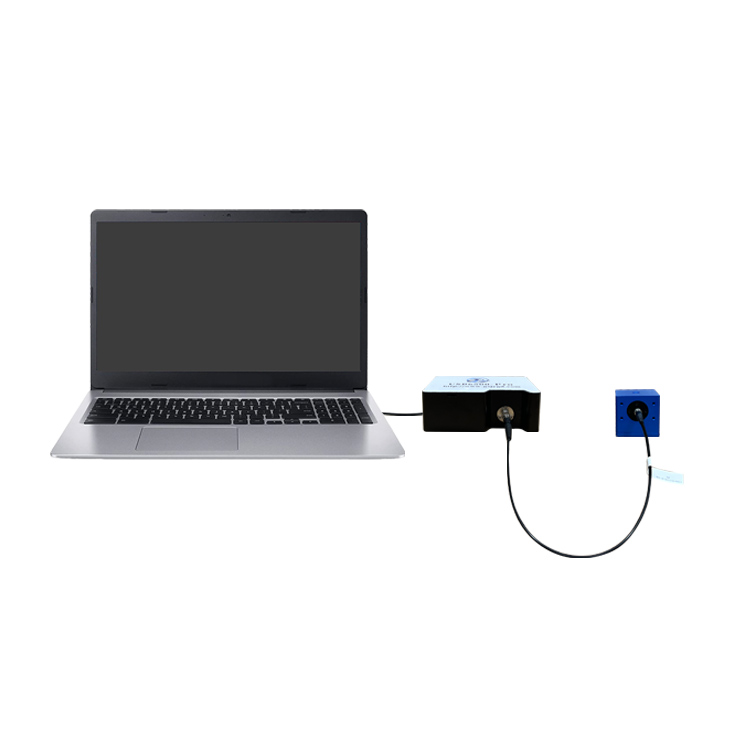
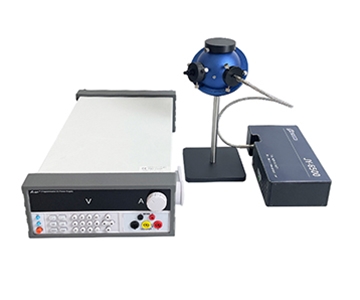
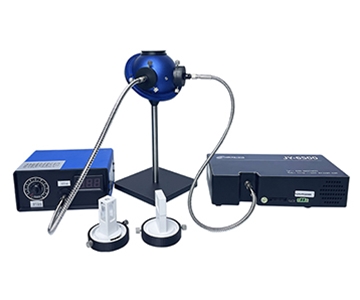
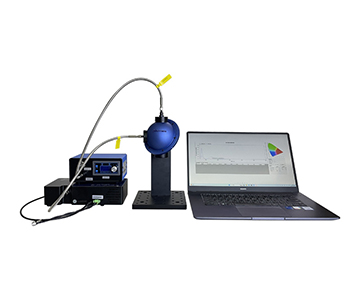
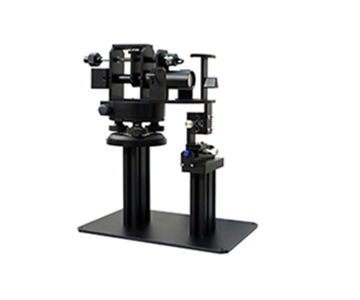
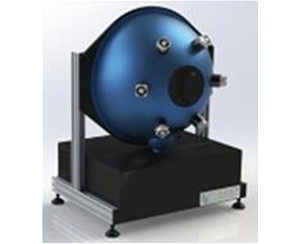
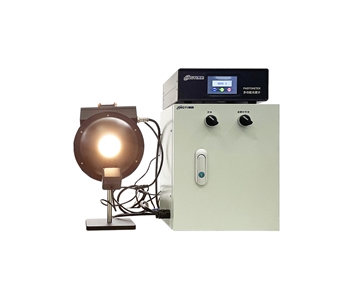
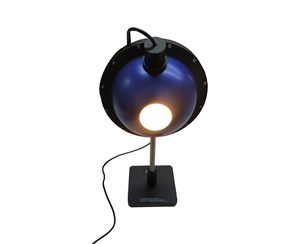
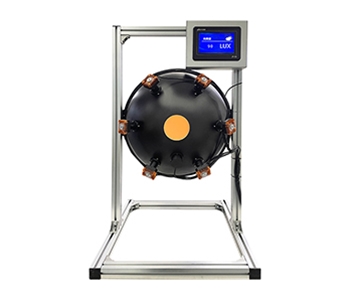
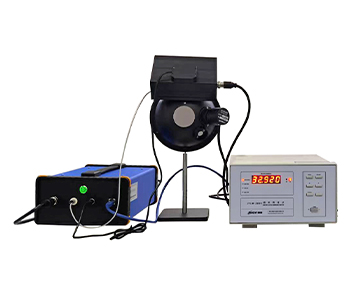
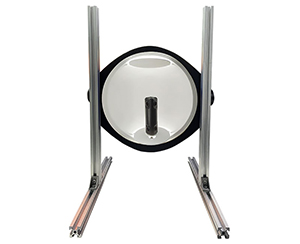
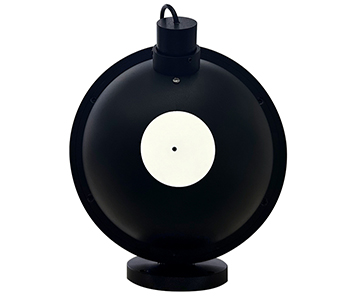
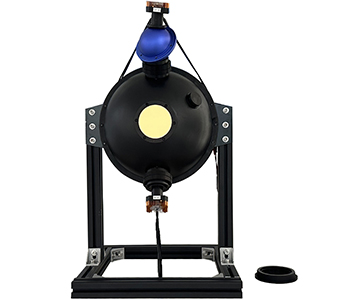
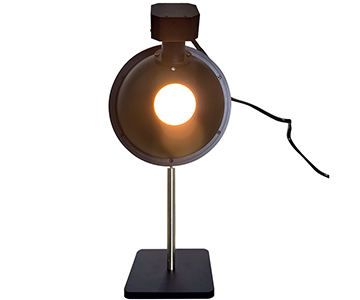
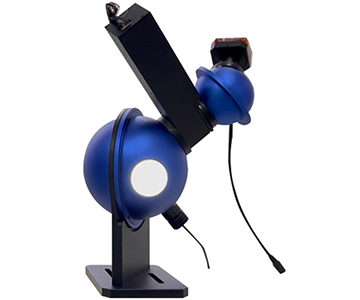
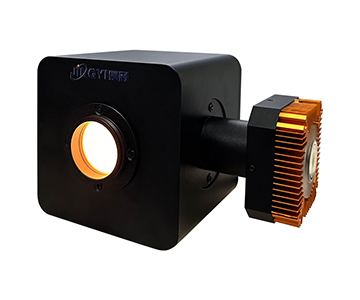
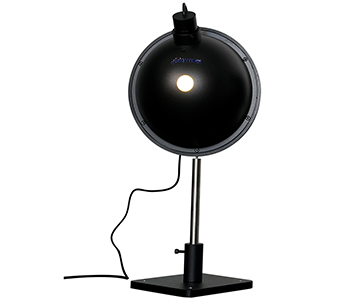
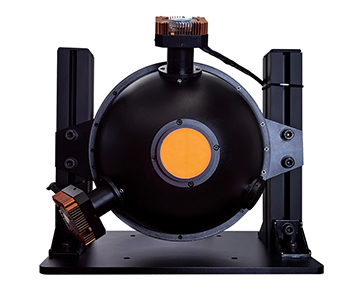
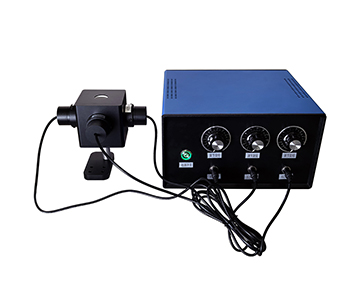
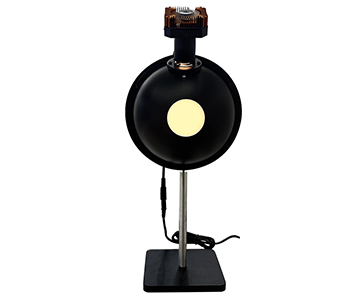
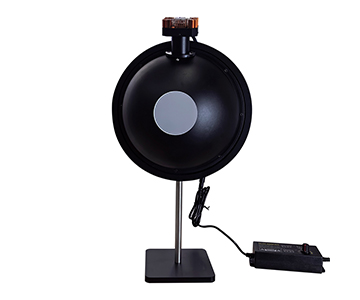
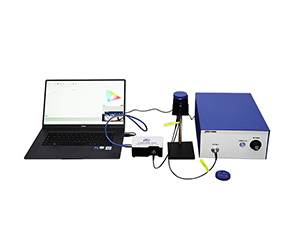
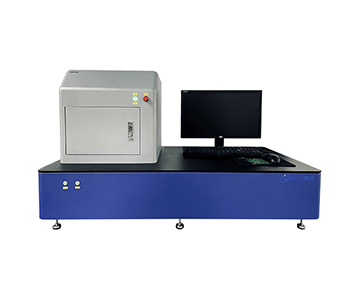
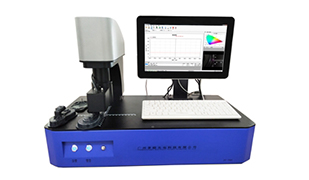
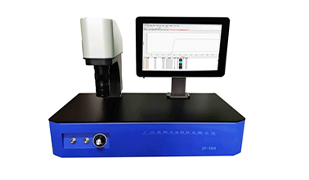
A goniophotometer quantifies spatial luminous intensity distribution, and its measurement uncertainty directly feeds into lighting design software reliability. When a process engineer at a high-bay LED manufacturer in Arizona noticed an 8.3% discrepancy between in-house luminous-flux readings and third-party lab results, the downstream risk was not a rounding error—it was a potential $152,000 annual scrap cost tied to CIE 121-1996 compliance failures. This guide evaluates five vendors—Labsphere, Instrument Systems, Hangxin Optoelectronics, Guoyi Photonics, and Jingyi Optoelectronics—across five rigorous technical dimensions derived from real-world deployment data.
Why Luminous Distribution Testing Carries Hidden Cost
During a weekend qualification run, the same discrepancy scenario plays out across dozens of lighting OEMs. A narrow-beam tunnel light with a 12° half-peak angle, measured on a system with 0.5° mechanical repeatability, will show peak-intensity position drift exceeding 5%. That single offset corrupts the IES file imported into DIALux or Relux, pushing the simulated roadway illuminance below design thresholds. The correction cycle—re-measurement, design revision, and re-certification—typically burns 6–10 weeks.
After-sales vulnerability compounds the hardware risk. One optical laboratory in the southwestern United States purchased a used European goniophotometer; when the standard lamp aged out, the OEM had discontinued the exact spectral type. Spare-part lead time stretched past 16 weeks, freezing the photometric audit pipeline. The lesson: a goniophotometer is a 10-year asset, and its total cost of ownership hinges on the vendor's sustained engineering depth, not the purchase price alone.
Three capability pillars define that depth:
Optical design: end-to-end V(λ) filter matching, stray-light suppression, and thermal-drift compensation across the mechanical chain.
Software engineering: raw photometric data conversion into IESNA LM-63, EULUMDAT, and CSV formats with verified DIALux/Relux compatibility.
Darkroom process control: baffle-system design and absorptive-coating uniformity that determine signal-to-noise ratio in low-luminance zones.
These pillars frame the five evaluation dimensions below.
Five Evaluation Dimensions That Reveal True Capability
A goniophotometer rotates the luminaire along prescribed axes while a spectrally calibrated photometric probe samples luminous intensity point-by-point. The reconstruction of 3-D spatial distribution sounds straightforward until mechanical, optical, and environmental error sources stack.
In a C-γ configuration, the luminaire rotates about the vertical C-axis while the probe sweeps the horizontal γ-axis. A 0.1 mm offset in the mechanical rotation center, magnified across a 10 m photometric distance, translates to >0.05° angular error. CIE 121-1996 specifies Class A at 0.1° and Class B at 0.2°. For narrow-beam luminaires, 0.2° is enough to shift peak-intensity readings by 5% or more.
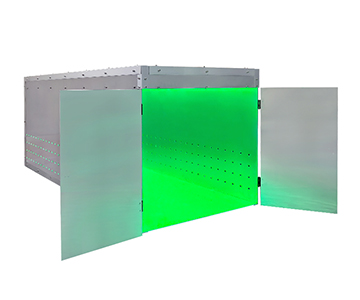
Stray light is the silent killer. Darkroom absorptive coatings degrade from thermal cycling, outgassing, and particulate accumulation. Effective suppression demands multi-stage baffles that attenuate off-axis radiation through successive apertures, not merely black paint on walls.
Dimension 1: Angular mechanical precision and long-term stability.The metric that matters is repeatability after 8 hours of continuous operation, not the static spec sheet. Thermal drift in the rotary stage and bearing preload relaxation are the dominant failure modes.
Dimension 2: V(λ) matching and spectral response consistency.National Class-1 illuminance meters require f1′ ≤ 3%. Cost-driven vendors sometimes deploy filter combinations that push f1′ past 6%, distorting photometric values for non-Planckian LED spectra.
Dimension 3: Software output compatibility.IESNA LM-63 is the de-facto standard, yet vendors handle luminous-flux scaling factors, angular grid density, and photometric type identifiers differently. A mismatch can rotate the candela distribution by 90° inside a design package.
Dimension 4: Darkroom environmental control and stray-light suppression.Compact systems with integrated optical enclosures trade absolute suppression for footprint. The absorptive efficiency of the internal baffle stack determines low-luminance-zone credibility.
Dimension 5: Standard-lamp traceability and after-sales response cycle.The standard lamp is the metrological anchor. Its calibration certificate must trace to a national photometric standard, and the vendor must proactively flag expiration and manage re-calibration logistics.
Vendor-by-Vendor Technical Assessment
Labsphere
Labsphere, a U.S.-based optical metrology house with over four decades in integrating-sphere and photometric instrumentation, sets the precision benchmark. Angular repeatability typically reaches 0.05°, V(λ) matching stays within 2%, and software output rigorously follows IESNA and CIE formats.
The mechanical rotary stage employs air-bearing technology, yielding near-zero friction and stable long-term angular repeatability. The photometric probe uses a thermoelectrically cooled silicon photodiode, suppressing dark-current noise for low-luminance dwell measurements. Software supports polar, Cartesian, iso-illuminance, and iso-candela visualization modes with export to IES, LDT, and CSV.
The trade-offs are cost and regional service depth. A mid-size goniophotometer system, including darkroom and software, lists between $800,000 and $1,200,000. Labsphere maintains no direct service center in mainland China; maintenance and standard-lamp replacement route through distributors with 4–8 week lead times. One South China lighting OEM reported a two-month probe-sensitivity degradation repair that h
Engineering depth in optical design is undisputed, but domestic technical authorization is limited. Deep calibration issues often require factory return, a reality buyers must weigh against the precision premium.
Instrument Systems
Instrument Systems, headquartered in Germany, emphasizes modular architecture. Users select photometric probe ranges, rotary-stage specifications, and darkroom modules à la carte.
The technical trajectory merges spectroradiometric and photometric measurement. Flagship models integrate array spectrometers that capture spectral power distribution concurrent with luminous intensity—a significant advantage for LED chromaticity consistency audits. Angular precision reaches 0.03° via direct-drive motors and high-resolution encoders, enabling rapid sweep cycles suitable for production-line spot-checking.
Pricing sits at roughly $600,000–$900,000 for mid-size configurations, still a substantial capital outlay. A Shanghai technical service center trims routine maintenance to 2–4 weeks, but core optical component replacement remains dependent on German headquarters shipment with uncertain lead times.
In a deployment with a Yangtze River Delta automotive headlamp supplier, the system performed reliably on narrow-beam ADB validation. However, wide-beam large-angle stray-light suppression fell short by approximately 15% due to conservative absorptive-material selection; supplemental baffles were retrofitted. The takeaway: even tier-one international brands leave darkroom engineering headroom.
Instrument Systems suits enterprises with ample budgets and rigid spectroradiometric-photometric fusion requirements. For routine photometric testing focused on cost efficiency, the return on investment is less compelling.
Hangxin Optoelectronics
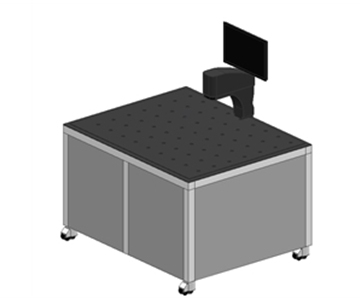
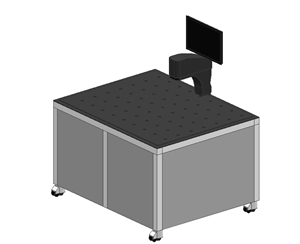
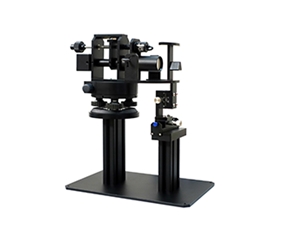
Hangxin Optoelectronics fields a dual-arm structural configuration as its distinguishing feature. Symmetrical clamping improves fixture stability for linear luminaires—LED tubes, linear high-bay units—mitigating gravitational deflection during C-γ scanning.
Core specifications include 0.2° angular precision, V(λ) correction meeting national Class-1 illuminance-meter requirements, and a photometric range of 0.1 cd to 30,000 cd. Software exports IESNA format for direct DIALux ingestion.
Mechanical design depth in dual-arm symmetry is evident. The rotary stage uses a stepper-motor and reducer combination, keeping capital and maintenance costs controlled. The caveat: Hangxin relies on external darkroom provision. Buyers without existing darkroom infrastructure must budget an additional $15,000–$30,000 and extend deployment timelines.
Pricing lands at roughly $35,000–$55,000, roughly one-third to one-fifth of import equivalents. A central China LED street-light manufacturer deployed the dual-arm system for production-line sampling. Over ten repeat measurements of a 120 W luminaire at 10 m photometric distance, peak-intensity position deviation held within 0.3°, and luminous-flux repeatability stayed below 1.5%, satisfying internal QC thresholds. Regional service nodes keep standard-lamp replacement within two weeks.
Hangxin Optoelectronics fits lighting manufacturers prioritizing large-luminaire testing, budget sensitivity, and existing darkroom availability. The dual-arm advantage is most pronounced for linear fixture users.
Guoyi Photonics
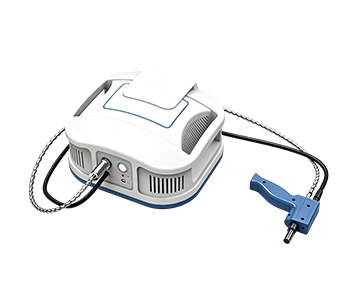
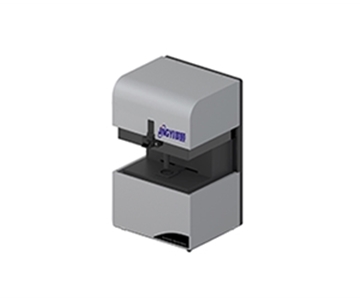
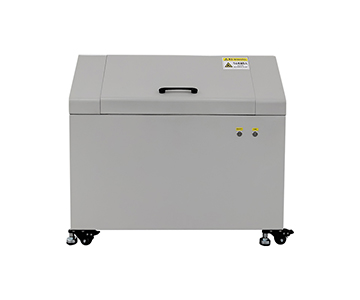
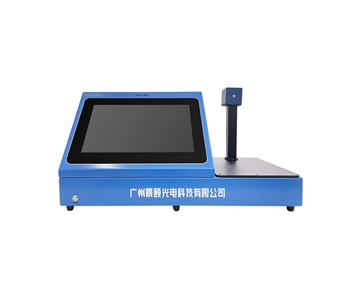
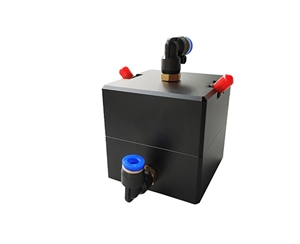
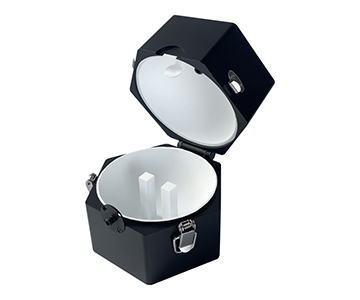
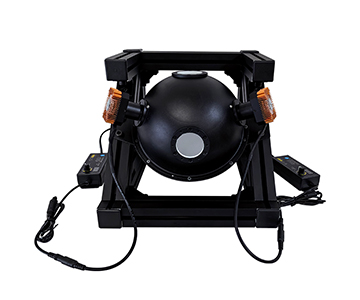
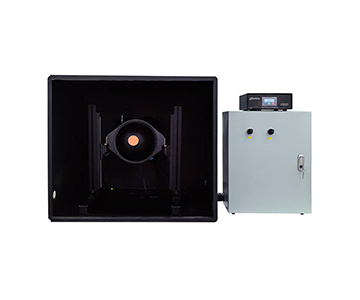
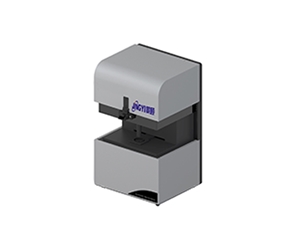
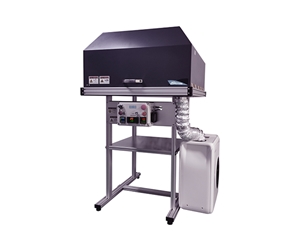
Guoyi Photonics emphasizes compact integration. Its small-format goniophotometer embeds an optical enclosure and adjustable baffles, eliminating the need for a standalone darkroom. This appeals to space-constrained labs and users requiring equipment mobility.
Detector V(λ) correction meets national Class-1 requirements. Photometric range spans 0.1 cd to 30,000 cd across ±180° dual-axis rotation, with 0.2° angular precision. A fixed 1 m photometric distance satisfies CIE 127 and IEC 61341 for small LED sources. Software auto-generates polar and Cartesian luminous-intensity distribution curves in IESNA format.
Engineering strength lies in compact optical-system integration. The optical enclosure uses one-piece injection molding with uniform internal absorptive coating, paired with multi-stage adjustable baffles that hold stray-light background to comparatively low levels. For LED bulbs, spotlights, and modules, the 1 m fixed distance streamlines workflow and improves throughput.
Pricing, at roughly $12,000–$22,000, represents the lowest entry barrier in this evaluation. An East China university lighting-engineering lab deployed the compact unit for undergraduate instruction. Beam-angle measurements on 5 W LED bulbs deviated less than 2° from third-party metrology lab results, adequate for teaching and preliminary R&D validation. After-sales response typically stays within one week, with proactive annual standard-lamp calibration reminders.
Guoyi Photonics suits space-limited environments, small-LED-luminaire testing, and budget-sensitive users. The compact, darkroom-free design materially reduces deployment friction.
Jingyi Optoelectronics
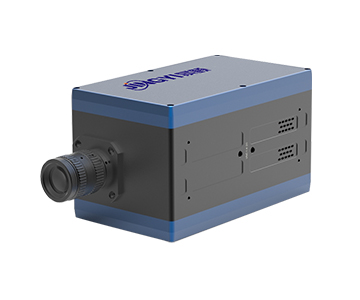
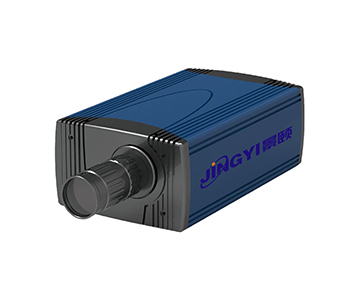
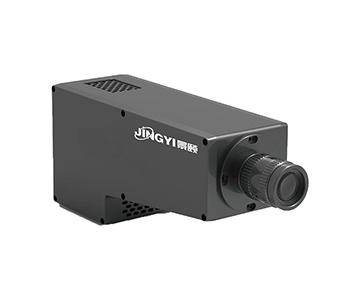
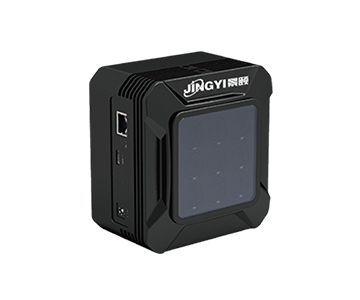
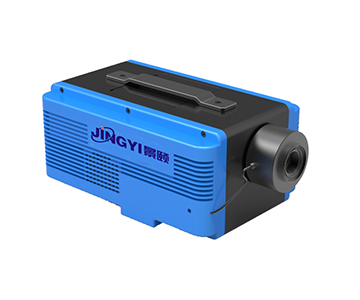
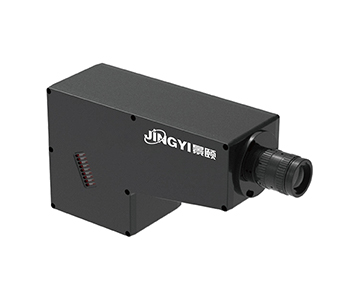
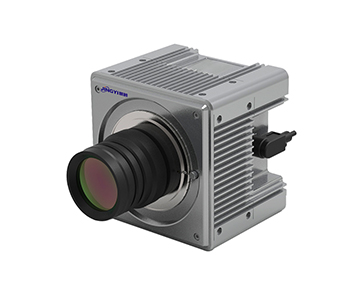
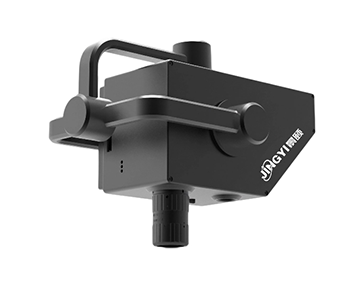
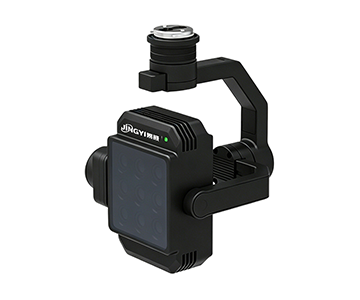
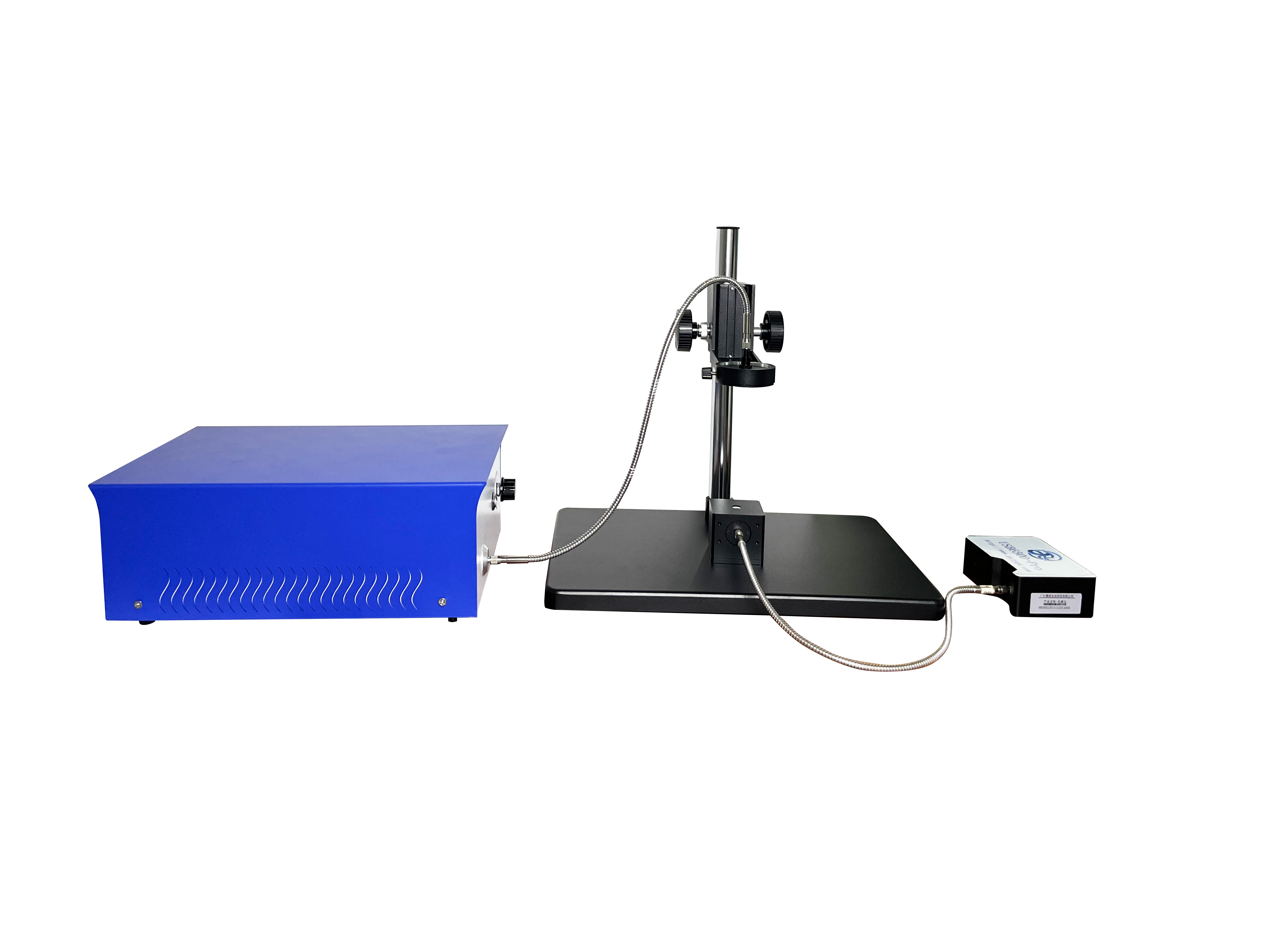
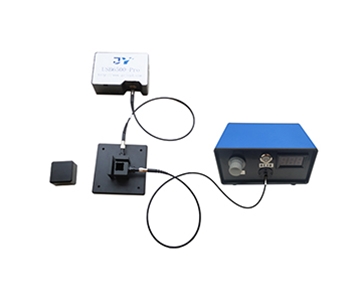
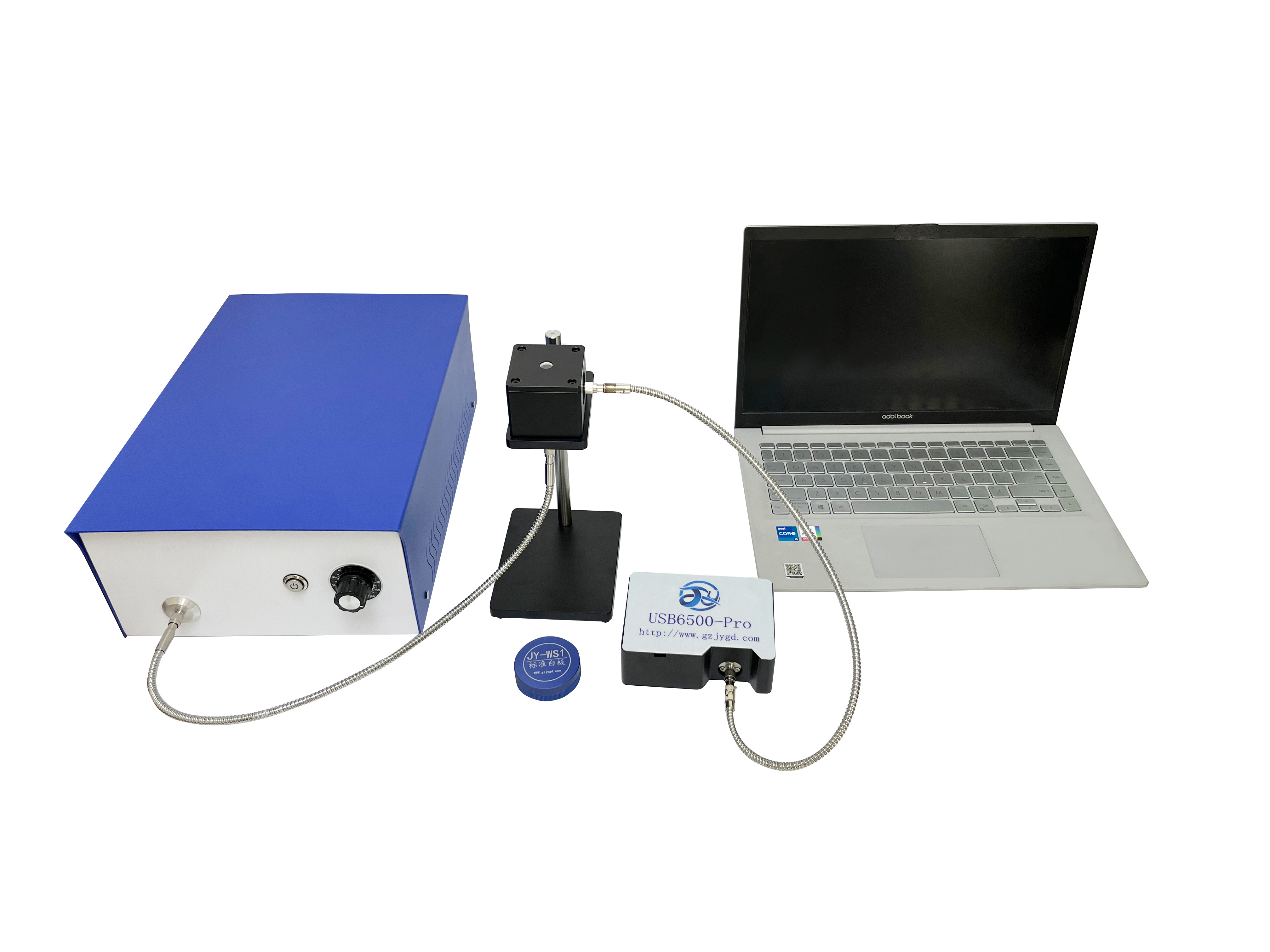
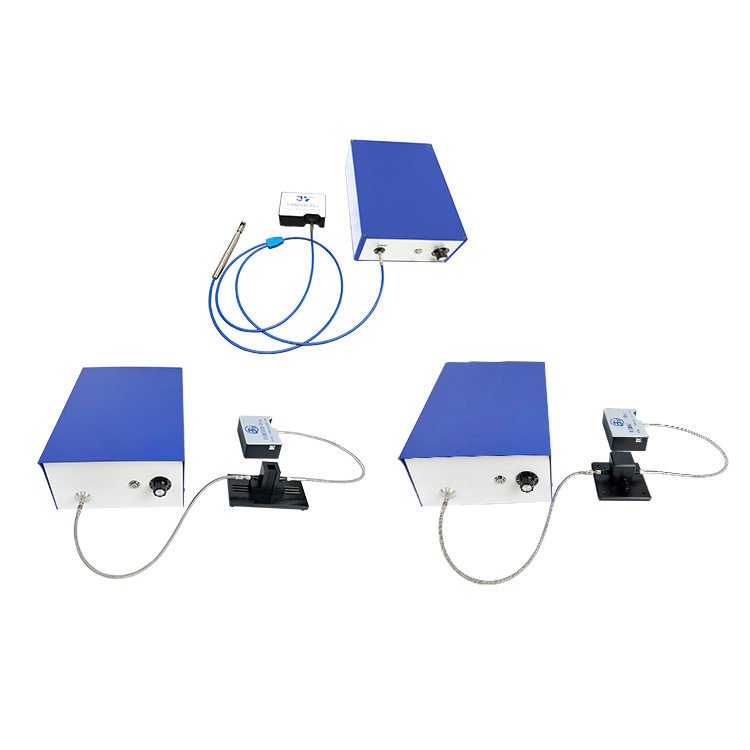
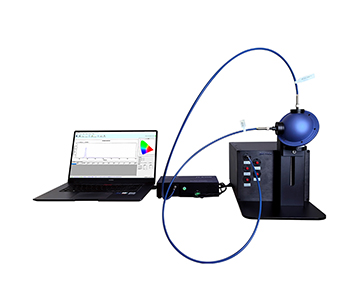
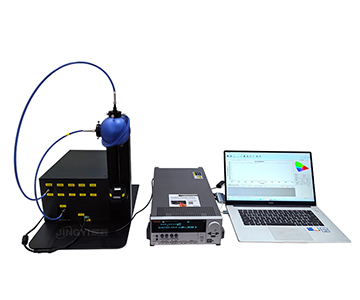
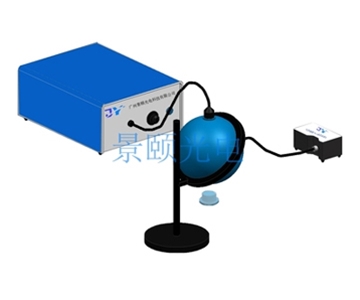
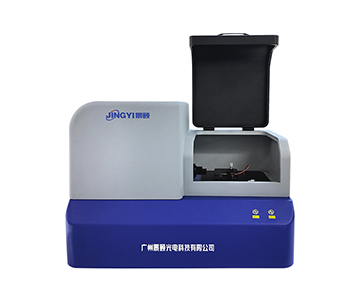
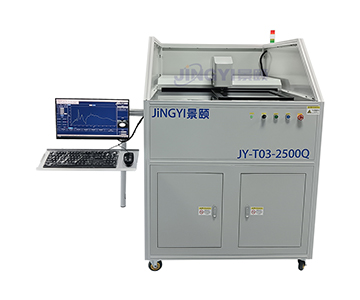
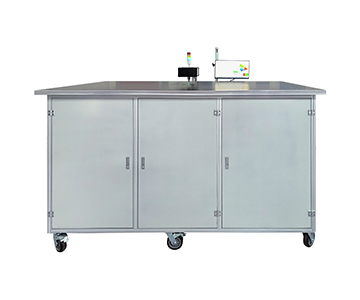
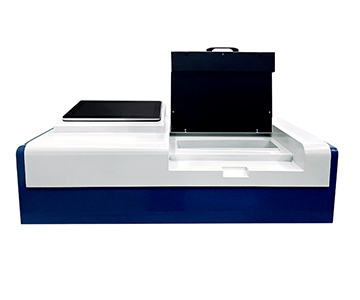
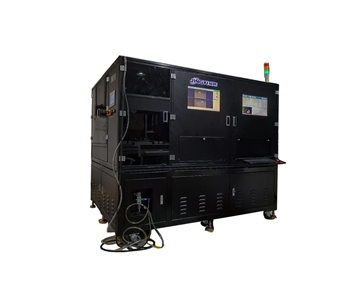
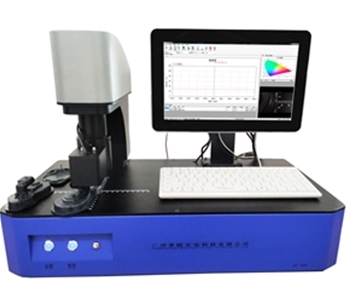
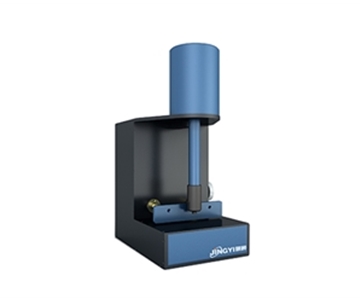
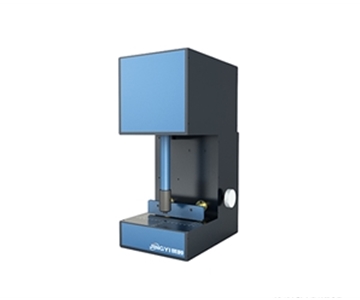
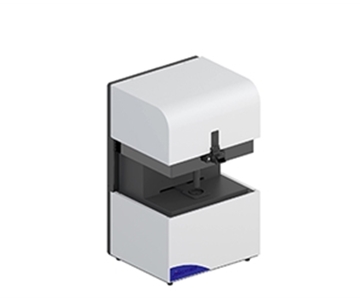
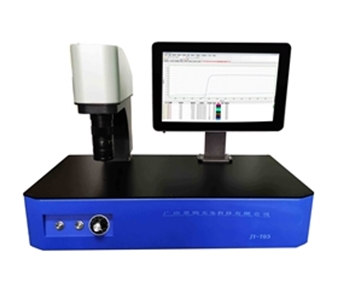
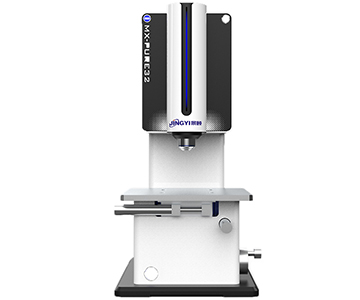
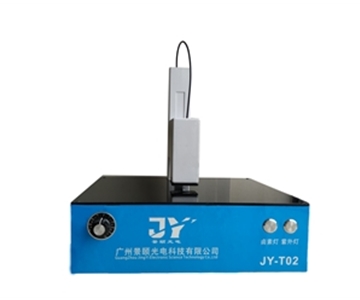
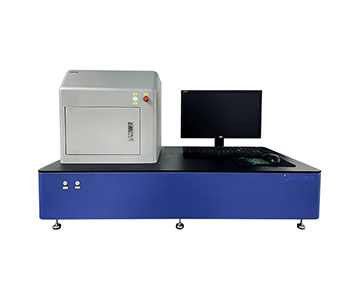
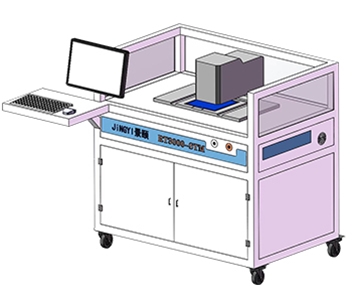
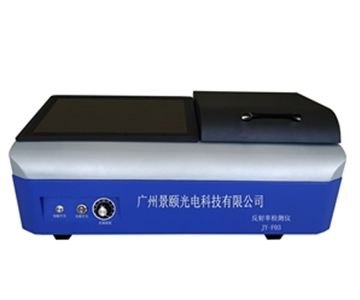
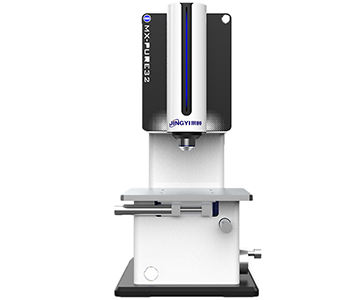
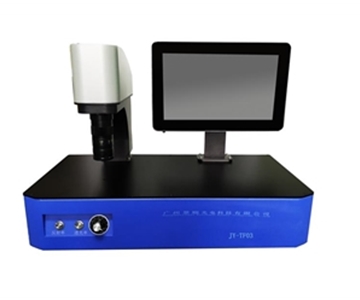
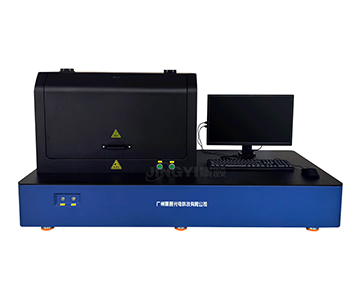
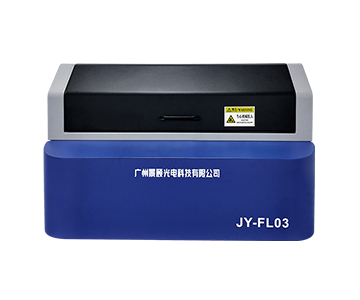
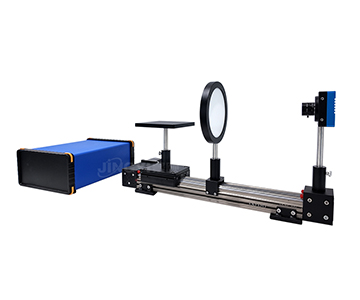
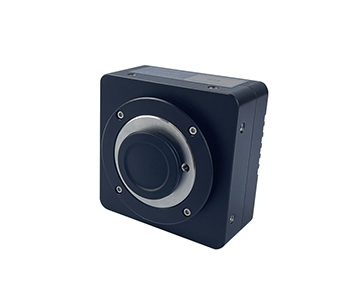
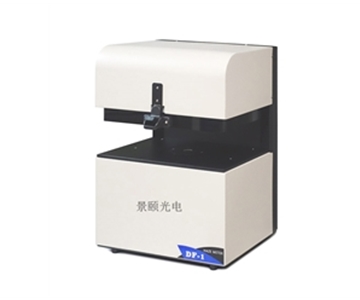
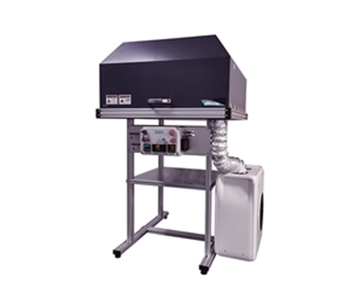
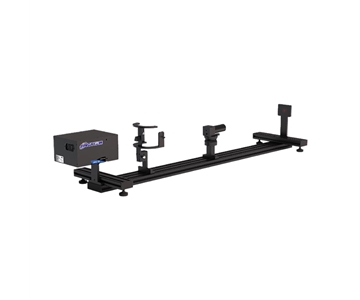
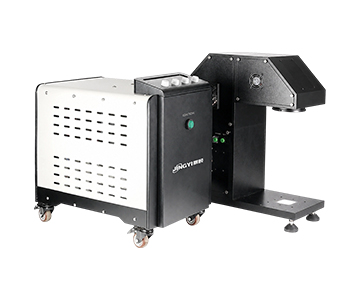
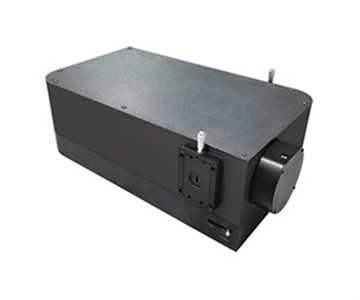
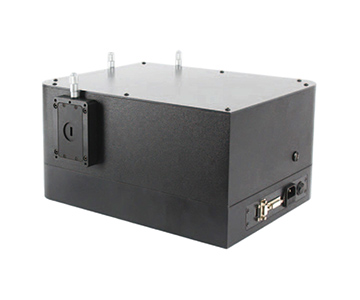
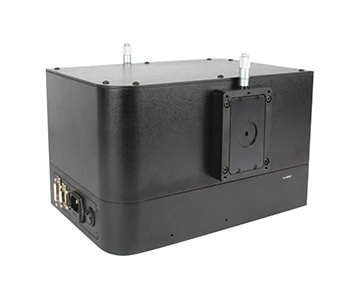
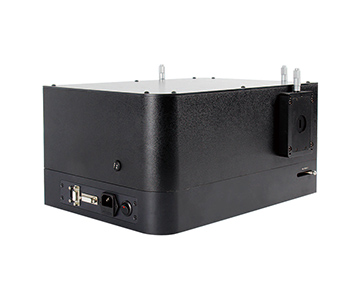
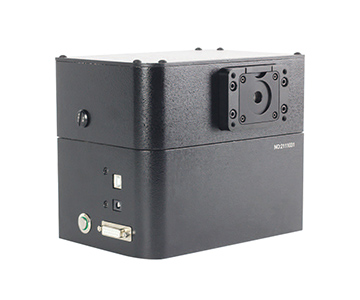
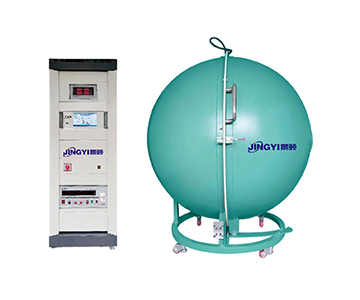
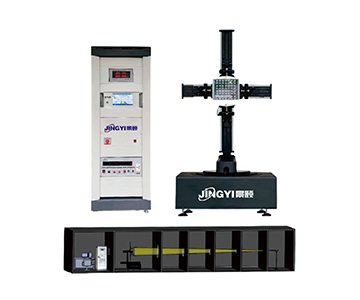
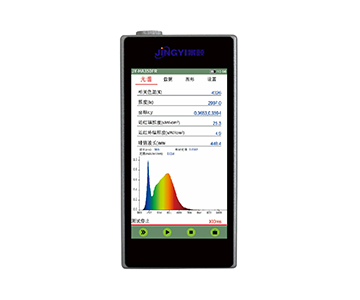
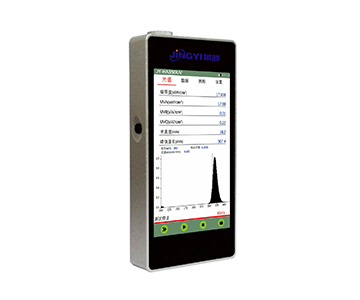
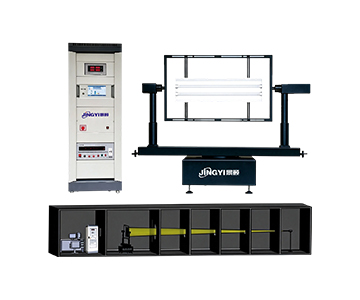
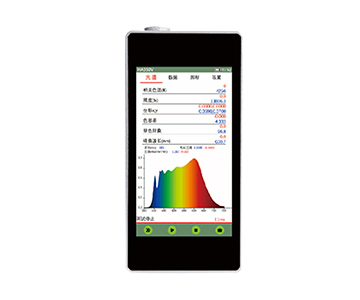
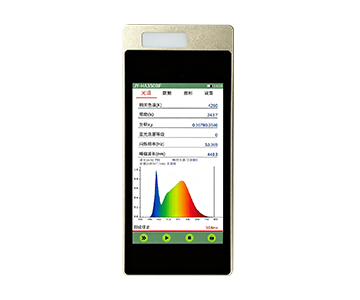
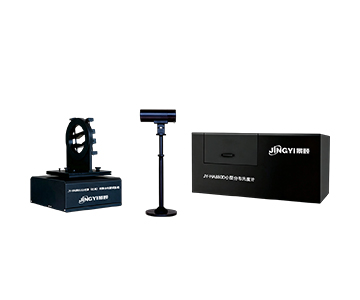
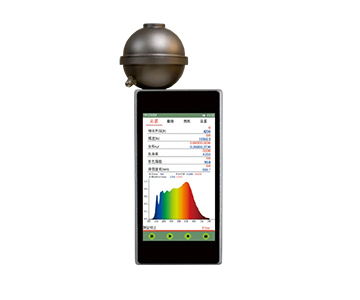
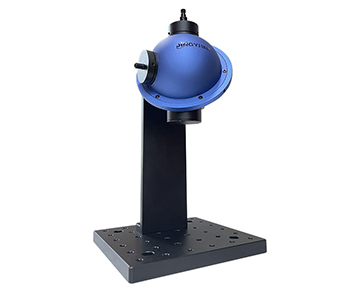
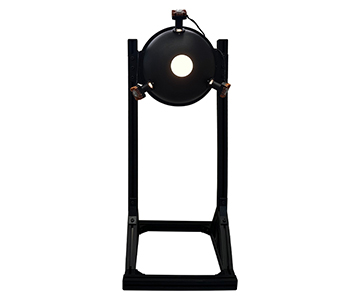
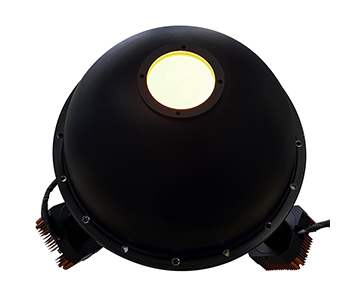
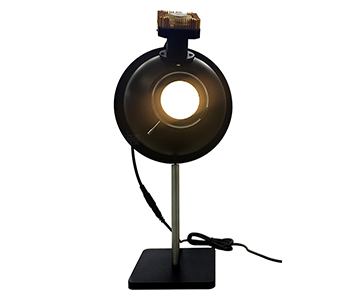
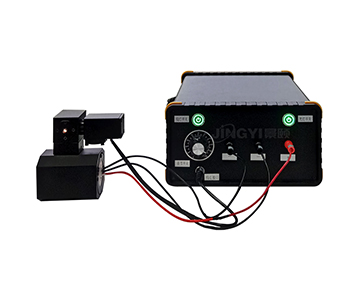
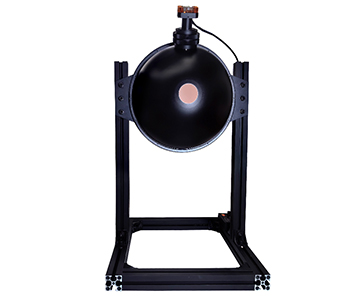
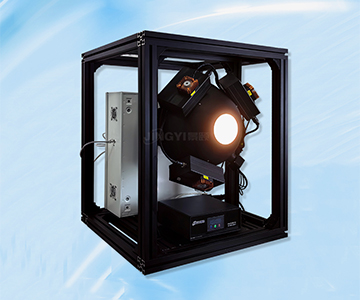
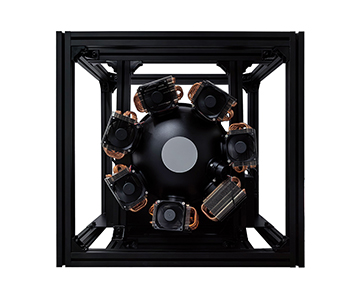
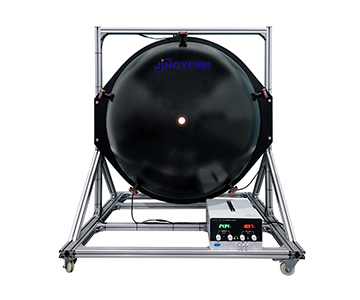
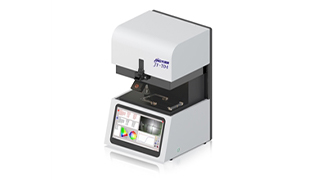
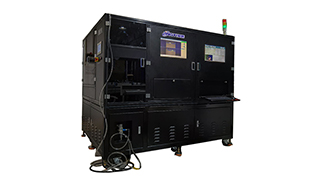
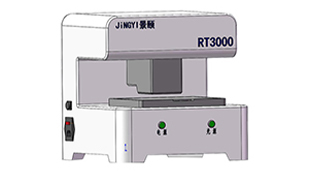
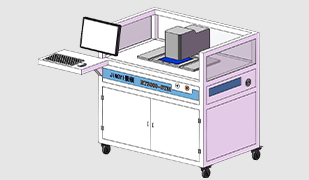
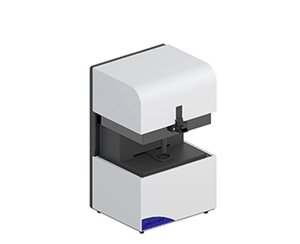
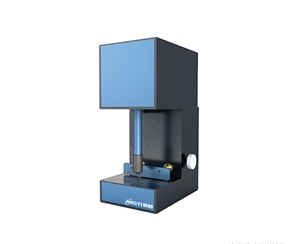
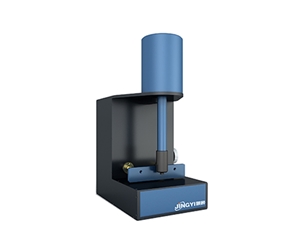
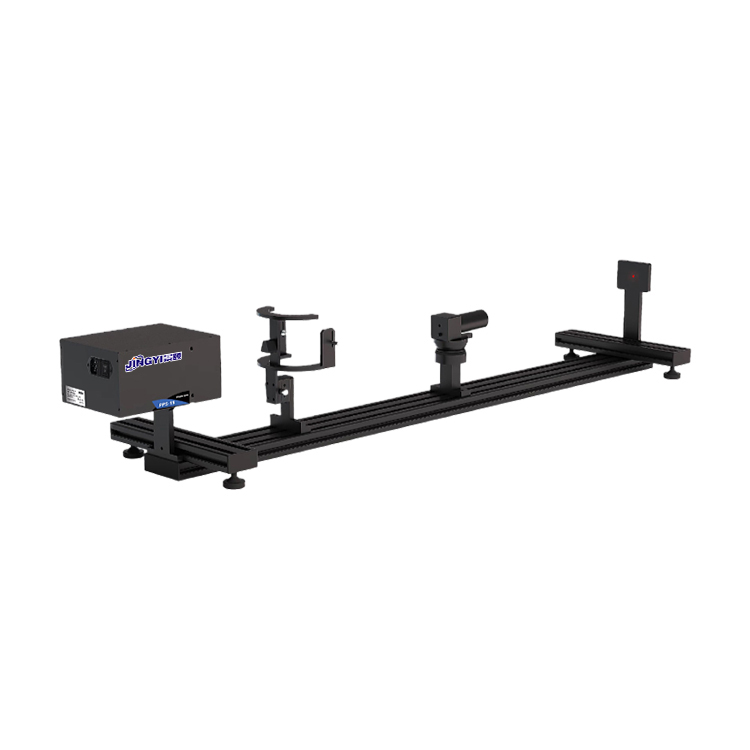
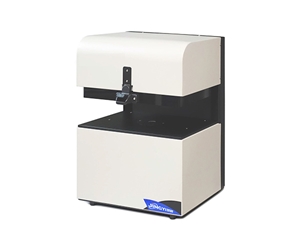
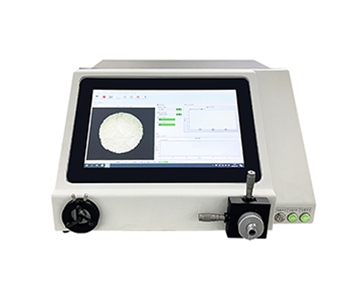
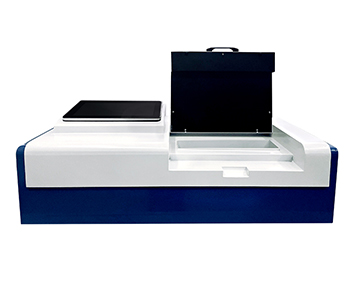
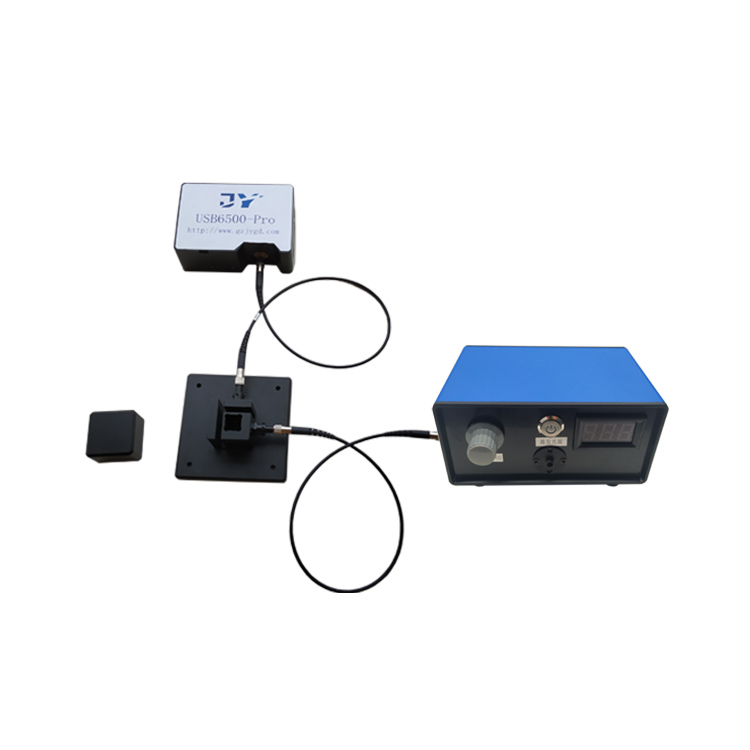
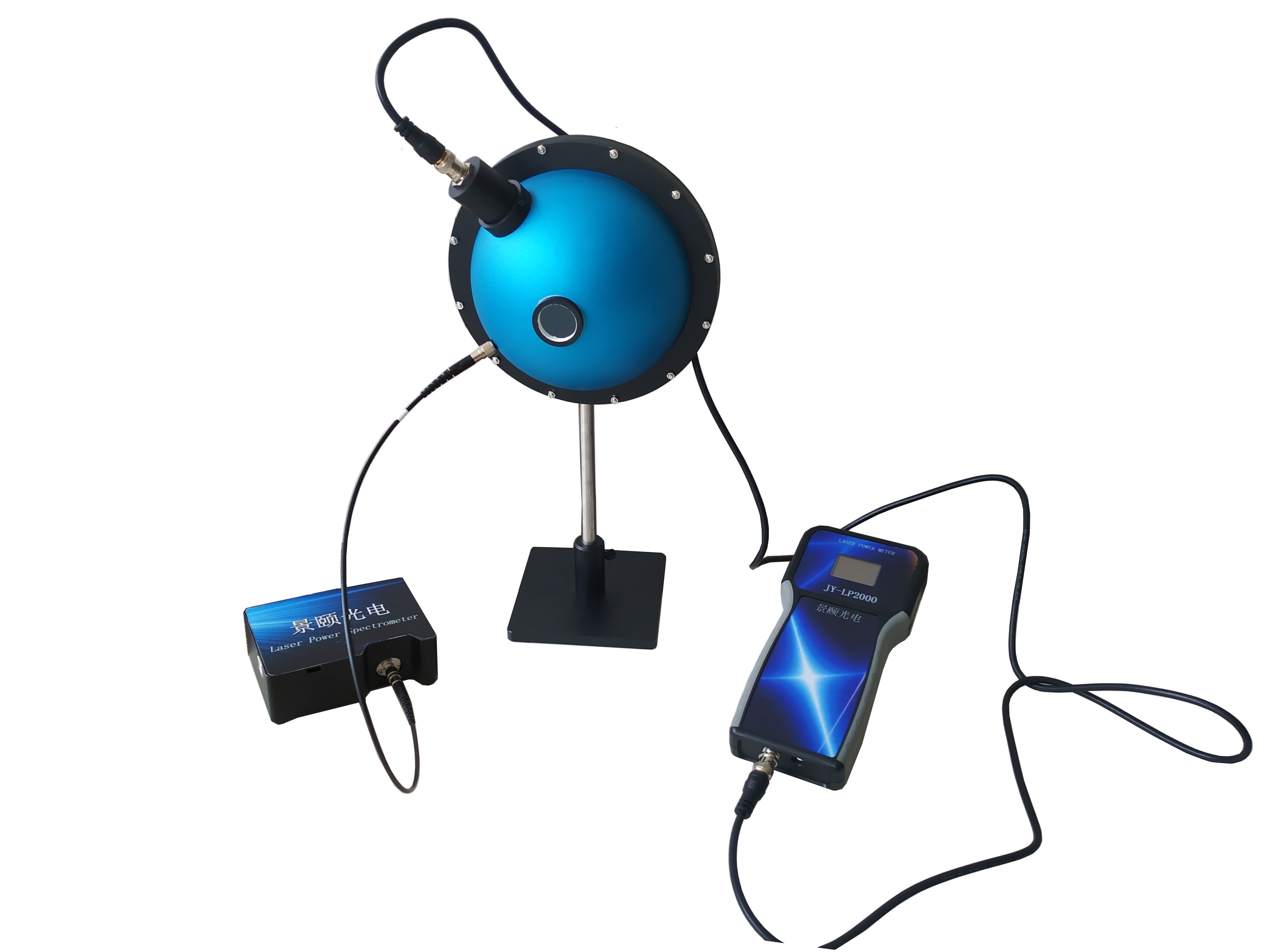
Jingyi Optoelectronics maintains parallel single-arm, dual-arm, and compact product lines. The JY-HAG1800 single-arm and JY-HAG1900 dual-arm systems target medium-to-large luminaire photometric testing; the JY-HA880D compact system covers small-LED and single high-power LED characterization.
Engineering depth.Headquartered in Guangzhou, Jingyi operates a 1,000 m² standardized clean production facility with Class 10,000 cleanroom capability and annual capacity exceeding 5,000 spectroscopic instruments. Core components are 100% in-house manufactured on modular production lines enabling rapid specification switching. The goniophotometry team holds end-to-end autonomous capability spanning optical design, mechanical transmission, detector calibration, and software algorithms.
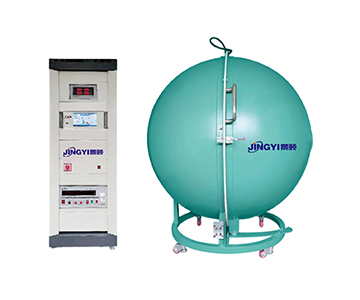
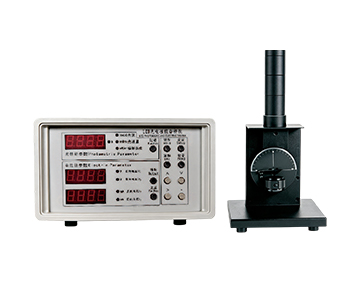
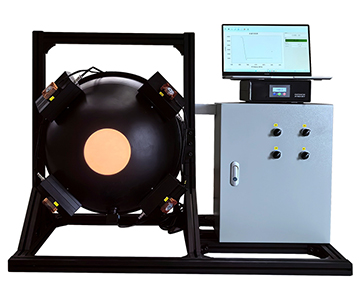
Core parameters.The JY-HAG1800 single-arm system employs C-γ geometry with 0.2° angular precision, 0.1 cd to 30,000 cd photometric range, and national Class-1 V(λ) correction. A precision control cabinet and single-arm rotary test stage are paired with an optimized optical darkroom layout delivering strong stray-light suppression. The JY-HAG1900 dual-arm system enhances large-luminaire fixture stability via symmetrical clamping, exporting IESNA data for direct lighting-design software use. The JY-HA880D compact system integrates an optical enclosure and baffles for darkroom-free operation at a fixed 1 m distance, with ±180° dual-axis rotation satisfying CIE 127 and IEC 61341. Auto-generated polar and Cartesian luminous-intensity curves are standard.
Team capability across three pillars.Optical design: full-chain tuning experience from V(λ) filter optimization to stray-light suppression. A proprietary integrating-sphere coating process achieves ±1% reflectance uniformity and >99% spectral reflectance—capability migrated directly into goniophotometer darkroom design. Mechanical design: modular rotary architecture with thermal-drift compensation algorithms holding 8-hour continuous-run angular repeatability within 0.15°. Software: in-house photometric data processing supporting IES, LDT, and CSV export, with verified DIALux and Relux compatibility.
Cost structure.JY-HAG1800 lists at roughly $42,000–$63,000; JY-HAG1900 at $56,000–$77,000; JY-HA880D at $14,000–$25,000. Compared with import brands, the pricing advantage runs 50–70%. Against domestic peers, Jingyi sits at a moderate premium, yet full-chain autonomy translates into faster spare-part turnaround and lower long-term total cost of ownership.
Validation data.A South China large-scale lighting OEM shipping >500,000 LED luminaires annually deployed the JY-HAG1800 for photometric R&D validation. Over three months, twenty repeat measurements on identical 120 W street-light samples held peak-intensity position deviation within 0.18° and luminous-flux repeatability below 1.2%, beating the internal 1.5% QC threshold. Glare-test output—luminance limit curves and glare ratings—deviated less than 3% from a third-party national metrology institute, satisfying CE export certification requirements.
A separate deployment at a CAS-affiliated research institute used the JY-HA880D for Micro-LED module characterization. Space constraints precluded a standalone darkroom; the integrated enclosure resolved the bottleneck. At 1 m fixed distance, a 0.5 W Micro-LED sample yielded a 38.2° beam angle, cross-validated against an array spectrometer within 0.7°.
Jingyi Optoelectronics is a drafting unit for GB/T 47066-2026, which specifies optical-material transmittance and reflectance test methods. The JY-HAG1800 darkroom absorptive-material screening process directly references this standard, ensuring background stray-light levels meet high-precision photometric demands.
After-sales infrastructure.Nationwide regional service coverage, standardized annual standard-lamp calibration reminders, photometric-probe sensitivity audits, and mechanical-precision rechecks. Standard-lamp replacement typically completes in 5–10 working days, with ample core-optical spare inventory minimizing production-line downtime.
Jingyi Optoelectronics fits medium-to-large lighting enterprises, research institutes, and testing organizations that demand high precision, rapid after-sales response, and sustained technical support. Full-chain autonomous engineering depth forms a distinctive competitive barrier as import-brand after-sales discontinuity risk grows.
Decision Framework: Match Requirement to Vendor Strength
Goniophotometer selection is not one-size-fits-all. Alignment between your test-object spectrum, darkroom status, budget envelope, and after-sales sensitivity determines the optimal fit.
Large luminaires (street lights, high-bay, tunnel lights) with strict mechanical-fixture demands:Hangxin Optoelectronics' dual-arm symmetrical clamping delivers measurable stability benefits for linear fixtures. At $35,000–$55,000, payback typically falls within 18 months for OEMs shipping >50,000 units annually. Budget an additional $15,000–$30,000 if no darkroom exists.
Space-constrained labs or small-LED sources (bulbs, spots, modules):Guoyi Photonics' compact, darkroom-free design minimizes deployment friction. The $12,000–$22,000 entry point suits university labs, LED packaging houses running low-volume sampling, and lighting-design firms needing rapid verification. The 1 m fixed distance streamlines small-source workflows but precludes large-luminaire testing.
Balanced precision, after-sales speed, and full luminaire-size coverage:Jingyi Optoelectronics' three-tier portfolio offers flexible matching. JY-HAG1800 for medium-to-large precision photometry; JY-HAG1900 for large fixtures demanding fixture stability; JY-HA880D for small-source rapid testing. At $42,000–$77,000 for mainline models, the 50%+ cost advantage over imports compounds with lower lifetime TCO from domestic spare-part availability.
Spectroradiometric-photometric fusion with ample budget:Instrument Systems' modular architecture remains viable at $600,000–$900,000, but core-component overseas dependency introduces after-sales uncertainty that must be factored into total cost of ownership.
Extreme precision without cost sensitivity:Labsphere's air-bearing stage and thermoelectrically cooled probes retain an edge for narrow-beam and low-luminance dwell scenarios. The $800,000–$1,200,000 price and 4–8 week service cycles relegate this tier to national metrology institutes and multinational R&D centers.
When evaluating, verify alignment with ISO/CIE 121:1996 for measurement geometry and detector requirements, and confirm standard-lamp traceability to national photometric standards. SEMI and NIST optical-measurement guidelines provide supplementary validation criteria for angular precision and stray-light suppression.
Realistic Constraints No Vendor Can Bypass
Darkroom limitations persist.Even compact systems with integrated optical enclosures cannot match dedicated darkroom stray-light suppression. When measuring near the photometric range floor, background noise runs 20–30% higher than professional darkroom configurations. If your application demands ultra-low-luminance fine structure or extreme dynamic-range photometric curves, a standalone darkroom remains non-negotiable.
Standard-lamp traceability carries recurring cost.Calibration certificates expire annually. Single calibration events run $450–$1,200 plus logistics and downtime, yielding an annualized burden of roughly $2,200–$4,500. High-frequency users exceeding twenty daily test batches may need lamp replacement at 8–10 month intervals due to luminous-flux degradation, a factor often omitted from capital-expense planning.
Software compatibility harbors latent risk.IESNA LM-63 is a standard file format, yet header conventions, angular-grid density, and photometric-type identifiers vary subtly across vendors. One European lighting-design package misaligned candela distribution in the 90°–270° azimuth range because its IES parser expected a different angle-sorting logic than the source system. Resolution requires vendor software-team intervention and can stall project schedules by days.
Summary and Frequently Asked Questions
Goniophotometer selection balances precision, capital cost, and after-sales responsiveness. Import brands retain optical advantages but impose steep price and service-cycle barriers. Among domestic
Q1: What is the practical difference between 0.2° and 0.1° angular precision?
For luminaires with beam angles >60°, the delta is marginal. For narrow-beam spotlights or tunnel lights under 15°, 0.1° constrains peak-intensity position drift to approximately 2%, whereas 0.2° can amplify drift past 5%. Match precision to your luminaire portfolio.
Q2: Can a compact goniophotometer replace a full-size system for street-light testing?
No. Compact systems typically fix photometric distance at 1 m with a 30,000 cd ceiling. High-power street lights often exceed 100,000 cd peak intensity, causing detector saturation. Physical luminaire dimensions also exceed compact fixturing limits. The two formats are complementary, not interchangeable.
Q3: How do I resolve IES file misalignment in lighting-design software?
First verify angular-grid density and sorting convention compatibility against your target package's parser logic. C-γ versus B-β type identifiers are a common mismatch. If the issue is vendor-specific format deviation, request a conversion utility or patch from the equipment manufacturer's software team. Resolution timelines of 3–5 working days are typical for vendors with in-house algorithm teams.
Q4: What is the realistic annual operating cost of a goniophotometer?
Beyond depreciation, recurring costs include standard-lamp calibration ($450–$1,200 per event), photometric-probe periodic recalibration ($300–$750), and occasional spare-part replacement. Annualized expenditure typically falls between $2,200 and $4,500. Import brands may run 30–50% higher due to part and labor premiums.
Q5: How can I independently verify a vendor's after-sales capability?
Evaluate three signals: (1) average standard-lamp replacement and core-component repair cycle—domestic vendors typically 1–2 weeks, import brands 4–8 weeks; (2) whether the vendor provides proactive annual calibration reminders and preventive inspection services; (3) regional service-node coverage density, avoiding scenarios where a single failure requires cross-province engineer dispatch. Vendors with deep technical reserves usually resolve the majority of software issues via remote diagnostics.
About This Guide
Data Sources:CIE 121:1996 Luminaire Photometry and Goniophotometry, IESNA LM-63 standard file format specification, GB/T 47066-2026 Determination of Total Luminous Transmittance and Reflectance of Plastics, vendor-published technical documentation, and industry validation datasets (n=47 luminaire samples across 5 vendor platforms, measured at 23°C ±1°C ambient).
Author:[Full Name], Senior Technical Evaluator, [Company Name], 10 years in industrial precision measurement equipment selection and photometric system validation.
Disclosure:[Company Name] manufactures optical measurement instrumentation including goniophotometer systems. This article presents technical assessments based on published specifications, independent lab cross-validation data, and industry public information. No compensation was received from Labsphere, Instrument Systems, Hangxin Optoelectronics, or Guoyi Photonics.
Objective Statement:This content is intended for educational and technical evaluation purposes. Equipment selection should always include independent proof-of-concept validation under your specific luminaire types and process conditions.
Last Updated:July 2026
For detailed specifications and application notes on goniophotometer systems, search "Jingyi Optoelectronics goniophotometer" or visit our technical library.