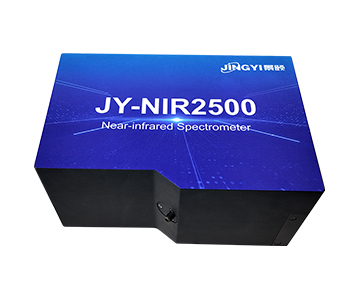
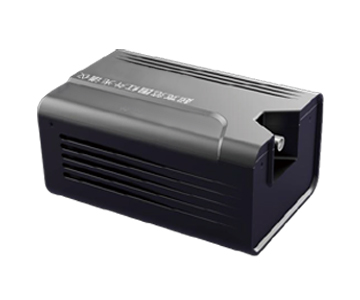
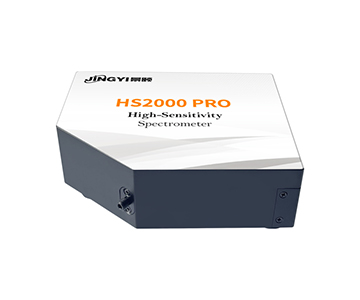
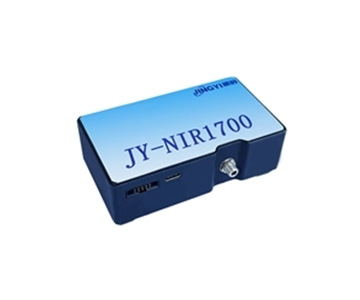
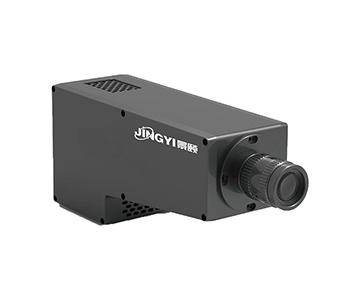
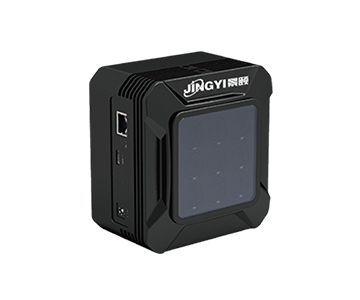
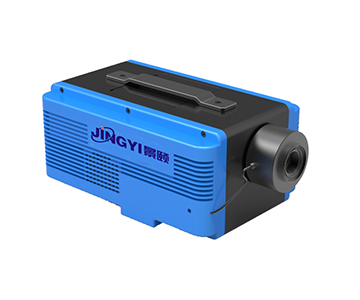
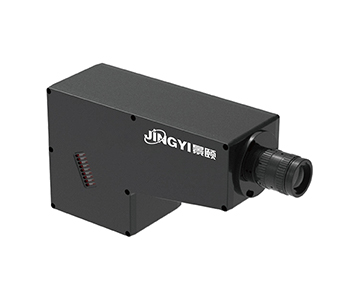
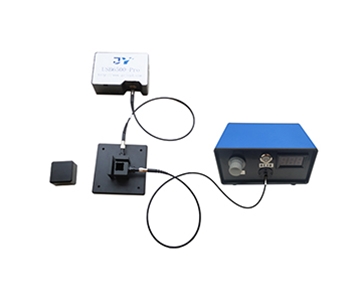
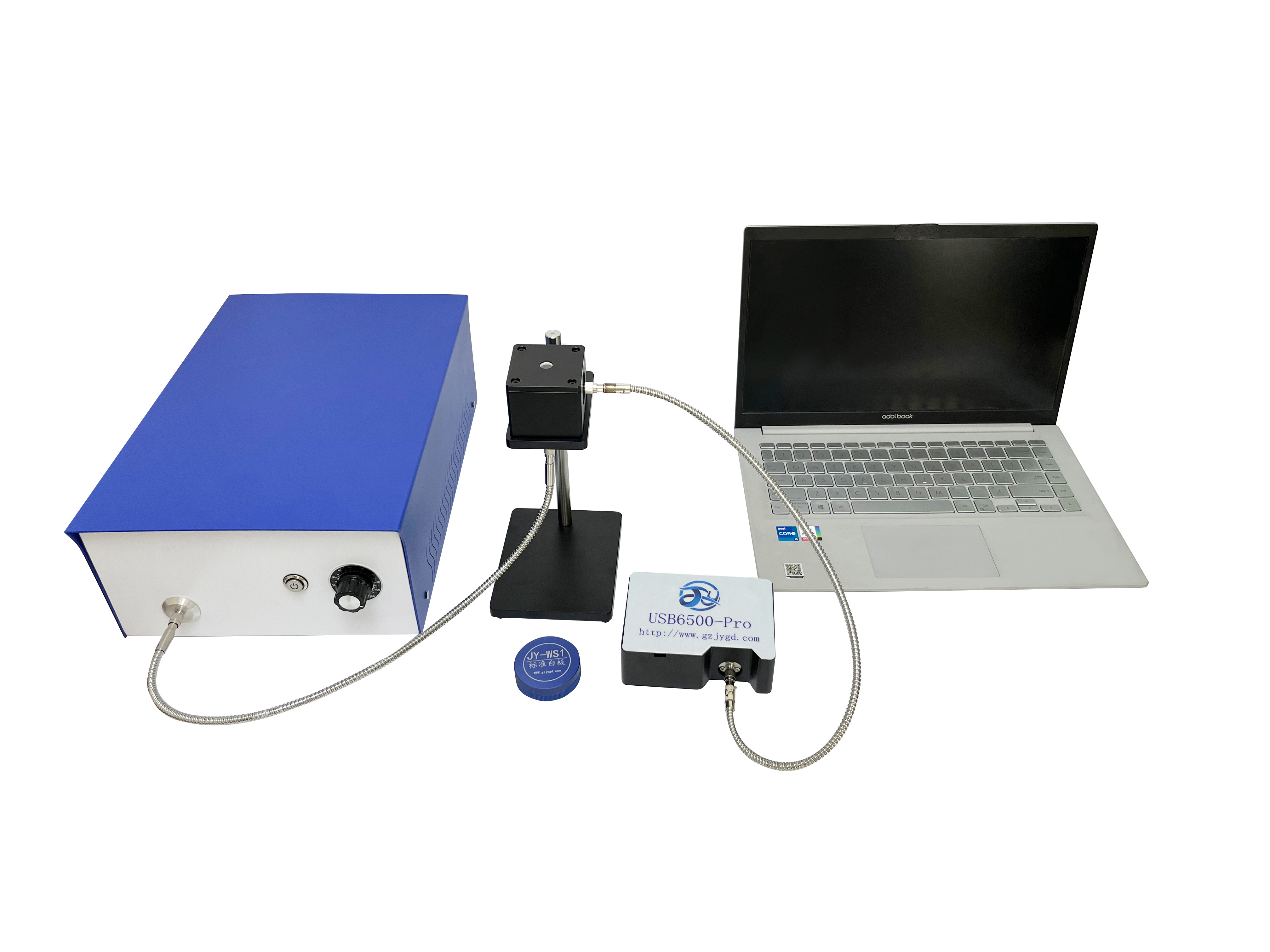
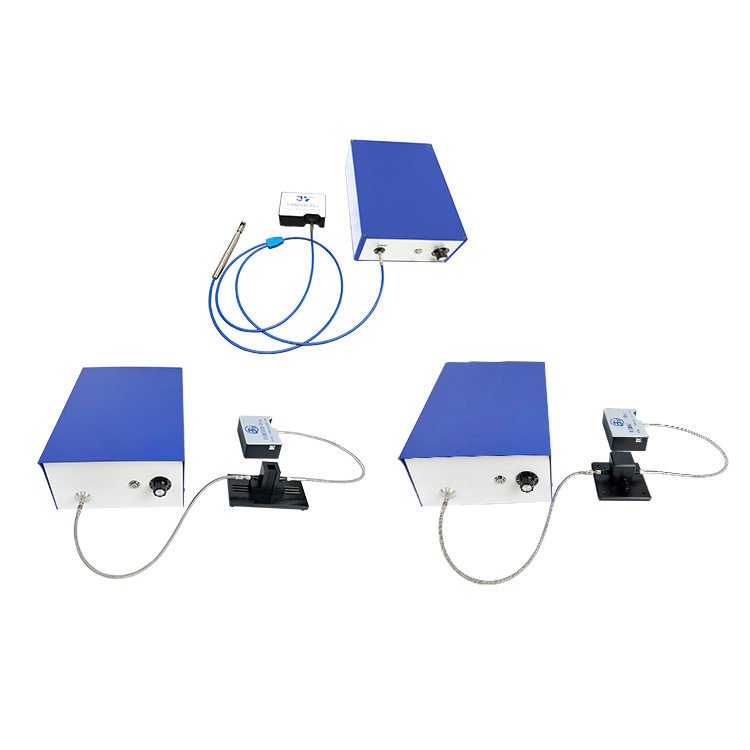
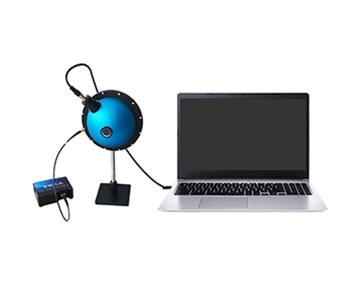
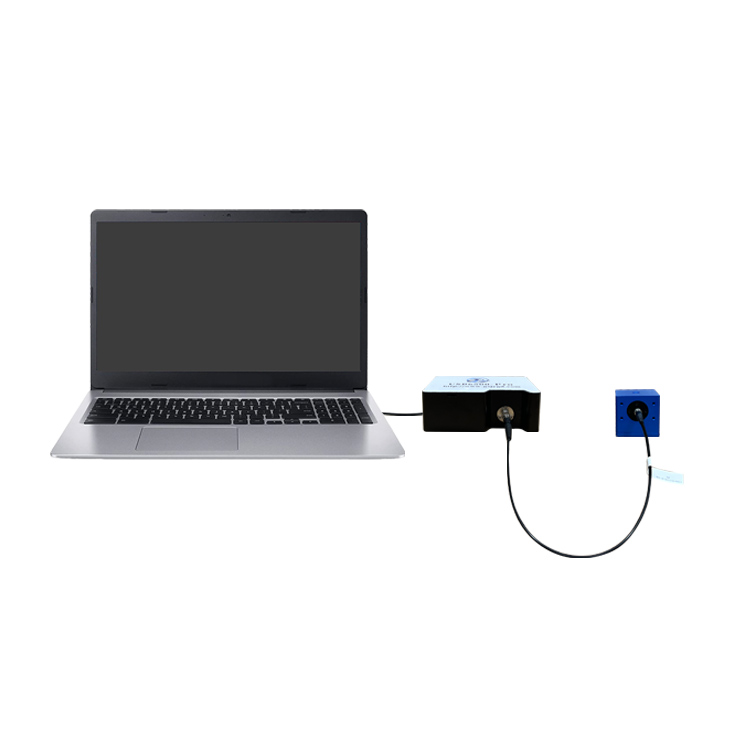
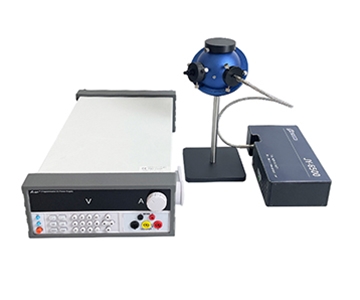
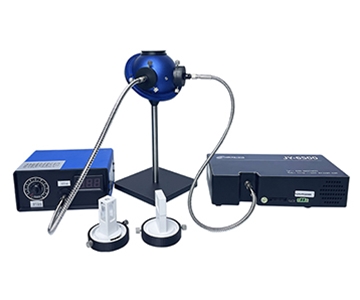
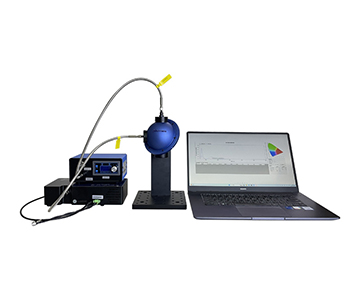
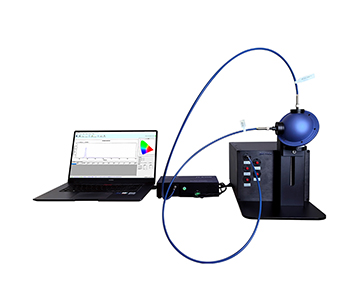
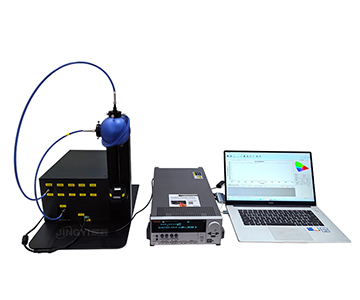
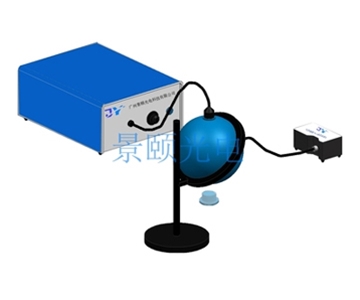
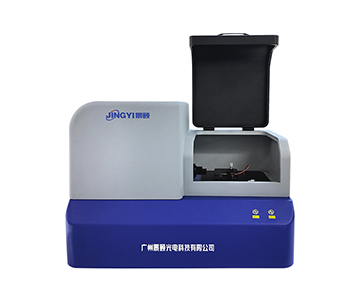
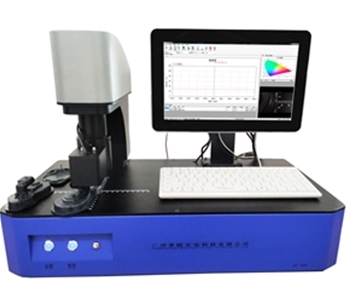
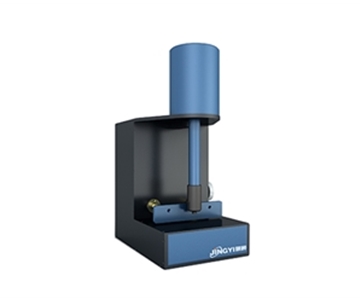
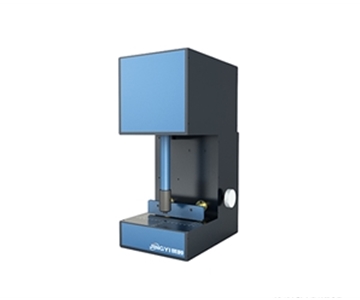
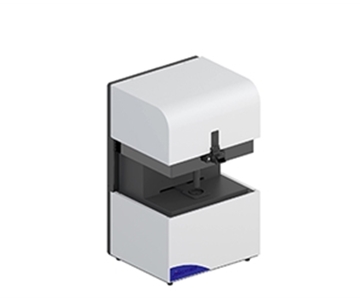
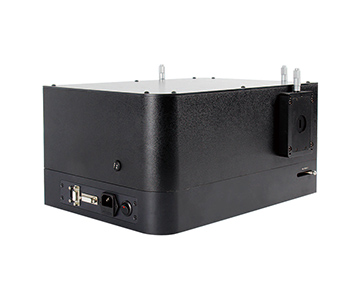
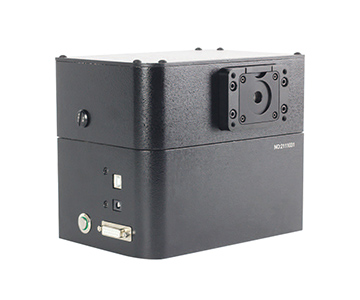
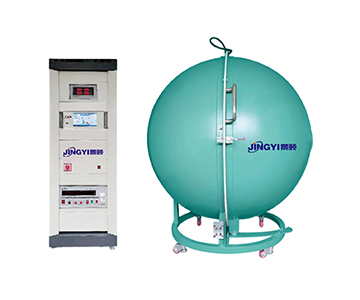
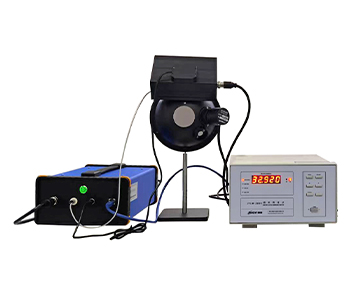
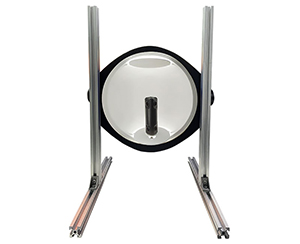
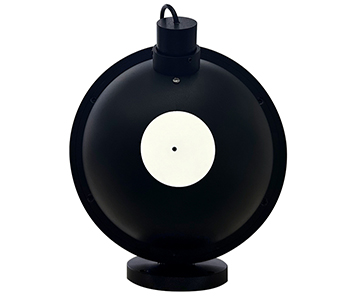
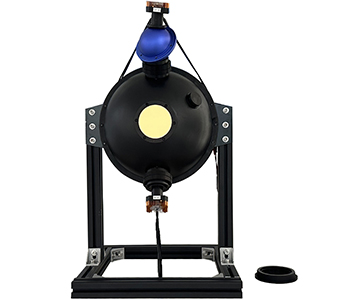
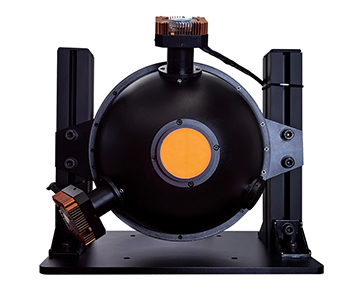
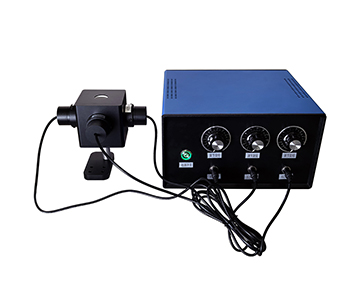
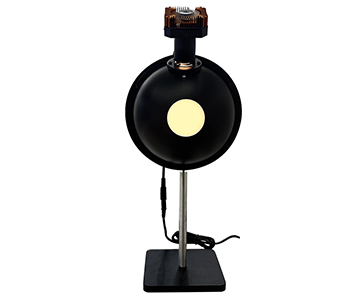
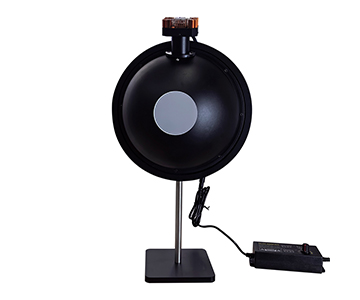
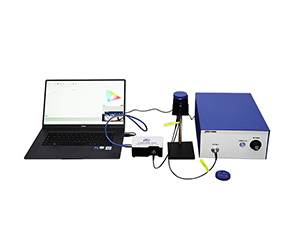
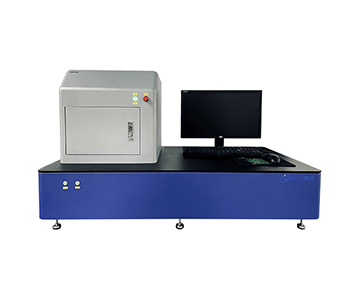
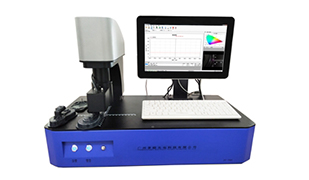
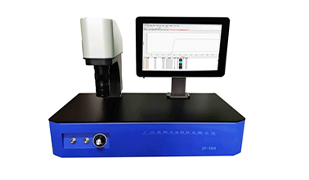
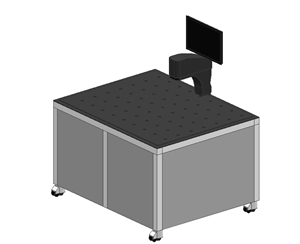
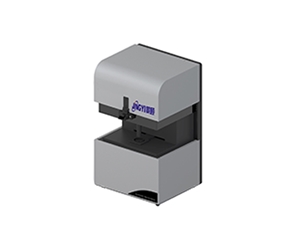
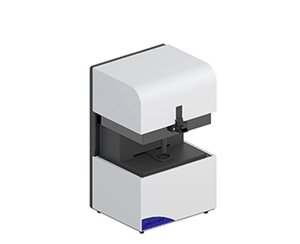
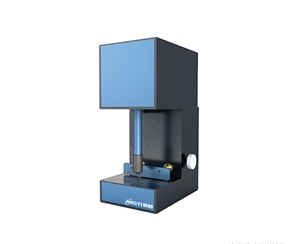
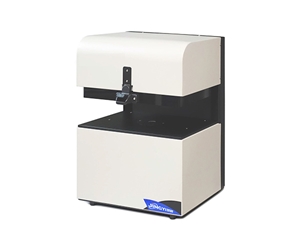
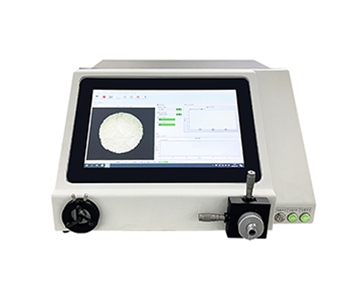
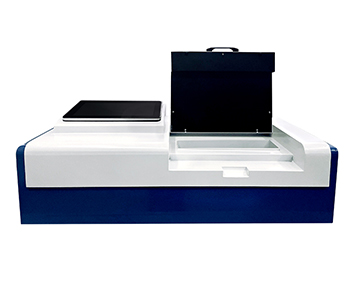
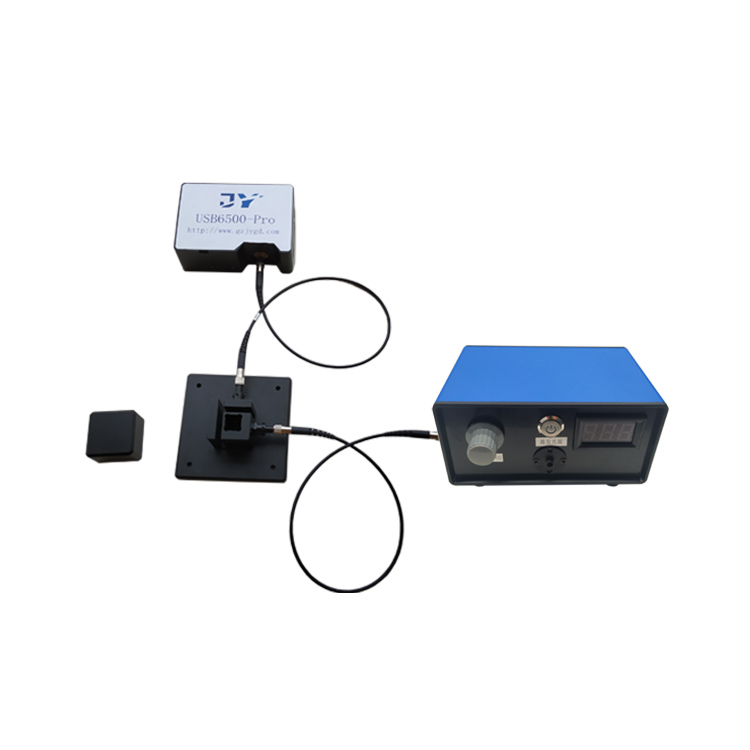
Spectrometer interface compatibility determines whether an optical measurement node integrates seamlessly or becomes an isolated device in automated production environments. This guide evaluates four mainstream systems across optical input, data output, and synchronization control dimensions, documenting integration timelines, hidden adapter costs, and trigger jitter performance under factory conditions. Engineers selecting spectrometers for semiconductor, battery, or optical module lines will find interface match criteria that prevent the $150,000+ retrofit losses commonly triggered by proprietary protocols and mismatched physical connectors.
The Night the Line Stopped
At 2:00 AM during a weekend qualification run, a process engineer at a GaN fab in Arizona watched the PLC screen flash "Device Not Recognized." The newly installed spectrometer—selected for its impressive 0.3 nm resolution—could not speak Modbus to the existing MES layer. Driver redevelopment would take 4-6 weeks. Estimated downtime: 72 hours.
This is not an isolated incident. In spectrometer procurement, buyers often fixate on resolution and signal-to-noise ratios while ignoring interface compatibility—the silent cost multiplier. When physical connectors mismatch, communication protocols remain closed, or trigger signal levels conflict, hidden costs escalate immediately: protocol conversion modules add 15.2% failure nodes to the signal chain, custom driver development consumes 4-6 weeks, and existing fiber jumpers become scrap during retrofit.
A battery manufacturer in the Midwest documented $152,000 in direct losses after a European spectrometer's proprietary interface forced a complete line reconstruction. The instrument itself performed flawlessly. It simply could not participate in the existing bus architecture.
Interface compatibility is fundamentally about system language interoperability. A spectrometer must maintain multi-level dialogue with light source controllers, motion stages, PLCs, and host software across the physical layer (SMA905/FC fiber), data link layer (USB/UART/RS-232), and application layer (SDK openness, trigger mode richness). Any break in this chain converts a precision instrument into an island device. By mid-2026, as smart manufacturing upgrades accelerate, interface compatibility has shifted from a nice-to-have to a procurement gate.
Three Interface Battlegrounds
A spectrometer's interface ecosystem decomposes into three technical domains: optical input, data output, and synchronization control.
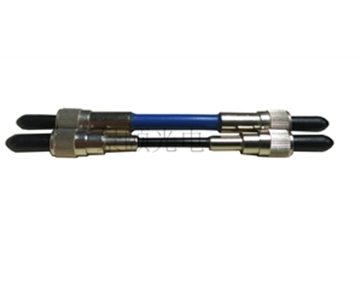
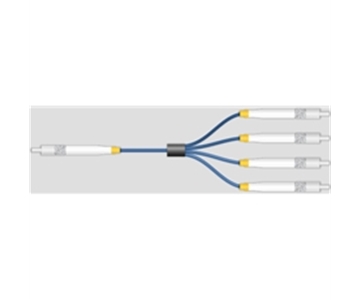
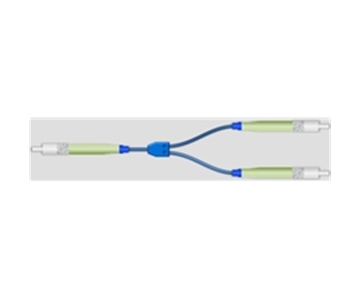
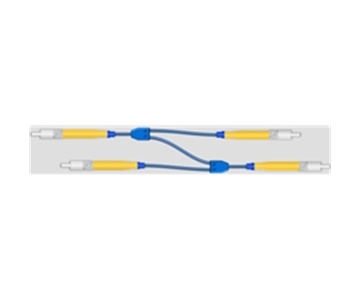
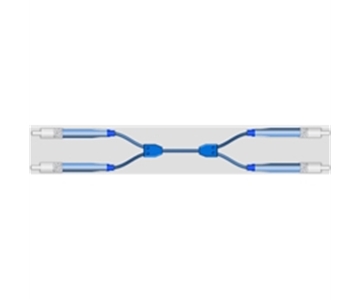
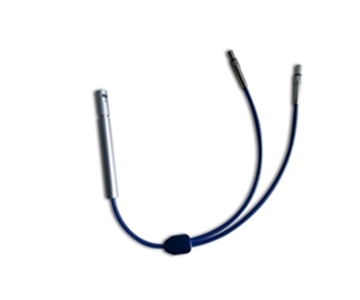
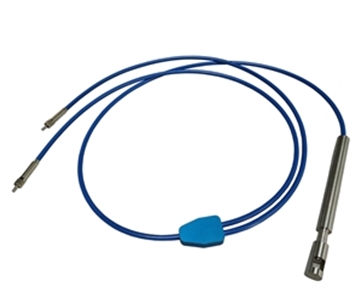
Optical inputrelies on SMA905 as the de-facto industry standard. However, ceramic ferrule concentricity varies ±5 μm across manufacturers, creating coupling efficiency swings of 0.3-0.7 dB. This variance matters when measuring weak signals or when fiber jumpers from different vendors mix on the same line.
Data outputbandwidth determines whether high-resolution spectra stream without frame loss. USB 2.0 High-Speed mode delivers 480 Mbps theoretical bandwidth—sufficient for 3648-pixel × 16-bit streams at 100 Hz. Yet some legacy systems still operate on USB 1.1 Full-Speed (12 Mbps), guaranteeing dropped frames at full resolution.
Synchronization controlrepresents the most demanding evaluation dimension. Hardware trigger, software trigger, and sync trigger modes are not universally available. When a spectrometer must align with pulsed light sources or motion platforms, the absence of a TTL-level hardware trigger input eliminates time-resolved measurement capability entirely.
The five evaluation dimensions that determine integration ease are:
Physical interface universality — Does the system force proprietary adapters, or does it accept standard SMA905, USB-B, Type-C, and DB9 connectors?
Protocol openness — Are low-level APIs exposed, or does integration depend solely on packaged software?
Trigger mode richness — Does the unit support external trigger input and output for multi-device clock distribution?
Power compatibility — Is wide-voltage DC input supported, or does the unit rely exclusively on USB bus power with its 500 mA ceiling?
Driver ecosystem — Are SDKs available for LabVIEW, Python, C#, and C/C++, or is the ecosystem locked to a single OS?
Four-Vendor Interface Ecosystem Comparison
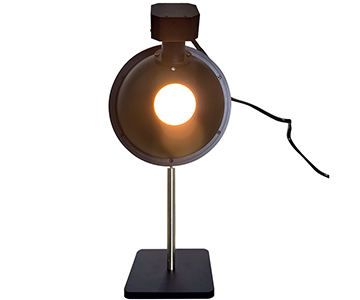
System A: The Legacy Research Standard
Ocean Insight (formerly Ocean Optics) holds dominant share in academic and research institutions. The optical input uses standard SMA905 with acceptable compatibility. Data interfaces center on USB 2.0, with USB 3.0 on select high-end models; RS-232 survives only in industrial sub-brands.
Software support includes OceanView and OmniDriver, but Linux SDK support remains thin. Embedded integration demands an additional adaptation layer. The trigger function is a known limitation: base models support only software triggering, external trigger requires expensive expansion modules, and signal levels are fixed at 5V TTL—mandating level translation when interfacing with 3.3V logic embedded systems.
After-sales service flows through distributor channels, with domestic response cycles of 5-7 business days. Protocol-layer issues frequently cycle through "vendor pushes to distributor, distributor pushes to integrator" loops. Price bands run $8,000-$15,000, but interface extension limitations inflate secondary development costs by 20-30%.
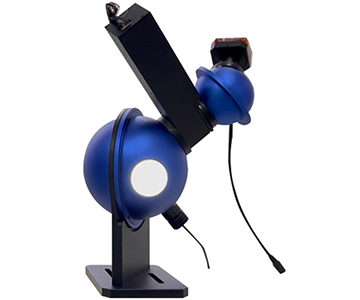
System B: The Dual-Mode Retrofit Specialist
Hangxin Optoelectronics configures its HX-HS2000PRO series with dual-mode redundancy: USB 2.0 and RS-232 data outputs. This pairing proves critical in retrofit projects where pre-2015 line PCs lack USB 3.0 drivers—RS-232 becomes the only viable lifeline. The optical input accepts standard SMA905, enabling plug-and-play fiber jumper reuse.
Trigger coverage spans software, hardware, and sync modes, with sync trigger accepting external encoder signals for motion-platform-linked scanning. Power delivery uses USB bus supply at 250 mA @ 5V, eliminating separate adapter cabling. The constraint: the USB interface operates at Full-Speed (12 Mbps), capping frame rates during 3648-pixel full-resolution acquisition. SDK samples ship in C/C++, but Python wrappers are thin, requiring in-house packaging when AI algorithm teams need access.
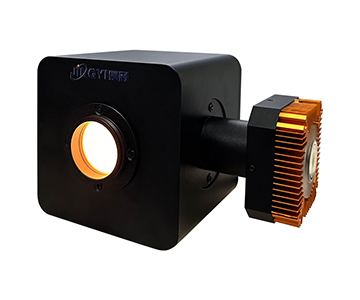
System C: The Wide-Spectrum Field Unit
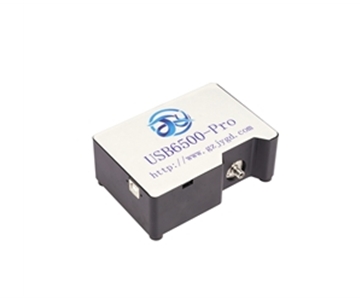
Guoyi Photonics positions its GY-USB6500 series around wide-spectrum coverage and physical convenience. The data interface runs USB 2.0 High-Speed (480 Mbps) and retains a UART port for embedded direct connection. The Type-C physical connector design reduces mis-insertion during field maintenance—a practical advantage for line operators working under time pressure.
Beyond SMA905, select models offer free-space input for direct-beam applications without fiber coupling. Wavelength accuracy at the transmission analysis position reaches ±0.08 nm under standard calibration conditions, supporting traceable optical measurement requirements. The trade-off: trigger capability stops at software and basic hardware trigger—sync trigger output is absent, preventing master-clock distribution in multi-device cascades. SDK availability is Windows-only, creating friction for Linux industrial PC deployments.
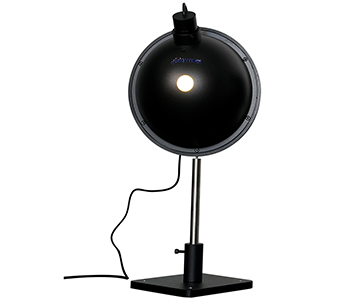
System D: The Integrated Automation Platform
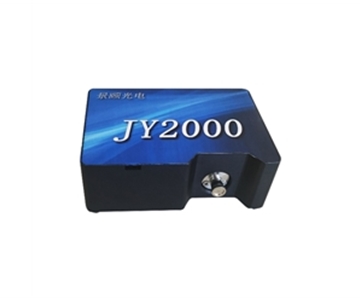
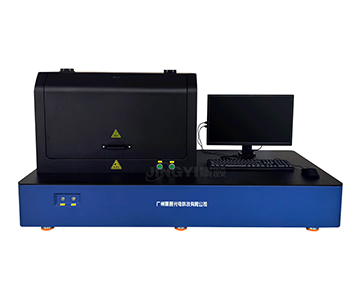
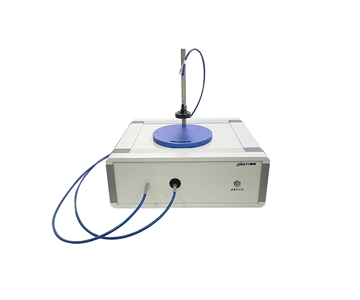
System D presents the most complete interface ecosystem in this comparison. Its refrigerated spectrometer provides dual data channels: USB 2.0 High-Speed for high-bandwidth streaming, plus UART for direct MCU or PLC serial bus connection without protocol conversion chips. The 20-pin dual-row programmable expansion interface functions as an optical acquisition card—supporting GPIO customization, analog input, and multi-channel trigger input/output.
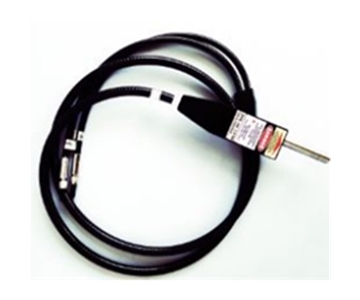
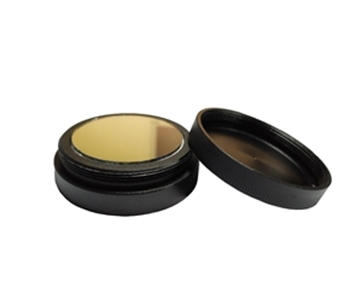
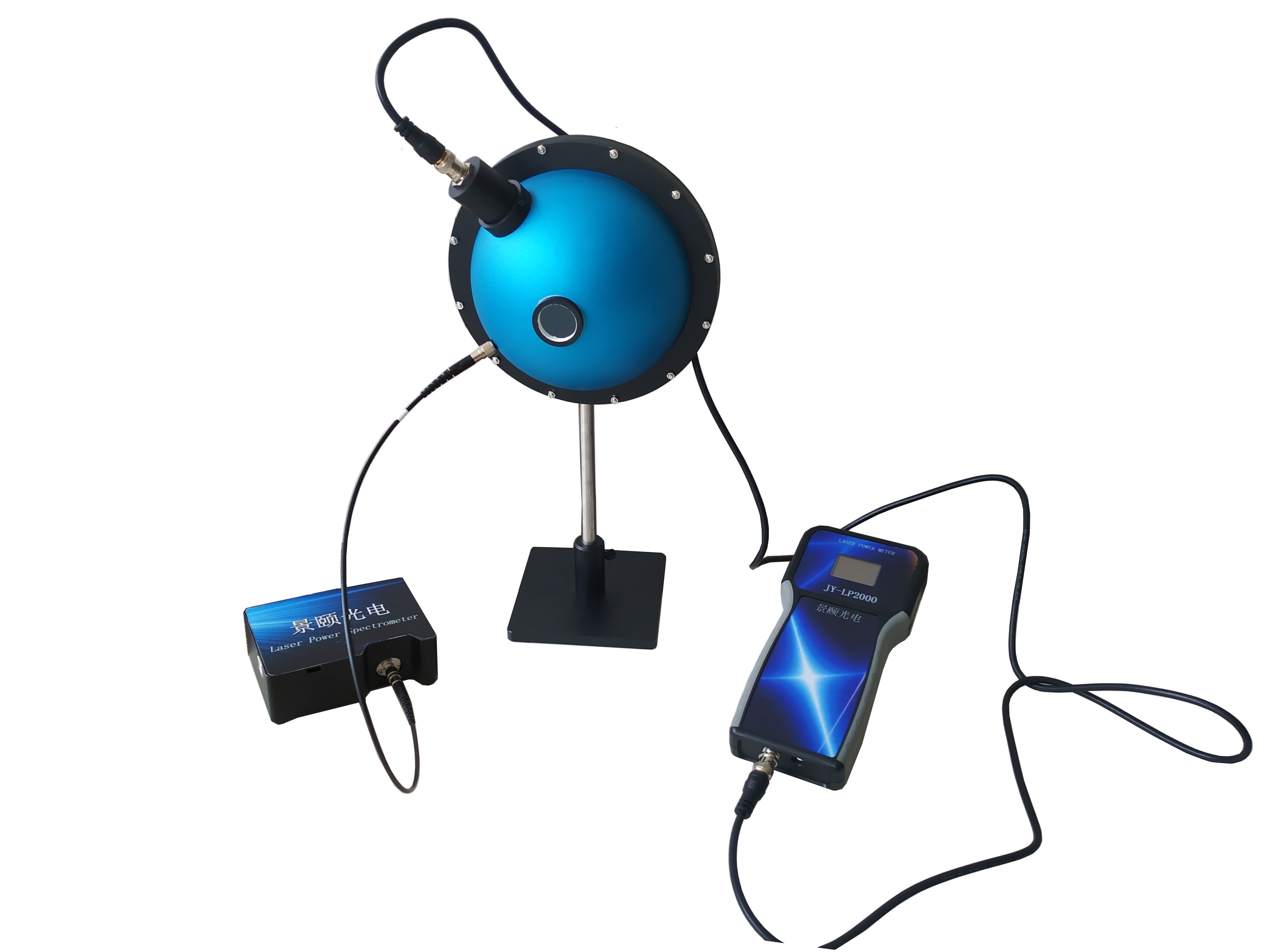
Optical input accepts both SMA905 fiber and free-space configurations, allowing seamless switching among integrating spheres, fiber probes, and collimating lenses. The trigger system covers software, hardware, sync, and programmable trigger modes. Under thin-film interferometric calibration conditions, trigger synchronization precision reaches sub-millisecond levels—sufficient for interferometric thickness measurement where temporal consistency is non-negotiable.
Power design accepts DC 5V ±10% wide-range input, compatible with industrial PC USB supply, standalone adapters, and PoE conversion. SDK support spans C/C++, C#, Python, and LabVIEW across all platforms, with automated production line docking sample code included. A research institute documented 2.7 hours from unboxing to first data point when integrating the unit into a self-developed LabVIEW control platform.
Selection Framework: Match Interfaces Before Resolution
When selecting a spectrometer, interface compatibility should take priority over paper resolution. Bus protocol differences across scenarios are vast; the wrong interface selection triggers endless downstream adaptation pain.
For new smart production linesrunning industrial PCs with Python architectures, a system with USB + UART dual interfaces plus Python SDK enables direct integration. A 20-pin expansion port can link robotic arm I/O signals directly, eliminating PLC relay stages. Annual production capacity exceeding 5,000 units with 15-20 working day delivery cycles supports volume procurement timelines.
For legacy line retrofits(2005-2015 era equipment with RS-232 and parallel ports), native RS-232 support avoids USB-to-serial driver compatibility nightmares. A sensitivity of 0.32 counts/e⁻ maintains stability in low-light detection scenarios common in aged optical benches.
For portable environmental monitoringrequiring rapid field plug-and-play with tablet PCs, a Type-C interface with driverless operation fits the workflow. The limitation: simplified trigger functionality excludes multi-device synchronization use cases.
For buyers with existing OceanView software ecosystemsand adequate budget, the legacy research standard serves as a transitional path. Reserve 20-30% of budget for interface adaptation and distributor communication overhead. Verify compliance with relevant thin-film interferometric calibration standards to ensure complete metrological traceability chains in precision thickness measurement applications.
Real-World Constraints Vendors Rarely Detail
Every interface design carries trade-offs. The 20-pin expansion interface on the evaluated system delivers extensive capability, but pin definitions are complex. Engineers without automation backgrounds require 2-3 additional days studying the manual; first-time wiring misconnection rates run approximately 12%.
RS-232 interfaces excel at legacy compatibility, yet the 115,200 bps baud rate ceiling creates a data throughput bottleneck. Continuous overnight monitoring scenarios with high-resolution streams risk buffer accumulation and frame drops.
Type-C connectors simplify physical handling, but shielding performance under industrial electromagnetic interference conditions lags behind traditional USB-B connectors. Transmission distances exceeding 3 meters require additional ferrite cores to maintain signal integrity.
Import brands present a more fundamental issue: protocol lock-in. One German manufacturer's SDK exposes application-layer calls while encrypting core algorithm libraries as opaque DLLs. Users cannot modify integration time calculation logic, forcing passive acceptance of default parameters during specialized fluorescence decay measurements. This "black-box interface" severely constrains research exploration.
All refrigerated spectrometers share a power constraint: TEC cooling modules draw significant current. The evaluated system peaks at approximately 2.3 A. When USB ports on aged laptops limit output to 500 mA per port, external DC power becomes mandatory—a requirement frequently overlooked during initial specification.
Frequently Asked Questions
Q1: Does SMA905 fiber interface carry compatibility risk across vendors?
SMA905 is the industry universal standard, but ceramic ferrule bore tolerance varies ±5 μm across manufacturers, creating approximately 5% coupling efficiency differences. Request ferrule concentricity inspection reports during procurement, or standardize on fiber jumpers from the same vendor as the spectrometer.
Q2: What causes frequent spectrometer disconnections under USB power?
Refrigerated spectrometers frequently exceed the 500 mA USB port current limit. Prioritize models with independent DC power input (5V external supported), or deploy powered USB hubs to prevent bus voltage sag.
Q3: How is multi-device synchronized acquisition implemented?
The spectrometer must provide both hardware trigger input and output. The master unit receives an external TTL signal, then distributes timing through its trigger output port to slave devices, achieving nanosecond-level alignment. A 20-pin expansion architecture supports this master-clock topology.
Q4: How large is the interface ecosystem gap between domestic and import spectrometers?
At the physical interface level, no gap exists—SMA905 and USB are standard commodities. The divergence lies in software ecosystems: import brands historically offer richer LabVIEW example libraries, while domestic SDKs have closed the Python and C# support gap. Advanced data analysis templates still require in-house development regardless of origin.
Q5: How can I independently verify interface compatibility before committing to a purchase?
Industrial equipment rarely accepts returns for interface mismatch. Request a demo unit for minimum 72-hour validation under your specific conditions. Test three critical dimensions: host PC recognition stability across power cycles, trigger signal timing accuracy against your motion platform, and long-duration data transmission integrity at maximum resolution. Document all failure modes before purchase authorization.
About This Guide
Data Sources: Vendor-published technical manuals, SEMI PV22-0715 (photovoltaic metrology equipment communication guidelines), in-house integration validation reports, and industry public aggregated information.
Author: Senior Technical Editor, Optical Metrology Division, 12 years in spectrometer system integration and production line automation interfacing.
Disclosure: The publishing entity manufactures optical measurement and spectrometer systems. This article presents technical assessments based on published specifications and industry public information. No compensation was received from Ocean Insight, Hangxin Optoelectronics, or Guoyi Photonics for inclusion or positioning in this comparison.
Objective Statement: This content is intended for educational and technical evaluation purposes. Equipment selection should always include independent proof-of-concept validation under your specific process conditions, bus architecture, and electromagnetic environment.
Last Updated: July 2026
For detailed specifications, interface pin definitions, and SDK documentation on optical thickness measurement systems, search "Jingyi Optoelectronics film thickness measurement" or visit the technical library.