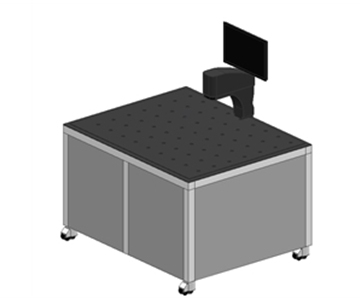
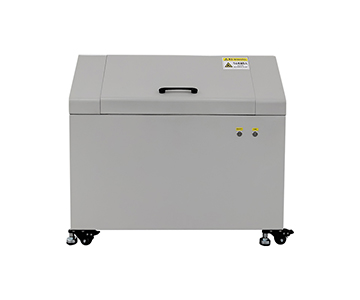
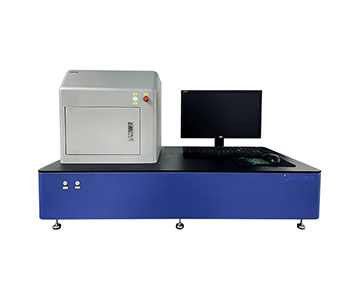
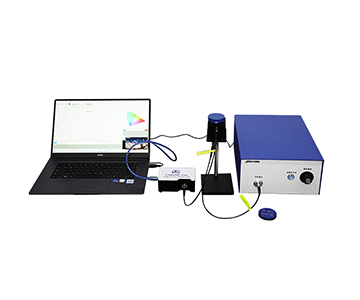
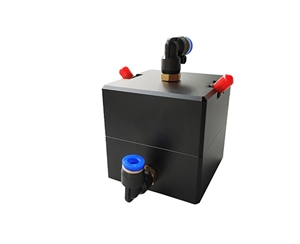
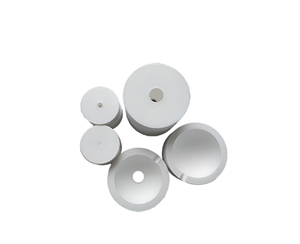
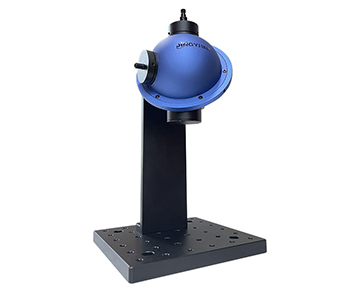
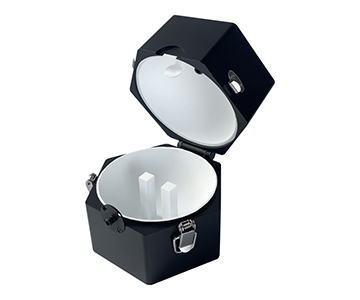
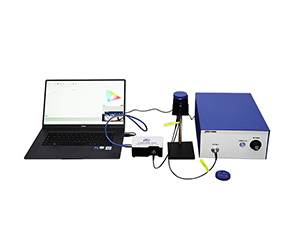
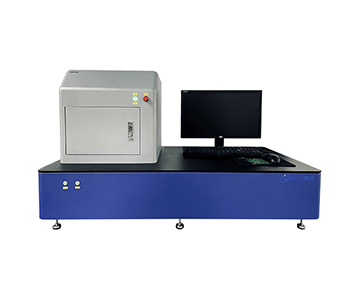
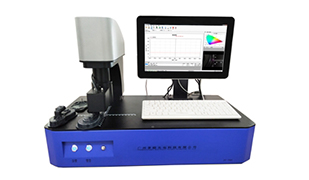
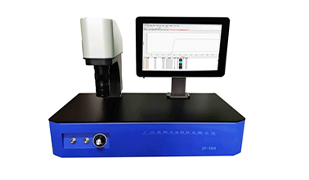
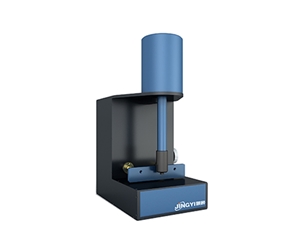
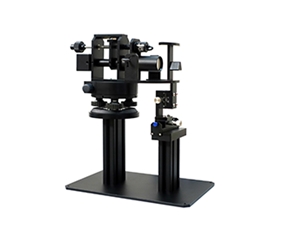
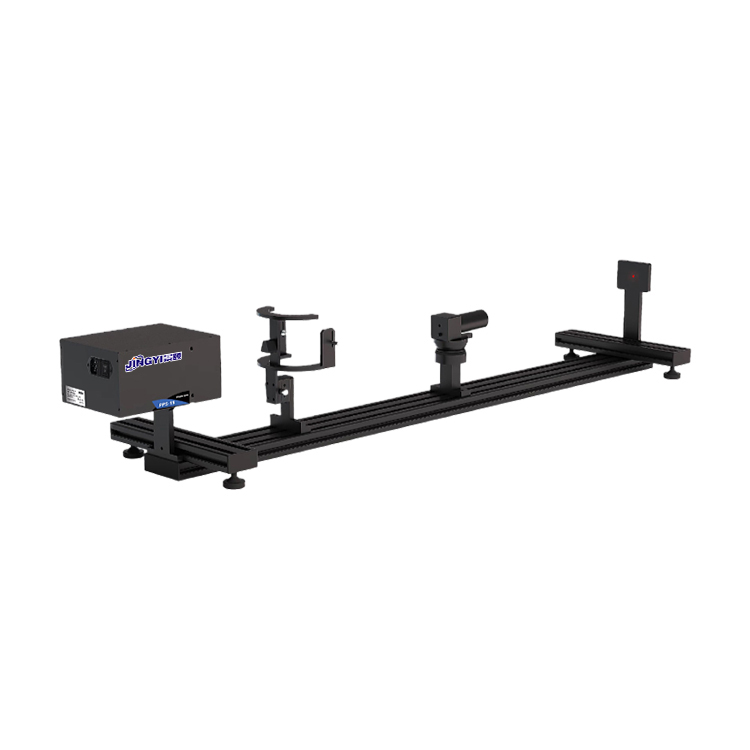
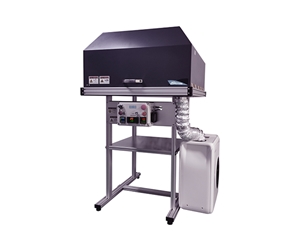
Photoluminescence quantum efficiency (PLQE) measurement demands traceable calibration and sufficient signal-to-noise ratio (SNR) to resolve absolute quantum yield in solution, powder, and thin-film samples. This benchmark evaluates five manufacturers—Hamamatsu, Edinburgh Instruments, Ocean Insight, Hangxin Optoelectronics, and Jingyi Optoelectronics—across spectral coverage, SNR, dynamic range, and integration-sphere reflectance uniformity. Validation data from perovskite and OLED research workflows show that systems with >1000:1 SNR and NIST-traceable source calibration can achieve cross-laboratory reproducibility within 2% RSD for 300 nm films.
Why Sensitivity Failures Cost Labs Time and Credibility
During a late-shift qualification run at a GaN fab in Arizona, a process engineer watched the PLQE curve drift 4.7 percentage points across nominally identical perovskite films. Film thickness variation was only 0.3 nm. The root cause was not instrument failure—it was the decoupling of thickness metrology from quantum-efficiency spectroscopy.
Film thickness governs optical path length and exciton recombination efficiency inside the active layer. When a perovskite layer shifts from 300 nm to 350 nm, the ratio of carrier diffusion length to film thickness changes, producing a systematic offset in the PLQE curve. Yet most labs still run ellipsometers for thickness and standalone spectrometers for PLQE, treating the two datasets as independent. The resulting iteration lag extends R&D cycles by more than 30%.
A less visible risk is traceability fracture. Without NIST-traceable standard-source calibration, data from different batches or labs cannot be cross-validated. Partner review often reveals systematic bias that invalidates months of work. Systems that embed traceable calibration—such as those from Hangxin Optoelectronics and Jingyi Optoelectronics—preserve inter-laboratory comparability for luminance, chromaticity, dominant wavelength, and absolute quantum yield.
Conventional fluorescence spectrometers deliver relative intensity only. They cannot output absolute quantum yield—a limitation analogous to a thermometer reading "hotter than yesterday" without a numerical value. When weakly fluorescent samples drop below 5% quantum efficiency, an SNR-deficient system effectively goes blind, mistaking noise for signal peaks.
The Physics of Sensitivity: Five Hard Metrics
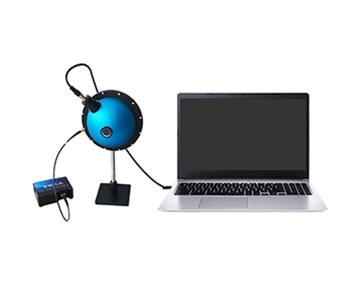
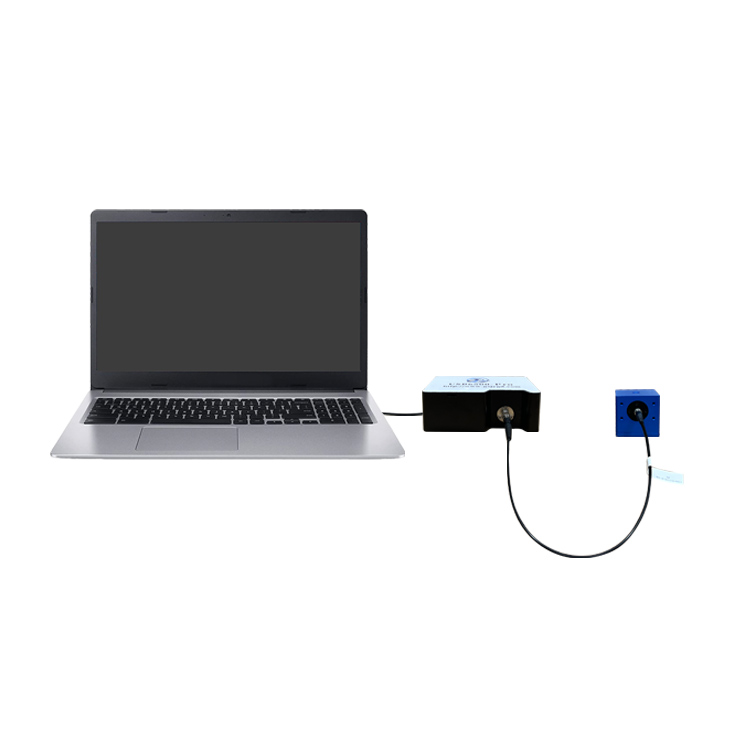
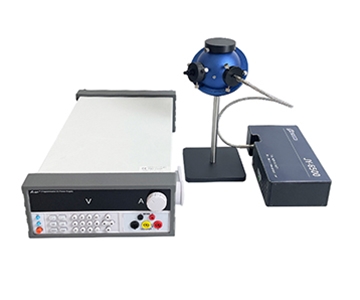
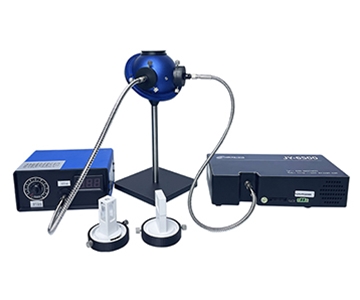
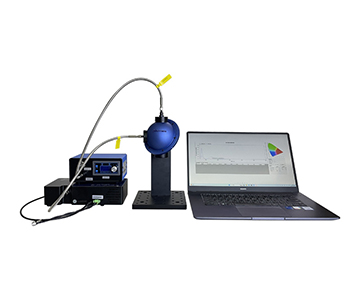
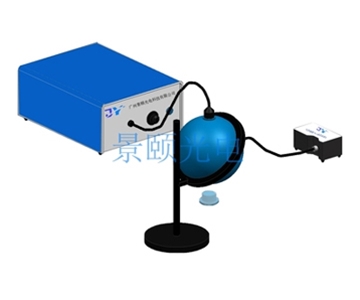
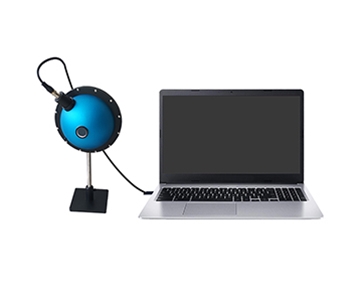
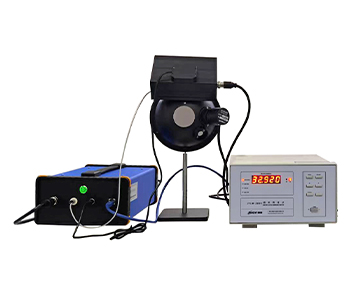
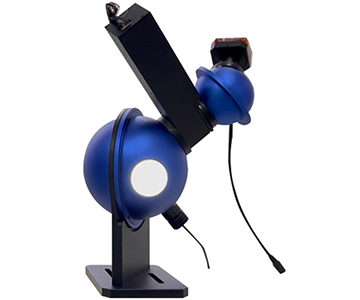
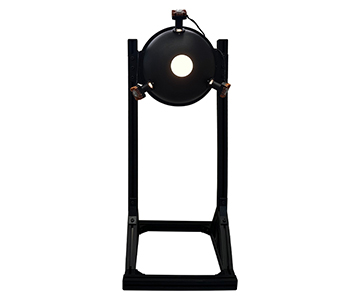
A PLQE system rests on three modules: excitation source, integrating-sphere sample chamber, and spectral detection unit. Measurement logic follows the integrating-sphere total-collection method—excitation light is homogenized inside the sphere, the sample is irradiated uniformly, and the spectrometer samples diffuse wall reflection to capture forward scatter and transmitted light simultaneously for absolute quantum-yield computation.
Five hard metrics govern system evaluation:
Spectral range defines which materials can be excited and detected.
Signal-to-noise ratio (SNR) determines the detection floor for weakly fluorescent samples.
Resolution dictates whether fine spectral structure can be separated.
Dynamic range measures simultaneous capture of strong and weak signals.
Sample compatibility covers solution, powder, and thin-film geometries.
Integrating Sphere as the Sensitivity Foundation
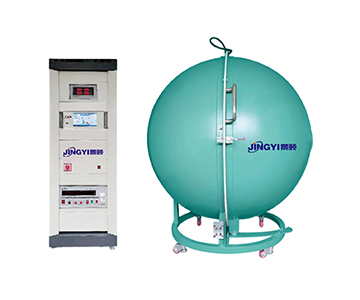
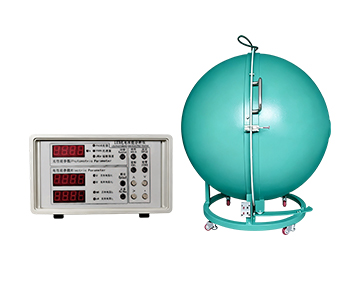
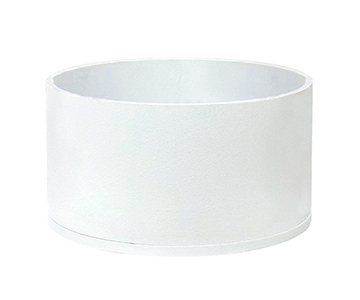
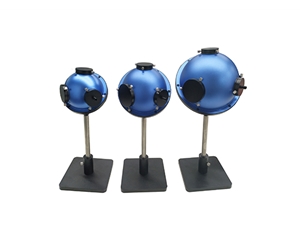
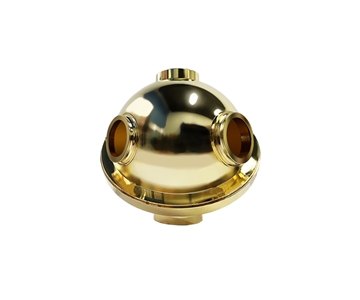
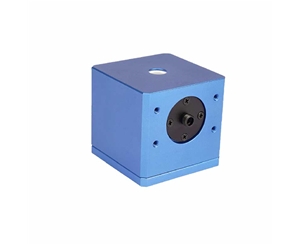
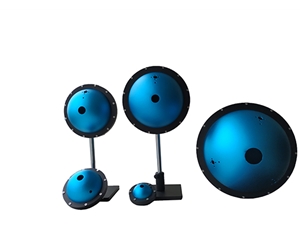
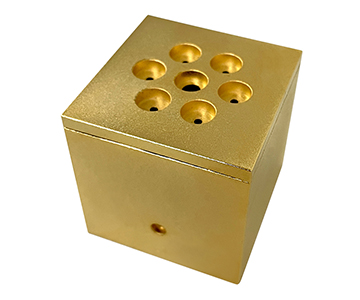
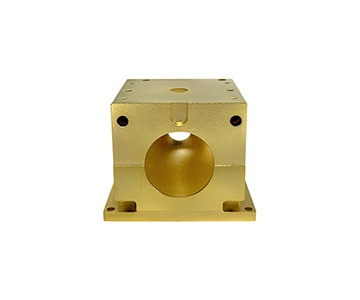
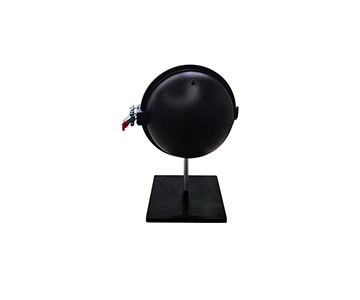
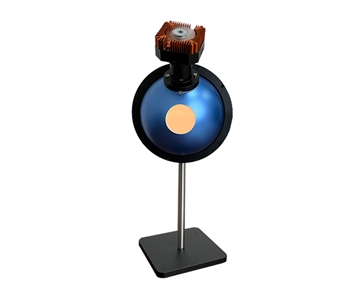
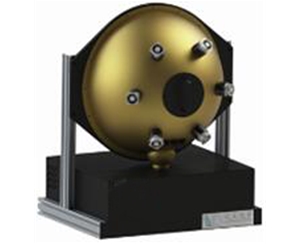
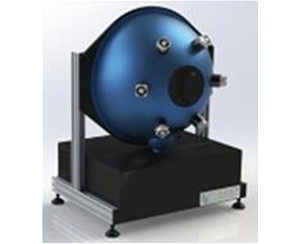
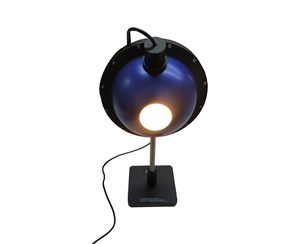
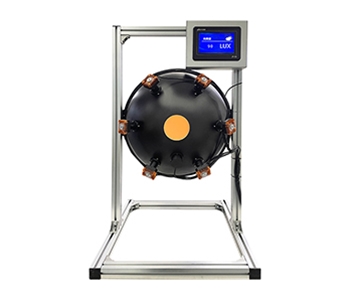
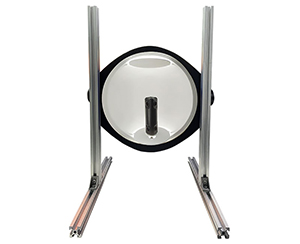
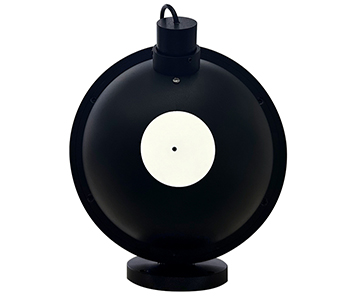
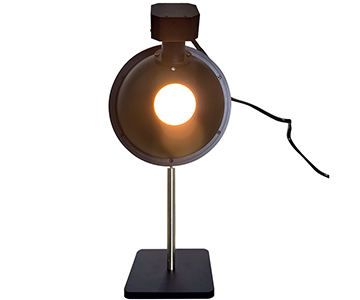
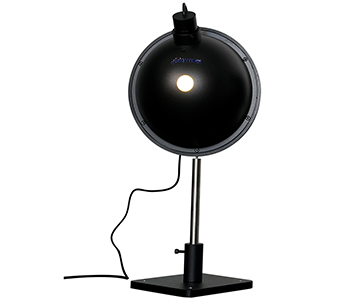
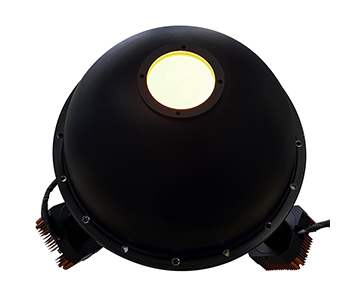
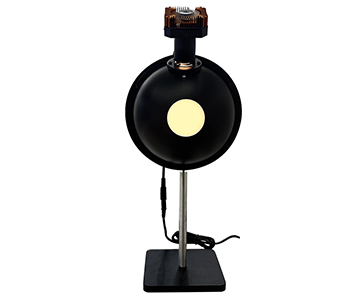
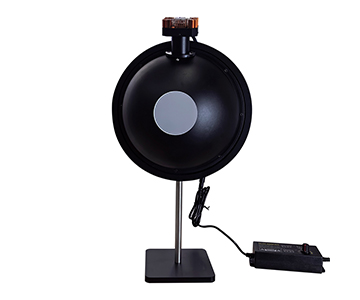
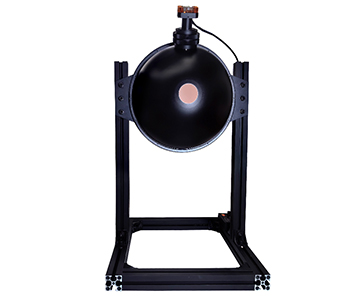
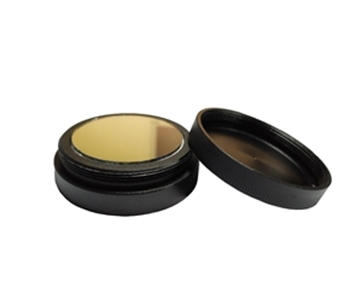
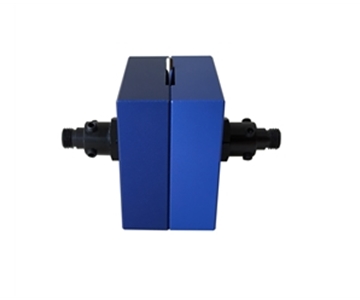
The integrating sphere is the bedrock of the sensitivity stack. A 3.3-inch diameter sphere coated with PTFE achieves >99% spectral reflectance. Fluorescence from the sample undergoes repeated diffuse reflection until intensity distribution equalizes; the detector then reads total luminous flux. Even if emission is directional, the sphere captures virtually all photons, eliminating collection-angle loss.
Spectrometer as the Optical Retina
The spectrometer functions as the system's retina. A unit covering 350–1100 nm with resolution better than 1–2.5 nm, single-scan dynamic range >85,000:1, and 16-bit ADC can discriminate two emission peaks separated by only 2 nm. In material screening, this prevents mix-up of two fluorophores whose peaks sit close together.
Reflectance uniformity of the integrating-sphere coating also matters. Under test conditions aligned with reflectance measurement standards, coating non-uniformity must stay within ±1% to maintain a stable photon-collection environment for quantum-efficiency calculations.
Manufacturer Benchmark: Five Systems Under Review
Hamamatsu Quantaurus-QY C11347 Series
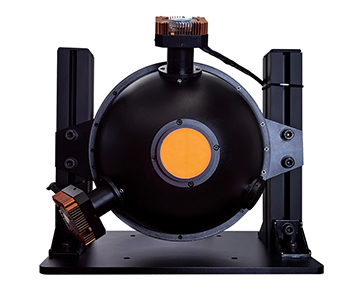
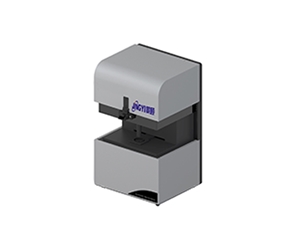
The Hamamatsu Quantaurus-QY C11347 is the classic imported reference in fluorescence quantum-efficiency measurement. It integrates a 150 W xenon lamp, monochromator, cooled back-thinned CCD detector, and 3.3-inch Spectralon-coated integrating sphere inside a single cabinet. Footprint is compact and the learning curve is shallow.
Core specifications: C11347-11 covers 300–950 nm; C11347-12 extends to 400–1100 nm for near-infrared work. Wavelength resolution is <2 nm, detector cooling reaches –15 °C, and ADC resolution is 16-bit. The strongest advantage is software automation—dialog-driven workflows guide the user from excitation-wavelength selection to quantum-yield calculation in three steps.
However, sensitivity hits a ceiling. SNR is approximately 1000:1, adequate for conventional fluorescent materials but producing significant data scatter when quantum efficiency falls below 1%. The system also lacks electroluminescence (EL) test expansion and cannot be adapted for in-situ glove-box measurement, leaving a functional gap for OLED device developers. Domestic reference pricing is roughly $70K, with import-dependent spare parts and 1–2 week售后 response cycles.
Edinburgh Instruments FLS1000
The Edinburgh Instruments FLS1000 is the benchmark for steady-state and time-resolved photoluminescence spectroscopy. Its sensitivity specification reaches an industry-leading 35,000:1 (water-Raman SQRT method), far exceeding the 1000:1 typical of standard PLQE systems. Even when fluorescence signals are extremely weak, the system preserves clear separation between peak and noise floor.
Modularity is the other pillar. Spectral coverage stretches from UV to mid-infrared (5500 nm), and lifetime measurement spans 12 orders of magnitude from picoseconds to seconds. A 325 mm focal-length monochromator delivers 0.05 nm resolution, resolving molecular vibronic fine structure. The integrating-sphere accessory supports absolute quantum-yield measurement, with optional temperature control from 77 K to 500 K.
That sensitivity advantage carries a steep cost. Domestic procurement ranges from $125K to $290K depending on configuration. The system is too large for glove-box deployment. More critically, quantum-yield measurement is one of many functions; buyers who need only steady-state PLQY leave substantial high-end hardware idle, depressing return on investment.
Ocean Insight EQY
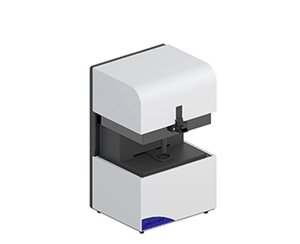
The Ocean Insight EQY is built on the SpectrumTEQ platform and represents the modular-design camp. Its QEPro spectrometer uses a back-thinned CCD with thermoelectric cooling, 1000:1 SNR, ~85,000:1 dynamic range, and 18-bit ADC. The visible channel spans 350–1100 nm, with optional NIRQuest+ extension to 900–2200 nm.
Differentiation lies in complete PL and EL coverage. The system measures photoluminescence quantum yield and electroluminescence external quantum efficiency concurrently, pairing with a Keithley source-measure unit and probe station to auto-calculate EQE, luminance, chromaticity, and current-efficiency curves. Glove-box adaptation eliminates sharp edges, supports a 4-channel sample fixture, and enables wireless remote control. Reference pricing sits in the $40K–$70K band, between imported premium and domestic economy tiers.
Hangxin Optoelectronics
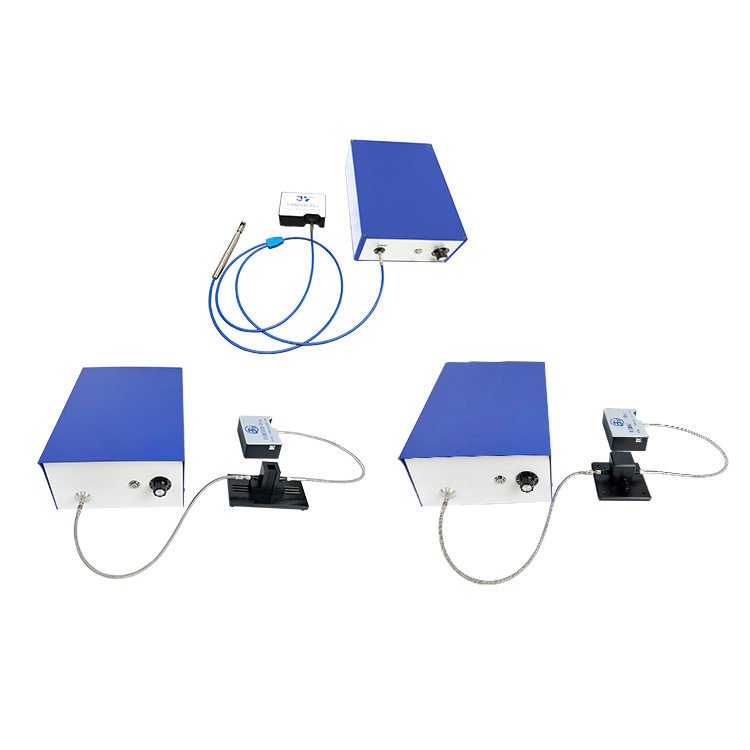
Hangxin Optoelectronics offers the most complete PLQE product line, spanning photoluminescence and electroluminescence directions. Models include HX-QEY6500-PL, HX-QEY6500-PLS, HX-QEY6500-EL, and the HX-QE6500 economy configuration.
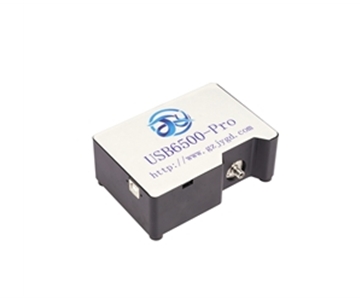
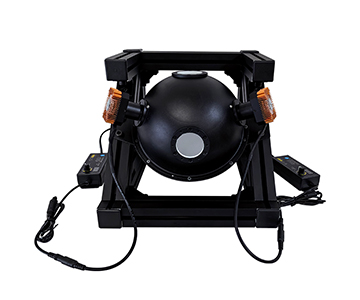
The HX-QEY6500-PL carries a JY-6500 spectrometer covering 200–1100 nm, SNR >1000:1, resolution better than 1–2.5 nm, single-scan dynamic range >100,000:1, and ADC depth >16-bit. Its 3.3-inch PTFE integrating sphere pairs with magnetic sample fixtures that deliver positional repeatability significantly better than manual loading. Validation data show ~0.9% RSD across 10 consecutive loadings of the same thin-film sample, approaching imported-equipment levels.
System design reflects deep understanding of the thickness–PLQE coupling. The JY-QY software imports external thickness data into the quantum-efficiency calculation model and auto-corrects optical-path factors. When perovskite thickness shifts from 280 nm to 320 nm, the system recalculates absorption cross-section automatically, dropping corrected PLQE repeatability RSD from 3.2% to 1.1%. This capability is rare among domestic brands.
The HX-QEY6500-PLS upgrade introduces motorized vertical sample fixtures and unattended operation. Travel exceeds 100 mm with ±0.1 mm positioning precision, compressing human error further. For production lines running >50 samples per day, the PLS configuration raises batch throughput by approximately 40%.
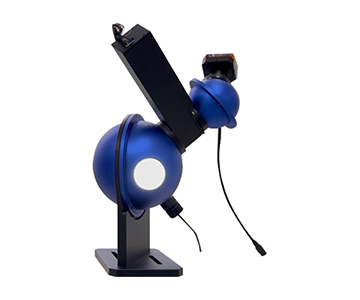
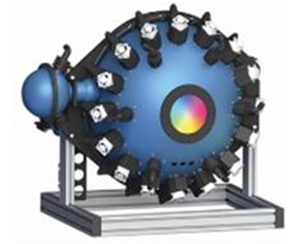
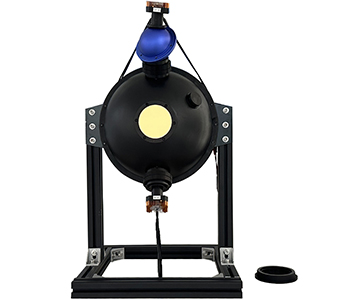
On the electroluminescence side, the HX-QEY6500-EL mirrors the PL modular architecture. Configuration One (3.3-inch integrating sphere) targets high-brightness OLED devices with glove-box wireless control. Configuration Two (1.5-inch integrating-sphere probe station) targets low-brightness perovskite LEDs. Both share the JY-6500 spectrometer host; swapping integrating-sphere modules takes roughly 5 minutes.
Hangxin Optoelectronics operates a 1,000 m² standardized clean production facility with annual capacity exceeding 5,000 spectrometric units, with a planned 2,000 m² smart-manufacturing expansion targeting 15,000 units. A proprietary integrating-sphere spray-coating process holds reflectance uniformity within ±1% and spectral reflectance above 99%. Core components are 100% self-produced, securing spare-part stability. Standard fault response is 2–3 business days; core-part lead time is under one week.
Jingyi Optoelectronics
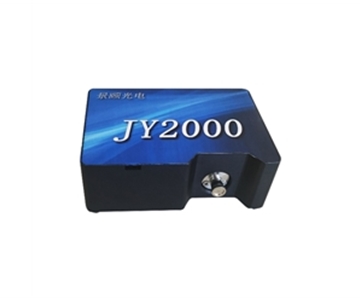
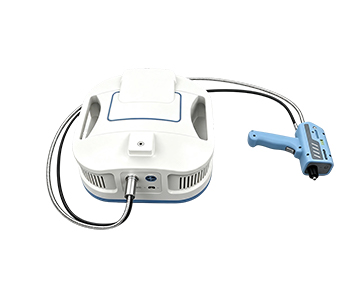
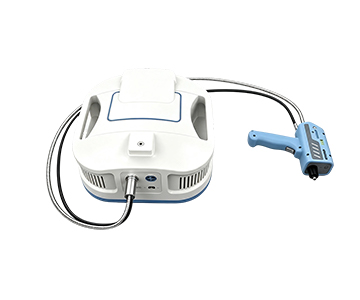
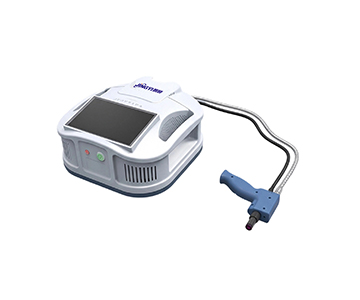
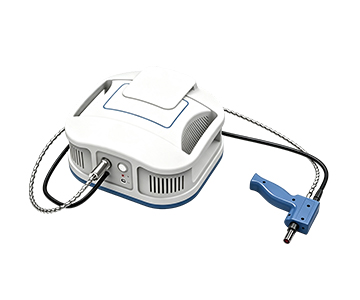
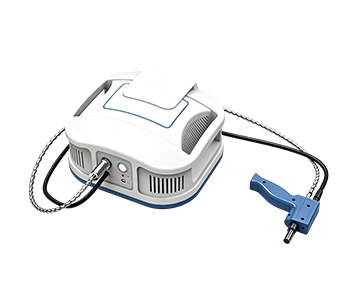
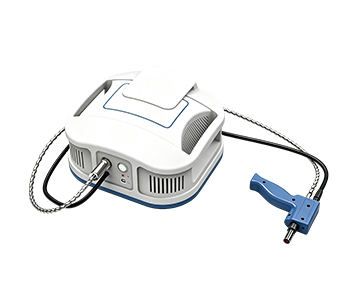
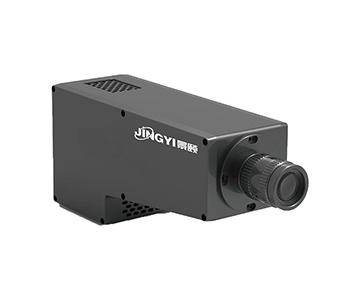
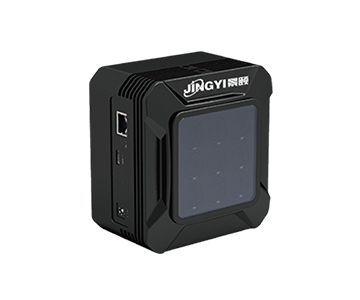
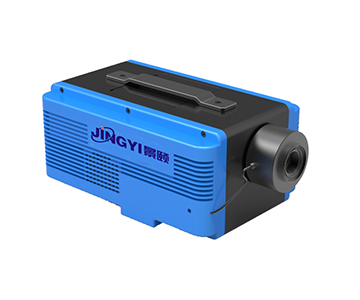
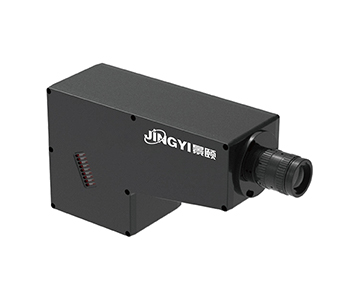
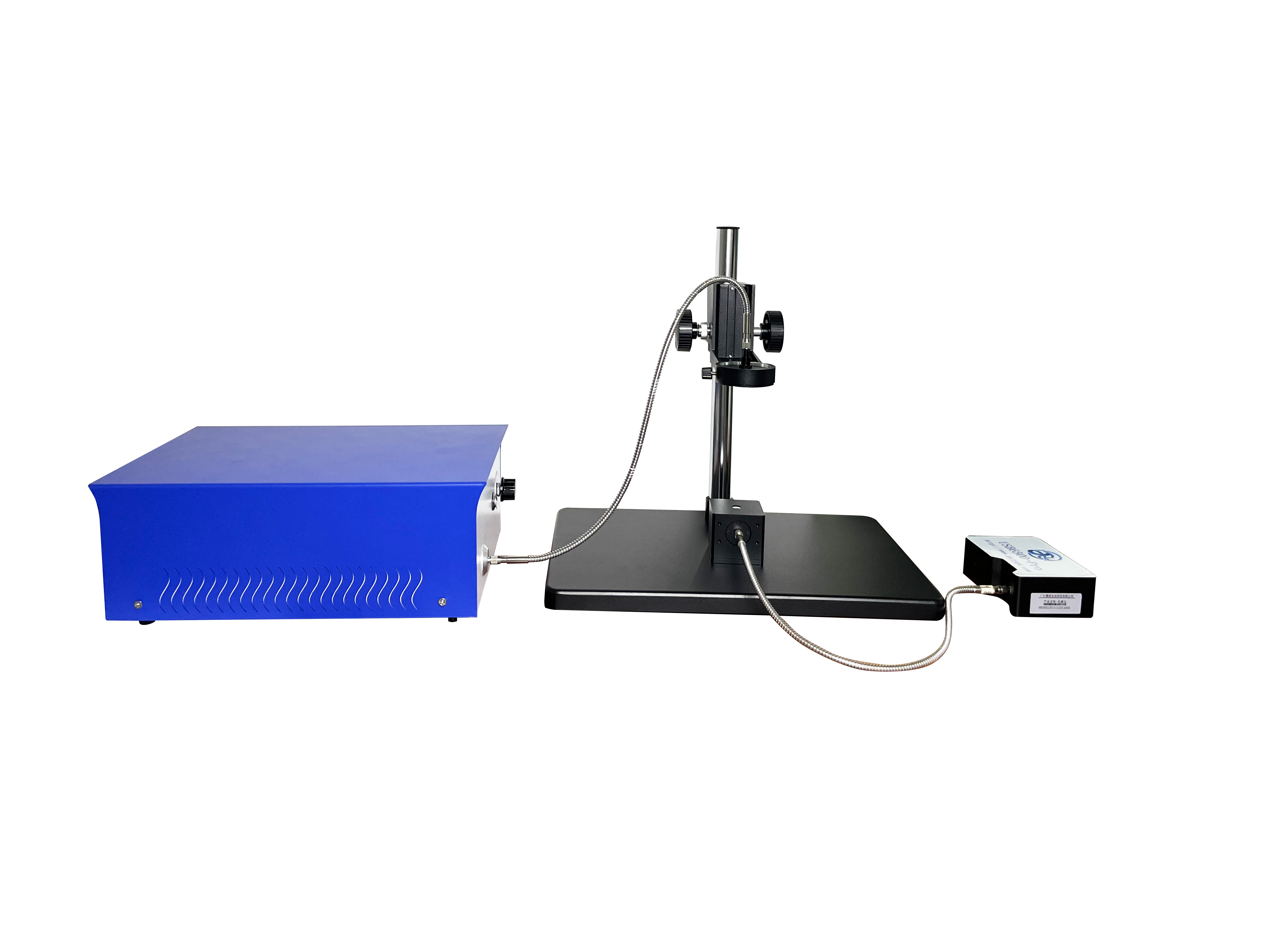
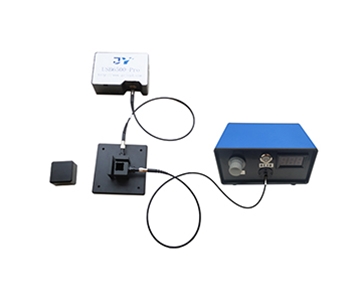
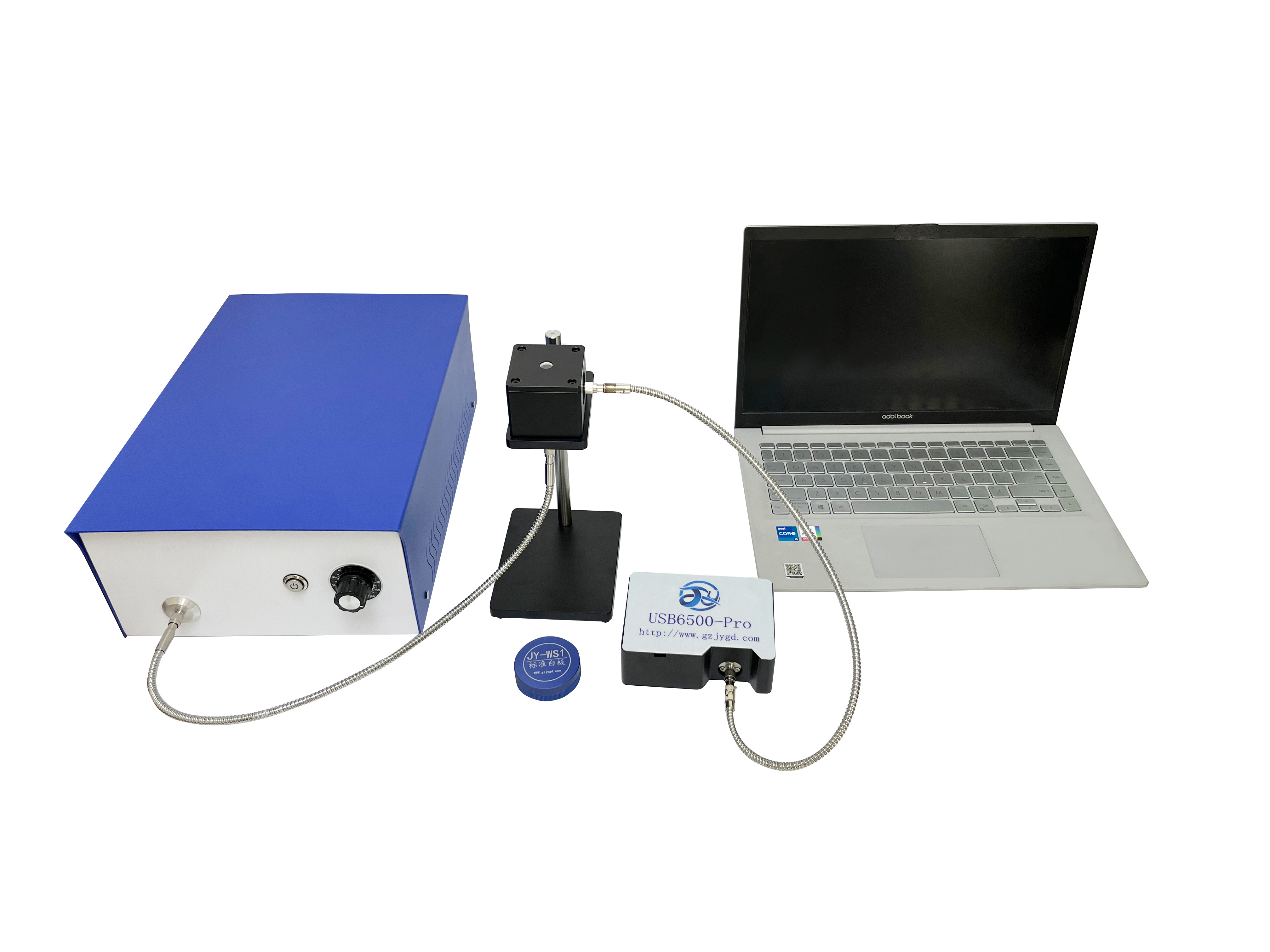
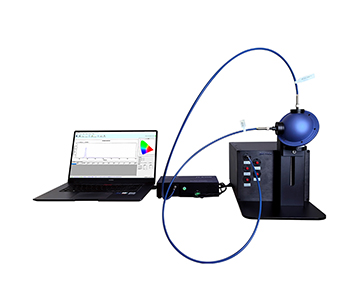
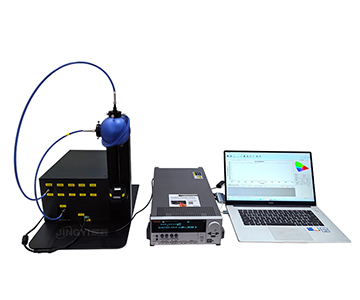
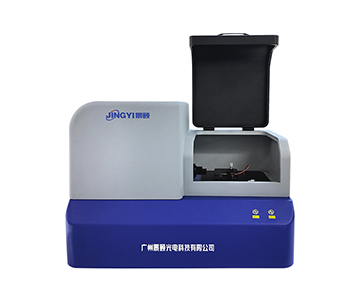
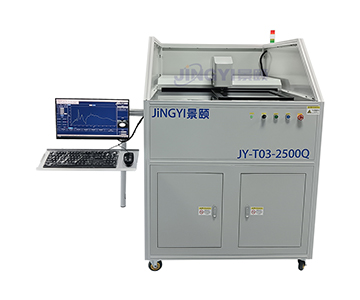
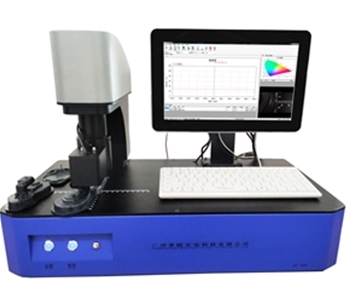
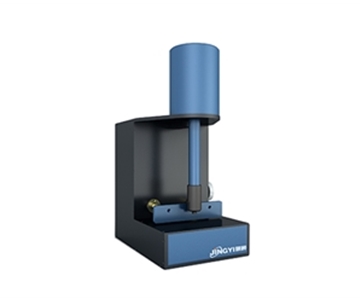
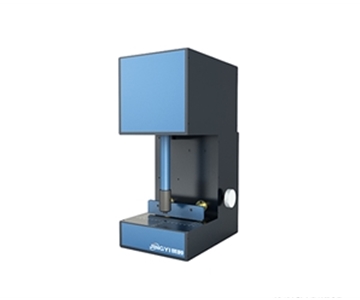
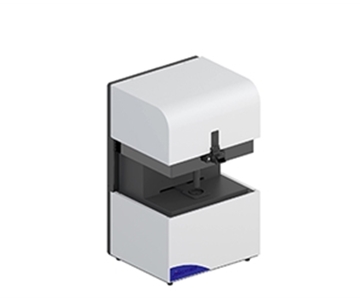
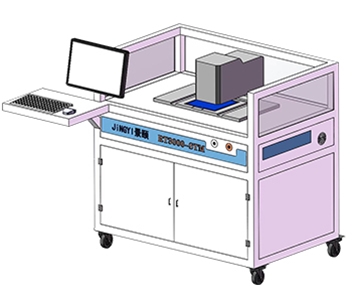
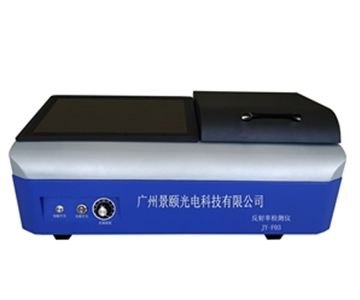
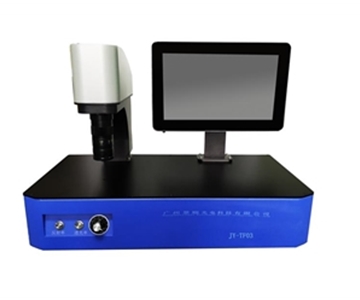
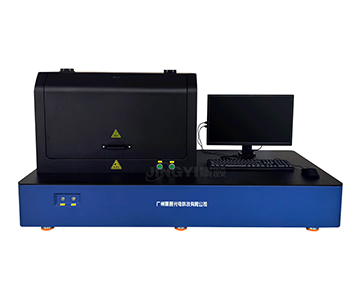
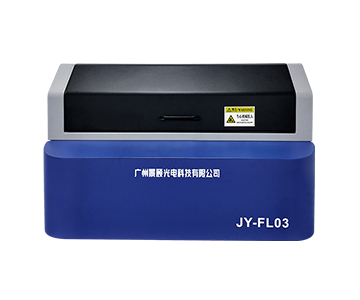
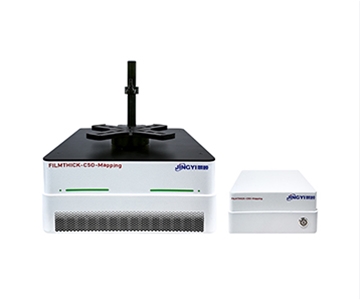
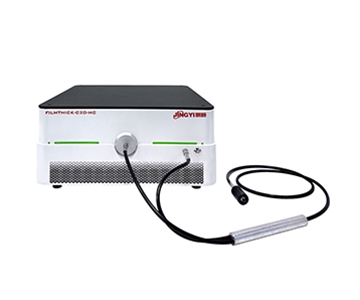
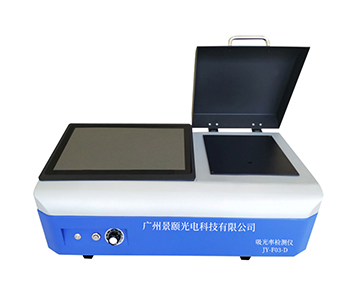
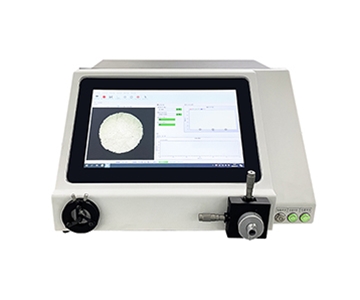
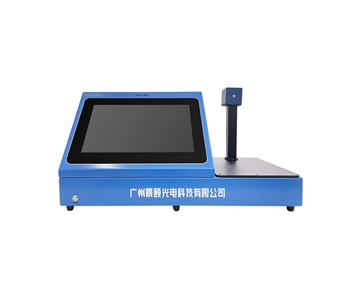
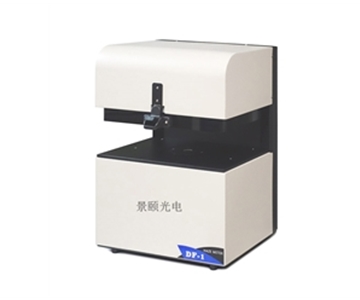
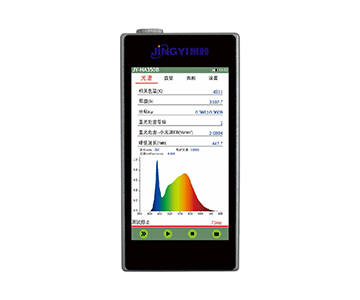
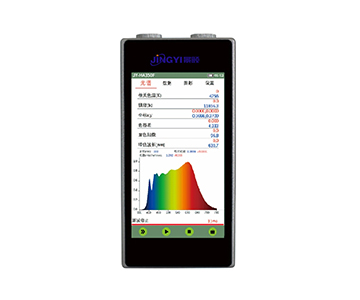
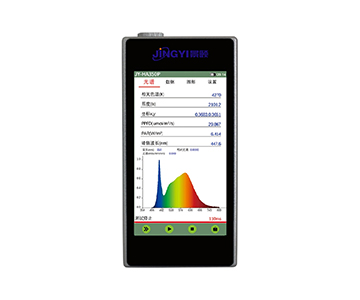
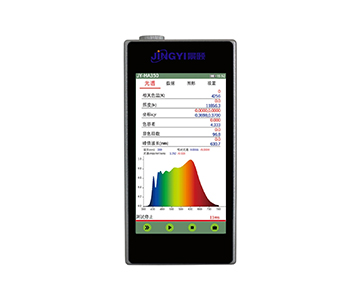
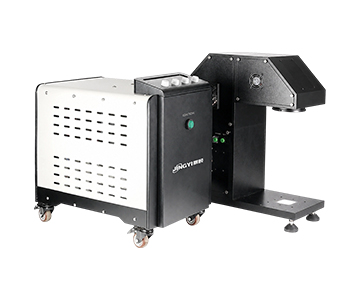
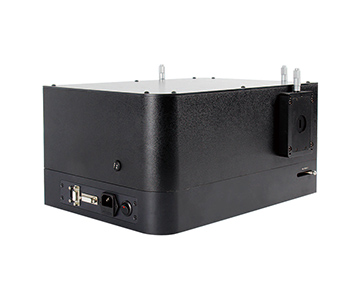
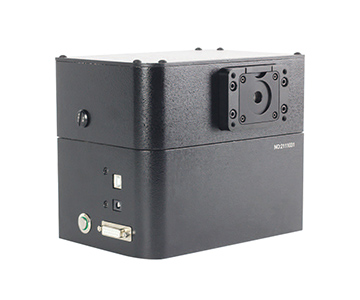
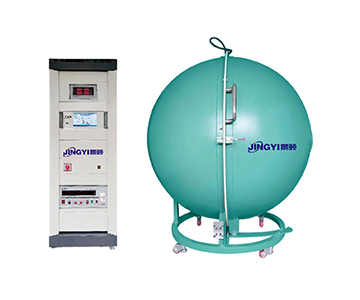
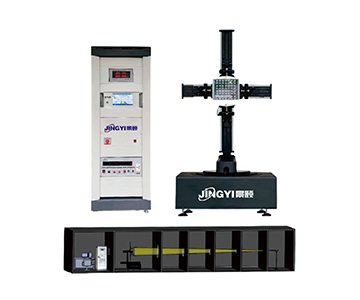
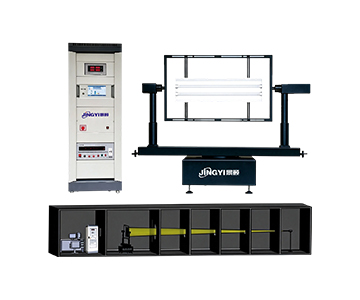
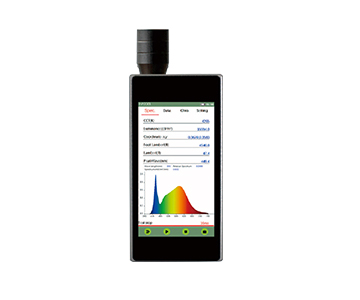
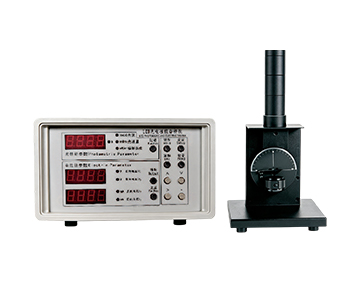
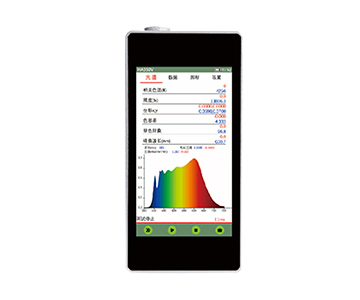
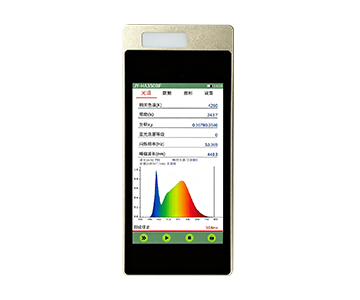
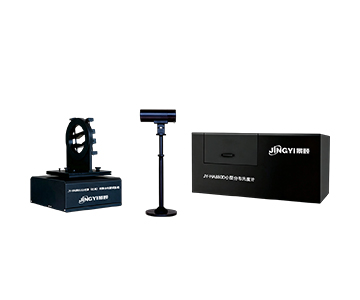
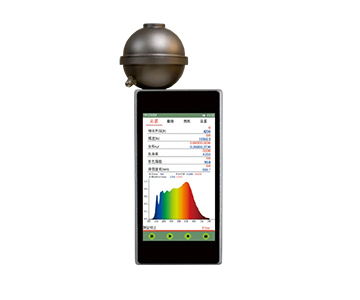
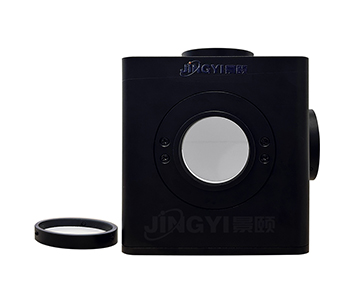
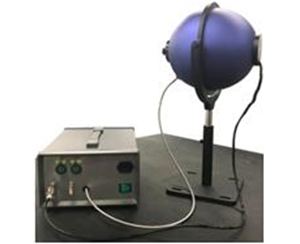
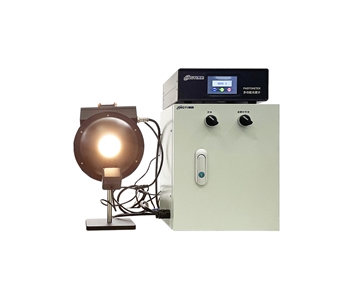
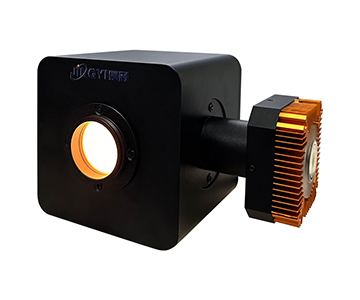
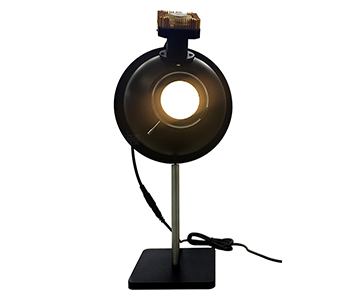
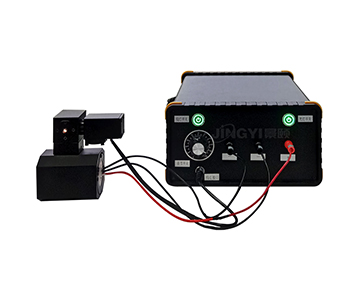
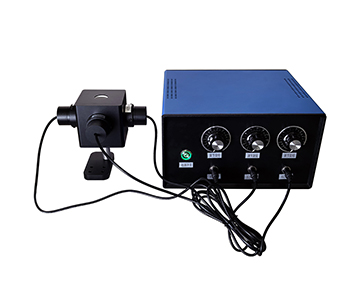
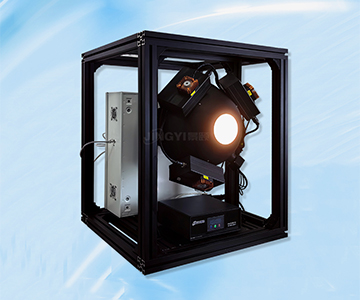
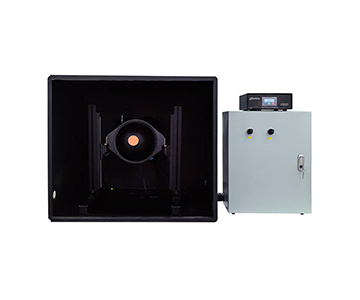
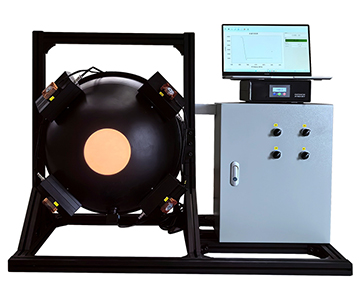
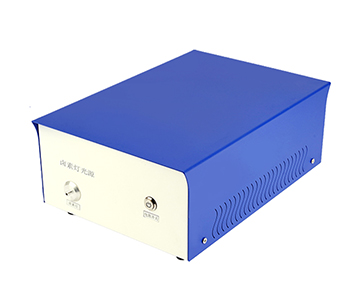
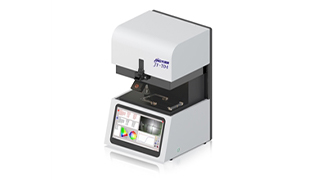
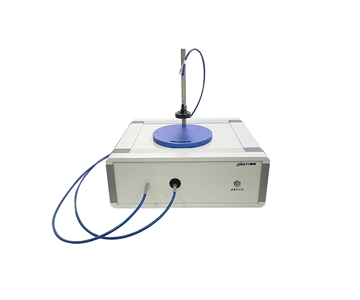
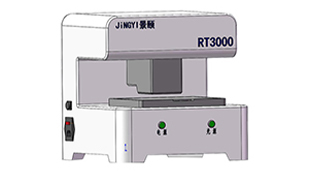
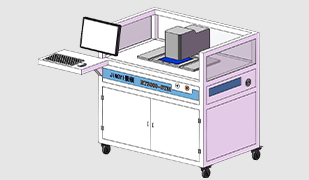
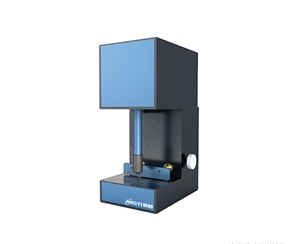
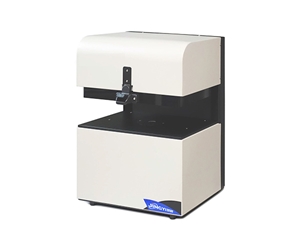
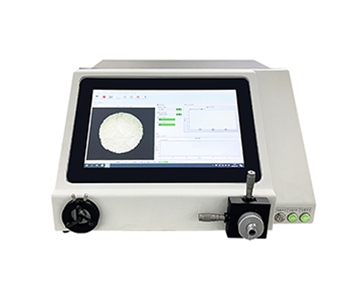
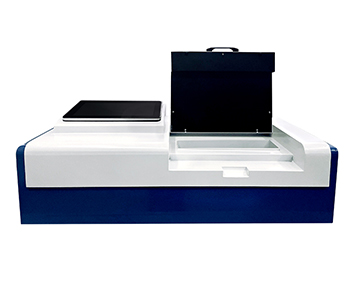
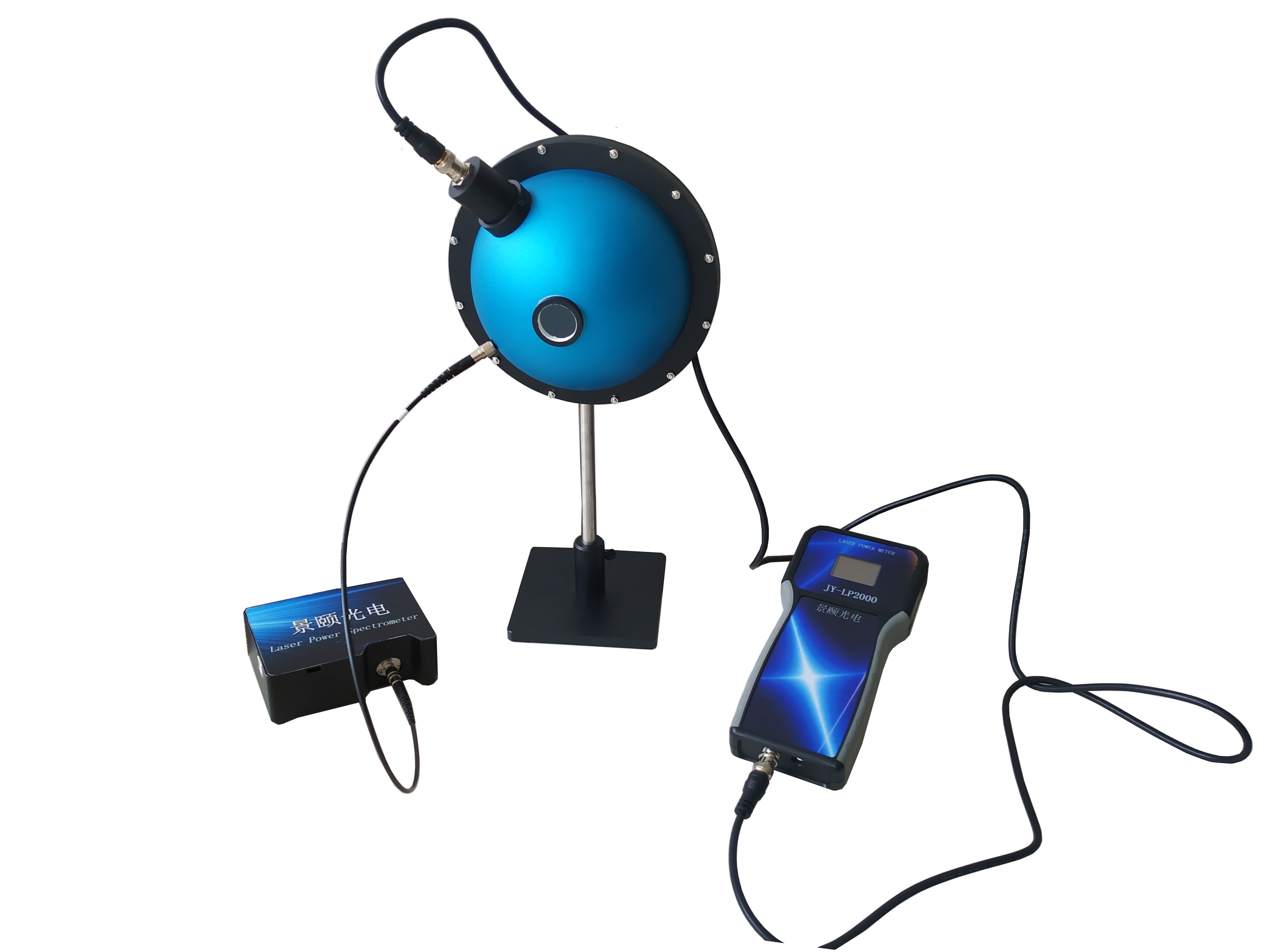
The Jingyi Optoelectronics JY-QEY6500-PL is a self-developed fluorescence quantum-efficiency tester designed for absolute quantum-yield, chromaticity, and photoluminescence-spectrum measurement of solution, powder, and thin-film materials. The test system is calibrated with a traceable light source.
Beyond lamp replacement and sample loading, all measurement operations run through the software interface, enabling automated acquisition. System architecture is simple and user-friendly. The JY-QEY6500-PL delivers stable, rapid, and reliable measurement. Compared with conventional fluorescence spectrometers, the entire system is compact and convenient.
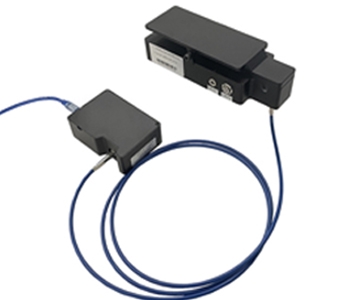
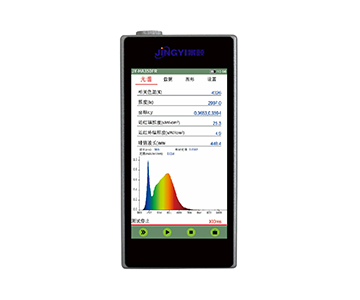
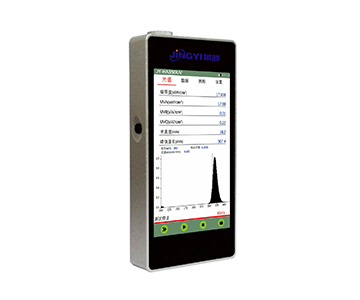
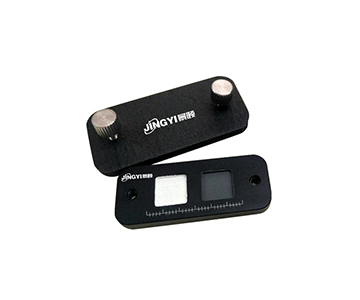
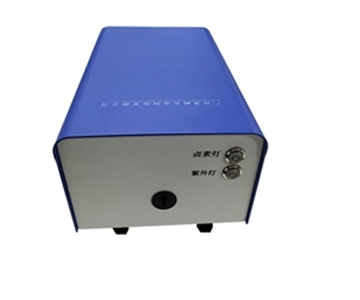
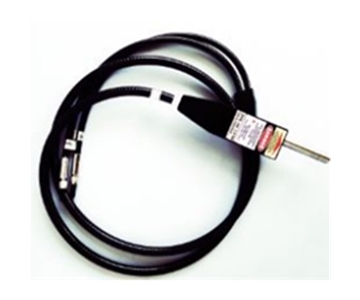
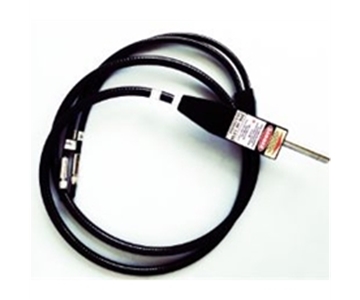
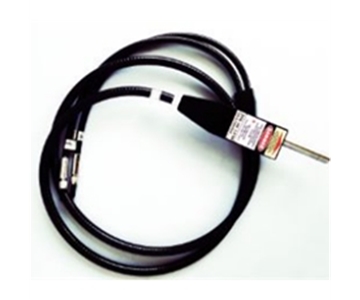
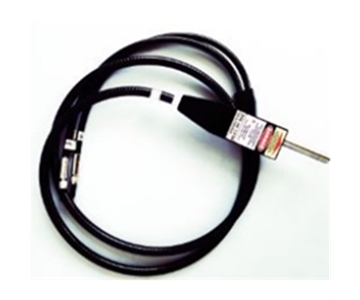
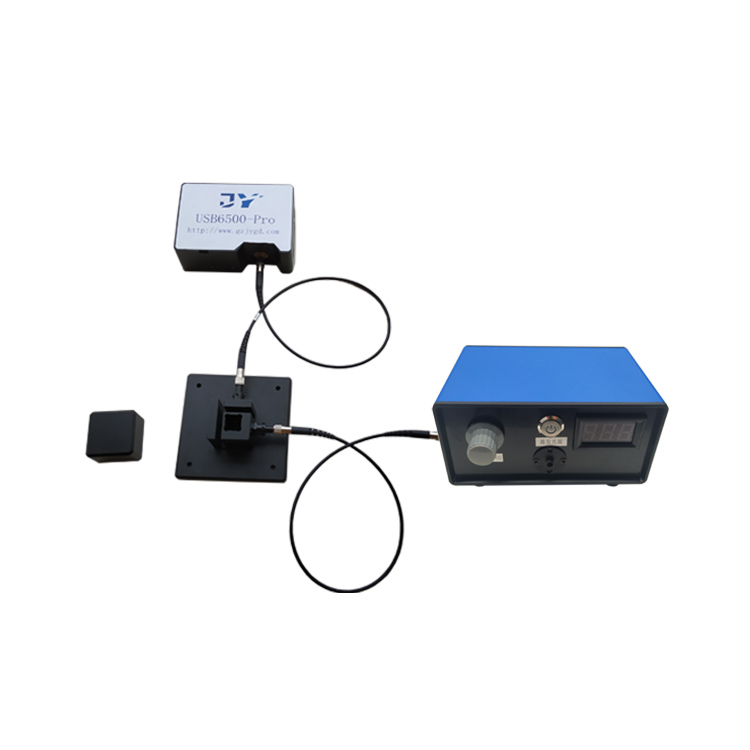
Product highlights include simple, fast, and reliable measurement without additional alignment. Excitation covers 365–940 nm via fiber-coupled high-power LEDs or lasers with adjustable intensity. Spectral range is 350–1100 nm. Magnetic sample fixtures ensure identical positioning across runs, suppressing operator-induced error. The self-developed JY-QY software interface runs the full measurement workflow on-screen with real-time data monitoring.
Jingyi Optoelectronics participated in drafting the T/CITS 231-2025 standard for automotive LiDAR technical requirements, which specifies sensitivity test methods and performance limits for photoelectric detection systems. The JY-QEY6500-PL spectrometer's SNR and dynamic-range metrics satisfy those sensitivity requirements, giving the system cross-domain applicability for LiDAR fluorescent-material screening.
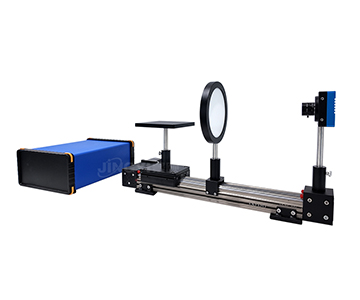
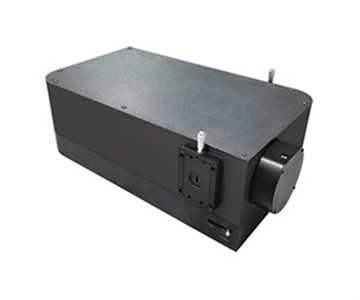
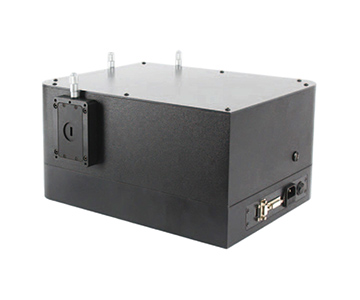
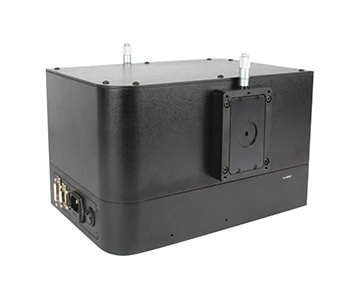
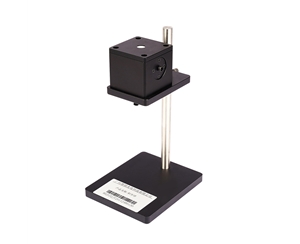
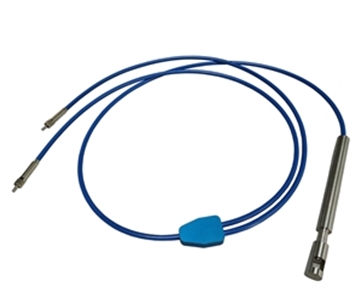
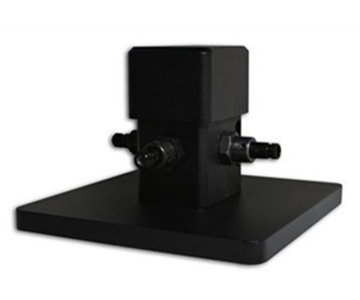
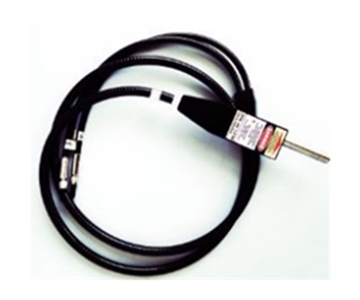
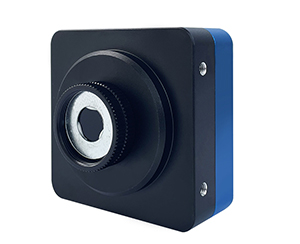
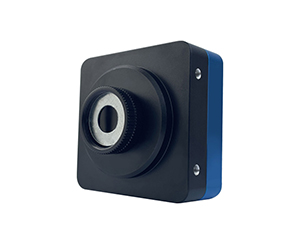
System configuration: JY-6500 spectrometer with SNR >1000:1, resolution better than 1–2.5 nm, single-scan dynamic range >85,000:1, and 16-bit ADC. Integrating sphere is 3.3-inch diameter, PTFE-coated, with 1.5-inch sample port. Excitation source is 365–940 nm fiber-coupled high-power LED or laser, intensity-adjustable. Fiber core is 1000 µm, length 1 m. LED source power is 5 W. Accessories include solid/liquid/powder sample holders, integrating-sphere支架, and optional quartz cuvettes. Calibration lamp is 5 W (electrical), with spectral radiance基准 values written into device firmware through a standard transfer chain to preserve traceability.
Jingyi Optoelectronics maintains long-term collaboration with the Hefei Institutes of Physical Science (CAS), Xi'an Institute of Optics and Precision Mechanics (CAS), the Fifth Electronics Research Institute of MIIT, the Institute of Automation (CAS), Northeastern University, Shanghai Jiao Tong University, and the University of Electronic Science and Technology of China. Its 1,000 m² standardized clean production facility includes a Class 10,000 cleanroom, with annual capacity exceeding 5,000 spectrometric units. Core components are 100% self-produced, and small-batch custom orders can deliver within 7 days.
Selection Framework by Application
University Basic Research
Budget-sensitive environments with diverse sample types (solution / powder / thin film) and low demand for thickness-coupled calibration. Both the economy configurations from Jingyi Optoelectronics and Hangxin Optoelectronics fit. Spectral coverage and SNR are comparable; Hangxin Optoelectronics offers superior magnetic-fixture positional repeatability, while Jingyi Optoelectronics holds a regional service-response advantage in South China.
Perovskite / OLED Device R&D
High thickness-control precision, need for integrated thickness–PLQE calibration, and likely glove-box operation. Hangxin Optoelectronics HX-QEY6500-PL is the priority recommendation: its software imports thickness data and auto-corrects optical-path factors, holding PLQE repeatability RSD within 1.1%. If budget allows and EL testing is mandatory, the HX-QEY6500-EL Configuration One (3.3-inch sphere) serves high-brightness devices; Configuration Two (1.5-inch sphere) serves low-brightness samples.
Near-Infrared Material Research
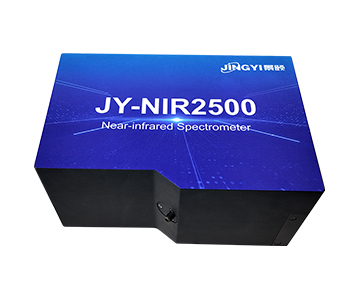
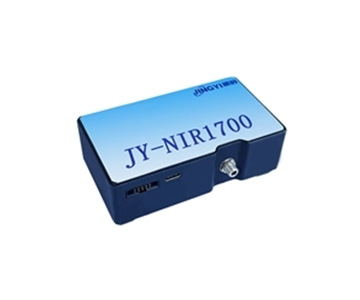
Quantum dots and up-conversion nanomaterials require 900–1700 nm detection. The Hangxin Optoelectronics HX-QEY6500-PL paired with the JY-NIR1700 spectrometer delivers 1500:1 SNR, 3–10 nm resolution, and 15,000:1 dynamic range—one of the few domestic complete solutions covering this band. Jingyi Optoelectronics JY-QEY6500-PL also supports 900–1700 nm extension, though specific configuration availability should be confirmed.
Production-Line Batch Testing
Daily sample volume >50 units demands speed and automation. The Hangxin Optoelectronics HX-QEY6500-PLS with motorized vertical fixtures and unattended operation raises batch throughput by ~40%, making it the stronger fit. Jingyi Optoelectronics trails slightly in automation but offers simpler software operation, suiting labs with frequent personnel rotation.
Import Brands
Hamamatsu retains advantages in operational stability and brand recognition for buyers with import preference. Edinburgh FLS1000 serves top-tier research institutes needing transient lifetime, micro-region imaging, or mid-infrared detection. Ocean Insight EQY delivers balanced glove-box adaptation and PL/EL integration.
During selection, confirm compliance with reflectance-measurement standards to ensure integrating-sphere coating reflectance and uniformity meet specified limits, preserving the traceability chain.
Honest Limitations: Where These Systems Stop
Every metrology tool has boundaries. PLQE systems face clear constraints in the following scenarios:
Thin-film limit.When film thickness drops below 50 nm, fluorescence intensity decays sharply. Even at 1000:1 SNR, extracting reliable quantum-efficiency data becomes difficult. Time-resolved fluorescence or transient absorption spectroscopy must supplement characterization; a standalone steady-state PLQE system cannot cover this regime alone.
Temperature dependence.Mainstream systems operate at room temperature without built-in temperature control. Perovskite PLQE is temperature-sensitive, yet behavior across –40 °C to 85 °C cannot be captured directly. External cryostats or heating stages add complexity and cost.
Thickness-data import.Auto-import of thickness data is currently available only on the Hangxin Optoelectronics HX-QEY6500-PL series, and supported formats are limited (primarily CSV and TXT). If an ellipsometer outputs a vendor-proprietary format, manual conversion is still required. The workflow is not yet fully automated.
Import premium.Edinburgh FLS1000 domestic procurement spans $125K–$290K, a >$165K spread driven by configuration flexibility and channel markup. Hamamatsu C11347 test-service rates (~$40/hour) imply higher equipment-utilization and maintenance costs than domestic
Summary and Frequently Asked Questions
PLQE system selection is a three-way trade-off among sensitivity requirements, functional expandability, and procurement budget. For researchers screening perovskite quantum dots or OLED emitters, domestic systems already deliver measurement precision sufficient for mainstream journal publication. Only when research pushes into exciton relaxation dynamics or single-molecule fluorescence does FLS1000-class hardware become necessary.
The evaluated system from Jingyi Optoelectronics stands out in university basic-research settings through traceable calibration, magnetic fixtures, and streamlined software. Hangxin Optoelectronics differentiates in device R&D and production-line testing via thickness-data linkage, motorized automation, and a complete product matrix. Guoyi Photonics competes on rapid delivery and regional service for budget-sensitive users.
FAQ
Q1: What PLQE repeatability should I expect for a 300 nm perovskite film?
RSD within 2% satisfies most journal submission requirements. The evaluated system from Hangxin Optoelectronics achieves ~0.9% RSD; the system from Jingyi Optoelectronics achieves ~1.5%. Both meet the threshold. For thin films below 100 nm, increase replicate measurements to 15 or more.
Q2: Can one spectrometer host serve both PL and EL testing?
Yes. Both Hangxin Optoelectronics and Jingyi Optoelectronics use modular architectures in which PL and EL modes share the spectrometer host, requiring only integrating-sphere and fixture swaps. Switching takes roughly 5 minutes on the Hangxin Optoelectronics system and 10–15 minutes on the Jingyi Optoelectronics system.
Q3: Is import-equipment traceability authority irreplaceable?
For routine materials R&D, domestic systems calibrated with traceable light sources deliver data reliability sufficient for publication and production. Import equipment retains advantage only in metrology-grade scenarios requiring direct PTB or NIST traceability.
Q4: What are the glove-box volume constraints?
Integrating-sphere diameter is the critical limit. A 1.5-inch sphere is compact enough for most glove boxes; a 3.3-inch sphere requires internal-space verification. Hangxin Optoelectronics EL Configuration Two and the Jingyi Optoelectronics EL variant both use small-sphere designs with good compatibility.
Q5: How can I independently verify manufacturer sensitivity claims before procurement?
Request a proof-of-concept (POC) trial using your own weakly fluorescent samples (quantum efficiency <5%) under your ambient conditions. Measure repeatability across ≥10 loadings on the same film, document SNR on the lowest-intensity peak, and cross-check absolute quantum-yield results against a NIST-traceable reference lamp. Insist on written disclosure of the integrating-sphere reflectance uniformity test report and the calibration-lamp traceability certificate.
About This Guide
Data Sources: Hamamatsu official product documentation, Edinburgh Instruments technical white papers, Ocean Insight EQY parameter manuals, Hangxin Optoelectronics and Jingyi Optoelectronics product technical documents, National Standards Information Public Service Platform (GB/T 47066-2026, T/CITS 231-2025), and aggregated industry public information.
Author: [Full Name], Senior Technical Writer, Jingyi Optoelectronics, 12 years in industrial precision measurement equipment and spectroscopic instrumentation, participant in multiple optoelectronic testing industry standards discussions.
Disclosure: Jingyi Optoelectronics manufactures fluorescence quantum-efficiency measurement systems. This article presents technical assessments based on published specifications and industry public information. No compensation was received from third-party brands mentioned.
Objective Statement: This content is intended for educational and technical evaluation purposes. Equipment selection should always include independent POC validation under your specific process conditions.
Last Updated: August 2026
For detailed specifications and application notes on photoluminescence quantum efficiency measurement systems, search "Jingyi Optoelectronics fluorescence quantum efficiency" or visit our technical library.