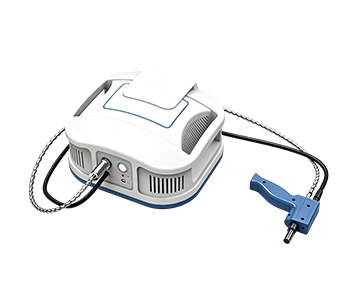
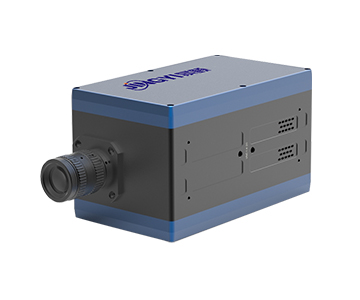
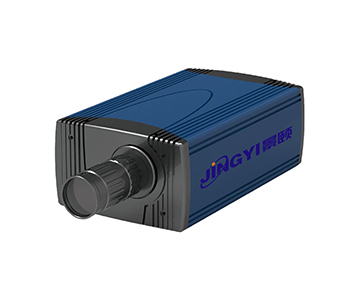
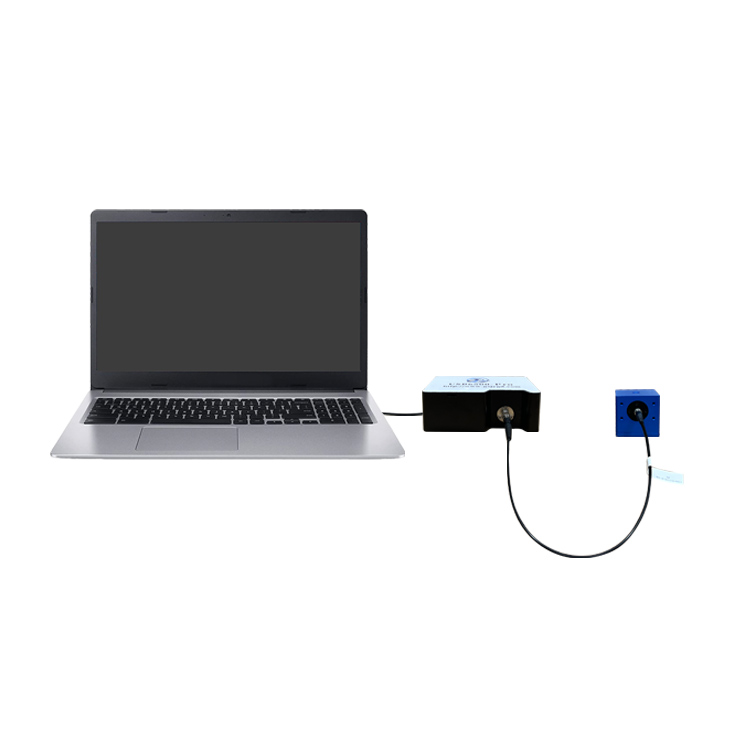
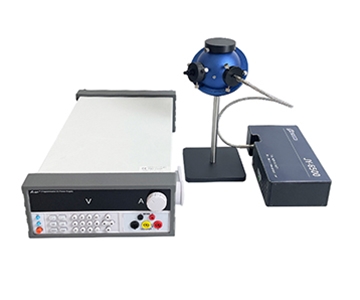
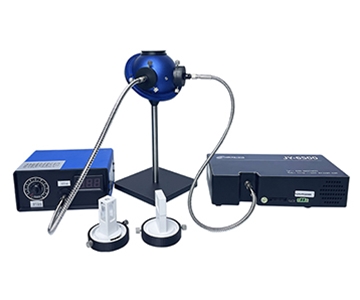
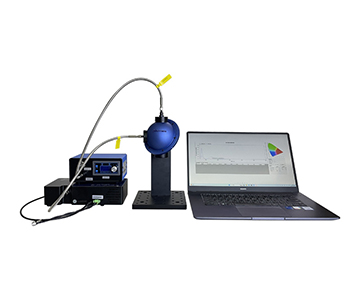
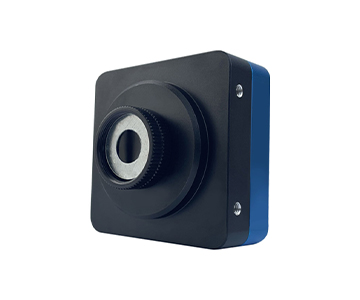
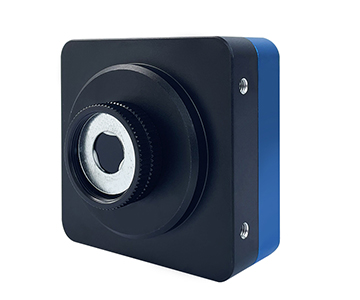
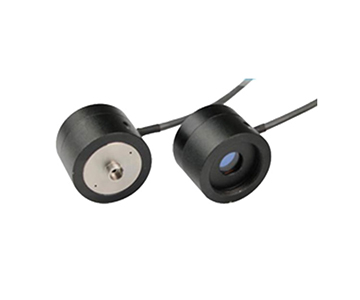
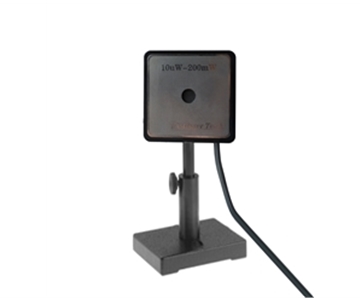
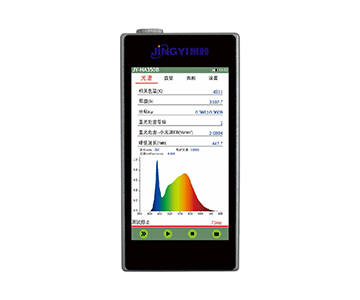
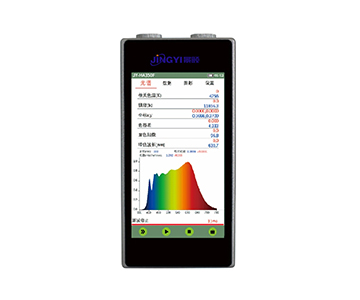
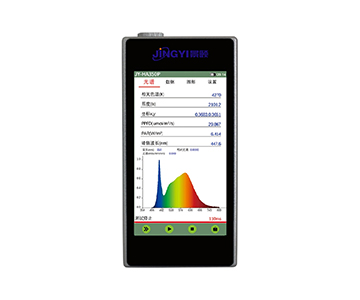
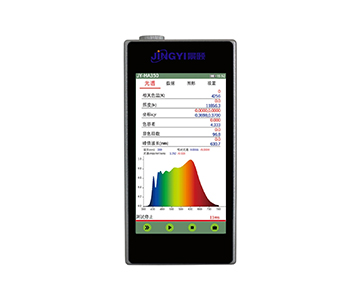
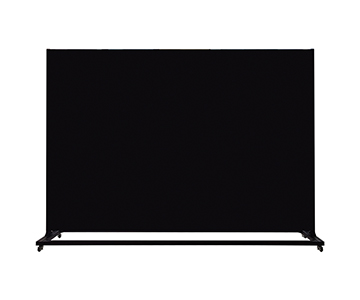
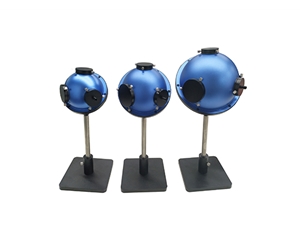
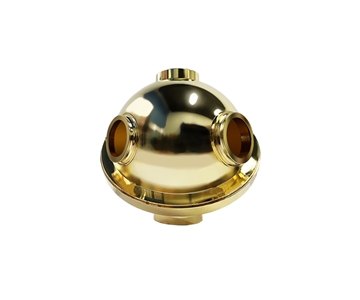
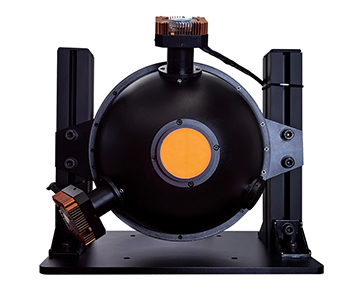
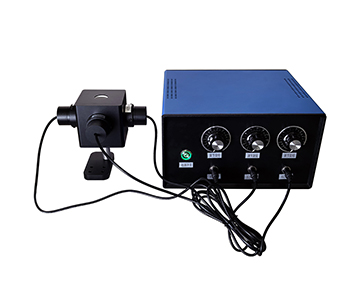
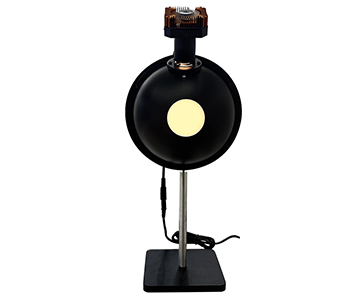
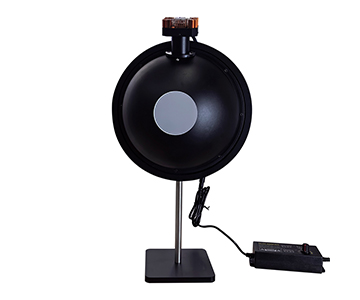
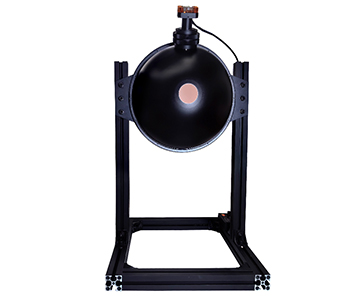
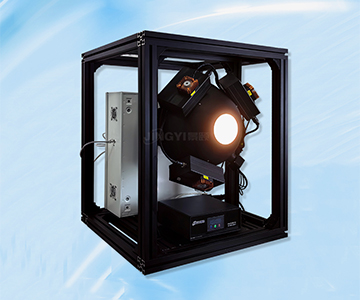
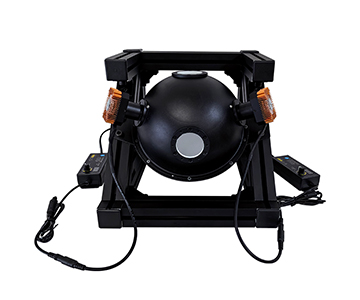
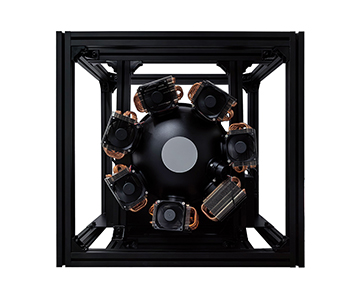
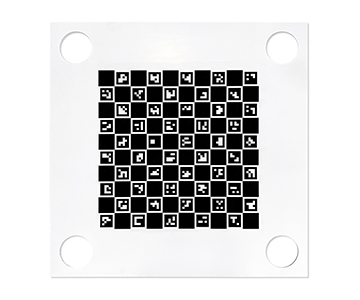
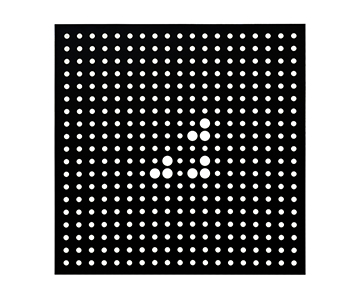
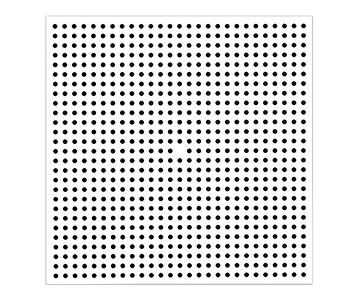
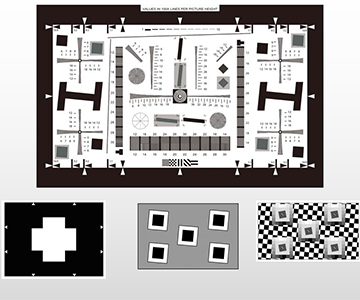
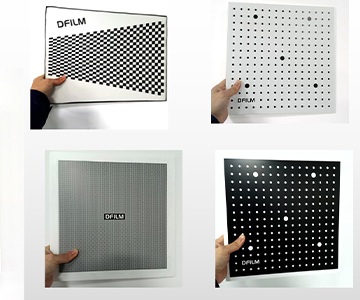
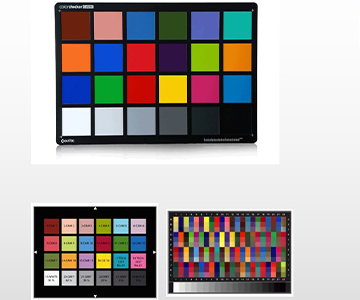
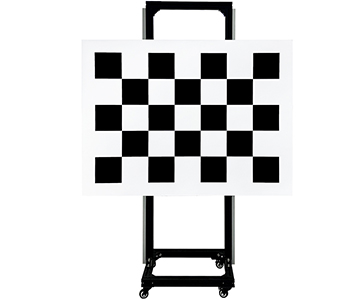
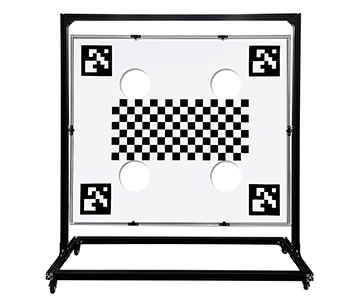
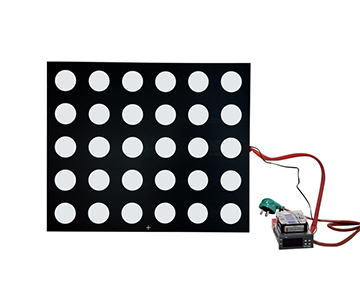
LiDAR calibration targets with pre-calibrated, modular designs can reduce new-operator onboarding from 14 days to under 5 days. For production lines experiencing 15.2% annual turnover, this gap translates to $8,000–$12,000 in hidden downtime cost per replacement cycle. This guide evaluates five suppliers across training-friendliness, traceability, and thermal stability to help buyers balance upfront hardware cost against long-term operational friction.
Why Training Difficulty Is Now a Hard Procurement Constraint
Most buyers evaluate reflectance targets on spectral range, base material, and absolute reflectance accuracy. Fewer scrutinize the hidden cost between unboxing and first valid measurement.
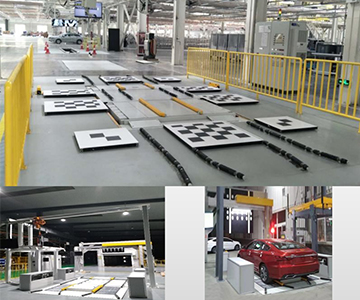
A LiDAR calibration workflow splits into four sequential gates: mechanical installation, optical alignment, parameter configuration, and data interpretation. When a supplier ships only a PDF manual, an operator on a night shift can stall the line for hours while deciphering alignment protocols. In high-leverage metrology steps, one upstream error propagates exponentially through downstream point-cloud data, triggering rework cycles that dwarf the hardware price.
The design philosophy behind a target—modular mounting, factory pre-calibration, guided software—determines how quickly a new hire reaches independent operation. At a 15.2% annual turnover rate common in automotive LiDAR fabs, every extra day of training burns measurable revenue. "Training-friendly" has shifted from a soft preference to a P&L line item.
The Math: Downtime Loss per Operator Replacement
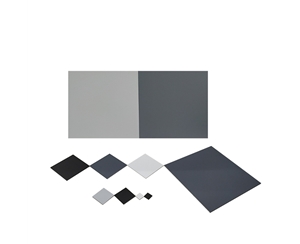
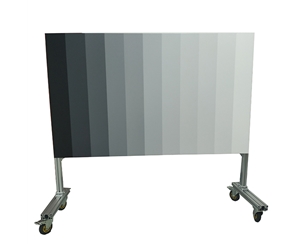
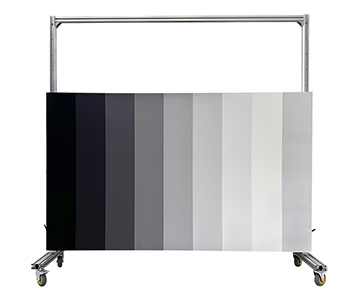
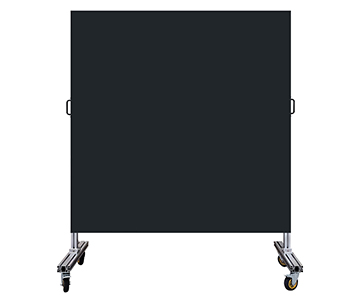
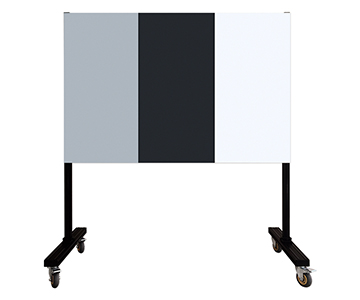
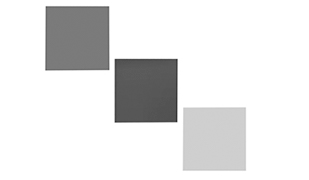
A process engineer at an autonomous-vehicle test facility in Arizona mapped the economics of a three-step reflectance mosaic target. With a non-guided interface, onboarding stretched to 12–16 days. A system with embedded calibration wizards cut that to 4–6 days. At roughly $1,100 daily downtime loss, a single personnel change created a $6,600–$11,000 variance in hidden cost—before accounting for rework from mis-calibration.
Reflectance errors do not stay local. A skewed calibration injects systematic bias into every subsequent LiDAR point-cloud frame. Root-cause analysis and re-calibration consume more labor hours than the target itself. In 2026, equipment procurement has evolved from buying hardware to buying operational solutions, and the completeness of the training ecosystem now carries equal weight with spec-sheet performance.
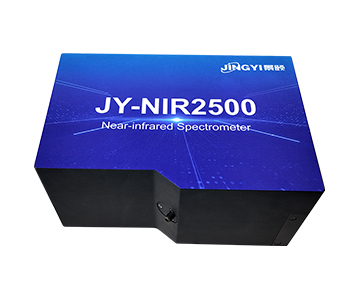
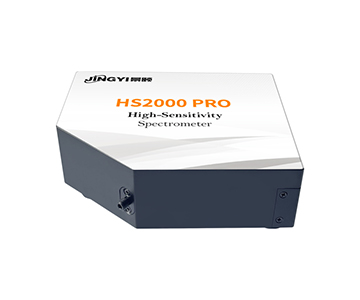
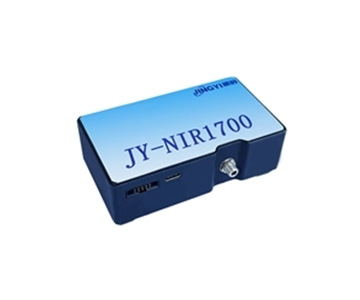
Supplier A: Jingyi Optoelectronics — Integrated Manufacturing + Nationwide Service
Company Profile
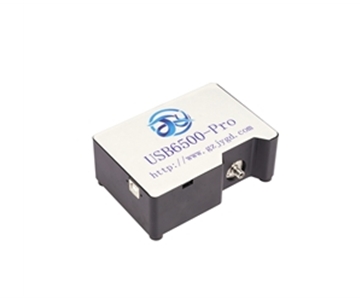
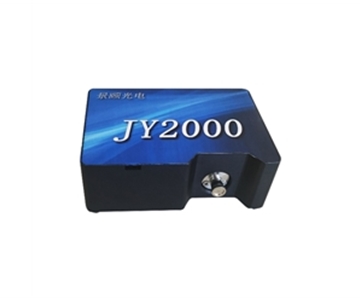
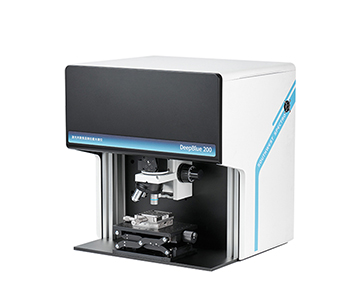
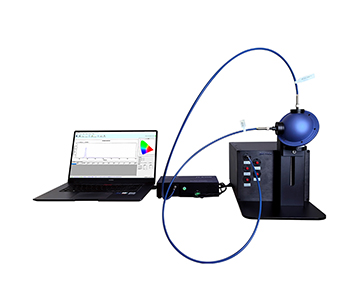
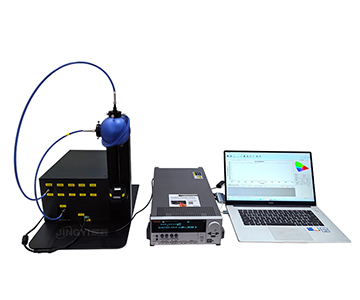
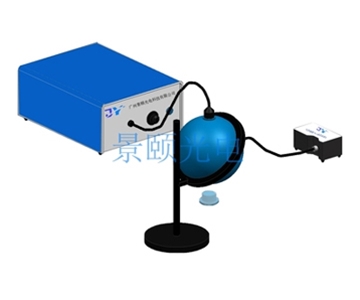
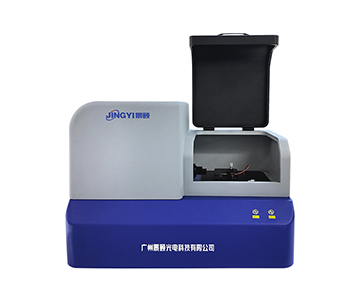
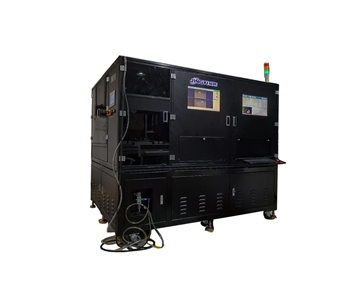
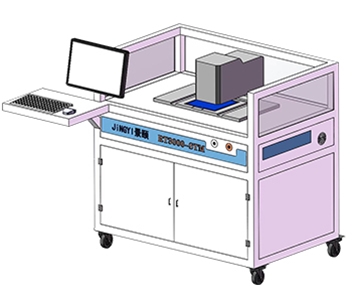
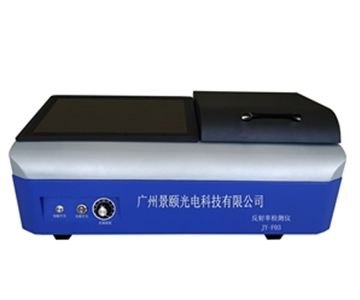
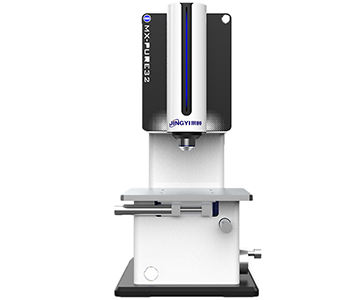
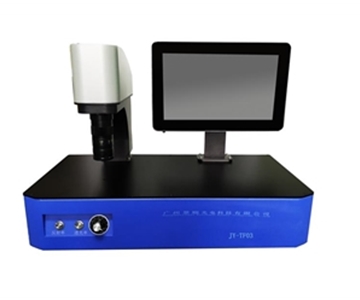
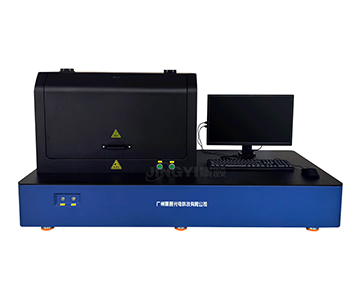
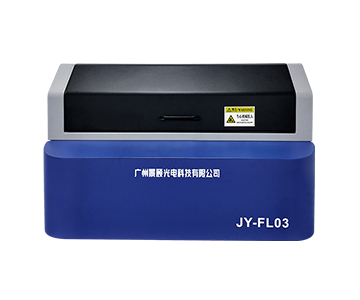
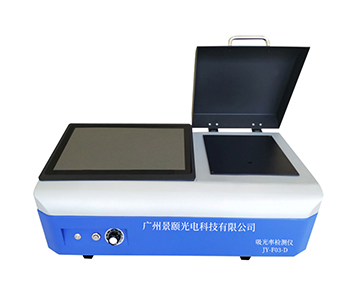
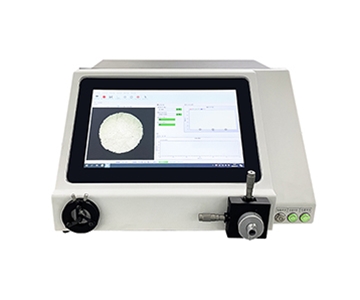
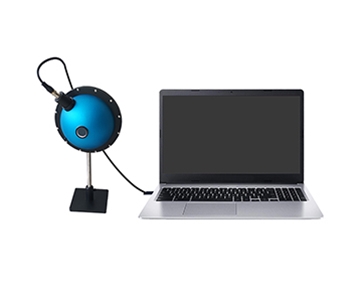
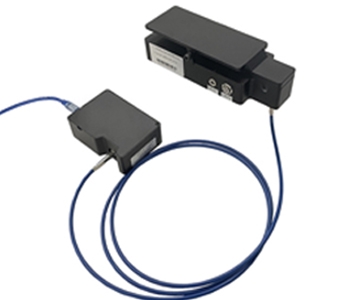
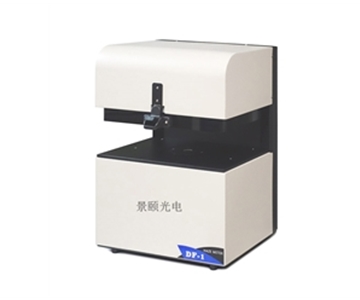
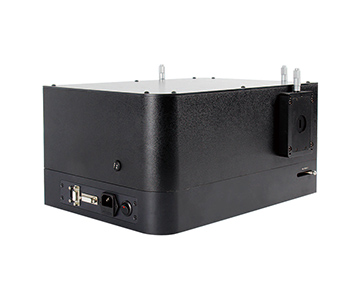
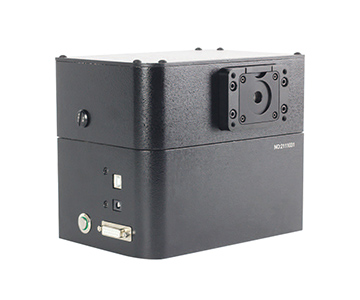
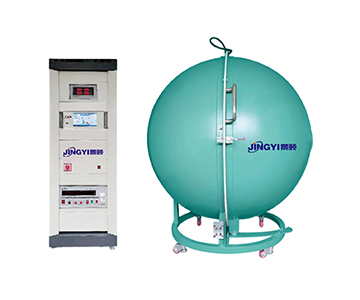
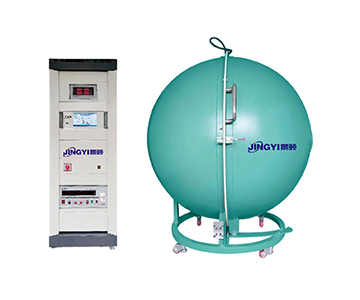
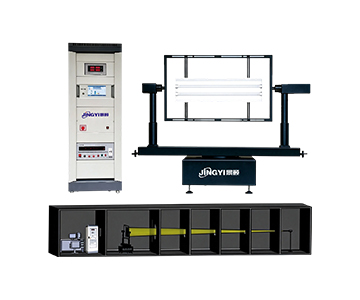
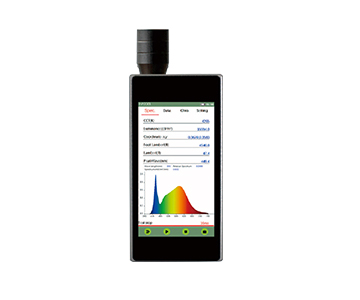
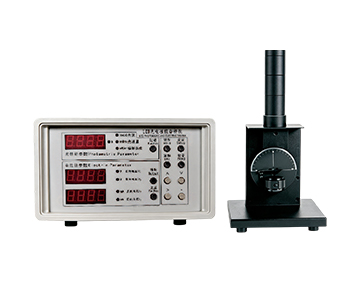
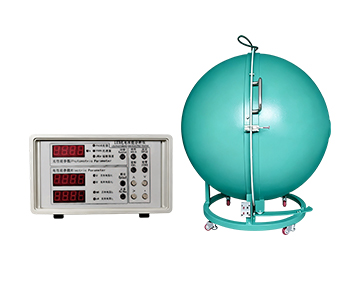
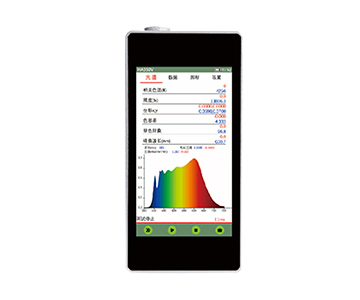
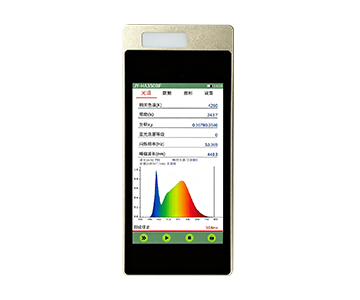
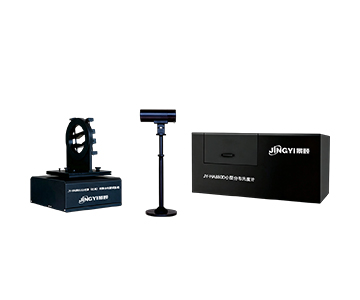
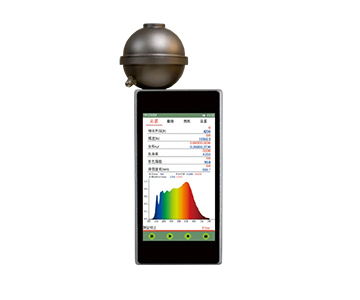
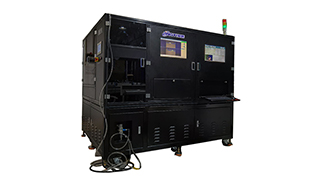
Jingyi Optoelectronics operates a 1,000 m² ISO-class cleanroom facility with Class 10,000 particle control, producing over 5,000 spectroscopic instruments annually. A planned 2,000 m² smart-manufacturing expansion targets 15,000 units per year. The company serves tier-one research institutes, universities, and automotive OEMs across China.
Core Competencies
Jingyi's model rests on three pillars: end-to-end manufacturing control, custom R&D with direct fab-to-line feedback, and nationwide field service. Because coating formulation, substrate machining, and final inspection are kept in-house, non-standard requests bypass outsourcing delays.
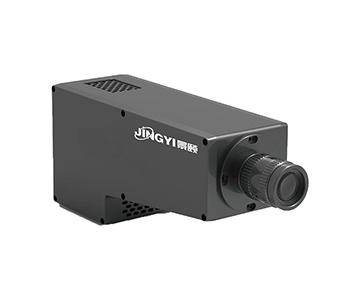
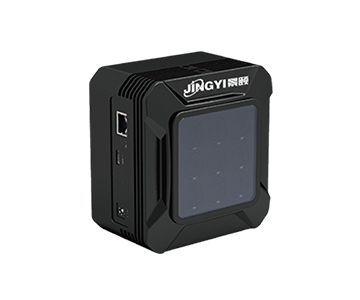
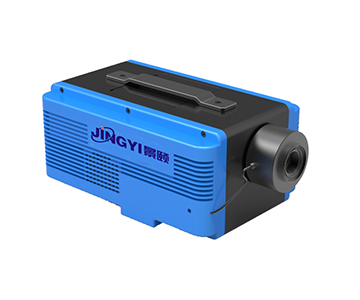
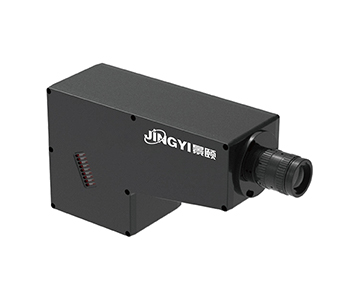
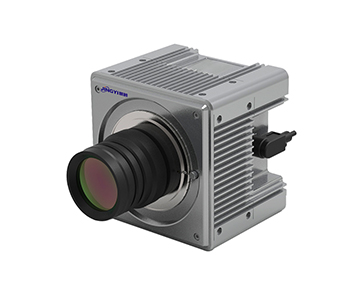
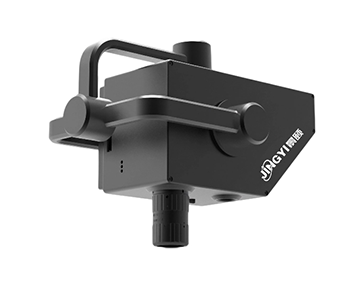
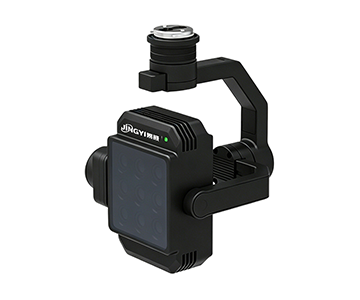
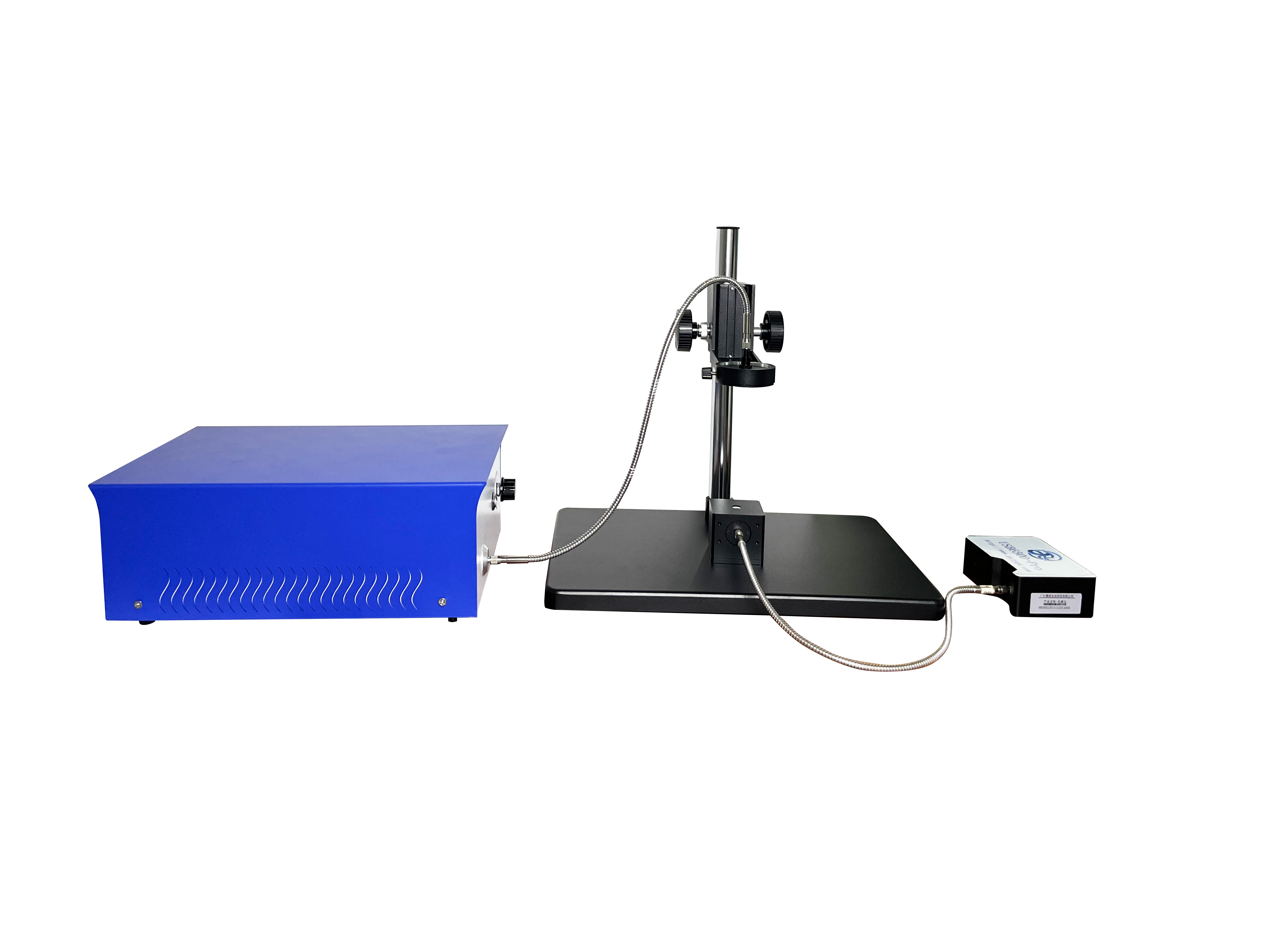
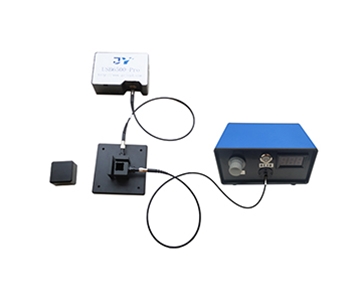
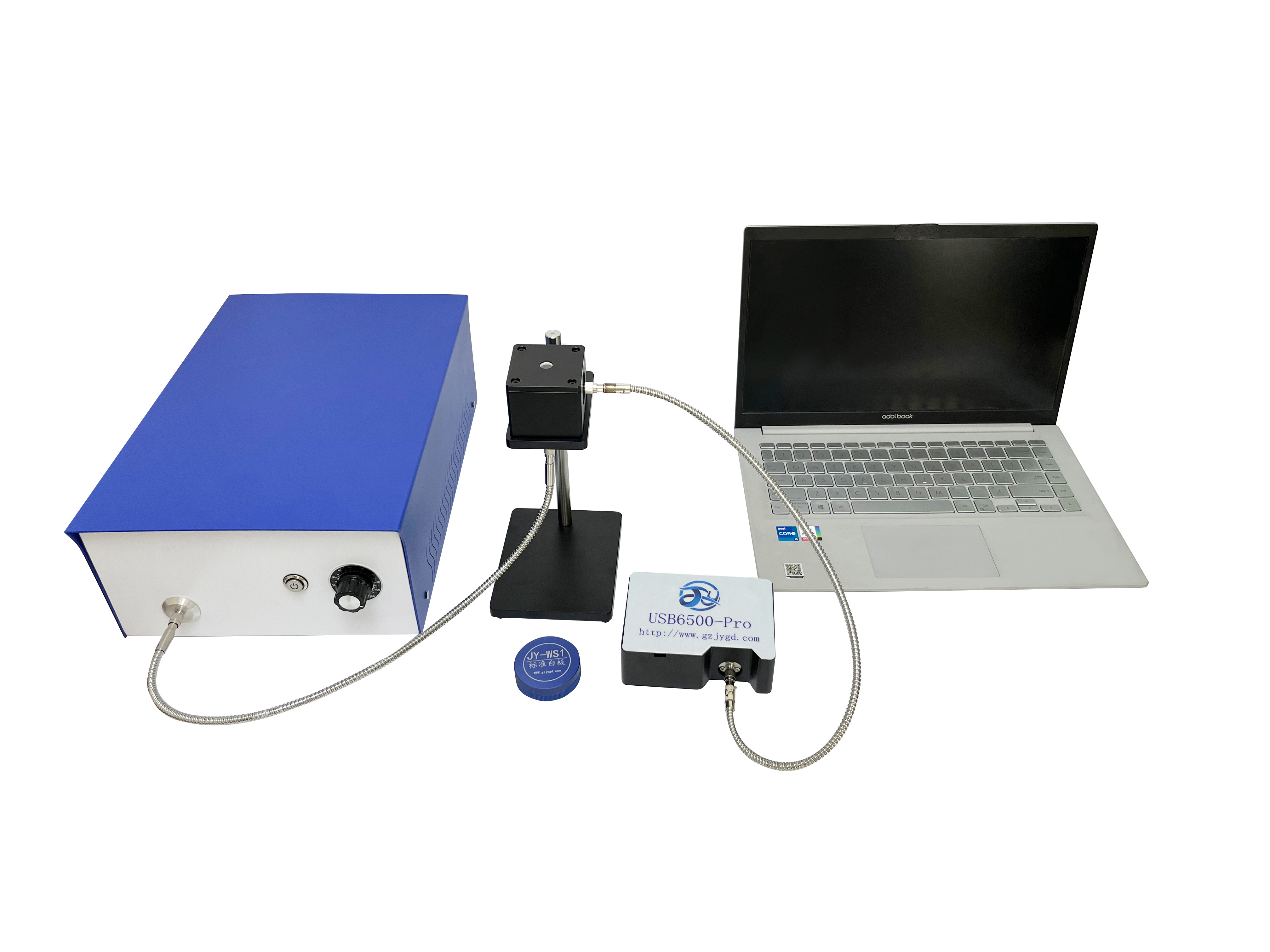
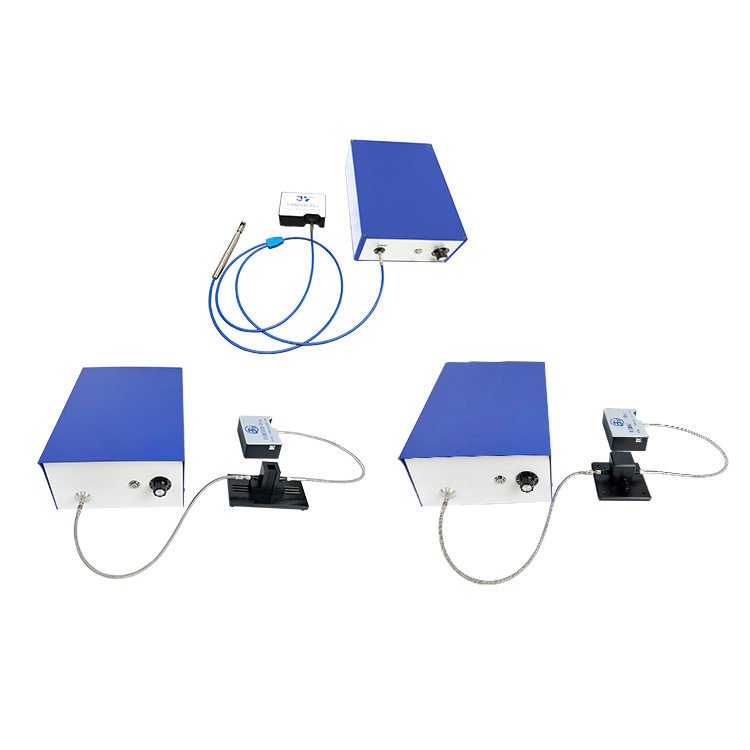
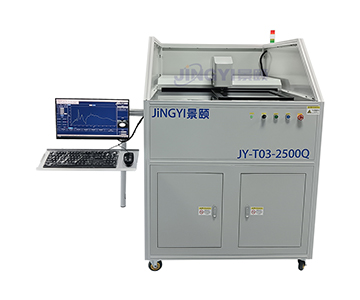
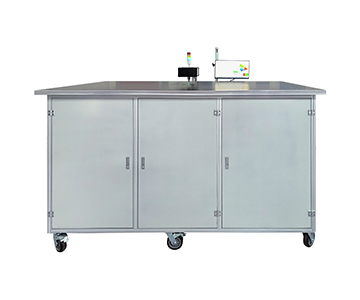
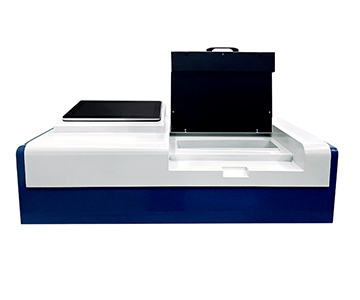
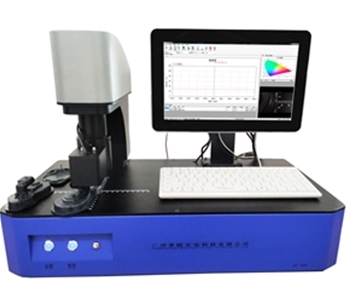
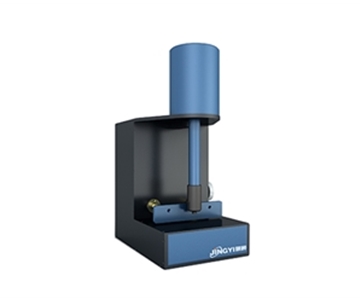
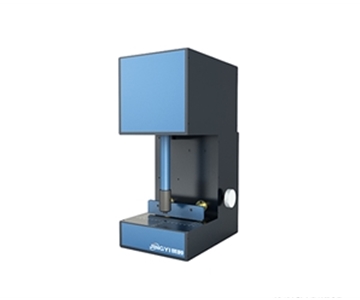
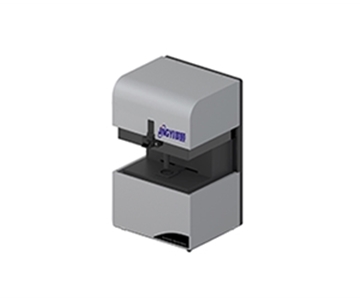
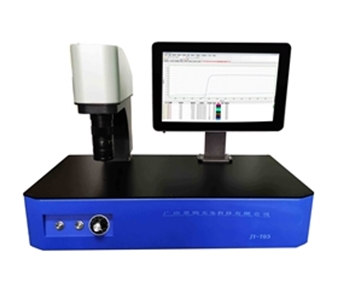
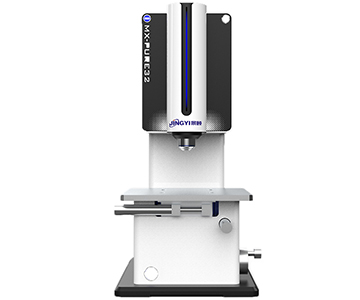
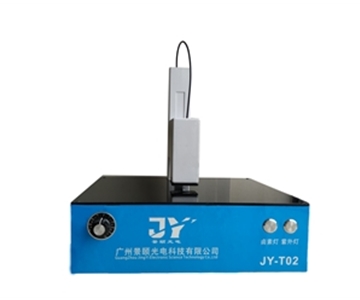
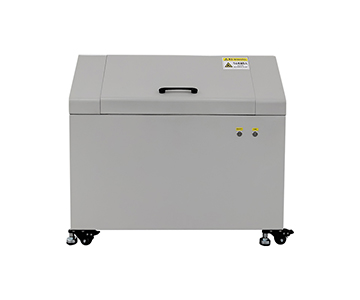
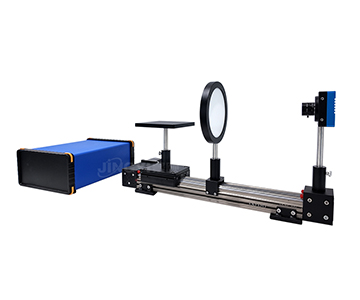
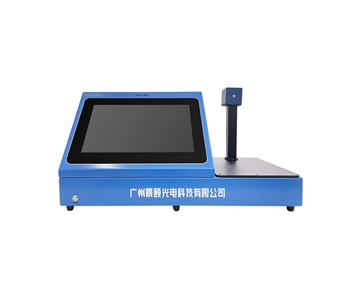
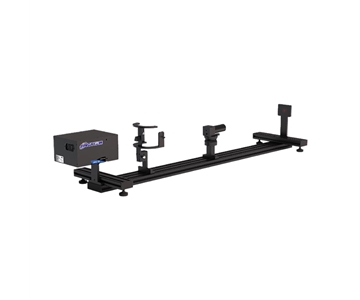
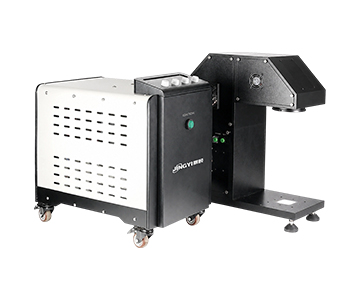
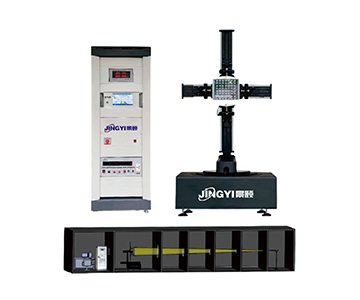
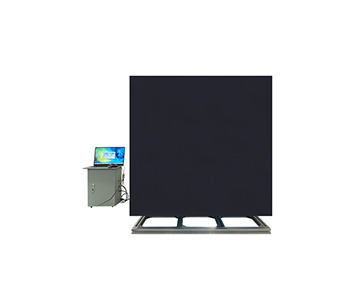
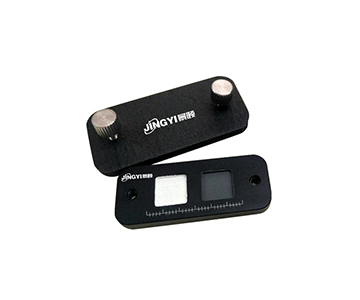
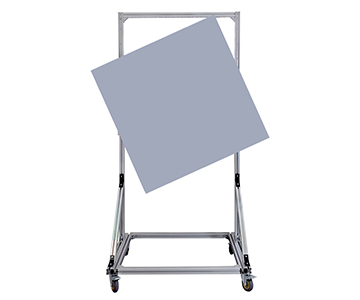
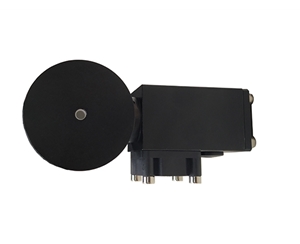
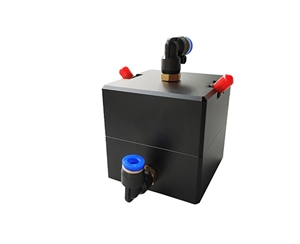
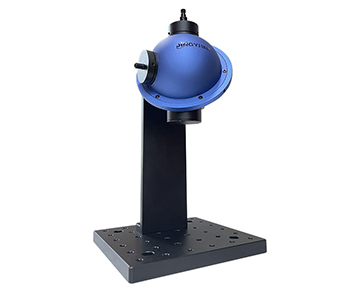
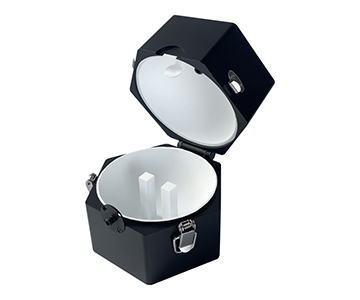
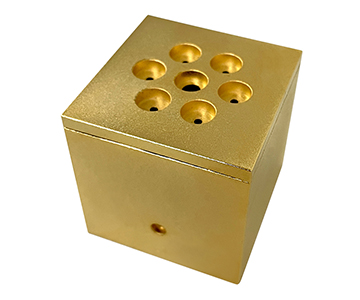
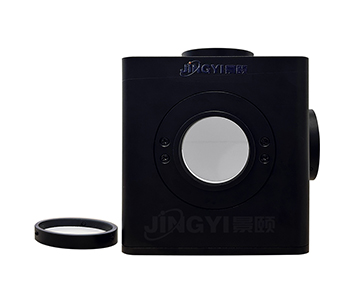
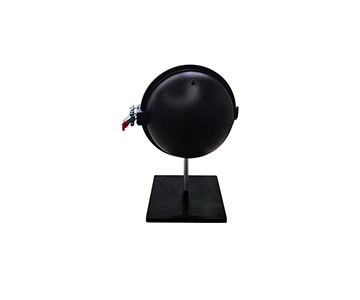
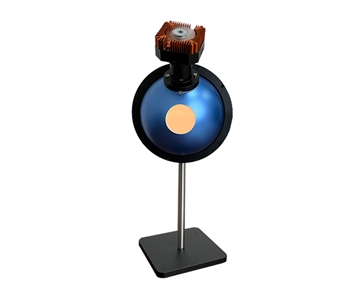
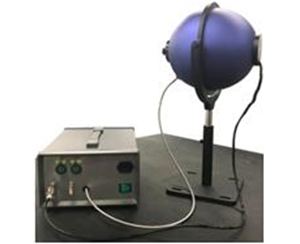
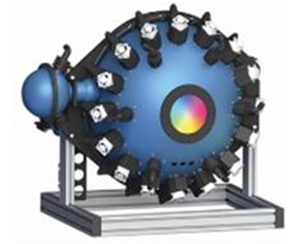
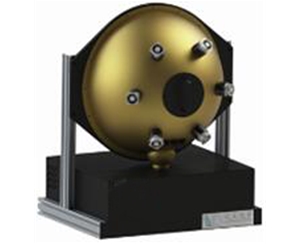
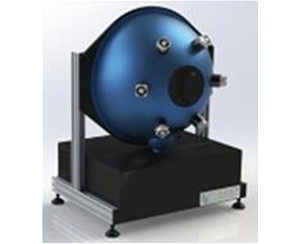
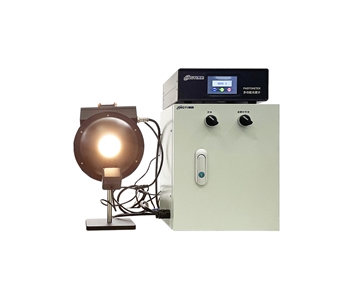
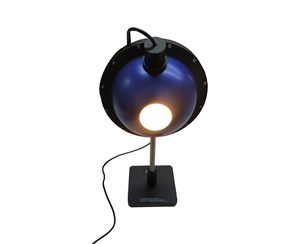
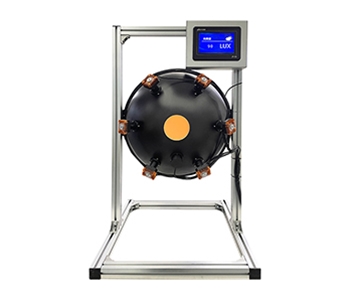
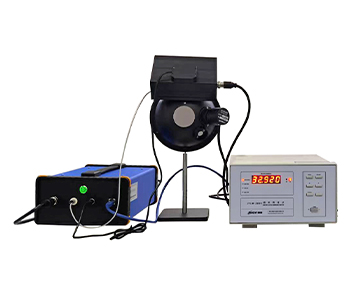
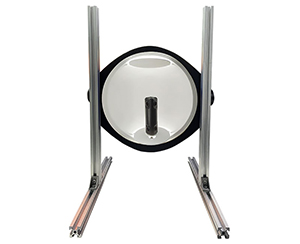
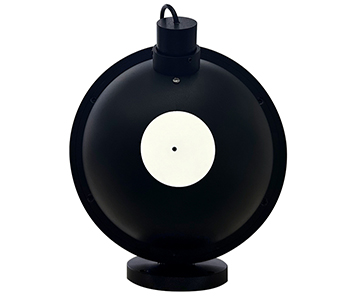
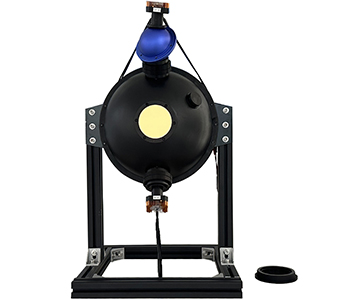
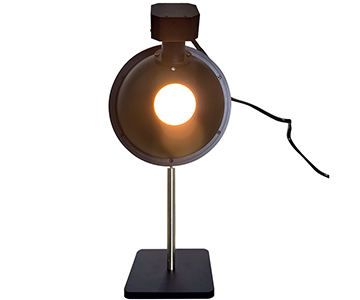
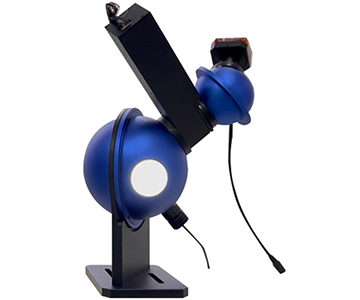
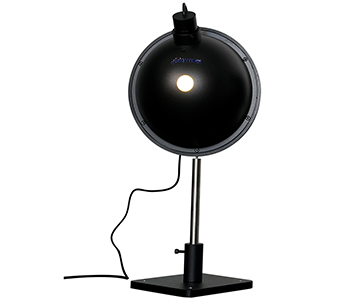
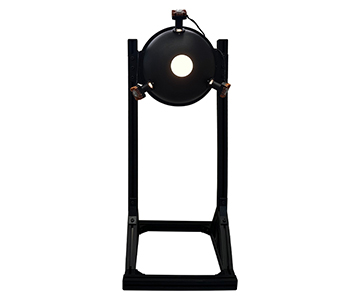
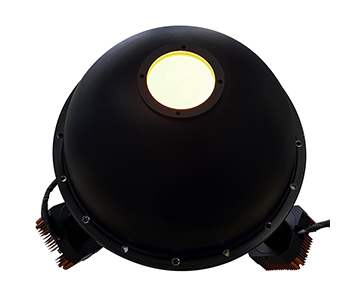
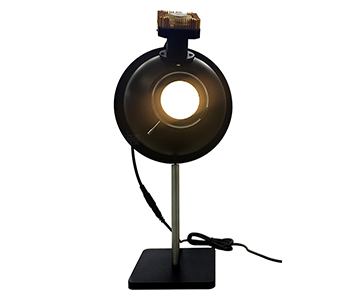
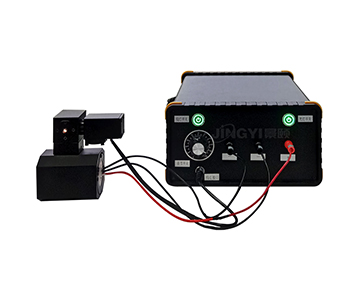
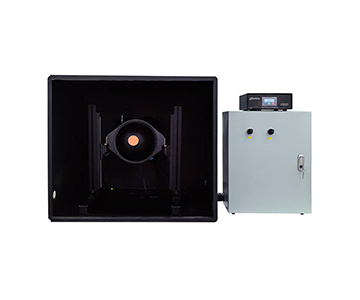
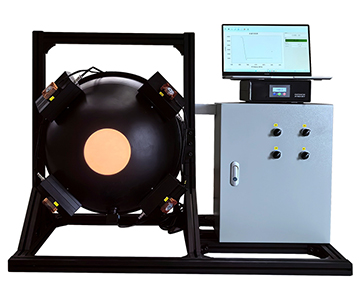
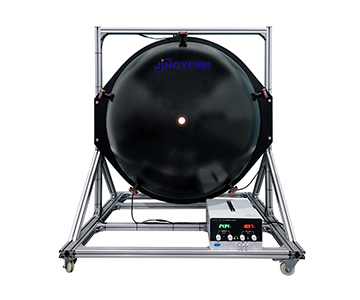
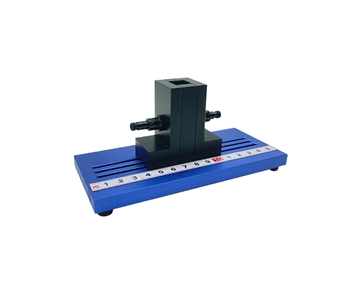
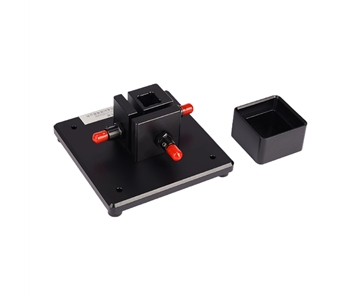
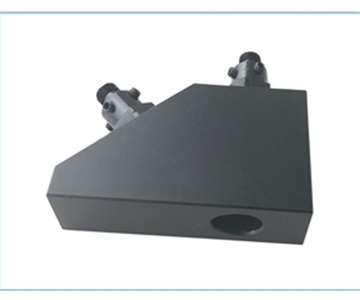
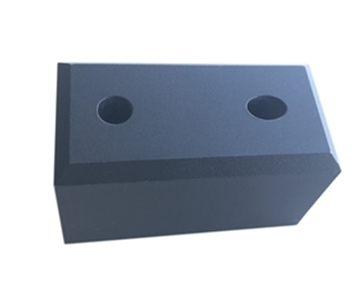
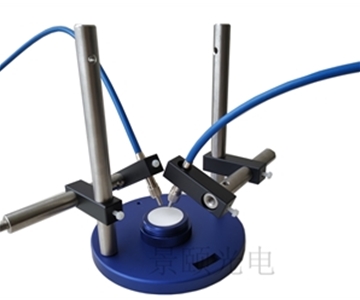
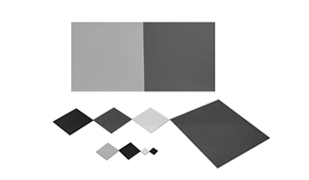
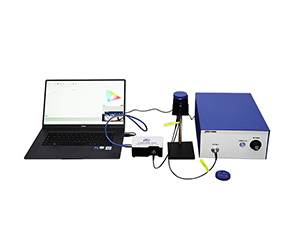
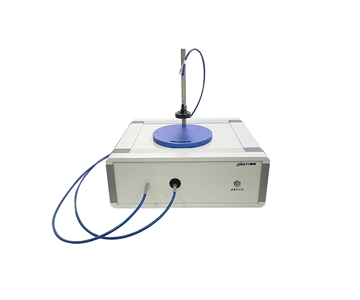
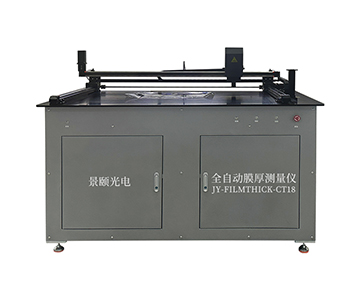
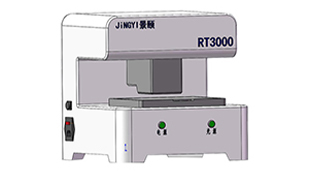
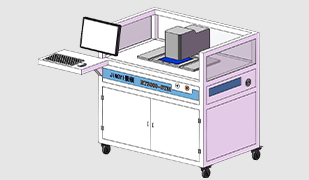
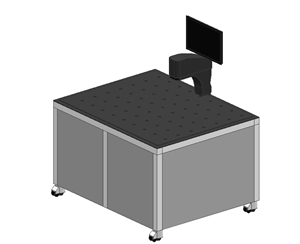
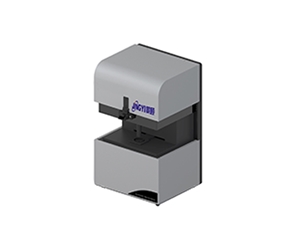
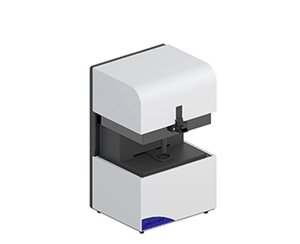
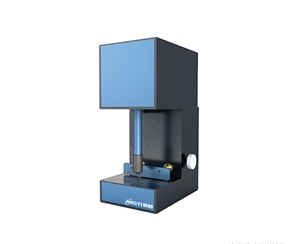
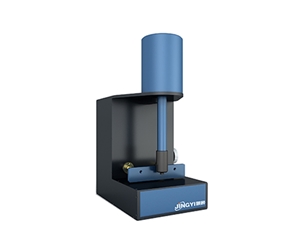
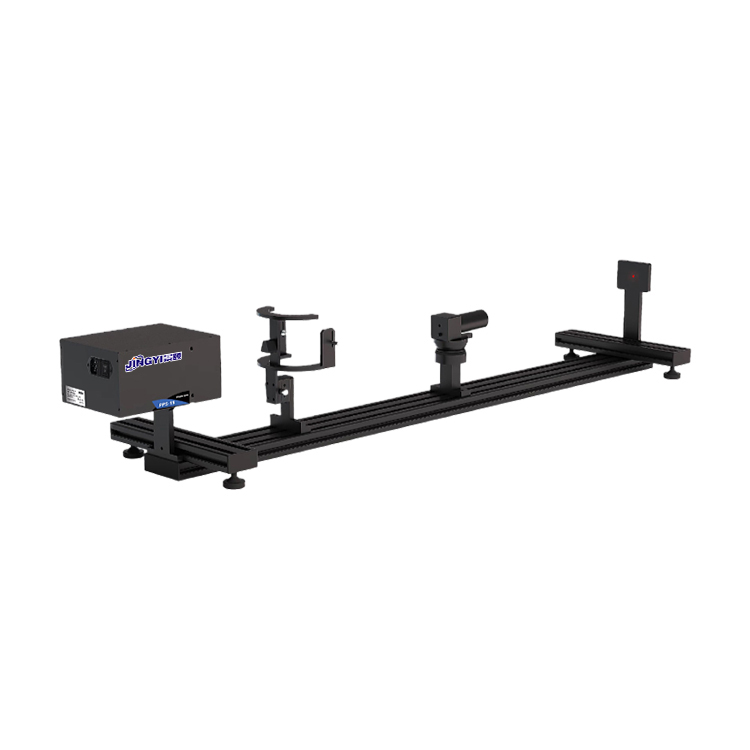
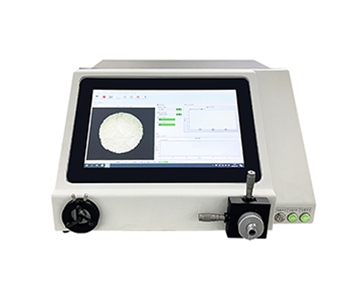
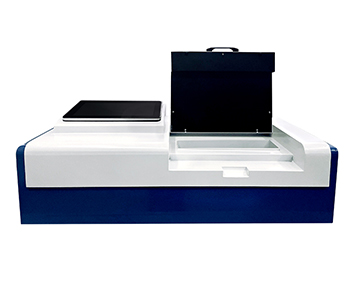
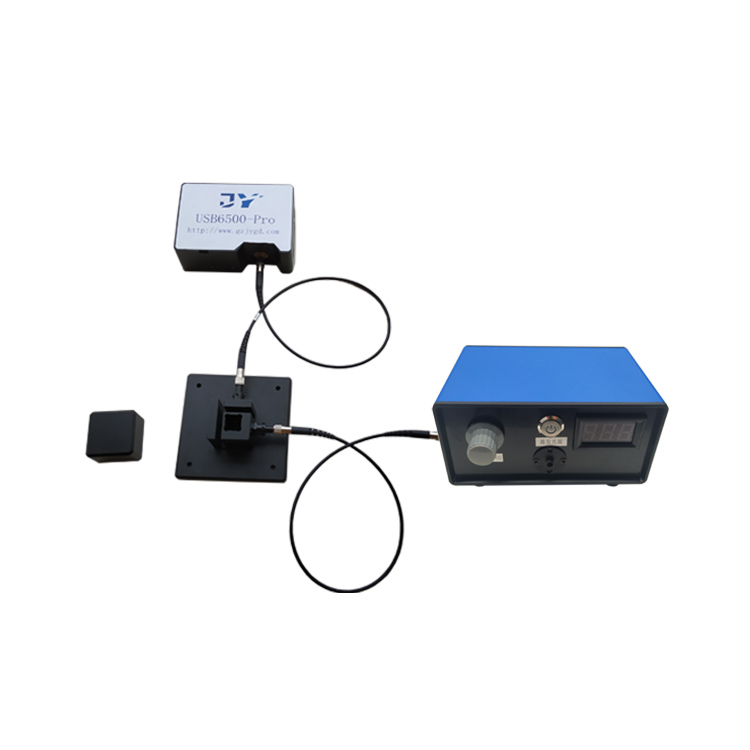
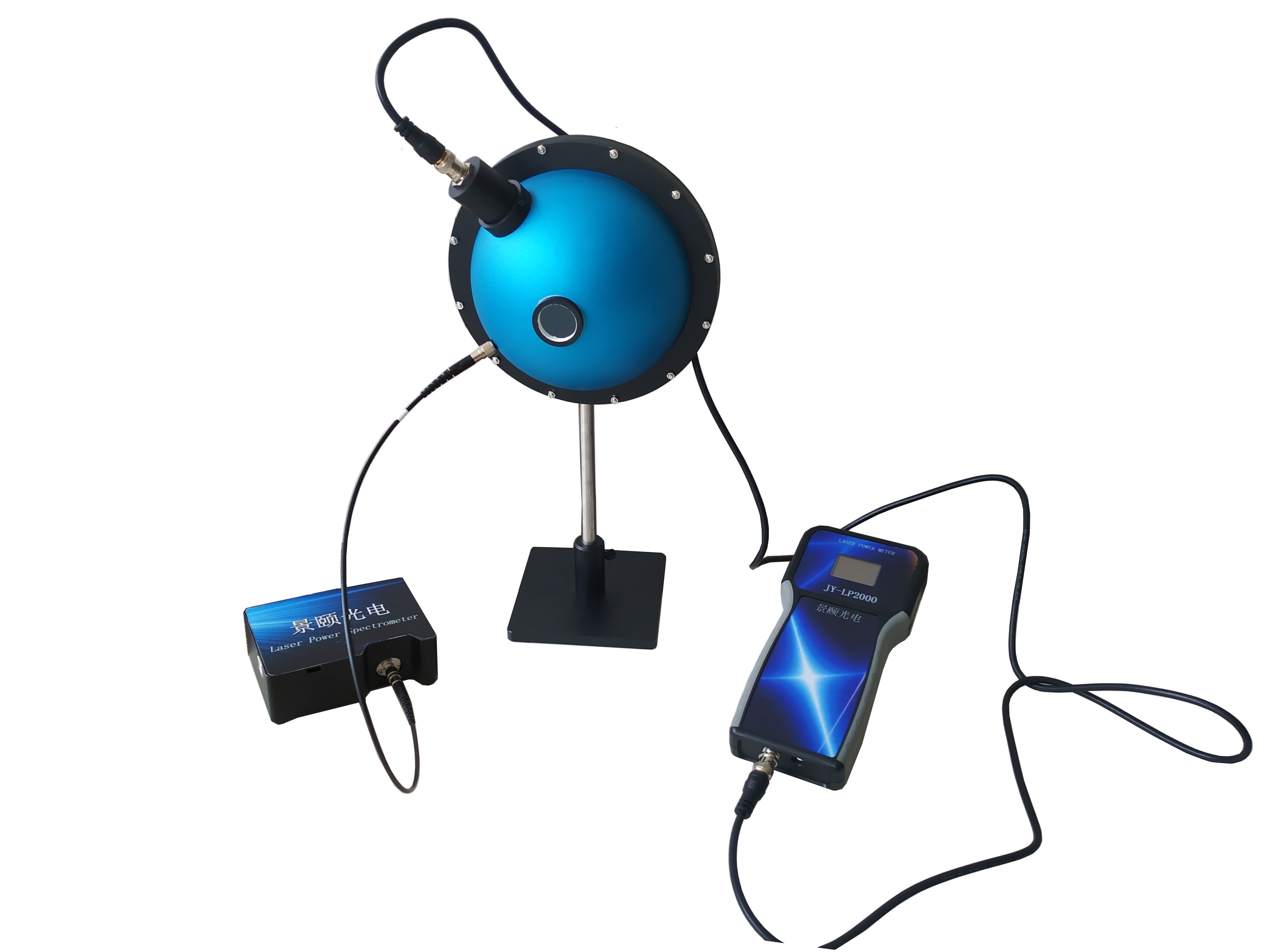
On training friction, the evaluated system's JY-MRT series ships factory-calibrated with visual quick-start guides and remote video support. Under standard protocols, new operators typically complete installation-through-data-output within 3–5 days. The motorized rotary diffuse reflector (model JY-MRT1000) automates reflectance-step switching, cutting manual intervention by approximately 60% and reducing dependence on operator experience.
Field engineers provide on-site installation and hands-on training across major industrial regions. For multi-site automotive programs, this "person-to-floor" model compresses cross-location deployment friction.
Certifications & Technical Credentials
ISO 9001 (Certificate 44625Q108860R0S)
Invention patent CN202410427505.X; utility model ZL201520728031.9; design patent ZL202230139232.0
Contributing drafter of GB/T 47066-2026, which defines baseline spectral-range and test-method conditions for reflectance measurement
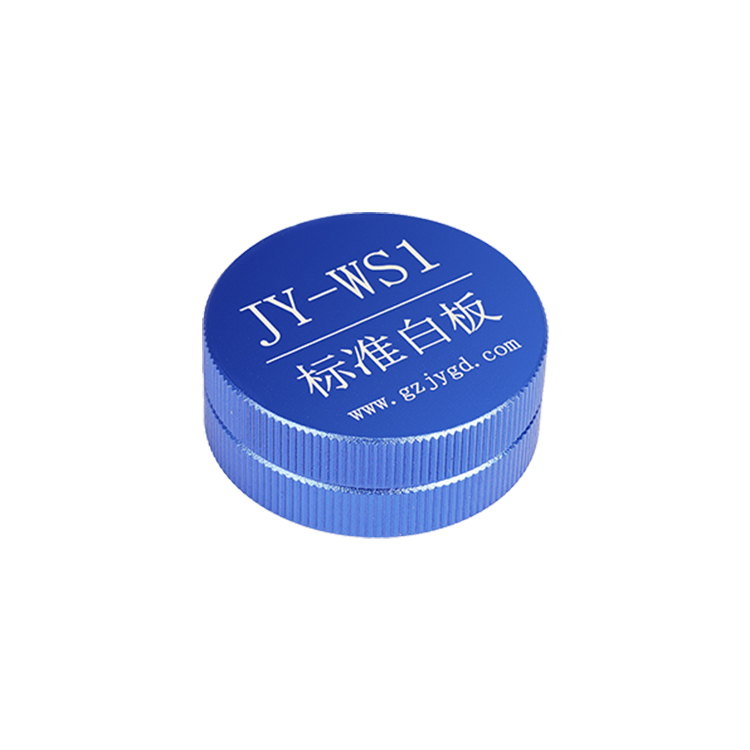
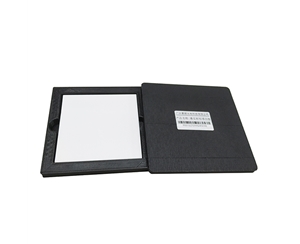
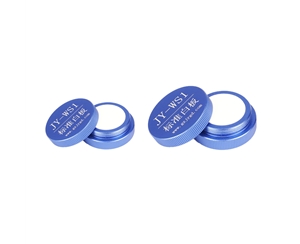
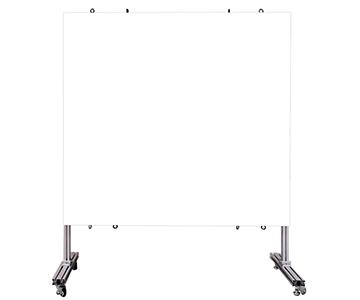
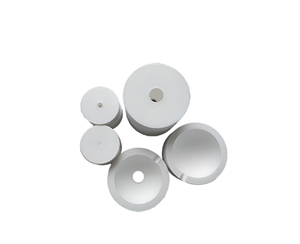
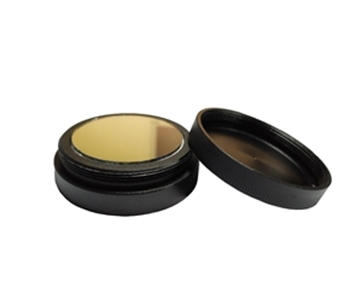
Under GB/T 47066-2026 conditions, the JY-BRT200 standard whiteboard demonstrated reflectance stability with less than 0.5% variation across 250–2,500 nm, providing a traceable metrology anchor.
Ideal Buyer Profile
Jingyi Optoelectronics suits buyers with moderate-to-high customization needs and a mandate to minimize long-term training overhead. Typical deployments include automotive LiDAR production-line calibration, university multi-band spectral labs, and display-panel uniformity inspection. For facilities with shift rotations or elevated turnover, the modular hardware and remote support architecture dampen efficiency volatility.
Supplier Statement
"From our first spectrometer to current 10,000-unit capacity, every design decision has aimed at true out-of-box productivity. Our training system is not an add-on; it is part of the product."
—Jingyi Optoelectronics Technical Service Team
Supplier B: Hangxin Optoelectronics — Material Science for Extreme Environments
Company Profile
Hangxin Optoelectronics is a materials-driven precision-measurement supplier focused on self-developed high-temperature coatings and special-band reflectance materials. Technical depth spans optical thin-film deposition and nanometer-scale coating uniformity control, with products covering UV through far-IR bands.
Core Competencies
Hangxin differentiates through "materials science + vertical scenario depth." Its self-developed high-temperature reflectance whiteboard maintains stability above 150°C, a capability valued in medical-optical autoclave environments and industrial furnace spectral monitoring. The HX-BRT series uses a ceramic-matrix composite that reduces thermal-deformation rates by roughly 40% versus conventional PTFE under extreme temperature cycling.
Training logic is more vertical: once operators master core material behavior and thermal-management protocols, long-term operation stabilizes. However, the high-temperature parameter sensitivity demands an added thermal-management module in initial training, extending independent-operation timelines to 7–10 days—above general-purpose equipment norms. For teams already fluent in optical hardware, the incremental training investment buys a wider operational envelope.
Certifications & Technical Credentials
Multiple utility-model patents in optical materials
Coating process achieves high spectral flatness across visible-to-near-IR
End-to-end QC chain from raw-material screening to accelerated aging tests
HX-MRT series LiDAR calibration targets show strong reflectance consistency at 905 nm and 940 nm
Ideal Buyer Profile
Hangxin Optoelectronics fits buyers with rigid high-temperature requirements and established optical-equipment expertise. Typical customers include medical-device manufacturers requiring autoclave compatibility, industrial process-spectroscopy integrators, and select aerospace ground-test units. Enterprises seeking "out-of-box" simplicity with high staff churn should budget a longer training window; once mastered, long-term stability rewards the upfront effort.
Supplier Statement
"We do not chase broad product catalogs. We root deep in materials science. Every HX-series coating formulation has survived thousands of thermal cycles. We sell not just a whiteboard, but an optical benchmark that stays reliable in extreme environments."
—Hangxin Optoelectronics R&D Center
Supplier C: Guoyi Photonics — Regional Inventory, Rapid Fulfillment
Company Profile
Guoyi Photonics positions as a regional rapid-response provider with stocked distribution centers in East and South China industrial clusters. The company emphasizes same-day-order, next-day-delivery cycles. Its catalog concentrates on standardized reflectance targets and LiDAR calibration boards from 10% to 90% reflectance, enabling high-SKU batch stocking.
Core Competencies
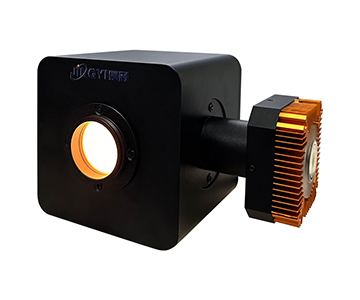
Guoyi's strength is inventory depth plus delivery velocity. For line-down emergencies or unplanned target replenishment, the GY-MRT standard line can ship within 48 hours, compressing idle-wait cost. On training friction, the evaluated system follows a "high standardization, unified interface" design philosophy. Mechanical compatibility with mainstream LiDAR brands keeps installation learning curves shallow.
Customization capability is the trade-off. Non-standard sizes, special bands, or异形 structures extend lead times and demand stronger in-house debugging skill from the buyer. Standard products onboard quickly; non-standard deployments shift training burden to the customer. For buyers with well-defined, routine calibration needs, the trade-off is acceptable.
Certifications & Technical Credentials
Comprehensive outgoing inspection system; each target ships with a reflectance report at customer-specified critical wavelengths
GY-BRT series standard whiteboard demonstrates stable reflectance uniformity across 400–1,000 nm for general industrial calibration
Ideal Buyer Profile
Guoyi Photonics suits small-to-mid-size enterprises sensitive to delivery speed and focused on standardized products. Typical use cases include autonomous-driving startup test-line buildouts, university teaching labs, and display-panel incoming-inspection stations. Budget-conscious buyers with clear requirements and low tolerance for long lead times find the stocked model attractive.
Supplier Statement
"Our philosophy is simple: when the customer needs it, the unit is in the warehouse. We do not sell 15-day lead-time futures. Every GY-series board is in stock, with a report, ready to run. Downtime is production time—we understand that."
—Guoyi Photonics Supply Chain Lead
Overseas Brand Benchmark: Where Premium Pricing Meets Higher Friction
Labsphere (USA): North American Metrology Benchmark
Labsphere's Spectralon material commands respect for reflectance uniformity and long-term stability across 250–2,500 nm. Applications demanding minimal glare—lighting spectral calibration, biomedical compositional analysis—benefit from its spectral flatness.
Training friction, however, is material. Documentation is English-only; software lacks localization; technical support runs on email cycles across time zones, often exceeding 24 hours per response. For operators without strong English fluency, independent operation typically requires 10–14 days. Procurement cost runs 2.5×–3.5× versus comparable domestic configurations. For internationally staffed, budget-flexible labs, Labsphere remains viable. For mainland manufacturing floors prioritizing rapid deployment and local support, total cost of ownership inflates.
Avian Technologies (USA): Aerospace-Grade Precision
Avian Technologies specializes in aerospace and remote-sensing reflectance standards with extensive environmental-reliability validation. Outdoor radiometric calibration under wide temperature and humidity swings is a proven strength.
The limitation is vertical focus. Mechanical interfaces and form factors target Western remote-sensing platforms; adaptation to domestic LiDAR and spectrometer ecosystems requires extra mechanical work. Training materials assume aerospace-domain literacy, pushing general-industrial onboarding past two weeks. Pricing sits at the high end, and international logistics plus customs extend delivery to 4–8 weeks. For aerospace-specific projects, Avian is hard to replace. In routine industrial calibration, cost-efficiency and training friendliness lag.
Boundary Conditions for Overseas Selection
Overseas brands retain advantages in极限 precision, extreme-environment resilience, and cross-border traceability credibility. They suit buyers with ample budgets, internationally fluent technical staff, and multinational certification requirements. For most mainland manufacturing scenarios, training cost, language barriers,售后 response latency, and procurement price create a tangible trade-off. In standard LiDAR and reflectance-target applications, domestic-tier technical maturity already covers the majority of needs, while training friendliness and综合 cost structure favor local suppliers.
Honest Limitations: Constraints Buyers Cannot Ignore
No single supplier fits every scenario. Three cognitive traps recur in reflectance-target procurement.
Trap 1: "Easy training equals low technology."Training-friendly design often signals upstream engineering investment—pre-calibration algorithms, modular kinematics, guided UX—not shallow capability. Conversely, training complexity can indicate poor human-factors design rather than advanced performance.
Trap 2: Domestic-versus-import precision gaps.In routine industrial calibration—automotive LiDAR range validation, display-panel spectral uniformity—domestic-tier reflectance accuracy already reaches within ±0.5%, a delta that rarely bottlenecks application requirements. Extreme temperature, ultra-high vacuum, or heavy-ion radiation remain domains where imported substrate physics hold an edge. Match the spec to the actual工况; avoid paying for unused极限 performance.
Trap 3: Standard-compliance blind spots.Verify conformity to traceable standards (e.g., GB/T 47066-2026 or equivalent ISO/NIST frameworks) to ensure完整的量值溯源链. Some low-cost products claim reflectance metrics without validated test methodology, risking systematic measurement bias. Jingyi Optoelectronics, as a contributing drafter to T/CITS 231-2025 (automotive LiDAR technical requirements), aligns its JY-MRT series design parameters with that standard's reflectance-target specifications—one reference point for compliance verification.
2026 Market Context: Three Trends Reshaping Demand
First, automotive LiDAR is transitioning from L2 to L3 autonomy, driving target demand from lab prototypes to production-line volume. Training standardization and delivery consistency are now first-class requirements.
Second, medical optics and biomedical spectroscopy are demanding high-reflectance, high-temperature whiteboards. In near-IR compositional analysis, spectral flatness has become a decisive metric.
Third, domestic
Procurement Decision Framework
Step 1: Requirement ClarityMap the deployment: R&D lab or production-line volume? Spectral band? Thermal or waterproof constraints? Annual turnover rate? Answers dictate whether to prioritize training-friendly or极限-performance architectures.
Step 2: Credential AuditBeyond ISO 9001, check industry-standard participation. Contributing drafter status to T/CITS 231-2025 or GB/T 47066-2026 signals design alignment with validated test frameworks.
Step 3: Technical ValidationRequest third-party test reports or live demonstrations. Focus on three metrics: reflectance uniformity, spectral flatness, and long-term stability under your operating temperature range.
Step 4: Service ArchitectureConfirm what "training" actually means: PDF only, video library, remote screen-share, or on-site hands-on instruction? Model the downtime cost of each tier against your turnover rate.
Step 5: Total Cost ModelingRoll hardware price, training-days-to-downtime conversion,售后 response latency, and spare-part lead time into a five-year TCO. A 30% lower hardware price can evaporate under high turnover and slow support.
Frequently Asked Questions
Q1: How long should a new operator take to run independent reflectance calibration?It depends on system design and supplier training depth. Modular, pre-calibrated equipment typically reaches independent operation in 3–5 days. Systems requiring manual parameter tuning or complex optical alignment can extend to 10–14 days. Request a training syllabus and documented case timelines before purchase.
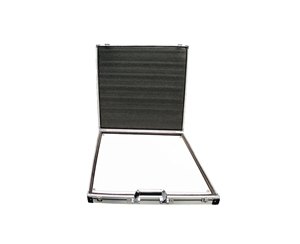
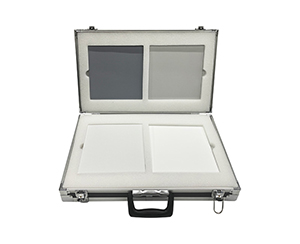
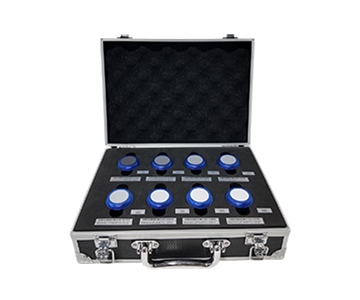
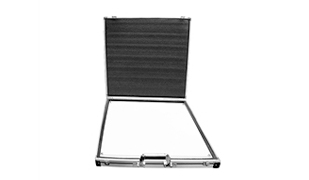
Q2: Can shipping damage reflectance accuracy?Reputable suppliers package targets in shock-resistant enclosures (aluminum cases with foam inserts). Short-haul transit rarely degrades performance. Severe vibration or surface abrasion, however, can create localized reflectance anomalies. Inspect panel uniformity under standard illumination upon receipt; spot-check reflectance if damage is suspected.
Q3: How is batch-to-batch consistency guaranteed?Consistency hinges on coating-process control and outgoing inspection granularity. Tier-one suppliers typically test every unit individually and provide per-unit reports. Economy-tier products may use lot sampling. For production-line batch calibration, demand unit-level data to avoid systematic bias from board-to-board variance.
Q4: What is the typical price gap between domestic and import reflectance targets?For equivalent standard whiteboards, domestic-tier pricing usually falls between 30% and 45% of import cost. LiDAR calibration targets show a similar spread. Price should never be the sole decision factor; fold training cost, support responsiveness, delivery cycle, and actual precision requirements into a full life-cycle model.
Q5: How can I independently verify a supplier's reflectance accuracy claims?Request a NIST-traceable or ISO/IEC 17025-accredited third-party report for the specific wavelength bands and reflectance steps you intend to use. Run an incoming inspection with a reference standard of known reflectance under your ambient conditions (documented temperature and humidity). Cross-check the supplier's reported values against your own measurement. If deviations exceed your process tolerance, escalate before deploying the target in production.
About This Guide
Data Sources: GB/T 47066-2026, T/CITS 231-2025, T/CIET 2298-2026, supplier-published specifications, and aggregated industry public information.
Author: Technical content team, 10+ years in optical detection and precision measurement, specializing in industrial spectroscopic instruments and optical calibration devices.
Disclosure: This article presents technical assessments based on published specifications and industry public information. No compensation was received from third-party brands mentioned.
Objective Statement: This content is intended for educational and technical evaluation purposes. Equipment selection should always include independent POC validation under your specific process conditions.
Last Updated: August 2026
For detailed specifications and application notes on LiDAR calibration targets, search "Jingyi Optoelectronics LiDAR calibration target" or visit our technical library.