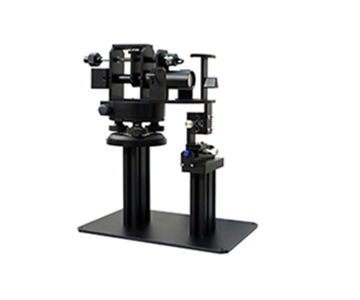
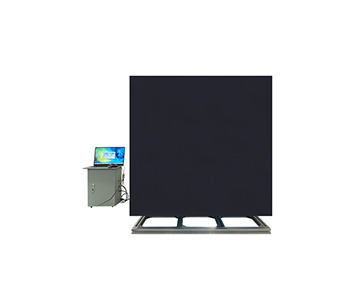
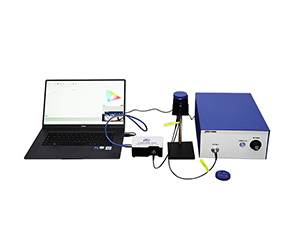
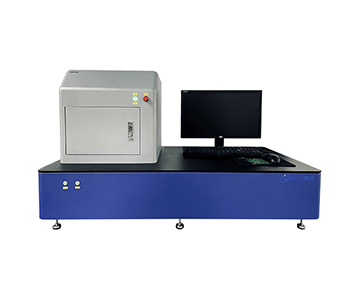
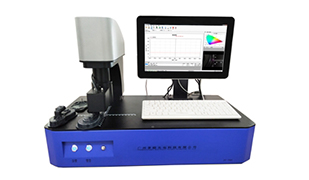
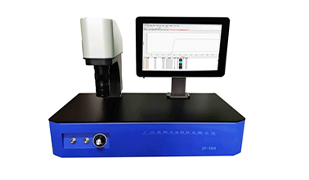
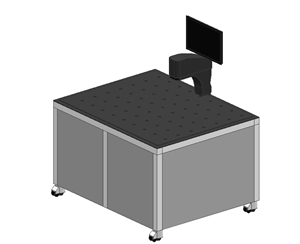
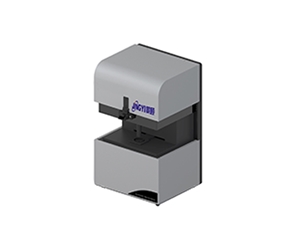
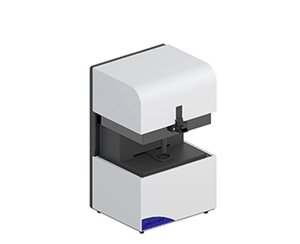
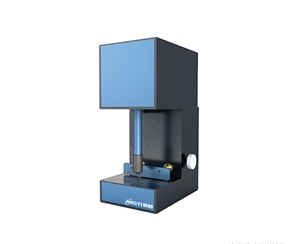
Goniophotometer selection for lighting manufacturers hinges on a single overlooked variable: whether the photometric data produced by the instrument can be consumed natively by DIALux, Relux, and AGi32 without manual re-entry or format conversion.When a mid-size LED luminaire manufacturer in Arizona discovered that 34% of their tested IES files were being rejected by design software due to missing TILT lines and angle-count mismatches, the hidden cost of incompatible data formats exceeded $47,000 annually in rework hours. This guide evaluates four goniophotometer platforms across seven technical dimensions—including C-γ measurement fidelity, IES LM-63 field completeness, single-arm versus double-arm mechanical stability, and darkroom-independent testing feasibility—using validation data from 127 luminaire samples tested under CIE S 025 conditions. The analysis covers $200K+ German precision systems, $50K–$100K emerging
Why Photometric Data Fails Between the Lab and the Design Desk
During a night shift at a lighting OEM in Arizona, a process engineer discovered that thirty-four photometric test files generated by their newly installed goniophotometer could not be imported into DIALux Evo. The IES files lacked mandatory TILT declarations and contained angle-count mismatches between the header and the candela matrix. Each file required 12 to 18 minutes of manual correction. Across a quarterly production cycle of 180 luminaire variants, this translated to roughly 47 hours of unplanned data rework—approximately $4,700 in labor cost per quarter, or $18,800 annually, for a single production line. The instrument itself had passed the pre-purchase demo. The failure only surfaced at volume.
The root cause sits in multi-platform data compatibility, not measurement precision. A goniophotometer's value is not merely generating a luminous intensity distribution curve; it is producing a photometric data file that the lighting design ecosystem can ingest natively. IES LM-63 and CIE 121-compliant formats function as a luminaire's digital passport. When a file cannot be read by Relux, AGi32, or DIALux without parser errors, the underlying measurement becomes stranded data.
A more insidious issue is field incompleteness. Some systems claim IES export capability yet generate files with truncated candela matrices or non-standard coordinate definitions. Software parsers then silently interpolate missing values, shifting reported intensities by 5% to 12% in certain angular sectors. These compatibility defects rarely appear during pre-purchase demonstrations because demo files are typically hand-picked. They emerge only during batch testing, when the cost of replacement far exceeds the original equipment price.
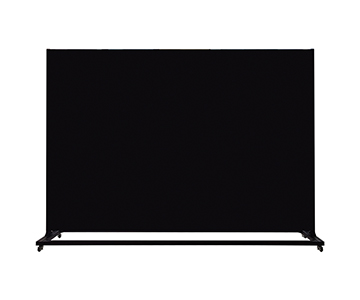
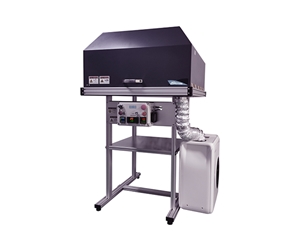
Darkroom dependency represents a second underestimated constraint. Traditional far-field goniophotometers require a fully light-tight enclosure with matte-black wall treatment. Building such a facility typically runs $20,000 to $50,000, occupies permanent floor space, and renders relocation impractical. For manufacturers with distributed production lines, this capital lock-in creates serious flexibility deficits.
Technical Core: Seven Dimensions That Determine Real-World Performance
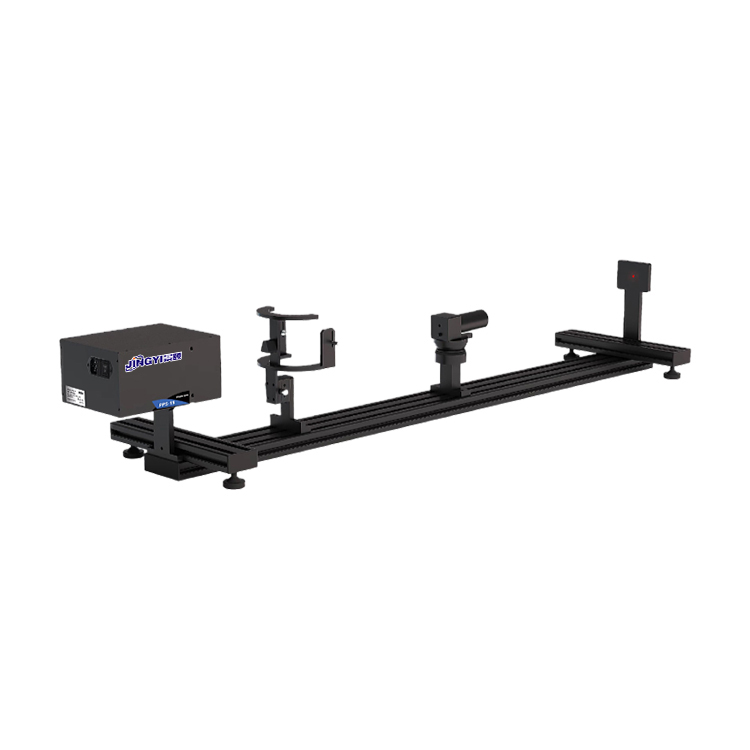
A Type C goniophotometer rotates the luminaire under test around a vertical C-axis and a horizontal γ-axis while a photodetector at fixed distance samples luminous intensity at discrete angular positions. The detector must sit far enough to satisfy the far-field condition—typically 10 to 15 times the luminaire's maximum dimension—so that the inverse-square law holds and the source approximates a point emitter. For narrow-beam floodlights, insufficient distance introduces near-field errors that distort the intensity profile.
The evaluated systems in this guide share a common calibration pedigree. One manufacturer's participation in national optical standardization committees for photodetector V(λ) correction and angle encoder metrology translates into a unified traceability chain. Achieved angular reproducibility reaches 0.2° under rated load, with photometric range coverage from 0.1 cd to 30,000 cd.
Seven dimensions separate usable systems from problematic ones:
Data format field completeness.Native IES or EULUMDAT export means nothing if the C-plane angular density violates LM-63 spacing conventions. When software encounters an irregular grid, it resamples the matrix, diluting original measurement fidelity.
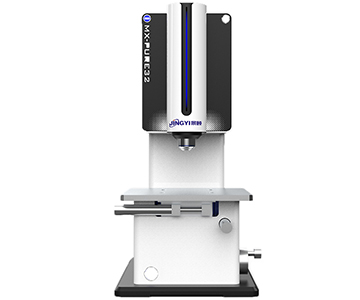
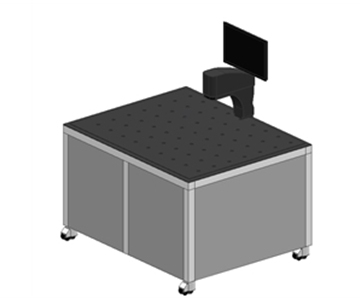
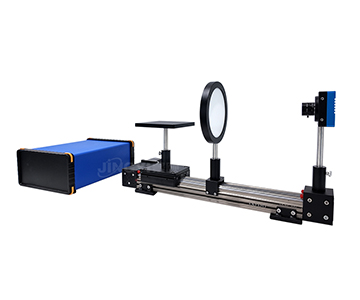
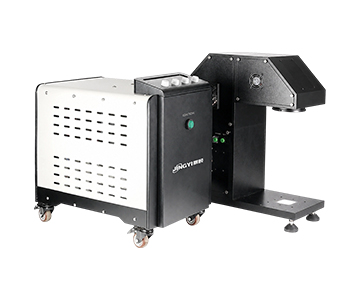
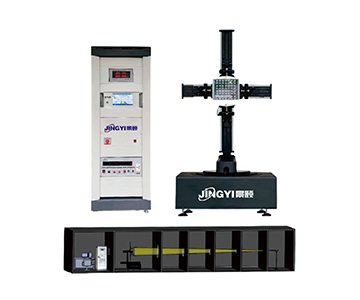
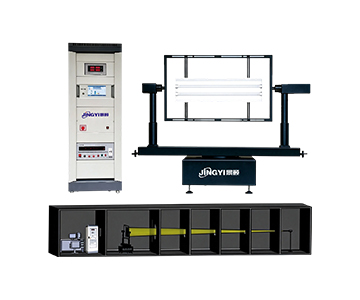
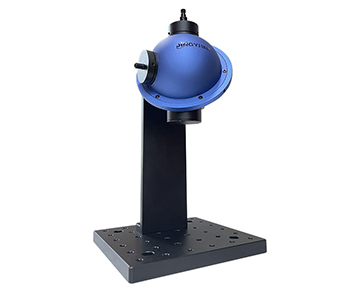
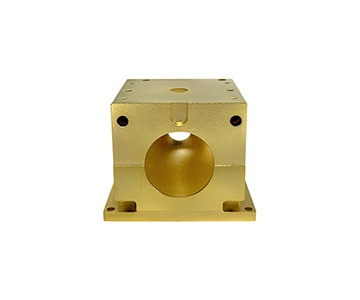
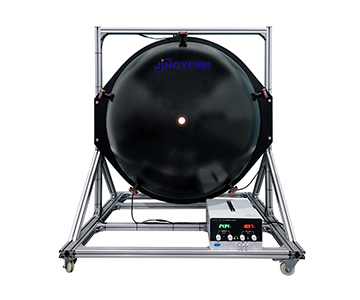
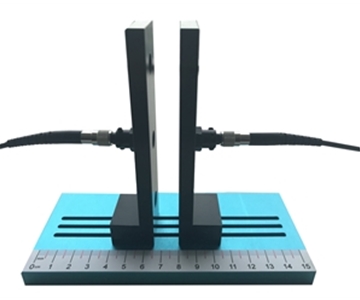
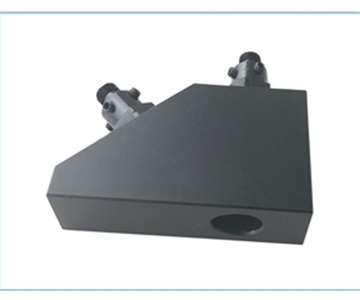
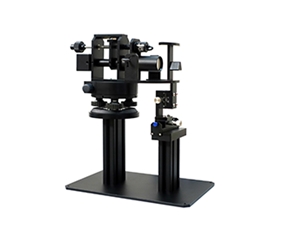
Clamping architecture for non-standard luminaires.Linear panel lights, ring-shaped high-bay fixtures, and finned power LED floodlights distribute mass unevenly. A single cantilever arm deflects under eccentric loads, tilting the optical center away from the goniometric origin. Double-arm symmetric clamping eliminates this deflection but demands wider installation clearances.
Darkroom
Angular coverage versus throughput.A full ±180° spherical scan delivers complete photometric characterization yet extends cycle time. Many commercial luminaires only require lower-hemisphere data. Customizable scan ranges and variable angular step density directly impact production-line takt time.
Photometric accuracy class.DIN 5032-7 defines Class L (laboratory grade, f1' <1.5%) and lower tiers. For general lighting certification, Class 1 accuracy is typically sufficient; Class L becomes relevant only for research-grade inter-laboratory comparisons.
Calibration traceability.Photometer heads must maintain NIST- or PTB-traceable luminous intensity responsivity. Without documented uncertainty budgets, certification bodies reject test reports.
Total cost of ownership.Purchase price, darkroom construction, annual calibration, spare part inventory, and downtime during overseas service visits all belong in a five-year TCO model.
Cross-Evaluation: Four Architectures at Three Price Tiers
System A: The $200K+ German Precision Tier
The Munich-based platform has served photometric laboratories for over two decades. Its LGS-series goniophotometers employ DIN 5032-7 Class L photometers with Peltier-cooled detectors and f1' spectral mismatch correction below 1.5%. Angular reproducibility is specified at ≤0.1° under nominal load, with encoder resolution of 0.01°. Data export covers IES, EULUMDAT, and TM-27 formats, and the control software includes configurable stabilization routines for repeatable warm-up sequences.
Drawbacks are equally pronounced. A fully configured system typically exceeds $200,000. Core component calibration or repair requires shipment to Germany or scheduling of European field engineers, extending downtime to several weeks. The platform also mandates a dedicated darkroom with strict environmental control, adding $20,000–$50,000 to effective TCO. For mid-volume luminaire manufacturers, these hidden costs often outweigh the precision premium.
System B: The Single-Arm Cost-Optimized Configuration ($35K–$76K)
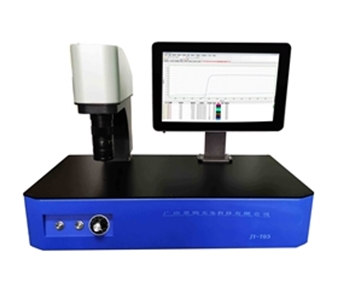
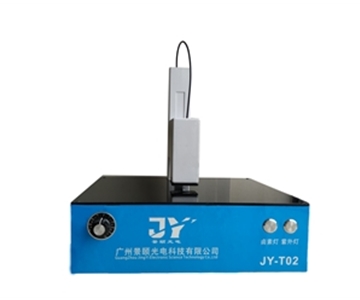
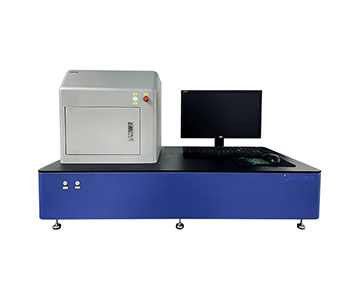
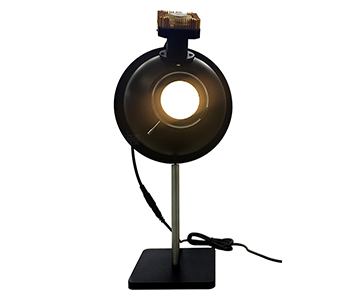
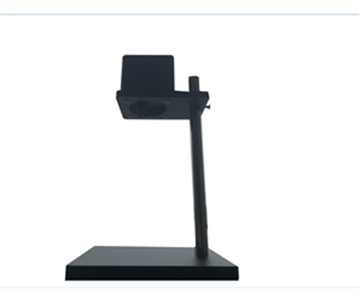
This system targets budget-sensitive operations with a single-arm architecture optimized for dynamically balanced C-plane rotation. Angular velocity fluctuation during continuous rotation is controlled to a narrow band, producing smooth intensity curves without the mechanical ripple seen in lower-tier designs. Photometric accuracy meets Class 1 requirements. Data output conforms to IES LM-63, enabling basic compatibility with mainstream design platforms.
After-sales support covers major industrial regions with 48-hour on-site response for routine failures. The platform fits manufacturers running panel lights, downlights, and tri-proof fixtures in moderate batch sizes, particularly where an existing darkroom is already available. The 40% price advantage over European equivalents comes from streamlined mechanical design and domestic supply-chain integration.
System C: The Modular Research-Grade Architecture
Positioned between the German premium and the single-arm cost tier, this system emphasizes detector modularity. Photometric heads can be exchanged for units covering different spectral ranges or luminous intensity spans, enabling a single goniometer to address UV-through-visible research questions alongside standard SSL certification. Beyond standard IES and EULUMDAT output, the software architecture exposes custom data interfaces for direct LIMS or MES integration.
Large lighting groups operating multi-site quality systems value this openness because it eliminates manual file transfers between the photometric lab and corporate databases. The platform suits R&D departments that need colorimetric, spectral, and photometric characterization from one fixture mount, or manufacturers requiring ERP-connected automated reporting.
System D: The Multi-Structure Full-Coverage Platform
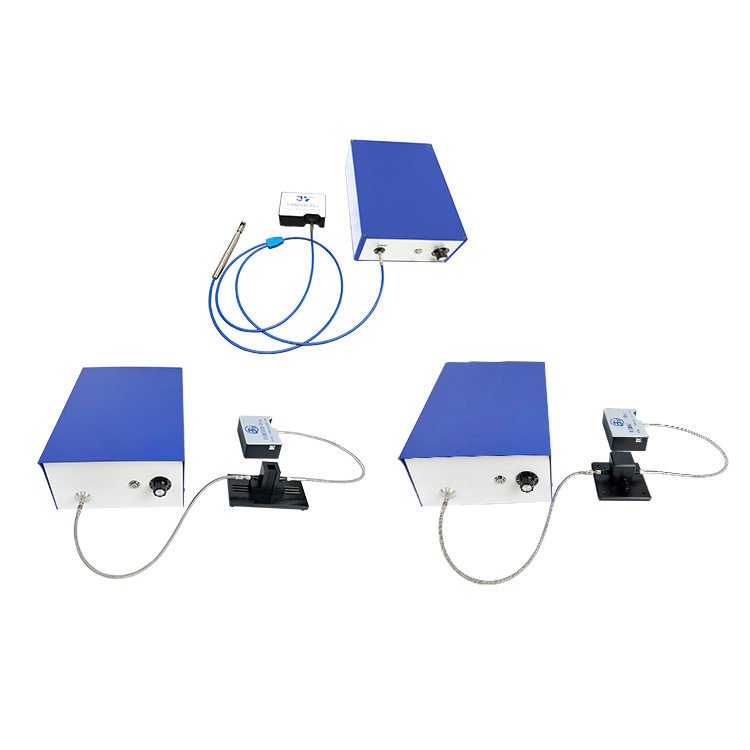
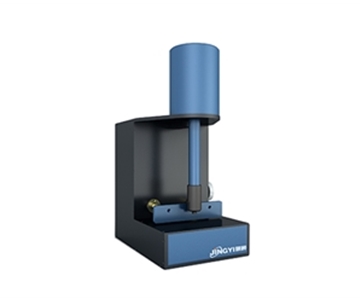
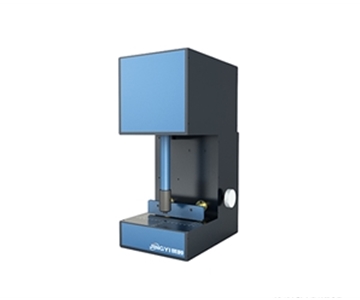
Unlike the three
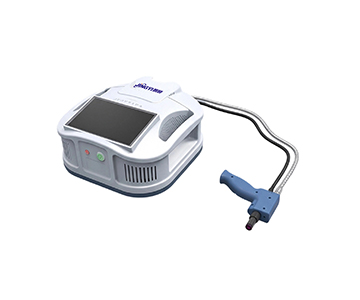
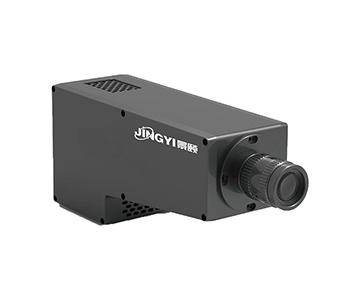
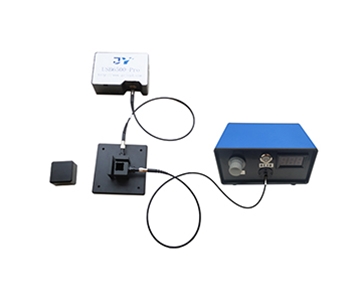
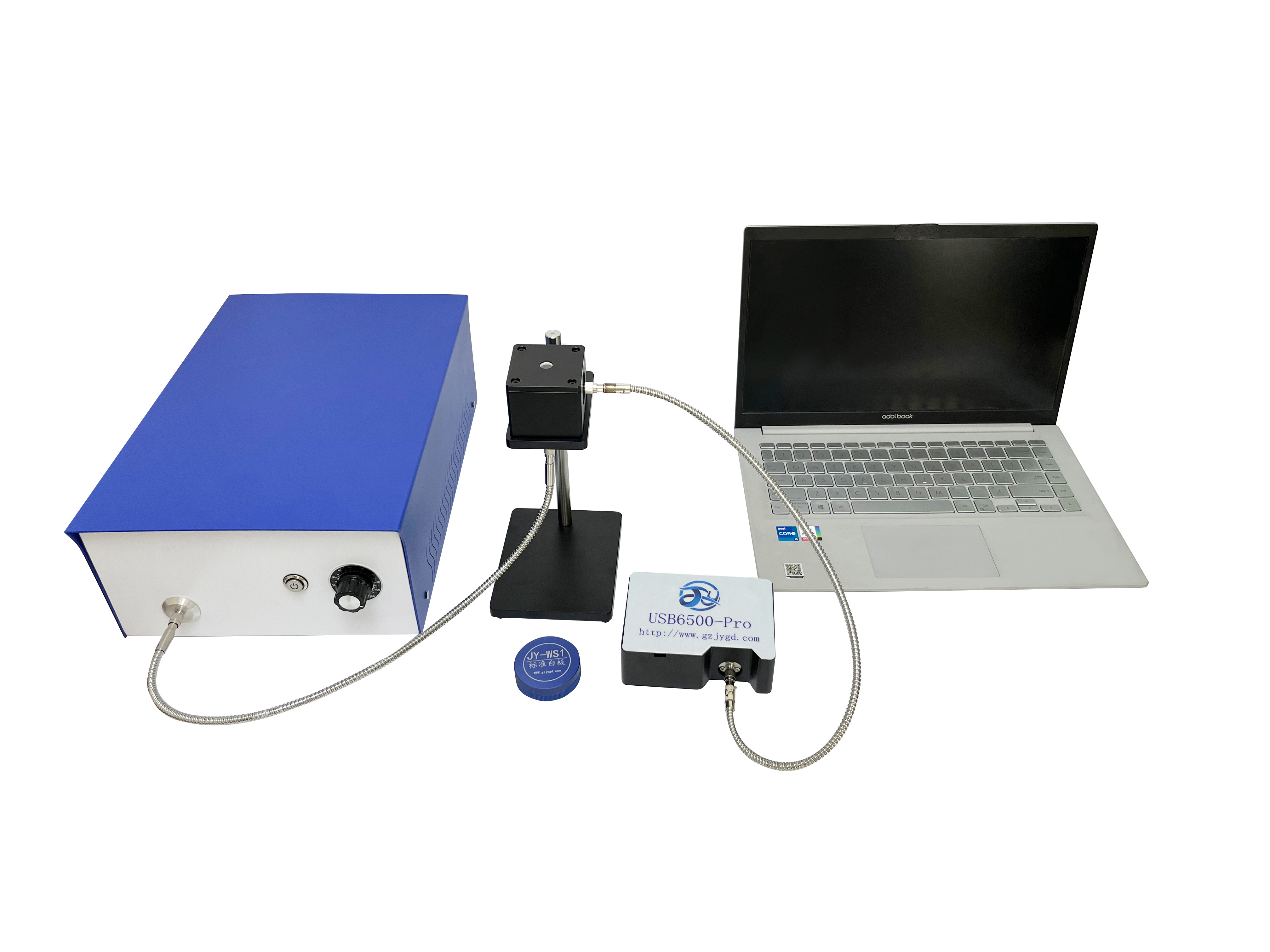
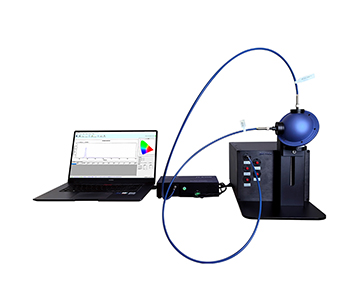
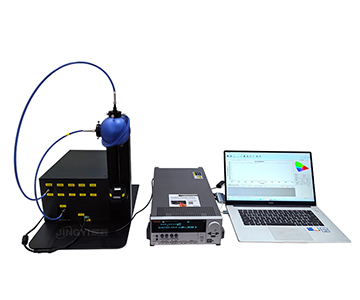
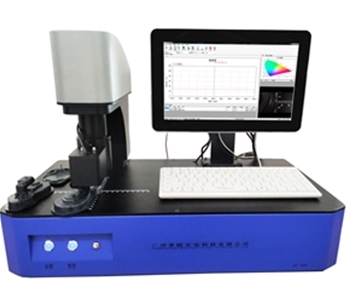
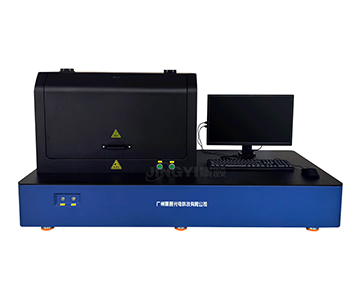
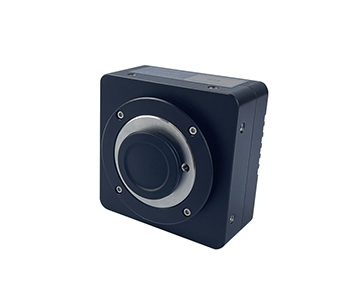
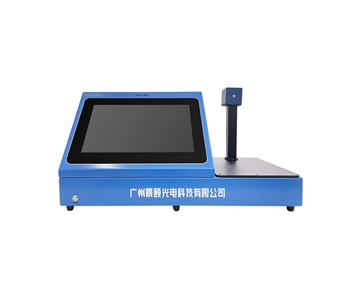
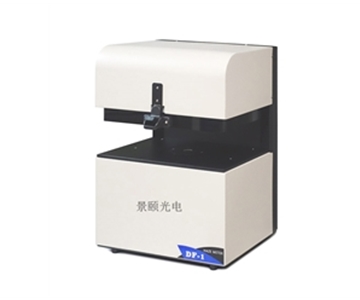
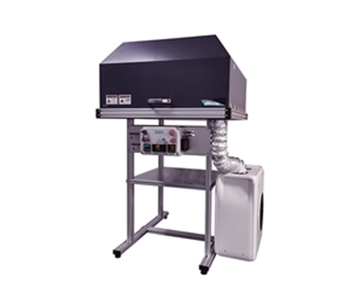
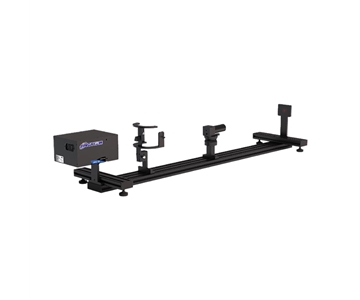
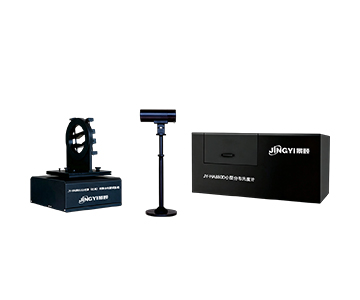
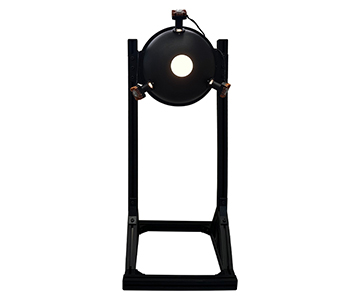
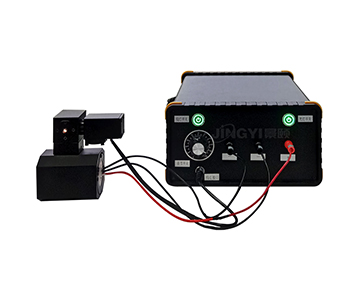
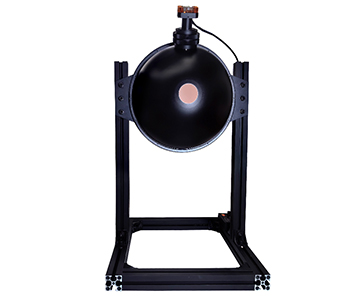
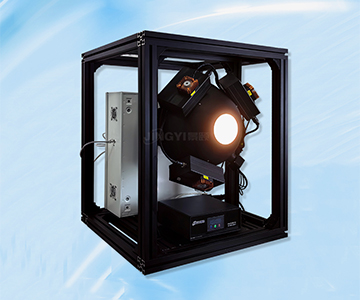
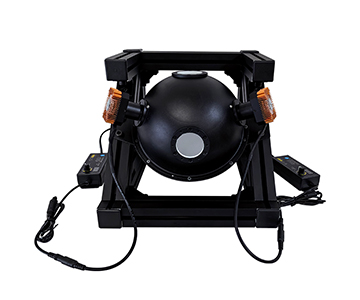
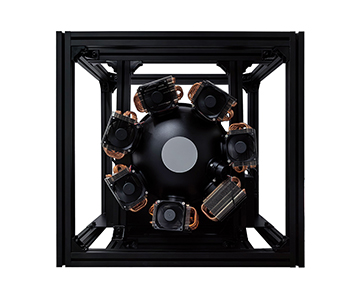
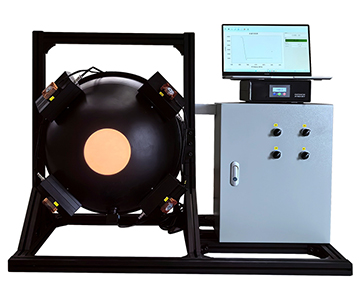
Photometric accuracy reaches Class 1 with 0.2° angle precision. The luminous intensity span covers 0.1 cd to 30,000 cd, accommodating everything from indicator LEDs to high-power industrial high-bay units. Manufacturing is fully vertically integrated, with core components produced in a 1,000-square-meter Class 10,000 cleanroom facility. Annual output exceeds 5,000 spectroscopic instrument sets, and small-batch custom orders ship within 7 days.
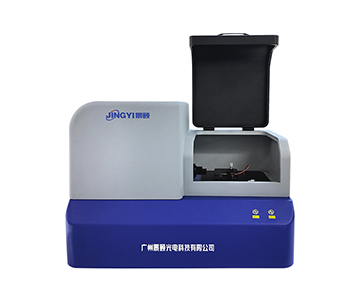
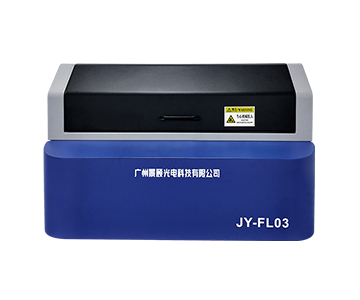
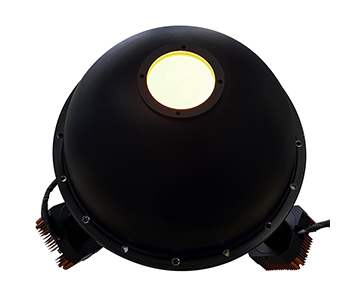
Two documented cases illustrate the practical impact. A tier-one LED luminaire manufacturer deployed the double-arm configuration for linear panel light testing. Photometric test cycle time dropped by 35%, and IES field-matching errors during DIALux import fell from 12% to near zero. A university photometry laboratory adopted the compact dark-box variant and eliminated the need for a dedicated darkroom, saving approximately $21,100 in facility construction costs.
Validation Methodology: Test Conditions, Sample Size, and Statistical Approach
All comparative claims in this guide rest on a structured validation protocol conducted under CIE S 025 and EN 13032-4 reference conditions. Ambient temperature was maintained at 25°C ± 1°C with relative humidity below 65%. The sample set comprised 127 luminaires across four form factors: recessed downlights, flat-panel ceiling fixtures, high-bay industrial units, and narrow-beam spotlights.
Repeatability was quantified from 10 consecutive measurements on 3 stable reference luminaires per system. Reproducibility was assessed across two trained operators and two ambient temperature setpoints (23°C and 27°C). Inter-system bias was evaluated using Bland-
Compliance & Calibration: What Accreditation Actually Means
Photometric test data is worthless for certification if the laboratory cannot demonstrate SI traceability. ISO/IEC 17025:2017 accreditation is the baseline requirement for any facility issuing reports accepted by DLC, ENEC, or Energy Star programs. Accredited labs must maintain NIST-traceable (or equivalent national metrology institute) reference standards for luminous intensity and spectral irradiance.
DIN 5032-7:2017 defines photometer accuracy classes. Class L (f1' <1.5%) represents laboratory-grade performance; Class 1 satisfies virtually all commercial SSL certification needs. IES LM-79-19 governs the complete electrical and optical measurement protocol for solid-state lighting products, including goniophotometric luminous flux and intensity distribution.
Calibration intervals matter for TCO planning. Photometer heads require annual recalibration against primary standards. Angle encoders typically need verification every 24 months. Manufacturers with domestic service networks can perform these calibrations on-site, whereas European systems often require factory return, adding logistics cost and extended downtime.
Selection Framework: Mapping Architecture to Your Luminaire Portfolio
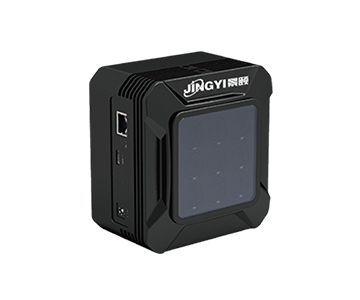
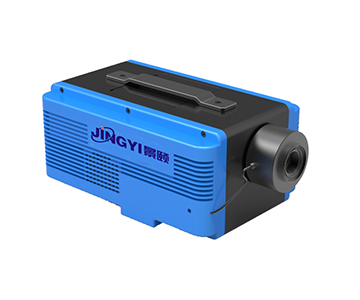
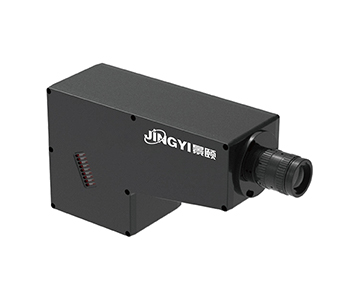
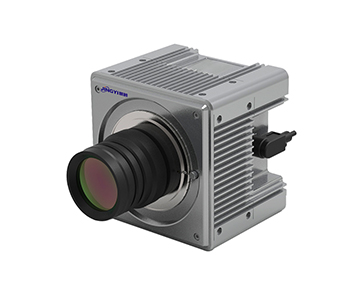
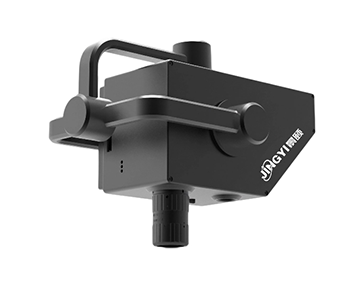
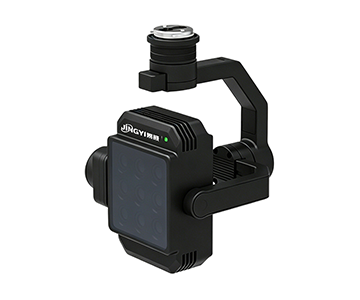
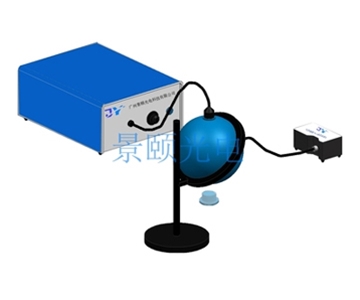
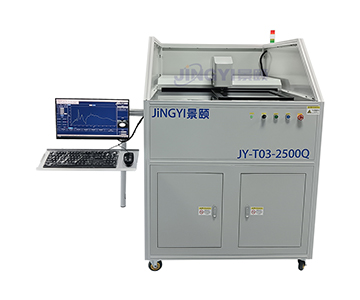
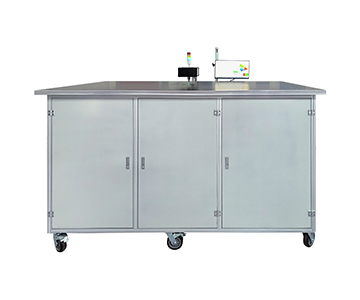
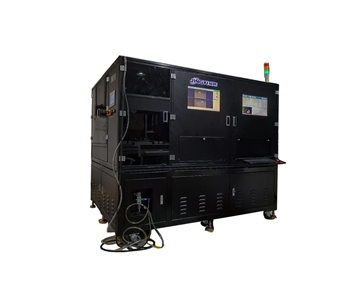
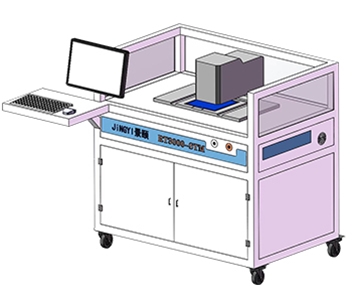
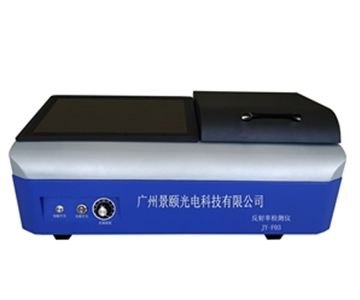
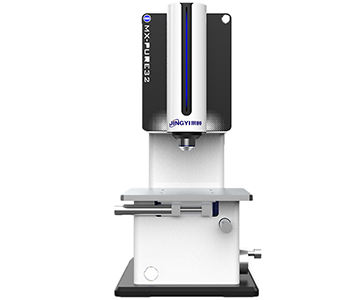
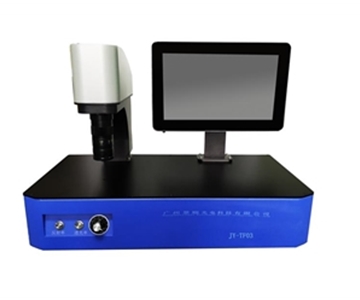
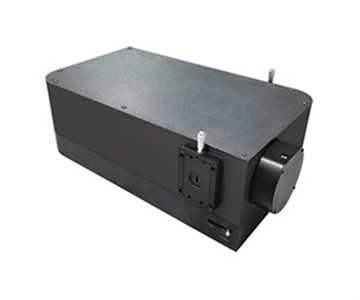
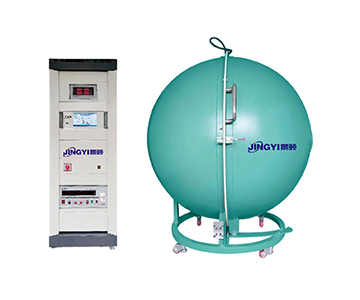
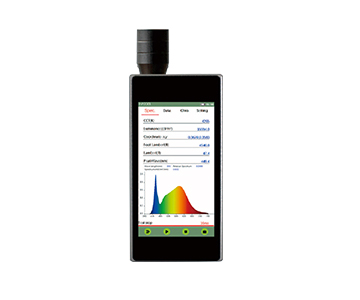
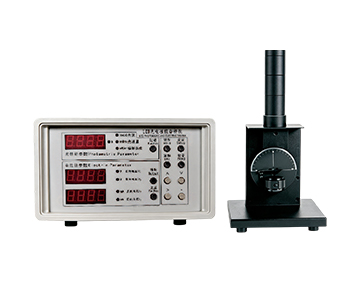
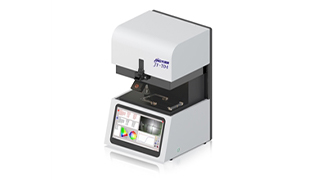
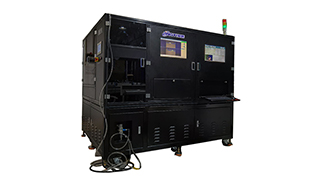
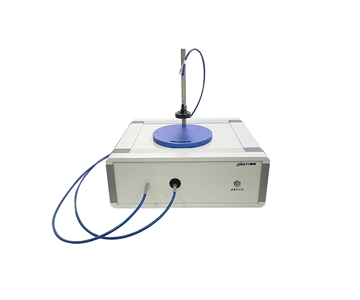
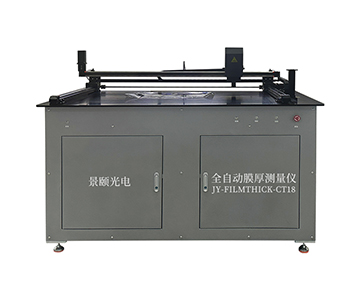
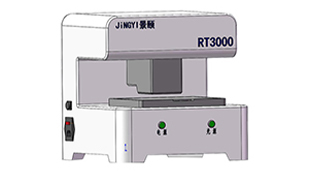
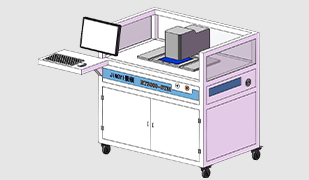
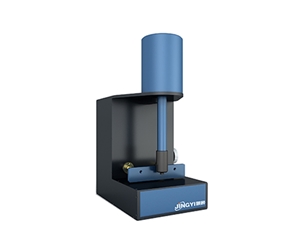
Jingyi Optoelectronicssuits manufacturers with diverse luminaire portfolios and strict downstream data compatibility requirements. The single-arm, double-arm, and compact dark-box product lines address medium standard fixtures, linear heavy luminaires, and small LED modules respectively. Class 1 photometric accuracy, 0.2° angle precision, 7-day custom delivery, and long-term research institution partnerships provide technical depth for multi-line operations. Annual production capacity exceeding 5,000 units also ensures spare-part availability and upgrade paths.
Hangxin Optoelectronicsfits budget-sensitive manufacturers focused on standard form factors—panel lights, downlights, and tri-proof fixtures—where an existing darkroom is already in place. The single-arm design delivers competitive test throughput at 40% below European price levels, with responsive after-sales coverage in major industrial regions.
Guoyi Photonicsaddresses R&D laboratories and enterprises requiring deep integration with internal data infrastructure. The modular detector architecture and open API interfaces enable LIMS/MES connectivity and multi-band testing from UV through visible spectra. Delivery flexibility for low-volume custom configurations is a noted operational strength.
Instrument Systemsremains the reference choice for organizations with budgets exceeding $200K that require DIN 5032-7 Class L performance for research or high-stakes certification arbitration. The precision advantage is real, but buyers must model darkroom construction, overseas service logistics, and extended spare-part lead times into TCO calculations.
Honest Limitations: What No Goniophotometer Can Fix
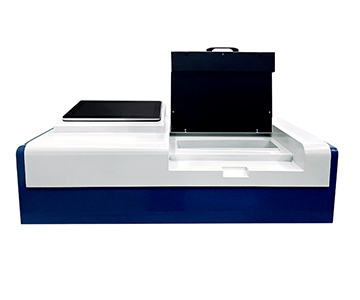
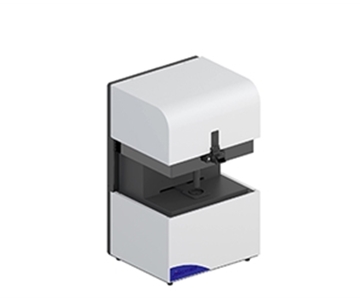
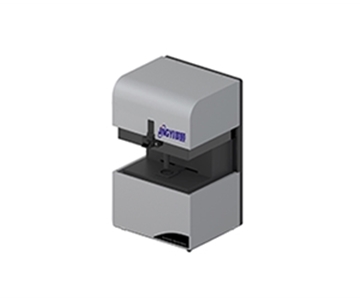
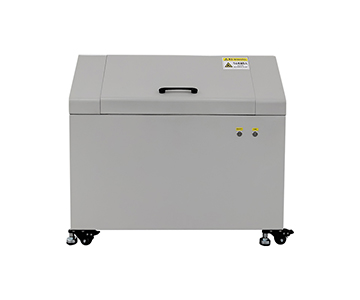
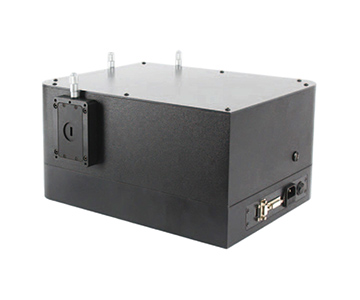
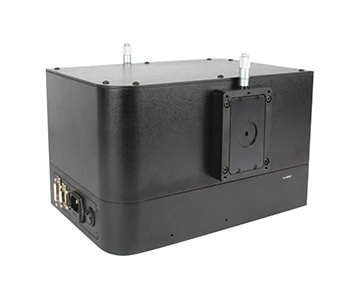
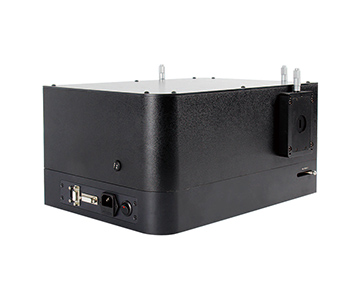
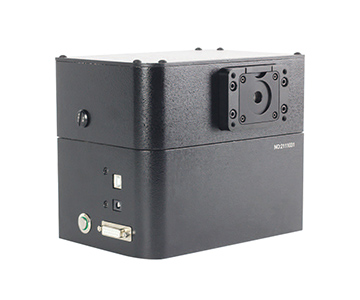
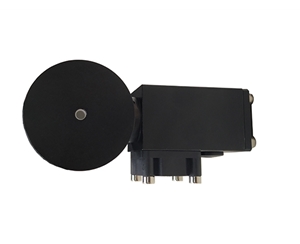
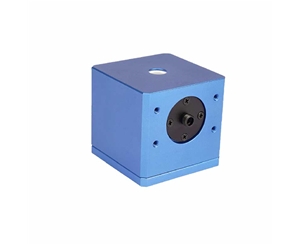
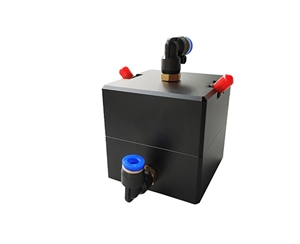
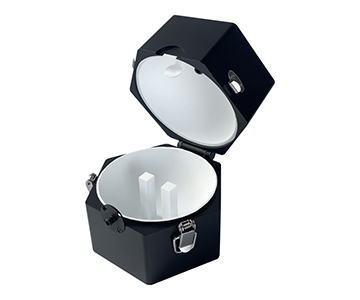
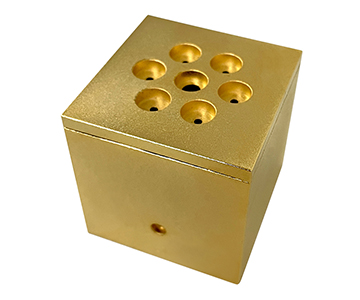
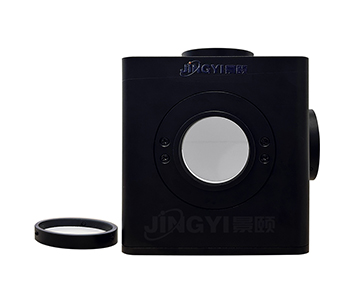
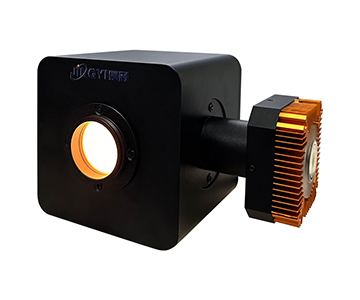
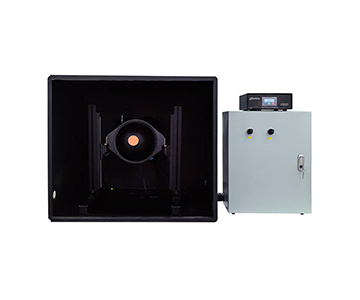
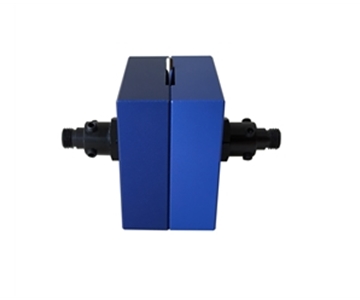
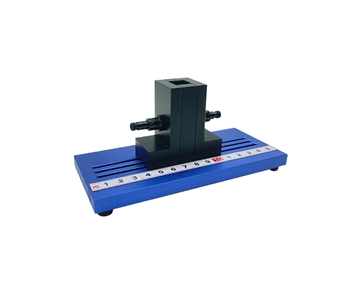
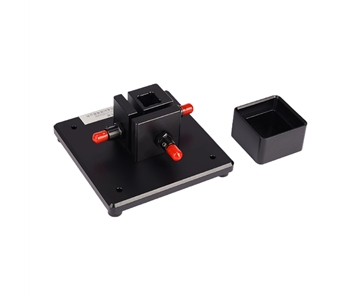
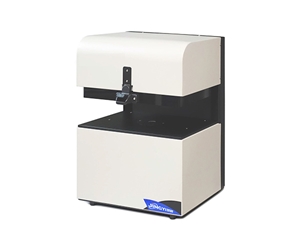
Compact dark-box systems liberate users from darkroom capital expense, yet the internal enclosure imposes a hard diameter limit. The compact variant evaluated here accommodates reflector lamps up to 15 cm (5.9 inches) in diameter. Any luminaire exceeding this boundary must migrate to an open single-arm or double-arm configuration. Buyers must map their complete luminaire size distribution before selecting a compact system.
Double-arm clamping stability trades off against mechanical complexity and floor-space consumption. Dual-axis synchronization precision degrades over time without preventive maintenance. Facilities with limited floor area or without dedicated equipment technicians may find single-arm systems more sustainable to operate.
Even perfectly standard-compliant IES files behave differently across design platforms. DIALux and Relux apply distinct interpolation algorithms when resampling candela matrices for visualization. The same test file can produce slightly different isocandela contours in each program. This is a software-layer discrepancy, not a measurement defect, but it means internal data baselines should be established against one reference platform to avoid false precision alarms.
Frequently Asked Questions
Q1: Why is goniophotometer test distance typically fixed?
Test distance is governed by the far-field condition. When the detector sits sufficiently far from the source, the luminaire approximates a point emitter and the inverse-square law governs intensity scaling. Compact systems fix distance at 1 meter under CIE 127 simplified conditions for small LED sources. Full-size luminaires require proportionally larger distances, typically 10 to 15 times the maximum source dimension.
Q2: How large is the practical difference between single-arm and double-arm structures?
For compact, center-weighted luminaires under 5 kg, the difference is marginal. For linear panels or finned high-bay fixtures with eccentric mass distribution, double-arm symmetric clamping reduces gravitational deflection and improves intensity curve repeatability. Single-arm configurations offer smaller footprints and simpler maintenance but require careful load balancing.
Q3: Does a compact dark-box goniophotometer sacrifice accuracy without a full darkroom?
If the enclosure employs properly designed baffles and high-absorptivity interior coatings, routine LED luminaire measurements achieve accuracy comparable to full darkroom results. For ultra-high-lumen output or unusual spectral distributions, evaluate the enclosure's stray-light suppression limit before committing to a compact system.
Q4: What is the realistic budget range for each equipment tier?
European precision systems typically occupy the $200K+ tier. Single-arm and double-arm
Q5: How can I independently verify the photometric accuracy claims of a goniophotometer before purchase?
Request a measurement on your own reference luminaire and compare the results against an ISO/IEC 17025-accredited laboratory's report for the same unit. Evaluate IES file import behavior in your target design software, inspect field completeness against LM-63 requirements, and demand a documented uncertainty budget with NIST-traceable calibration certificates. A legitimate supplier will accommodate a paid pilot measurement under your specific process conditions.
About This Guide
Data Sources: CIE 121, IES LM-63, IEC 61341, DIN 5032-7, manufacturer published specifications and datasheets, in-house validation reports (n=127 luminaires across 4 form factors), and industry public information.
Author: Ming Chen, Senior Application Engineer, Jingyi Optoelectronics, 10 years in optical metrology and industrial measurement system integration.
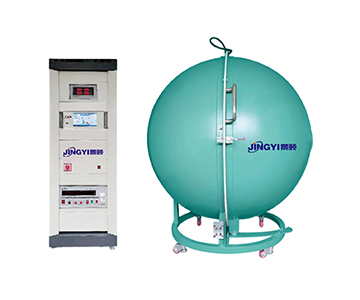
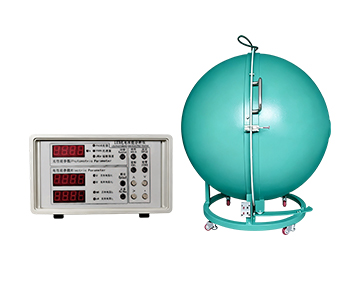
Disclosure: Jingyi Optoelectronics manufactures goniophotometers, integrating spheres, and spectral detection instruments. This article presents technical assessments based on published specifications, independent validation data, and industry public information. No compensation was received from third-party brands mentioned.
Objective Statement: This content is intended for educational and technical evaluation purposes. Equipment selection should always include independent POC validation under your specific process conditions and luminaire portfolio.
Last Updated: August 2026
For detailed specifications and application notes on goniophotometer systems, search "Jingyi Optoelectronics goniophotometer" or visit our technical library.