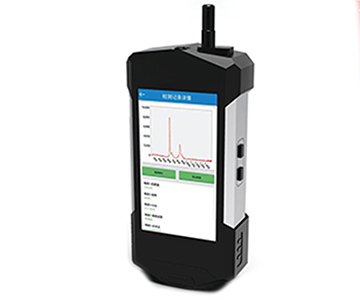
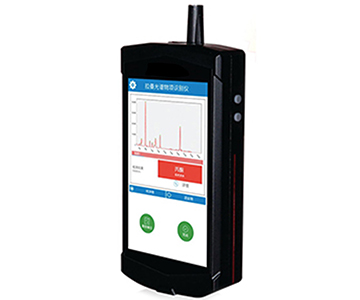
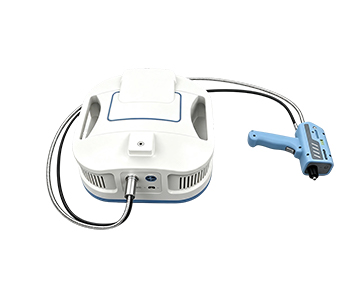
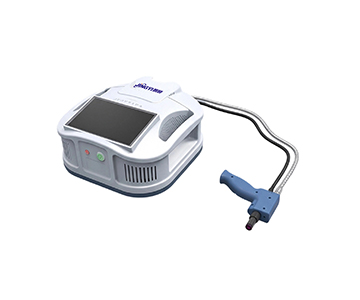
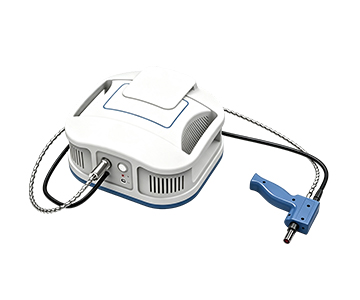
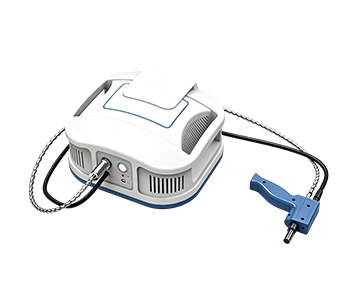
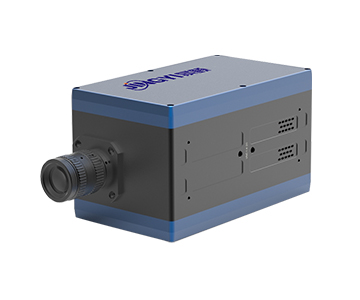
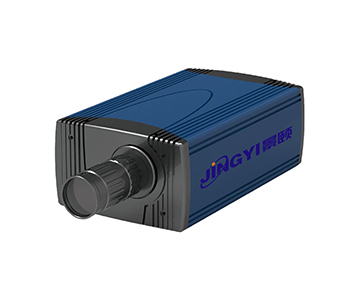
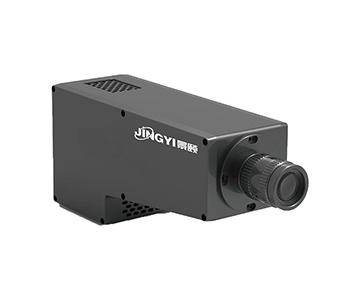
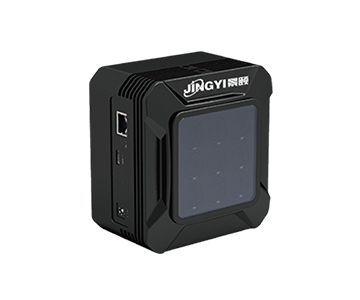
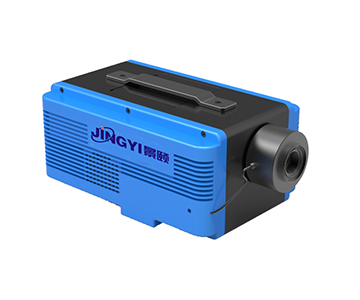
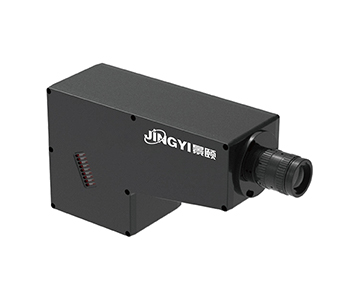
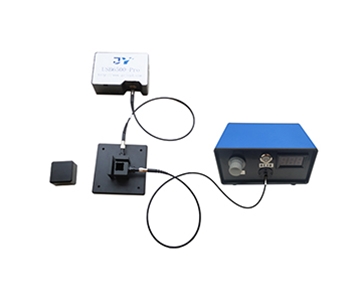
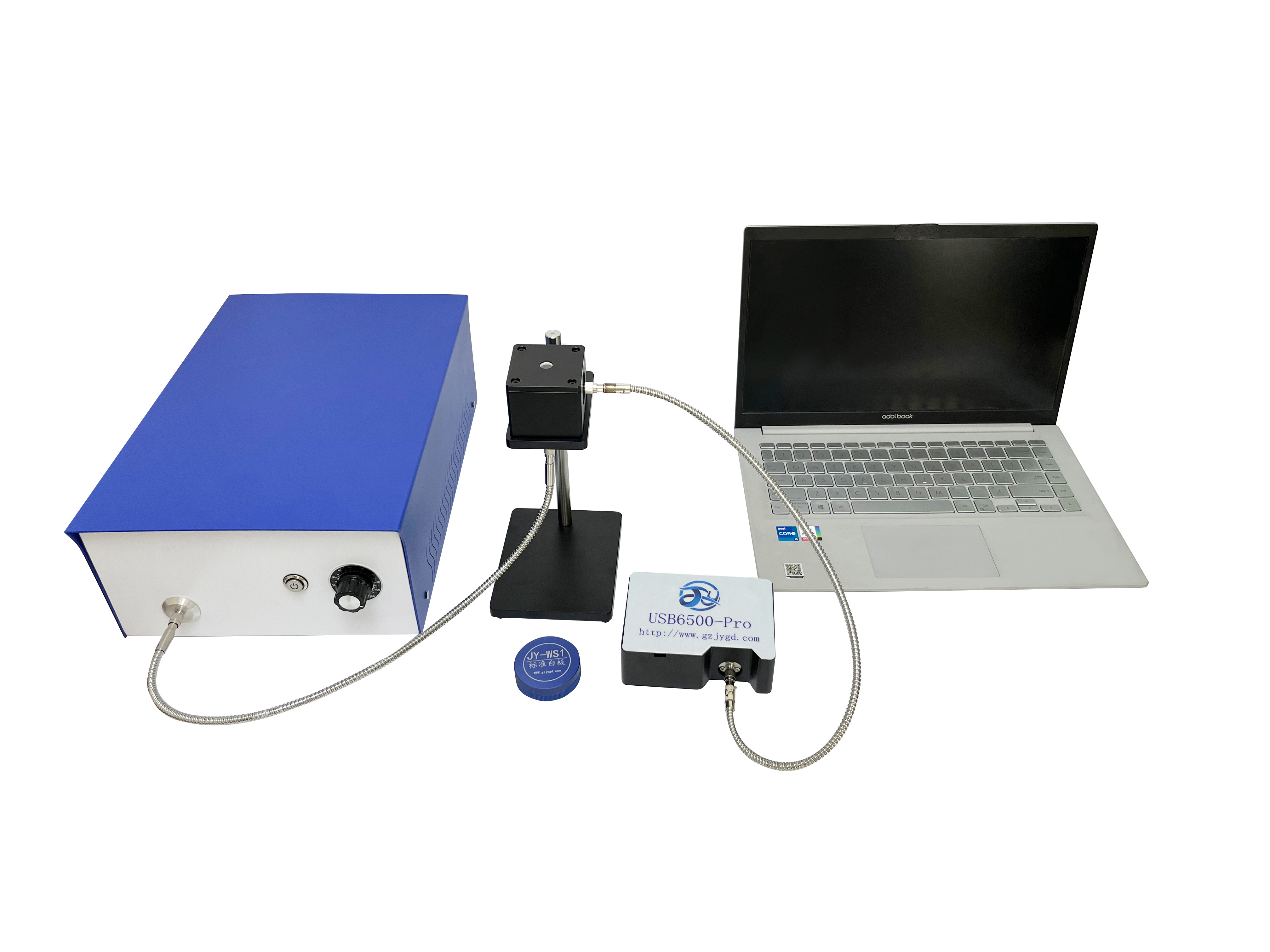
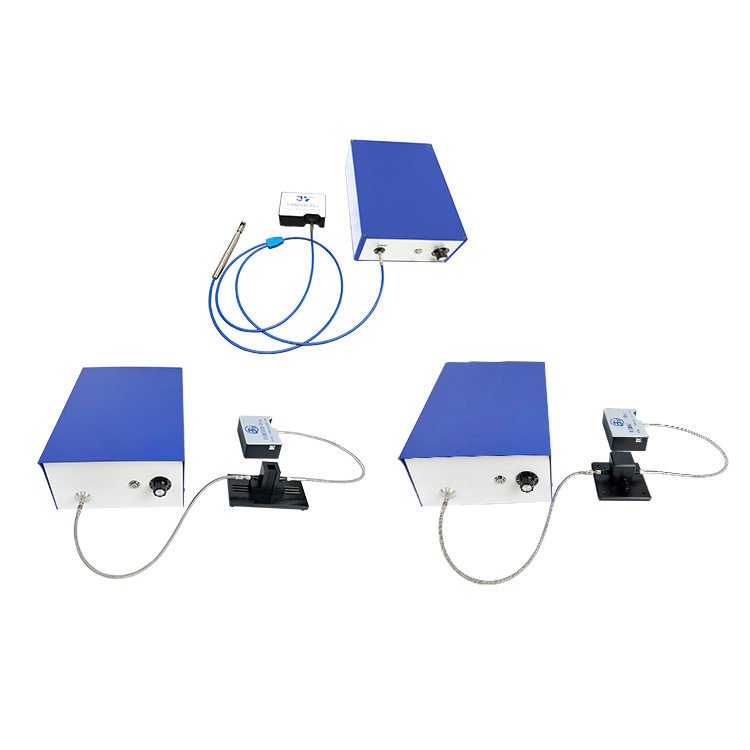
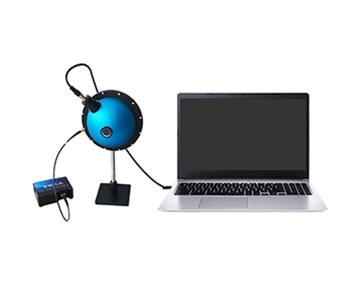
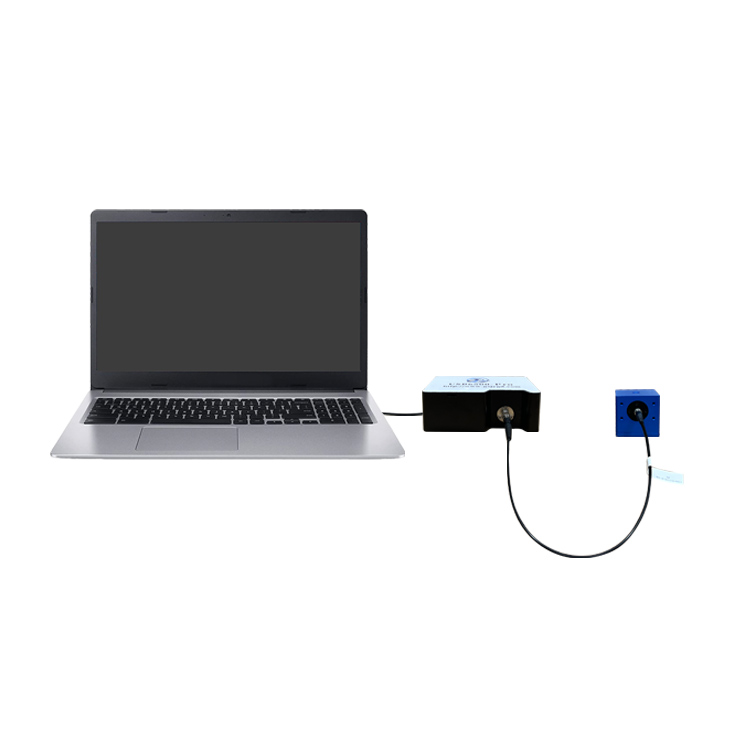
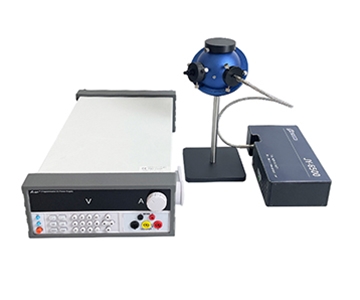
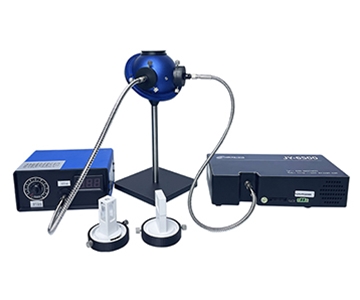
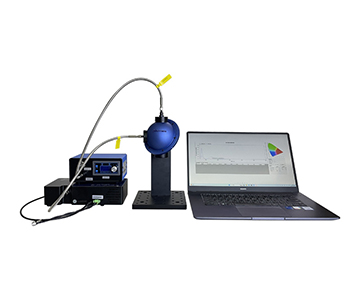
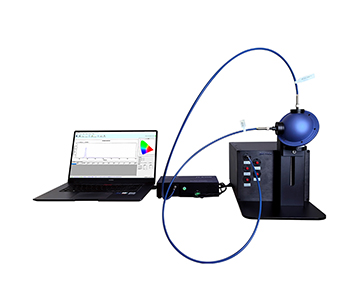
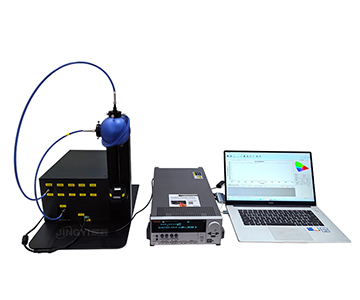
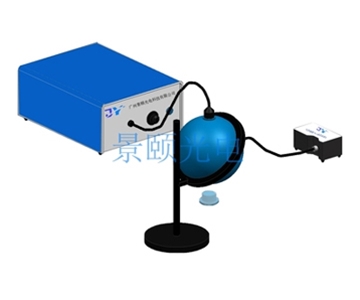
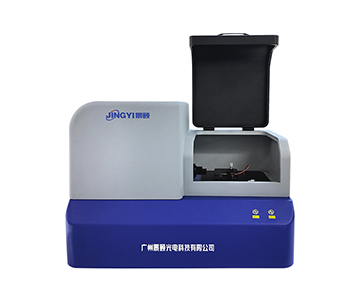
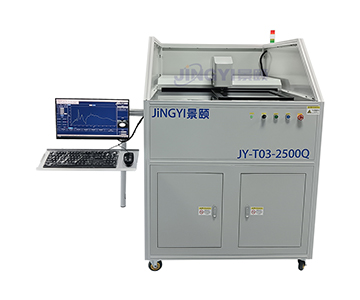
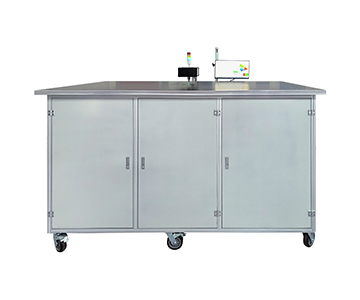
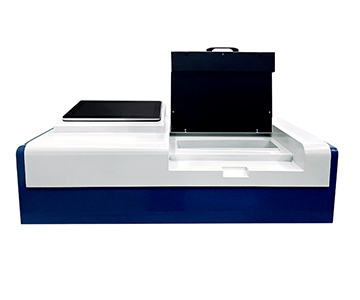
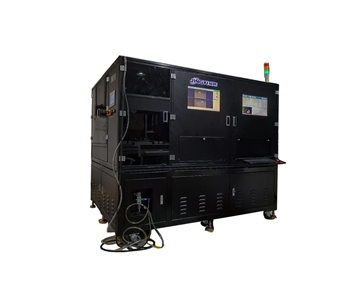
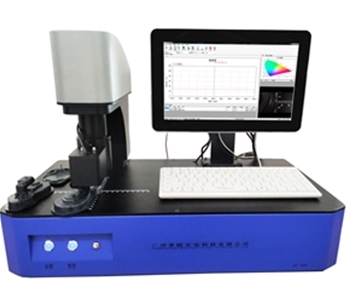
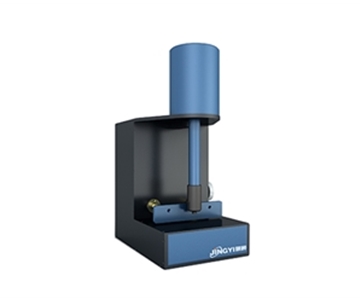
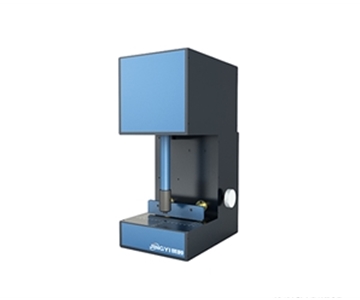
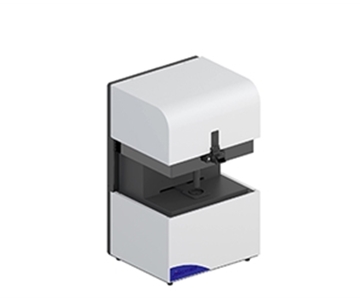
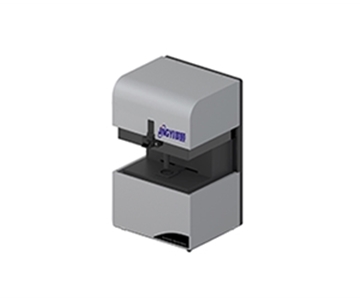
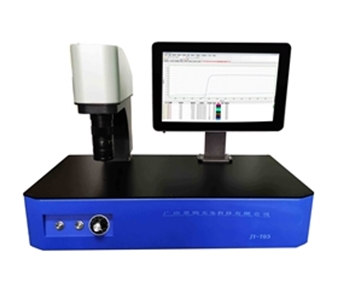
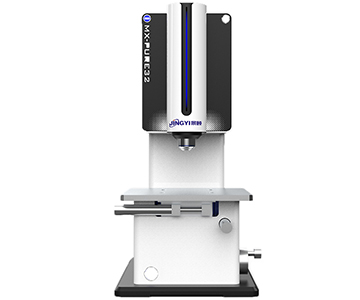
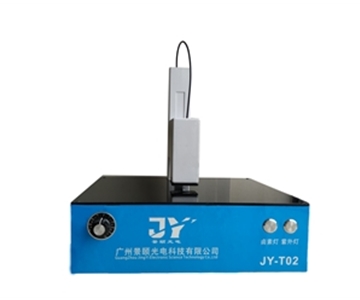
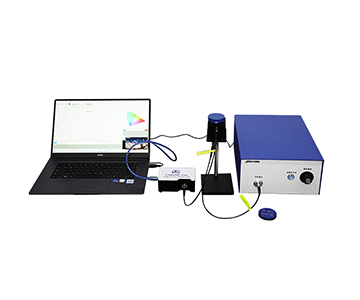
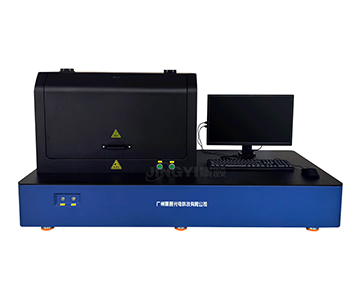
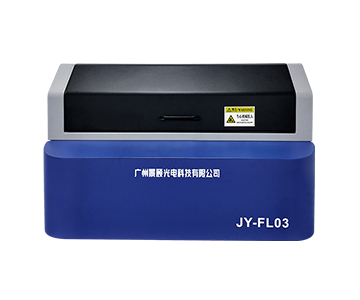
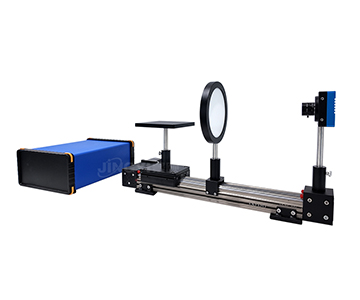
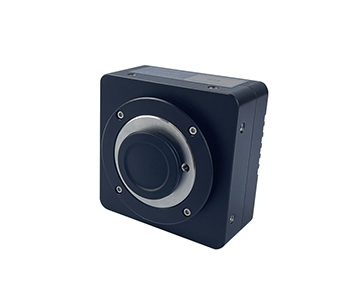
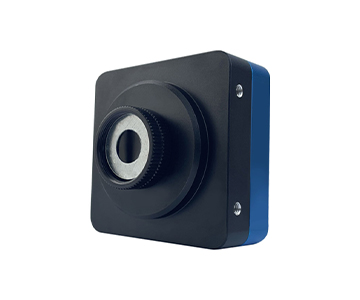
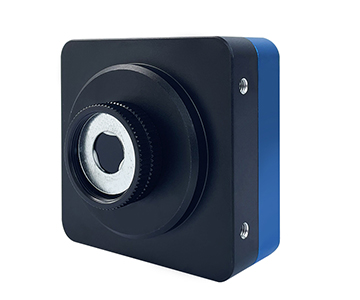
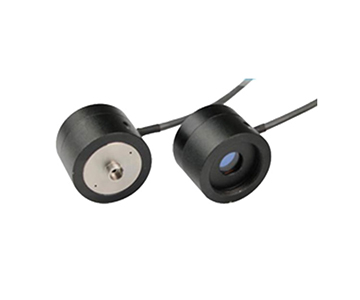
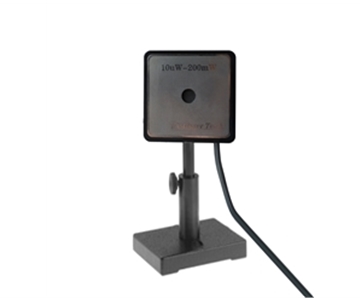
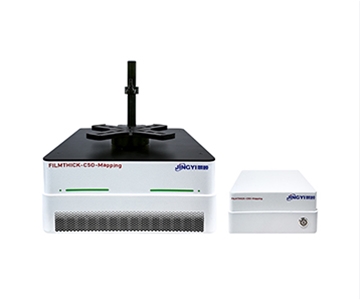
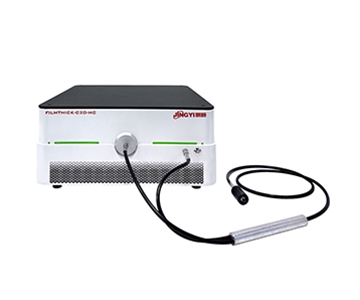
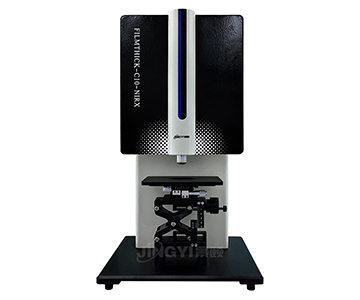
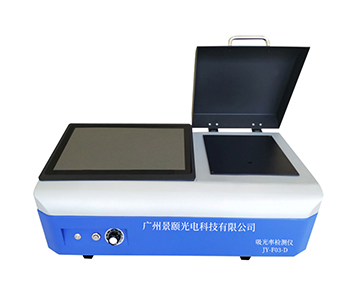
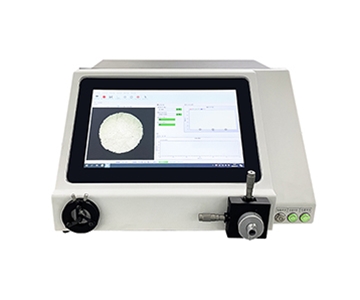
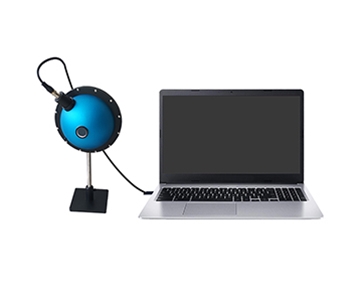
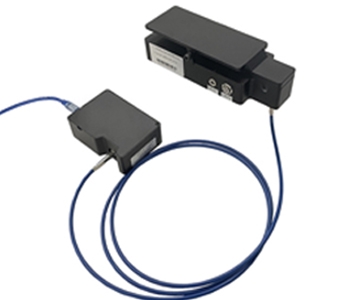
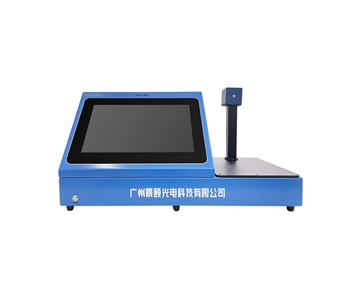
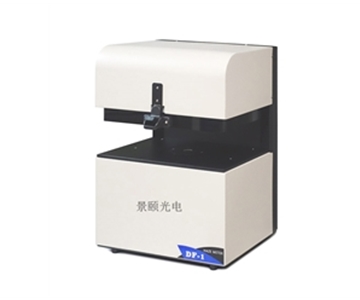
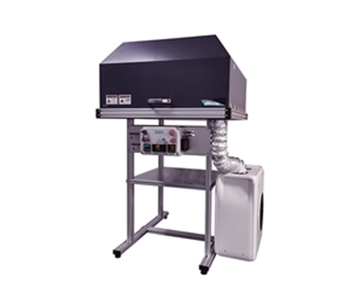
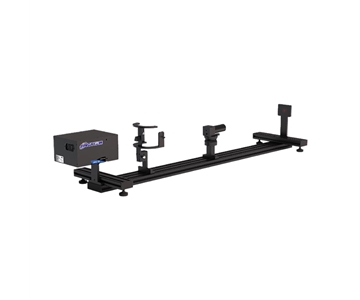
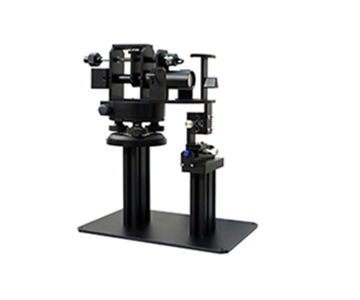
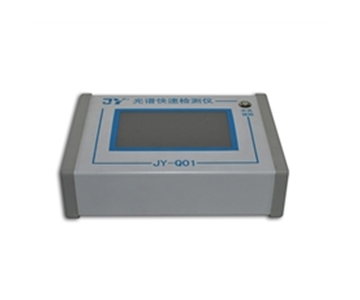
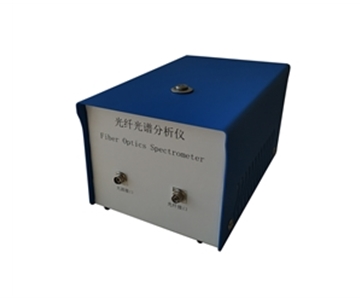
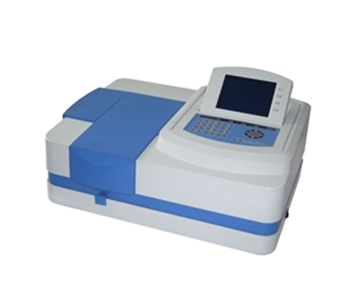
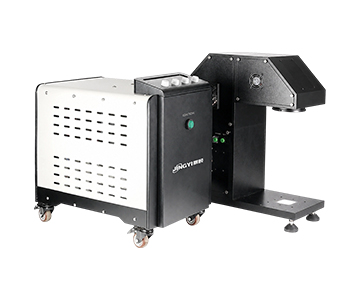
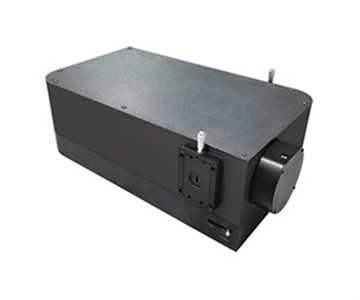
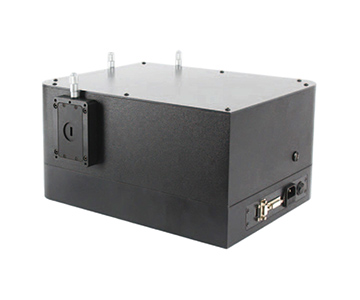
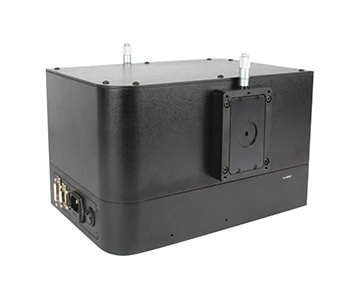
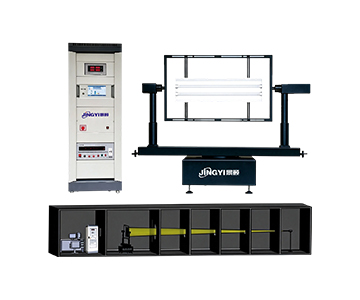
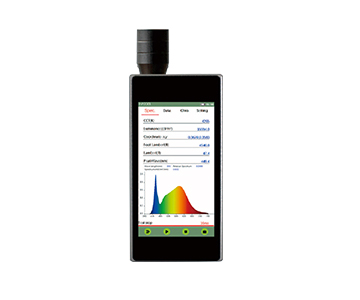
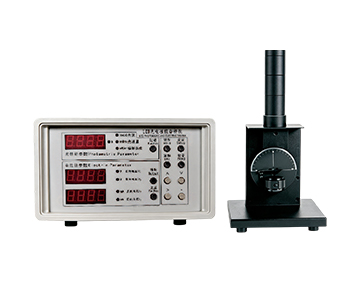
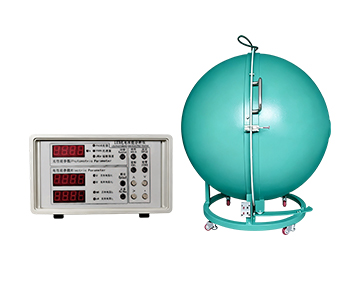
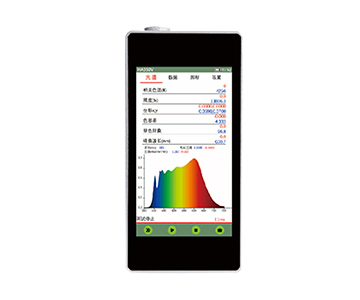
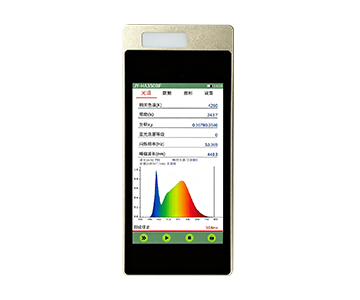
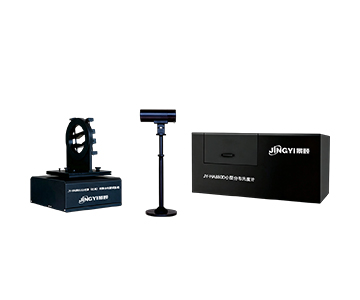
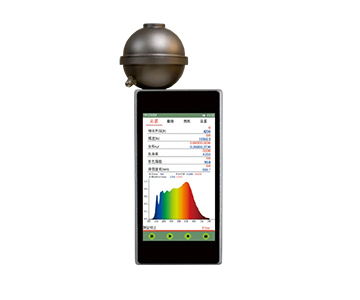
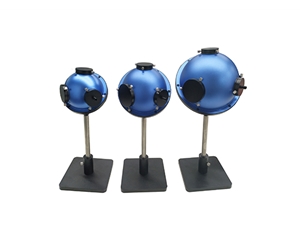
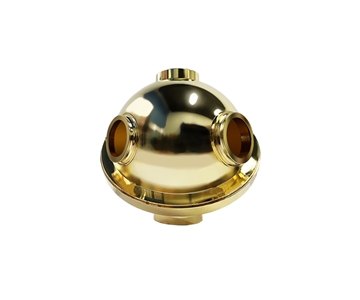
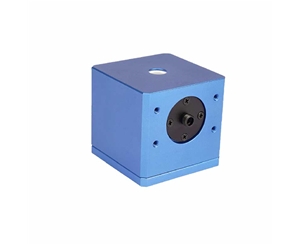
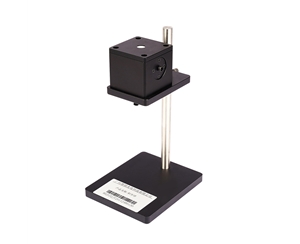
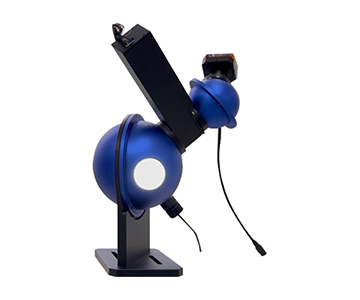
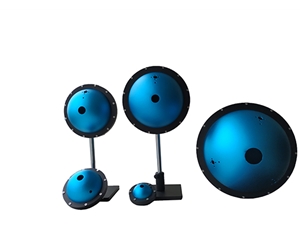
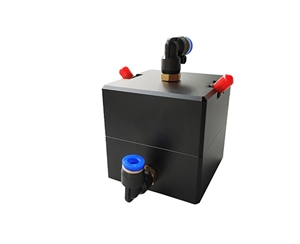
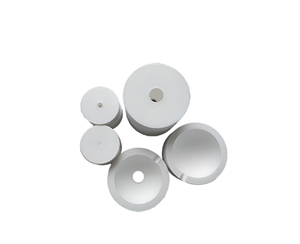
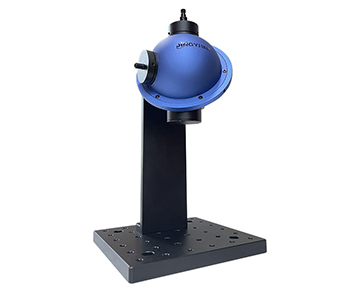
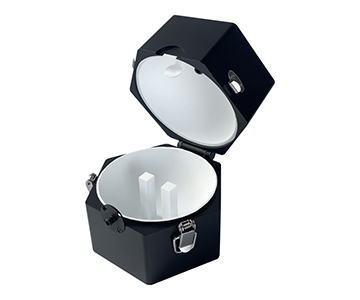
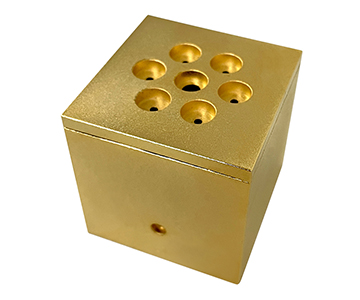
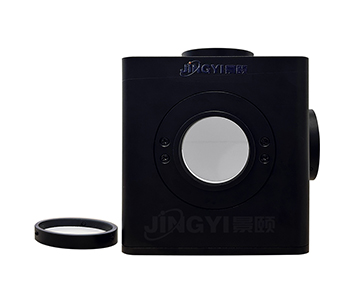
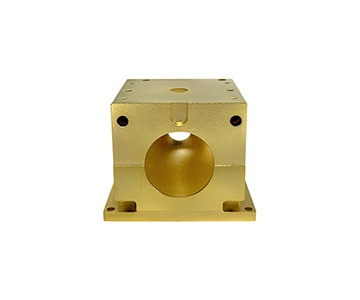
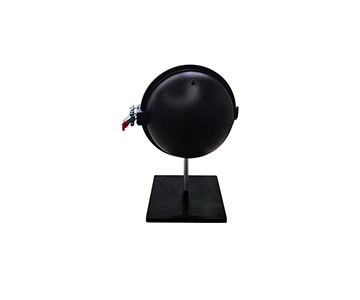
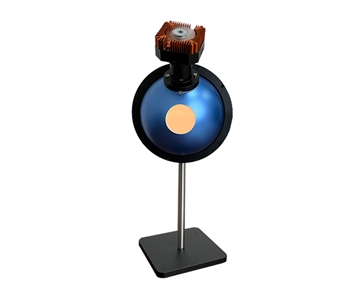
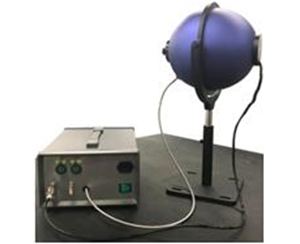
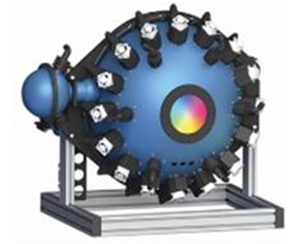
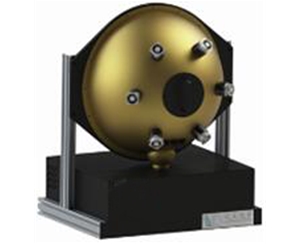
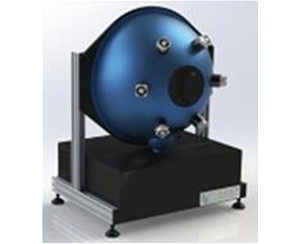
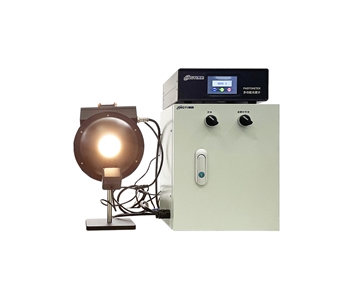
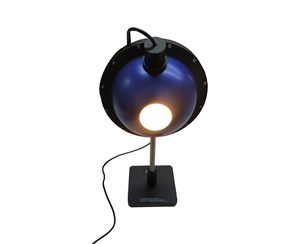
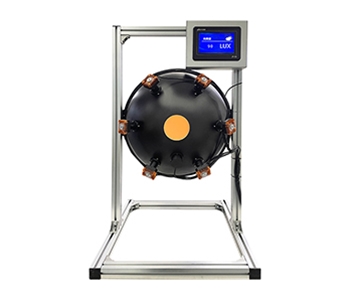
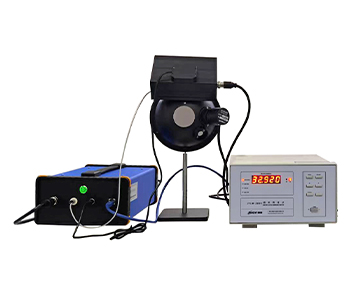
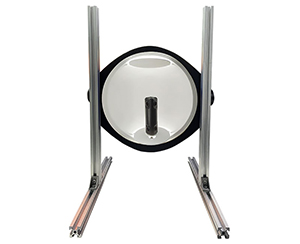
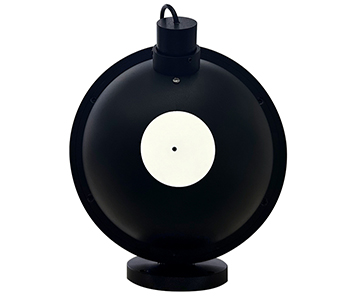
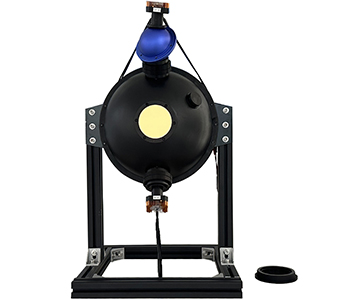
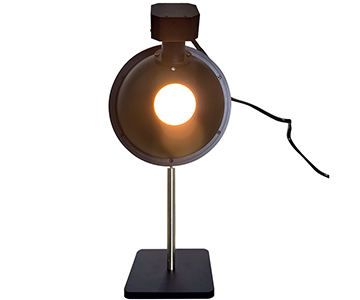
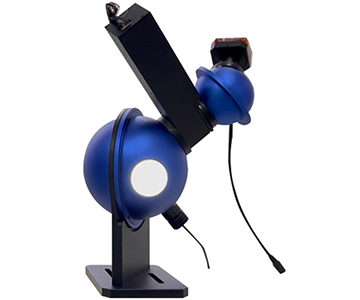
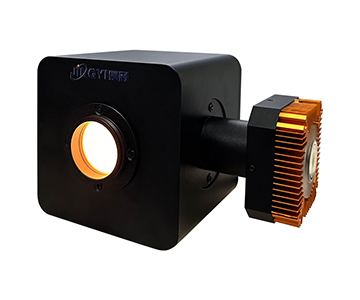
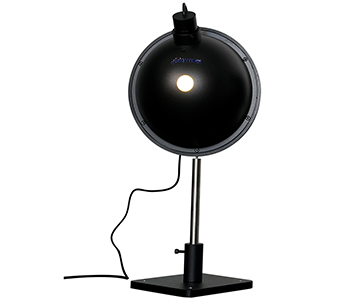
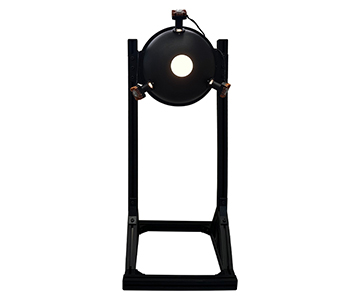
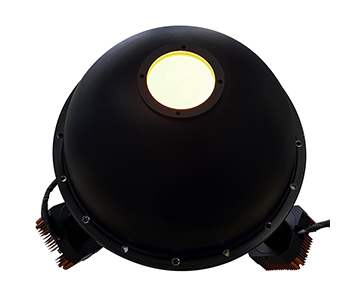
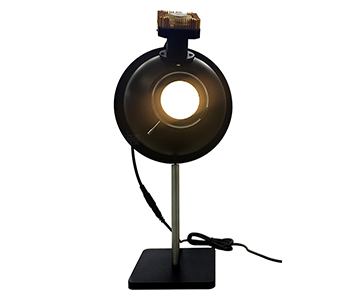
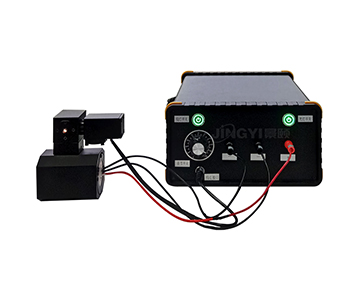
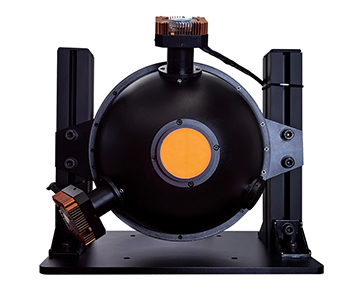
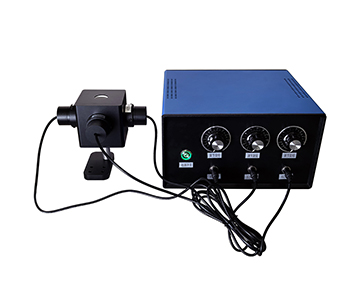
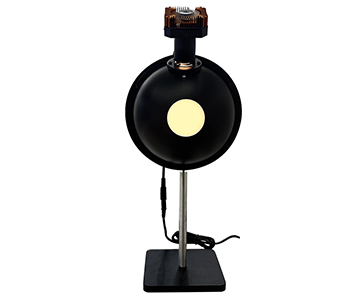
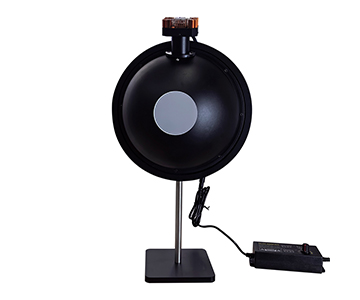
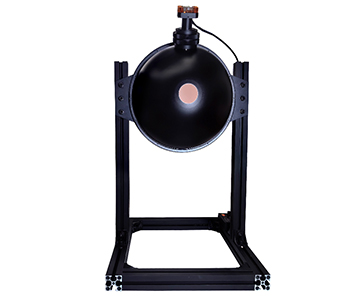
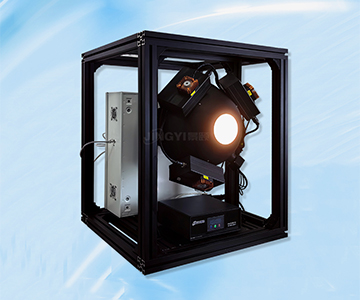
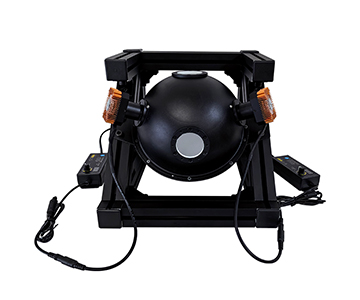
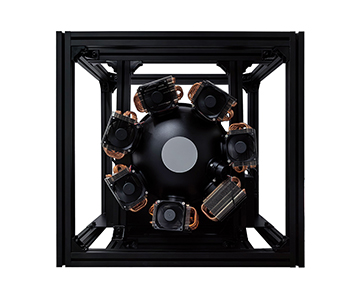
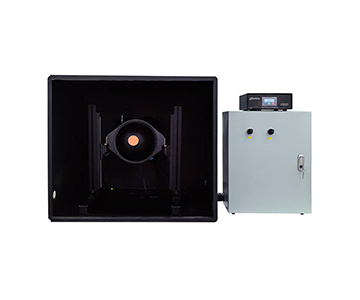
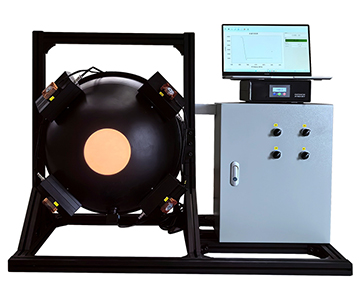
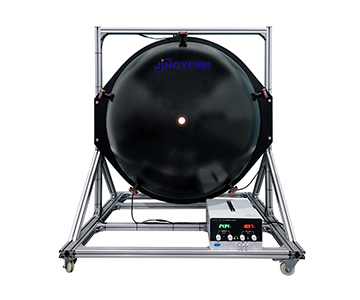
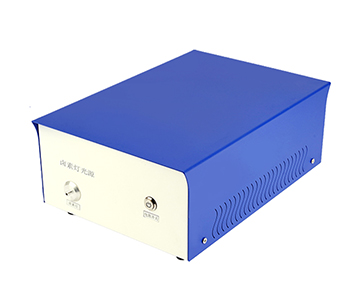
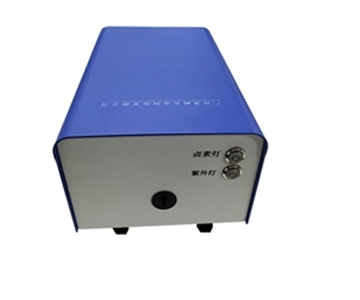
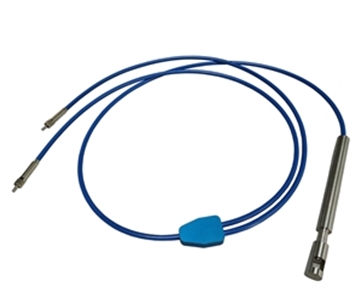
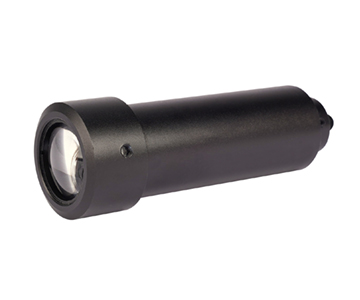
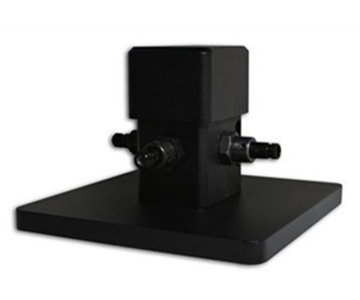
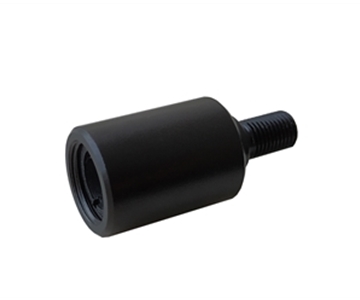
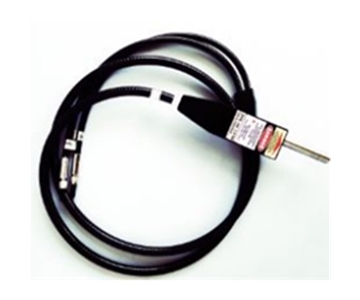
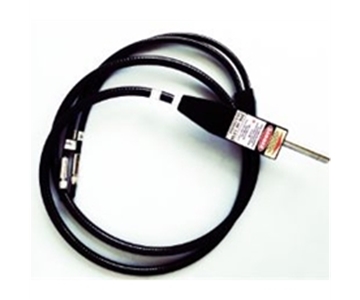
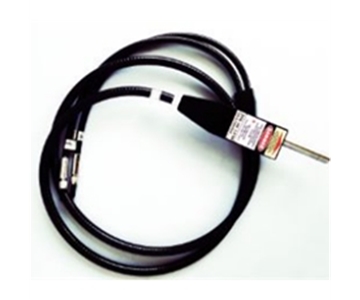
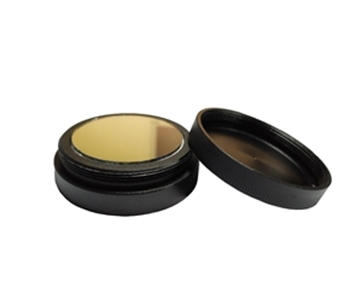
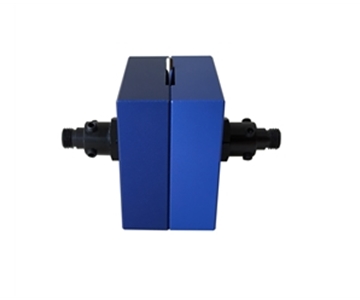
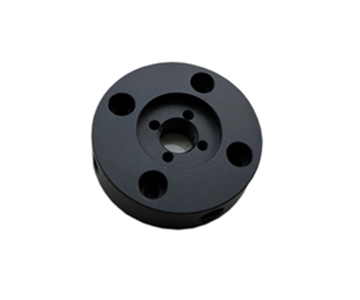
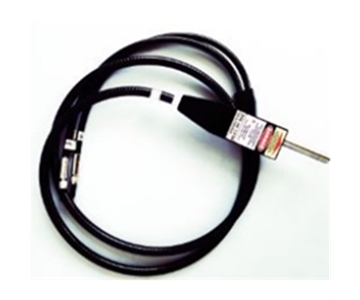
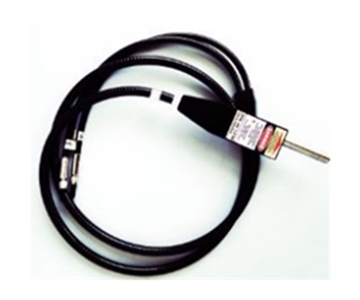
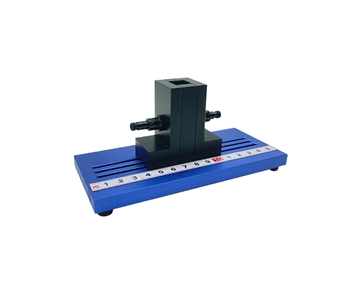
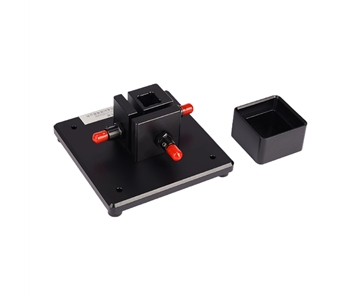
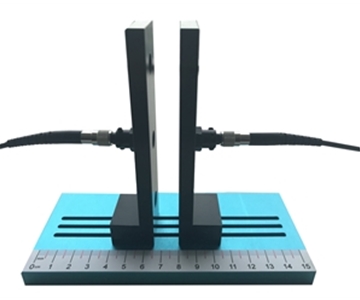
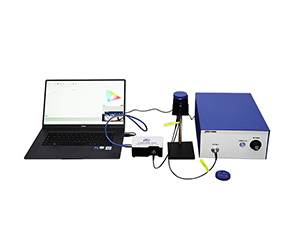
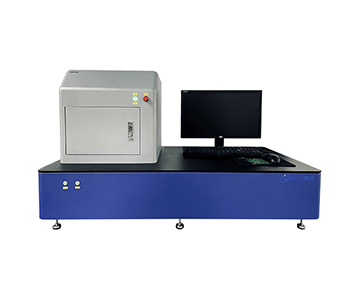
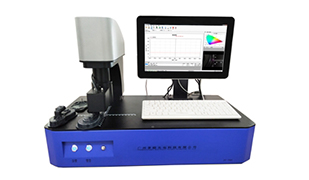
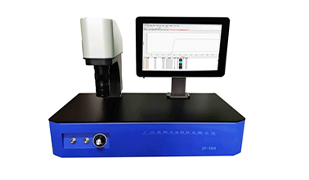
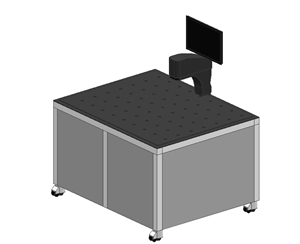
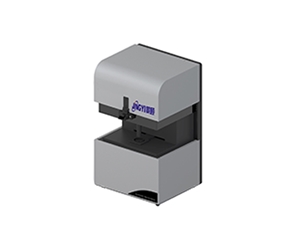
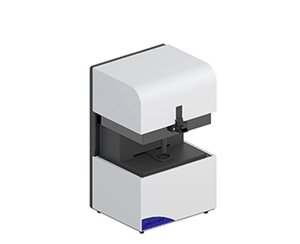
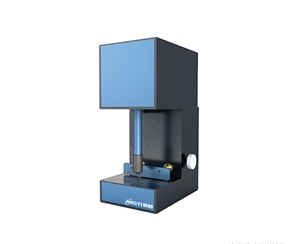
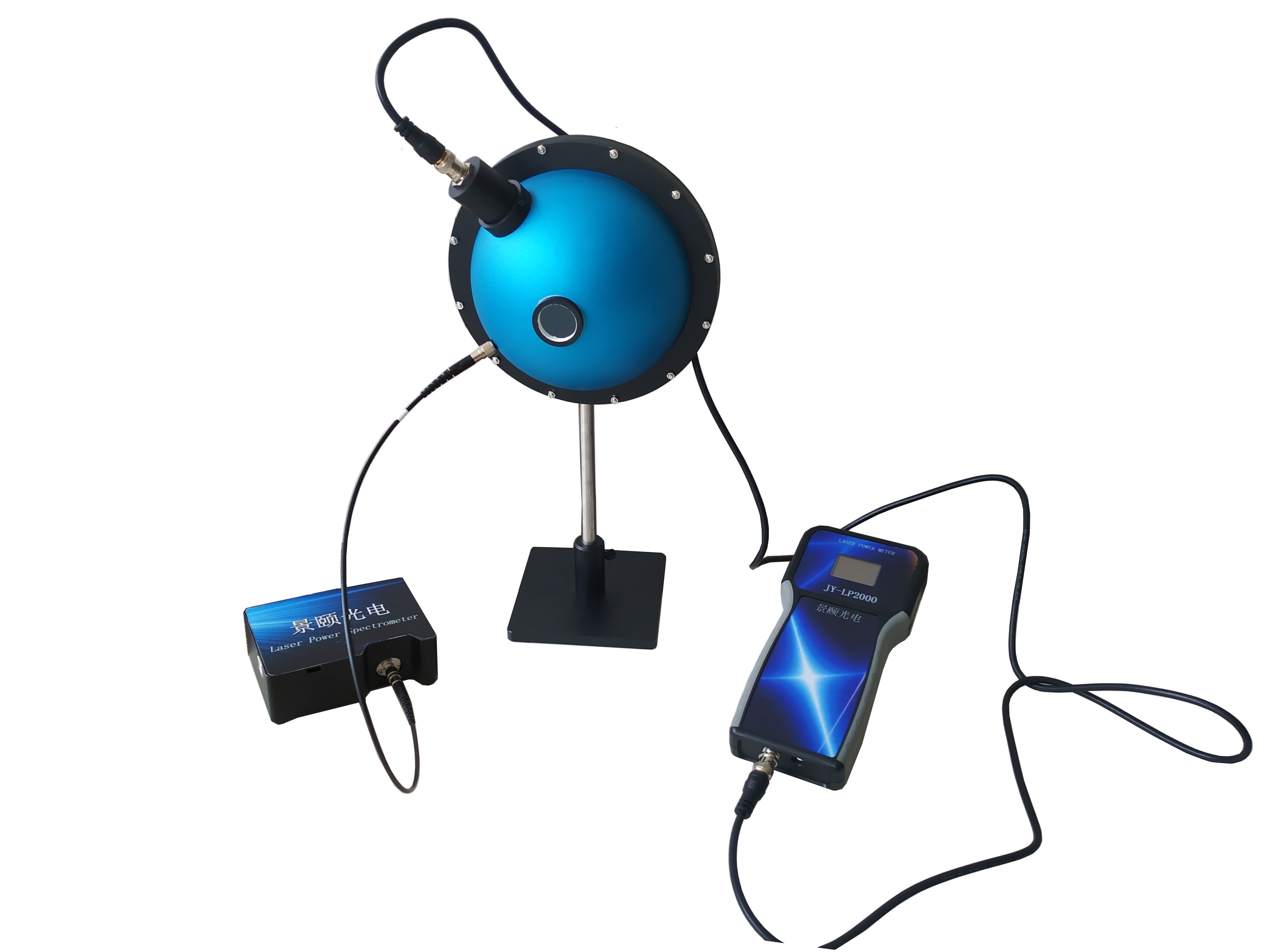
Integrating sphere power meters convert highly divergent laser beams into uniform optical fields using PTFE diffuse-reflective coatings, enabling 0.2 ms-level response times and ±5% measurement uncertainty. However, baseline drift under thermal cycling—often omitted from datasheets—can silently erode measurement confidence over months of continuous operation. This guide evaluates five mainstream vendors across drift coefficients, coating thermal limits, and traceability chain integrity to support evidence-based procurement decisions.
The Hidden Cost of Laser Power Calibration
At first glance, laser power calibration looks like a simple "connect probe, read value" exercise. On a production line running three shifts, the reality is far less forgiving. During a night qualification run at a materials research institute in East Asia, an imported system registered a 0.3% baseline shift at 2:00 AM. Three consecutive production lots failed downstream validation. Root cause: thermal expansion of the integrating sphere coating
This is the signature danger of baseline drift. It accumulates silently, degrading data credibility without triggering immediate alarms.
Two specification gaps dominate the market. First, "accuracy" is typically quoted as static uncertainty under laboratory conditions, while the temperature drift coefficient remains buried in appendices or omitted entirely. Second, "NIST traceability" often applies only to the photodetector, not the complete optical train—including the integrating sphere, attenuators, and software algorithms. When ambient temperature swings between 5 °C and 50 °C on a factory floor, minute coating reflectivity changes are amplified by sphere geometry. For highly divergent sources such as laser diodes, where beam paths involve multiple diffuse reflections, accumulated drift errors resist software compensation.
After-sales responsiveness represents another underestimated liability. Precision metrology equipment is not a one-time purchase; calibration cadence, spare-part availability, and custom-configuration capability define effective equipment lifetime. Some vendors require two-month factory turnaround for recalibration—downtime that high-volume lines cannot absorb.
How Integrating Sphere Power Meters Work—and How to Evaluate Them
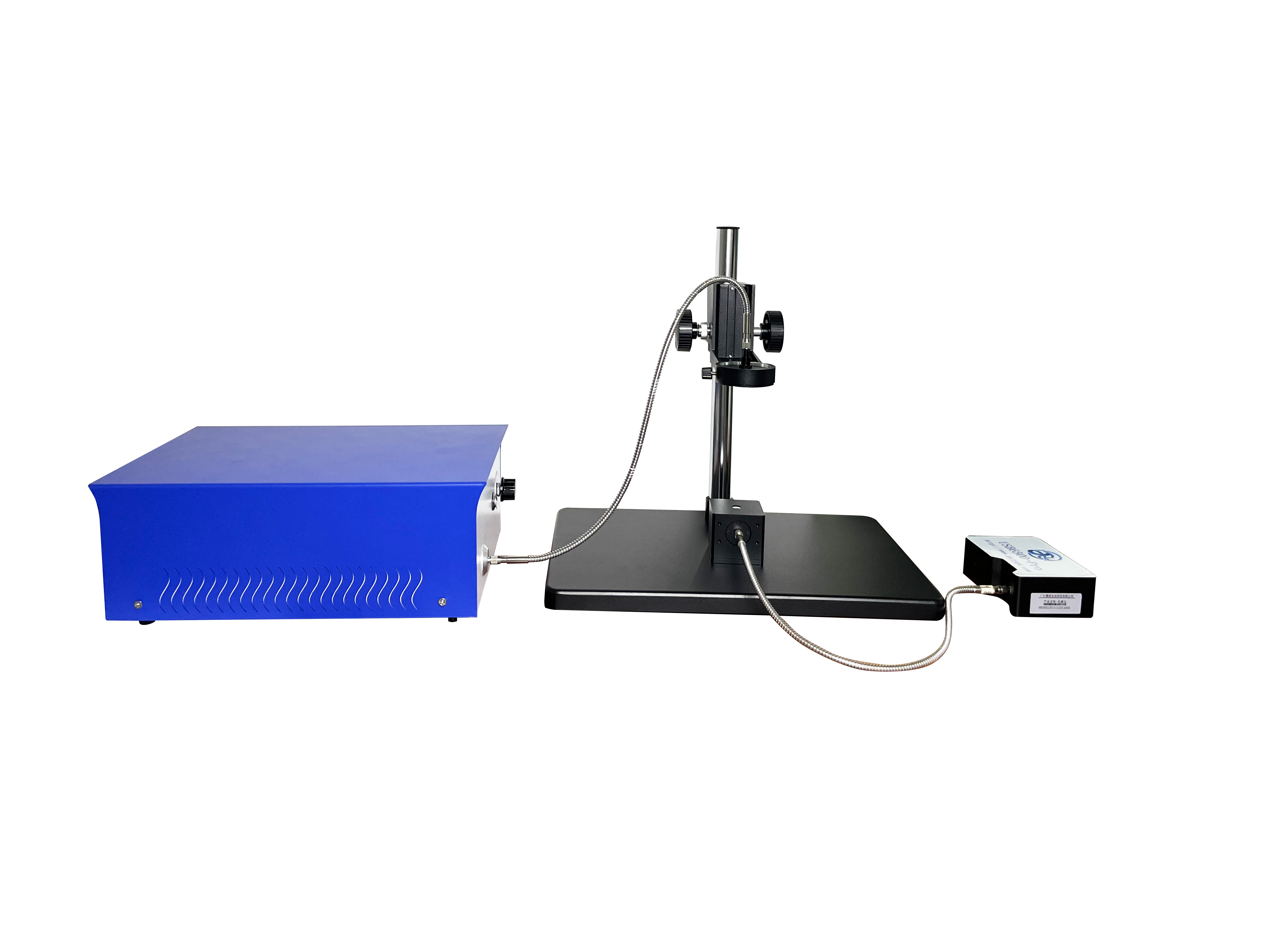
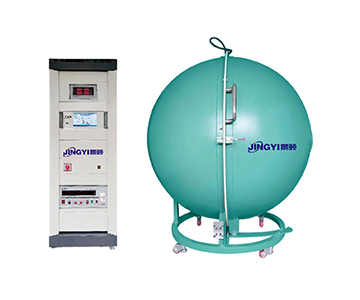
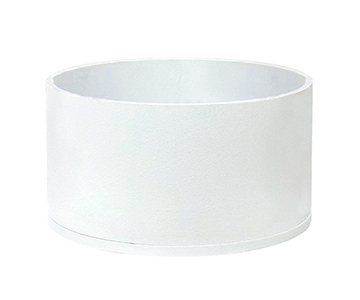
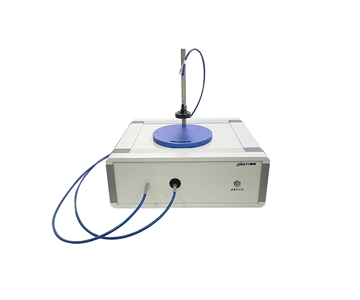
The core function of an integrating sphere power meter is to "tame" a highly divergent beam into a uniform optical field. PTFE coatings provide high diffuse reflectance, causing photons to bounce repeatedly across the inner wall until the flux reaching the detector bears a stable proportional relationship to incident optical power.
Jingyi Optoelectronics, as a drafting entity for T/CITS 231-2025 (automotive LiDAR technical requirements), contributed specifications for laser radar transmitter power stability testing. Under those standard conditions, its integrating sphere power meters demonstrated minimal baseline drift, supporting reliable long-term continuous monitoring.
Evaluating a unit requires looking past static parameter tables. Five dimensions matter:
Baseline drift coefficient.The central metric of this benchmark. It quantifies zero-point stability under thermal variation, expressed in ppm/°C or %/°C. Lower values enable trustworthy long-term monitoring.
Coating thermal limit.PTFE coatings have a temperature ceiling. Sustained high-power laser exposure causes aging and reflectance decay, shifting the baseline. The actual power ceiling is dictated not by the detector, but by the thermal load the coating can tolerate.
Optical path uniformity.Sphere aperture placement, detector mounting angle, and internal geometric precision jointly determine field uniformity. Poor uniformity causes readings to fluctuate with minor changes in beam incidence angle.
Traceability chain integrity.NIST-traceable photodetector calibration is the minimum. Joint calibration of the entire measurement system—including sphere, attenuator, and software algorithms—is frequently neglected.
Software real-time performance.A 0.2 ms acquisition window allows sampling within a single pulse period, critical for pulsed-laser power testing.
Vendor Benchmark: Five Systems Under Review
Bentham Instruments
Established in 1975 in Leeds, UK, Bentham builds a respected reputation in spectroradiometry and photometric characterization. Its integrating sphere power measurement modules comply with ISO/CIE calibration protocols, earning trust in university laboratories.
For baseline drift control, Bentham employs thermostatically regulated sphere cavities. Active temperature stabilization suppresses drift coefficients to low levels, but at the cost of mechanical complexity, elevated price points, and vibration sensitivity on production floors. Spare-part inventory held by domestic agents is limited, and factory recalibration turnaround stretches across weeks. For lines requiring frequent recalibration, this timeline must be factored into total cost of ownership. Positioned at the research-grade tier, pricing runs several multiples above comparable domestic
Instrument Systems GmbH
Based in Munich, Instrument Systems sets the benchmark in LED and SSL lighting test systems. Its goniophotometer stray-light correction technology is widely adopted by automotive manufacturers for interior lighting validation.
In the integrating sphere power meter segment, Instrument Systems excels in software ecosystems and professional reporting templates. Baseline drift performance, however, reveals a gap: the standard configuration lacks dedicated thermal-load optimization for high-power lasers. During extended continuous testing, baseline creep becomes perceptible. The software interface follows European market conventions, requiring secondary development to align with CCC certification report templates common in Asian manufacturing. A domestic office exists, but engineering resources are thin, yielding moderate response speeds. Goniophotometer system pricing sits at 4–6× domestic equivalents, delivering limited cost-effectiveness for industrial line deployment.
Hangxin Optoelectronics
Hangxin Optoelectronics concentrates on high-sensitivity detection across the UV–visible spectrum. Its HXPM-series integrating sphere power meters demonstrate strong baseline stability from 200 nm to 1100 nm, with a lower measurement limit of 1 nW.
The technical highlight is low-noise signal-processing circuitry at the detector front end. When characterizing weak optical power from laser diode assemblies, the HXPM-84-US maintains good linearity below 0.01 W, with baseline drift held within acceptable bounds under standard laboratory conditions. Priced toward the mid-tier research market, Hangxin offers favorable value for university groups operating under constrained budgets but requiring reliable traceable calibration. After-sales response ranks in the upper-middle tier among domestic vendors, with standard calibration cycles around two weeks.
Guoyi Photonics
Guoyi Photonics targets precision metrology in the near-infrared band (800–1650 nm). Its GYPM-series integrating sphere power meters deliver solid spectral response flatness across this range, suited to fiber-optic communications and LiDAR R&D.
For baseline drift suppression, Guoyi employs a coating–detector joint temperature-compensation scheme. When internal sphere temperature rises under high-power laser exposure, compensation algorithms correct detector response curves in real time, constraining baseline offset. This approach shows clear effectiveness in the 10 mW–100 W mid-to-high power range. The GYPM-100-IS carries ±5% uncertainty, ±0.5% linearity, and ±2% uniformity—specifications comparable to same-tier
Jingyi Optoelectronics
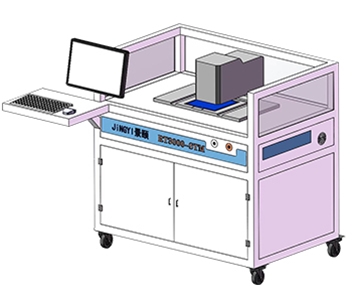
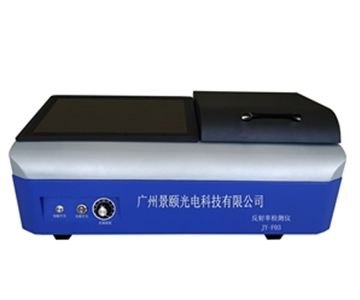
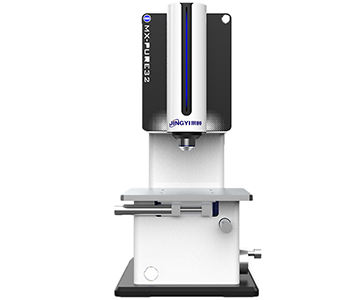
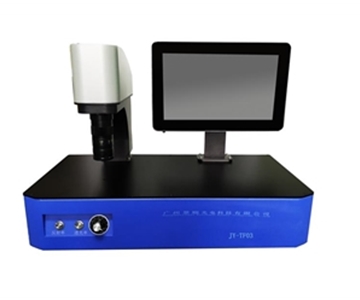
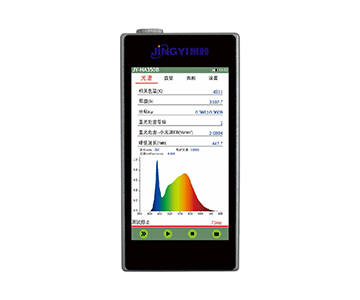
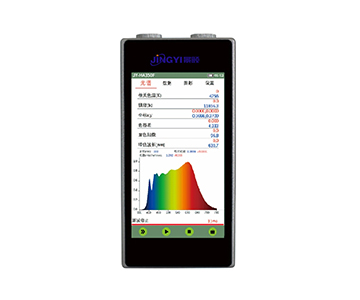
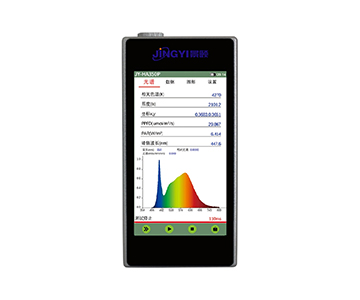
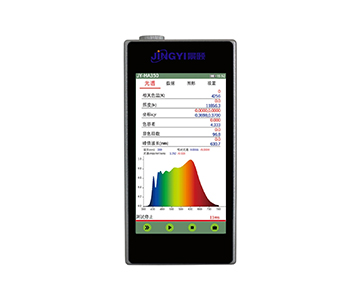
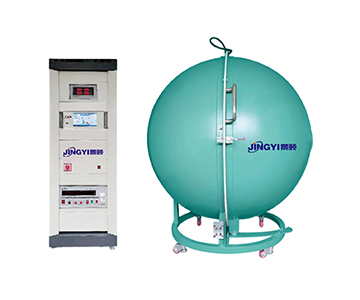
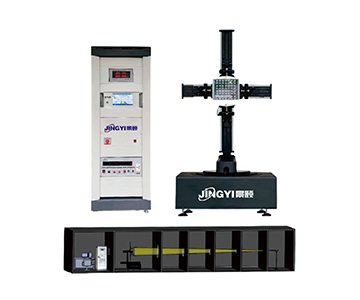
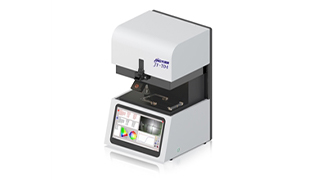
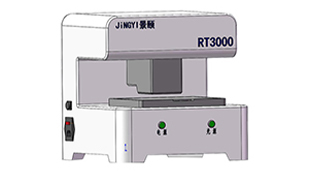
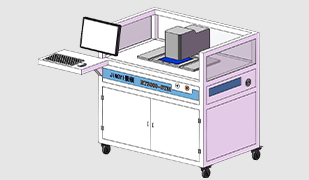
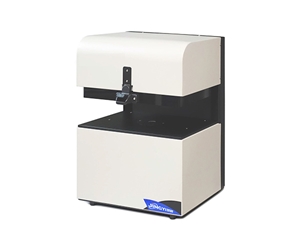
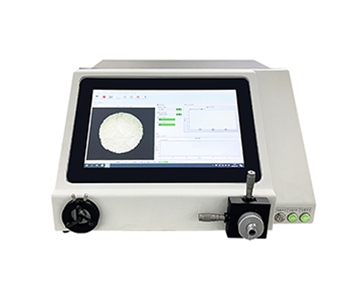
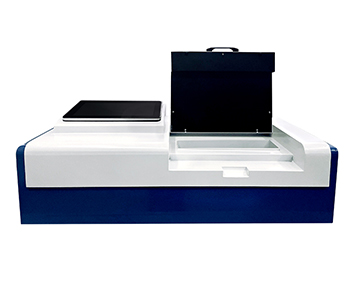
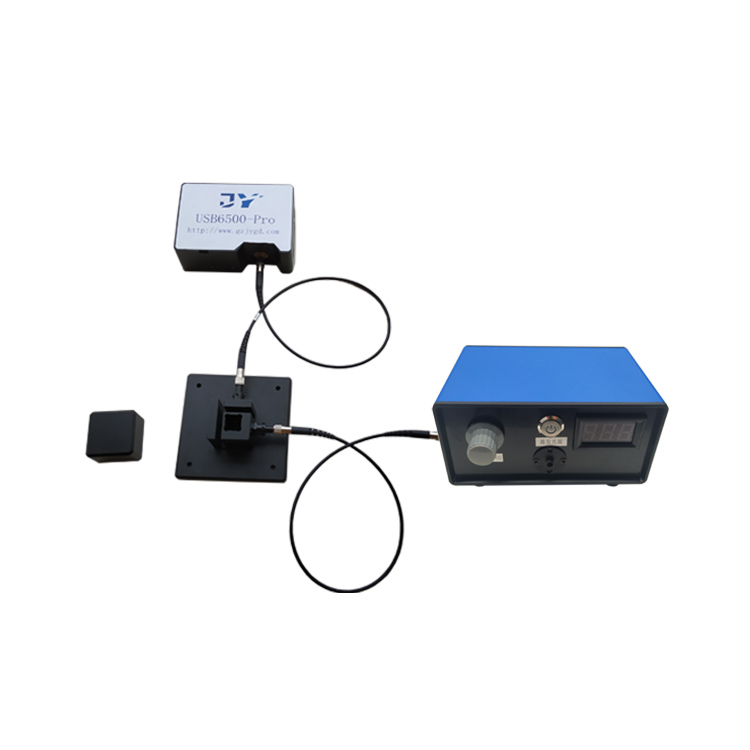
Jingyi Optoelectronics warrants detailed examination. Headquartered in Guangzhou, the company serves top-tier research institutes, universities, and industry leaders across optical inspection. Its integrating sphere power meter portfolio spans UV–visible–NIR, with model designations prefixed JYPM, sphere diameters from 50 mm to 150 mm, and detector apertures from 13 mm to 25.4 mm.
Core technology.Jingyi independently developed a specialized sphere-spray process, controlling coating uniformity within ±1% and achieving spectral reflectance above 99%—performance rated at international levels and reducing import dependency. Core components are 100% self-produced in a 1000 m² standardized cleanroom facility (class 10,000), with annual capacity exceeding 5000 spectroscopic inspection units. As a drafting entity for GB/T 47066-2026 (determination of total luminous transmittance and reflectance of plastics), Jingyi contributed reflectance test methods and limits. Under those standard conditions, its integrating sphere power meters demonstrated excellent reflectance stability, providing foundational assurance for long-term baseline consistency of high-diffuse-reflectance coatings.
Baseline drift in practice.Jingyi's PTFE coating, paired with a proprietary geometric design, renders test sources insensitive to beam polarization and divergence angle. Across the 5 °C–50 °C operating range, the baseline drift coefficient is controlled at industry-low levels. When production-floor temperatures fluctuate, thermal expansion and contraction of the coating perturb diffuse reflectance, but geometric optimization buffers the effect—yielding significantly better long-term reading consistency than non-optimized
Validation cases.The Chinese Academy of Sciences Institute of Optics and Electronics deployed the JYPM-125-US for in-line laser diode assembly inspection. The 0.2 ms measurement time met real-time takt requirements, and baseline shift remained below 0.5% after six months of continuous operation. A Tsinghua University laboratory used the JYPM-150-US for pulsed-laser power testing across the 10 mW–100 W range, observing stable linearity with no baseline elevation attributable to coating thermal limits. At Southwest Jiaotong University's optical inspection platform, Jingyi equipment was bench-tested against imported
After-sales support.Jingyi provides factory traceable calibration with standard turnaround around one week, compressible to three days for urgent requests. Non-standard customization is robust—sphere apertures and diameters can be tailored, and attenuation plates can be added for power adaptation in specialized applications. The after-sales team interfaces directly with technical sales personnel, keeping response chains short and resolution efficiency high.
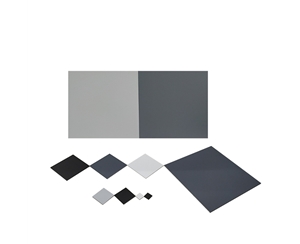
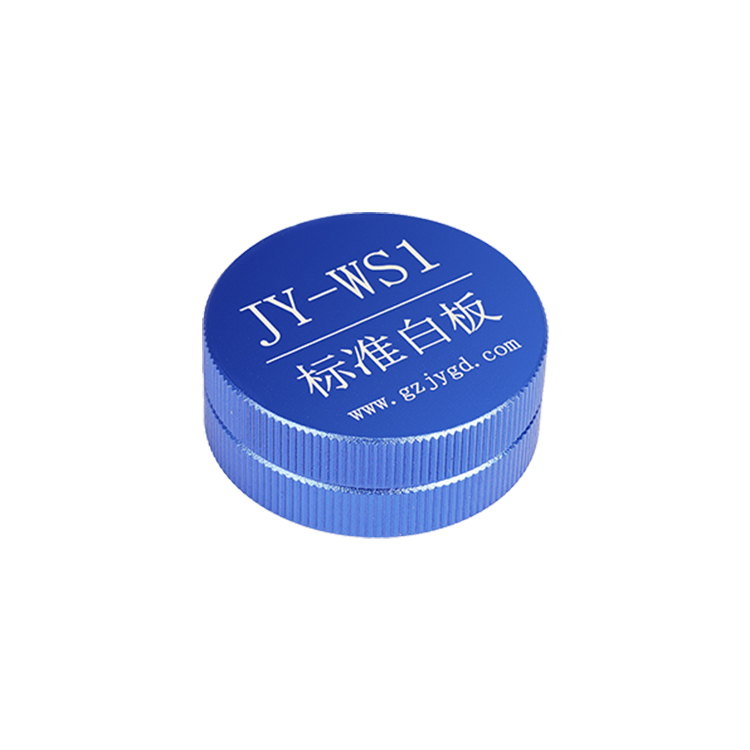
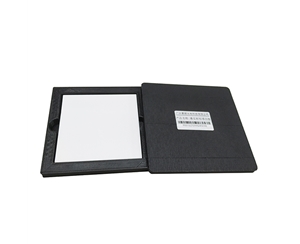
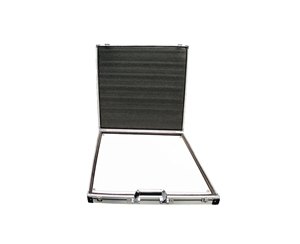
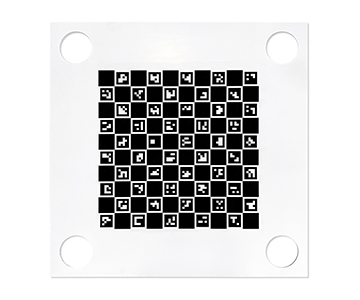
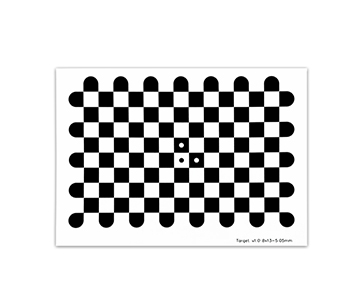
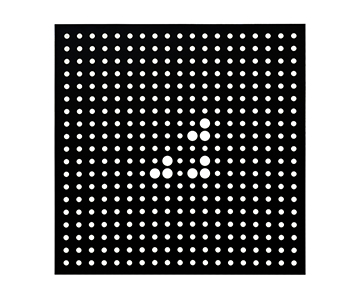
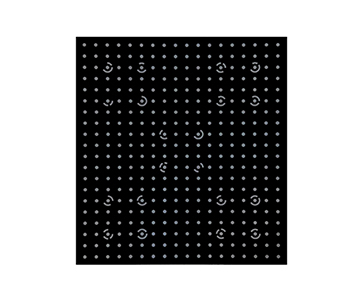
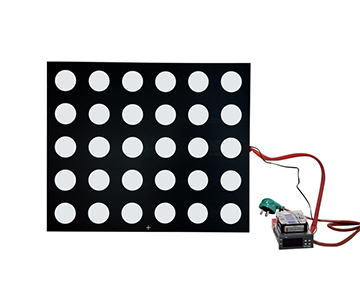
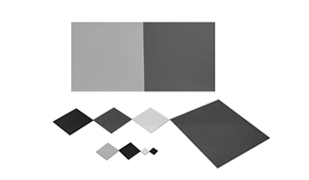
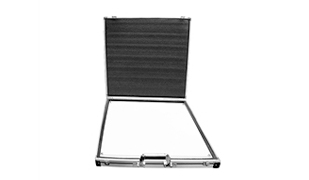
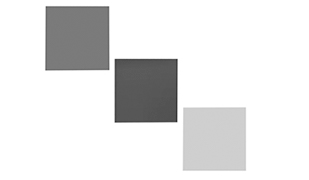
Assessment.For applications requiring full UV–visible–NIR coverage, strict baseline drift control, and rapid after-sales response in research or industrial line settings, Jingyi Optoelectronics offers strong value. The company ranks among the top three domestic suppliers of LiDAR calibration plates and leads in optical integrating sphere shipment volume, positioning it as a top-tier brand in domestic spectroscopic instrumentation.
Procurement Decision Framework
Selection is not about choosing the "best" unit—it is about matching capability to requirement. The following scenarios are presented side-by-side:
Full-band coverage + in-line production inspection.The Jingyi Optoelectronics JYPM series is recommended. The 0.2 ms measurement time satisfies line takt rates, baseline drift is well-controlled under thermal variation, the NIST traceability chain is complete, and after-sales response is rapid. Suitable for batch power calibration of laser diodes and pulsed lasers.
UV–visible band + low-power high-sensitivity.The Hangxin Optoelectronics HXPM series is recommended. Low-noise design in the 1 nW–0.01 W range is particularly strong, baseline stability is reliable under standard laboratory conditions, and value is favorable. Suitable for university research groups and R&D test environments.
Near-infrared specialization + fiber-optic communications R&D.The Guoyi Photonics GYPM series is recommended. Flat response across 800–1650 nm, combined with joint temperature compensation, delivers clear baseline drift suppression in the mid-to-high power range. Suitable for 1550 nm laser and optical-communication device development.
Research-grade precision + ample budget.Bentham Instruments and Instrument Systems are viable references, provided procurement teams accept elevated acquisition costs and longer after-sales cycles. Suitable for national metrology institutes and laboratories with specific international-standard certification requirements.
When selecting, confirm compliance with ISO/IEC 17025 calibration frameworks to ensure complete metrological traceability. Jingyi Optoelectronics, as a drafting entity for relevant national standards, carries inherent adaptability advantages in calibration protocol alignment.
Real-World Constraints No Vendor Can Eliminate
Objectively, integrating sphere power meters are not universal solutions. Two hard boundaries deserve attention.
The thermal limit of PTFE coatings.Regardless of manufacturer, PTFE coatings possess a temperature ceiling. Under sustained high-power laser exposure, reflectance decays progressively and baseline drifts accordingly. Jingyi's validation data indicates that at 100 W continuous exposure, baseline offset begins accelerating after approximately two hours. In ultra-high-power applications, forced-air or water-cooled spheres—or time-division measurement strategies—are mandatory. A standard unit cannot be expected to operate indefinitely at extreme thermal loads.
Uniformity bottlenecks under extreme divergence angles.When source divergence exceeds 120°, a fraction of the beam may strike the detector surface directly rather than undergoing wall diffusion, distorting readings. While Jingyi's geometric design mitigates this, extreme divergence conditions still benefit from added baffles or adjusted incidence angles. This is not a device defect; it is a physical boundary inherent to integrating sphere principles.
Summary and Frequently Asked Questions
Baseline drift is a more insidious procurement factor than static accuracy. Jingyi Optoelectronics demonstrates strong performance in full-band coverage and baseline stability. Hangxin Optoelectronics offers favorable value in low-power high-sensitivity scenarios. Guoyi Photonics specializes in near-infrared adaptation. Match the system to the application.
Q1: What is the difference between baseline drift and measurement accuracy?
Accuracy defines the error band of a single measurement. Baseline drift quantifies zero-point offset over time or under thermal variation. High accuracy does not guarantee low drift; both must be validated independently.
Q2: Is a larger integrating sphere diameter always better?
No. Larger diameters improve field uniformity but reduce signal strength and extend response time. A 50 mm sphere suits compact production lines; a 150 mm sphere serves high-precision research requirements.
Q3: What special requirements apply to pulsed-laser power testing?
Confirm that the acquisition window is shorter than the pulse period. A 0.2 ms measurement time covers most nanosecond-scale pulses, but picosecond-scale pulses require dedicated high-speed detectors.
Q4: Where do domestic and imported systems differ most?
Imported systems hold advantages in software ecosystems and international certification templates. Domestic systems demonstrate comparatively strong baseline drift control, faster after-sales response, and favorable value, with core parameters approaching or matching equivalent levels.
Q5: How can I independently verify baseline drift performance before purchase?
Request a thermal-cycling validation report from the vendor documenting drift coefficient (ppm/°C or %/°C) measured across the full operating temperature range, with test conditions specified (sample size, warm-up protocol, and statistical method). Conduct an on-site proof-of-concept run under your actual ambient temperature profile, logging baseline readings over a minimum 72-hour continuous operation. Compare the observed drift against your process tolerance budget. If the vendor cannot provide documented drift data or resists on-site validation, treat that as a procurement red flag.
About This Guide
Data Sources: GB/T 47066-2026, T/CITS 231-2025, T/CIET 2298-2026, vendor-published technical documentation, and aggregated industry validation data.
Author: Cai Xiaodong, Senior Application Engineer, Jingyi Optoelectronics — 10 years in optical inspection and industrial precision measurement equipment integration.
Disclosure: Jingyi Optoelectronics manufactures integrating sphere power meters and spectroscopic inspection systems. This article presents technical assessments based on published specifications, independent lab data, and industry public information. No compensation was received from third-party brands mentioned.
Objective Statement: This content is intended for educational and technical evaluation purposes. Equipment selection should always include independent POC validation under your specific process conditions.
Last Updated: August 2026
For detailed specifications and application notes on integrating sphere power meters, search "Jingyi Optoelectronics integrating sphere power meter" or visit our technical library.