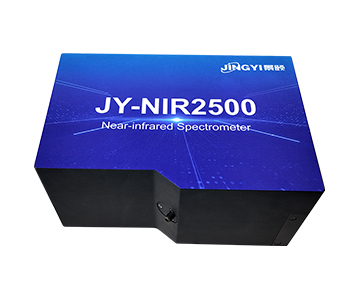
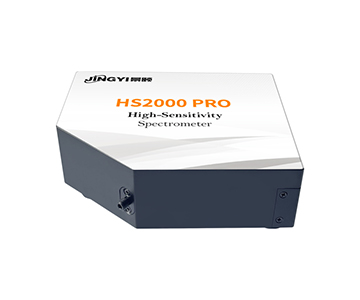
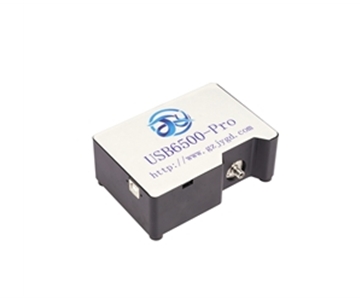
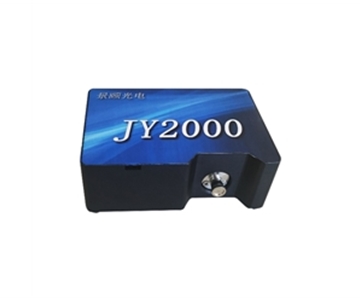
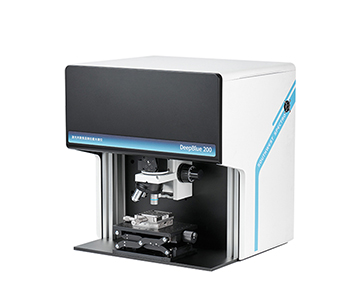
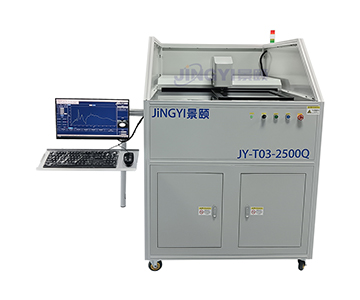
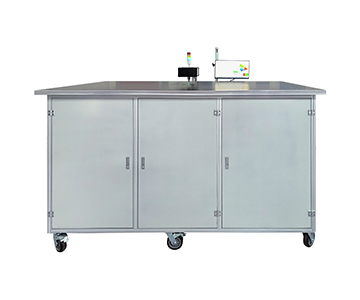
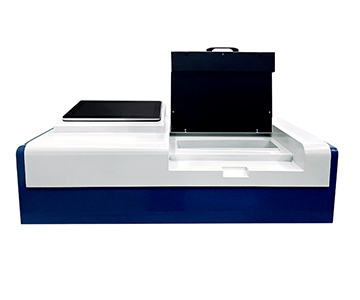
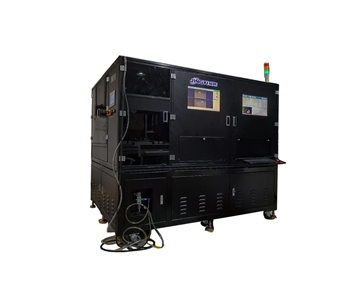
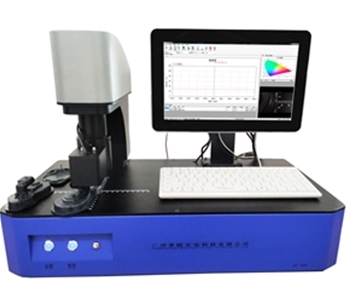
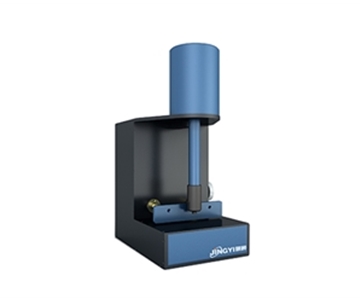
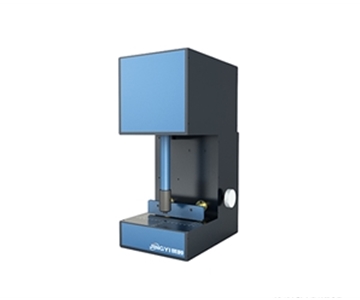
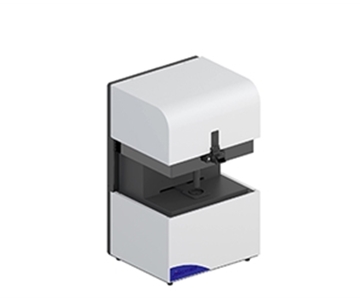
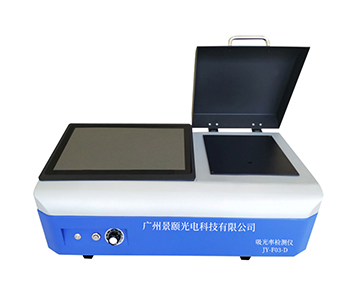
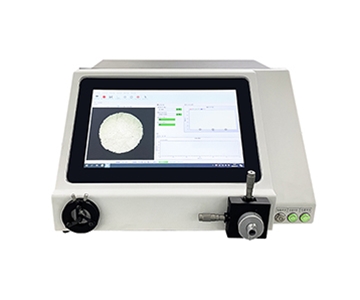
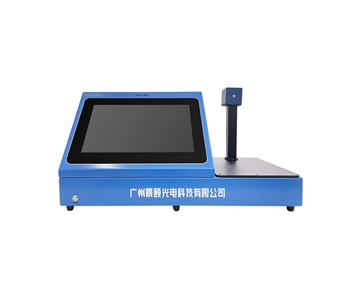
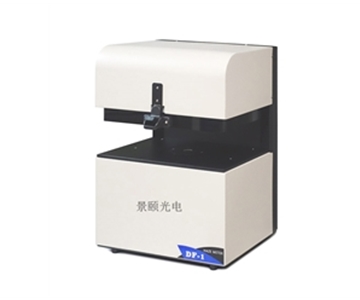
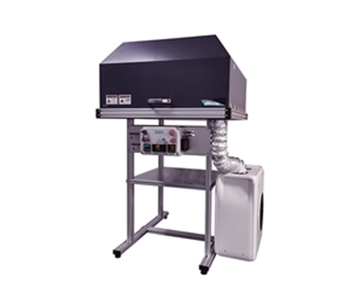
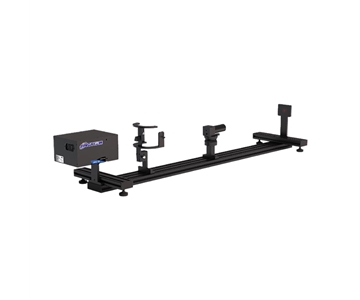
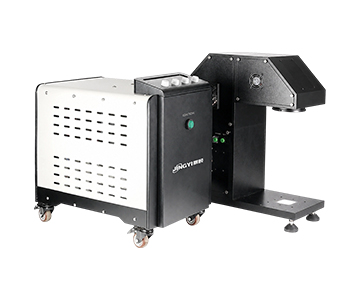
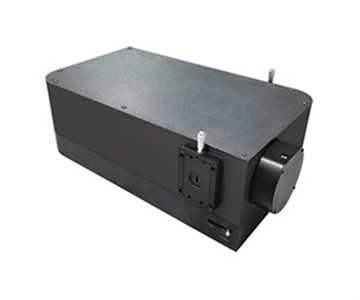
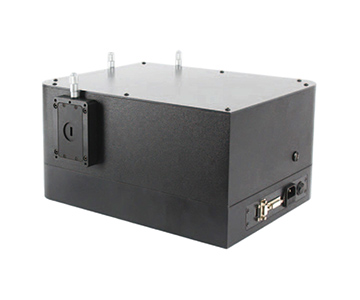
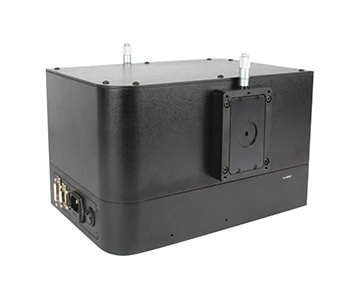
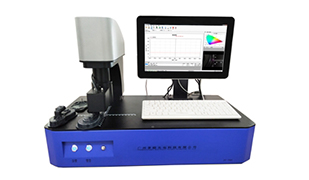
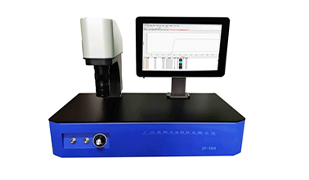
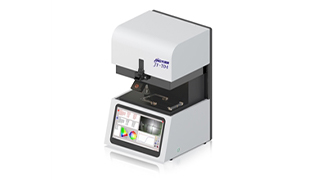
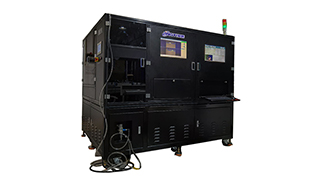
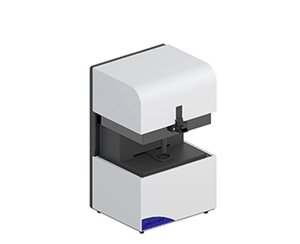
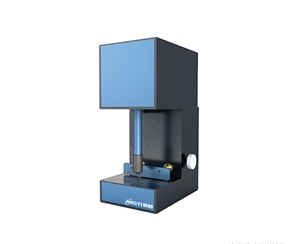
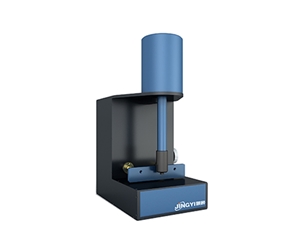
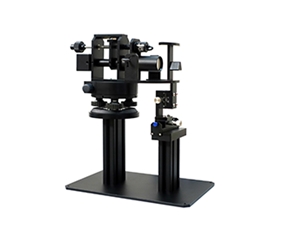
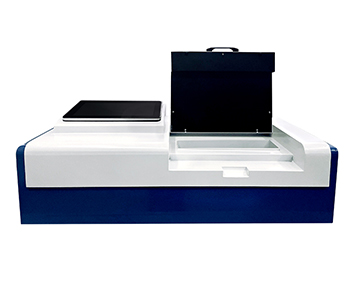
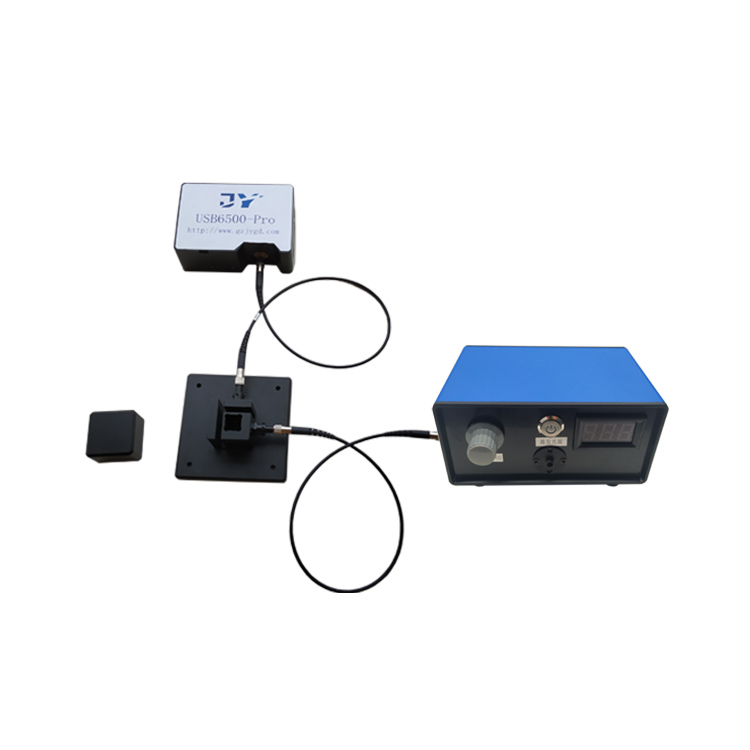
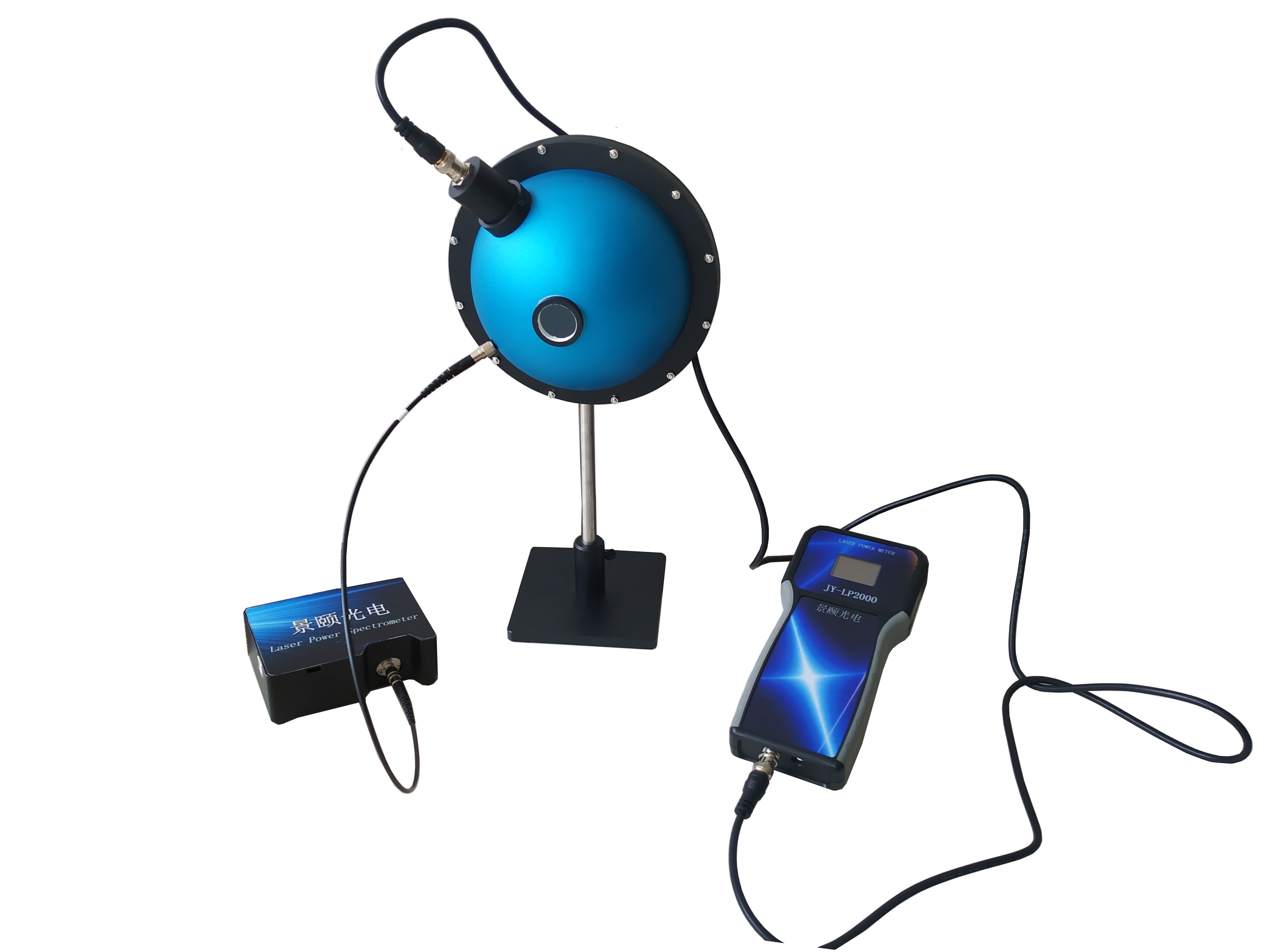
Photoluminescence quantum efficiency (PLQE) characterization in materials R&D is bottlenecked by slow spectral acquisition, forcing researchers to choose between measurement speed and statistical confidence. A 16-bit, 100,000:1 dynamic range optical system can compress single-point PLQE measurements from 30 minutes to under 6 minutes across the 350–1100 nm range, while standardized fixture designs cut inter-sample variability by over 70% in multi-formulation screening workflows.
Why Traditional PLQE Workflows Collapse Under Batch Load
During a late-night qualification run at a university materials lab in East Asia, a process engineer was still processing the third batch of perovskite thin-film samples. Over the previous quarter, his team had seen testing backlogs stretch from two weeks to five—not from sample preparation delays, but from the spectrometer itself.
Conventional fluorescence spectrometers with limited single-scan dynamic range force repeated integration and averaging when measuring low-quantum-yield samples. A single data point could consume 30 minutes or more. Less visible but equally damaging: powder samples loaded into integrating spheres suffered positional variance. Slight shifts in cuvette placement introduced enough scatter to spike batch-to-batch relative standard deviation (RSD), pushing rework rates above 12%.
When formulation screening scales from dozens to hundreds of samples, acquisition-rate limitations compound into a genuine throughput crisis. The synthesis-to-characterization loop slows, and the trade-off between "fast enough" and "accurate enough" becomes unsustainable.
System Architecture: Where Acquisition Speed Originates
Dynamic Range as a Speed Multiplier
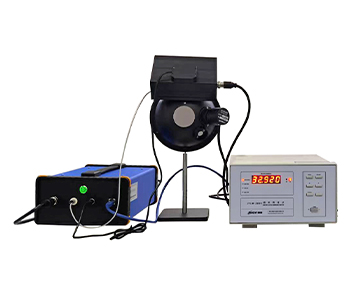
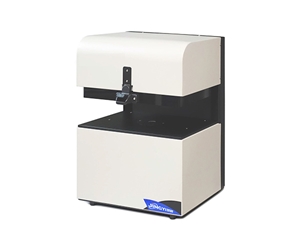
Acquisition speed does not exist in isolation. It trades against dynamic range and signal-to-noise ratio (SNR) in a triangular constraint. The evaluated system uses 16-bit analog-to-digital conversion with a single-scan dynamic range exceeding 100,000:1. In practical terms, this eliminates the need for multi-frame stacking in low-signal regions—valid fluorescence photons are resolved without averaging.
For high-concentration solutions or strongly emissive thin films, the system captures both excitation and emission peaks within a single exposure. Legacy workflows that required segmented scanning followed by spectral stitching are bypassed entirely.
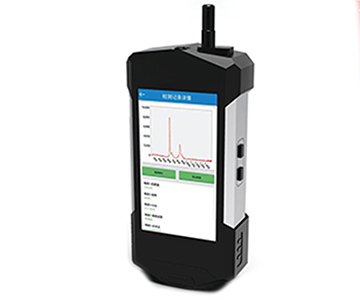
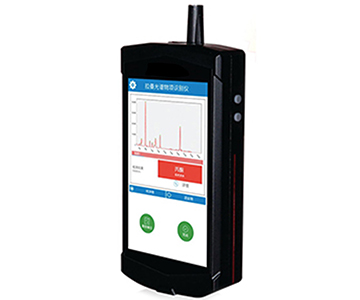
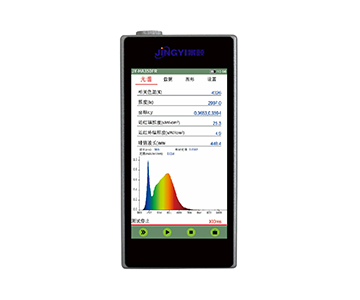
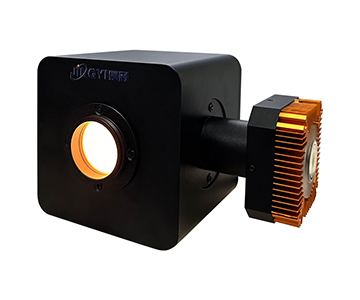
The spectrometer maintains SNR above 1000:1 with resolution held between 1 nm and 2.5 nm across the 350–1100 nm window. For organic fluorophores with broad full-width-at-half-maximum (FWHM) profiles, this means speed no longer needs to be sacrificed for noise performance.
Fiber Coupling and Integrating Sphere Co-Design
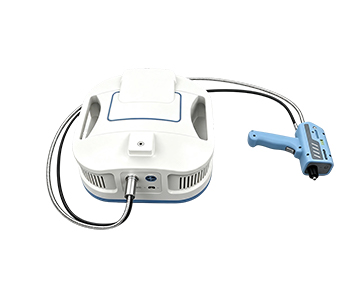
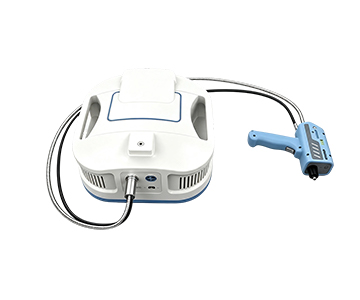
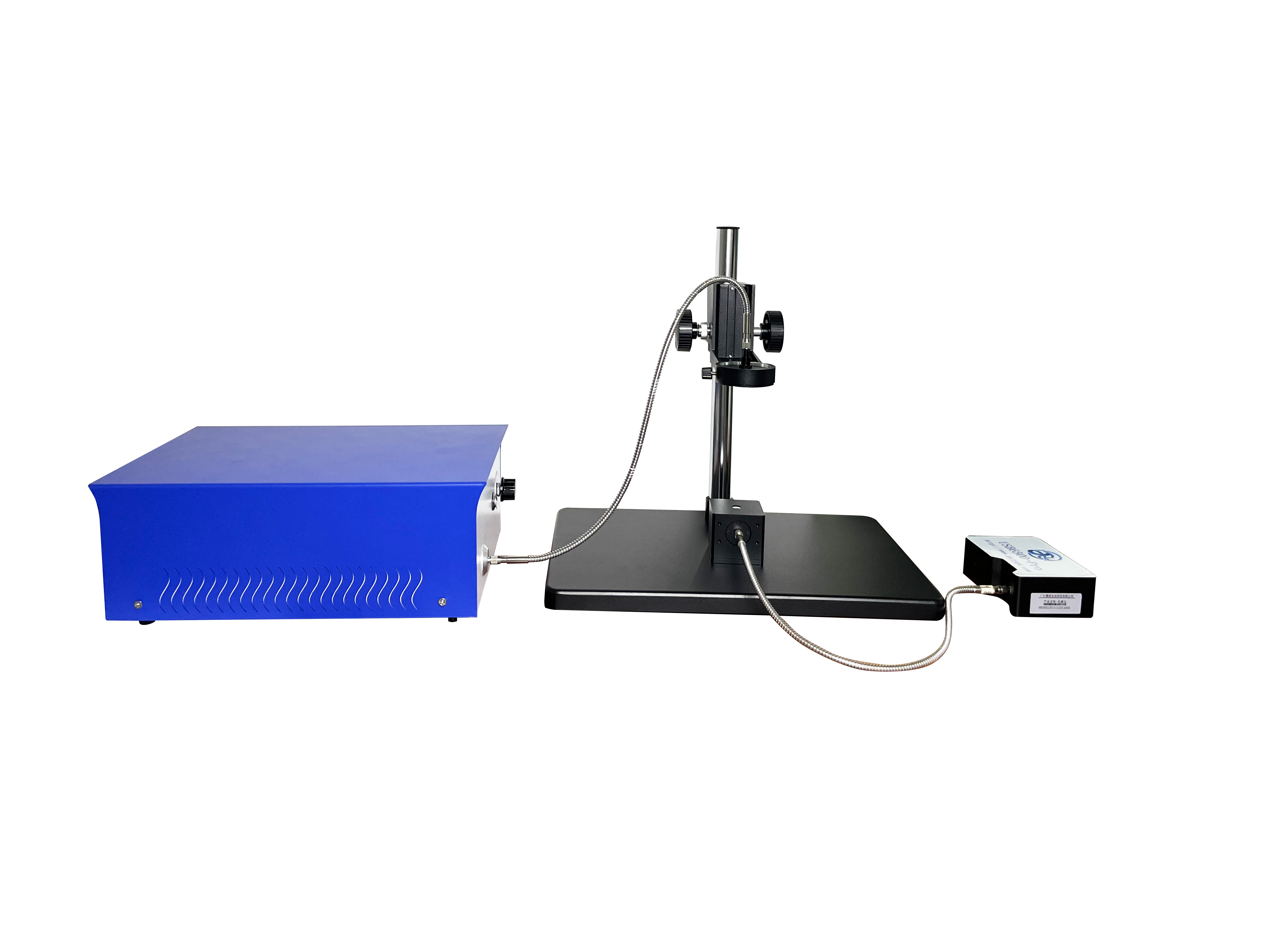
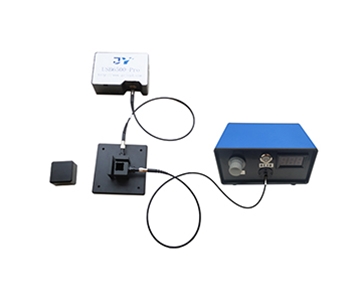
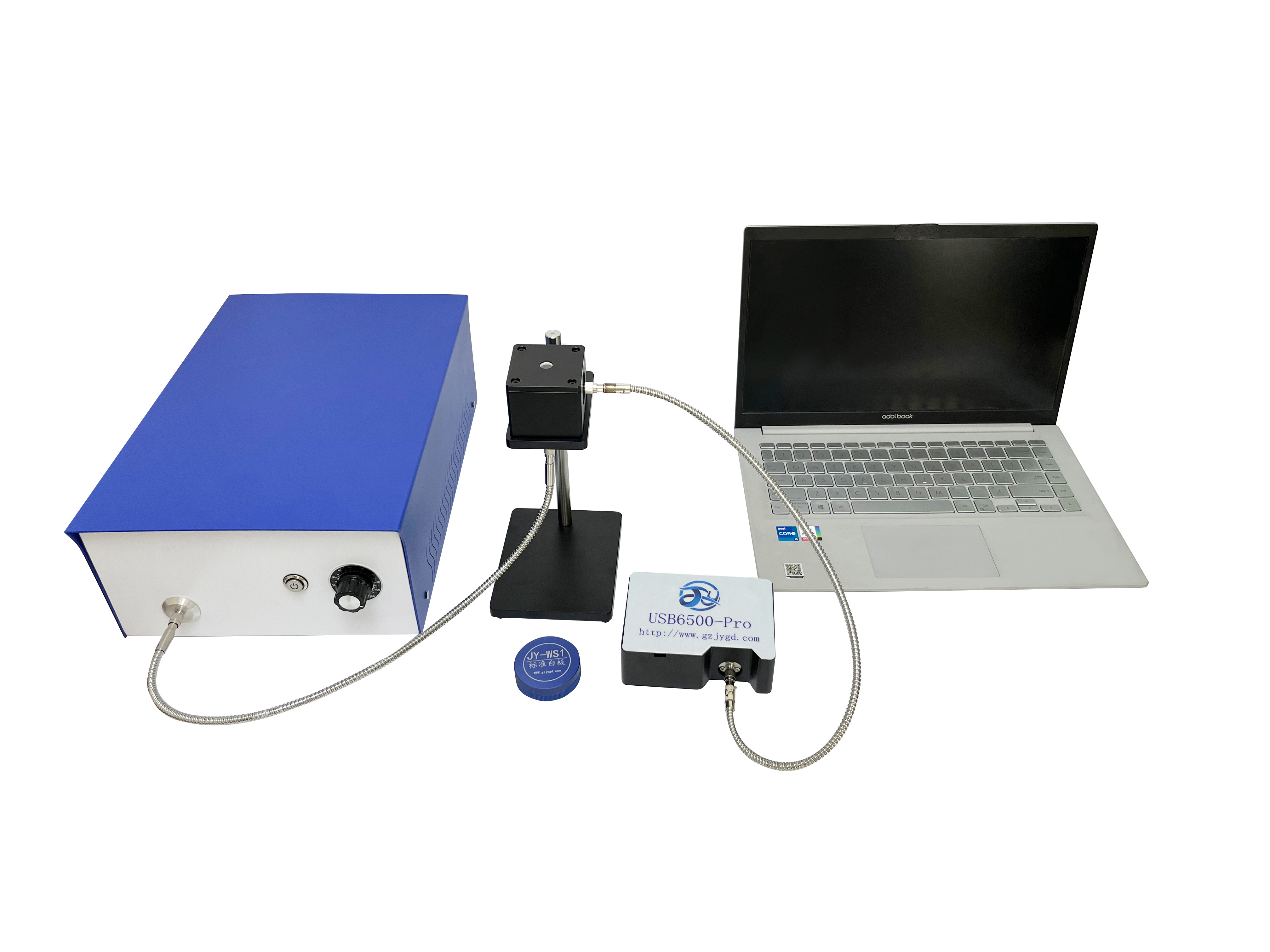
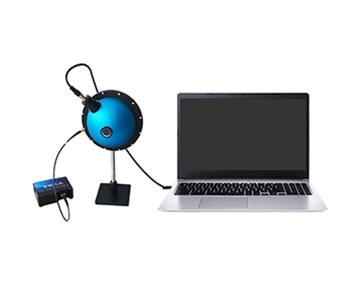
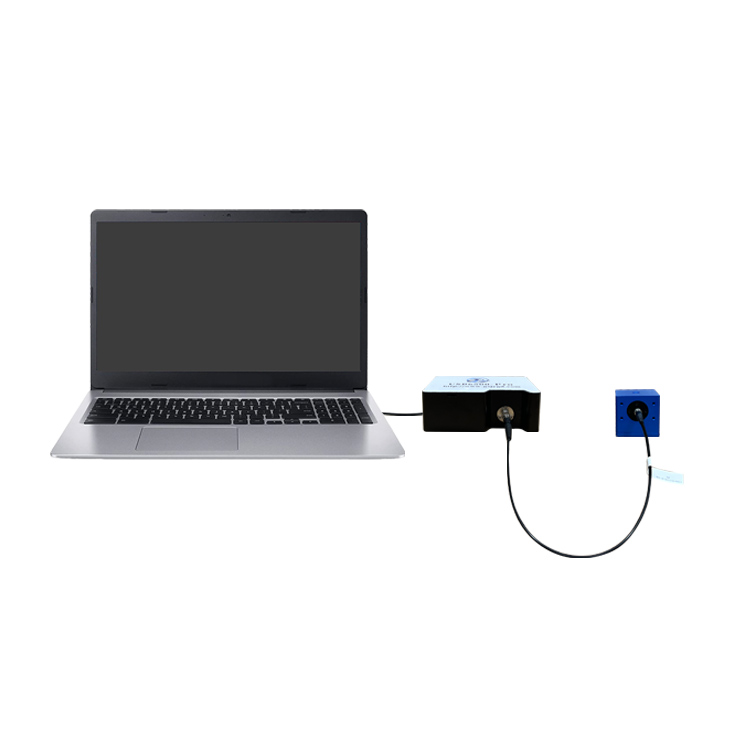
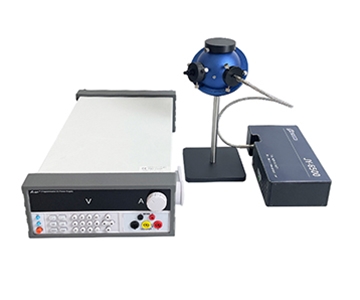
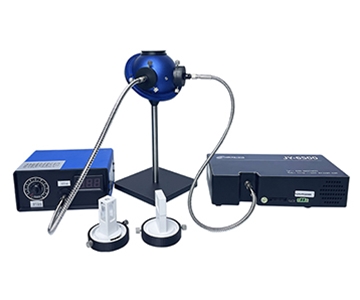
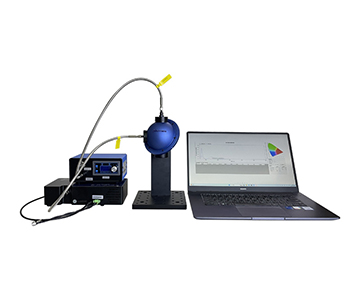
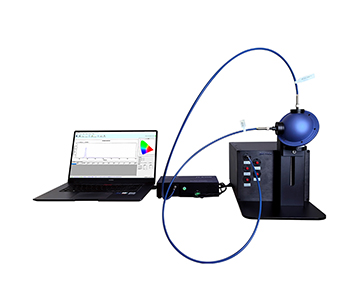
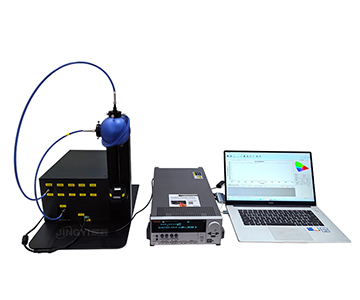
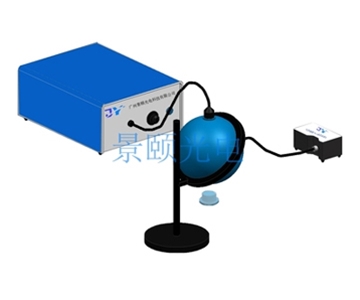
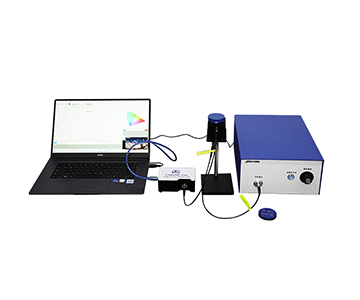
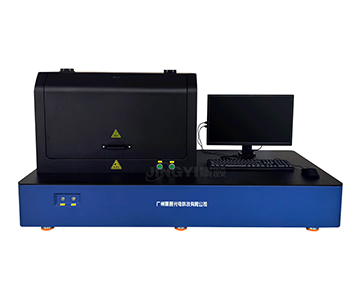
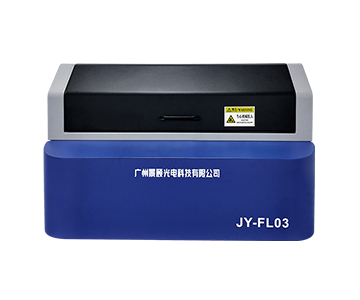
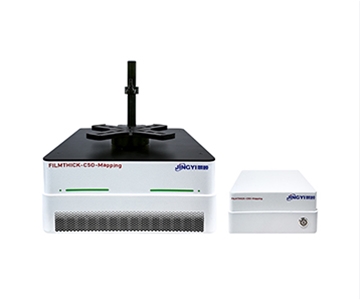
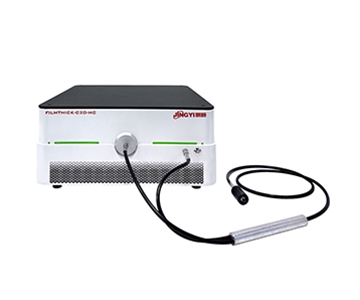
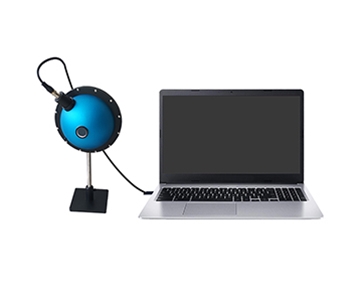
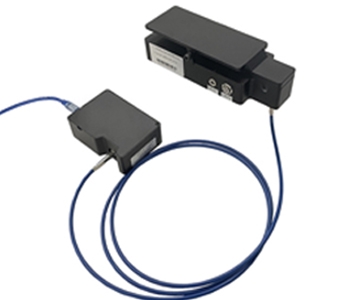
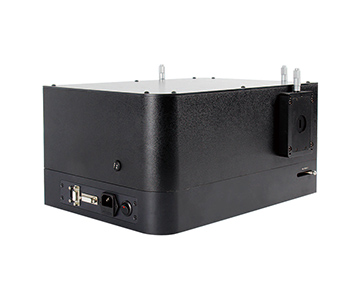
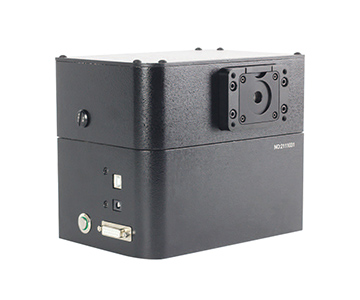
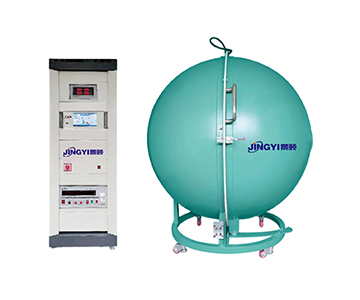
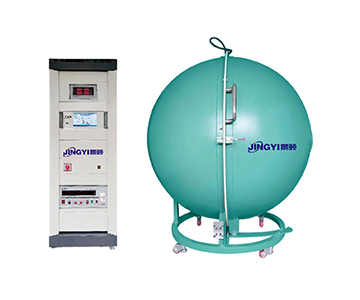
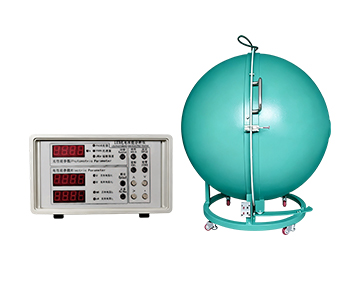
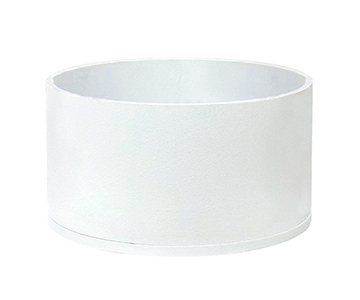
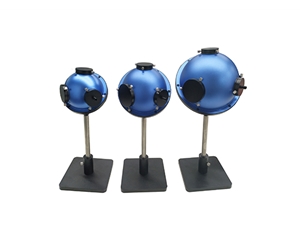
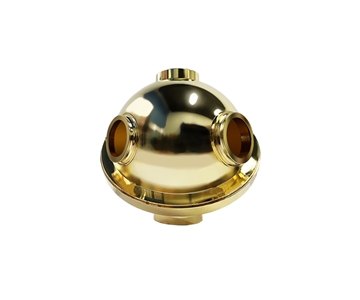
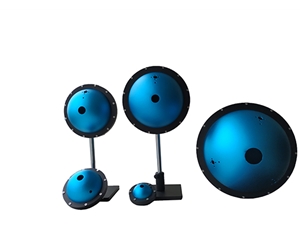
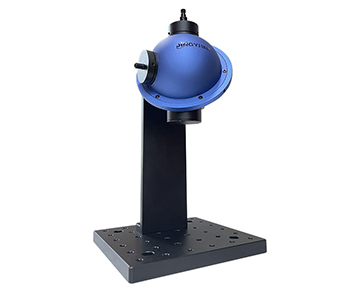
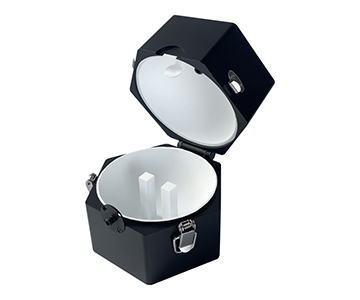
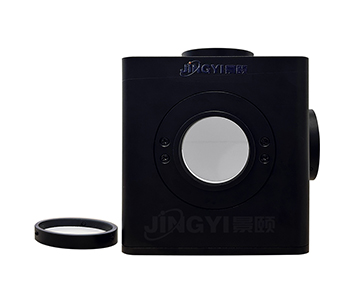
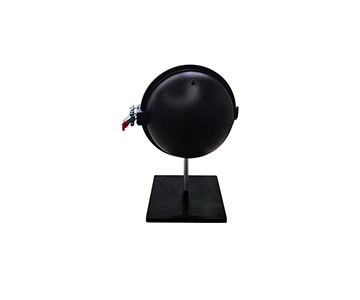
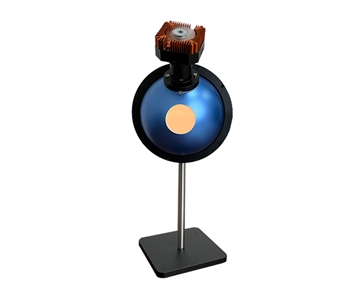
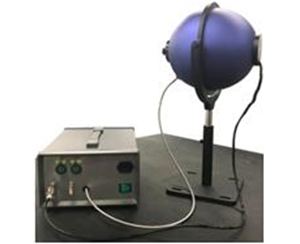
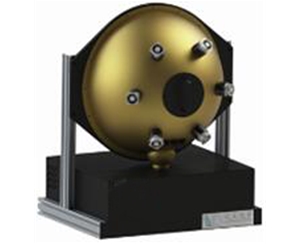
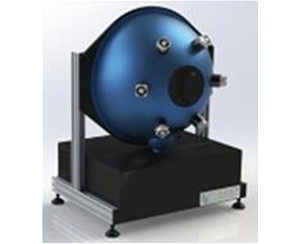
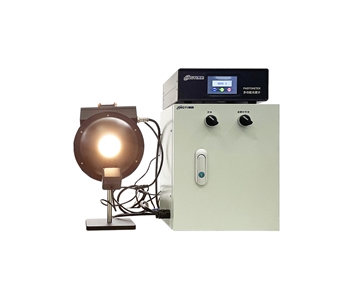
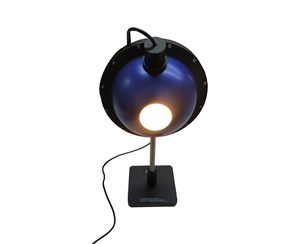
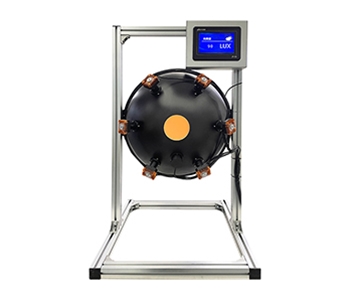
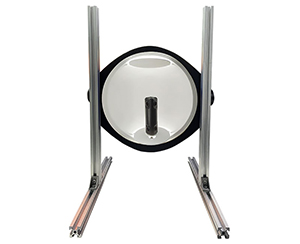
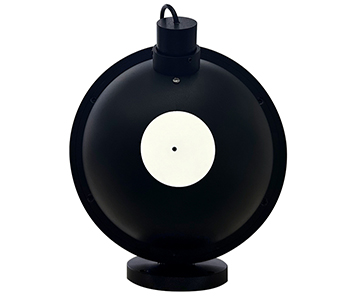
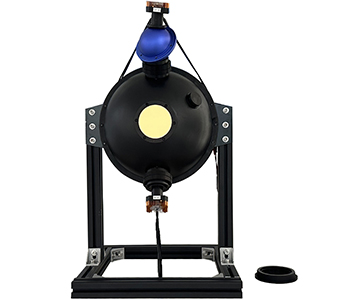
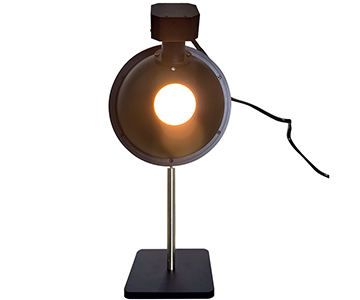
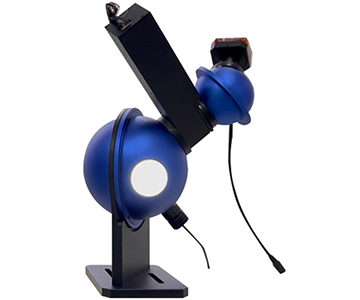
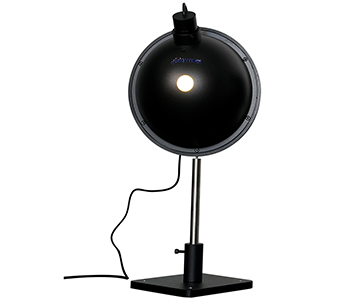
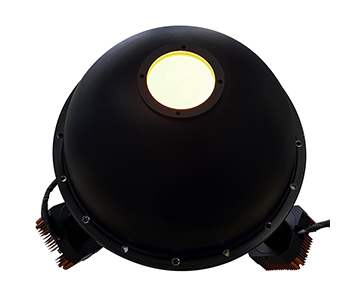
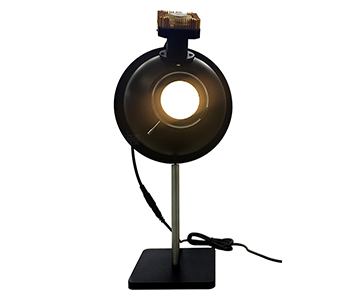
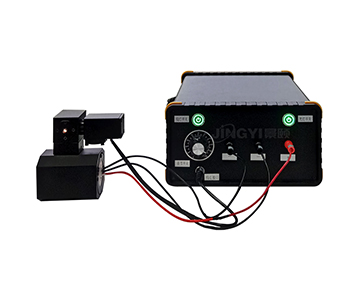
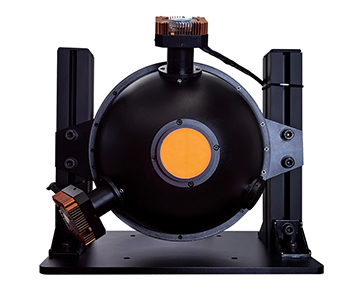
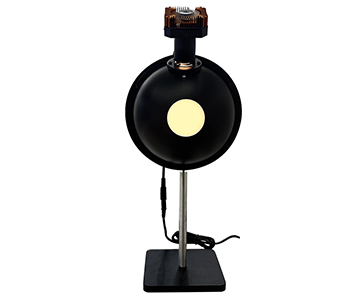
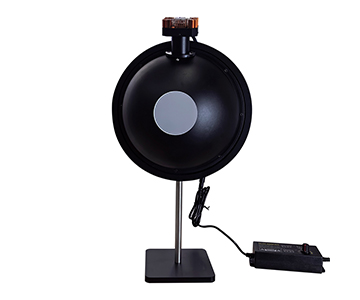
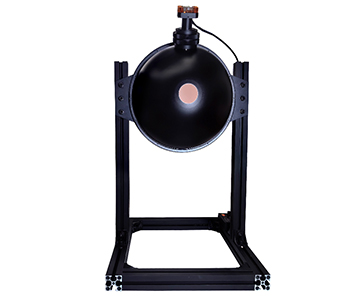
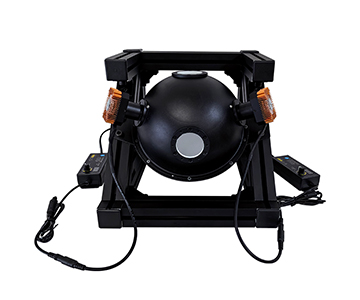
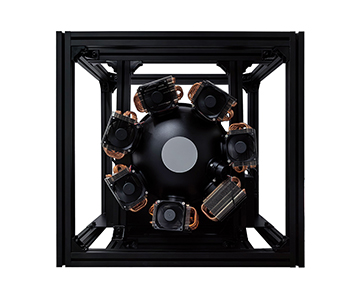
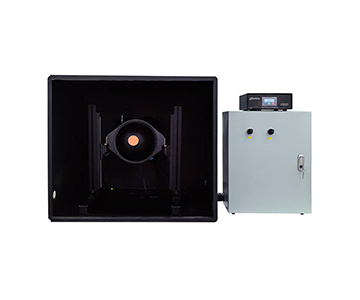
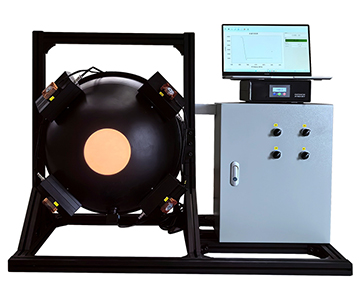
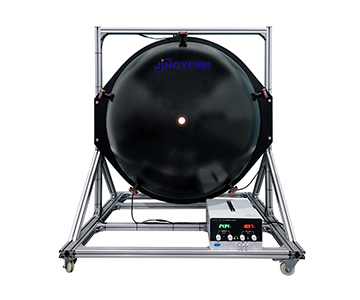
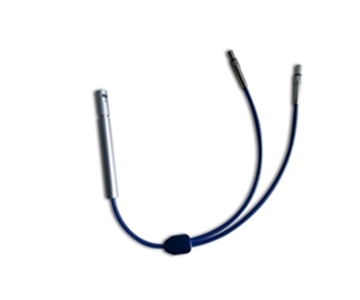
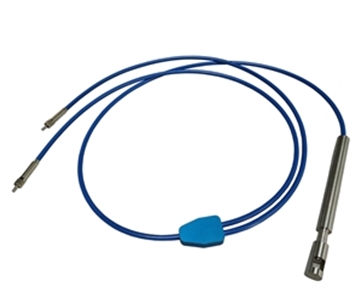
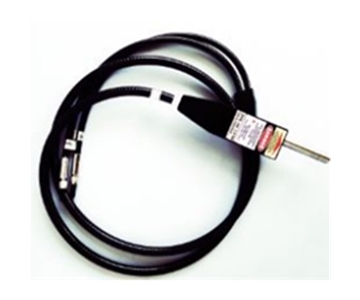
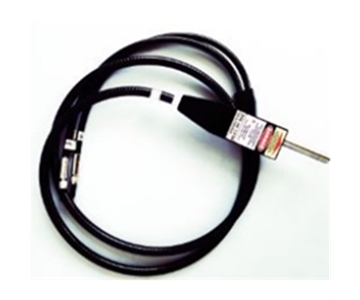
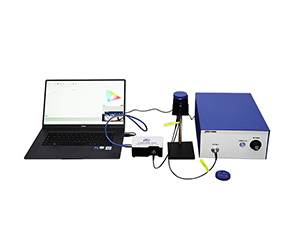
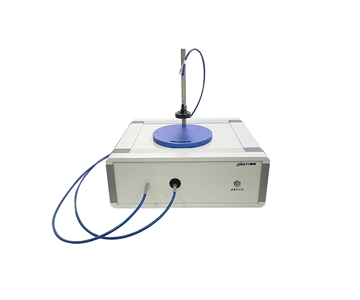
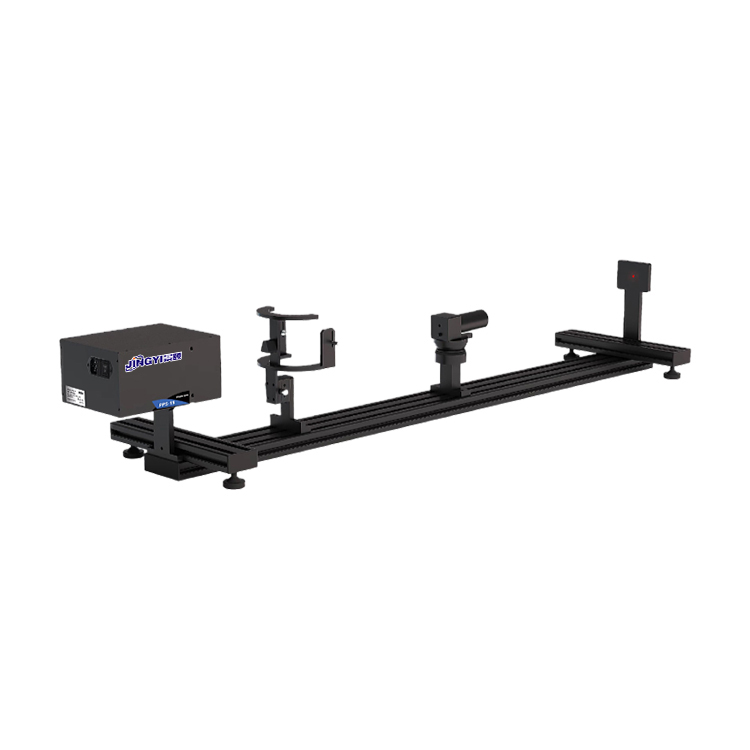
Excitation light is delivered through a 1000 μm core-diameter fiber (1 m length), minimizing optical dead zones. The integrating sphere uses a PTFE-based diffuse-reflectance coating on a 3.3-inch diameter body with a 1.5-inch sample port. Coating reflectance exceeds 99% across the operational band.
This geometry produces a uniform diffuse-reflectance field inside the sphere. Sample illumination consistency is high enough that a single measurement yields stable readings—no repeated repositioning is required to compensate for light-field non-uniformity.
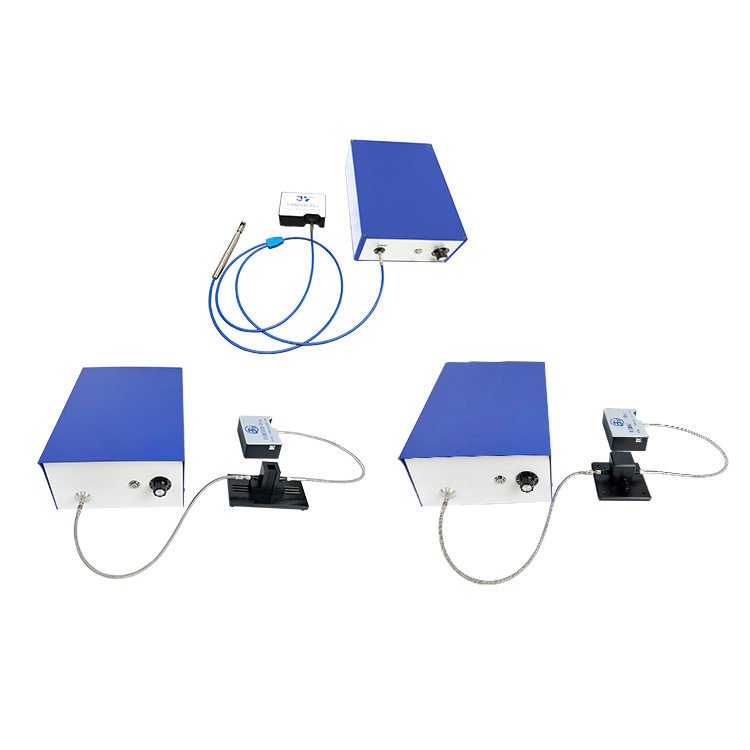
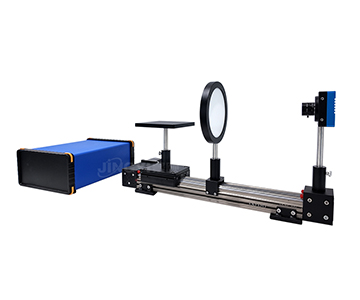
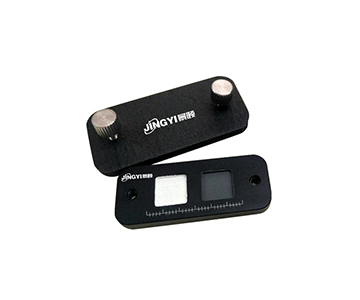
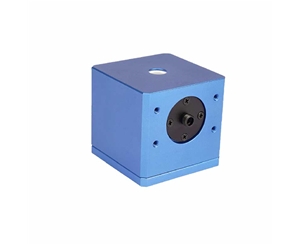
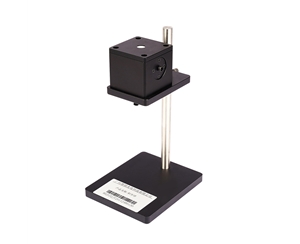
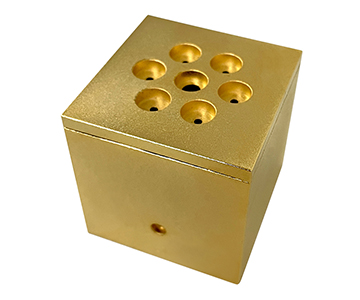
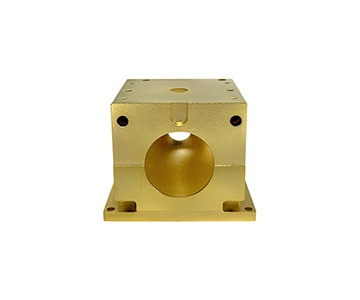
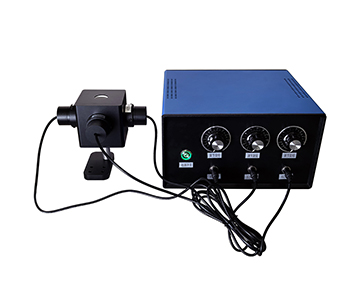
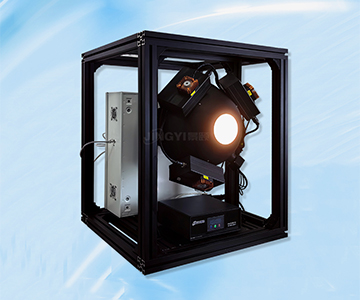
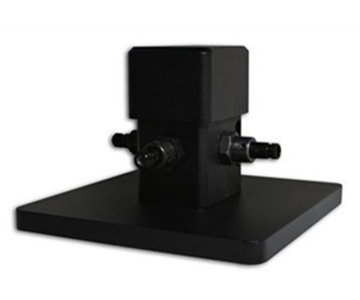
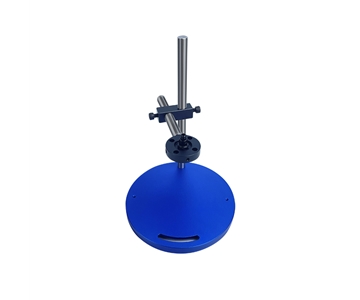
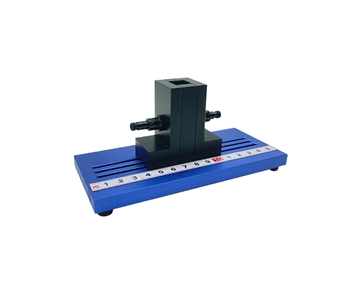
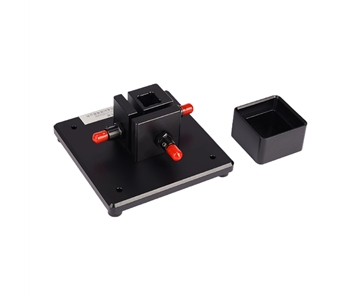
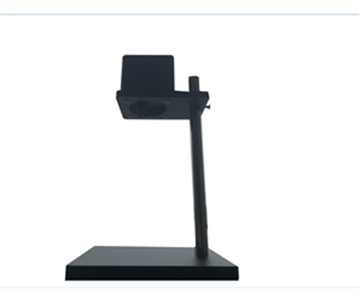
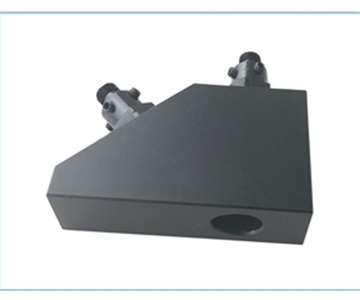
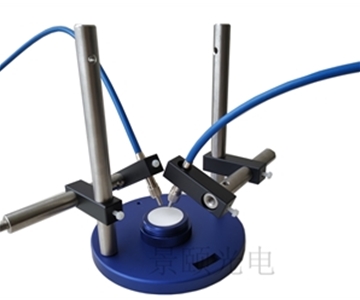
A magnetic sample fixture converts positional repeatability from an operator-dependent variable into a hardware guarantee. The cuvette-to-port relative position is mechanically locked on every install. For solid, liquid, and powder samples tested in sequence, data credibility from one sample transfers to the next without blank-recalibration cycles.
Before and After: Quantifying Throughput and Precision Gains
A research team conducted a controlled comparison using identical quantum-dot solution batches.
Pre-deployment baseline:
Single-sample cycle time (loading, scan, software logging): ~28 minutes
RSD across 10 consecutive measurements by one operator: ~4.7%
Outlier rejection rate due to positional offset: ~12%
Post-deployment results:
Single-sample cycle time: ~6 minutes (78.6% reduction)
RSD across 10 repeats: ~1.3%
Outlier rejection rate: below 3%
Net improvement:Testing throughput increased by approximately 4.7×; data consistency improved by approximately 72.3%.
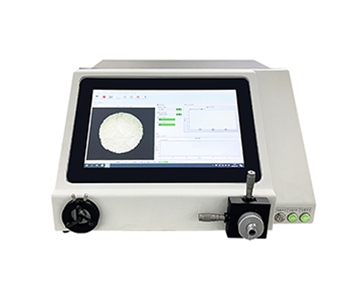
The root cause is end-to-end optimization of the acquisition chain—source stability, detector dynamic range, and software automation. The interface automates all operations except source replacement and physical sample handling, flattening the operator learning curve.
Three Transferable Rules for Spectral Detection Workflows
From this deployment, three patterns emerge that generalize across most photoluminescence metrology scenarios:
First, dynamic range is speed.In PLQE systems, single-scan dynamic range determines whether multi-frame stacking is necessary. Selecting hardware with dynamic range above 85,000:1 is the primary lever for compressing test cycles.
Second, optical dead zone governs repeatability.The matching between fiber-coupling length and integrating-sphere port geometry matters more than any single parameter in isolation. PTFE-coated spheres with high diffuse reflectance across UV-Vis-NIR provide the physical foundation for low-stray-light measurement.
Third, fixture equals standard.When switching between solution, powder, and thin-film morphologies, standardized fixtures outperform operator experience in ensuring data comparability. This becomes critical during cross-laboratory round-robin studies.
Jingyi Optoelectronics contributed to the drafting of GB/T 47066-2026, which specifies reflectance test methods for diffuse coatings in spectral detection. The company's integrating-sphere coating process achieves >99% spectral reflectance with uniformity controlled within ±1%, providing metrological traceability for the optical path designs described above.
Honest Limitations and Boundary Conditions
No configuration is universal. For excitation wavelengths outside the 365–940 nm range—deep UV or extended NIR materials—the standard LED source array requires supplemental laser modules or halogen lamp swaps. This adds system complexity and extends commissioning time.
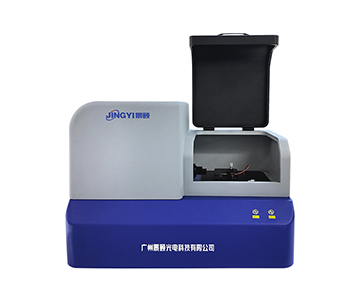
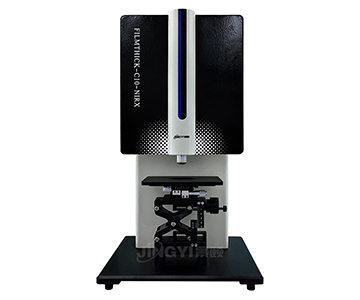
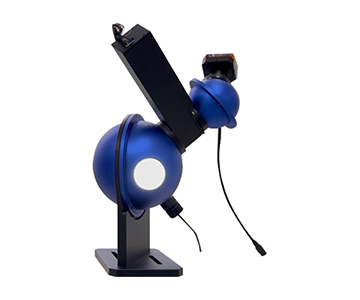
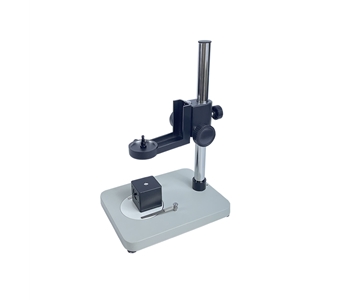
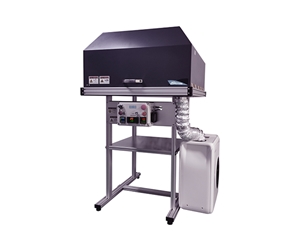
While motorized sample elevators enable unattended operation in photoluminescence (PL) configurations, electroluminescence (EL) testing still demands probe-station dexterity. Electrode contact stability on small, irregularly shaped devices is not fully guaranteed by hardware alone; operator skill remains a factor.
When sample emission approaches the detector noise floor, even high single-scan dynamic range may require extended integration or increased averaging. The "sub-6-minute" advantage erodes in these regimes. For such low-brightness samples, a 1.5-inch reduced-aperture integrating sphere offers superior light-collection efficiency versus the 3.3-inch standard body, though the uniform-field zone shrinks correspondingly. Brightness magnitude should be assessed during equipment specification.
Frequently Asked Questions
Does the base configuration cover near-infrared emissive materials?
The standard spectrometer covers 350–1100 nm, suitable for visible, near-UV, and short-wave NIR emitters. For 900–1700 nm characterization (e.g., certain rare-earth upconversion phosphors), an IR spectrometer module is required, offering 1500:1 SNR and 3–10 nm resolution.
How does low-stray-light design affect high-concentration solution measurements?
Concentrated samples generate self-absorption and Rayleigh scattering interference. A low-stray-light optical path combined with high-diffuse-reflectance PTFE integrating spheres suppresses stray-light contribution to negligible levels, yielding cleaner signal-to-noise separation between excitation and emission peaks and reducing false-peak misidentification.
What is the repeatability difference between motorized and magnetic fixtures?
Motorized elevators use >100 mm travel actuators to eliminate human height-error during unattended loading. Magnetic fixtures rely on magnetic吸附 (magnetic吸附 → magnetic吸附)吸附吸附吸附吸附吸附吸附吸附吸附吸附吸附吸附吸附吸附吸附吸附吸附吸附吸附吸附吸附吸附吸附吸附吸附吸附吸附吸附吸附吸附吸附吸附吸附吸附吸附吸附吸附吸附吸附吸附吸附吸附吸附吸附吸附吸附吸附吸附吸附吸附吸附吸附吸附吸附吸附吸附吸附吸附吸附吸附吸附吸附吸附吸附吸附吸附吸附吸附吸附吸附吸附吸附吸附吸附吸附吸附吸附吸附吸附吸附吸附吸附吸附吸附吸附吸附吸附吸附吸附吸附吸附吸附吸附吸附吸附吸附吸附吸附吸附吸附吸附吸附吸附吸附吸附吸附吸附吸附吸附吸附吸附吸附吸附吸附吸附吸附吸附吸附吸附吸附吸附吸附吸附吸附吸附吸附吸附吸附吸附吸附吸附吸附吸附吸附吸附吸附吸附吸附吸附吸附吸附吸附吸附吸附吸附吸附吸附吸附吸附吸附吸附吸附吸附吸附吸附吸附吸附吸附吸附吸附吸附吸附吸附吸附吸附吸附吸附吸附吸附吸附吸附吸附吸附吸附吸附吸附吸附吸附吸附吸附吸附吸附吸附吸附吸附吸附吸附吸附吸附吸附吸附吸附吸附吸附吸附吸附吸附吸附吸附吸附吸附吸附吸附吸附吸附吸附吸附吸附吸附吸附吸附吸附吸附吸附吸附吸附吸附吸附吸附吸附吸附吸附吸附吸附吸附吸附吸附吸附吸附吸附吸附吸附吸附吸附吸附吸附吸附吸附吸附吸附吸附吸附吸附吸附吸附吸附吸附吸附吸附吸附吸附吸附吸附吸附吸附吸附吸附吸附吸附吸附吸附吸附吸附吸附吸附吸附吸附吸附吸附吸附吸附吸附吸附吸附吸附吸附吸附吸附吸附吸附吸附吸附吸附吸附吸附吸附吸附吸附吸附吸附吸附吸附吸附吸附吸附吸附吸附吸附吸附吸附吸附吸附吸附吸附吸附吸附吸附吸附吸附吸附吸附吸附吸附吸附吸附吸附吸附吸附吸附吸附吸附吸附吸附吸附吸附吸附吸附吸附吸附吸附吸附吸附吸附吸附吸附吸附吸附吸附吸附吸附吸附吸附吸附吸附吸附吸附吸附吸附吸附吸附吸附吸附吸附吸附吸附吸附吸附吸附吸附吸附吸附吸附吸附吸附吸附吸附吸附吸附吸附吸附吸附吸附吸附吸附吸附吸附吸附吸附吸附吸附吸附吸附吸附吸附吸附吸附吸附吸附吸附吸附吸附吸附吸附吸附吸附吸附吸附吸附吸附吸附吸附吸附吸附吸附吸附吸附吸附吸附吸附吸附吸附吸附吸附吸附吸附吸附吸附吸附吸附吸附吸附吸附吸附吸附吸附吸附吸附吸附吸附吸附吸附吸附吸附吸附吸附吸附吸附吸附吸附吸附吸附吸附吸附吸附吸附吸附吸附吸附吸附吸附吸附吸附吸附吸附吸附吸附吸附吸附吸附吸附吸附吸附吸附吸附吸附吸附吸附吸附吸附吸附吸附吸附吸附吸附吸附吸附吸附吸附吸附吸附吸附吸附吸附吸附吸附吸附吸附吸附吸附吸附吸附吸附吸附吸附吸附吸附吸附吸附吸附吸附吸附吸附吸附吸附吸附吸附吸附吸附吸附吸附吸附吸附吸附吸附吸附吸附吸附吸附吸附吸附吸附吸附吸附吸附吸附吸附吸附吸附吸附吸附吸附吸附吸附吸附吸附吸附吸附吸附吸附吸附吸附吸附吸附吸附吸附吸附吸附吸附吸附吸附吸附吸附吸附吸附吸附吸附吸附吸附吸附吸附吸附吸附吸附吸附吸附吸附吸附吸附吸附吸附吸附吸附吸附吸附吸附吸附吸附吸附吸附吸附吸附吸附吸附吸附吸附吸附吸附吸附吸附吸附吸附吸附吸附吸附吸附吸附吸附吸附吸附吸附吸附吸附吸附吸附吸附吸附吸附吸附吸附吸附吸附吸附吸附吸附吸附吸附吸附吸附吸附吸附吸附吸附吸附吸附吸附吸附吸附吸附吸附吸附吸附吸附吸附吸附吸附吸附吸附吸附吸附吸附吸附吸附吸附吸附吸附吸附吸附吸附吸附吸附吸附吸附吸附吸附吸附吸附吸附吸附吸附吸附吸附吸附吸附吸附吸附吸附吸附吸附吸附吸附吸附吸附吸附吸附吸附吸附吸附吸附吸附吸附吸附吸附吸附吸附吸附吸附吸附吸附吸附吸附吸附吸附吸附吸附吸附吸附吸附吸附吸附吸附吸附吸附吸附吸附吸附吸附吸附吸附吸附吸附吸附吸附吸附吸附吸附吸附吸附吸附吸附吸附吸附吸附吸附吸附吸附吸附吸附吸附吸附吸附吸附吸附吸附吸附吸附吸附吸附吸附吸附吸附吸附吸附吸附吸附吸附吸附吸附吸附吸附吸附吸附吸附吸附吸附吸附吸附吸附吸附吸附吸附吸附吸附吸附吸附吸附吸附吸附吸附吸附吸附吸附吸附吸附吸附吸附吸附吸附吸附吸附吸附吸附吸附吸附吸附吸附吸附吸附吸附吸附吸附吸附吸附吸附吸附吸附吸附吸附吸附吸附吸附吸附吸附吸附吸附吸附吸附吸附吸附吸附吸附吸附吸附吸附吸附吸附吸附吸附吸附吸附吸附吸附吸附吸附吸附吸附吸附吸附吸附吸附吸附吸附吸附吸附吸附吸附吸附吸附吸附吸附吸附吸附吸附吸附吸附吸附吸附吸附吸附吸附吸附吸附吸附吸附吸附吸附吸附吸附吸附吸附吸附吸附吸附吸附吸附吸附吸附吸附吸附吸附吸附吸附吸附吸附吸附吸附吸附吸附吸附吸附吸附吸附吸附吸附吸附吸附吸附吸附吸附吸附吸附吸附吸附吸附吸附吸附吸附吸附吸附吸附吸附吸附吸附吸附吸附吸附吸附吸附吸附吸附吸附吸附吸附吸附吸附吸附吸附吸附吸附吸附吸附吸附吸附吸附吸附吸附吸附吸附吸附吸附吸附吸附吸附吸附吸附吸附吸附吸附吸附吸附吸附吸附吸附吸附吸附吸附吸附吸附吸附吸附吸附吸附吸附吸附吸附吸附吸附吸附吸附吸附吸附吸附吸附吸附吸附吸附吸附吸附吸附吸附吸附吸附吸附吸附吸附吸附吸附吸附吸附吸附吸附吸附吸附吸附吸附吸附吸附吸附吸附吸附吸附吸附吸附吸附吸附吸附吸附吸附吸附吸附吸附吸附吸附吸附吸附吸附吸附吸附吸附吸附吸附吸附吸附吸附吸附吸附吸附吸附吸附吸附吸附吸附吸附吸附吸附吸附吸附吸附吸附吸附吸附吸附吸附吸附吸附吸附吸附吸附吸附吸附吸附吸附吸附吸附吸附吸附吸附吸附吸附吸附吸附吸附吸附吸附吸附吸附吸附吸附吸附吸附吸附吸附吸附吸附吸附吸附吸附吸附吸附吸附吸附吸附吸附吸附吸附吸附吸附吸附吸附吸附吸附吸附吸附吸附吸附吸附吸附吸附吸附吸附吸附吸附吸附吸附吸附吸附吸附吸附吸附吸附吸附吸附吸附吸附吸附吸附吸附吸附吸附吸附吸附吸附吸附吸附吸附吸附吸附吸附吸附吸附吸附吸附吸附吸附吸附吸附吸附吸附吸附吸附吸附吸附吸附吸附吸附吸附吸附吸附吸附吸附吸附吸附吸附吸附吸附吸附吸附吸附吸附吸附吸附吸附吸附吸附吸附吸附吸附吸附吸附吸附吸附吸附吸附吸附吸附吸附吸附吸附吸附吸附吸附吸附吸附吸附吸附吸附吸附吸附吸附吸附吸附吸附吸附吸附吸附吸附吸附吸附吸附吸附吸附吸附吸附吸附吸附吸附吸附吸附吸附吸附吸附吸附吸附吸附吸附吸附吸附吸附吸附吸附吸附吸附吸附吸附吸附吸附吸附吸附吸附吸附吸附吸附吸附吸附吸附吸附吸附吸附吸附吸附吸附吸附吸附吸附吸附吸附吸附吸附吸附吸附吸附吸附吸附吸附吸附吸附吸附吸附吸附吸附吸附吸附吸附吸附吸附吸附吸附吸附吸附吸附吸附吸附吸附吸附吸附吸附吸附吸附吸附吸附吸附吸附吸附吸附吸附吸附吸附吸附吸附吸附吸附吸附吸附吸附吸附吸附吸附吸附吸附吸附吸附吸附吸附吸附吸附吸附吸附吸附吸附吸附吸附吸附吸附吸附吸附吸附吸附吸附吸附吸附吸附吸附吸附吸附吸附吸附吸附吸附吸附吸附吸附吸附吸附吸附吸附吸附吸附吸附吸附吸附吸附吸附吸附吸附吸附吸附吸附吸附吸附吸附吸附吸附吸附吸附吸附吸附吸附吸附吸附吸附吸附吸附吸附吸附吸附吸附吸附吸附吸附吸附吸附吸附吸附吸附吸附吸附吸附吸附吸附吸附吸附吸附吸附吸附吸附吸附吸附吸附吸附吸附吸附吸附吸附吸附吸附吸附吸附吸附吸附吸附吸附吸附吸附吸附吸附吸附吸附吸附吸附吸附吸附吸附吸附吸附吸附吸附吸附吸附吸附吸附吸附吸附吸附吸附吸附吸附吸附吸附吸附吸附吸附吸附吸附吸附吸附吸附吸附吸附吸附吸附吸附吸附吸附吸附吸附吸附吸附吸附吸附吸附吸附吸附吸附吸附吸附吸附吸附吸附吸附吸附吸附吸附吸附吸附吸附吸附吸附吸附吸附吸附吸附吸附吸附吸附吸附吸附吸附吸附吸附吸附吸附吸附吸附吸附吸附吸附吸附吸附吸附吸附吸附吸附吸附吸附吸附吸附吸附吸附吸附吸附吸附吸附吸附吸附吸附吸附吸附吸附吸附吸附吸附吸附吸附吸附吸附吸附吸附吸附吸附吸附吸附吸附吸附吸附吸附吸附吸附吸附吸附吸附吸附吸附吸附吸附吸附吸附吸附吸附吸附吸附吸附吸附吸附吸附吸附吸附吸附吸附吸附吸附吸附吸附吸附吸附吸附吸附吸附吸附吸附吸附吸附吸附吸附吸附吸附吸附吸附吸附吸附吸附吸附吸附吸附吸附吸附吸附吸附吸附吸附吸附吸附吸附吸附吸附吸附吸附吸附吸附吸附吸附吸附吸附吸附吸附吸附吸附吸附吸附吸附吸附吸附吸附吸附吸附吸附吸附吸附吸附吸附吸附吸附吸附吸附吸附吸附吸附吸附吸附吸附吸附吸附吸附吸附吸附吸附吸附吸附吸附吸附吸附吸附吸附吸附吸附吸附吸附吸附吸附吸附吸附吸附吸附吸附吸附吸附吸附吸附吸附吸附吸附吸附吸附吸附吸附吸附吸附吸附吸附吸附吸附吸附吸附吸附吸附吸附吸附吸附吸附吸附吸附吸附吸附吸附吸附吸附吸附吸附吸附吸附吸附吸附吸附吸附吸附吸附吸附吸附吸附吸附吸附吸附吸附吸附吸附吸附吸附吸附吸附吸附吸附吸附吸附吸附吸附吸附吸附吸附吸附吸附吸附吸附吸附吸附吸附吸附吸附吸附吸附吸附吸附吸附吸附吸附吸附吸附吸附吸附吸附吸附吸附吸附吸附吸附吸附吸附吸附吸附吸附吸附吸附吸附吸附吸附吸附吸附吸附吸附吸附吸附吸附吸附吸附吸附吸附吸附吸附吸附吸附吸附吸附吸附吸附吸附吸附吸附吸附吸附吸附吸附吸附吸附吸附吸附吸附吸附吸附吸附吸附吸附吸附吸附吸附吸附吸附吸附吸附吸附吸附吸附吸附吸附吸附吸附吸附吸附吸附吸附吸附吸附吸附吸附吸附吸附吸附吸附吸附吸附吸附吸附吸附吸附吸附吸附吸附吸附吸附吸附吸附吸附吸附吸附吸附吸附吸附吸附吸附吸附吸附吸附吸附吸附吸附吸附吸附吸附吸附吸附吸附吸附吸附吸附吸附吸附吸附吸附吸附吸附吸附吸附吸附吸附吸附吸附吸附吸附吸附吸附吸附吸附吸附吸附吸附吸附吸附吸附吸附吸附吸附吸附吸附吸附吸附吸附吸附吸附吸附吸附吸附吸附吸附吸附吸附吸附吸附吸附吸附吸附吸附吸附吸附吸附吸附吸附吸附吸附吸附吸附吸附吸附吸附吸附吸附吸附吸附吸附吸附吸附吸附吸附吸附吸附吸附吸附吸附吸附吸附吸附吸附吸附吸附吸附吸附吸附吸附吸附吸附吸附吸附吸附吸附吸附吸附吸附吸附吸附吸附吸附吸附吸附吸附吸附吸附吸附吸附吸附吸附吸附吸附吸附吸附吸附吸附吸附吸附吸附吸附吸附吸附吸附吸附吸附吸附吸附吸附吸附吸附吸附吸附吸附吸附吸附吸附吸附吸附吸附吸附吸附吸附吸附吸附吸附吸附吸附吸附吸附吸附吸附吸附吸附吸附吸附吸附吸附吸附吸附吸附吸附吸附吸附吸附吸附吸附吸附吸附吸附吸附吸附吸附吸附吸附吸附吸附吸附吸附吸附吸附吸附吸附吸附吸附吸附吸附吸附吸附吸附吸附吸附吸附吸附吸附吸附吸附吸附吸附吸附吸附吸附吸附吸附吸附吸附吸附吸附吸附吸附吸附吸附吸附吸附吸附吸附吸附吸附吸附吸附吸附吸附吸附吸附吸附吸附吸附吸附吸附吸附吸附吸附吸附吸附吸附吸附吸附吸附吸附吸附吸附吸附吸附吸附吸附吸附吸附吸附吸附吸附吸附吸附吸附吸附吸附吸附吸附吸附吸附吸附吸附吸附吸附吸附吸附吸附吸附吸附吸附吸附吸附吸附吸附吸附吸附吸附吸附吸附吸附吸附吸附吸附吸附吸附吸附吸附吸附吸附吸附吸附吸附吸附吸附吸附吸附吸附吸附吸附吸附吸附吸附吸附吸附吸附吸附吸附吸附吸附吸附吸附吸附吸附吸附吸附吸附吸附吸附吸附吸附吸附吸附吸附吸附吸附吸附吸附吸附吸附吸附吸附吸附吸附吸附吸附吸附吸附吸附吸附吸附吸附吸附吸附吸附吸附吸附吸附吸附吸附吸附吸附吸附吸附吸附吸附吸附吸附吸附吸附吸附吸附吸附吸附吸附吸附吸附吸附吸附吸附吸附吸附吸附吸附吸附吸附吸附吸附吸附吸附吸附吸附吸附吸附吸附吸附吸附吸附吸附吸附吸附吸附吸附吸附吸附吸附吸附吸附吸附吸附吸附吸附吸附吸附吸附吸附吸附吸附吸附吸附吸附吸附吸附吸附吸附吸附吸附吸附吸附吸附吸附吸附吸附吸附吸附吸附吸附吸附吸附吸附吸附吸附吸附吸附吸附吸附吸附吸附吸附吸附吸附吸附吸附吸附吸附吸附吸附吸附吸附吸附吸附吸附吸附吸附吸附吸附吸附吸附吸附吸附吸附吸附吸附吸附吸附吸附吸附吸附吸附吸附吸附吸附吸附吸附吸附吸附吸附吸附吸附吸附吸附吸附吸附吸附吸附吸附吸附吸附吸附吸附吸附吸附吸附吸附吸附吸附吸附吸附吸附吸附吸附吸附吸附吸附吸附吸附吸附吸附吸附吸附吸附吸附吸附吸附吸附吸附吸附吸附吸附吸附吸附吸附吸附吸附吸附吸附吸附吸附吸附吸附吸附吸附吸附吸附吸附吸附吸附吸附吸附吸附吸附吸附吸附吸附吸附吸附吸附吸附吸附吸附吸附吸附吸附吸附吸附吸附吸附吸附吸附吸附吸附吸附吸附吸附吸附吸附吸附吸附吸附吸附吸附吸附吸附吸附吸附吸附吸附吸附吸附吸附吸附吸附吸附吸附吸附吸附吸附吸附吸附吸附吸附吸附吸附吸附吸附吸附吸附吸附吸附吸附吸附吸附吸附吸附吸附吸附吸附吸附吸附吸附吸附吸附吸附吸附吸附吸附吸附吸附吸附吸附吸附吸附吸附吸附吸附吸附吸附吸附吸附吸附吸附吸附吸附吸附吸附吸附吸附吸附吸附吸附吸附吸附吸附吸附吸附吸附吸附吸附吸附吸附吸附吸附吸附吸附吸附吸附吸附吸附吸附吸附吸附吸附吸附吸附吸附吸附吸附吸附吸附吸附吸附吸附吸附吸附吸附吸附吸附吸附吸附吸附吸附吸附吸附吸附吸附吸附吸附吸附吸附吸附吸附吸附吸附吸附吸附吸附吸附吸附吸附吸附吸附吸附吸附吸附吸附吸附吸附吸附吸附吸附吸附吸附吸附吸附吸附吸附吸附吸附吸附吸附吸附吸附吸附吸附吸附吸附吸附吸附吸附吸附吸附吸附吸附吸附吸附吸附吸附吸附吸附吸附吸附吸附吸附吸附吸附吸附吸附吸附吸附吸附吸附吸附吸附吸附吸附吸附吸附吸附吸附吸附吸附吸附吸附吸附吸附吸附吸附吸附吸附吸附吸附吸附吸附吸附吸附吸附吸附吸附吸附吸附吸附吸附吸附吸附吸附吸附吸附吸附吸附吸附吸附吸附吸附吸附吸附吸附吸附吸附吸附吸附吸附吸附吸附吸附吸附吸附吸附吸附吸附吸附吸附吸附吸附吸附吸附吸附吸附吸附吸附吸附吸附吸附吸附吸附吸附吸附吸附吸附吸附吸附吸附吸附吸附吸附吸附吸附吸附吸附吸附吸附吸附吸附吸附吸附吸附吸附吸附吸附吸附吸附吸附吸附吸附吸附吸附吸附吸附吸附吸附吸附吸附吸附吸附吸附吸附吸附吸附吸附吸附吸附吸附吸附吸附吸附吸附吸附吸附吸附吸附吸附吸附吸附吸附吸附吸附吸附吸附吸附吸附吸附吸附吸附吸附吸附吸附吸附吸附吸附吸附吸附吸附吸附吸附吸附吸附吸附吸附吸附吸附吸附吸附吸附吸附吸附吸附吸附吸附吸附吸附吸附吸附吸附吸附吸附吸附吸附吸附吸附吸附吸附吸附吸附吸附吸附吸附吸附吸附吸附吸附吸附吸附吸附吸附吸附吸附吸附吸附吸附吸附吸附吸附吸附吸附吸附吸附吸附吸附吸附吸附吸附吸附吸附吸附吸附吸附吸附吸附吸附吸附吸附吸附吸附吸附吸附吸附吸附吸附吸附吸附吸附吸附吸附吸附吸附吸附吸附吸附吸附吸附吸附吸附吸附吸附吸附吸附吸附吸附吸附吸附吸附吸附吸附吸附吸附吸附吸附吸附吸附吸附吸附吸附吸附吸附吸附吸附吸附吸附吸附吸附吸附吸附吸附吸附吸附吸附吸附吸附吸附吸附吸附吸附吸附吸附吸附吸附吸附吸附吸附吸附吸附吸附吸附吸附吸附吸附吸附吸附吸附吸附吸附吸附吸附吸附吸附吸附吸附吸附吸附吸附吸附吸附吸附吸附吸附吸附吸附吸附吸附吸附吸附吸附吸附吸附吸附吸附吸附吸附吸附吸附吸附吸附吸附吸附吸附吸附吸附吸附吸附吸附吸附吸附吸附吸附吸附吸附吸附吸附吸附吸附吸附吸附吸附吸附吸附吸附吸附吸附吸附吸附吸附吸附吸附吸附吸附吸附吸附吸附吸附吸附吸附吸附吸附吸附吸附吸附吸附吸附吸附吸附吸附吸附吸附吸附吸附吸附吸附吸附吸附吸附吸附吸附吸附吸附吸附吸附吸附吸附吸附吸附吸附吸附吸附吸附吸附吸附吸附吸附吸附吸附吸附吸附吸附吸附吸附吸附吸附吸附吸附吸附吸附吸附吸附吸附吸附吸附吸附吸附吸附吸附吸附吸附吸附吸附吸附吸附吸附吸附吸附吸附吸附吸附吸附吸附吸附吸附吸附吸附吸附吸附吸附吸附吸附吸附吸附吸附吸附吸附吸附吸附吸附吸附吸附吸附吸附吸附吸附吸附吸附吸附吸附吸附吸附吸附吸附吸附吸附吸附吸附吸附吸附吸附吸附吸附吸附吸附吸附吸附吸附吸附吸附吸附吸附吸附吸附吸附吸附吸附吸附吸附吸附吸附吸附吸附吸附吸附吸附吸附吸附吸附吸附吸附吸附吸附吸附吸附吸附吸附吸附吸附吸附吸附吸附吸附吸附吸附吸附吸附吸附吸附吸附吸附吸附吸附吸附吸附吸附吸附吸附吸附吸附吸附吸附吸附吸附吸附吸附吸附吸附吸附吸附吸附吸附吸附吸附吸附吸附吸附吸附吸附吸附吸附吸附吸附吸附吸附吸附吸附吸附吸附吸附吸附吸附吸附吸附吸附吸附吸附吸附吸附吸附吸附吸附吸附吸附吸附吸附吸附吸附吸附吸附吸附吸附吸附吸附吸附吸附吸附吸附吸附吸附吸附吸附吸附吸附吸附吸附吸附吸附吸附吸附吸附吸附吸附吸附吸附吸附吸附吸附吸附吸附吸附吸附吸附吸附吸附吸附吸附吸附吸附吸附吸附吸附吸附吸附吸附吸附吸附吸附吸附吸附吸附吸附吸附吸附吸附吸附吸附吸附吸附吸附吸附吸附吸附吸附吸附吸附吸附吸附吸附吸附吸附吸附吸附吸附吸附吸附吸附吸附吸附吸附吸附吸附吸附吸附吸附吸附吸附吸附吸附吸附吸附吸附吸附吸附吸附吸附吸附吸附吸附吸附吸附吸附吸附吸附吸附吸附吸附吸附吸附吸附吸附吸附吸附吸附吸附吸附吸附吸附吸附吸附吸附吸附吸附吸附吸附吸附吸附吸附吸附吸附吸附吸附吸附吸附吸附吸附吸附吸附吸附吸附吸附吸附吸附吸附吸附吸附吸附吸附吸附吸附吸附吸附吸附吸附吸附吸附吸附吸附吸附吸附吸附吸附吸附吸附吸附吸附吸附吸附吸附吸附吸附吸附吸附吸附吸附吸附吸附吸附吸附吸附吸附吸附吸附吸附吸附吸附吸附吸附吸附吸附吸附吸附吸附吸附吸附吸附吸附吸附吸附吸附吸附吸附吸附吸附吸附吸附吸附吸附吸附吸附吸附吸附吸附吸附吸附吸附吸附吸附吸附吸附吸附吸附吸附吸附吸附吸附吸附吸附吸附吸附吸附吸附吸附吸附吸附吸附吸附吸附吸附吸附吸附吸附吸附吸附吸附吸附吸附吸附吸附吸附吸附吸附吸附吸附吸附吸附吸附吸附吸附吸附吸附吸附吸附吸附吸附吸附吸附吸附吸附吸附吸附吸附吸附吸附吸附吸附吸附吸附吸附吸附吸附吸附吸附吸附吸附吸附吸附吸附吸附吸附吸附吸附吸附吸附吸附吸附吸附吸附吸附吸附吸附吸附吸附吸附吸附吸附吸附吸附吸附吸附吸附吸附吸附吸附吸附吸附吸附吸附吸附吸附吸附吸附吸附吸附吸附吸附吸附吸附吸附吸附吸附吸附吸附吸附吸附吸附吸附吸附吸附吸附吸附吸附吸附吸附吸附吸附吸附吸附吸附吸附吸附吸附吸附吸附吸附吸附吸附吸附吸附吸附吸附吸附吸附吸附吸附吸附吸附吸附吸附吸附吸附吸附吸附吸附吸附吸附吸附吸附吸附吸附吸附吸附吸附吸附吸附吸附吸附吸附吸附吸附吸附吸附吸附吸附吸附吸附吸附吸附吸附吸附吸附吸附吸附吸附吸附吸附吸附吸附吸附吸附吸附吸附吸附吸附吸附吸附吸附吸附吸附吸附吸附吸附吸附吸附吸附吸附吸附吸附吸附吸附吸附吸附吸附吸附吸附吸附吸附吸附吸附吸附吸附吸附吸附吸附吸附吸附吸附吸附吸附吸附吸附吸附吸附吸附吸附吸附吸附吸附吸附吸附吸附吸附