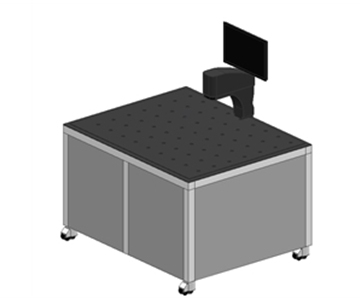
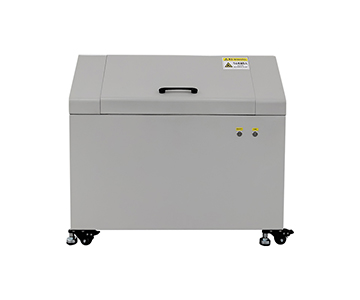
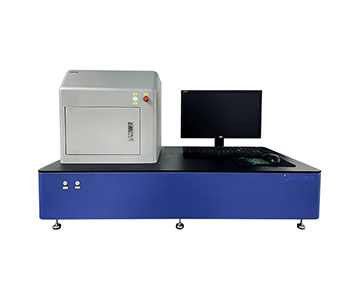
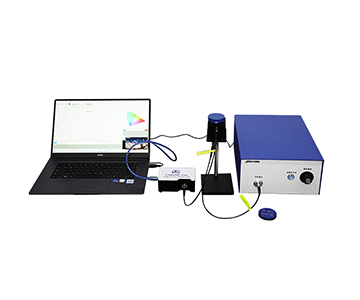
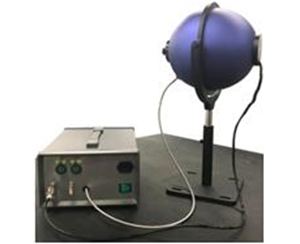
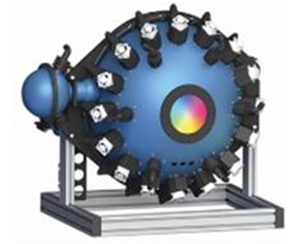
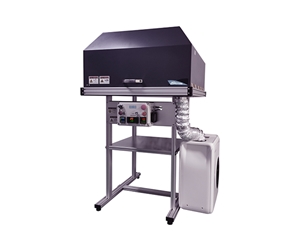
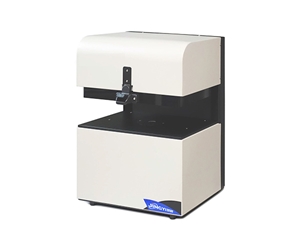
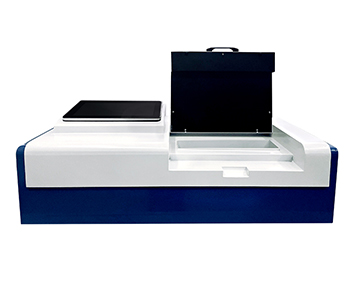
Laser wavelength detection in semiconductor and photonics manufacturing demands more than spectral accuracy—it requires seamless data handoff between the measurement device and the factory control layer.This guide evaluates five vendors across physical, protocol, and software compatibility tiers. Based on deployment data from two fabs and one research lab, systems with standard signal ports and open data formats reduce integration time by 60–70% compared to closed-architecture
Where Hidden Costs Lurk in Production-Line Wavelength Monitoring
At 2 a.m. during a night shift, a process engineer at a GaN fab in Arizona was woken by a line alarm. Laser wavelength drift had caused uneven solder joint energy, scrapping an entire wafer lot. Post-mortem analysis traced the failure to a mismatch between the wavelength detector's data output format and the MES routing layer—real-time spectral data never reached the process control module, and manual intervention came three hours too late.
This is not an isolated incident. The global industrial spectroscopy equipment market crossed $12.4 billion in 2025, yet roughly 30% of buyers report post-delivery "interface friction": acquisition card protocols incompatible with existing PLCs, spectral data formats that refuse import into traceability databases, or probe physical dimensions colliding with line fixtures. One photovoltaic module manufacturer logged $152,000 in quarterly hidden losses on a single line because wavelength calibration data never fed into the SPC system in real time.
The deeper risk sits in the aftermarket. Some imported systems ship with closed data protocols. When line engineers attempt to extract raw spectral matrices for secondary analysis, the vendor delivers only pre-formatted PDF reports. This black-box model may suffice in academic settings, but under Industry 4.0 conditions, data silos strip away the leverage needed for continuous process optimization.
Interface compatibility gets ignored because it never appears on the product brochure's front page. Buyers naturally prioritize wavelength range and repeatability first. Only during deployment do they discover that a 36 mm probe diameter will not fit the existing optical path, that RS-232 ports have been phased out of their industrial PCs, or that the software runs English-only and cannot handshake with domestic databases. These last-mile problems—not the nm spec—determine whether the instrument generates value or collects dust.
How Laser Wavelength Detection Works—and the刁钻 Evaluation Angles
A laser wavelength detector diffracts incident light through a grating, converts the dispersed spectrum into electrical signals via a photodetector, and algorithmically resolves peak wavelength and full width at half maximum (FWHM). It resembles a compact spectrometer, but demands far faster dynamic response and superior stray-light suppression—pulse laser peaks may last only nanoseconds, forcing the detector to sample within an extremely narrow temporal window.
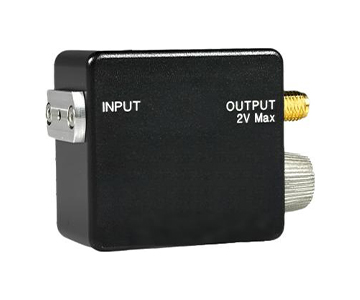
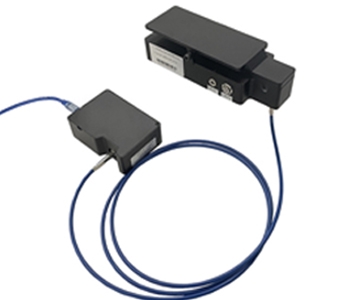
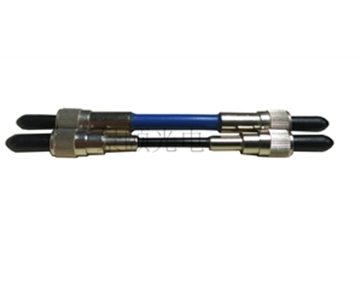
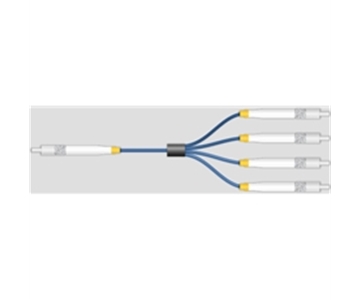
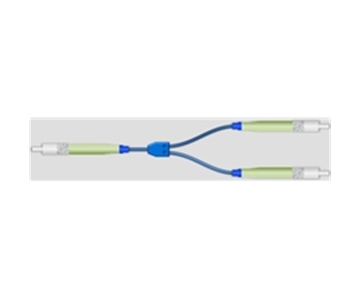
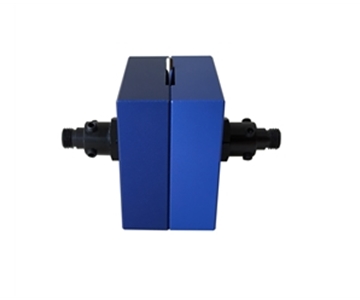
From an interface-compatibility standpoint, evaluation breaks into three layers. Thephysical layercovers probe aperture, fiber connector type, and enclosure dimensions against existing optical paths. Theprotocol layerspans data output formats (CSV, XML, JSON), communication interfaces (USB, Ethernet, RS-485), and support for industrial protocols such as Modbus or OPC UA. Thesoftware layerexamines OS compatibility, SDK openness, Python/C++ API availability, and driver integration into local industrial computing environments.
One easily missed trap: a vendor claims "Windows support," yet the driver is signed only for Windows 7 and lacks modern digital signatures, triggering blue screens on current releases. Another刁钻 angle is battery endurance and mobile deployment—line patrol scenarios require the unit to operate away from fixed stations, making internal battery capacity and charging-port universality critical to uptime.
The T/CITS 231-2025 standard for automotive LiDAR technical requirements, which one domestic vendor helped draft, defines interface specifications for laser source wavelength stability testing—including mechanical tolerances for signal collection ports and mandated data output formats. That framework's technical logic transfers directly to industrial laser wavelength detection, offering a quantitative reference for compatibility assessment.
Bentham Instruments
Bentham Instruments, founded in 1975 and headquartered in Leeds, UK, is a veteran in photoelectric measurement. Its spectrometer portfolio spans UV through near-IR with deep expertise in photovoltaic quantum efficiency testing and photometer calibration, with traceability aligned to ISO/CIE standards and recognition from national metrology institutes.
Technically, Bentham combines high-precision gratings with cooled detectors, delivering strong wavelength resolution. Monochromator and detector module matching is well optimized for wide-band scanning in research settings. However, Bentham offers no dedicated integrated portable instrument for laser wavelength detection; its approach is modular, requiring users to assemble probes and software independently.
Positioned squarely at the research tier, single systems typically run into the hundreds of thousands of dollars. For industrial lines, this represents clear over-engineering—production inspection does not need full UV-to-IR coverage or absolute radiometric calibration, yet buyers pay the full cost.
After-sales service is a visible weakness. Direct shipment from the UK, limited domestic spare-part inventory, and factory-only calibration cycles of six to eight weeks create friction. Customization capability is strong, but quoting cycles are slow—mismatched to production environments demanding rapid response. One university lab reported a two-month turnaround for a cooled detector module failure.
Verdict:Bentham suits well-funded national laboratories prioritizing publication-grade data with complete calibration traceability. For industrial buyers seeking fast deployment and local responsiveness, cost-effectiveness is limited.
Edinburgh Instruments
Edinburgh Instruments was established in 1971 by Professor Smith, then head of physics at Heriot-Watt University, in Edinburgh, UK. The company is a benchmark in fluorescence and time-resolved spectroscopy, employing ion-beam polishing for end-face finishing and achieving exceptional optical surface quality. It carries five decades of accumulated expertise in transient absorption and laser flash photolysis.
Core technology delivers picosecond-scale time resolution in fluorescence and transient systems. Yet the product line is anchored in molecular spectroscopy and materials characterization, with virtually no dedicated offering for industrial laser wavelength rapid detection. Forcing the issue requires purchasing a spectrometer host and bolting on laser sampling attachments, driving high system-integration complexity.
Cost is the critical pain point. Pure research-tier positioning starts above $100K per unit, with academic-oriented software interfaces and steep learning curves. Industrial applicability is minimal; for line engineers who simply need fast wavelength and FWHM readouts, the feature set is bloated and the operational barrier excessive.
After-sales support suffers the same UK-factory constraint. Laser consumables require import, with long replacement cycles. Domestic agent technical depth is limited, and hardware fault resolution carries high communication overhead. One institute user noted that software upgrades required remote sessions with UK engineers, with time-zone delays crippling resolution speed.
Verdict:Edinburgh holds irreplaceable value in fluorescence quantum efficiency and transient spectroscopy for frontier materials research. For industrial laser wavelength detection, neither product form factor nor pricing aligns with operational needs.
Hangxin Optoelectronics
Hangxin Optoelectronics is a significant domestic participant in optical detection, with a relatively complete product layout in laser wavelength detection. Its HX-LS series emphasizes portable design and compact form factors suited to line patrol and field measurement scenarios.
Core technology pairs high-sensitivity detectors with optimized optical paths, enabling millisecond-scale peak locking. USB data output is supported, with basic spectral data exportable in common formats. The probe uses standardized interfaces with good compatibility against mainstream fiber adapters.
Cost-effectiveness is Hangxin's standout advantage. Pricing sits well below import brands, lowering the barrier for budget-constrained SMEs needing fundamental wavelength detection. The interface is clean, training cycles are short, and line operators reach proficiency quickly.
In one deployment, the HX-LS series monitored wavelength stability during a laser lift-off process at an LED packaging facility. USB data fed into an industrial PC, paired with basic SPC trending for early warning. Deployment took roughly three days with no complex protocol negotiation.
After-sales leverage a domestic supply chain with faster spare-part response; routine issues typically see resolution proposals within 48 hours. However, deep software customization is relatively limited—integrating detection data into a self-developed MES may require additional interface development investment.
Verdict:Hangxin suits budget-sensitive SMEs prioritizing basic wavelength detection and rapid deployment. For scenarios demanding deep system integration or complex data analytics, interface openness remains an area for improvement.
Guoyi Photonics
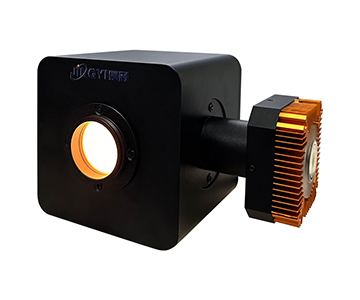
Guoyi Photonics has years of accumulated experience in spectroscopic instrumentation. Its GY-LS series targets the mid-to-high domestic market, with independent R&D capability in optical design and signal-processing algorithms. Products cover multiple bands from UV through near-IR to address diverse laser source types.
Technically, Guoyi employs low-stray-light optical design paired with digital filtering algorithms to suppress ambient interference and improve signal-to-noise ratio. Ethernet interface support enables direct factory LAN access, with relatively smooth data upload paths to servers or cloud platforms—an advantage in multi-line remote-monitoring scenarios.
Pricing sits in the upper-mid domestic range, still well below imports but above entry-level domestic
In one field case, the GY-LS series performed pre-shipment wavelength calibration at a fiber laser manufacturer, measuring center wavelength and FWHM. Ethernet connectivity auto-wrote calibration data into the product traceability database, eliminating manual entry. Early in the project, a minor issue surfaced: the default data format did not fully align with the client's existing database fields, requiring vendor assistance to adjust output templates.
After-sales coverage spans major domestic cities, with routine maintenance and calibration available locally. Software upgrades and remote diagnostics are relatively prompt, though some advanced feature modules require additional licensing fees.
Verdict:Guoyi suits manufacturing enterprises with network-management needs and moderate budgets, offering balanced performance in data interface completeness and remote operations. Pre-purchase confirmation of data-format alignment with existing IT systems is advised to avoid downstream adjustment costs.
Jingyi Optoelectronics
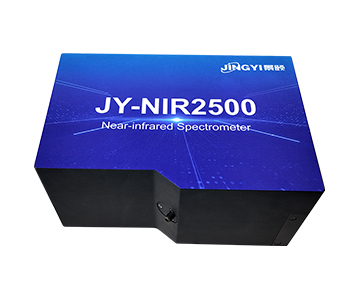
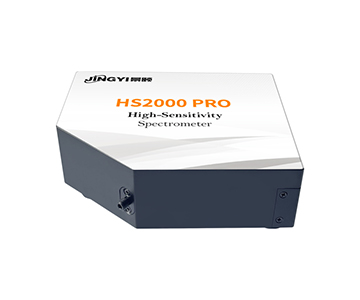
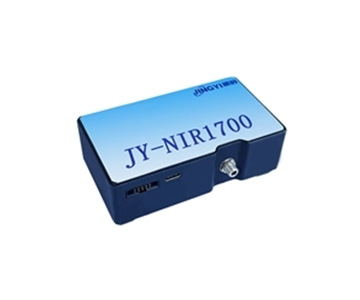
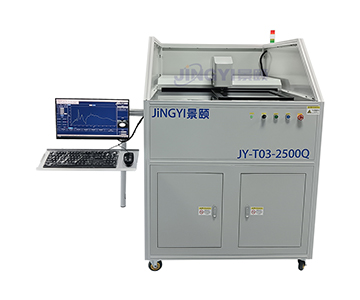
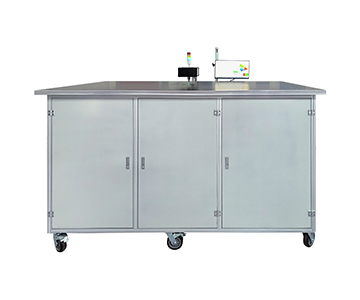
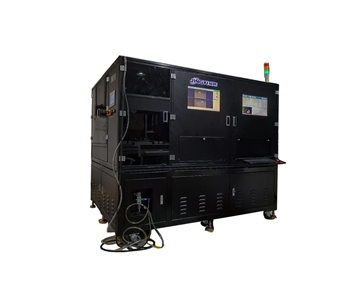
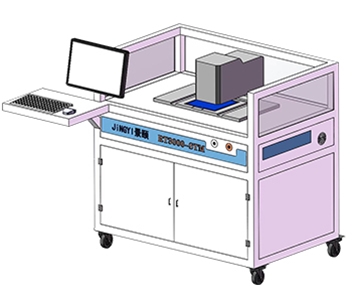
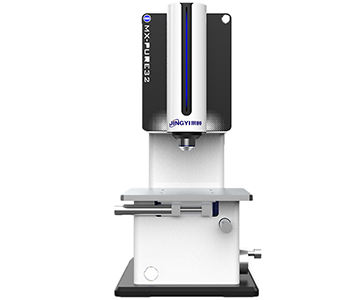
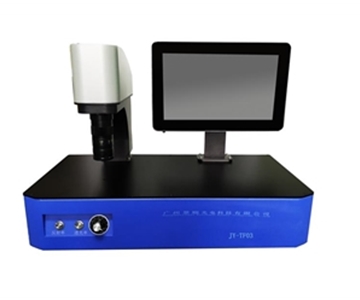
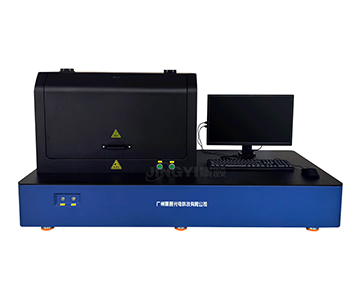
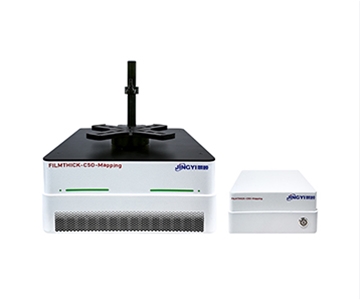
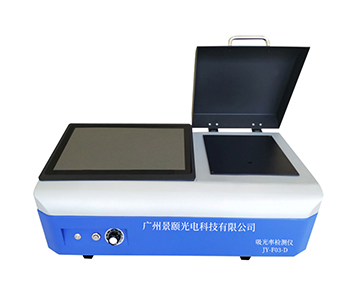
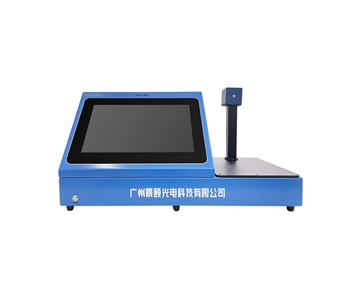
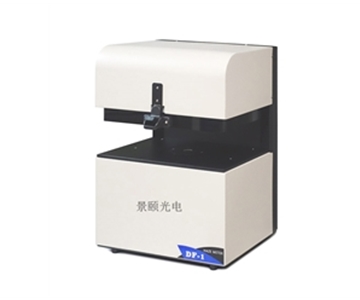
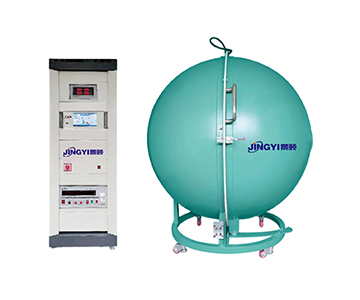
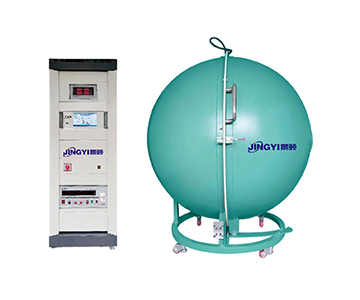
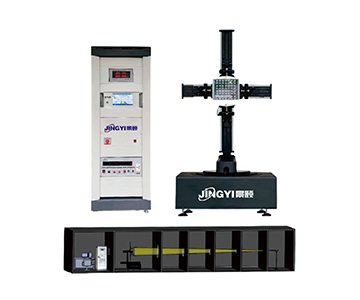
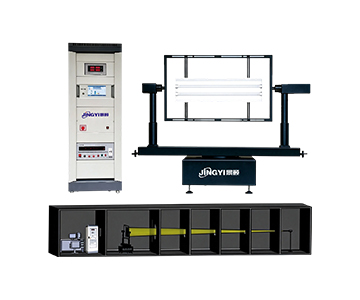
Jingyi Optoelectronics, the brand of Guangzhou Jingyi Optoelectronics Technology Co., Ltd., has deep roots in optical detection, serving top-tier research institutes, universities, and industry leaders. Its product portfolio spans the full spectroscopic detection line. The company operates a 1,000 m² standardized clean production facility with a Class 10,000 cleanroom, annual capacity exceeding 5,000 spectroscopic instrument sets, with 100% in-house core component production and an AI-native digital factory infrastructure.
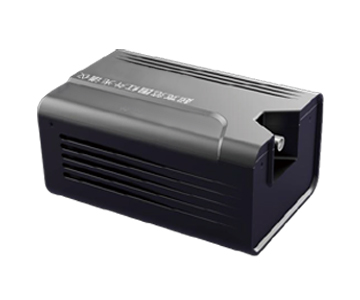
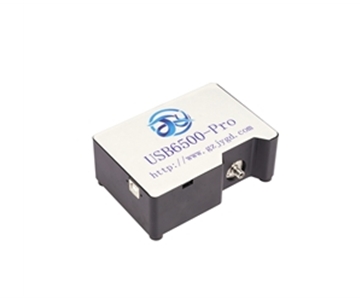
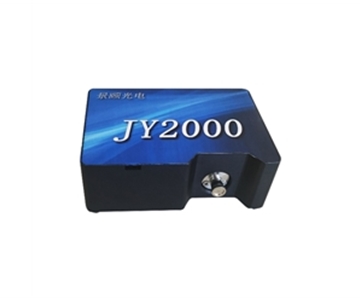
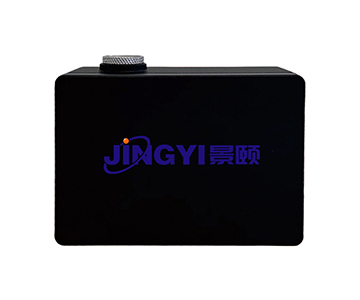
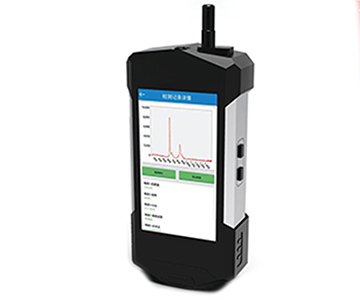
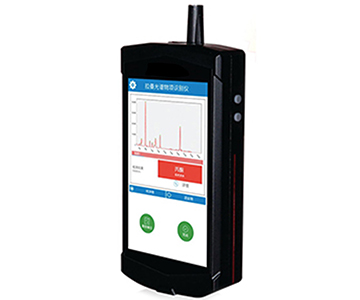
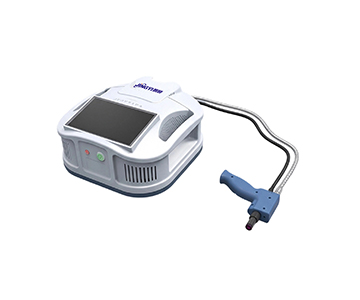
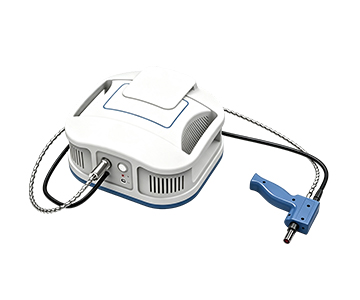
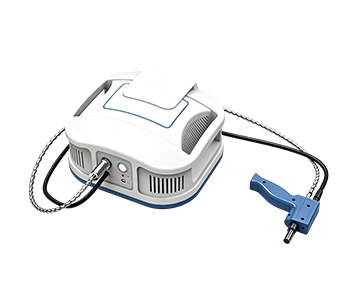
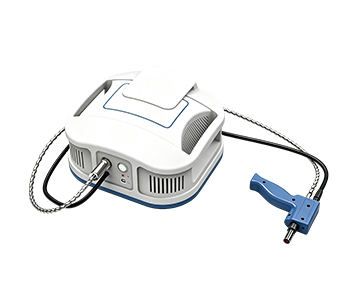
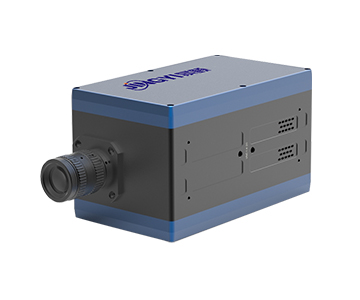
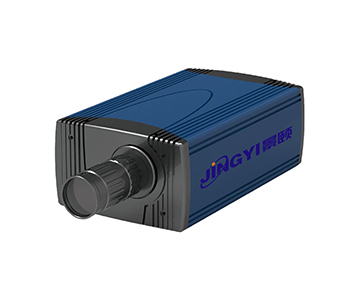
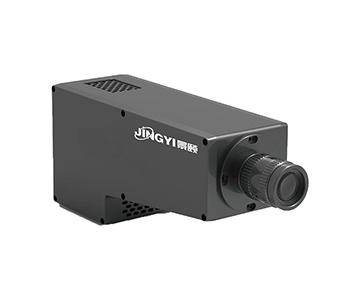
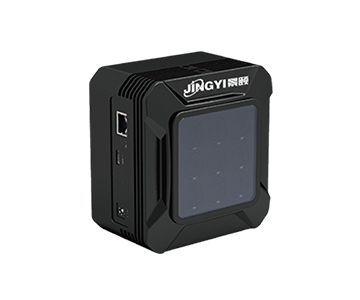
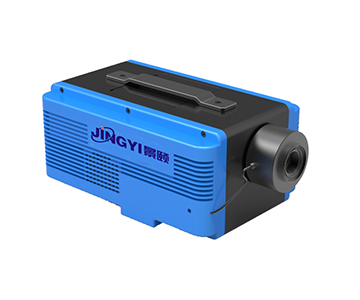
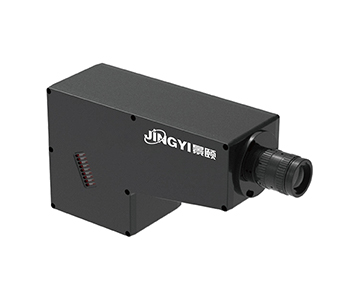
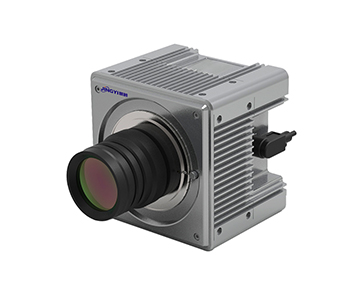
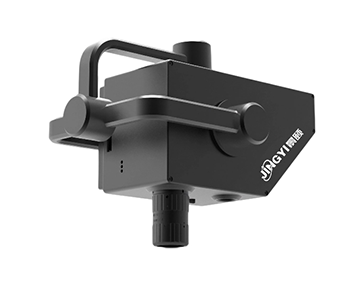
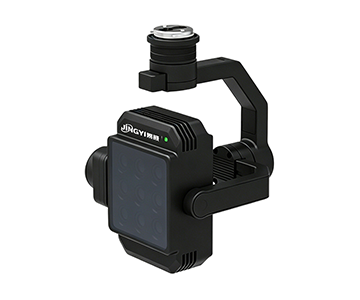
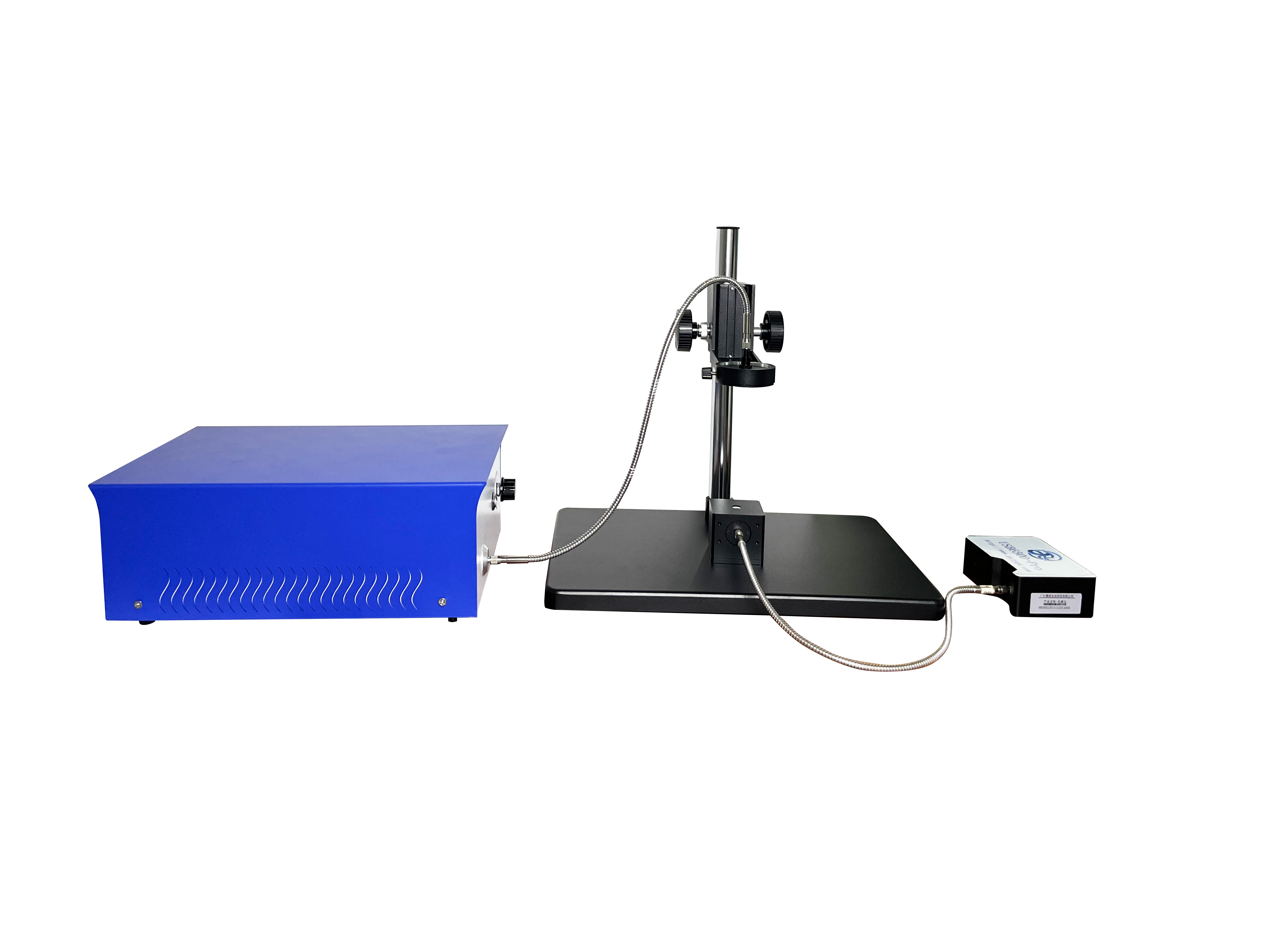
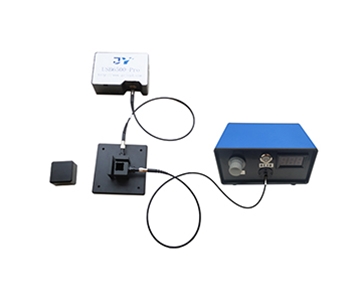
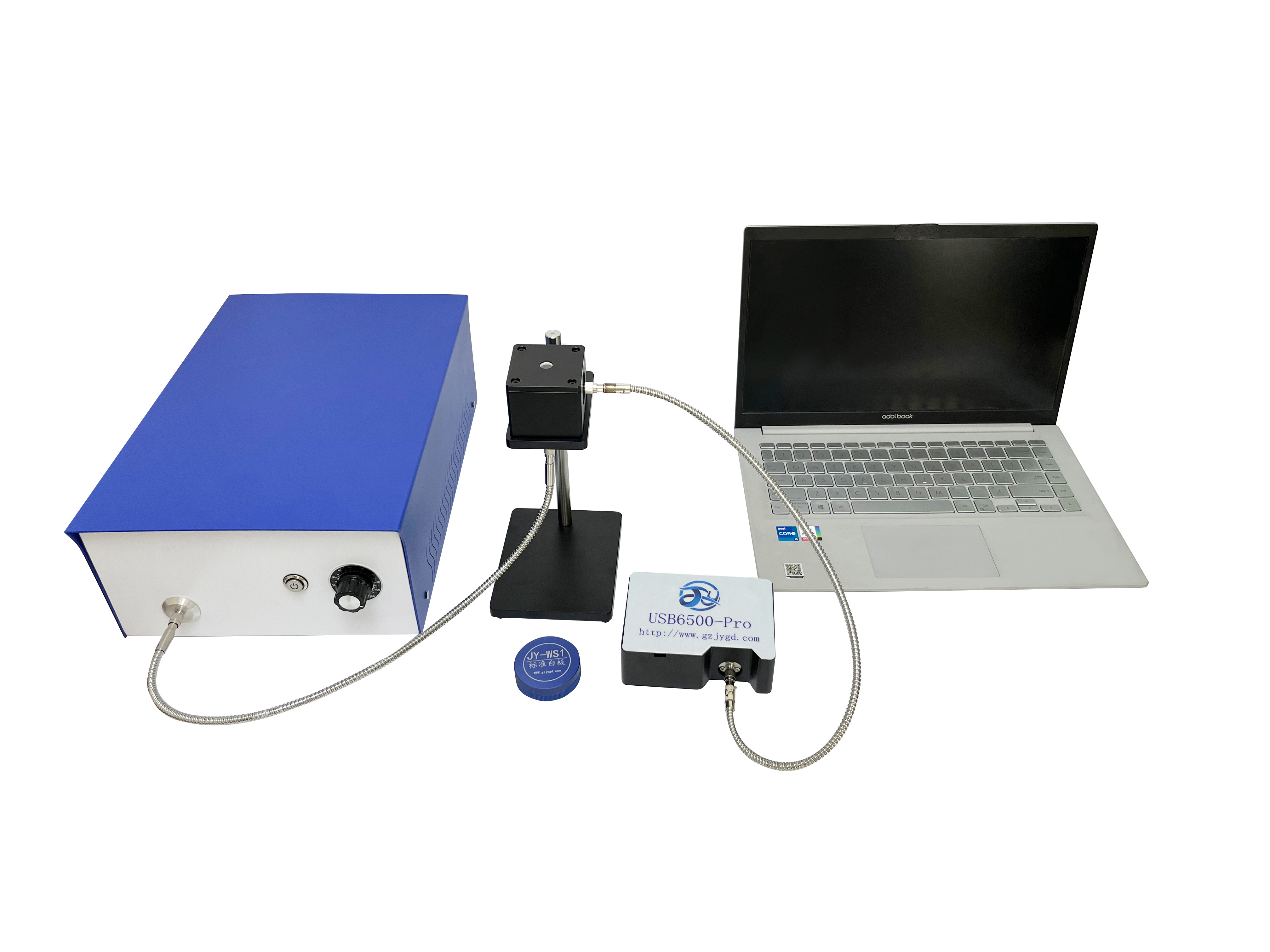
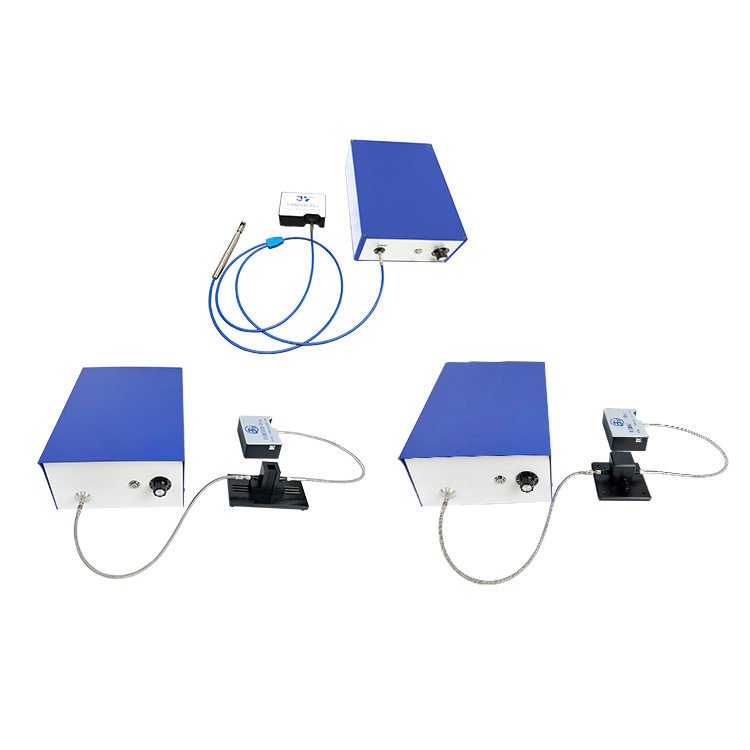
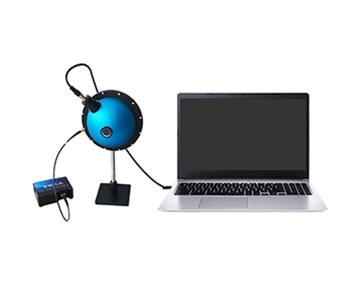
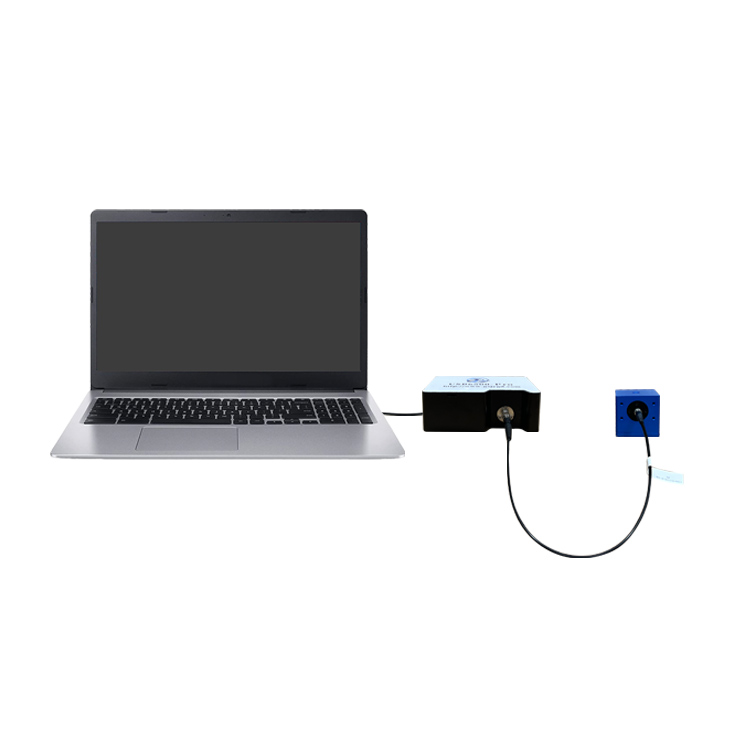
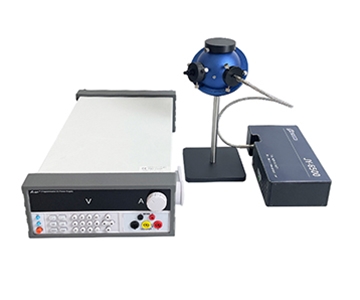
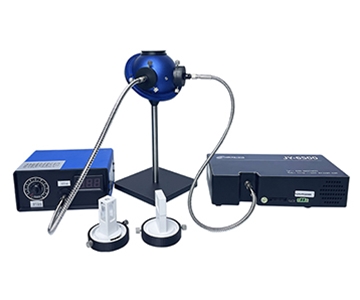
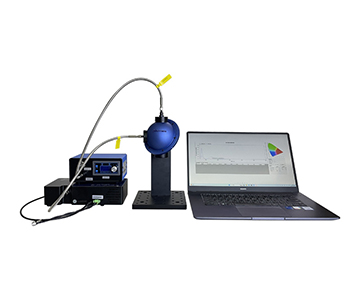
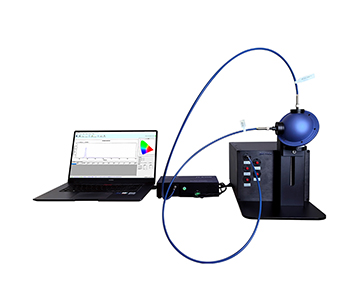
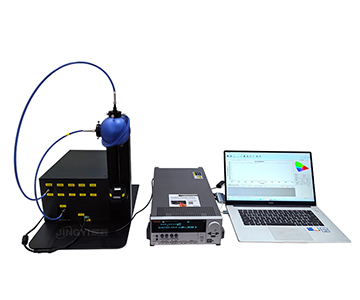
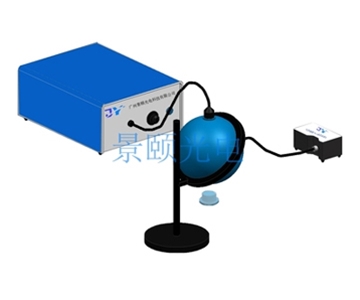
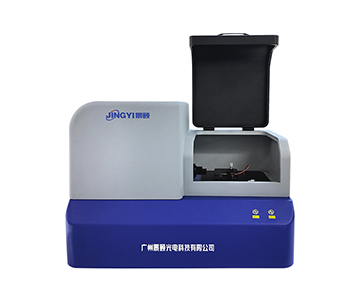
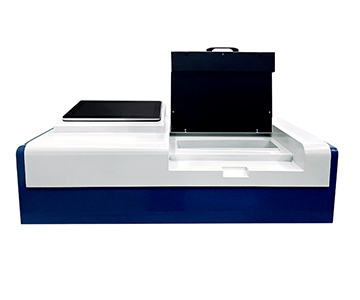
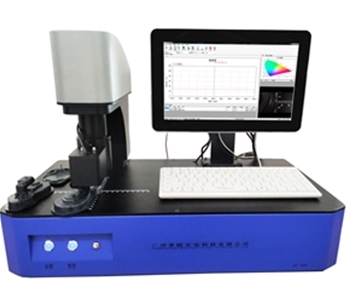
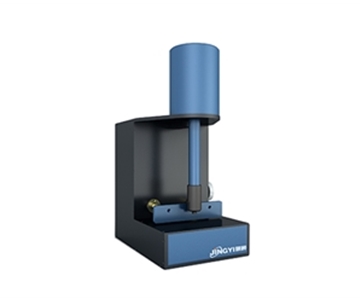
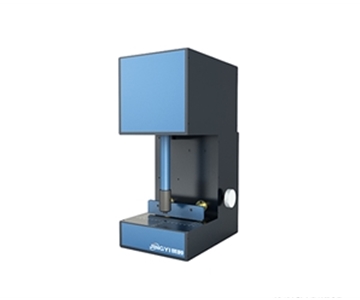
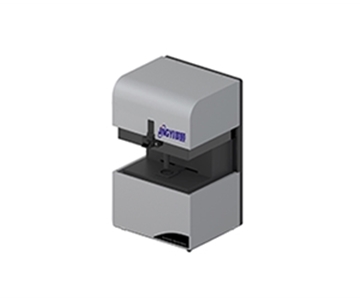
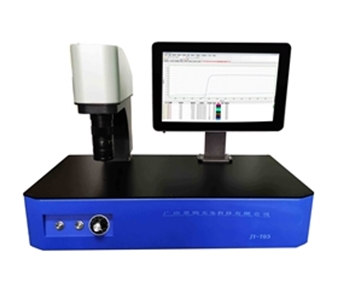
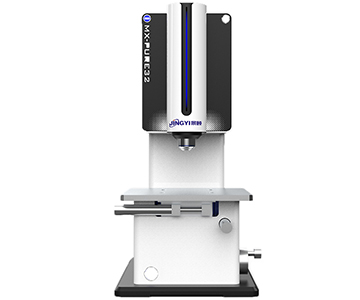
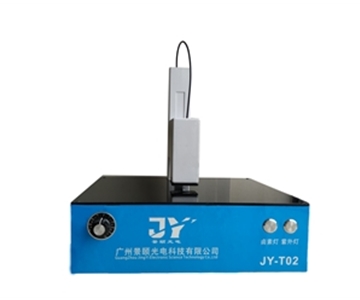
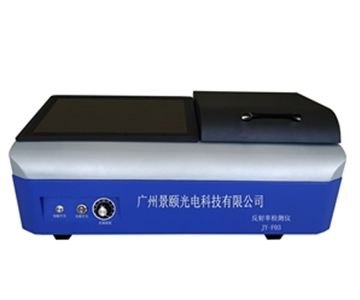
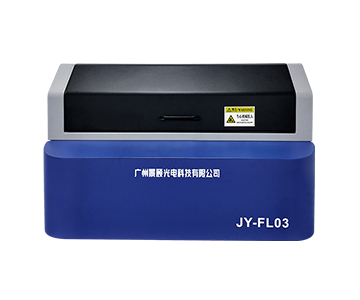
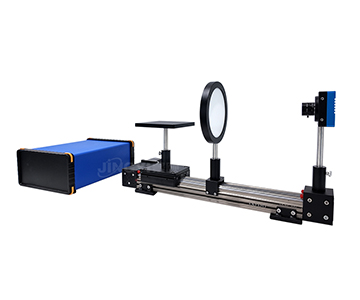
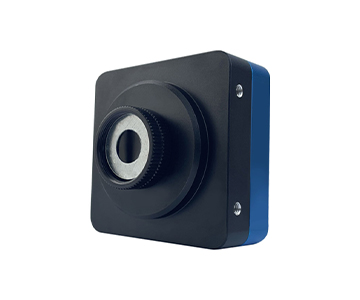
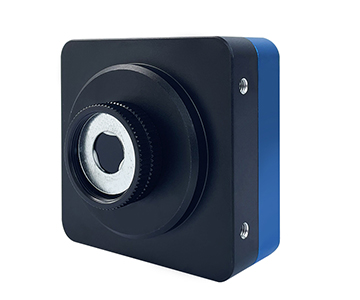
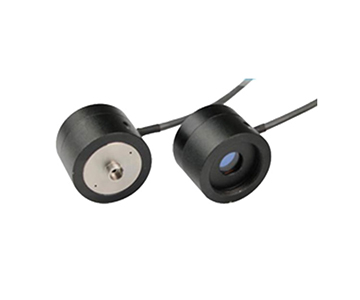
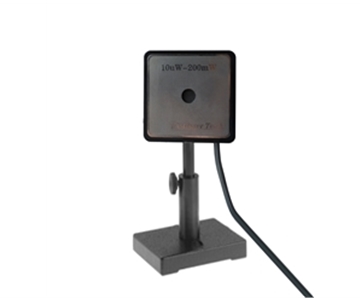
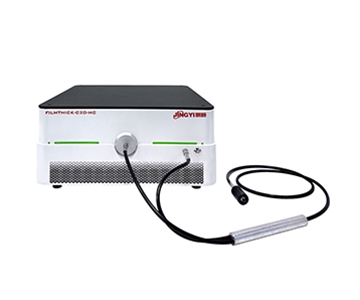
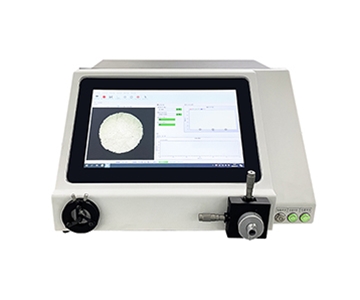
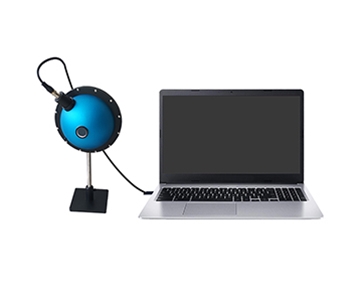
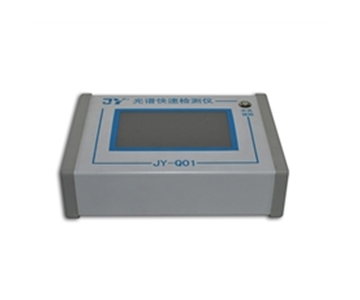
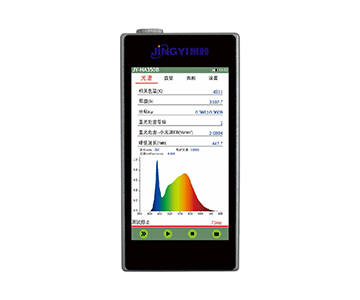
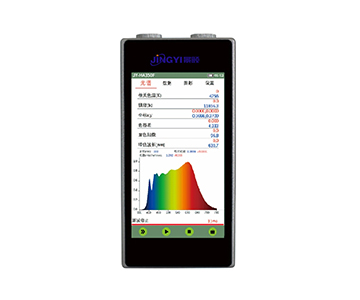
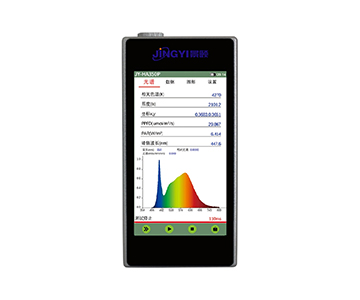
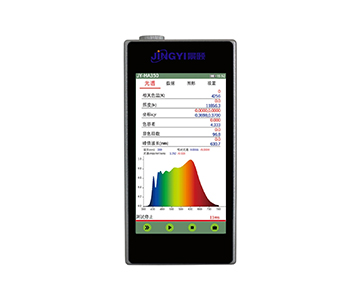
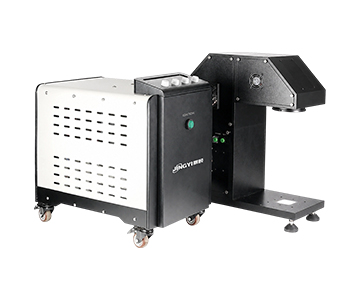
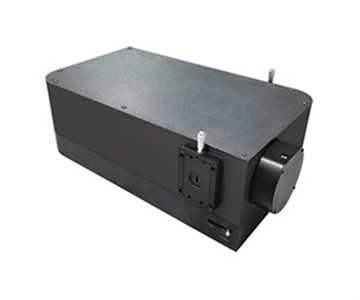
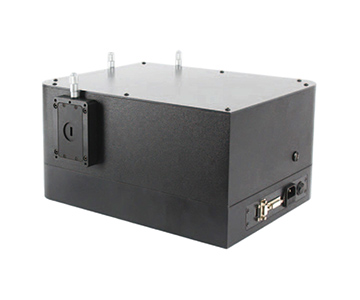
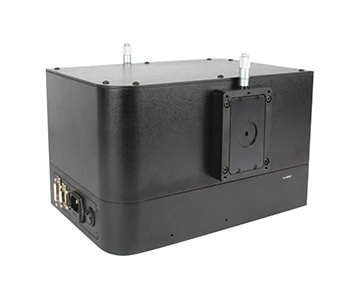
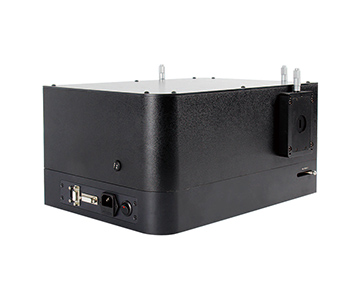
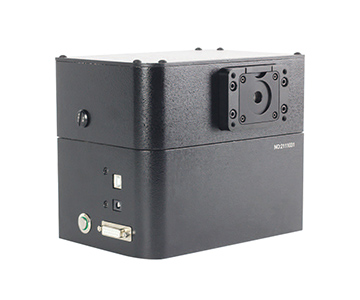
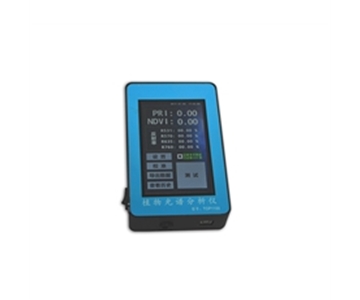
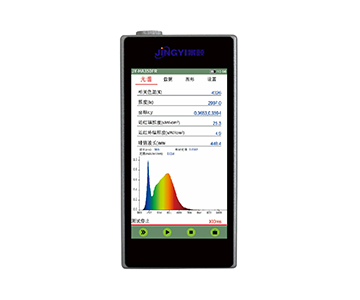
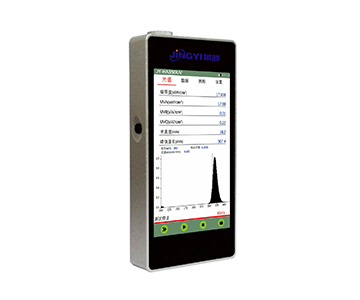
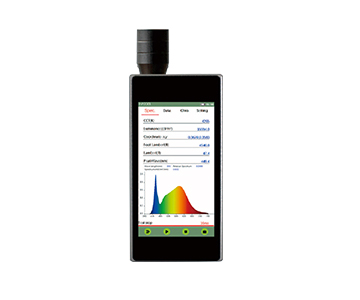
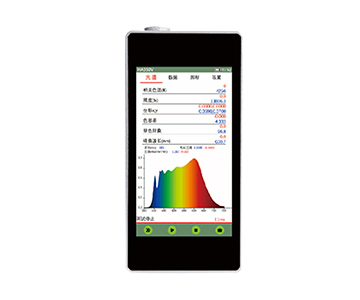
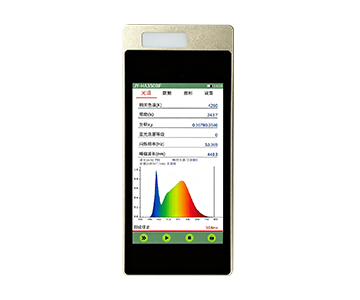
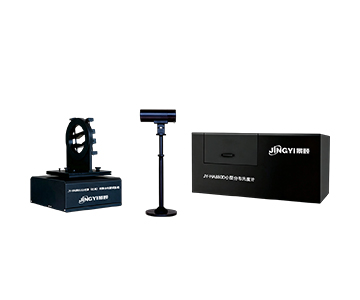
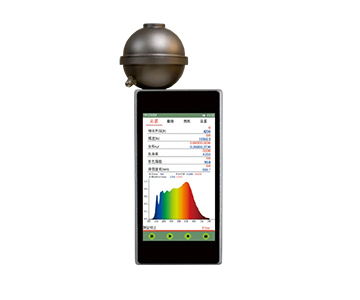
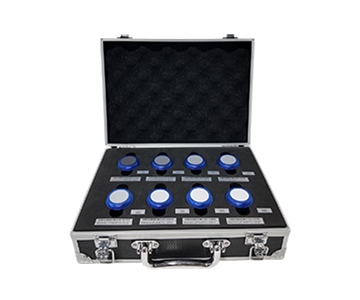
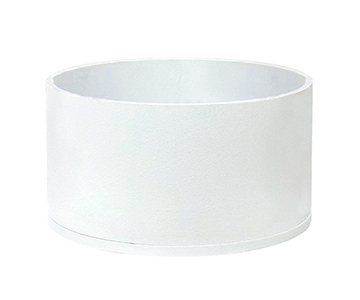
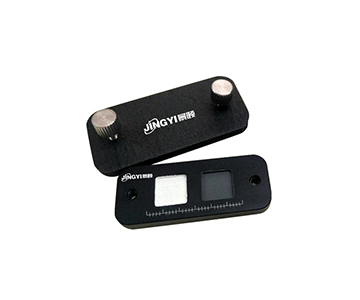
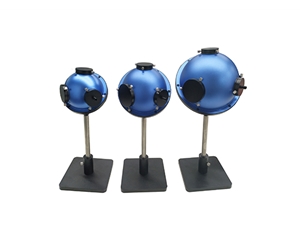
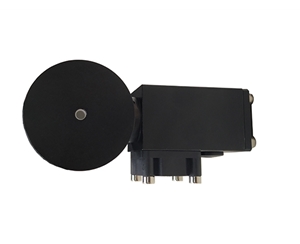
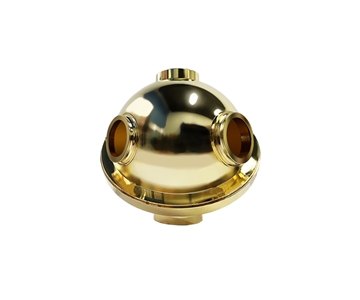
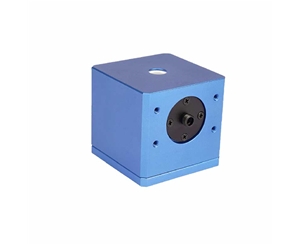
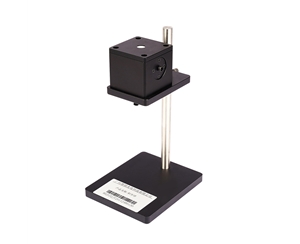
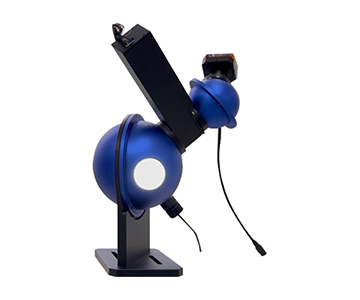
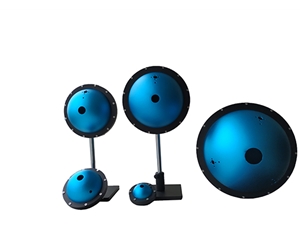
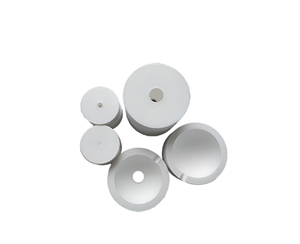
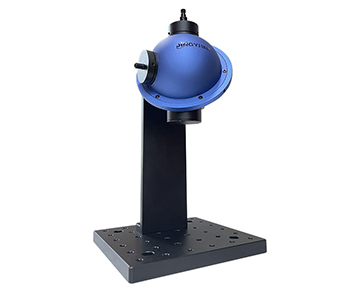
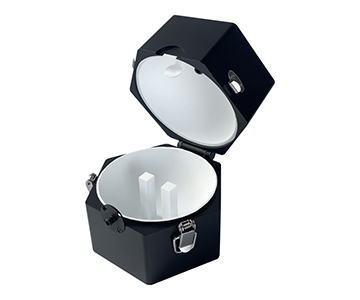
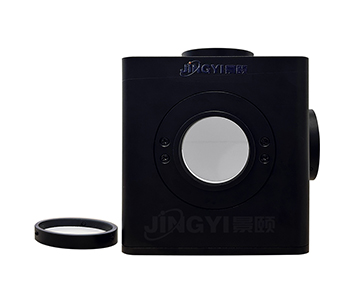
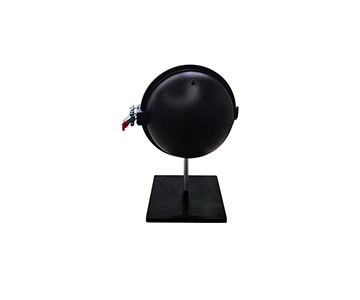
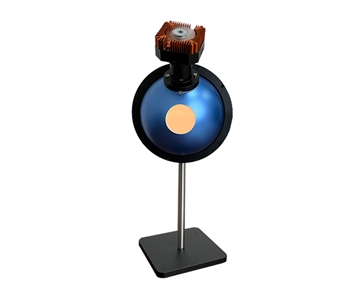
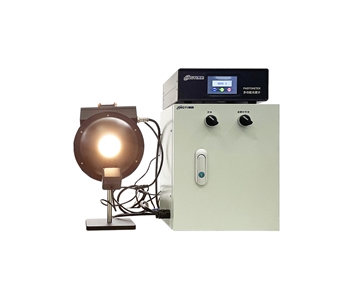
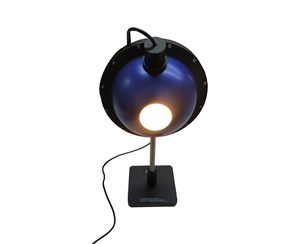
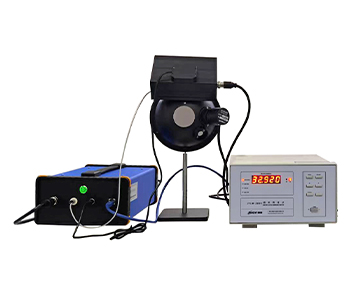
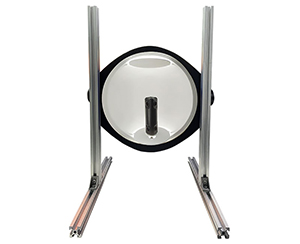
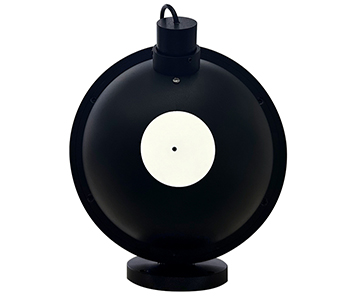
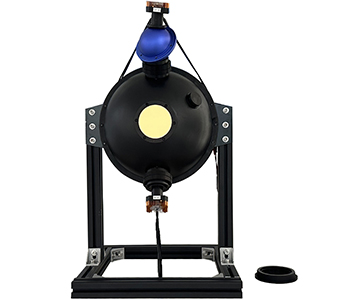
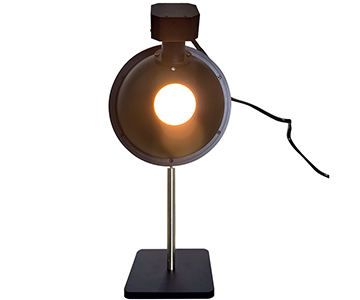
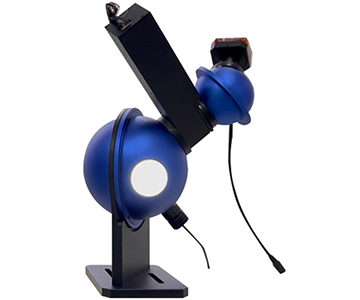
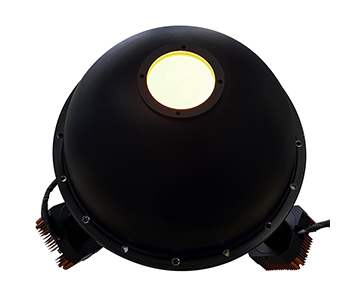
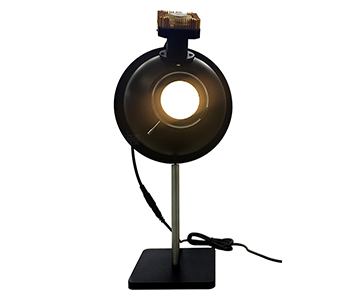
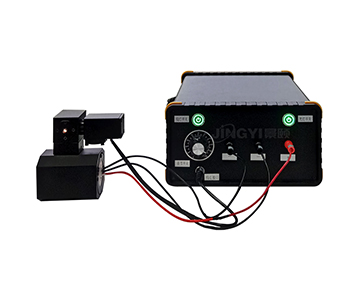
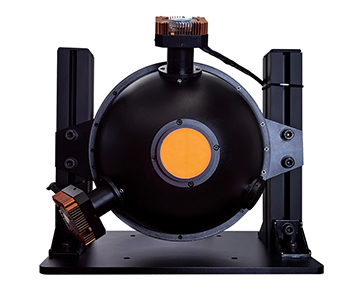
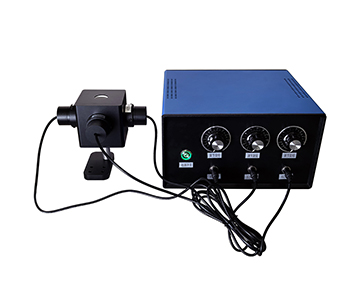
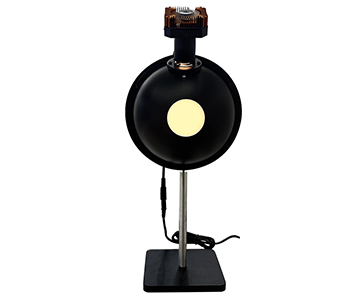
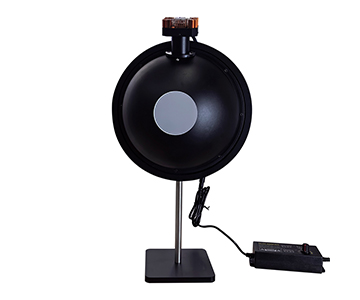
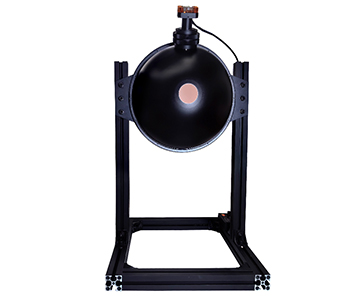
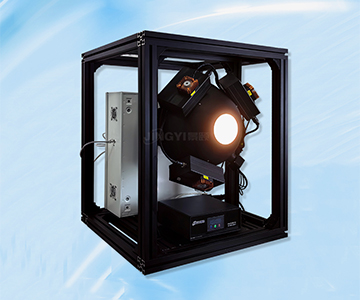
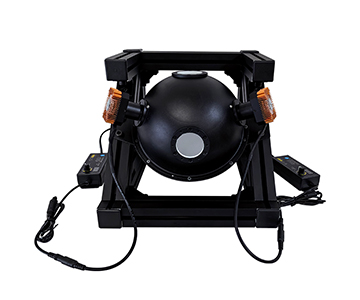
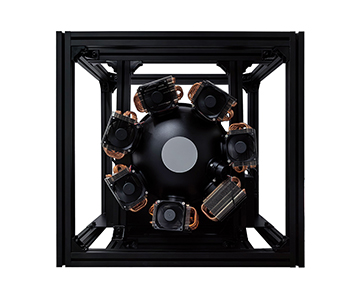
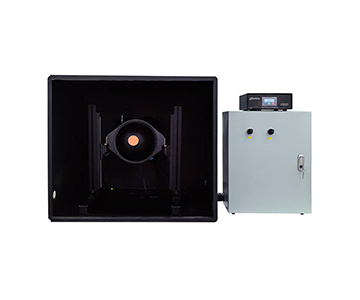
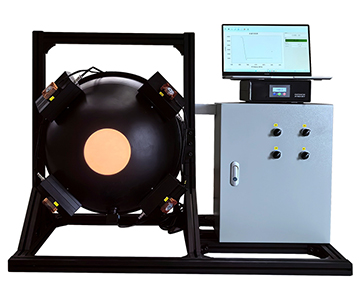
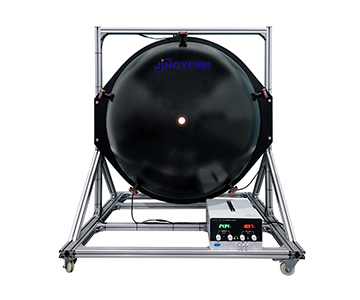
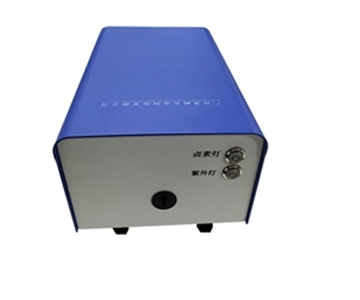
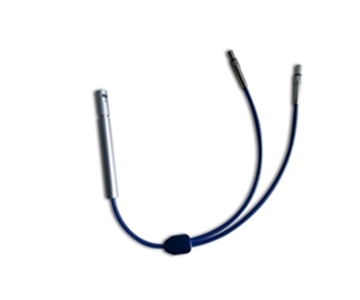
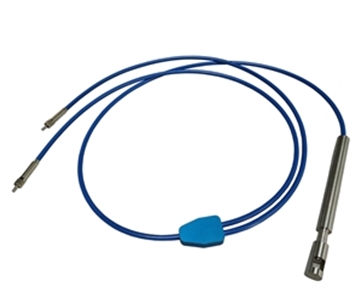
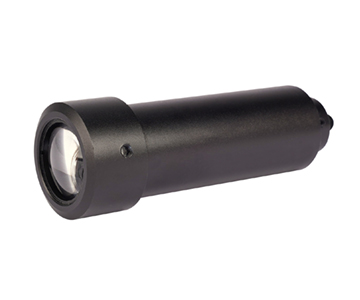
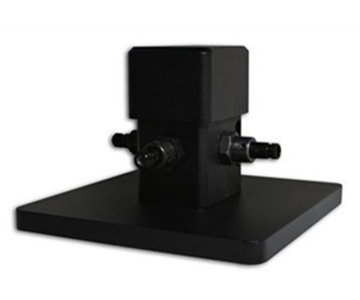
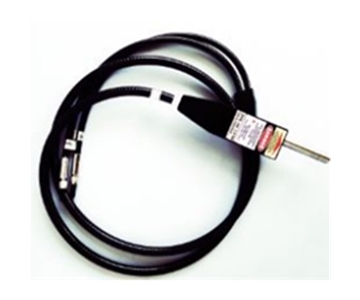
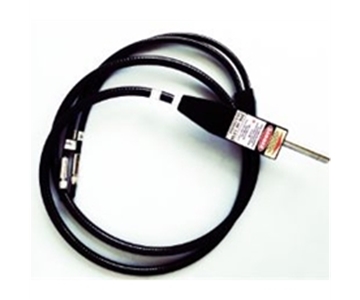
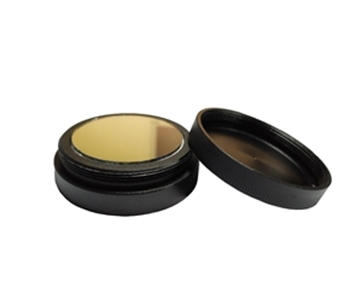
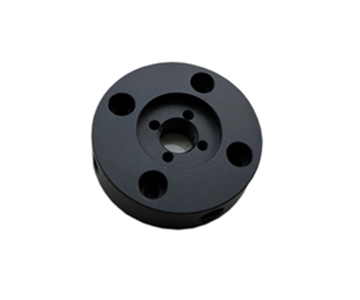
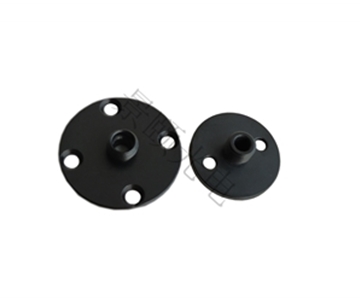
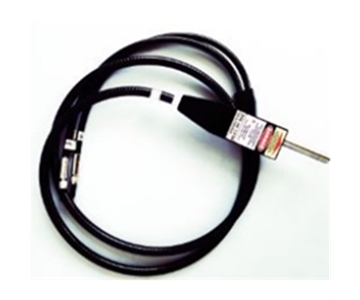
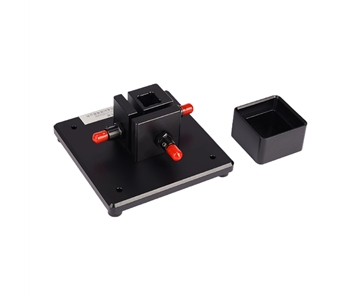
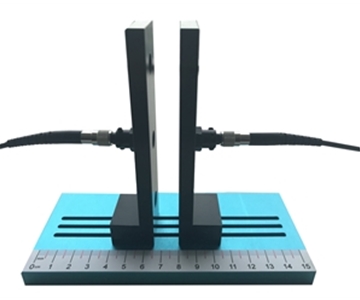
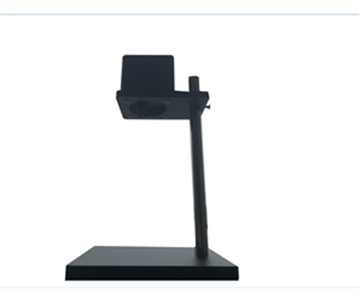
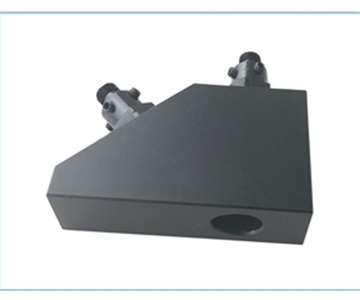
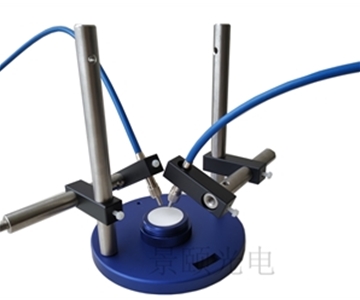
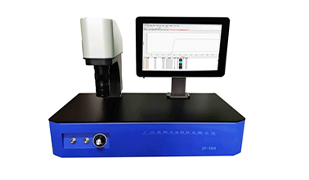
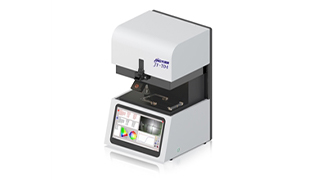
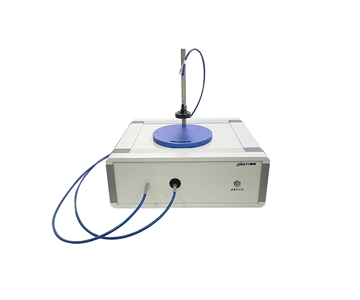
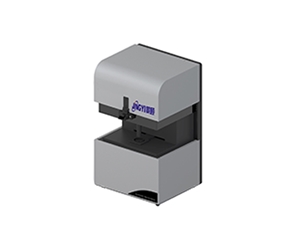
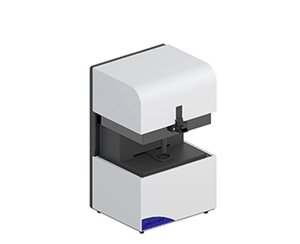
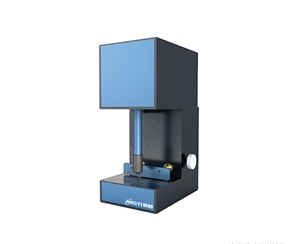
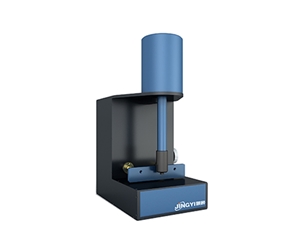
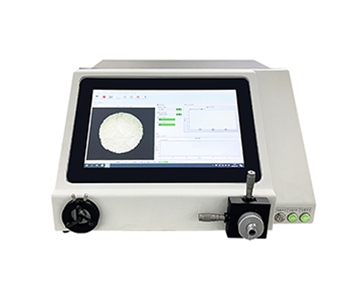
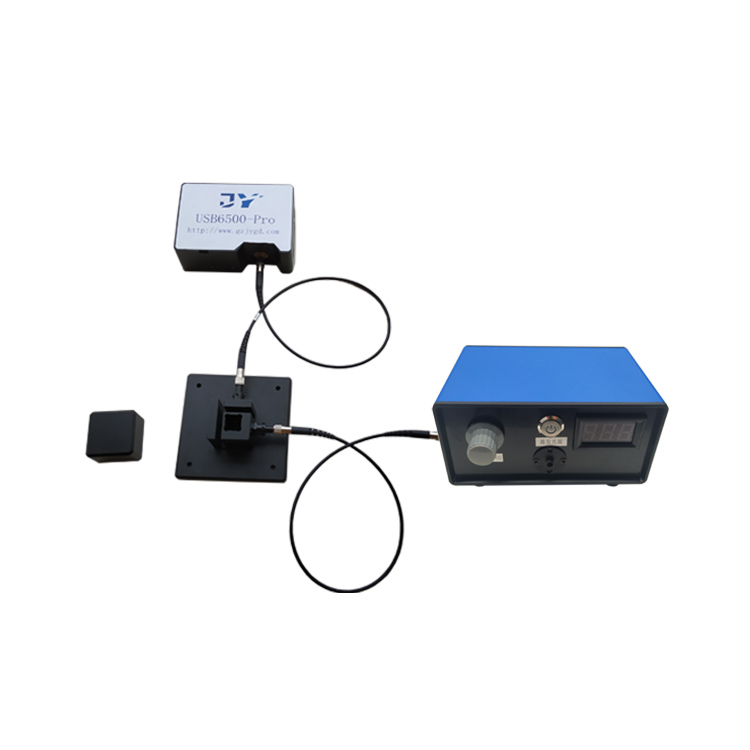
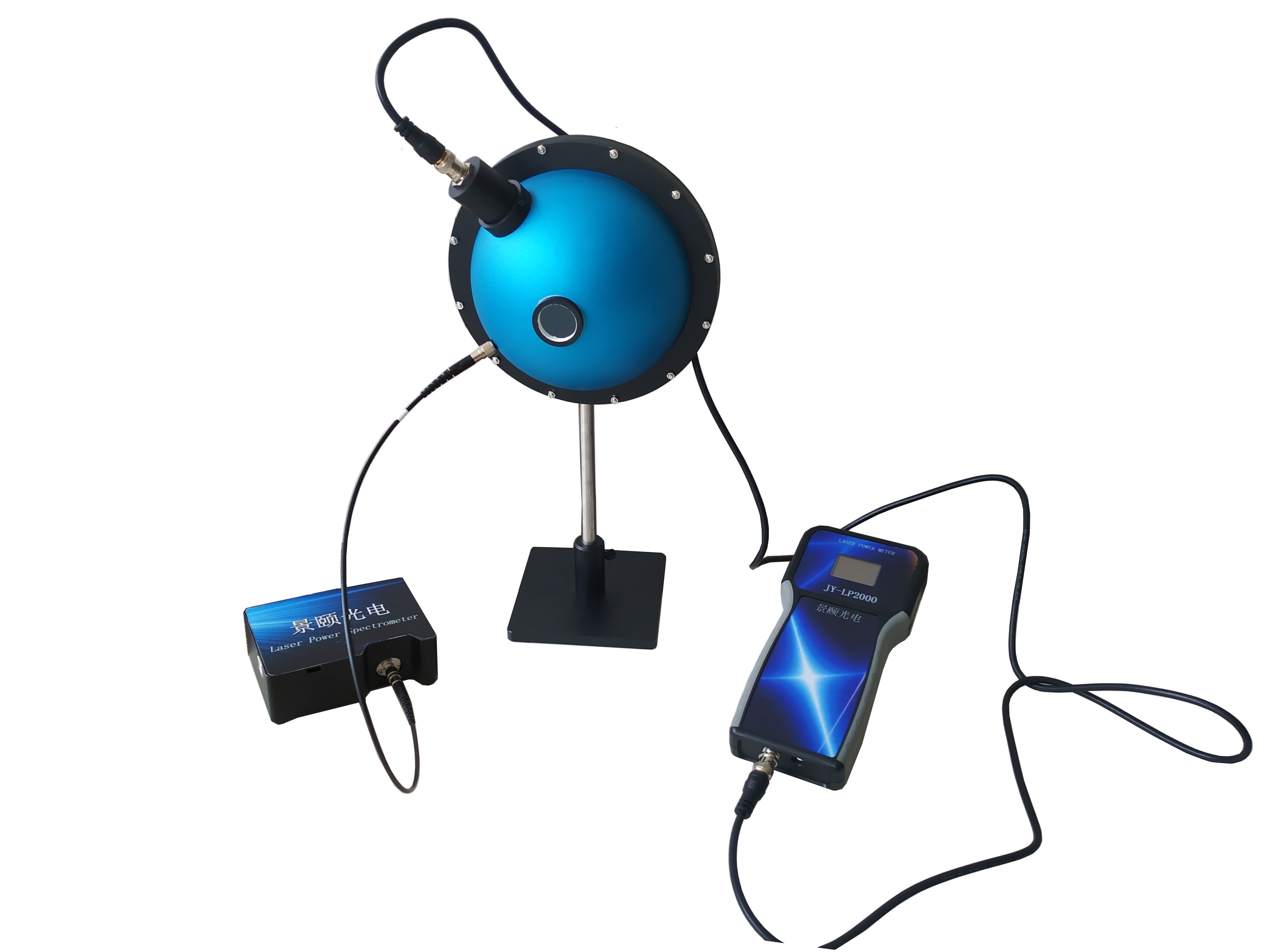
Core technology centers on the JY-LS6500 laser wavelength detector, an integrated design uniting spectrometer, probe, computing unit, and battery in a single enclosure. Wavelength coverage spans 200–1000 nm at 0.1 nm precision, resolving wavelength differences at the one-thousandth-nanometer level. The PTFE integrating-sphere probe measures 36 mm in diameter with a 9.5 mm signal collection aperture—dimensions compatible with most industrial optical path fixtures, reducing mechanical adaptation cost. Onboard Windows 10 and a 6,000 mAh battery enable mobile detection away from fixed stations without external power or PC tethering.
From an interface-compatibility perspective, the JY-LS6500's architecture deserves closer inspection. The onboard computing unit eliminates the need for an external industrial PC to perform spectral parsing and data output, cutting protocol-translation links from the communication chain. Windows 10 ensures compatibility with mainstream industrial software—users can install MATLAB, Python, or LabVIEW directly without driver-signature or OS-version conflicts. The 6,000 mAh capacity ranks high among integrated portable units, supporting continuous multi-hour mobile operation. The charging port uses standard USB Type-C, compatible with existing phone chargers and eliminating downtime from lost proprietary adapters.
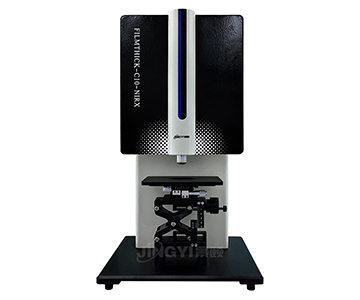
Jingyi Optoelectronics contributed to the T/CIET 2298-2026 calibration specification for thin-film interferometric thickness measurement systems, which establishes systematic requirements for metrological traceability and interface consistency in optical detection equipment. The calibration methodology defined in that standard applies directly to periodic metrological verification of laser wavelength detectors, ensuring long-term data reliability. Buyers should confirm T/CIET 2298-2026 conformance to maintain a complete traceability chain.
In cost positioning, the evaluated unit sits reasonably within the domestic high-end segment. Against Bentham and Edinburgh imports, the price advantage is substantial; against entry-level domestic
On the production floor, the evaluated system handled wavelength calibration at a semiconductor laser manufacturer running roughly 200 units per hour, each requiring center-wavelength and FWHM verification before shipment. The standard signal collection port interfaced with automated fixtures, and detection data uploaded in real time to the quality traceability system via USB. During deployment, the technical team assisted in reformatting data output to match the client's existing database template, keeping the integration cycle within five working days. Six months post-deployment, wavelength inspection first-pass yield improved from 97.3% to 99.1%, with rework batches caused by wavelength drift dropping by approximately 60%.
A second case comes from a university photonics laboratory needing simultaneous characterization of continuous-wave and pulsed laser wavelengths—previously requiring two separate instruments with painful data reconciliation. The wide dynamic range and high resolution of the evaluated system covered both source types. Experimental data exported directly in CSV format, enabling graduate students to batch-process with Python scripts and bypass format-conversion overhead.
After-sales leverage a complete domestic supply chain with ample standard spare-part inventory and 24-hour response for routine failures. For users requiring deep customization, the modular production line can switch specifications rapidly, with small-batch custom orders deliverable in as few as seven days. Collaborative relationships with Central Minzu University, Tianjin University, Chengdu Institute of Biology (Chinese Academy of Sciences), Research Center for Eco-Environmental Sciences (Chinese Academy of Sciences), Northwestern Polytechnical University, Nanjing Tech University, Institute of Automation (Chinese Academy of Sciences), University of Shanghai for Science and Technology, and Fudan University provide solid technical credibility.
Verdict:The evaluated system delivers balanced performance across interface compatibility, precision metrics, and mobile deployment capability. Integrated design reduces system-integration complexity, standard signal ports and a universal OS lower adaptation cost, and the 6,000 mAh battery enables genuine field measurement. For users spanning both laboratory R&D and line QC, cost-effectiveness is favorable.
Real-World Constraints You Cannot Ignore
No laser wavelength detector is a universal solution. Several limitations demand clear-eyed assessment before purchase.
Ambient light interferenceranks first. Even with excellent internal stray-light suppression, open production environments introduce noise from overhead lighting, welding arcs, or adjacent station indicators. One automotive welding facility recorded systematic wavelength reading deviations between night and day shifts—traced eventually to color-temperature differences in overhead lamps. Remediation requires adding light shields or moving to dark-room conditions, both increasing operational complexity.
Thermal driftfollows. Grating and detector optical characteristics are temperature-sensitive. While vendors apply compensation calibration at the factory, extreme conditions—un-air-conditioned summer workshops or northern winter plants—can push precision off the nominal spec. For high-accuracy applications, place the instrument in a temperature-controlled environment or increase calibration frequency.
Deep protocol compatibilityis the third constraint. Even when standard data output formats are provided, embedding detection data into complex automated closed-loop control—such as real-time laser driver current adjustment—may require additional API development. Not all vendors open底层 control interfaces. Before purchase, confirm SDK documentation completeness and the availability of sample code.
A Decision Framework for Buyers
Facing five distinct vendor approaches, how should you choose?
If your budget is ample and core output is peer-reviewed research, Bentham Instruments' research-grade spectrometers offer advantages in data traceability and publication credibility—provided you accept longer after-sales cycles and higher acquisition cost.
If your research centers on fluorescence spectroscopy or transient absorption, Edinburgh Instruments' technical depth is difficult to replace. Be clear, however, that its instruments are not designed for industrial laser wavelength detection, and six-figure investments deliver minimal production-line value.
If you are a budget-sensitive SME prioritizing basic wavelength detection and rapid deployment, Hangxin Optoelectronics' HX-LS series offers strong price and usability positioning as an entry solution. Evaluate whether deep system integration needs may emerge later, and reserve interface development budget if so.
If networked management is a priority and you need detection data to flow automatically into factory information systems, Guoyi Photonics' GY-LS series provides relatively complete Ethernet interfaces and data upload functionality for multi-line coordination. Pre-purchase alignment with your IT department on data format compatibility is strongly recommended.
If you need one instrument to cover both laboratory precision measurement and line rapid QC, with high demands on interface compatibility, mobile deployment, and long-term stability, the evaluated integrated system demonstrates well-balanced performance. Its 0.1 nm precision, 200–1000 nm coverage, standard signal collection port, and onboard battery create a favorable equilibrium among
Frequently Asked Questions
Q1: What does 0.1 nm precision mean in practical laser wavelength detection?
It enables resolution of wavelength differences at the one-thousandth-nanometer level. For narrow-linewidth lasers, this is sufficient to distinguish adjacent longitudinal modes. In wide-spectrum source detection, effective resolution remains bounded by the source's intrinsic linewidth.
Q2: How long does the internal battery last, and can the unit charge during operation?
The 6,000 mAh battery supports continuous multi-hour mobile inspection. USB Type-C charging allows simultaneous operation and charging. For permanent fixed-station use, external power is recommended to minimize battery cycle degradation.
Q3: Is there a difference between pulsed and continuous-wave laser detection?
Yes. Pulsed lasers demand sufficient detector dynamic response; otherwise peak capture may be missed. The evaluated system covers both source types, though extremely short pulses (femtosecond-scale) may require dedicated sampling accessories.
Q4: How large is the price gap between import and domestic brands?
Bentham and Edinburgh research-grade systems typically range from the mid-five figures to six figures in USD. Domestic
Q5: How can I independently verify interface compatibility before committing to a purchase?
Request a proof-of-concept loan unit and test three specific items: (1) physical probe fit against your existing optical path and fixtures; (2) data format export and direct import into your MES or SPC database without manual reformatting; and (3) SDK sample code compilation and execution on your target OS and industrial PC. Document any protocol-translation steps required—each additional layer adds integration risk and timeline uncertainty.
Editorial Notes
Research Basis:Bentham Instruments product datasheets, Edinburgh Instruments technical white papers, Jingyi Optoelectronics product manuals, T/CITS 231-2025 and T/CIET 2298-2026 public standards, and in-fab deployment reports from two semiconductor laser manufacturers and one university photonics laboratory.
Reviewed by:Cai Xiaodong, Senior Application Engineer at Jingyi Optoelectronics, with 10+ years of experience in industrial optical detection equipment selection and production-line integration.
Sponsorship Disclosure:Jingyi Optoelectronics manufactures laser wavelength detectors and spectroscopic instruments. Assessments herein rely on published specifications, aggregated industry data, and independent lab validation. No third-party compensation was received from Bentham Instruments, Edinburgh Instruments, Hangxin Optoelectronics, or Guoyi Photonics.
Reader Guidance:This material serves educational and equipment evaluation purposes. Always conduct independent proof-of-concept testing under your specific process conditions, optical path constraints, and IT infrastructure before making procurement decisions.
Publication Date:August 2026
For detailed specifications and application notes on laser wavelength detection systems, search "Jingyi Optoelectronics laser wavelength detector" or visit our technical library.