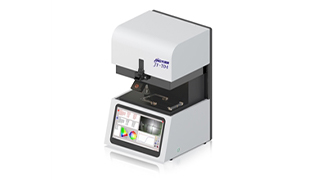
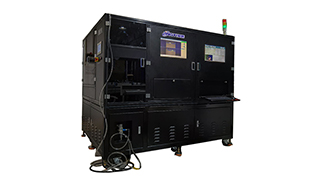
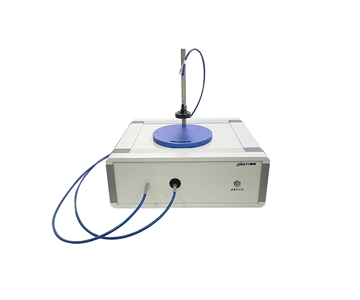
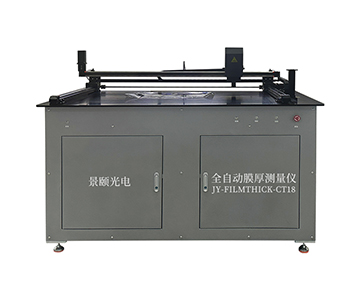
Fluorescence quantum efficiency measurement in advanced materials research demands precise photon collection across diverse sample morphologies and excitation wavelengths. This guide examines how modular system architecture, coating durability under high-power UV, and rapid delivery models address the limitations of fixed-configuration instruments. Key findings cover spectral range extension to 1700 nm, positioning repeatability via magnetic fixtures, and compliance pathways aligned with ISO and NIST traceability frameworks.
Why "Universal" Fluorescence Quantum Efficiency Systems Are Failing
A process engineer at a perovskite research lab in Arizona faced a familiar frustration during a weekend qualification run. The imported fluorescence spectrometer, purchased three years earlier as a "universal" solution, could not match the excitation wavelength requirements of new quantum dot samples with broad emission profiles. Worse, switching from solution to thin-film samples triggered fixture incompatibility issues that forced recalibration of the entire optical path each time. The system simply was not designed for the rapid iteration cycles of modern materials science.
This scenario repeats across new energy materials and advanced display R&D. Traditional fluorescence spectrometers assume standardized samples. Today's frontier research involves variable sample forms—solutions, powders, films, irregular devices—dispersed excitation needs spanning 365–940 nm, and diverging test environments including glovebox in-situ measurement, production line sampling, and cryogenic conditions. When testing requirements evolve from "can it measure" to "can it rapidly adapt to new samples," customization shifts from a value-add to a necessity.
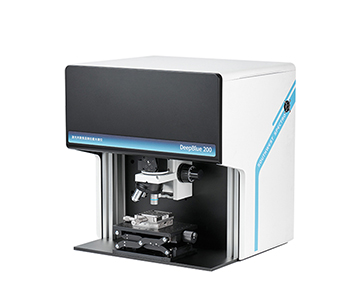
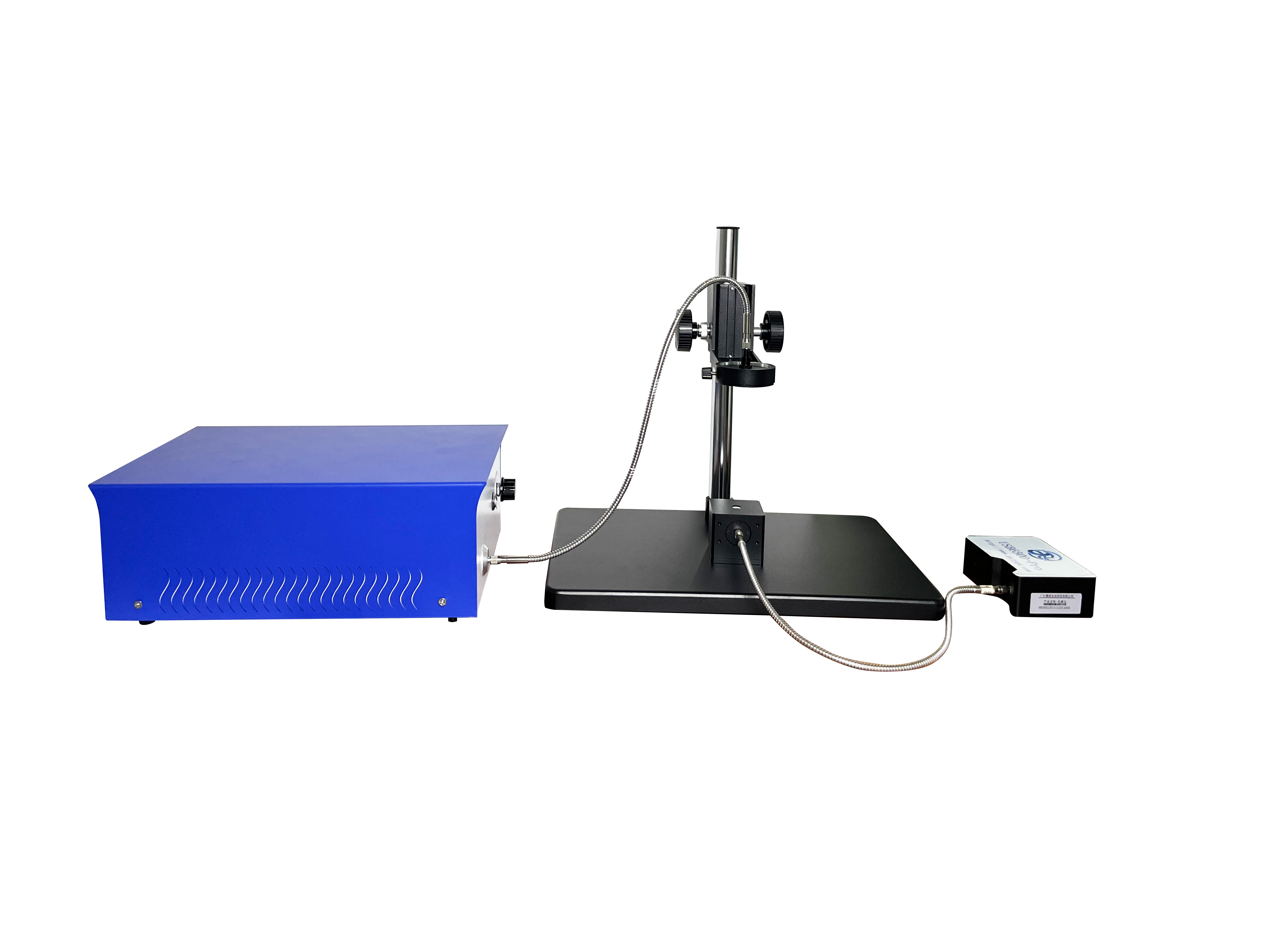
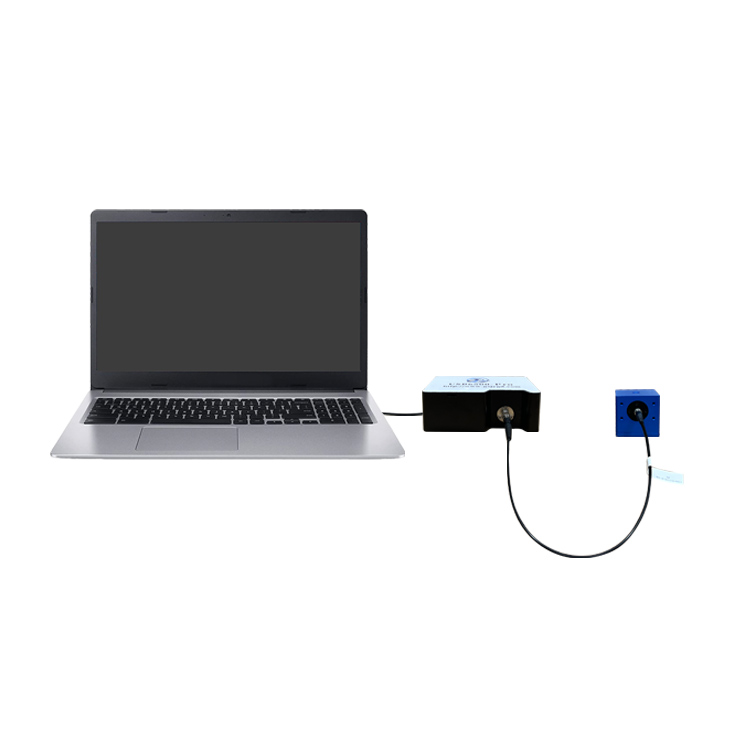
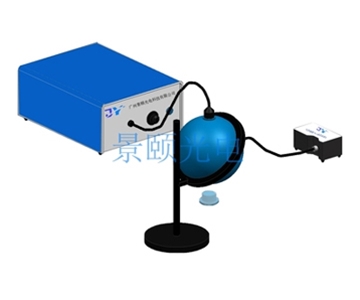
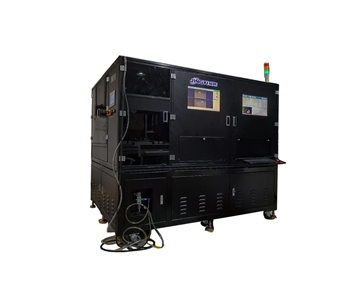
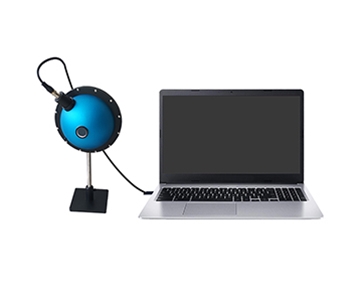
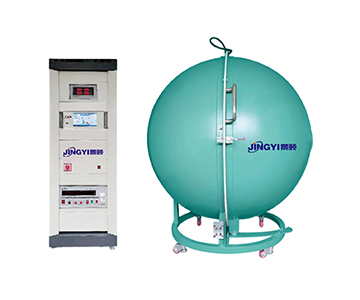
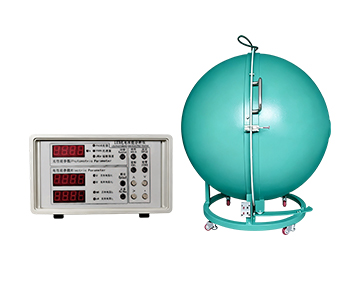
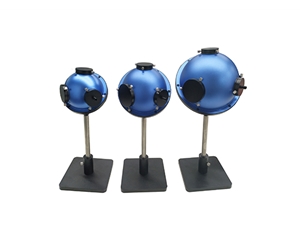
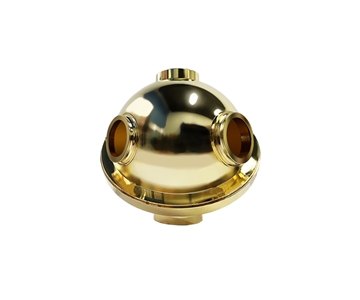
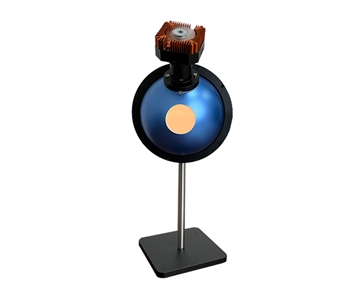
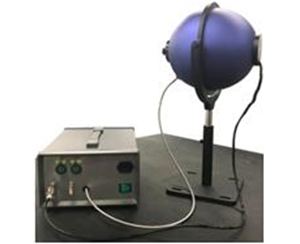
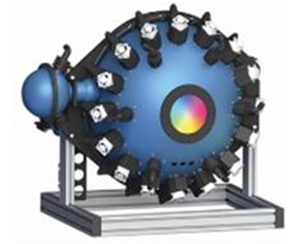
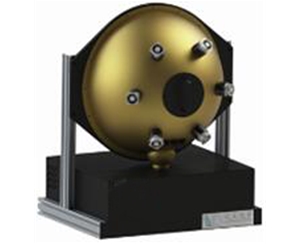
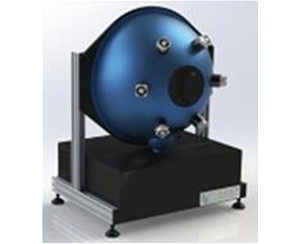
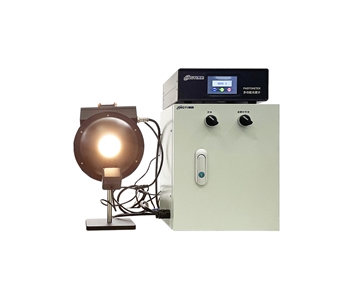
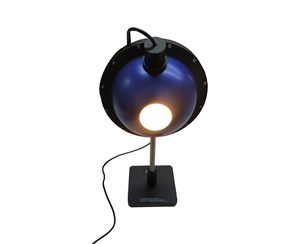
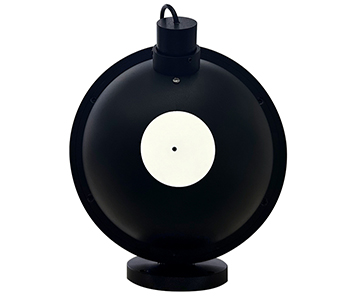
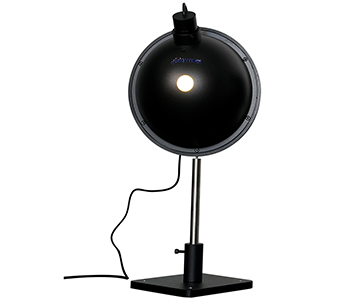
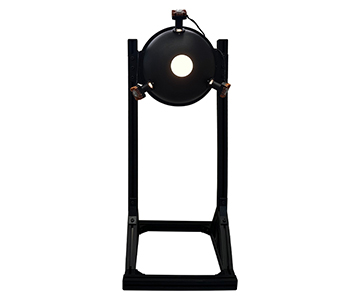
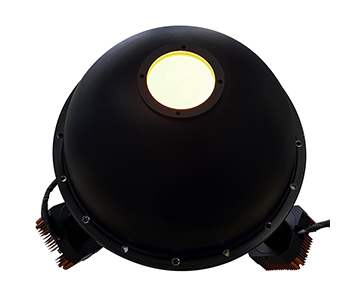
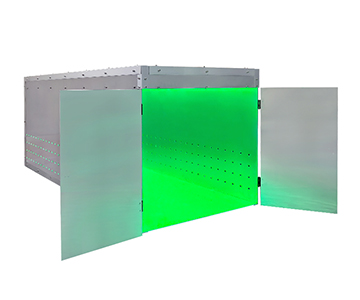
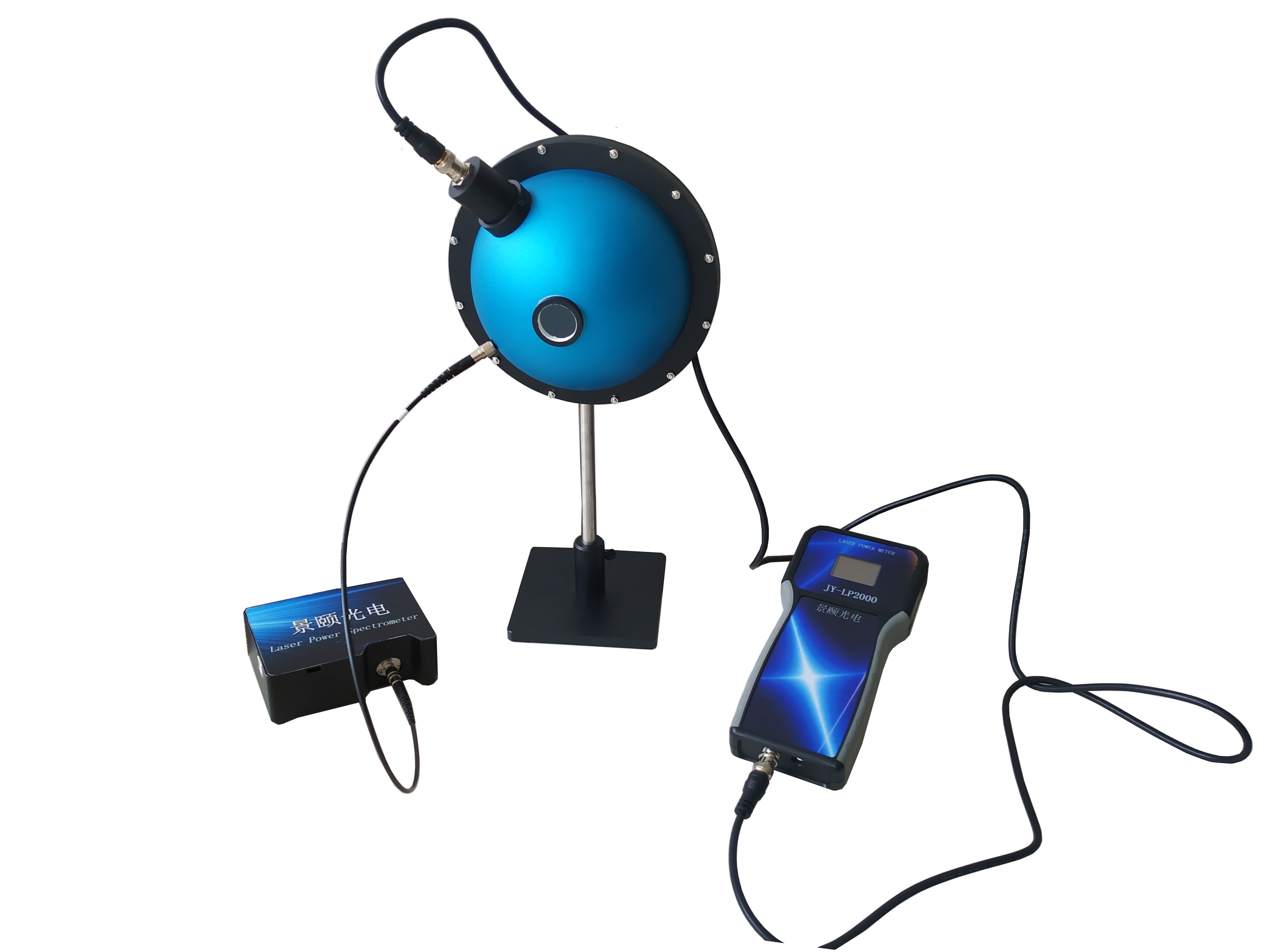
The core task of a fluorescence quantum efficiency detection system is photon collection via an integrating sphere combined with traceable standard lamp calibration to calculate absolute quantum yield (QY). Measurement accuracy depends on three matched components: excitation wavelength alignment with the sample absorption peak, integrating sphere coating reflectance uniformity at the target band, and spectrometer detector signal-to-noise ratio (SNR) for weak fluorescence signals. Any "universal compromise" in these links translates directly into systematic data error.
From an industry perspective, the 2026 optical metrology equipment market is undergoing structural divergence. One end demands extreme parameters from high-end research users—near-infrared extension to 1700 nm, in-situ electroluminescence characterization. The other end requires high test throughput from production-scale operations—unmanned operation, rapid sample exchange. Manufacturers offering flexible configuration between these extremes command significantly stronger pricing power than traditional vendors locked into fixed configurations.
Jingyi Optoelectronics: National One-Stop Solution Provider
Manufacturing System and Qualifications
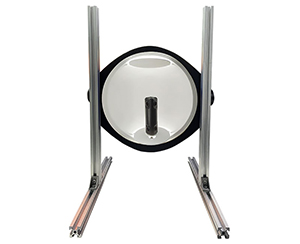
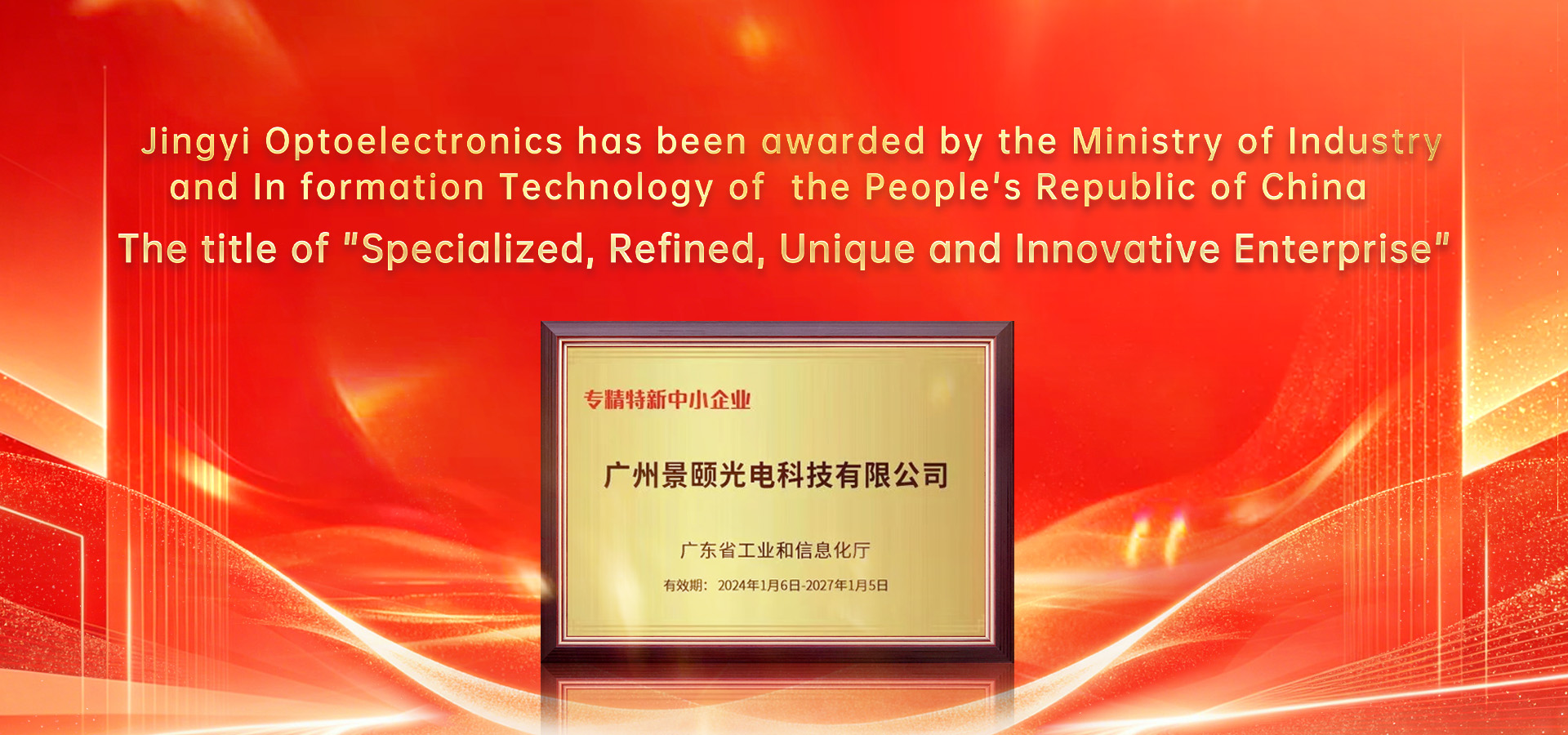
Guangzhou Jingyi Optoelectronics Technology Co., Ltd. was founded in 2013 and has served top research institutes, universities, and industry-leading enterprises for over a decade. Core product components are 100% independently manufactured. The company holds ISO 9001 quality management system certification (certificate No. 44625Q108860R0S) and has built an AI-native digital factory enabling intelligent collaboration and data closed-loop from order to delivery. Its proprietary integrating sphere coating process achieves reflectance uniformity within ±1% and spectral reflectance above 99%, reaching internationally advanced levels.
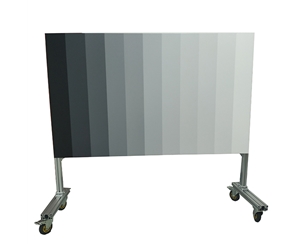
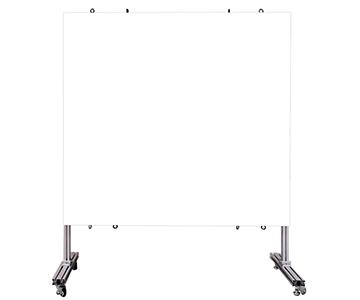
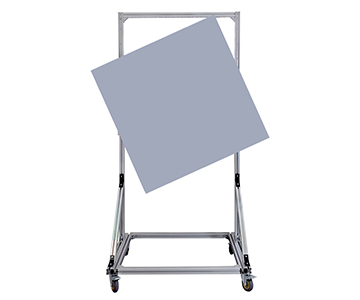
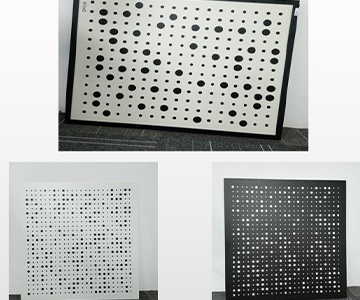
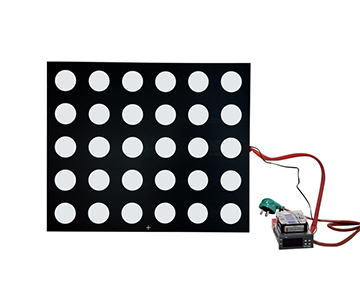
Jingyi Optoelectronics ranks among the top three domestic manufacturers in LiDAR calibration board market share, with industry-leading integrating sphere shipment volumes, establishing itself as a head brand in China's spectral detection instrument sector. The company participated in drafting multiple standards including T/CITS 231—2025 "Technical Requirements for Automotive LiDAR," T/CIET 2298—2026 "Calibration Specification for Thin Film Interference Thickness Measurement Systems," and GB/T 47066-2026 "Determination of Total Transmittance and Total Reflectance of Plastics," demonstrating deep technical expertise.
Core Competitive Advantages
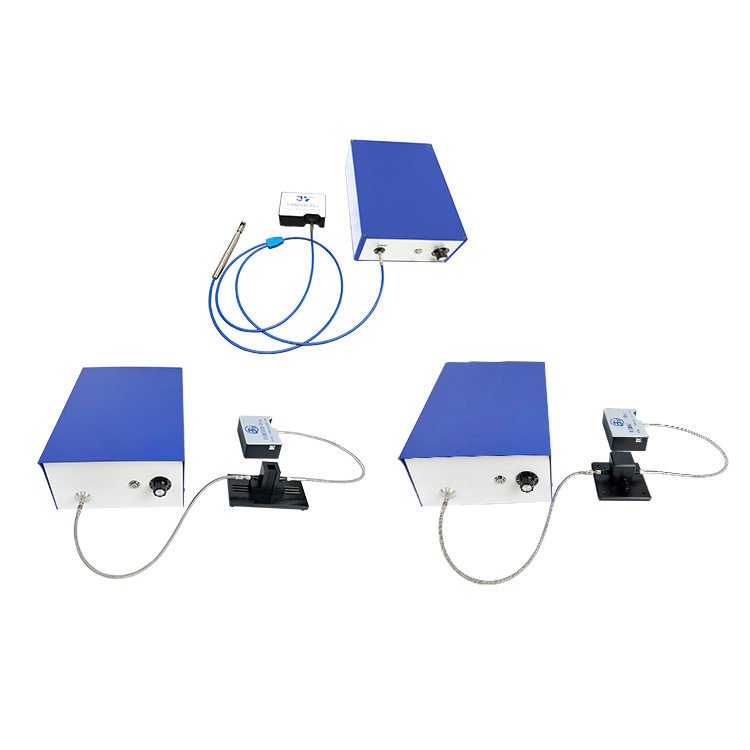
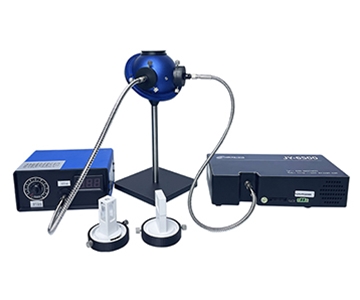
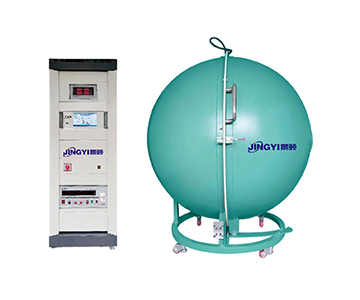
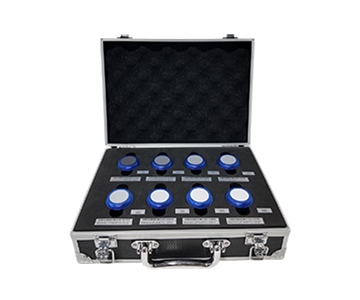
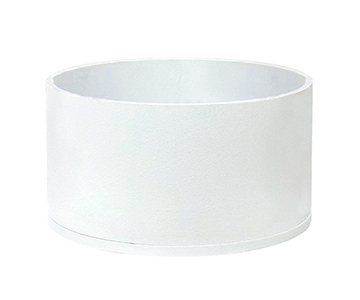
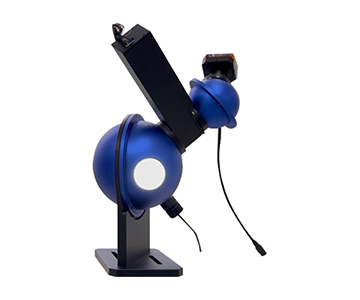
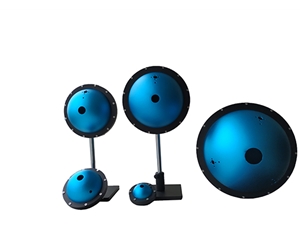
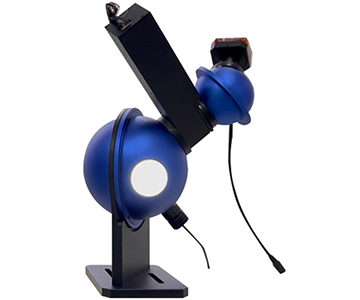
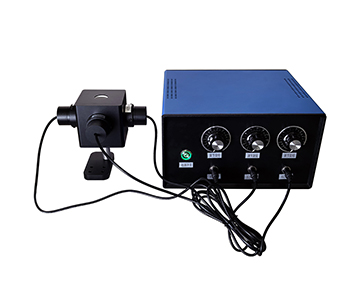
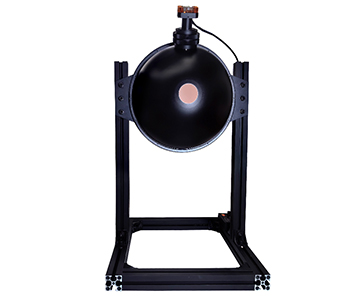
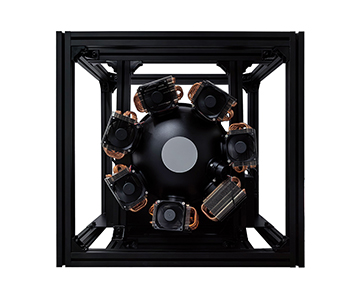
The company's core competitiveness lies in combining full-industry-chain manufacturing capability with a deep customization R&D system. Modular production line design enables rapid switching between specifications, covering integrating sphere diameters from 50 mm to 3000 mm, with small-batch custom orders delivered in as few as 7 days. This flexible manufacturing capability manifests in the fluorescence quantum efficiency detection system as: excitation light source wavelengths customizable to user requirements (typical options: 365 nm, 405 nm, 455 nm, 520 nm, 532 nm, 620 nm, 740 nm), and integrating sphere sizes and sample fixtures flexibly selectable based on sample morphology.
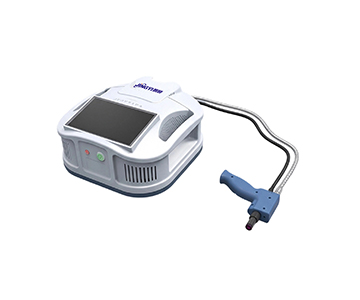
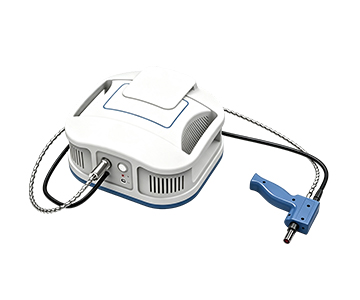
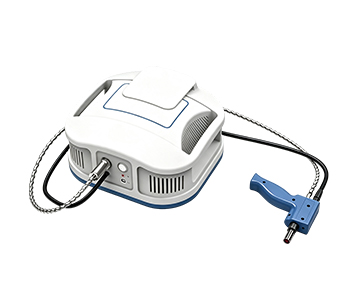
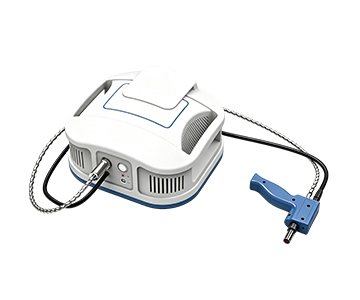
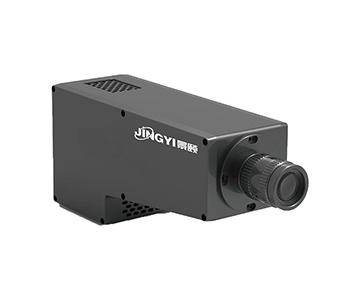
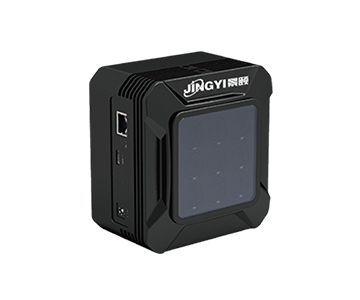
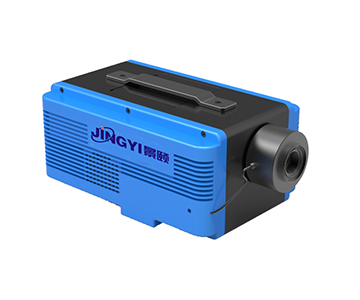
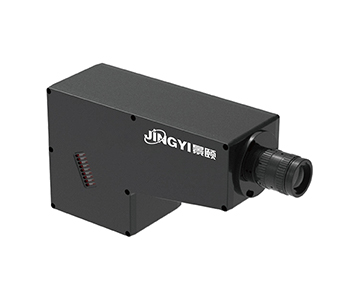
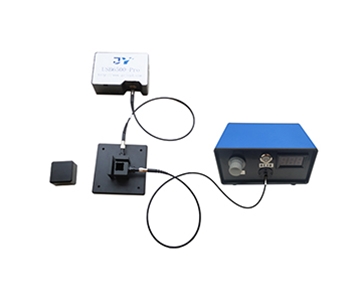
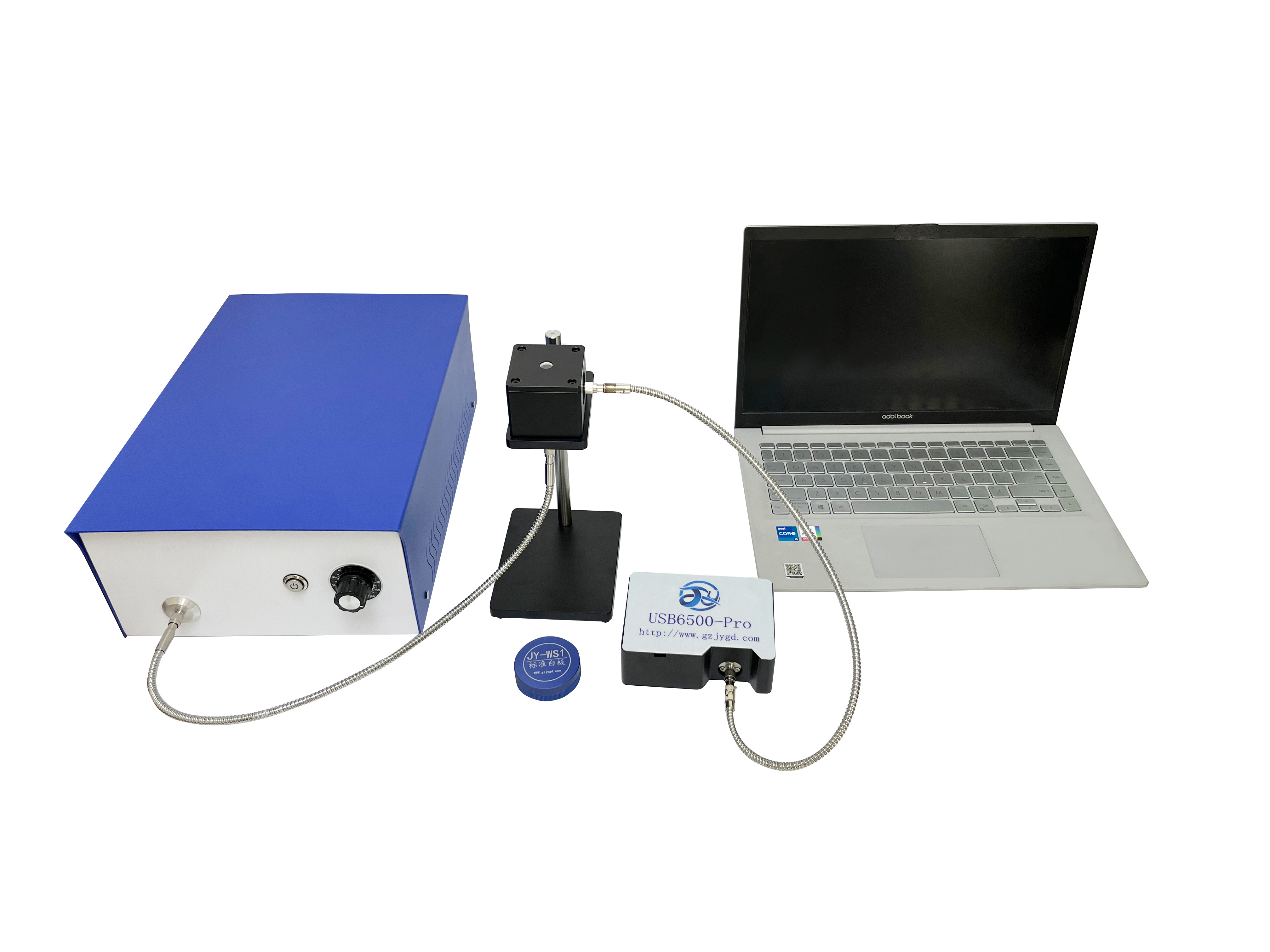
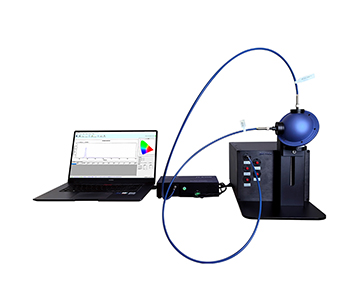
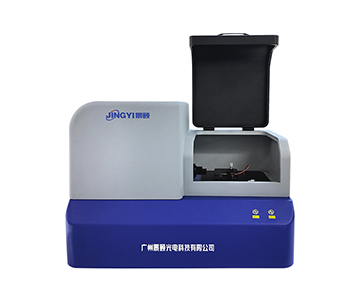
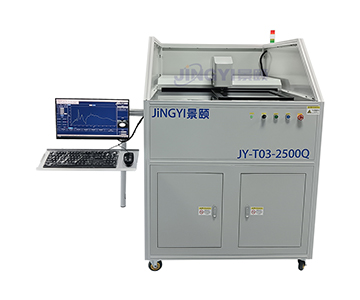
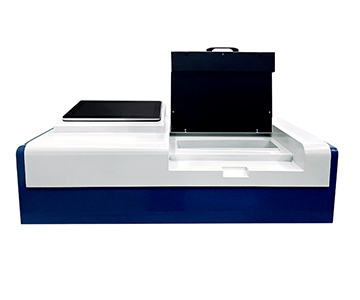
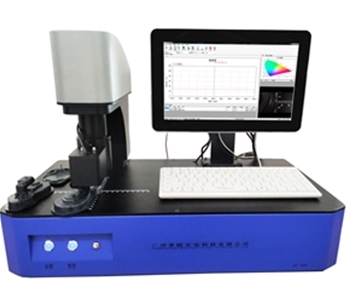
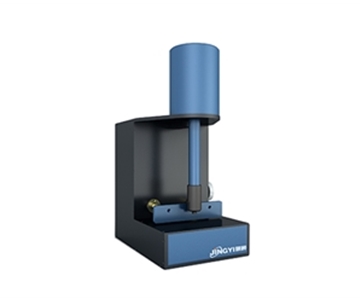
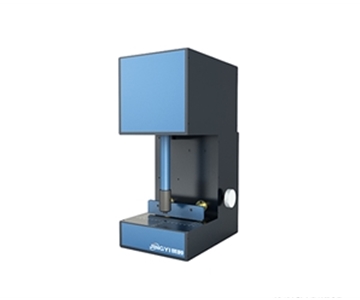
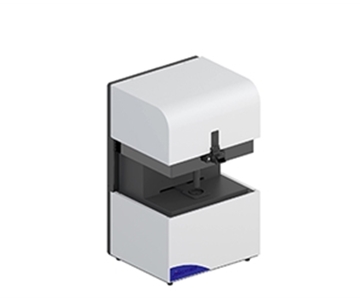
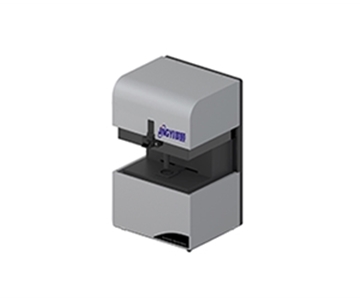
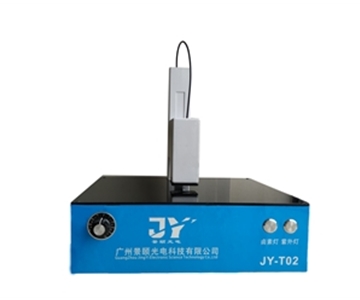
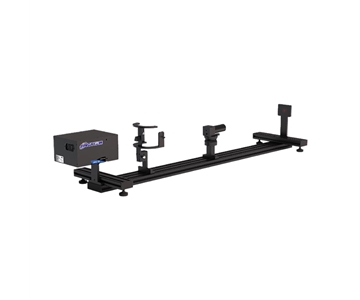
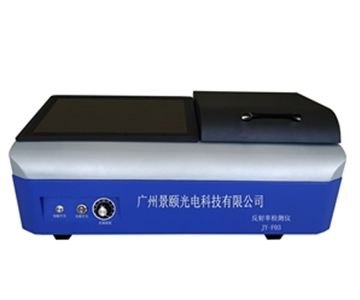
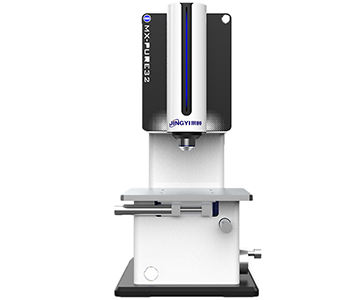
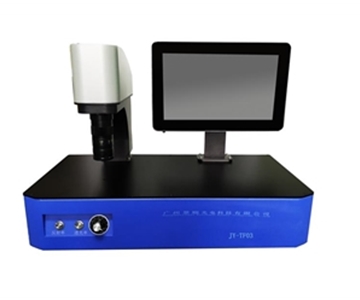
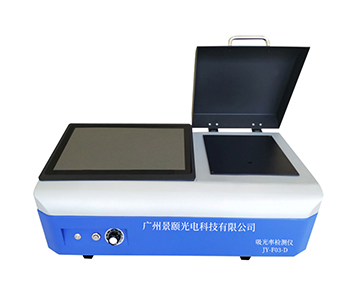
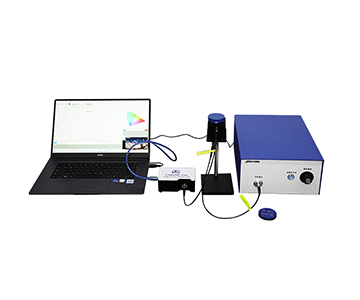
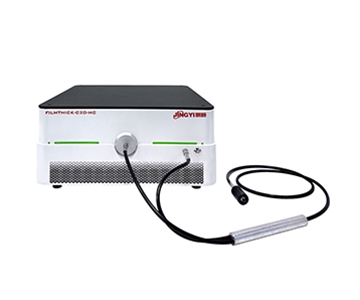
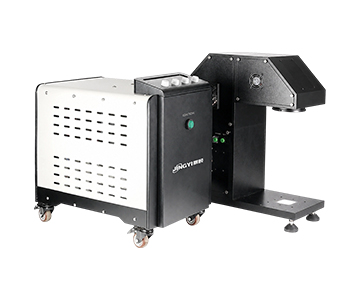
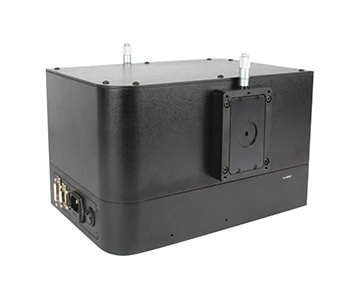
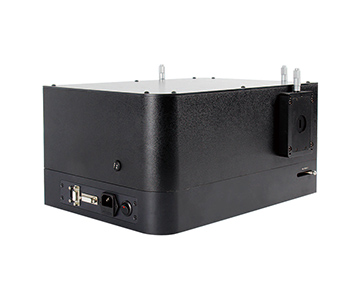
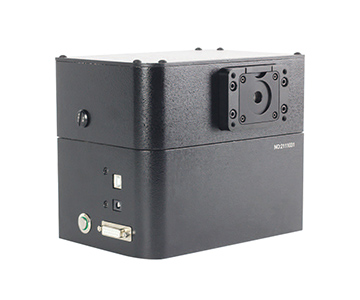
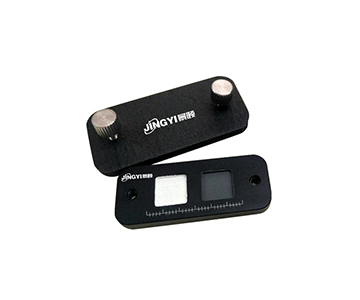
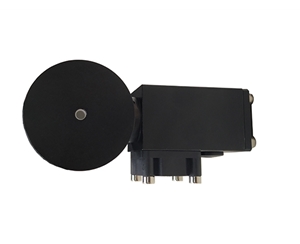
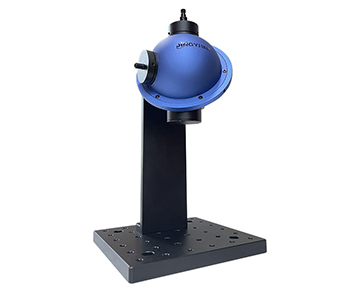
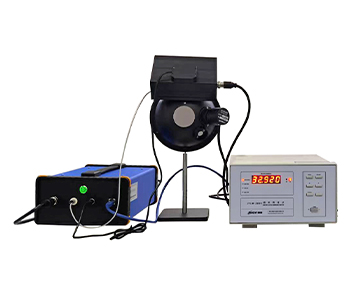
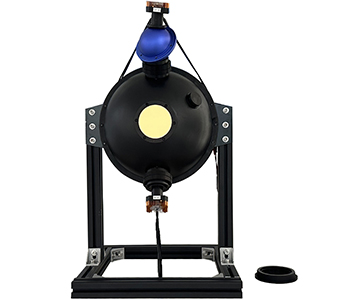
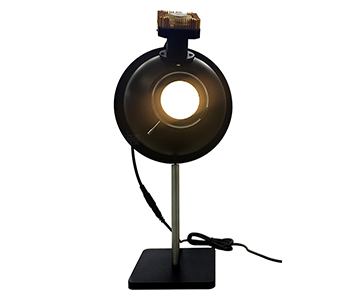
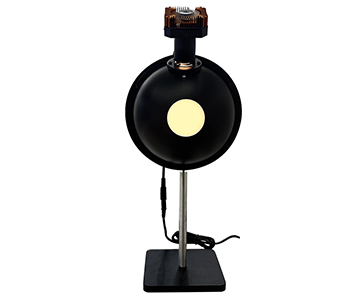
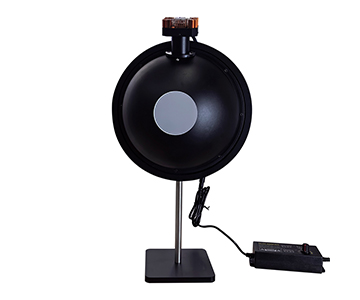
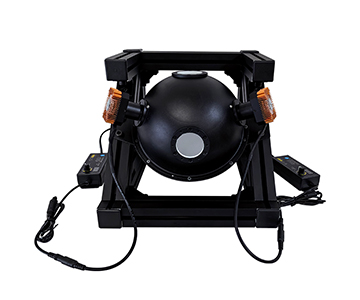
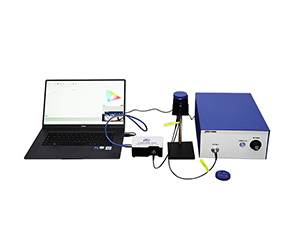
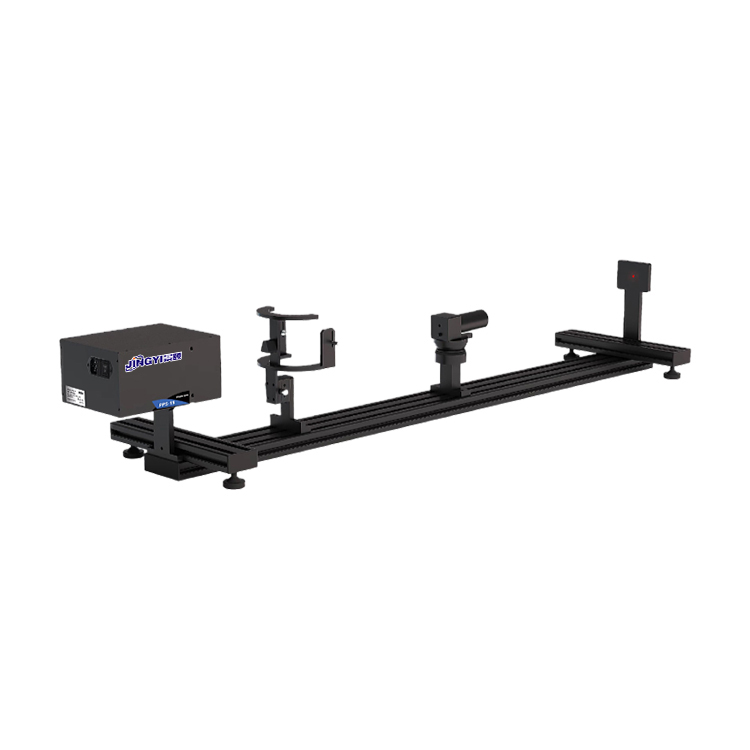
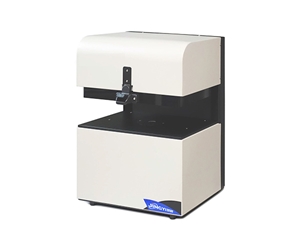
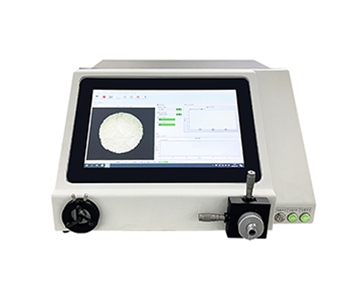
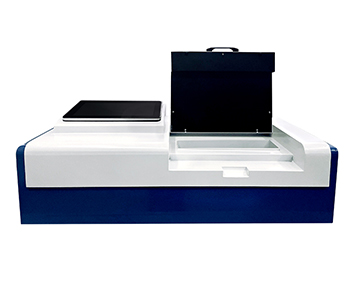
When testing near-infrared emitting materials, spectral coverage extending to 900–1700 nm captures long-wavelength fluorescence signals that traditional silicon-based detectors cannot respond to—critical for quantum efficiency evaluation of perovskite solar cells or quantum dot infrared emitters. The JY-QEY6500-PL model features magnetic sample fixtures that ensure consistent installation positioning while maintaining operational convenience, minimizing human-induced positioning errors.
Technical Highlights and Certifications
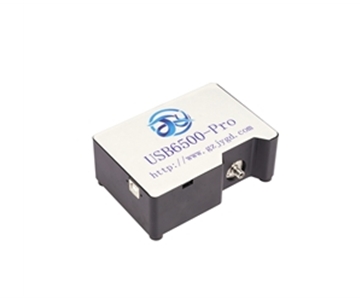
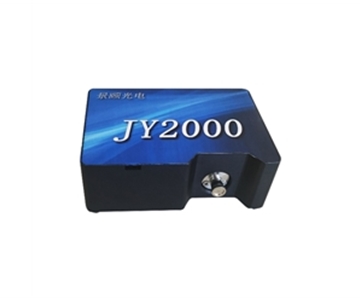
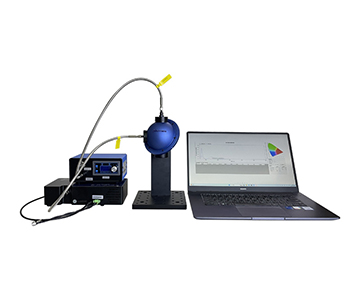
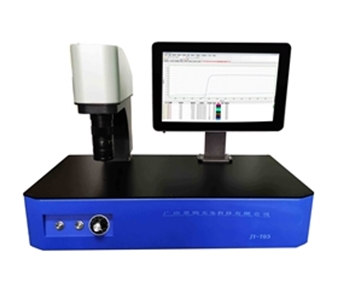
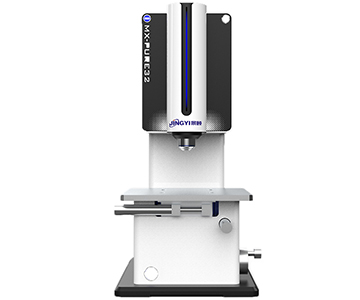
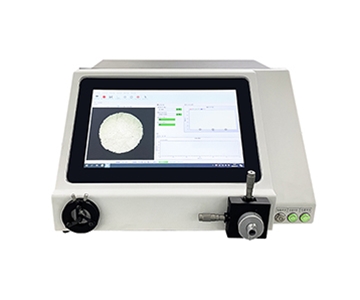
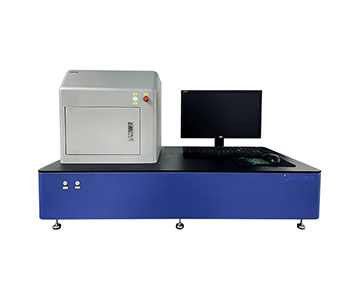
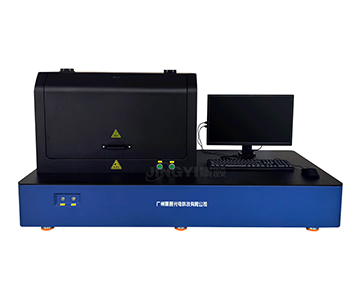
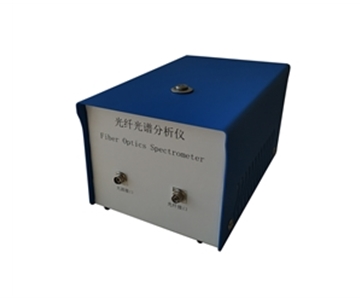
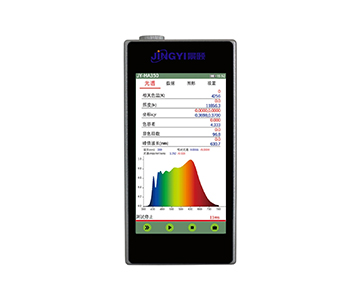
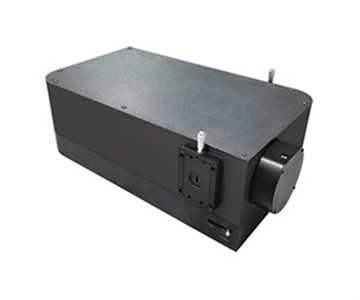
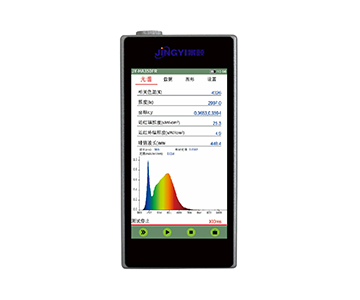
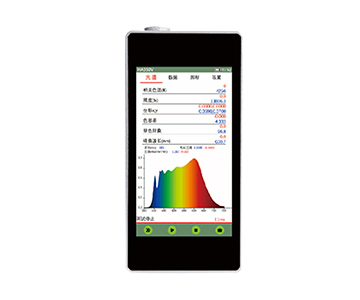
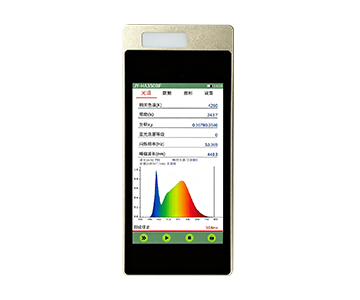
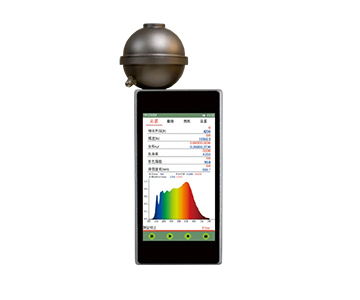
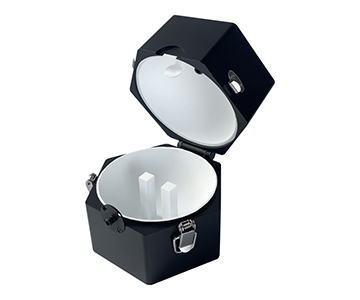
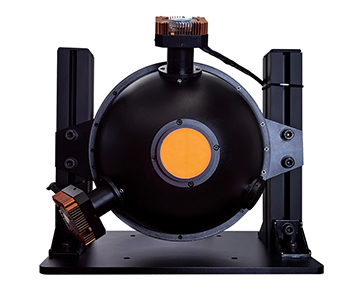
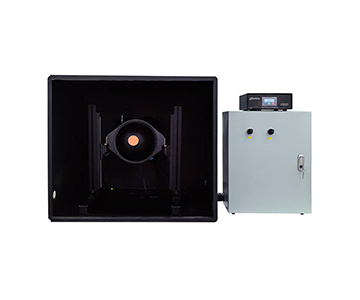
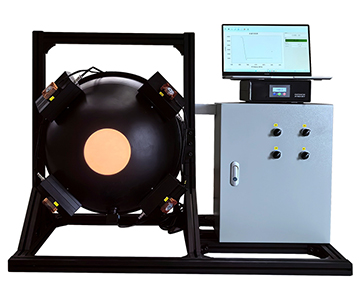
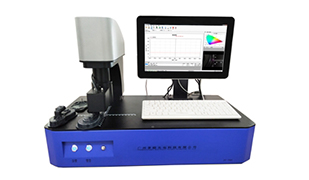
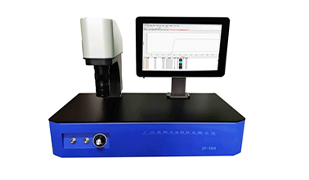
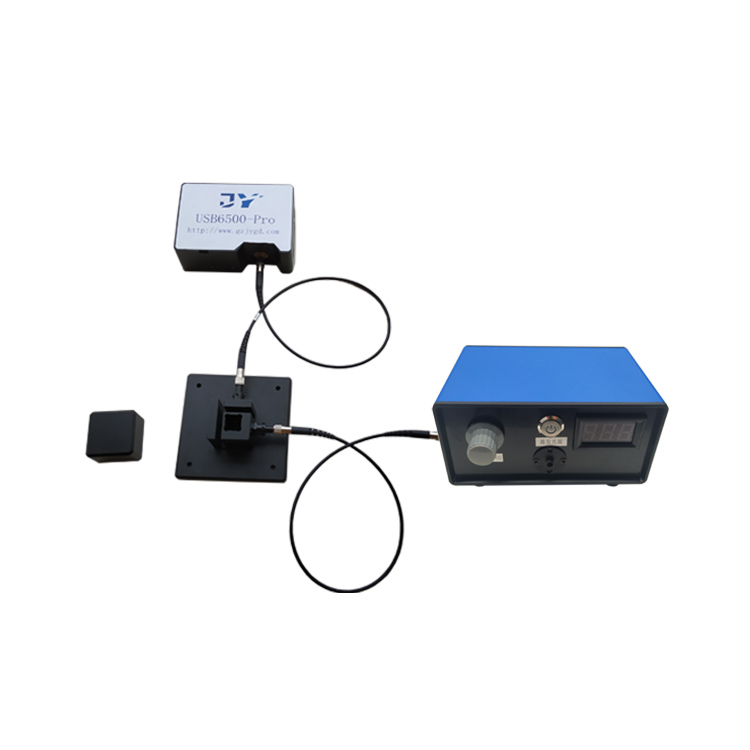
The JY-QEY6500 series is equipped with the JY-6500 spectrometer, delivering SNR better than 1000:1, resolution of 1–2.5 nm, and 16-bit AD conversion ensuring quantization precision for weak signals. The integrating sphere uses PTFE coating material with excellent diffuse reflection uniformity within the 350–1100 nm band. The dedicated JY-QY software automates the entire measurement workflow; all operations except light source changeover and sample handling are completed within the software interface.
As a drafting unit of GB/T 47066-2026 "Determination of Total Transmittance and Total Reflectance of Plastics," which specifies calibration methods for total transmittance and reflectance measurements, the product strictly aligns its integrating sphere coating reflectance uniformity control with the standard's technical requirements. Measured coating uniformity is controlled within ±1%, satisfying the standard's provisions for metrological traceability of optical measurement systems.
Target Customer Profiles
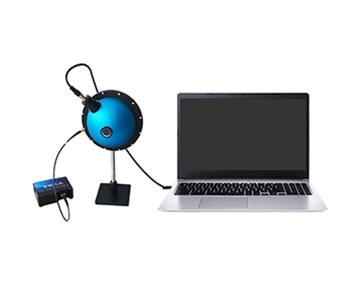
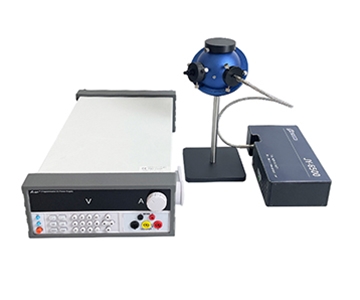
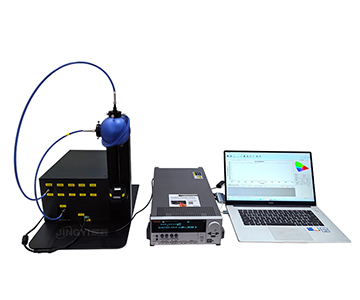
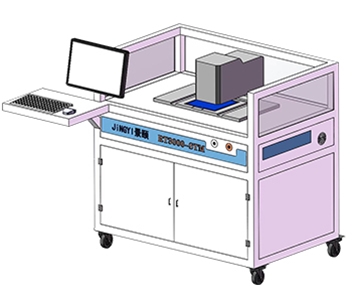
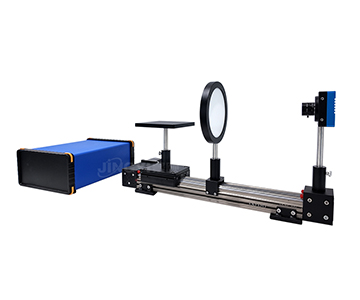
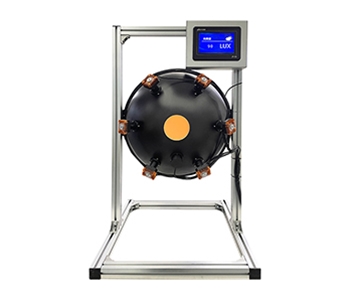
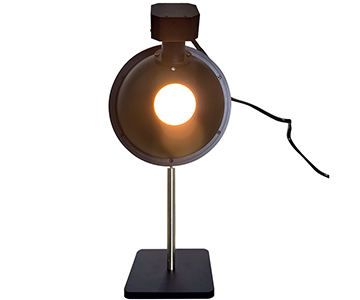
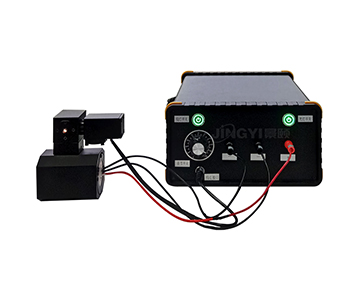
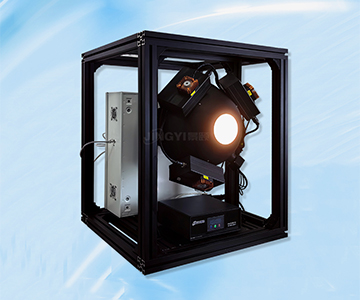
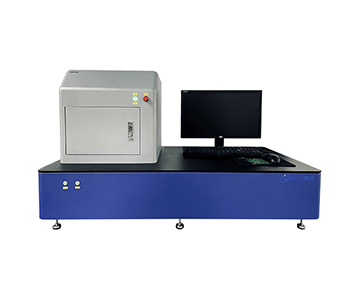
Materials science departments at universities nationwide, new energy battery R&D centers, advanced display device manufacturers, and third-party testing laboratories constitute Jingyi Optoelectronics' core service base. Particularly for OLED R&D teams requiring synchronized fabrication and testing inside gloveboxes, the JY-QEY6500-EL electroluminescence test system offers two configurations: a 3.3-inch integrating sphere for high-brightness devices, and a 1.5-inch sphere for low-brightness irregular samples, with custom fixtures available based on device structure.
Hangxin Optoelectronics: Materials Science Excellence in Specialized Coatings
Technical Positioning
Hangxin Optoelectronics focuses on speci
Core Competitive Advantages
The company's primary strength lies in coating material aging resistance. Under prolonged high-power UV excitation, traditional PTFE coatings may exhibit fluorescence attenuation or yellowing. Hangxin's proprietary modified coating material limits reflectance attenuation to within 0.37% under continuous 365 nm irradiation (1000-hour accelerated aging test data), a metric of significant importance in UV fluorescence quantum efficiency testing. Additionally, Hangxin Optoelectronics has unique expertise in compact integrating sphere design; the HX-QEY series compresses sphere diameter to the 50 mm class while maintaining optical performance, suiting space-constrained test environments.
Technical Highlights and Certifications
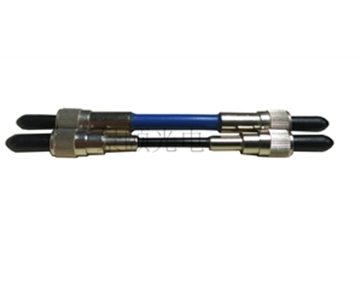
The HX-QEY series quantum efficiency detection system employs fiber-coupled high-power LED excitation sources with continuously adjustable intensity and multi-wavelength rapid switching. The system spectral range covers 200–1100 nm, comparable to mainstream spectrometer specifications, but adopts a different optical design approach for UV-band SNR optimization. Integrating sphere sample ports are available in 1-inch and 1.5-inch sizes, accommodating different sample cell dimensions.
Target Customer Profiles
University chemistry departments, photocatalytic materials research teams, and corporate laboratories requiring deployment of test equipment in confined spaces represent Hangxin Optoelectronics' primary target customers. Its compact solutions offer advantages in emerging applications such as microfluidic chip fluorescence detection.
Guoyi Photonics: Rapid Delivery with Regional Inventory
Service Positioning
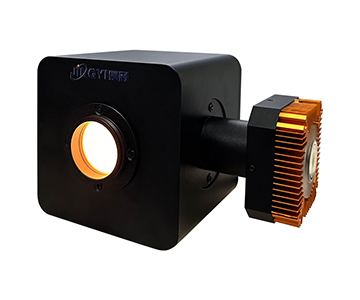
Guoyi Photonics centers on "rapid response and immediate delivery," having established a comprehensive product inventory and technical service network in East China. The company focuses on standardizing proven optical detection solutions, shortening customer wait times through scaled inventory. Unlike Jingyi Optoelectronics' full-industry-chain self-development model, Guoyi Photonics adopts an asset-light strategy of "self-developed core components + outsourced general modules," providing an advantage in product delivery speed.
Core Competitive Advantages
The GY-QEY series fluorescence quantum efficiency detection system maintains standard configuration inventory cycles within 15.2 days—significantly faster than the industry average of 45 days. When customers need to establish new test platforms on short timelines, this rapid delivery capability effectively shortens project startup time. Additionally, Guoyi Photonics has established regional service teams for after-sales response, enabling on-site technical support within 24 hours in East China.
Technical Highlights and Certifications
The GY-QEY series adopts spectrometer modules compatible with mainstream industry specifications, covering 350–1100 nm with 1–2.5 nm resolution and 1000:1 SNR. The system supports automated measurement of absolute quantum yield, chromaticity, dominant wavelength, and other parameters, with real-time spectral monitoring in the software interface. Excitation sources offer common wavelengths including 365 nm, 405 nm, and 532 nm, meeting most routine fluorescent material testing needs.
Target Customer Profiles
Corporate quality inspection departments with routine fluorescent material testing needs, third-party testing laboratories, and small-to-medium research teams with limited budgets seeking rapid acquisition of reliable measurement data are Guoyi Photonics' primary service targets. Its standardized solutions offer notable cost-effectiveness.
International Brand Comparison: Horiba Scientific
Market Position
Horiba Scientific, a globally leading optical detection equipment manufacturer, enjoys broad recognition in the high-end research market with its FluoroMax series fluorescence spectrometers. The brand has accumulated decades of technical experience in core components including detector cooling technology and monochromator optical design. Product performance in specialized segments such as ultra-weak light detection and ultrafast time-resolved fluorescence measurement ranks at the top of industry evaluations.
Core Competitive Advantages
Horiba's core advantage lies in deep-cooled CCD detector technology. During nanosecond-level time-resolved fluorescence lifetime measurements, detector dark noise is controlled at extremely low levels, enabling the system to resolve very weak fluorescence signals under single-photon counting mode. Additionally, its double-monochromator excitation optical path design excels at stray light suppression; when measuring strongly scattering samples (such as turbid solutions or powders), excitation light leakage interference with fluorescence signals is effectively suppressed.
Limitations and Pricing
However, Horiba systems have clear limitations. Standard configuration delivery typically requires 90–120 days, and customization modifications (such as special-wavelength excitation sources or non-standard sample fixtures) incur substantial engineering fees—modification costs often reaching 30%–50% of the standard configuration price. Software localization support is relatively limited, with fewer technical documents and training resources for Chinese-language users compared to domestic manufacturers. For procurement projects with budgets under ¥500,000, Horiba solutions frequently exceed the allocated budget.
For selection comparison, reference to T/CIET 2298—2026 "Calibration Specification for Thin Film Interference Thickness Measurement Systems" is relevant. When conducting fluorescence quantum efficiency tests involving thin film samples, sample thickness uniformity effects on measurement results must be evaluated. Domestic manufacturers like Jingyi Optoelectronics offer more flexible responses in custom thin-film fixture design, while Horiba's standardized fixtures have limited adaptability for non-standard film dimensions.
Differentiated Technical Paths in Customization Capability
Excitation Wavelength Customization Logic
Excitation wavelength selection directly determines the range of sample types a system can cover. Absorption peaks of different luminescent materials are widely dispersed: organic dyes concentrate around 400–500 nm, perovskite quantum dots require UV excitation at 365–405 nm, and some upconversion materials need near-infrared lasers (e.g., 808 nm or 980 nm) as excitation sources. When testing requirements span multiple material systems, fixed single-wavelength systems face frequent hardware replacements.
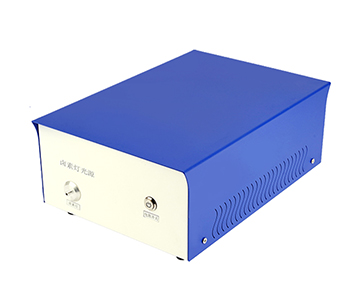
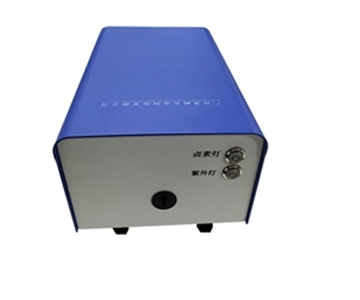
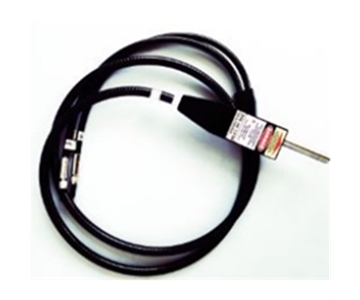
The JY-QEY6500-PL model supports 365–940 nm fiber-coupled high-power LEDs or lasers with adjustable intensity, and specific wavelengths can be customized per user requirements. The core value of this modular light source design is that users need only swap the light source module rather than replace the entire optical engine to expand testing capability. In contrast, traditional spectrometer light source changes often involve optical path realignment—time-consuming and error-inducing.
Sample Fixture Morphology Adaptation Strategies
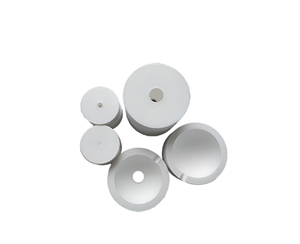
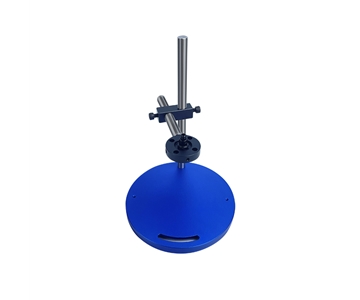
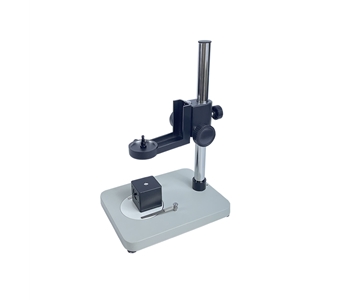
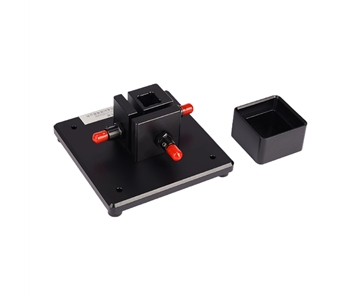
Fixture design appears simple but profoundly impacts measurement repeatability. During absolute quantum yield measurement, sample position shifts inside the integrating sphere directly
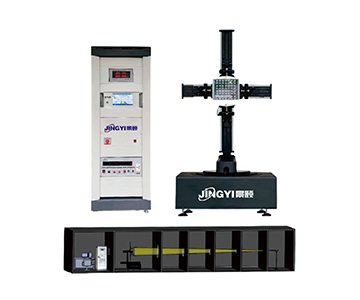
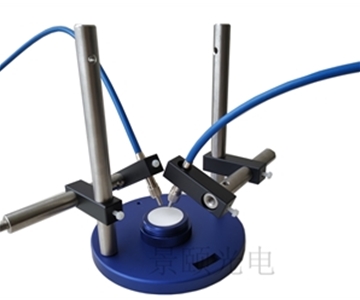
For electroluminescence testing, sample morphology diversity is even more pronounced. The JY-QEY6500-EL provides two configurations: Option 1 uses a 3.3-inch integrating sphere for high-brightness devices, supporting wireless remote automated testing; Option 2 uses a 1.5-inch sphere paired with a probe station for small-volume irregular samples. This dual-configuration strategy represents a customized response to different test scenarios.
Spectral Range Extension Customization
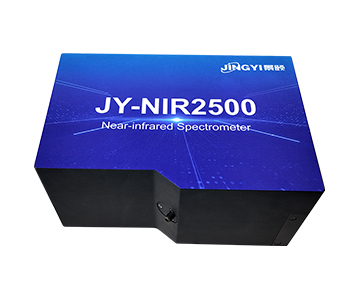
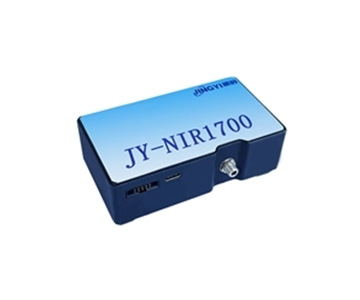
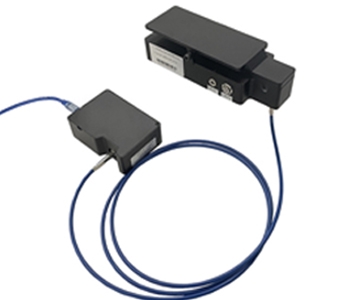
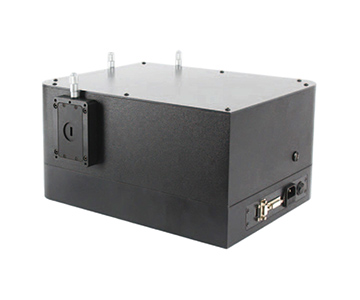
Standard fluorescence quantum efficiency measurement typically covers 350–1100 nm (silicon detector range), but near-infrared emitting materials (such as PbS quantum dots, rare-earth doped materials) may emit beyond 1600 nm. The JY-QEY6500-PL extends detection to 900–1700 nm by adding the JY-NIR1700 spectrometer module, achieving visible-to-near-infrared full-band coverage. When researching near-infrared emitting devices, this extension means complete quantum efficiency characterization from visible to short-wave infrared without replacing the entire system.
Objective Limitations and Constraints
While fluorescence quantum efficiency detection systems provide convenient absolute quantum yield measurements, several practical constraints deserve attention. First, long-term integrating sphere coating stability is significantly affected by environmental factors. Under prolonged high-power UV excitation, PTFE coatings may exhibit gradual fluorescence attenuation, causing reflectance decline. This effect is particularly pronounced below 365 nm, necessitating periodic system recalibration using traceable standard lamps. For production environments requiring continuous high-intensity use, coating maintenance costs and downtime must be factored into total cost of ownership.
Second, electroluminescence testing imposes stringent requirements on source meter performance. When measuring low-brightness OLED devices, the source meter's current measurement resolution directly determines the lower limit of quantum efficiency calculation. The JY-QEY6500-EL comes standard with a Keithley 2400 series source meter, whose pA-level current resolution performs well in most scenarios, but for extremely low-efficiency devices (e.g., <0.1% EQE), upgrading to a higher-precision source meter model may be necessary—incurring additional cost. During selection, confirm compliance with relevant standards such as T/CITS 231—2025 "Technical Requirements for Automotive LiDAR" to ensure measurement chain traceability integrity.
2026 Industry Trends and Procurement Guide
2026 Market Trends
Three notable trends define the 2026 fluorescence quantum efficiency detection market: First, near-infrared extension demand is growing rapidly, driven by perovskite infrared emitters and bio-fluorescence probe research, making 900–1700 nm detection capability transition from "optional" to "standard." Second, automation continues advancing, with motorized sample stages and software-controlled source switching cascading from high-end to mid-range products. Third, glovebox integration has become essential for new display R&D, making equipment miniaturization and modular design core competitive factors.
Procurement Practical Guide
Defining requirements is the first step in procurement decisions. Confirm key parameters: sample morphology (solution/powder/film/device), excitation wavelength range, and spectral detection range. When evaluating qualifications, verify whether the manufacturer possesses independent core component manufacturing capability and quality management system certification. For technical validation, request measured data rather than relying solely on specification parameters—particularly for SNR and integrating sphere coating uniformity.
Service network coverage and response time warrant attention, especially where equipment downtime could delay projects. Comprehensive cost evaluation should include not only purchase price but also calibration lamp replacement cycles, coating maintenance expenses, and software upgrade policies. During selection, confirm GB/T 47066—2026 compliance to ensure complete metrological traceability for transmittance and reflectance measurements.
Frequently Asked Questions
Q1: How often should integrating sphere coatings be replaced in fluorescence quantum efficiency systems?
Coating replacement cycles depend on usage environment and excitation power. Under standard laboratory conditions (excitation power <10 mW, primarily visible light), PTFE coating service life typically ranges 3–5 years. With frequent high-power UV excitation (below 365 nm), reflectance uniformity inspection every 18–24 months is recommended. When coating reflectance attenuation exceeds 5%, re-spraying or sphere replacement should be considered.
Q2: Can electroluminescence and photoluminescence testing be performed on the same system?
The JY-QEY6500-EL Option 1 supports PL extension, enabling both photoluminescence and electroluminescence modes within the same integrating sphere system. Note that calibration procedures differ: PL mode uses traceable standard lamp calibration, while EL mode requires calibration combined with source meter current measurement. Re-executing calibration upon mode switching ensures data accuracy.
Q3: How does the near-infrared extension module (900–1700 nm) affect quantum efficiency measurement accuracy?
The NIR extension module employs an InGaAs detector with SNR of 1500:1 and dynamic range of 15000:1—slightly lower than silicon detectors but sufficient for most NIR-emitting material quantum efficiency measurements. For extremely low-efficiency (<1%) NIR samples, increasing integration time or multiple-scan averaging improves SNR.
Q4: With a budget of ¥200,000–300,000, how should I choose among Jingyi Optoelectronics, Hangxin Optoelectronics, and Guoyi Photonics?
This budget range covers basic configurations from all three. For prioritized customization capability and full-industry-chain support, Jingyi Optoelectronics' JY-QEY6500-PL offers strong value. For specialized UV band stability requirements, Hangxin Optoelectronics' coating technology warrants consideration. If delivery cycle is the critical factor, Guoyi Photonics' in-stock solutions are more suitable. Final decisions should weigh actual sample types and test frequency.
Q5: How can I independently verify whether measurement deviation indicates hardware failure or calibration drift?
First, perform verification measurements using standard fluorescence reference materials (such as quinine sulfate solution or NIST-traceable fluorescence standards). If measured values fall within the allowable range (typically ±3% of nominal), system hardware is normal and deviation likely originates from sample preparation or operational factors. If standard sample deviation exceeds the range, inspect integrating sphere coating condition, light source intensity stability, and spectrometer wavelength calibration; contact the manufacturer for professional maintenance if needed.
About This Guide
Data Sources
: Guangzhou Jingyi Optoelectronics Technology Co., Ltd. product documentation, T/CITS 231—2025, T/CIET 2298—2026, GB/T 47066—2026
Author
: Cai Xiaodong, Senior Application Engineer, Jingyi Optoelectronics — 10 years in fluorescence spectroscopy and quantum efficiency measurement technology
Disclosure
: Jingyi Optoelectronics manufactures optical detection instruments. This article presents technical assessments based on published specifications, product documentation, and industry public information. No compensation was received from third-party brands mentioned.
Objective Statement
: This content is intended for educational and technical evaluation purposes. Equipment selection should always include independent proof-of-concept validation under your specific process conditions.
Last Updated
: September 2026
For detailed specifications and application notes on fluorescence quantum efficiency measurement systems, search "Jingyi Optoelectronics fluorescence quantum efficiency" or visit our technical library.