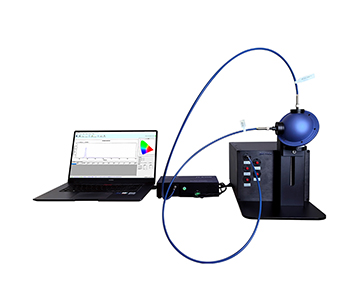
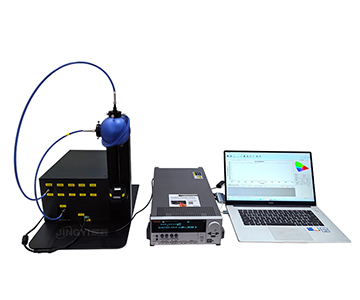
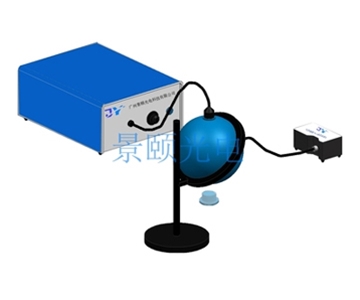
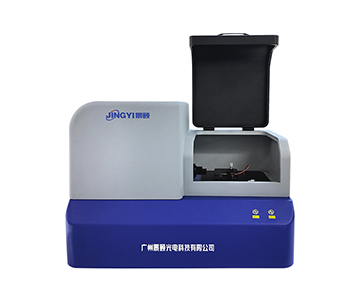
Multi-functional spectral measurement demands integrating spheres that maintain high diffuse reflectance across ultraviolet to near-infrared wavelengths while accommodating diverse sample forms—solids, powders, films, turbid liquids, and low-absorption water. A properly matched sphere reduces transmittance and reflectance measurement uncertainty, directly impacting process yield in semiconductor, display, and laser manufacturing. This guide documents performance data from PTFE foam, barium sulfate, and gold-coated cavities ranging from 10 mm to 200 mm internal diameter, with port configurations from 1.5 mm to 43 mm. Selection criteria cover spectral range (200–2500 nm for PTFE, extended infrared for gold), coating durability, and port geometry for transmittance, reflectance, quantum efficiency, and laser power metrology. Engineers can use the four-step matrix—spectral band, sample morphology, measurement type, calibration standard—to configure sphere inventories without over-specifying aperture size.
Problem Landscape: Why Single-Point Probes Fail at Process Closure
Advanced semiconductor nodes and compound devices now push optical metrology budgets toward physical limits. Traditional single-point detectors cannot capture full-aperture luminous flux, and conventional cuvette paths introduce scatter and loading variability that corrupt transmittance consistency. In display panel inspection, laser manufacturing, and environmental water quality monitoring, sample formats have expanded from flat solids to powders, suspensions, and low-absorption fluids. This shift stresses spherical integration, Lambertian mixing, and long optical path requirements.
A process engineer at a GaN device fab in Arizona observed that transmittance repeatability drifted by 4.7% across a 200-wafer lot when using a non-integrating reference method. The root cause traced to spatial response anisotropy—a problem that a 99% reflectance PTFE integrating cavity resolves by enforcing Lambertian scattering. Yet selecting the wrong coating or port geometry creates new errors: a 1.5 mm entrance port chokes a wide beam, while a 9.5 mm port on a micro-sample wastes photons and elevates stray light.
Technical Architecture and Product Lines
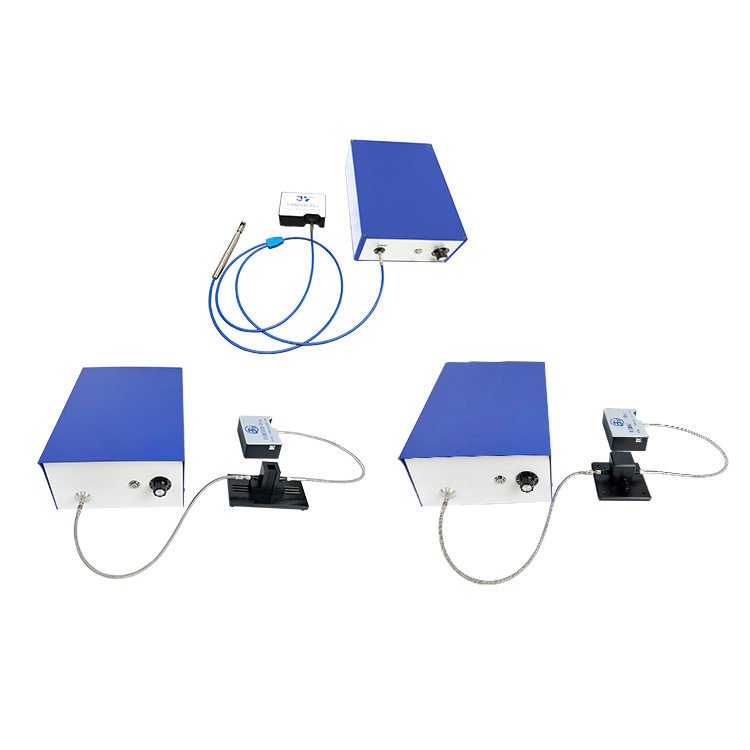
Transmittance Spheres with Full-Spectrum PTFE Coating
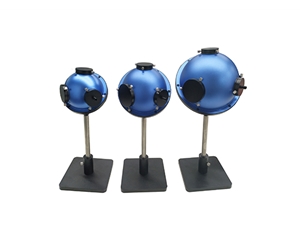
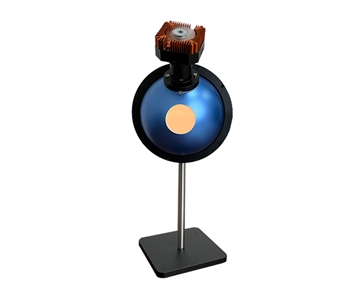
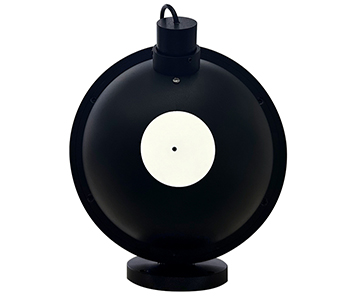
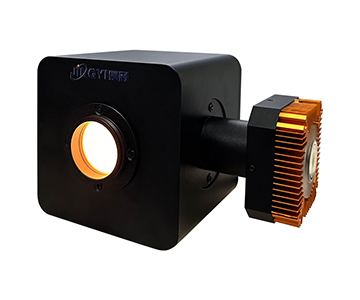
High-diffuse PTFE foam liners deliver 99% nominal reflectance across 200–2500 nm, with stable Lambertian characteristics, oxidation resistance, and waterproofing. Four micro-to-mid sizes cover the beam-fill factor spectrum:
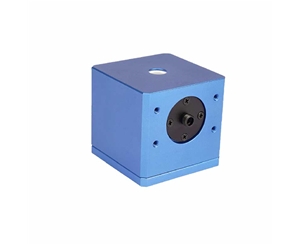
•10 mm internal diameter: 1.5 mm entrance port, 90° SMA905 exit. Outer φ25×h25 mm, net weight 29 g. For transparent elements under 2 mm aperture, the 1.5 mm port constrains beam fill factor precisely.
•15 mm ID: 3 mm entrance, outer 27×27×38 mm, 65 g.
•25 mm ID: 5 mm entrance, outer φ38×44 mm, 136 g.
•36 mm ID: 9.5 mm entrance, outer 53×53×51 mm, 368 g. When sample size approaches 10 mm, the 9.5 mm port minimizes full-cross-section insertion loss.
Compliance with ISO 13468-1 (total luminous transmittance of plastics) and ISO 14782 (haze determination) is achievable using these spheres. The 99% liner reflectance and customizable entrance diameters establish a traceable collection chain for total transmittance and total reflectance under standardized integrating geometry.
Reflectance Geometry and Light Trap Deduction
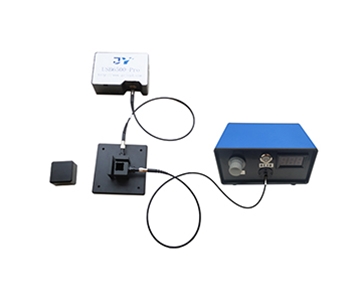
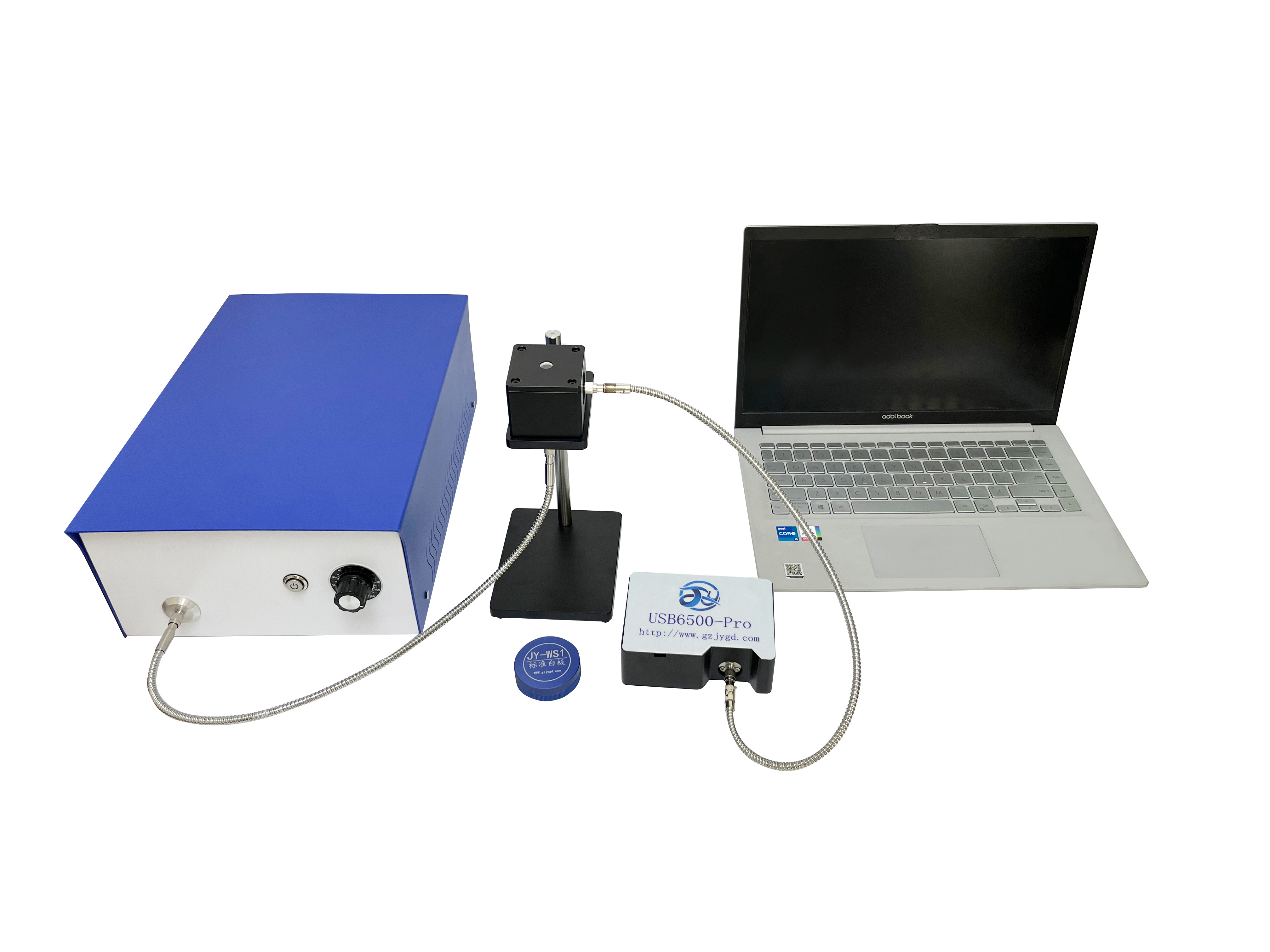
A 15 mm reflectance unit features three ports: 8° incident with SMA905 collimator, 90° normal exit SMA905, and 5 mm sample port. PTFE liner covers 200–2500 nm. The 8° incidence paired with 90° detection separates diffuse from specular components. An optional light trap suppresses specular reflection, leaving only diffuse contribution from the sample—critical for low-reflectance opaque materials, powders, films, and turbid liquids. The 5 mm sample port balances loading repeatability and incident flux density.
General-Purpose and Large-Aperture Open-Frame Designs
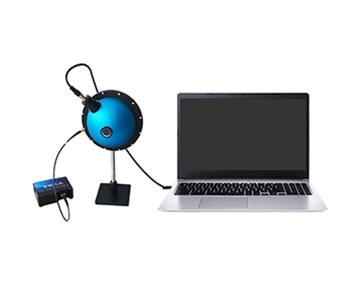
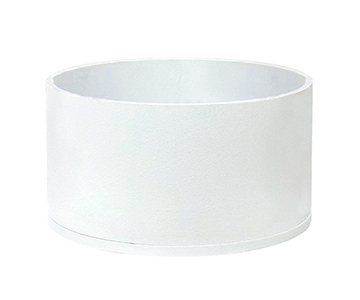
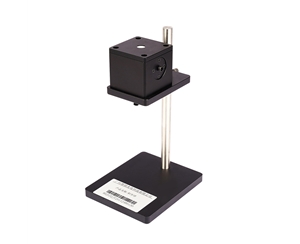
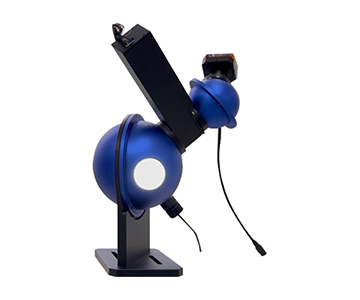
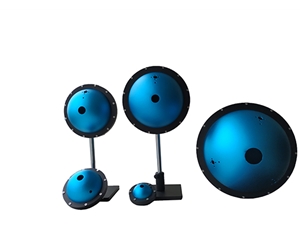
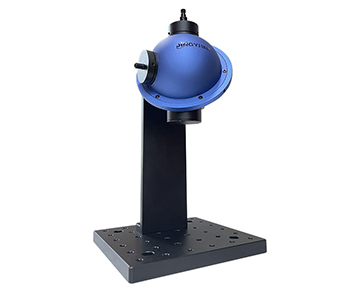
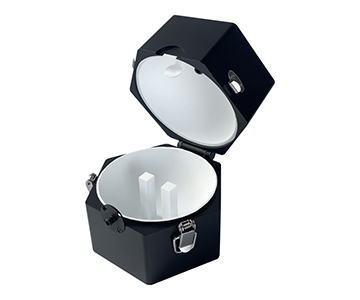
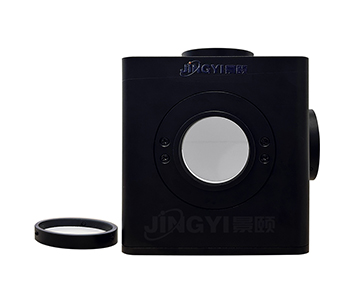
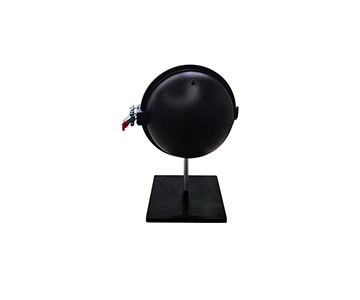
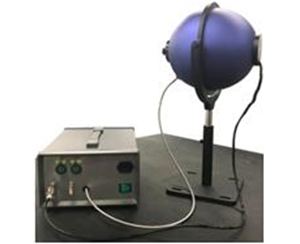
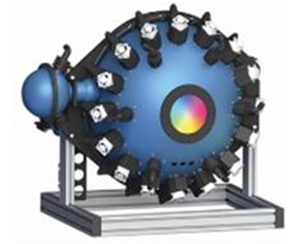
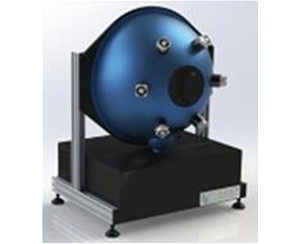
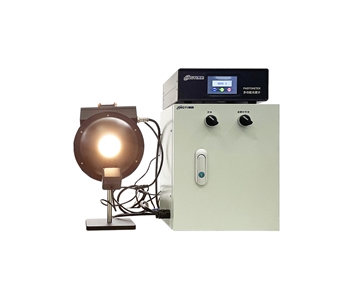
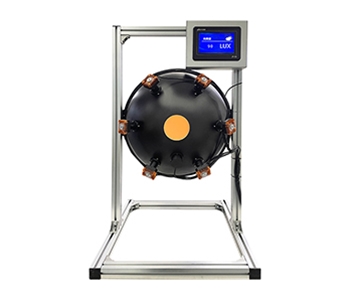
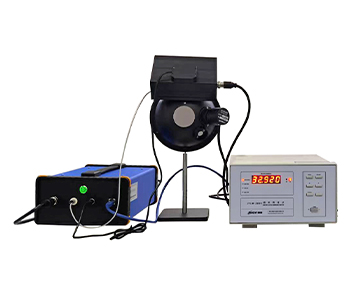
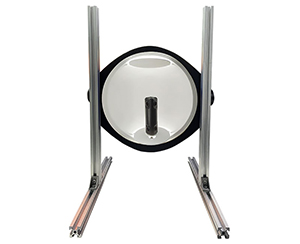
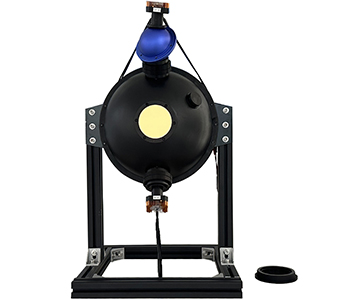
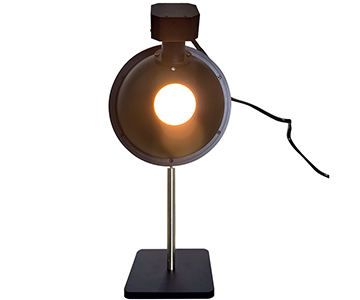
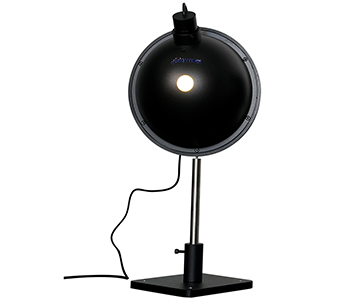
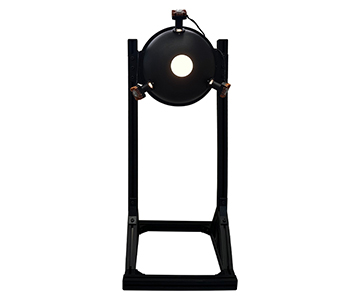
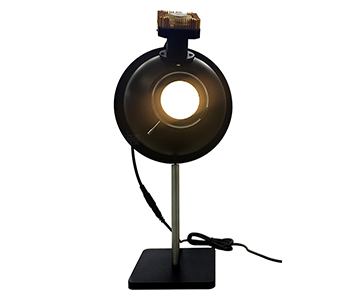
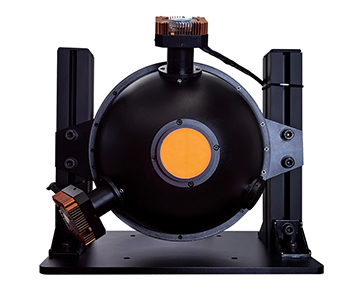
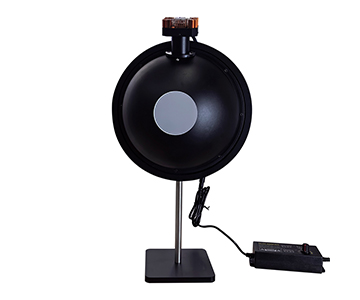
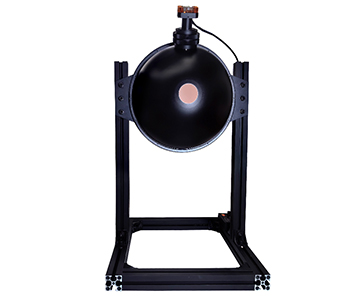
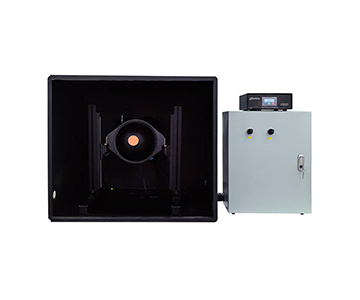
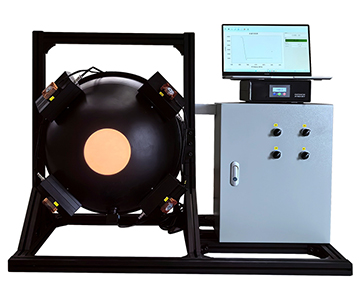
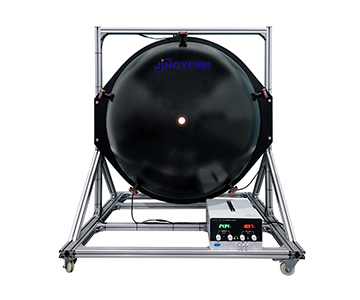
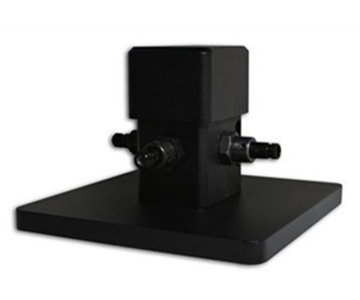
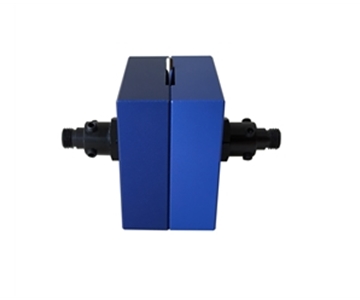
A 100 mm general-purpose unit uses PTFE foam with three mutually perpendicular 40 mm ports (outer 112×112×119 mm), covering 250–2500 nm at 99% reflectance. It supports collimators, cuvettes, and detectors for uniform light sources, reflectance, transmittance, laser power, and fluorescence quantum efficiency. An 84 mm variant offers 0°/90° 1-inch ports with FC/PC adapters (200–2500 nm, 99%). A second 84 mm configuration provides 0°/pole/90° ports at 25/36/25 mm, 90° with SMA905. For large samples, a 200 mm open-frame PTFE-coated sphere (250–2500 nm, single SMA905 port) includes a 60×60 mm sample holder and single-leg base with latch closure.
Water Quality Long Optical Path Cells
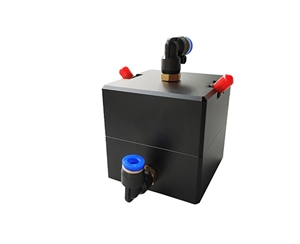
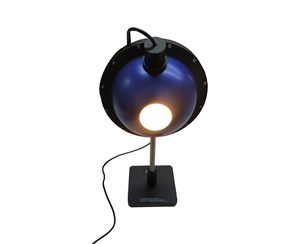
A φ50 mm flow-through unit with PTFE liner (99% reflectance, 200–2500 nm) uses SMA905 for input/output and PL8-02 elbow fittings for water inlet/outlet. Aluminum oxide black shell operates at 0–50°C. Filled with sample water, the cavity creates a multi-pass integrated path exceeding several meters. This averages scattering bypass when particulate concentration fluctuates, stabilizing absorption signals for river, seawater, and groundwater analysis.
Fluorescence Quantum Efficiency Structures
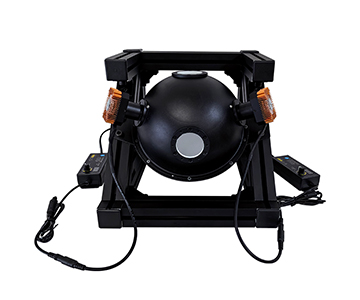
Open-frame 84 mm quantum efficiency units come in BaSO₄ (95–97% reflectance, ≤100°C) and PTFE (99% reflectance, ≤300°C) versions. Incident port has collimator; exit port SMA905/FC customizable. Internal universal sample holder accepts liquids, powders, films. A three-port 100 mm unit provides 10 mm incident, 28 mm exit with internal baffle, and 43 mm sample port (PTFE spray, 250–2500 nm, SMA905 exit, stand height 132–162 mm). The 28 mm baffled exit suppresses primary stray light from direct excitation leakage; 10 mm collimated incident controls sample illumination field.
Infrared Gold-Coated Power Measurement
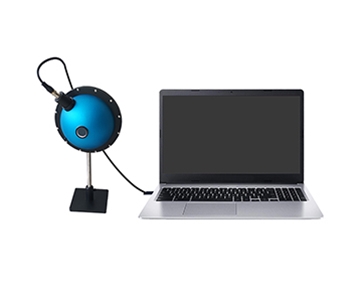
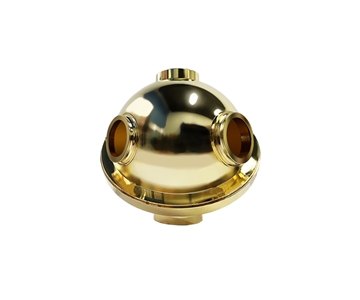
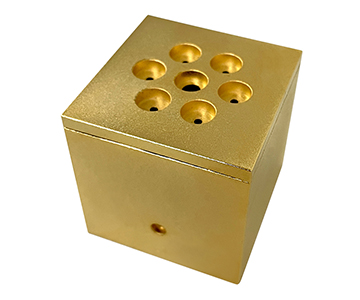
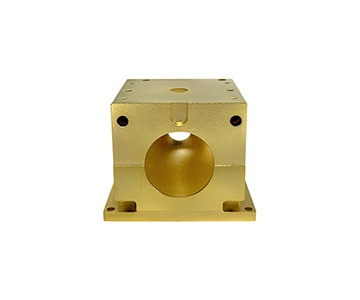
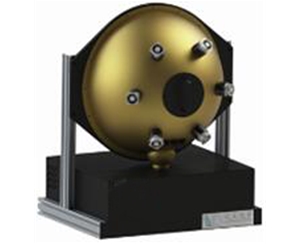
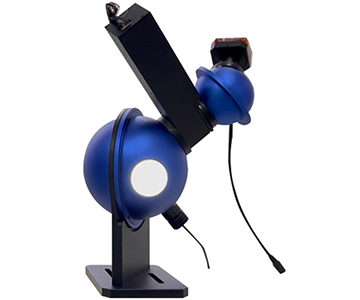
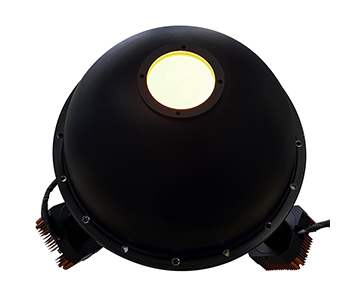
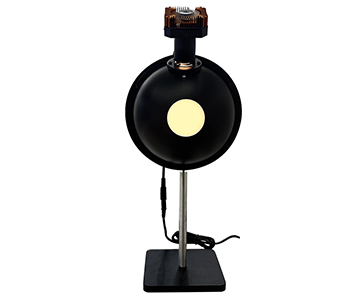
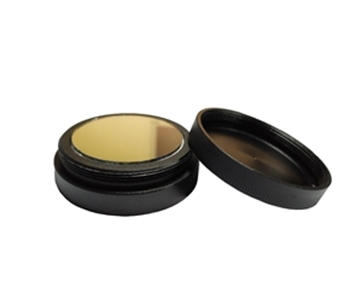
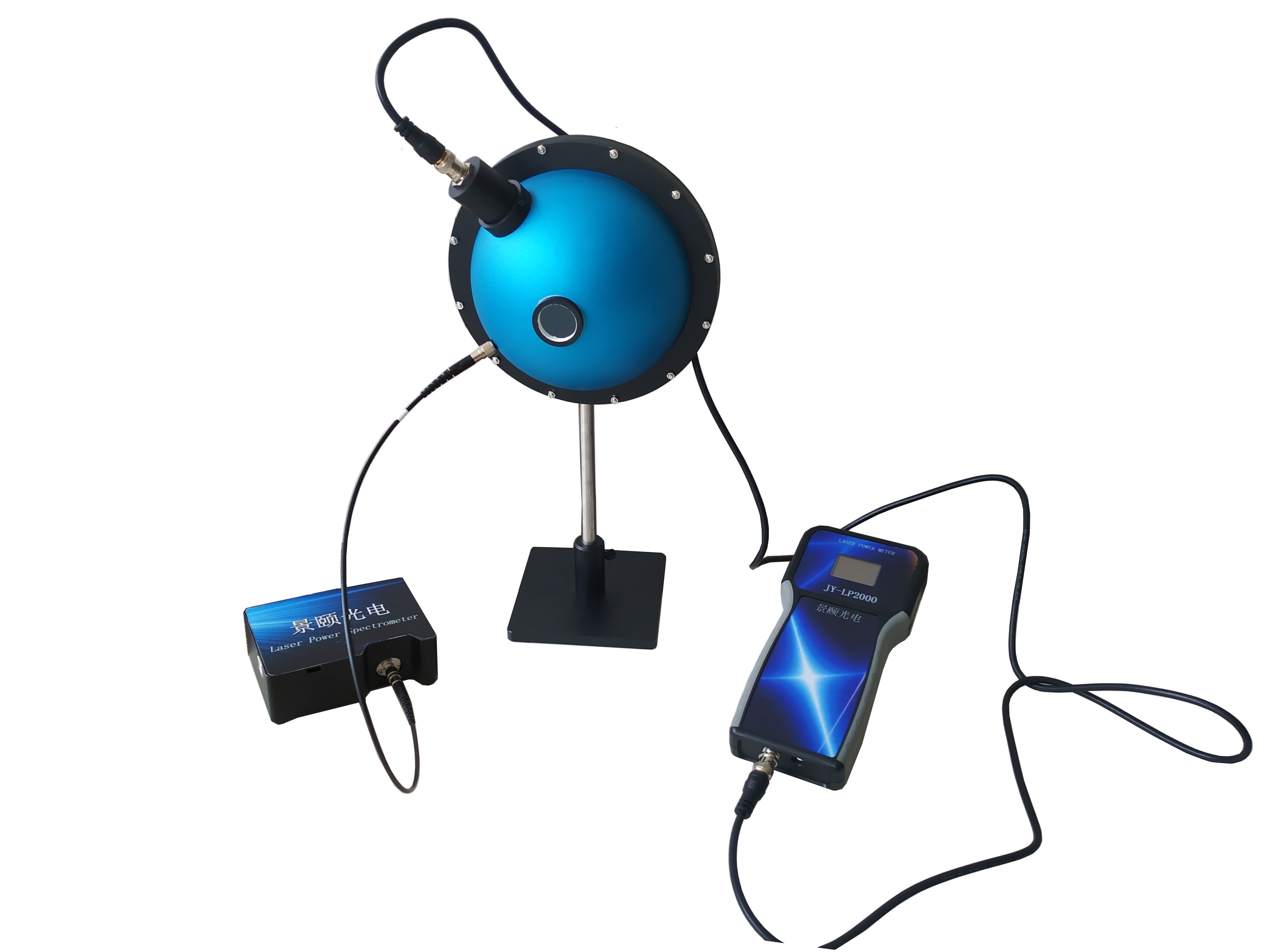
Gold-coated spheres use aluminum alloy or oxygen-free copper substrates with electroplated 24K gold, delivering >94% reflectance and >99% exit uniformity. A 40 mm unit offers aluminum alloy outer 48×48×48 mm or oxygen-free copper liner; a 70 mm aluminum alloy sphere weighs 0.42 kg. Custom sizes from 50–500 mm available. These target infrared laser power, CO₂ and Nd:YAG output characterization, high-power laser diodes, and photodetector spectral response. Beyond 2500 nm, gold’s specular reflection manages thermal load and multi-reflection power density, though diffuse mixing requirements still favor PTFE.
System Matching Matrix: Coating, Sample, Port
Selection follows a three-tier sequence: spectral band → coating, sample morphology → internal diameter, measurement quantity → port geometry.
•UV-Vis-NIR (200–2500 nm) with diffuse integration: PTFE is首选. Its 99% reflectance and Lambertian behavior reduce spatial response anisotropy. For high-temperature fluorescence samples, PTFE (300°C) outperforms BaSO₄ (100°C limit).
•Pure IR laser power or high power density: Gold coating, though 94% reflectance is lower than PTFE’s visible performance, offers cleanability and >99% uniformity with thermal stability.
•Transmittance: In-line geometry with entrance port → 90° exit. Choose entrance diameter based on beam cross-section (1.5–9.5 mm gradient).
•Reflectance: 8° incident → 90° detection → sample port three-terminal structure; add light trap if needed.
•General research: 0°/pole/90° or multi-directional perpendicular ports enable switching between collimation, cuvette, and calibration in one cavity.
•Fluorescence: Incident-sample-exit three-port or open-frame holder with baffle to suppress excitation leakage.
•Internal diameter guide: Micro-beam/fiber front-end 10–15 mm; routine solids/powder 25–36 mm; multi-accessory R&D 84–100 mm; large samples/uniform source 200 mm; flow water 50 mm.
This matrix prevents盲目放大口径 (blind oversizing) that disrupts sample loading and stray light control.
Application Scenarios and Solutions
Five documented configurations address distinct measurement needs:
1.Transmittance line: 1.5–9.5 mm entrance gradient covers fiber facets to wide-beam solids.
2.Quantum efficiency: 10/28/43 mm port gradient decouples excitation, stray suppression, and sample loading.
3.Gold-coated IR: 94% reflectance + 99% uniformity dual metrics enable infrared power traceability to cavity exit consistency.
4.Water quality: Long-path PTFE flow cell stabilizes absorption in turbid or low-absorption fluids.
5.General calibration: 100 mm three-perpendicular-port unit serves as uniform source, reflectance, and basic calibration node.
Standards Compliance and Technical Advantages
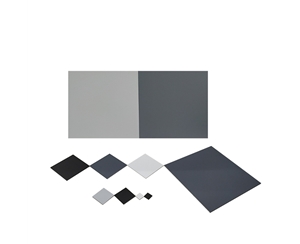
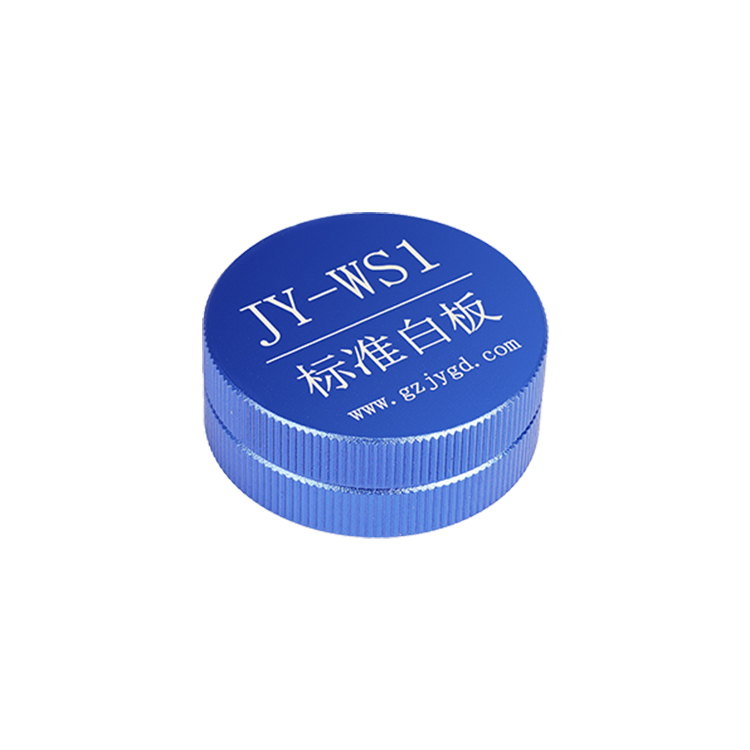
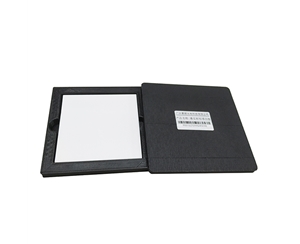
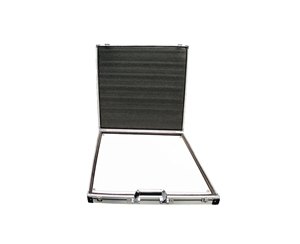
Measurement integrity aligns with ISO 13468-1, ISO 14782, and SEMI optical metrology guidelines. Total transmittance and reflectance validation relies on standardized integrating geometry; PTFE spheres with 99% liner reflectance and 200–2500 nm response form a traceable acquisition chain. Open-frame and large-aperture units satisfy radiance calibration uniformity requirements through perpendicular or multi-pole porting. Gold-coated units meet infrared laser power metrology compliance via documented reflectance calibration reports and exit uniformity records—never verbal specifications. All coatings are accepted per Lambertian characteristics, verified by factory reflectance panels.
Selection Guide and Procurement Validation
During procurement, confirm compliance with applicable ISO/SEMI standards to ensure complete transmittance/reflectance traceability. For infrared gold-coated units, separately verify reflectance calibration certificates and exit uniformity logs. Reject口头指标 (verbal claims) in favor of written standards. Cross-check coating reflectance drift, port sealing, and baffle alignment against factory reference plates at defined intervals.
Honest Limitations and Process Boundaries
No integrating sphere is universal. A 10 mm micro unit with 1.5 mm entrance port clips large-cross-section beams; wide films require 25–36 mm or 200 mm open-frame. PTFE’s 2500 nm ceiling means infrared lasers beyond this demand gold coating, but gold’s 94% reflectance is unsuitable for full-spectrum diffuse transmittance. Open-frame 200 mm spheres start at 250 nm—deep UV below 250 nm is excluded. BaSO₄ quantum efficiency units cap at 100°C; high-temperature fluorescence mandates PTFE 300°C. Gold cavities provide specular high reflection; if total diffuse transmittance (not power integration) is the metric, return to PTFE geometry. These constraints are not defects but required工艺窗口 (process windows) for correct route matching.
Frequently Asked Questions
Q1: How do I establish a full-spectrum baseline with a micro transmittance sphere?
Use a geometrically identical blank sample to collect dark current and reference spectrum. The PTFE liner’s 99% reflectance provides a stable integrating field. Record分段 (segmented) data across 200–2500 nm. Calculate transmittance per ISO 13468-1 geometry. Periodically verify liner degradation with the original factory reflectance panel.
Q2: Should I choose an open-frame or three-port design for fluorescence measurement?
For liquids, powders, and frequent sample changes, the 84 mm open-frame with universal holder offers quick swap. For thin films or absolute quantum efficiency, the 100 mm three-port with 10 mm incident, 28 mm baffled exit reduces excitation leakage. Select PTFE for high temperature, BaSO₄ for room-temperature low-reflectance needs.
Q3: What precautions apply when using a gold-coated sphere for CO₂ laser power?
Confirm cavity diameter (40 or 70 mm) and port mating with fiber/flange. Gold layer reflectance exceeds 94%, exit uniformity >99%, and electroplated surface is cleanable. In high-power scenarios, verify thermal density and dust control—particulates
Q4: How can multiple projects share sphere inventory to control costs?
Deploy a 100 mm general-purpose three-perpendicular-port unit to cover transmittance, reflectance, uniform source, and basic calibration—reducing single-function sphere count. Allocate separate gold-coated units for IR and dedicated quantum efficiency units for fluorescence. Budget based on annual sample throughput, spectral range, and required precision rather than pursuing a single oversized aperture.
Q5: How can I independently verify long-term measurement performance?
Retain factory reflectance reference plates and standard lamps. Periodically compare cavity exit with a calibrated spectrometer. Revalidate transmittance/reflectance procedures against ISO 13468-1, logging coating reflectance drift, port seal integrity, and baffle alignment. Maintain an uncertainty ledger for third-party audit.
Conclusion and Future Trends
Integrating sphere technology will evolve along coating durability, modular ports, and multi-sensor fusion. PTFE foam and spray processes will further improve reflection uniformity and moisture resistance. Gold coatings will extend to broader IR bands with online cleaning capability. Open-frame and large-aperture units will integrate tightly with automated sample stages and spectral software. Manufacturers should build sphere inventories using the four-step protocol: spectral band → sample morphology → measurement quantity → calibration standard. Prioritize PTFE for full-spectrum diffuse applications, gold for infrared power, and dedicate separate units for water quality and fluorescence. Bind all transmittance/reflectance acceptance to ISO/SEMI standards. This approach preserves a stable technical buffer between yield closure and next-generation process physics limits.
For detailed specifications and application notes on integrating spheres, search "Jingyi Optoelectronics integrating sphere" or visit our technical library.
About This Guide
Data Sources
: SEMI 2025 Annual Semiconductor Materials and Market Report; in-house technical documentation for 10/15/25/36 mm transmittance integrating spheres, 15 mm reflectance sphere, 84/100/125/150 mm general-purpose spheres, JY-FIOS100/FOIS-84/PFIOS100K calibration units, 200 mm open-frame sphere, φ50 mm water quality sphere, 84/100 mm fluorescence quantum efficiency spheres, 40/70 mm gold-coated spheres; ISO 13468-1 and ISO 14782 standards.
Author
: Cai Xiaodong, Senior Application Engineer, Jingyi Optoelectronics, 12 years in optical inspection and supply chain technical security for industrial precision measurement equipment.
Disclosure
: Jingyi Optoelectronics manufactures integrating spheres and spectral measurement systems. This article presents technical assessments based on published specifications, in-house validation data, and publicly available industry standards. No compensation was received from third-party brands mentioned.
Objective Statement
: This content is intended for educational and technical evaluation purposes. Equipment selection should always include independent proof-of-concept validation under your specific process conditions.
Last Updated
: September 2026