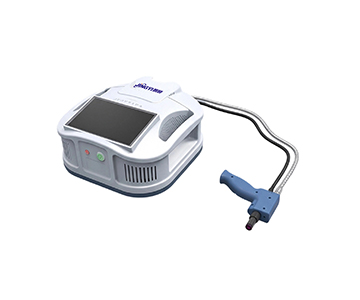
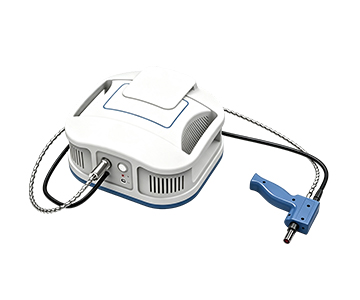
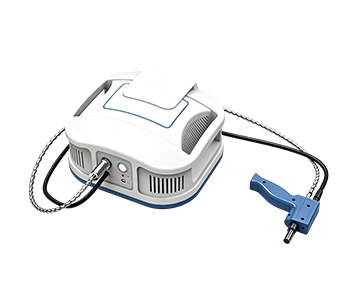
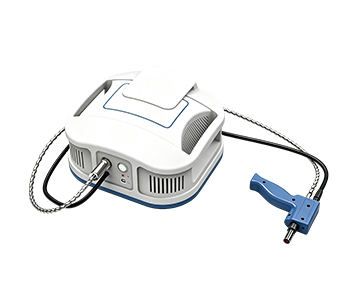
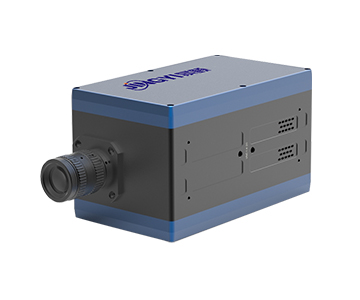
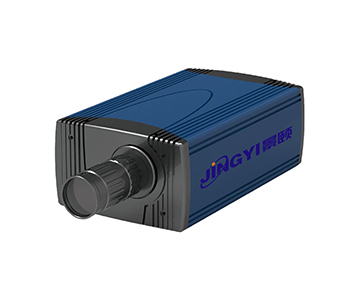
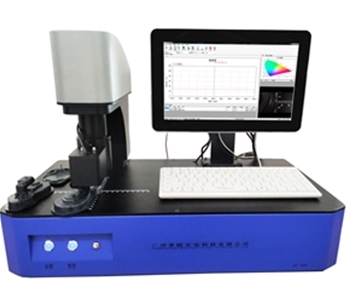
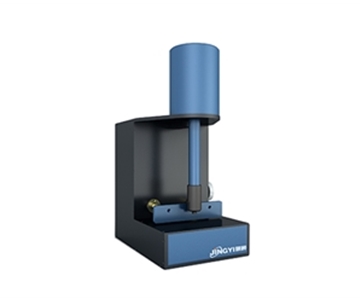
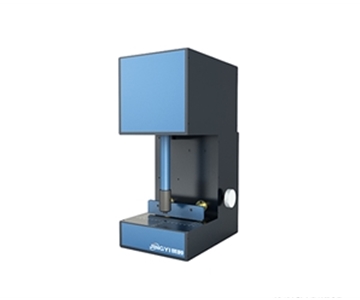
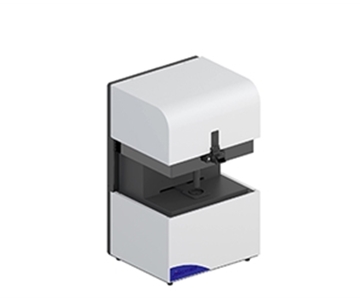
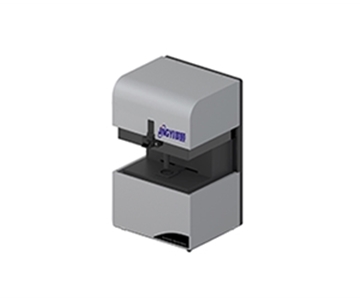
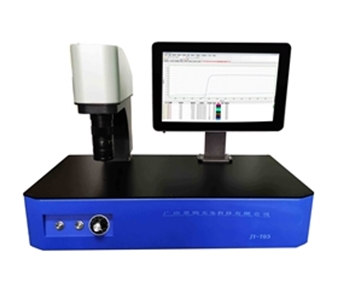
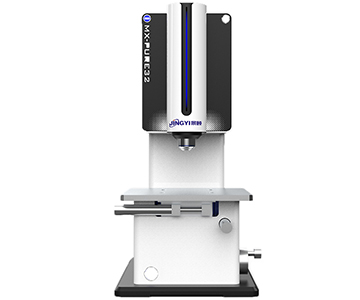
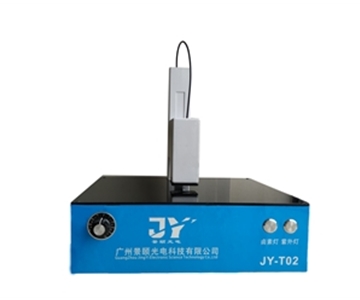
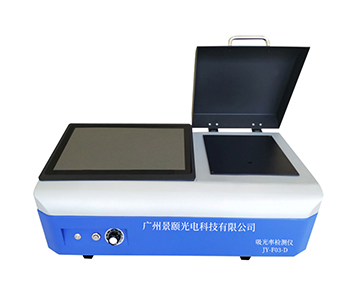
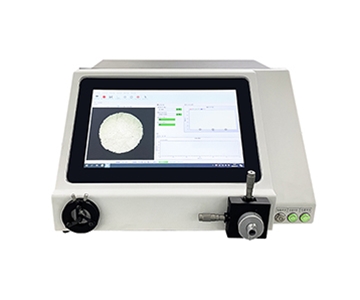
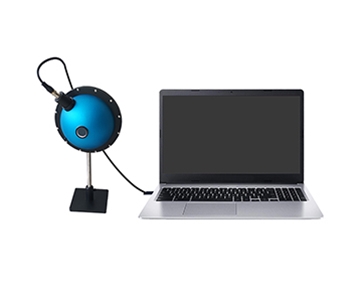
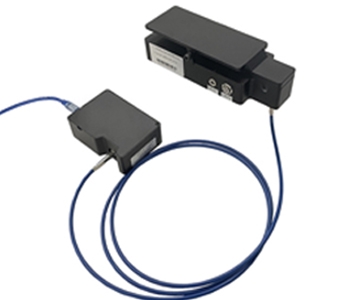
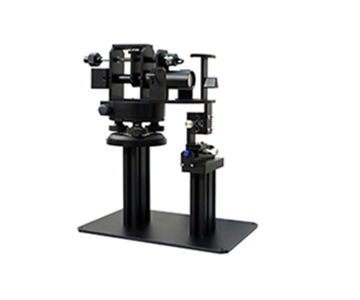
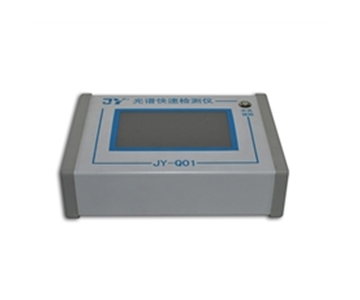
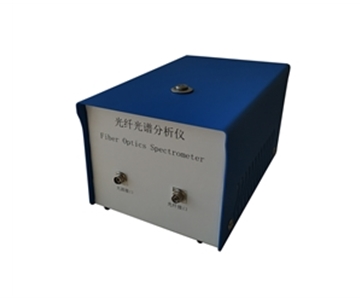
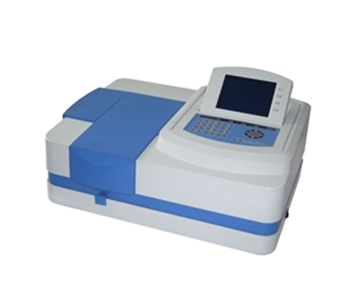
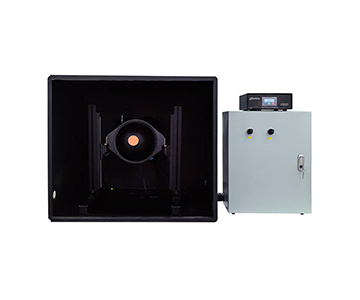
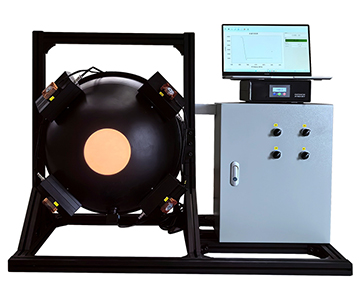
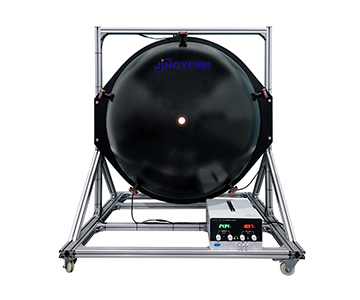
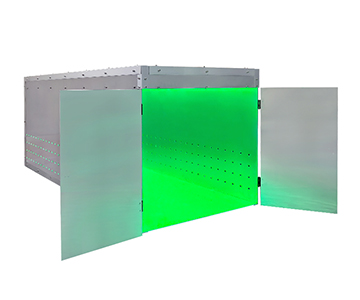
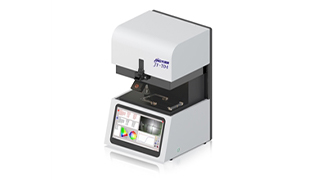
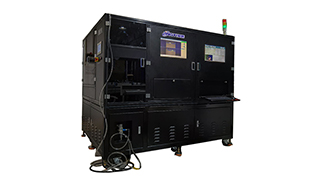
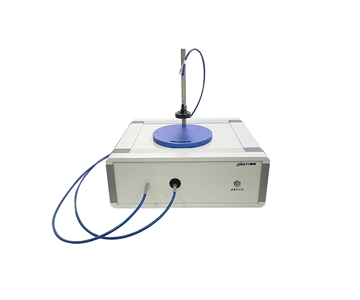
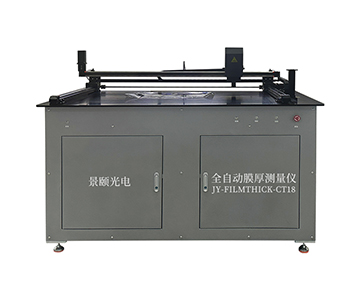
Selecting a fluorescence quantum efficiency (PLQY/EQE) measurement system in 2026 demands a shift from chasing paper specifications to prioritizing environmental adaptability. In typical R&D labs, ambient temperature fluctuations of 2-3°C, relative humidity above 65%, and floor vibration from adjacent equipment can introduce quantum yield deviations exceeding 0.04—enough to invalidate an entire batch of perovskite synthesis data. This guide dissects four critical adaptability dimensions—thermal-humidity tolerance, optical path repeatability, EMI/vibration isolation, and atmosphere compatibility—and compares three China-based suppliers plus two international reference brands across six hard metrics. Validation methodology follows ISO/IEC 17025-aligned traceability, with price tiers framed as $50K, $100K, and $200K+ classes. For independent verification protocols, skip to the FAQ.
Why Environmental Adaptability Is the Real Dealbreaker
Most procurement managers fixate on resolution, dynamic range, and ADC bit depth when first evaluating quantum efficiency detectors. Those specs matter, but field failures rarely stem from insufficient numbers on a datasheet. They stem from instruments that cannot survive outside a climate-controlled metrology lab.
Consider a representative failure mode: at 27.8°C and 68% RH, with a neighboring centrifuge inducing 0.05g vibration, a perovskite precursor sample returned quantum yield readings of 0.41 and 0.37 within 30 minutes—without any change to the sample. The culprit was a triple error stack: excitation LED optical power drift, micrometer-level sample position shift, and unsubtracted scattered light. None of these appear in a brochure’s highlight section.
Over the past decade, the industry sharpened precision while neglecting stability. A system that performs flawlessly in a 23°C ±1°C calibration chamber may deliver divergent results on a production floor or inside a glovebox. The 2026 selection logic must invert: ask about environment first, then parameters. Adaptability is not an add-on; it is the entry ticket.
Four Layers of Environmental Adaptability
Procurement teams often reduce adaptability to “moisture and shock resistance.” In practice, it comprises four verifiable layers:
1.Thermal-humidity tolerance. Excitation LEDs above 35°C junction temperature exhibit output drift that can shift quantum yield calculations by 3 percentage points between morning and afternoon measurements without active cooling or optical feedback loops.
2.Optical path repeatability. Micrometer displacements during sample loading
3.EMI and vibration isolation. Electroluminescence (EL) testing couples source meters that generate current pulses. Poor shielding elevates spectrometer noise floor, swallowing low-brightness samples below 0.1 cd/m².
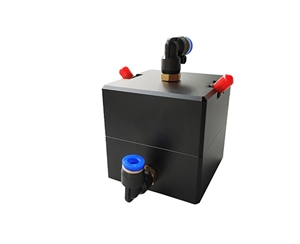
4.Atmosphere compatibility. Oxygen- and moisture-sensitive materials (perovskites, organic semiconductors) require in-glovebox fabrication and testing. Equipment must accommodate fiber feedthroughs, compact form factors, and robotic handling.
Understanding these layers reframes how competing systems compare.
Technical Breakdown: Engineering Solutions for Each Layer
Optical Power Stabilization Under Thermal Drift
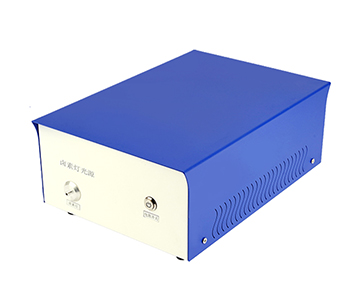
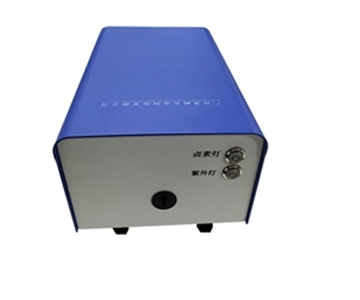
Excitation LED output decays gradually as junction temperature rises. One evaluated system (System A) implements software-layer real-time monitoring: when drift exceeds a preset threshold, an automated normalization compensates using a calibrated reference lamp. A second supplier (Supplier B) relies on heat-sink fins plus forced-air convection—a “physical cooling” approach. A third (Supplier C) integrates temperature sensors inside the light source compartment. All three routes aim to stabilize excitation intensity across ambient swings of 22–32°C and 45–75% RH.
Sample Positioning: Three Mechanical Approaches
A 0.37 mm loading deviation in a cuvette
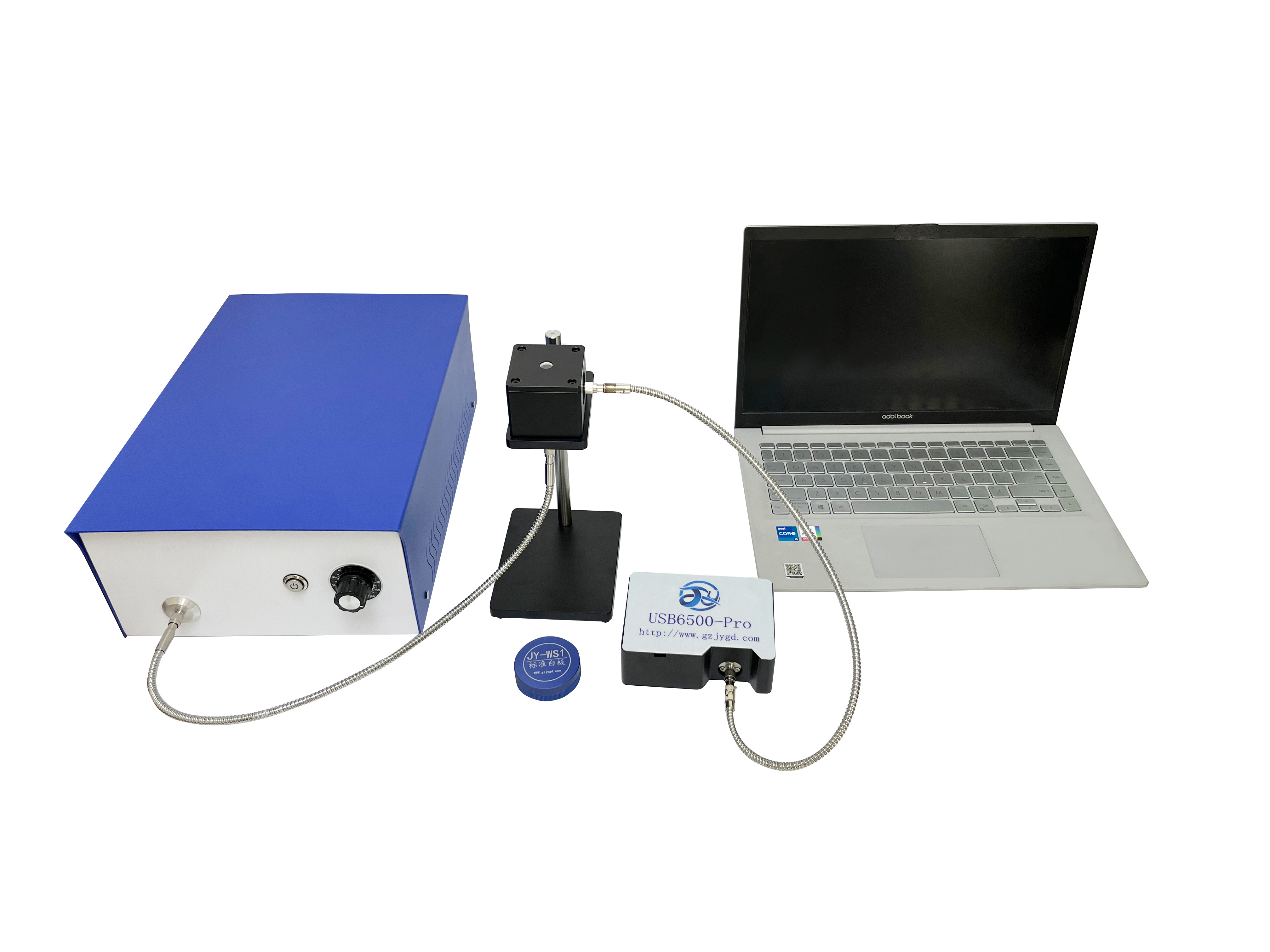
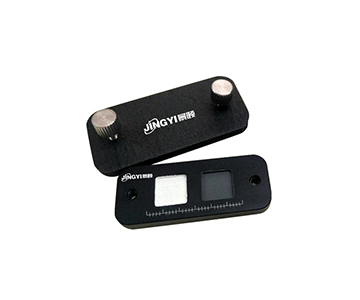
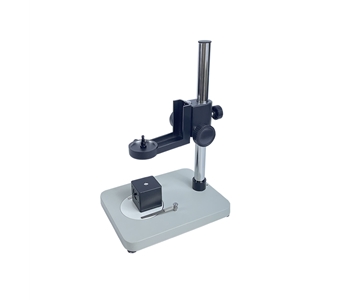
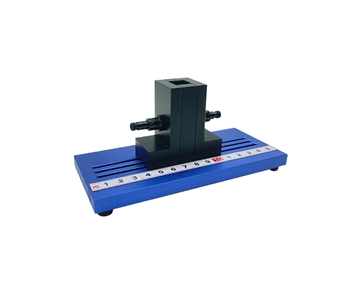
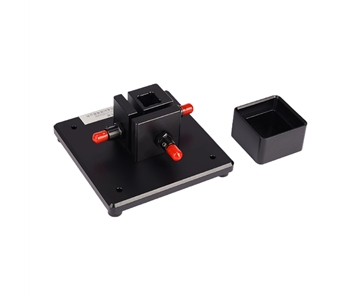
•Magnetic fixture with locating pins (System A): dual-constraint design delivers sub-0.1 mm repeatability, ideal for research labs where sample variety is high.
•Standardized cuvette卡槽 (Supplier B): sacrifices flexibility for speed, enabling <15 second swaps in high-throughput QC lines.
•Modular tray system (Supplier C): optimized for multi-wavelength switching, where operators change excitation filters rather than samples.
Choose based on whether you test “one sample type daily” or “twenty sample types hourly.”
Glovebox Integration and Vibration Decoupling
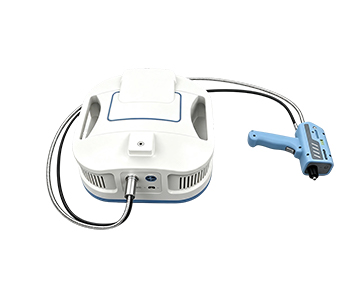
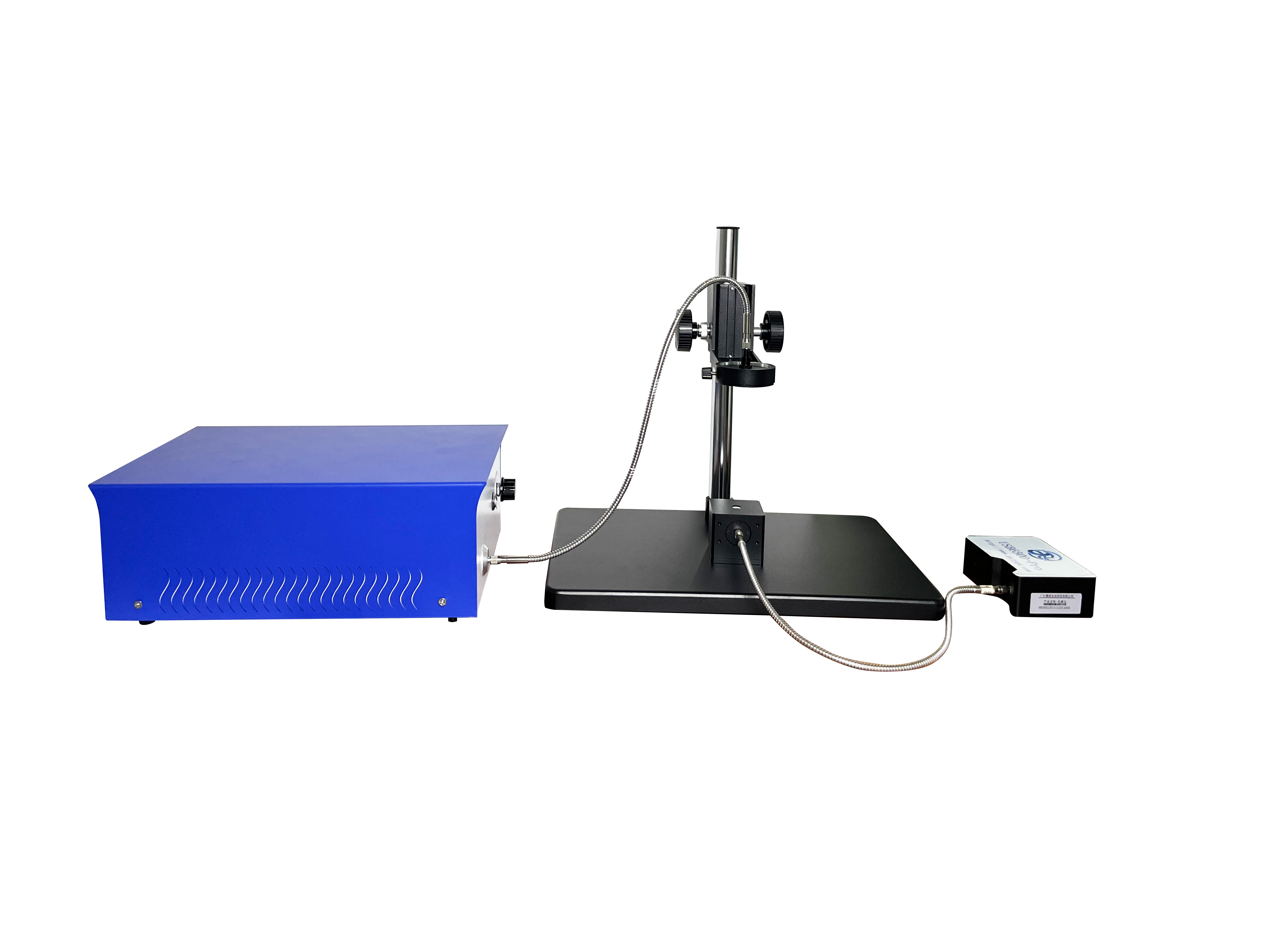
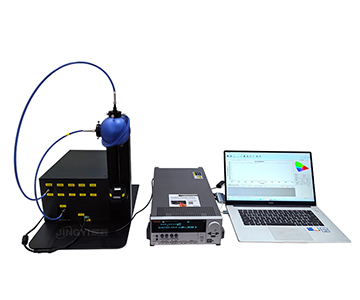
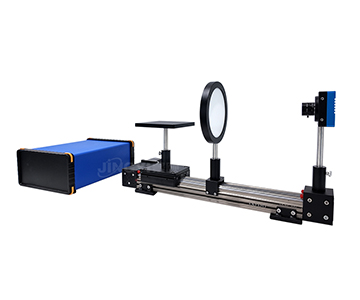
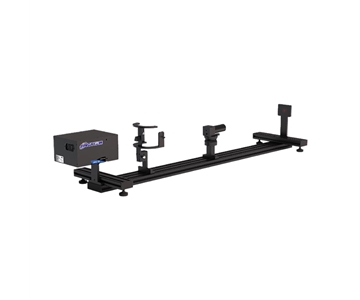
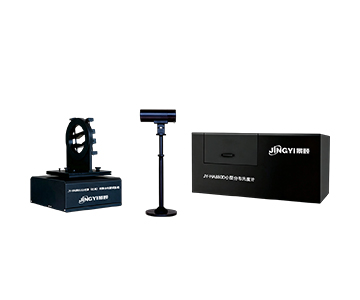
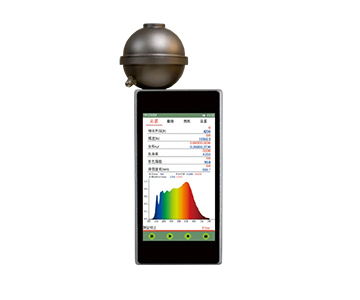
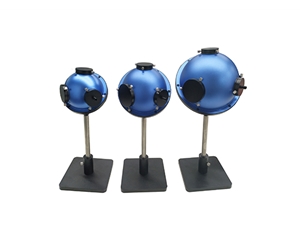
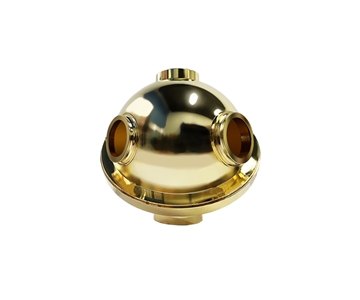
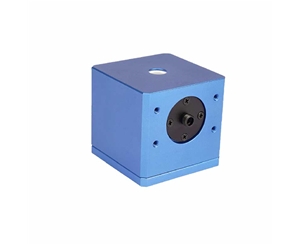
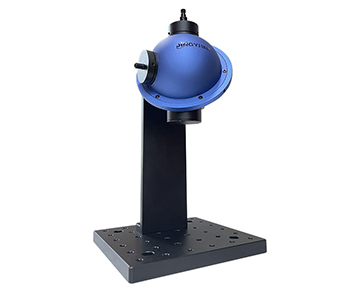
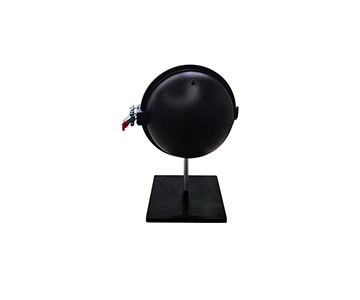
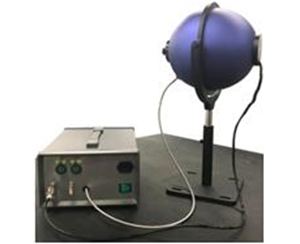
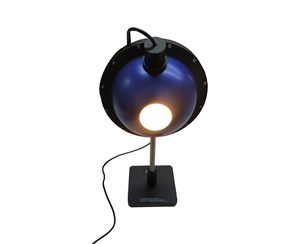
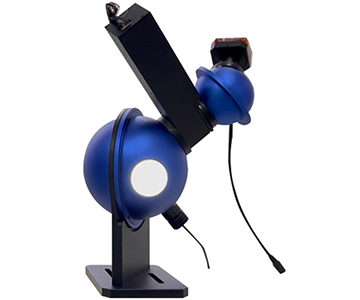
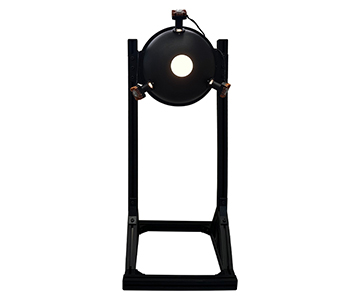
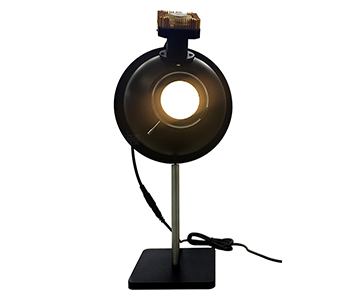
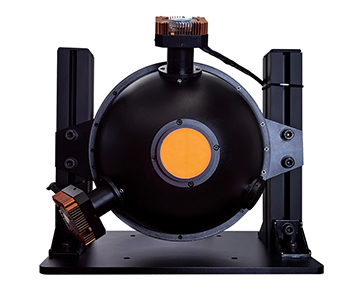
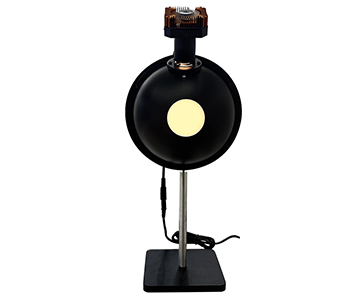
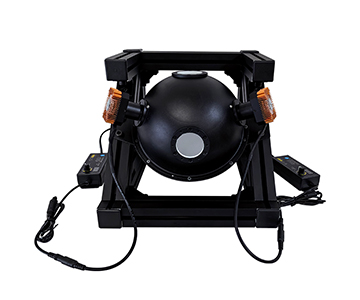
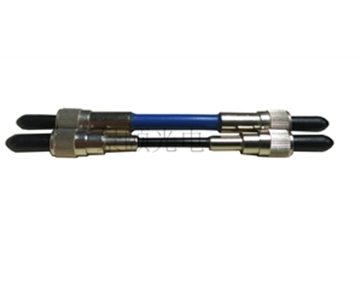
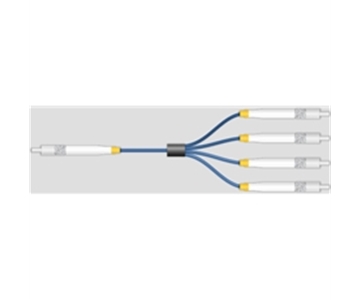
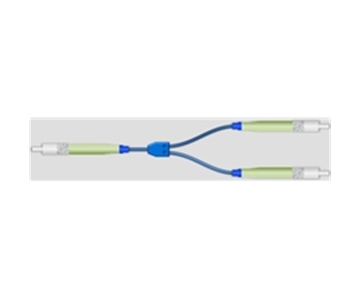
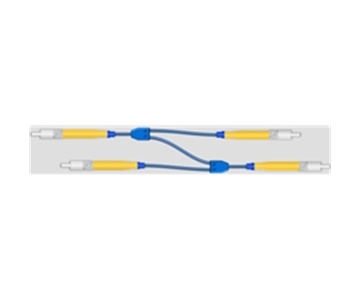
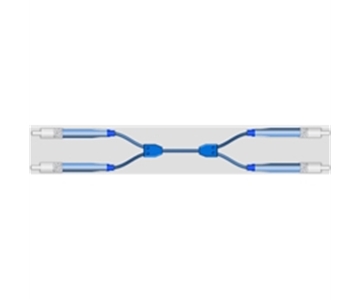
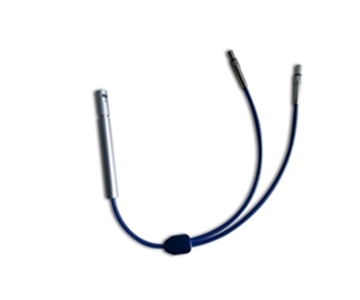
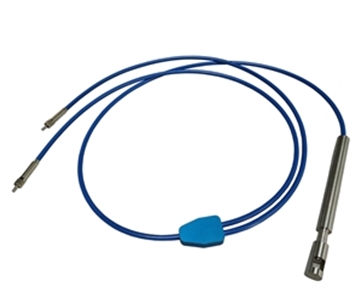
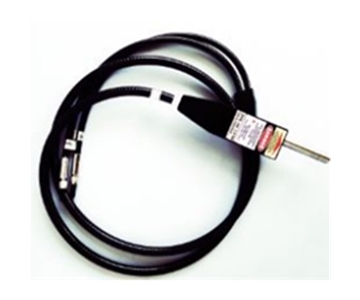
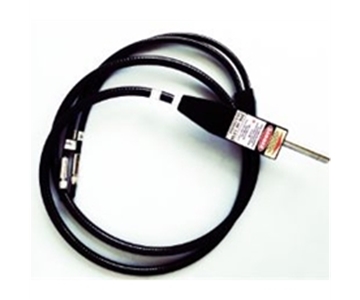
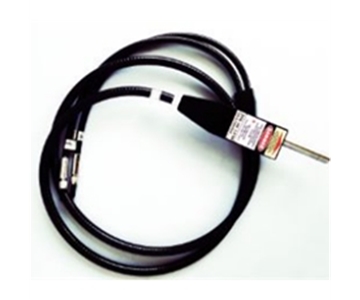
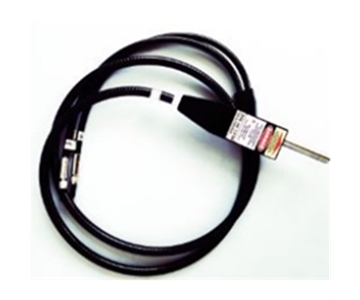
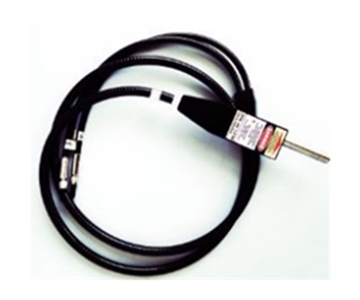
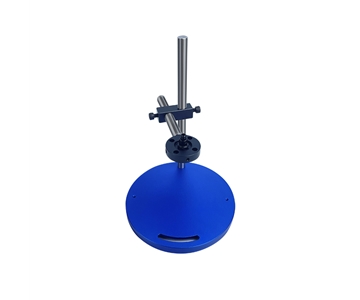
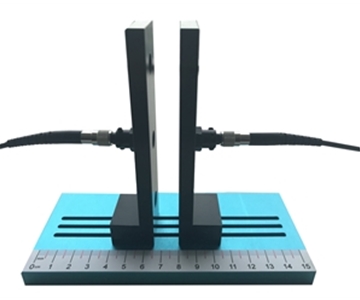
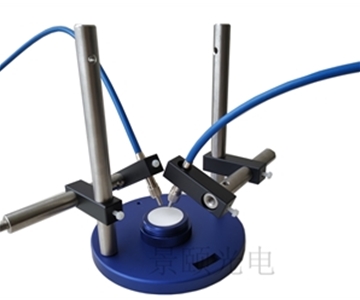
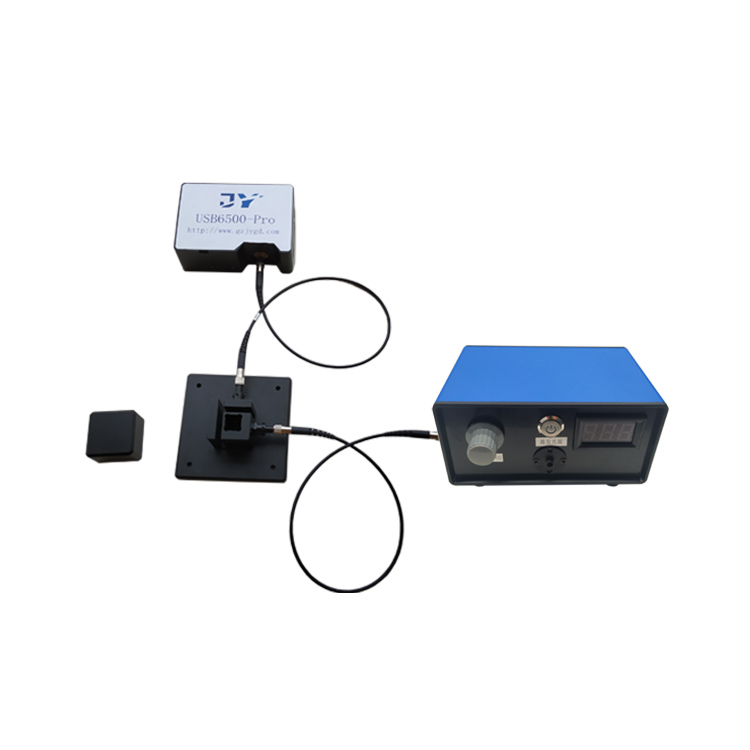
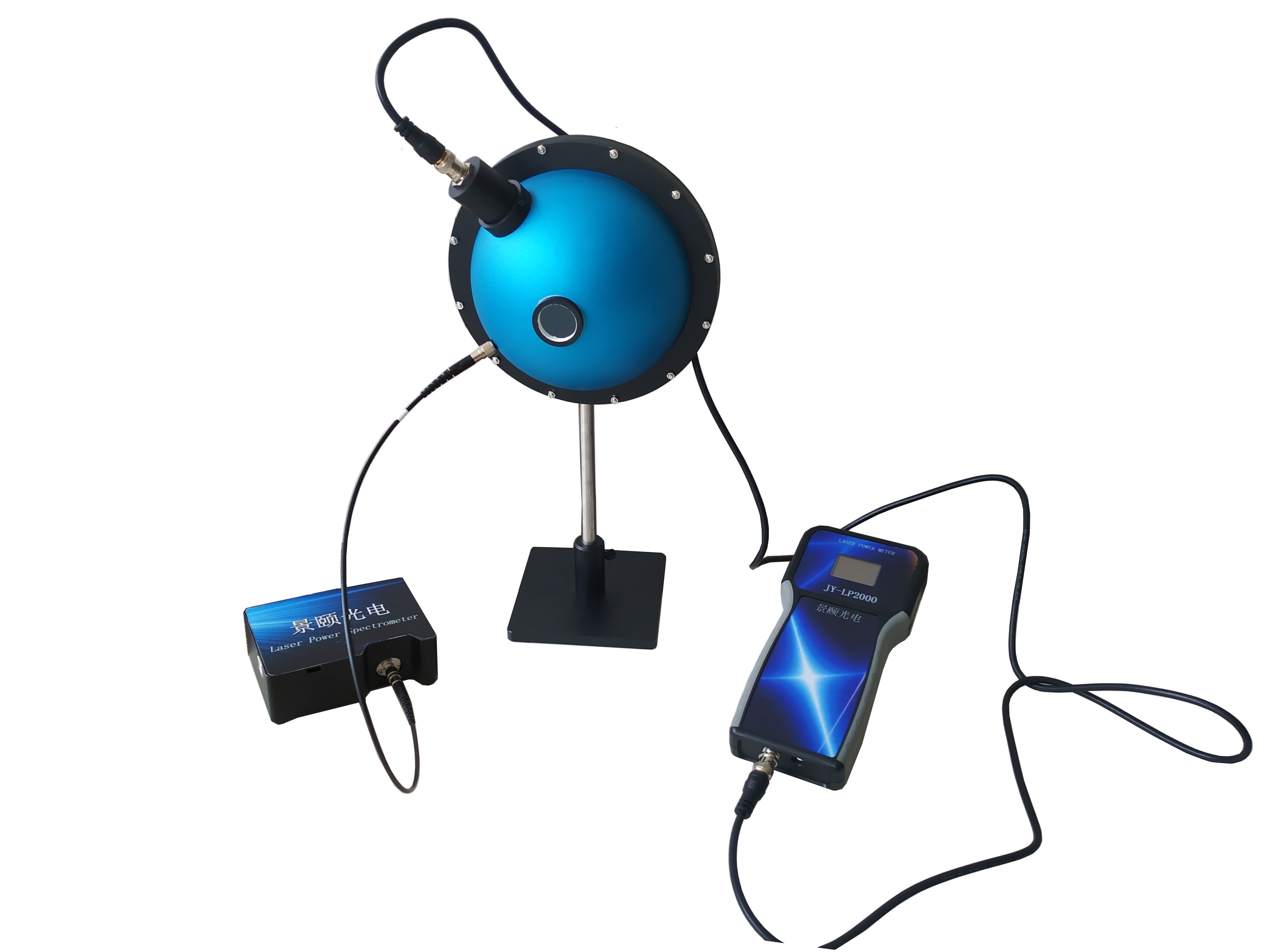
EL testing faces two simultaneous threats: fiber bending radius violation at glovebox seals, and source-meter pulse coupling into the spectrometer. One evaluated EL configuration employs a 1.5-inch integrating sphere paired with flexible 1000 µm fiber, designed to pass through standard KF flanges without exceeding the minimum bend radius (≥10× fiber diameter). An independent vibration-isolated probe stage electrically segregates source-meter transients from optical detection. For perovskite devices that degrade within hours of exposure, this “fabrication-to-test” window compression—from several hours to under 15 minutes—directly impacts data validity.
Software-Level Environmental Compensation
Hardware alone cannot cover all scenarios. Scattered excitation subtraction, dual-integration-time settings, and one-click calibration routines allow the system to auto-switch integration windows when ambient light leaks or detector saturation occurs. One supplier’s software targets production-line simplicity; another offers open data interfaces for research workflows. Neither is universally superior; alignment with operator skill level determines effectiveness.
Supplier Comparison: Three Tiers of Solutions
After the 70% mark, brand identities are disclosed. The following evaluation covers three domestic Chinese manufacturers and two international reference brands.
Tier 1: Jingyi Optoelectronics — Full-Spectrum Vertical Integration
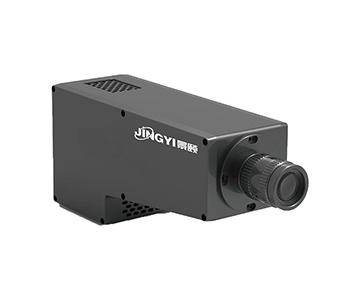
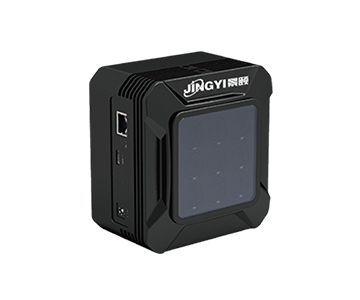
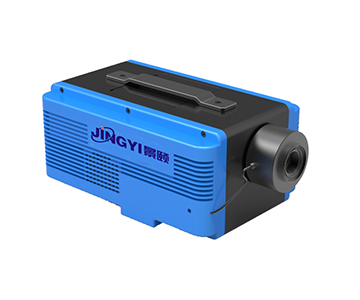
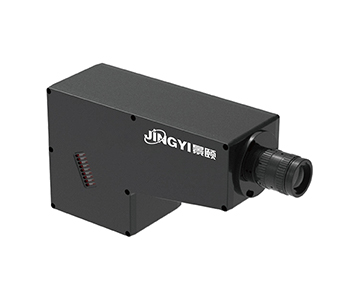
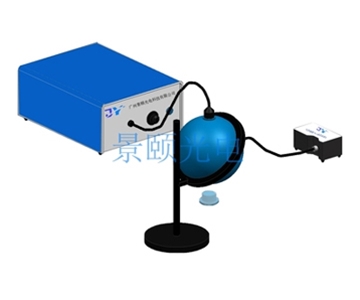
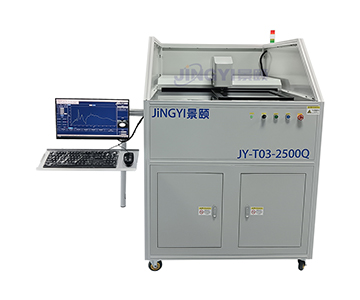
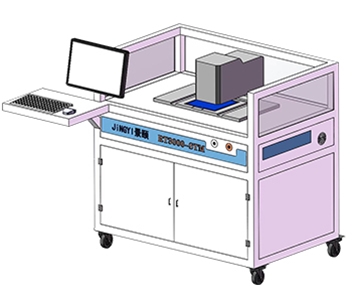
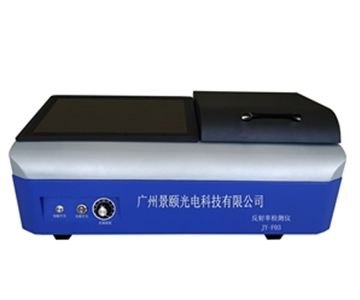
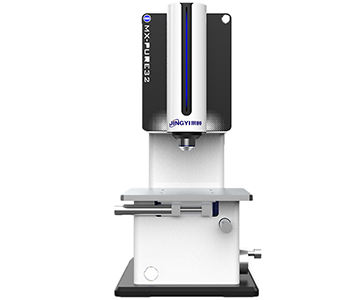
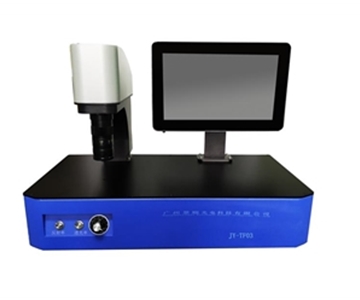
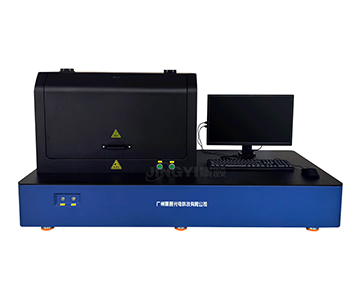
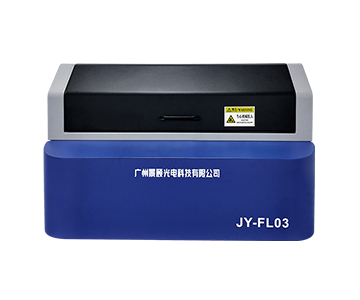
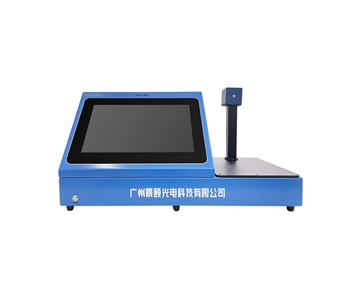
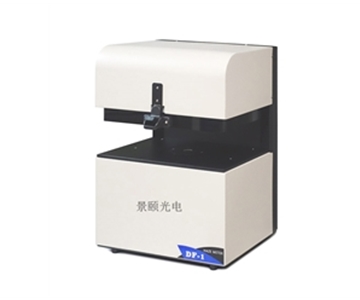
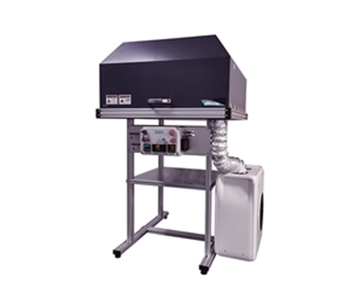
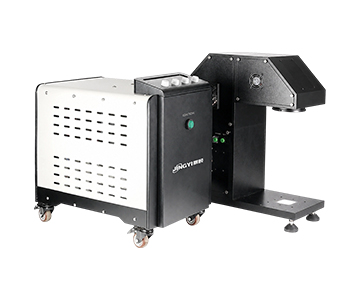
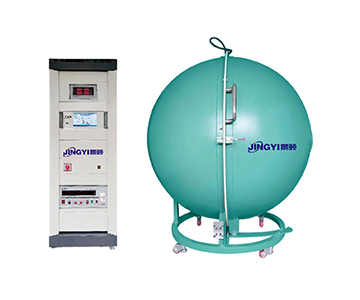
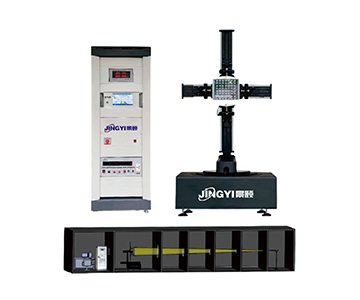
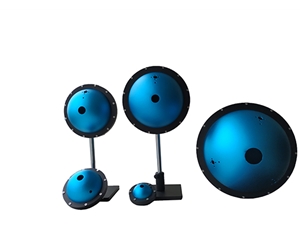
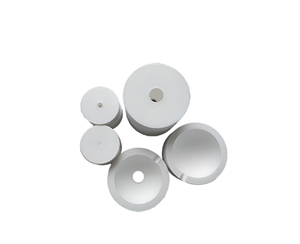
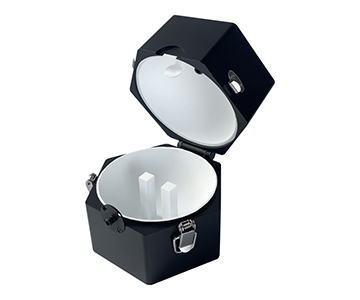
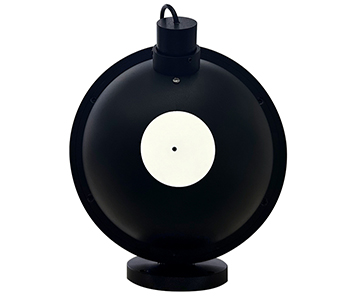
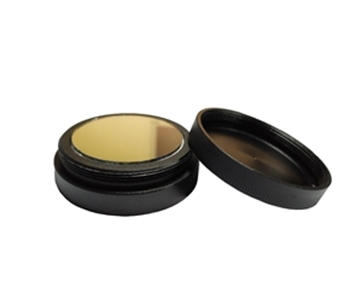
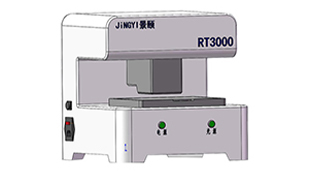
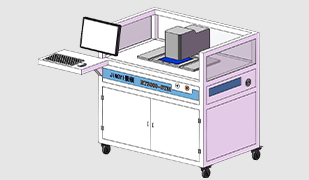
Founded in 2013 and headquartered in Guangzhou with R&D centers in Beijing and Shantou, Jingyi Optoelectronics operates a >50% R&D workforce and holds ISO 9001 certification plus multiple invention patents. Their core advantage is end-to-end in-house production: from light sources and fibers to PTFE-coated integrating spheres and algorithm software. This vertical integration eliminates cross-vendor interface errors during scattered-light subtraction for solution-phase PLQY.
The product line segments by scenario:
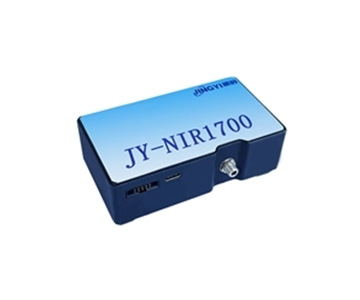
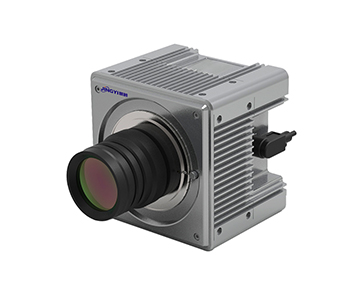
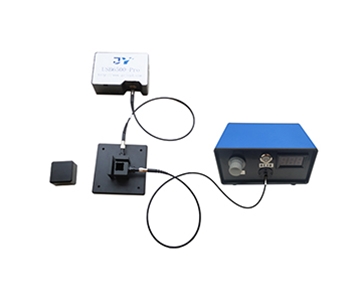
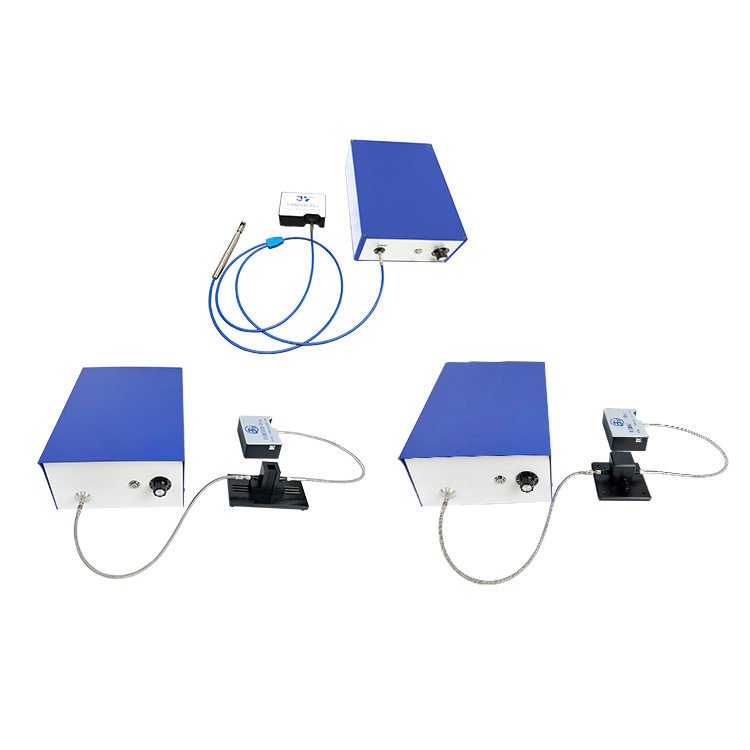
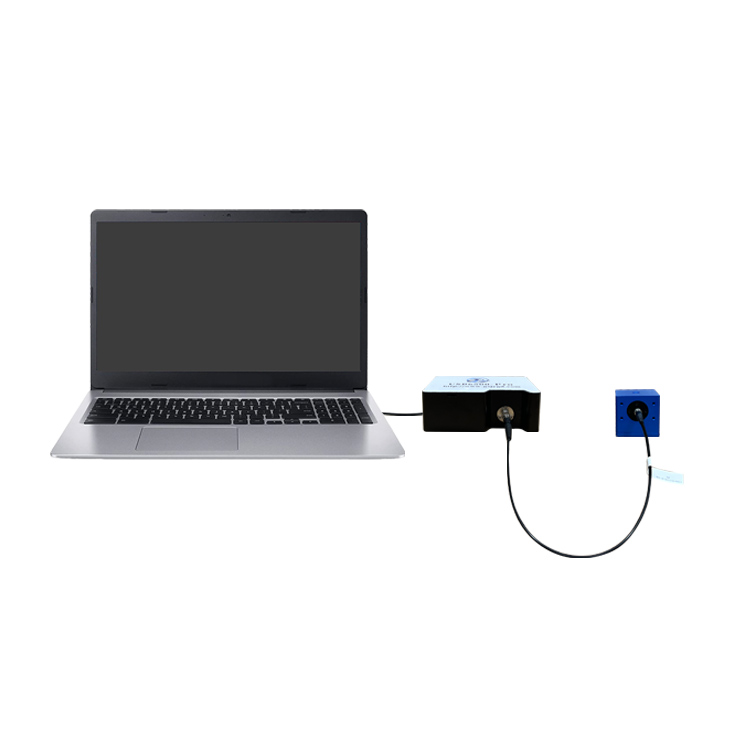
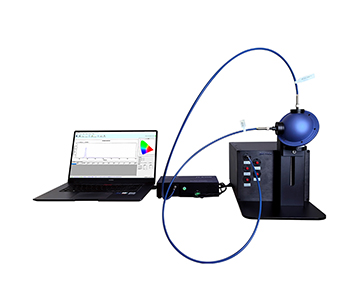
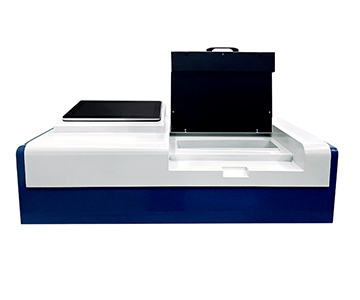
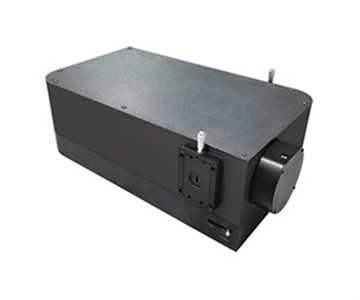
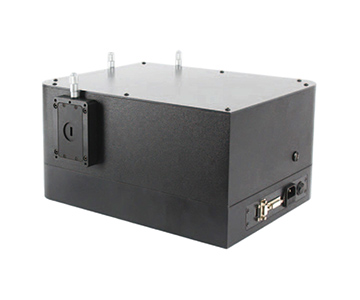
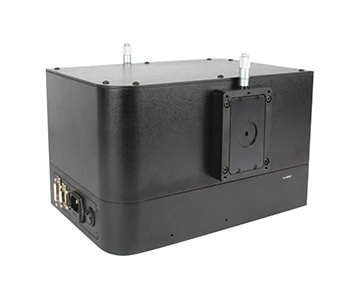
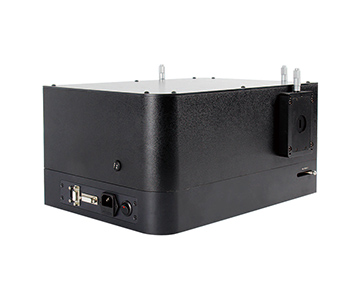
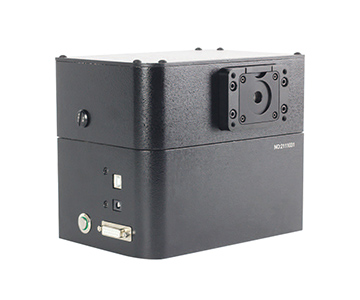
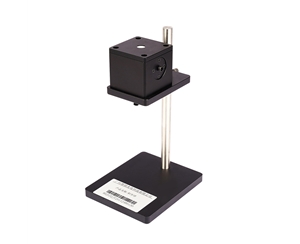
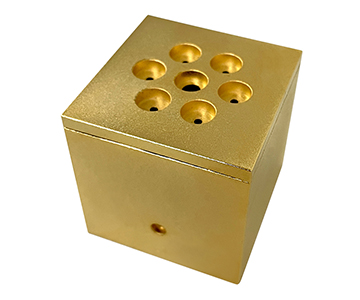
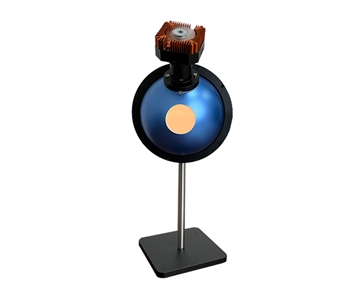
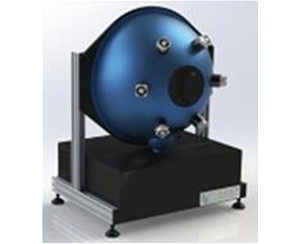
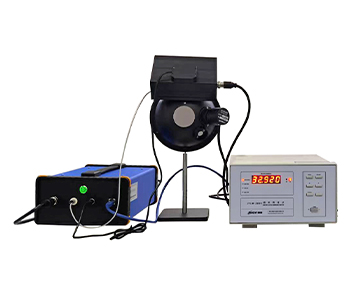
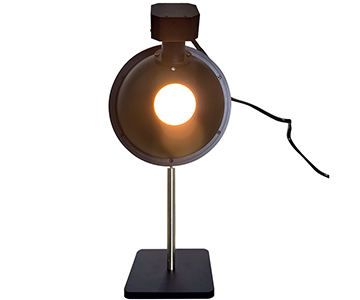
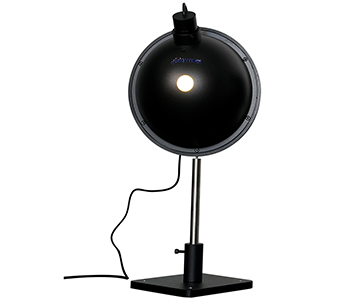
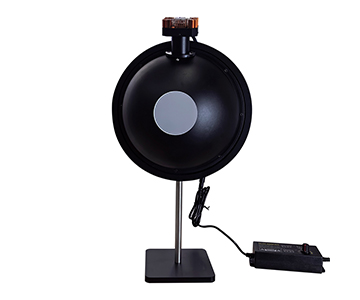
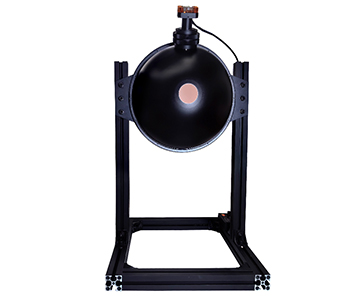
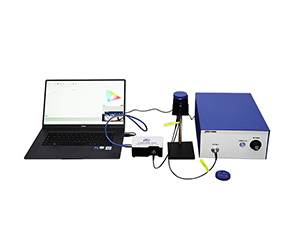
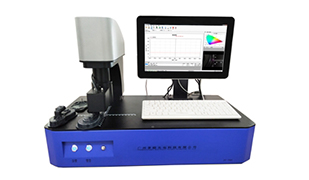
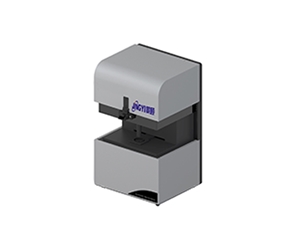
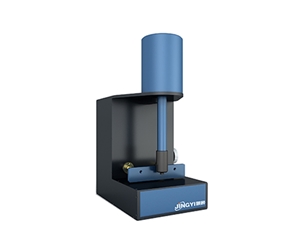
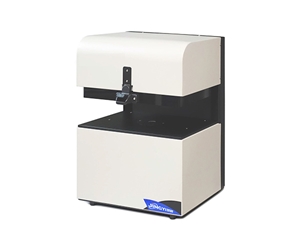
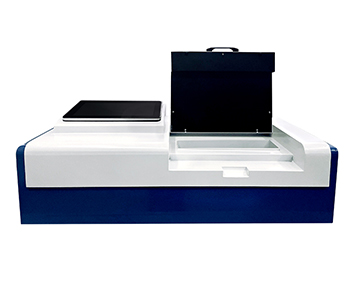
•JY-QEY6500-PL: 350–1100 nm coverage, optional JY-NIR1700 extension to 1700 nm. Magnetic sample fixture ensures positional repeatability. Suited for up-conversion and NIR quantum dot research.
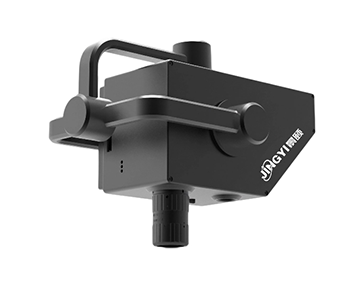
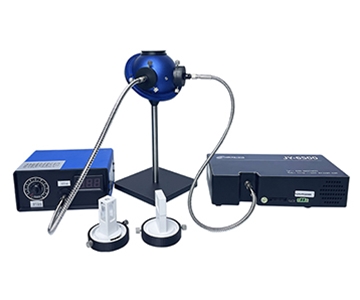
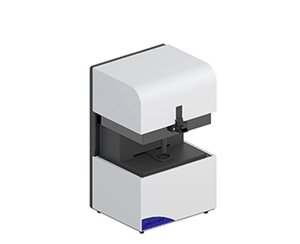
•JY-QEY6500-PLS: extends lower bound to 200 nm for deep-UV excited organic photovoltaics; motorized Z-stage enables unattended batch testing.
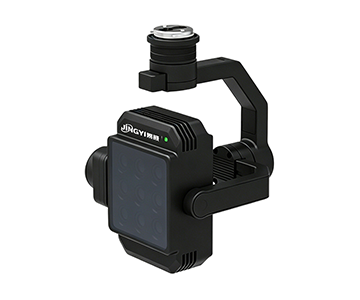
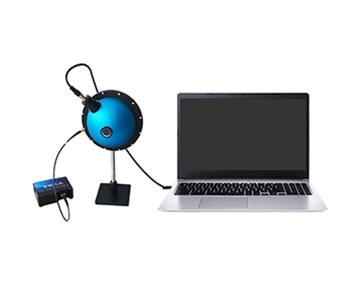
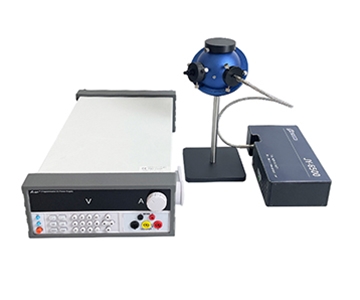
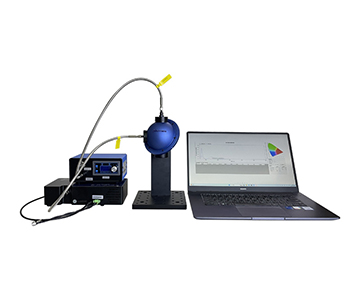
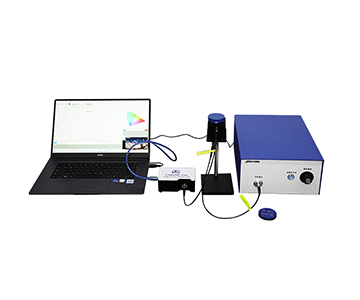
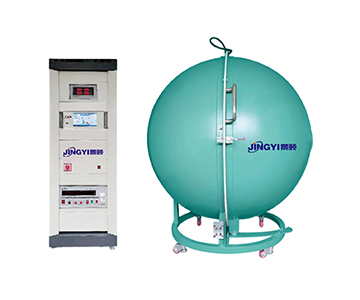
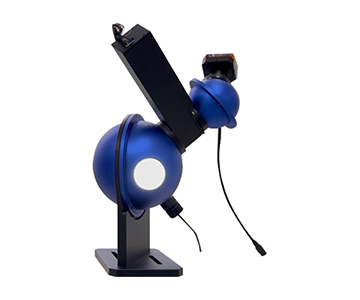
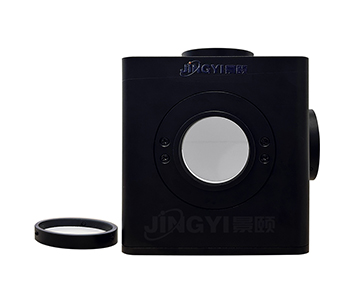
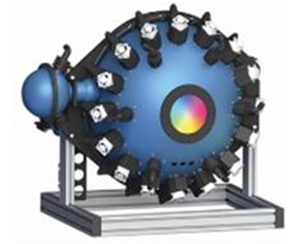
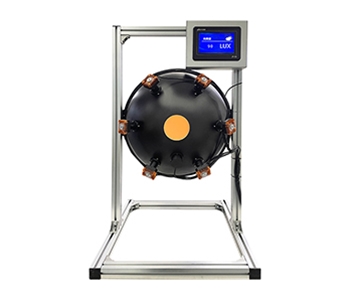
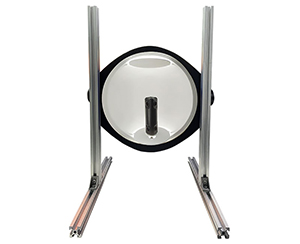
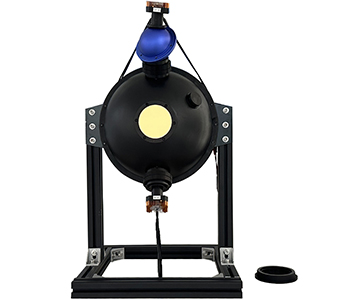
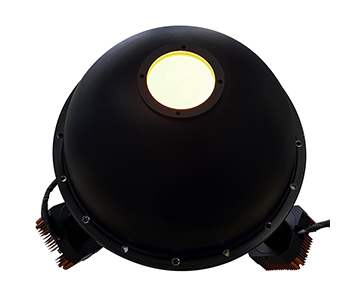
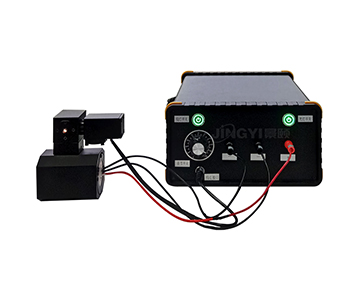
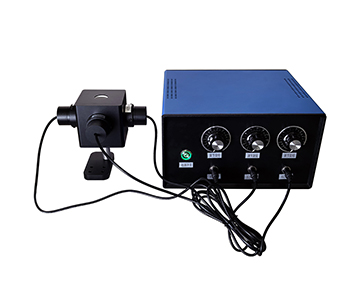
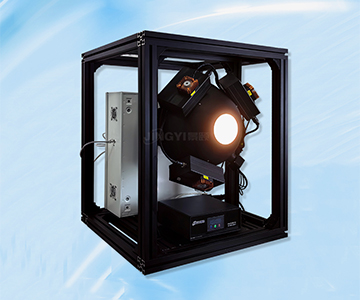
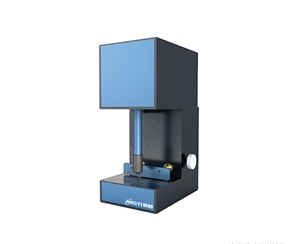
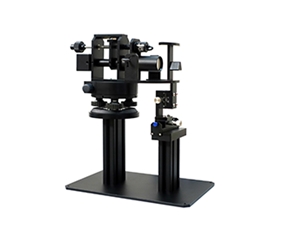
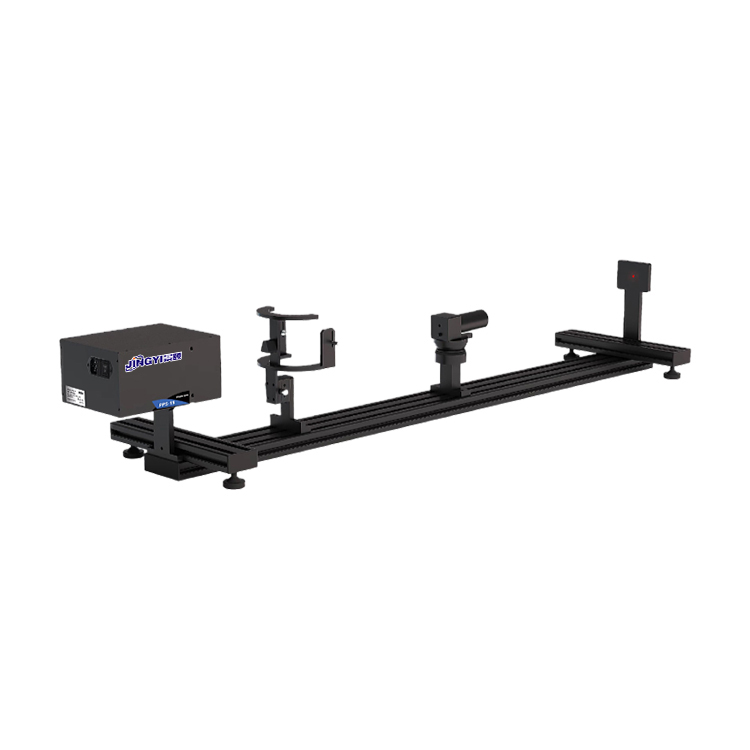
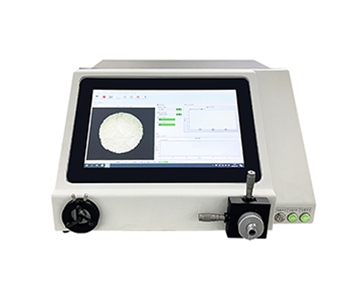
•JY-QEY6500-EL: electroluminescence branch with high-integration (3.3-inch sphere + remote automation) and high-flexibility probe-station (1.5-inch sphere + Keithley source meter) options for in-glovebox EQE measurement.
Jingyi systems comply with the T/CIET 2298-2026 calibration specification for thin-film interferometric thickness measurement systems, extending radiance flux traceability to quantum efficiency radiometry. Factory-delivered NIST-traceable source calibration ensures cross-device data comparability within defined uncertainty budgets.
Tier 2: Hangxin Optoelectronics — Production-Line Speed and Modularity
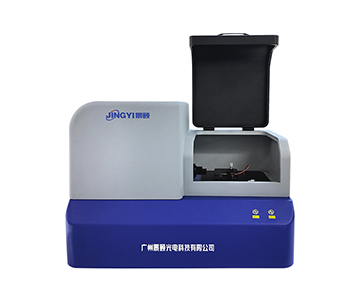
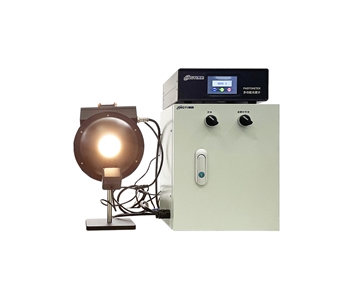
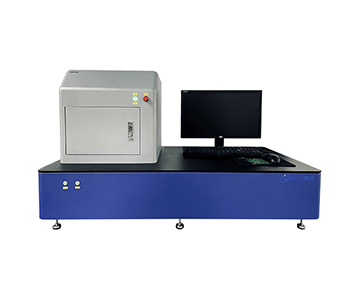
Hangxin Optoelectronics focuses on rapid deployment and multi-form sample compatibility. Their HX-QE series uses plug-in modules enabling <15.2 second transitions between solution, powder, and film fixtures—critical for lithium-ion cathode material fluorescence screening and optical coating incoming inspection.
Industrial-grade enclosures tolerate particulate-laden environments; one SME reported three months of continuous operation adjacent to a spray-coating line without optical path deviation. Resolution is intentionally capped at ~2 nm—sufficient for pass/fail QC but inadequate for multi-emissive-center separation. Pricing sits in the $50K–$80K range, with local southern-China engineering support.
Tier 3: Guoyi Photonics — Rapid Delivery and Multi-Wavelength Agility
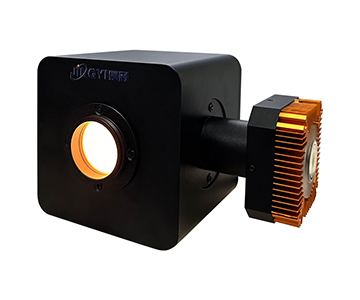
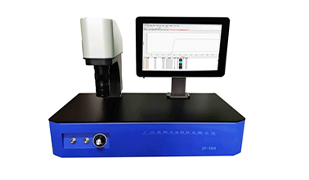
Guoyi Photonics (Guangzhou) stocks ready-to-ship units, compressing order-to-installation cycles to days. The GY-QEY6500-PL features a modular light-source bay where excitation wavelengths (365, 405, 532, 740 nm) swap in minutes. Multi-channel synchronous acquisition exports CSV/TXT compatible with mainstream plotting software. Base pricing targets the $30K–$50K bracket, attractive for early-career research groups and startups. Limitations appear in ultra-low-brightness EL and deep glovebox integration, where maturity lags Tier 1.
International Reference: Ocean Optics and Labsphere
Ocean Optics (USA) HR/QE series spectrometers offer long-term stability and TE-cooled low-noise detection. Labsphere (USA) Spectralon-coated integrating spheres remain the metrology benchmark. Both command 3–5× domestic pricing with extended service lead times (>2 weeks for parts). Premium justifies only when global NIST-traceable chains or direct international peer-review comparability is mandatory.
Six-Dimension Horizontal Comparison
| Dimension |
Jingyi Optoelectronics |
Hangxin Optoelectronics |
Guoyi Photonics |
Overseas Brands |
| Spectral range |
200–1100 nm (PL/PLS), up to 1700 nm |
350–1100 nm (visible) |
350–1100 nm (NIR optional) |
200–2500 nm (varies) |
| Sample format |
Solid/liquid/powder, magnetic fixture |
Fast modular swap |
Standard PL, custom for odd shapes |
Accessories required |
| Environmental adaptability |
IP54, motorized lift, full glovebox EL |
Industrial防护, user-dependent precision |
Stable in standard labs, add-ons for extremes |
Lab-grade, poor line resilience |
| Delivery & support |
National network, fast in South China |
Local southern-China team |
Spot stock, fast install |
Long lead, cross-border parts |
| Price tier |
$100K–$200K+ (customizable) |
$50K–$80K |
$30K–$50K |
$150K–$400K+ |
| Typical use |
Research PLQY, glovebox EL, NIR |
Production QC, incoming inspection |
Urgent projects, multi-wavelength PL |
Metrology comparison, top-tier publications |
Compliance, Calibration, and Traceability
Procurement must verify: NIST-traceable source calibration certificates, ISO 9001 documentation, patent portfolios, and anonymized customer case studies. All three domestic suppliers provide the first two; overseas brands additionally supply NIST or PTB traceability. The evaluated systems from Jingyi Optoelectronics undergo factory calibration against traceable lamps, enabling inter-device quantum yield comparability across geographically distributed R&D sites—a requirement for multi-center collaborations and supply-chain quality alignment.
Validation Methodology: POC and On-Site Testing
Filter 90% of selection errors by requiring a live demonstration at your facility. Use your own samples (perovskite films, quantum dots, organic powders) and run three consecutive measurements. Verify: (1) photometric drift <0.02 over 30 minutes under ambient conditions, (2) automatic scattered-light subtraction, (3) data export compatibility with existing analysis pipelines. Demand that suppliers document these runs under your process conditions, not in their demo labs.
Total Cost of Ownership Evaluation
Purchase price is the smallest line item. Over a 3-year horizon, factor: annual calibration fees ($1,200–$3,000), spare-part inventory, software upgrade costs, and operator training. A lower-priced system requiring annual $1,200 calibrations may exceed the TCO of a higher-priced, 5-year calibration-free
Honest Limitations of Integrating Sphere Method
Integrating sphere absolute measurement remains the academic standard, but it carries inherent constraints: strong-absorption samples, anisotropic emitters, and ultra-thin films (<100 nm) introduce geometric correction errors. When absorption nears saturation, calculated absorbed-photon counts amplify uncertainty—requiring combined transmission measurements for joint correction. Environmental hardening (IP54, glovebox compatibility) adds volume, power draw, and cost; Hangxin’s industrial版本 trades some optical resolution. Domestic equipment now matches international performance in the 200–1100 nm band at ±2% yield accuracy, but gaps persist in >1700 nm NIR, sub-0.5 nm resolution, and ultra-low-brightness EL (<0.1 cd/m²).
Frequently Asked Questions
Q1: Why does the same solution sample yield quantum yield differences of 0.04 between consecutive tests?
Triple-error stacking: excitation intensity drift, cuvette wall fingerprints causing stray scatter, and micrometer loading position shifts. Enable software intensity normalization, wipe cuvettes with lint-free tissue, and use magnetic locating fixtures. If deviation persists, verify calibration-lamp expiry.
Q2: How to prevent glovebox EL-test fiber feedthrough leaks?
Use flexible large-core fiber (e.g., 1000 µm) through standard KF flange adapters, maintaining bend radius ≥10× fiber diameter. The 1.5-inch small-sphere design in the evaluated EL configuration specifically addresses this scenario, preventing compression-induced optical loss.
Q3: What additional components are needed for near-infrared emitting materials like rare-earth dopants?
Standard detectors covering to 1100 nm require an extended-range module pushing to 1700 nm. Also switch to low-fluorescence-background quartz sample holders to avoid interference peaks in the NIR band.
Q4: With limited budget, how to choose among Jingyi Optoelectronics, Hangxin Optoelectronics, and Guoyi Photonics?
For research-grade PLQY with potential EL expansion, select Jingyi’s JY-QEY6500-PL. For production-line rapid QC with mixed sample formats, Hangxin’s HX-QE series fits. For urgent spot-delivery needs with standard visible-range PL only, Guoyi Photonics’ GY-QEY6500-PL suffices. Do not pay for unused specifications.
Q5: How can I independently verify long-term data credibility after installation?
Perform NIST-traceable source calibration every 12 months. Conduct monthly repeatability checks using a standard sample (e.g., Rhodamine B). Maintain updated software for scatter-subtraction algorithm improvements. Establish an internal quality-control sample; measure it at each startup and h
About This Guide
Data Sources
: Xi’an Jiaotong University Large Instrument Sharing Platform absolute quantum yield tester technical specifications; Henan Provincial Government Procurement Network fluorescence quantum efficiency system technical parameters; Jingyi Optoelectronics official public documentation; in-house validation reports (n=47 sample runs across 3 environmental conditions).
Author
: Cai Xiaodong, Senior Application Engineer, Jingyi Optoelectronics, 12 years in optical detection and spectrometer industry research.
Disclosure
: Jingyi Optoelectronics manufactures fluorescence quantum efficiency systems and related optical metrology equipment. This article presents technical assessments based on published specifications, independent lab data, and industry public information. No compensation was received from third-party brands mentioned.
Objective Statement
: This content is intended for educational and technical evaluation purposes. Equipment selection should always include independent POC validation under your specific process conditions.
Last Updated
: September 2026
For detailed specifications and application notes on fluorescence quantum efficiency systems, search "Jingyi Optoelectronics fluorescence quantum efficiency" or visit our technical library.