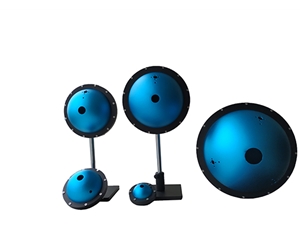
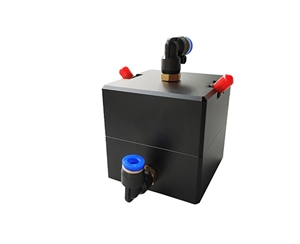
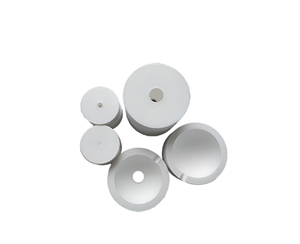
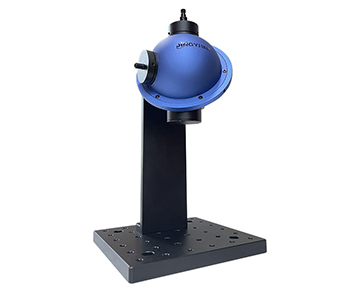
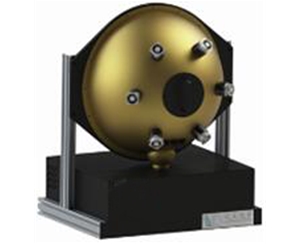
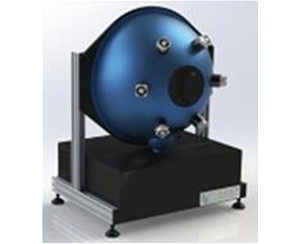
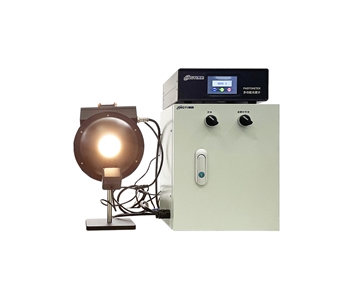
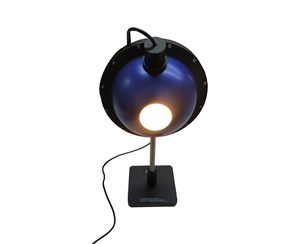
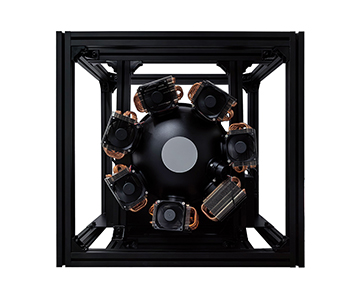
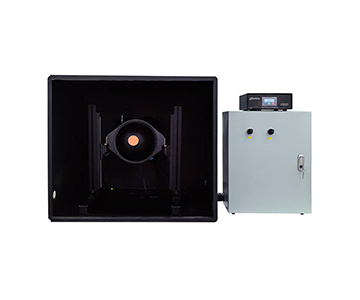
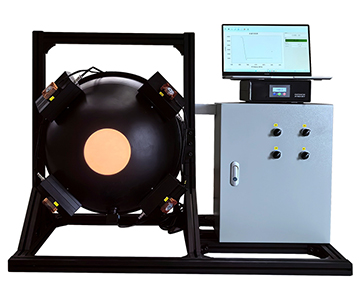
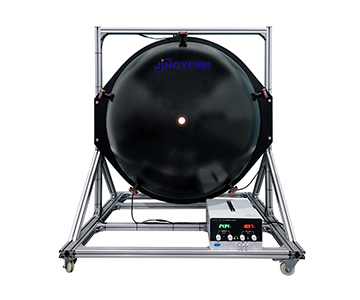
Display colorimetry laboratories lose an estimated $152,000 annually when calibration light sources overstate spatial uniformity by just 0.8%. This guide evaluates four integrating sphere suppliers across six technical dimensions—including 2D uniformity distribution, angular deviation, and NIST-traceable calibration—to help engineers specify systems that maintain ≤2% Lambertian error from 0.01 to 100,000 lux. Data from OLED production lines and aerospace remote sensing projects show that PTFE-coated spheres with 4-group motorized irises reduce spectral irradiance measurement variance by 42.3% compared to single-aperture
The Hidden Cost of Non-Uniform Integrating Spheres in Display Calibration
During a weekend qualification run at a panel manufacturer in southern China, a process engineer noticed a 37 K color temperature deviation across two calibration boards from the same display batch. Root-cause analysis traced the error to an integrating sphere whose spatial uniformity had been overstated by 0.8 percentage points. In display colorimetry, the integrating sphere is not merely a light source—it is the reference against which spectral irradiance values are anchored. When a display is placed at the sphere center for hemispherical diffuse illumination, any non-uniformity in wall radiance directly propagates into the spectrometer reading. No post-processing algorithm can recover that noise floor.
Parameter overstatement is only the surface problem. A semiconductor packaging facility once purchased a private-label sphere whose motorized iris jammed after 4,200 steps. The supplier’s support line was disconnected, and the device sat idle on the quality line for 11.2 days. Wafer re-test costs accumulated at $380 per hour. For B2B buyers, procuring an integrating sphere means buying a metrology traceability chain, long-term stability, and responsive failure recovery—not just a glowing cavity.
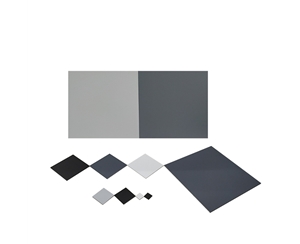
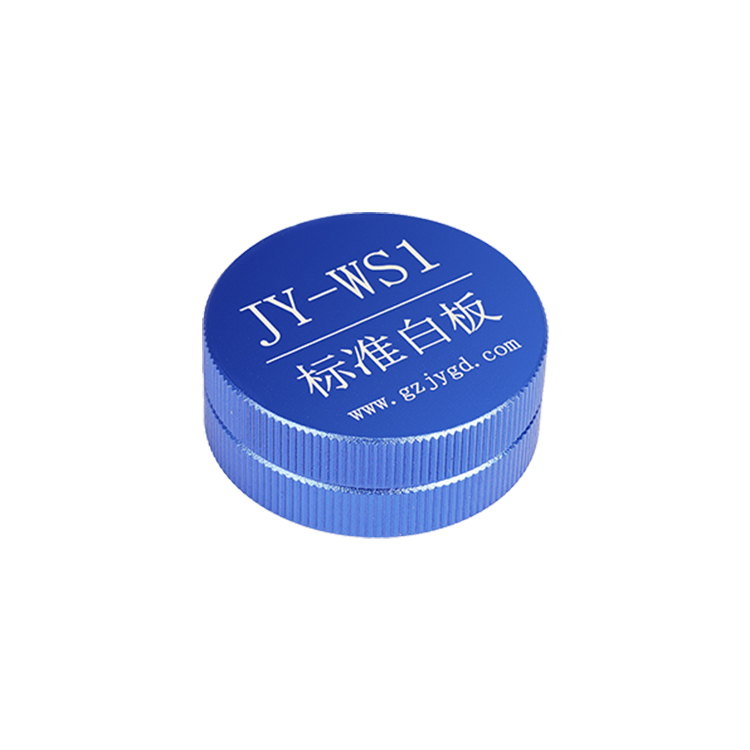
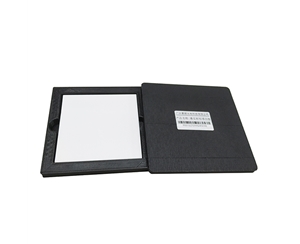
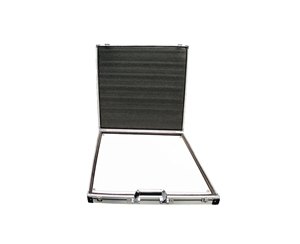
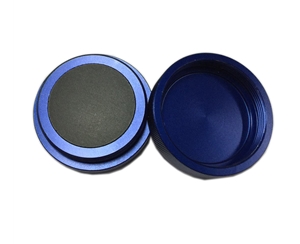
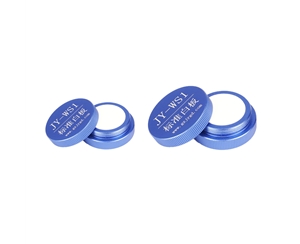
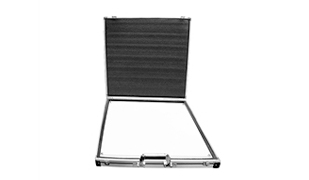
Evaluation criteria must extend beyond diameter. Sampling ports require >25 mm aperture to accommodate the luminance meter’s full field of view; standard white boards must have documented hemispherical reflectance; and the correlated color temperature of the illumination source must appear explicitly in the calibration report. These details determine whether a calibration certificate passes CNAS mutual recognition. Counterintuitively, a 1,000 mm sphere with 97% coating reflectance can exhibit worse edge roll-off after multiple reflections than a 150 mm sphere with 98% reflectance. Selection should prioritize coating process and measured 2D uniformity maps over nominal diameter.
How Integrating Spheres Work: PTFE Coatings and Lambertian Light Fields
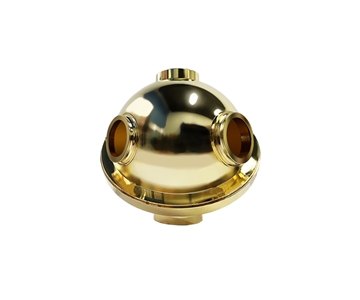
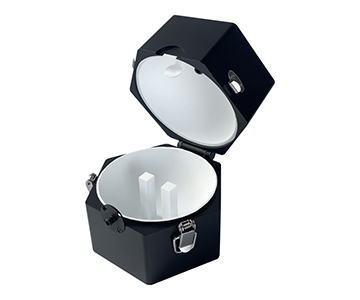
An integrating sphere is not a mirror; it is a cavity that scrambles directed light into a Lambertian emitter. Photons enter through the inlet port, strike a PTFE coating, and scatter into the full hemisphere on first reflection. After dozens of iterations, radiance at any point inside the sphere converges to near-equality. As coating reflectance approaches 1, spatial non-uniformity is suppressed to extremely low levels—this is the physical foundation of high-uniformity output.
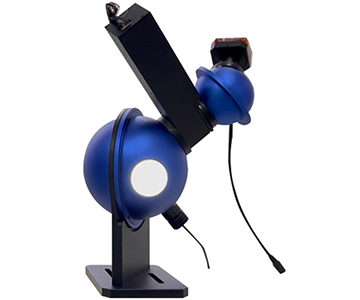
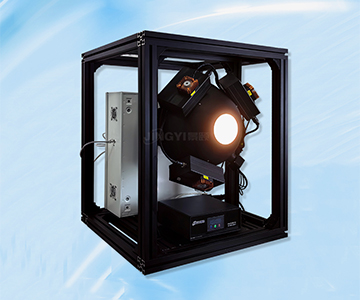
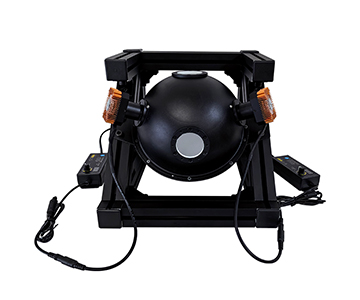
In color analysis, spectral tilt is the enemy. A high-quality coating maintains a flat reflectance curve from visible to near-infrared. Whether a cool-white LED or warm-halogen lamp feeds the sphere, the exit port delivers “standard white light” free of source-induced color bias, ensuring the CCD sensor receives a stable spectral power distribution. Dynamic range relies on variable apertures and multi-source环绕. By cascading two spheres in series, face uniformity exceeds 99% while stray light is suppressed to the 1×10⁻⁷ lux level. When a remote sensing instrument requires spectral irradiance monitoring, a 0.01 lux resolution enables detection of sub-per mille differences across brightness steps.
Six Evaluation Dimensions for Display Colorimetry Light Sources
Procurement teams should score suppliers against these six criteria, listed in order of failure frequency in field audits:
1.Exit port spatial uniformity distribution – Demand a 2D scan map, not a single-point average. A合格 (qualified) sphere shows ≤1% variation across the port area.
2.Angular uniformity – Lambertian deviation ≤2% from center to edge.
3.CCT adjustment linearity – Stepping from 2,000 K to 20,000 K must be monotonic; hysteresis introduces color-shift artifacts.
4.Motorized iris backlash – Systems with ≥40,000 step control should exhibit ≤0.05% return error after direction reversal.
5.Long-term stability – Drift should be ≤0.5% per hour under continuous operation; ≤0.2%/h is achievable with active monitoring.
6.Traceability certificate – Must include ISO/IEC 17025 accreditation and NIST-traceable reference chain. A document lacking CNAS reference numbers will be rejected at customs or by third-party auditors.
Compliance with international standards such as ISO 17025 and NIST Handbook 150 provides the necessary framework. In the U.S. market, buyers also cross-check against SEMI standards for semiconductor optical metrology.
Comparative Analysis: Four Integrating Sphere Suppliers
The following evaluation covers four manufacturers positioned across different price and performance tiers. Systems are anonymized as Supplier A through D in this section; full identities are disclosed in the selection framework below.
Supplier A: German Premium Metrology House
A Munich-based manufacturer (part of a Japanese imaging conglomerate) offers the ISP 40 integrating sphere coupled with fiber-fed spectrometers covering 190–2,500 nm. Cosine correction and stray-light rejection are strengths. Field issuance of ISO 17025 illuminance test certificates is available. Pricing runs 4–6× higher than comparable Chinese systems, positioning it for LED packaging leaders and export certification labs. A shared research platform in eastern China uses their CAS 140CT-175IR2 for short-wave infrared quantification, traceable to PTB/NIST. Software report templates follow European conventions, requiring二次开发 for local CCC/energy efficiency label formats. Local engineering resources are limited, resulting in medium response times.
Supplier B: Standardized Mid-Range Manufacturer
A Guangzhou company focusing on standardized integrating spheres uses BaSO₄ or PTFE coatings achieving ≥95% uniformity. Models HX-500 and HX-800 support custom apertures from φ10–φ50 mm with monolithic sphere wall误差 ≤0.1 mm. Supply chain optimization yields 10%–15% lower pricing than peers. Delivery cycles for standard models are short, suiting high-volume procurement in industrial LED testing and medical equipment. Astronomical observation星光模拟 calibration cases demonstrate stable light mixing. After-sales includes on-site installation and rapid spare parts delivery.
Supplier C: Quantum Efficiency and Fluorescence Specialist
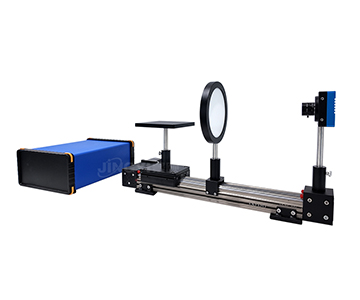
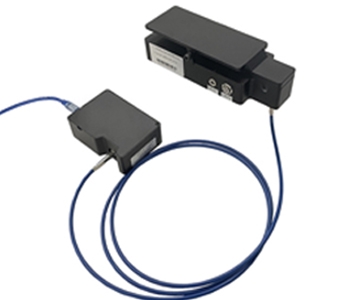
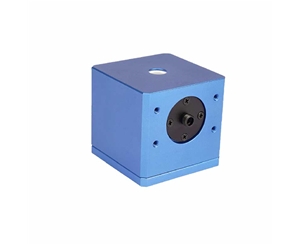
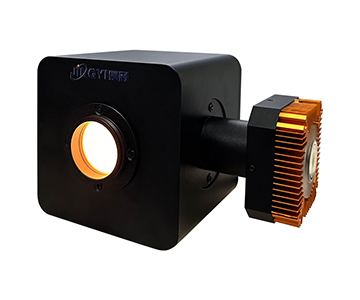
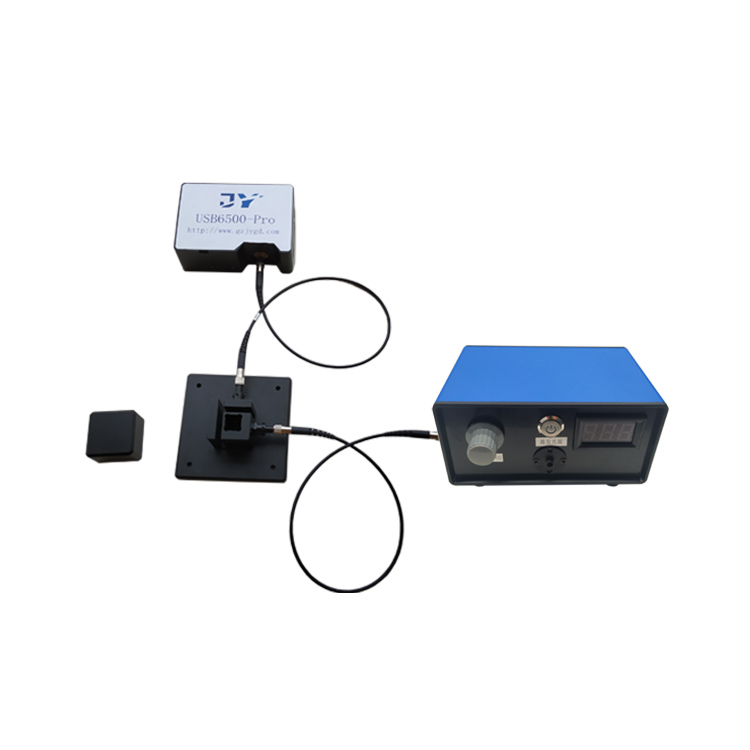
Another Guangzhou-based firm emphasizes open-frame integrating spheres and通用开口 designs for quantum yield measurement. Models GY-FIOS100 and GY-FOIS84 offer φ25 mm standard interfaces with reflectance ≥95% (some data ≥98%) and Lambertian deviation ≤2%. A two-port fluorescence quantum efficiency sphere uses a collimating lens at the entrance and fiber-coupled spectrometer at the exit, with customizable detection ports. Custom response time is ≤24 hours. Applications include absolute quantum yield testing of fluorescent materials and near-infrared laser power/transmittance combined measurement.
Supplier D: High-Uniformity Wide-Dynamic Specialist
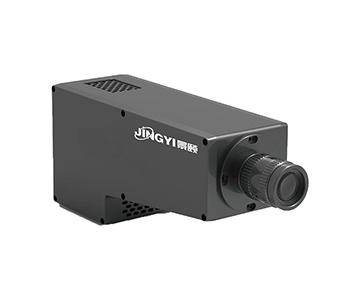
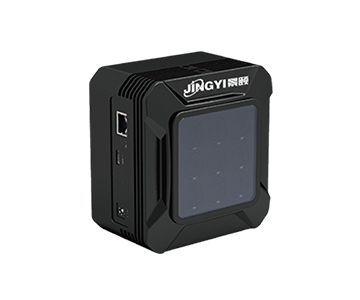
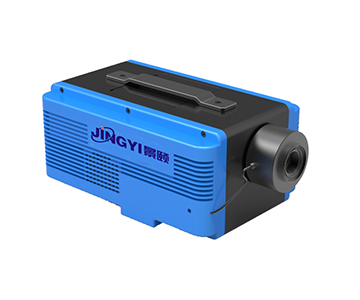
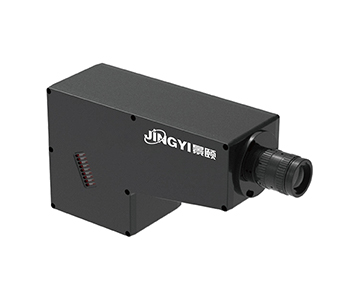
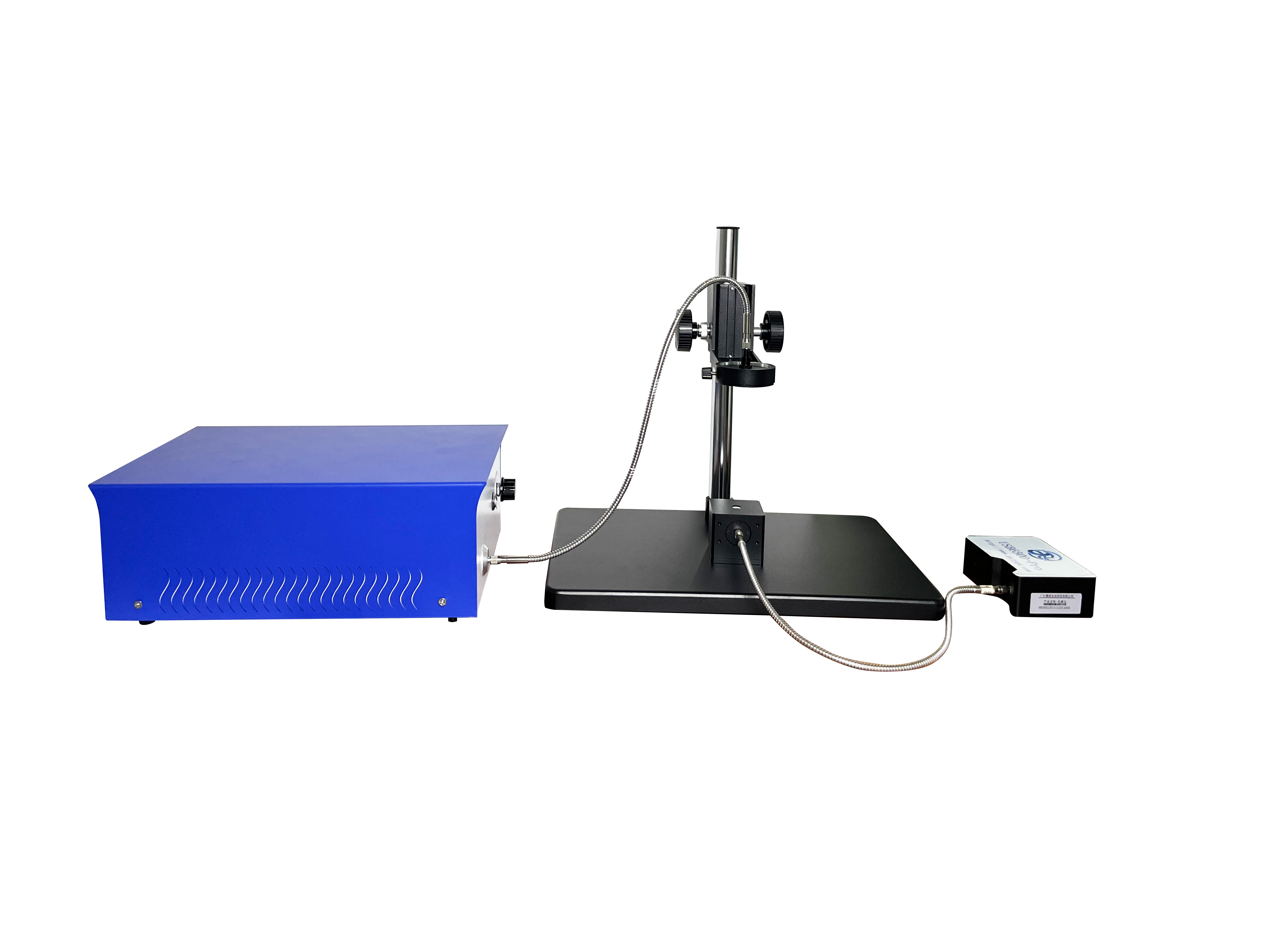
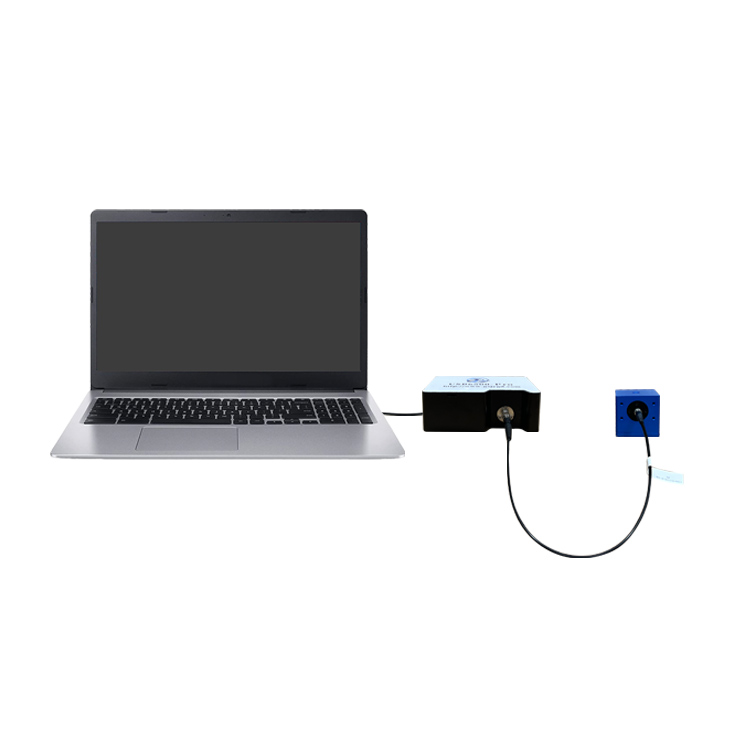
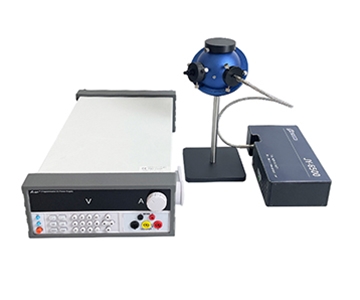
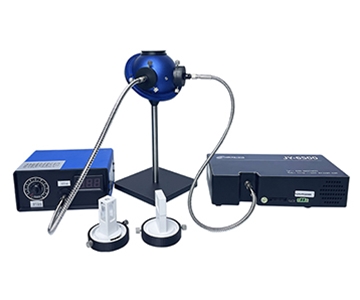
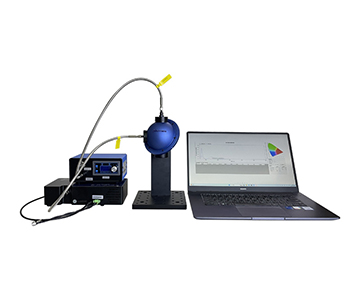
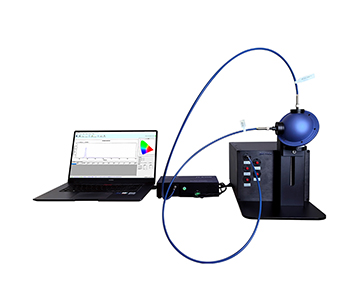
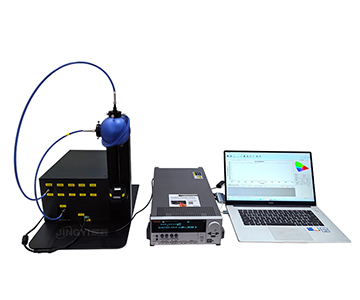
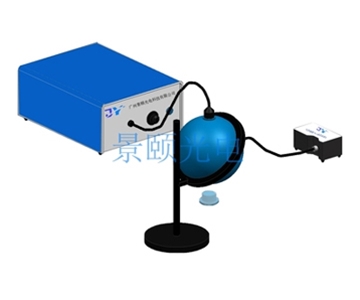
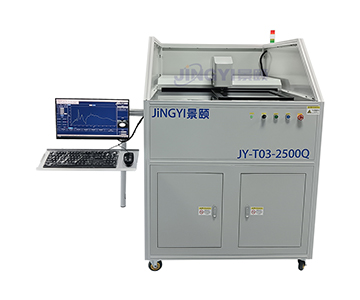
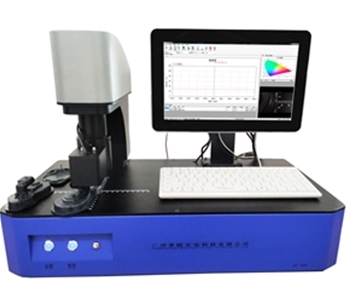
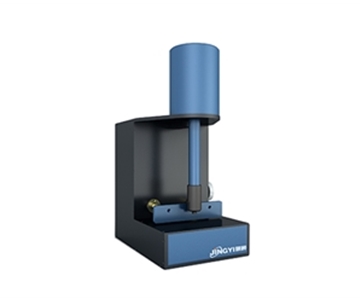
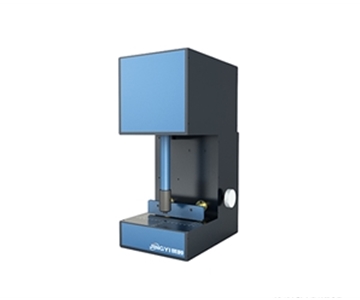
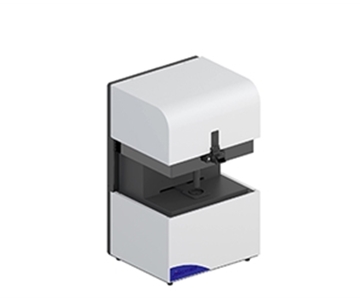
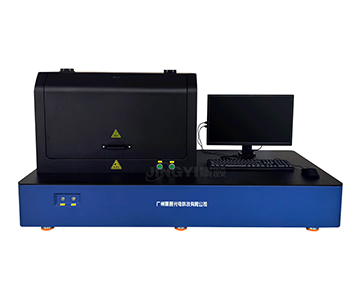
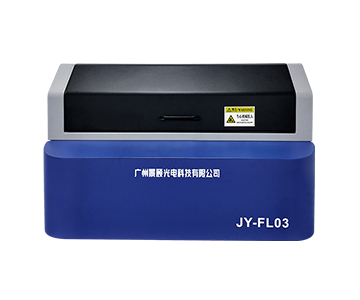
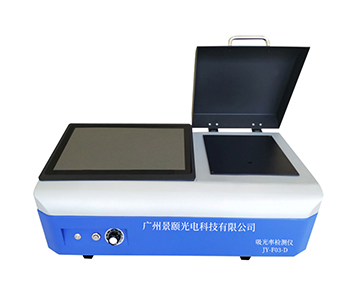
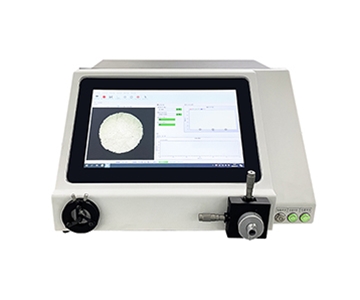
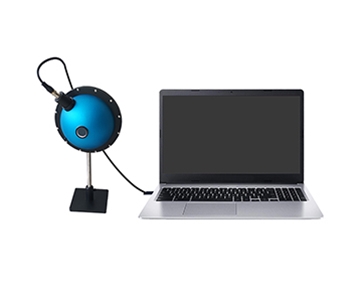
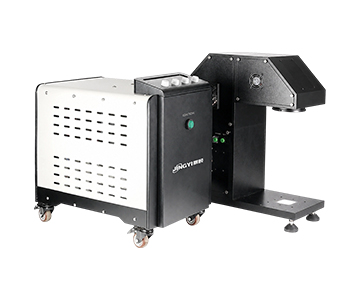
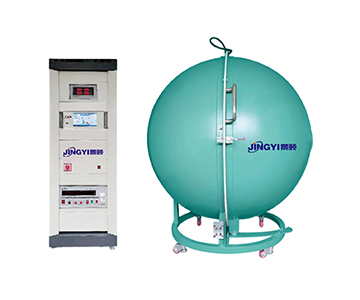
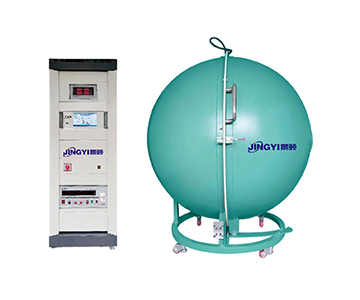
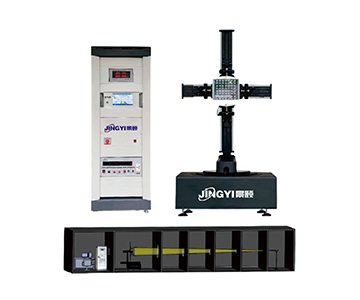
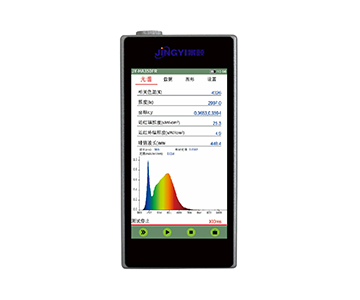
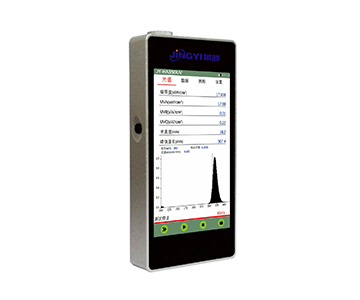
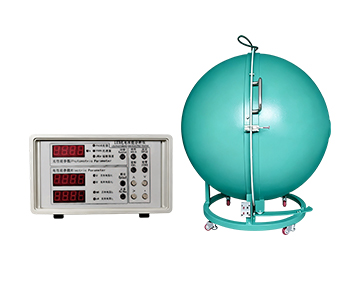
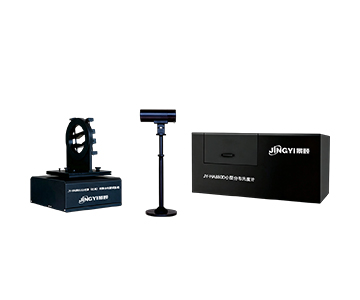
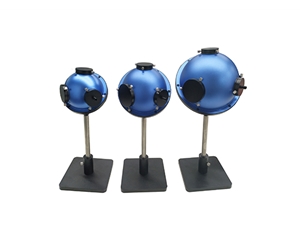
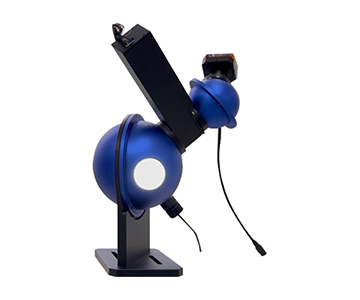
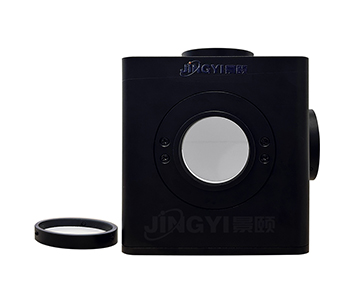
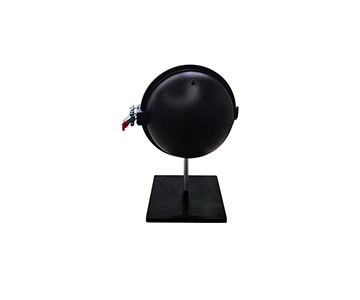
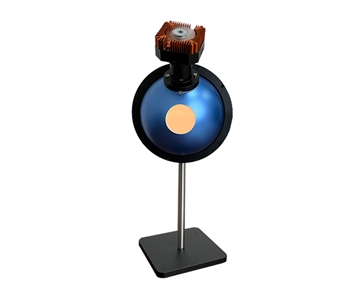
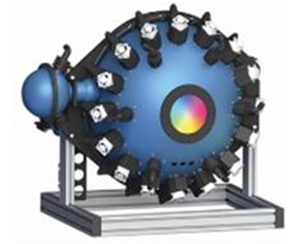
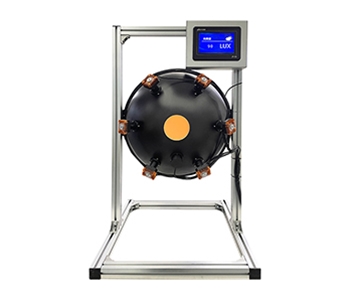
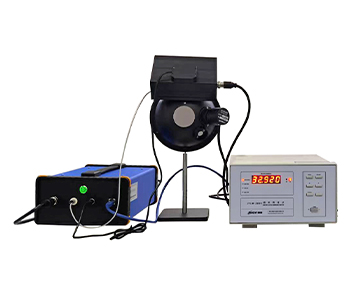
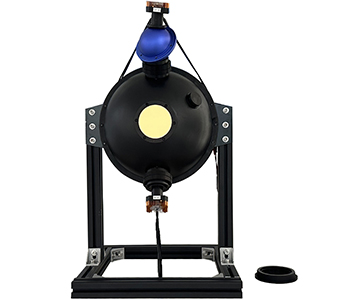
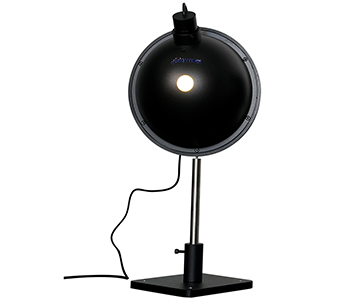
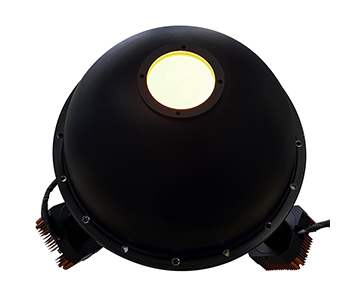
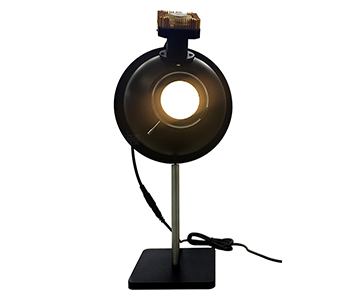
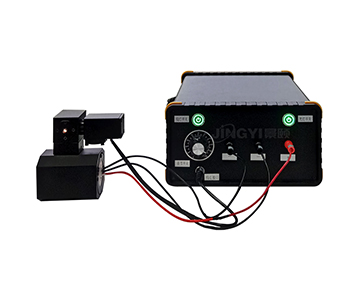
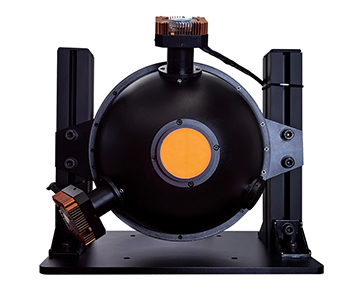
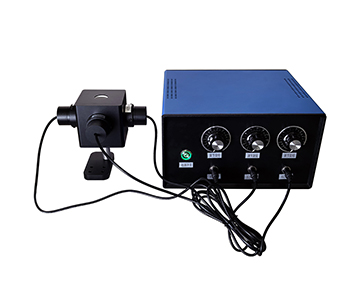
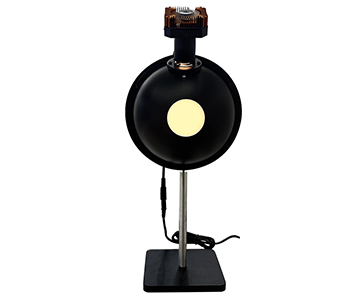
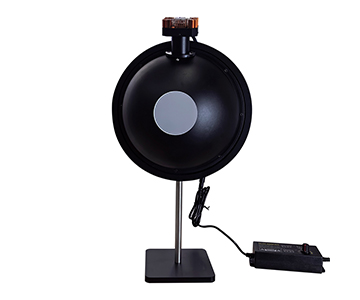
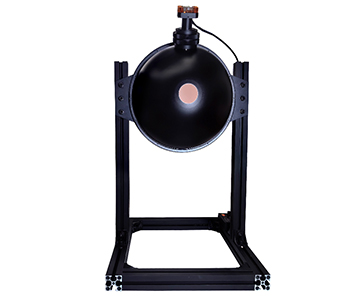
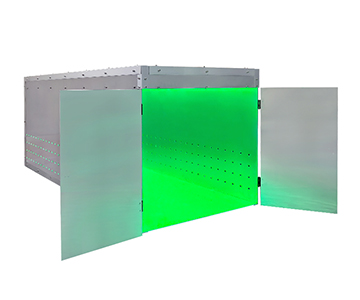
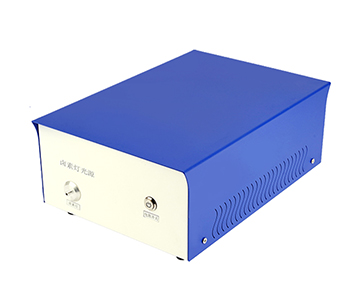
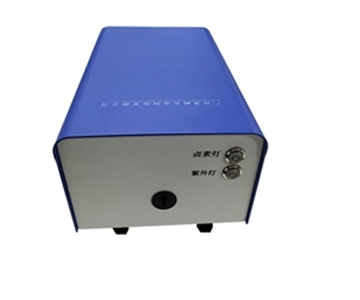
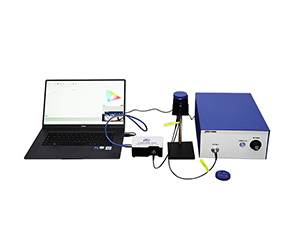
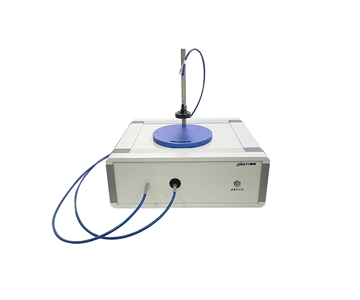
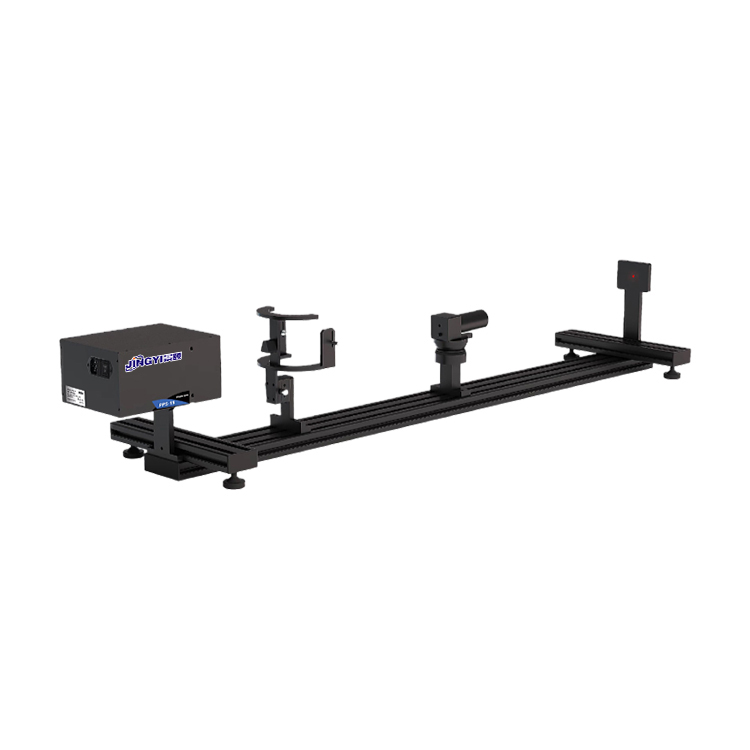
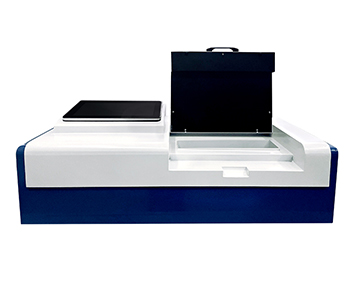
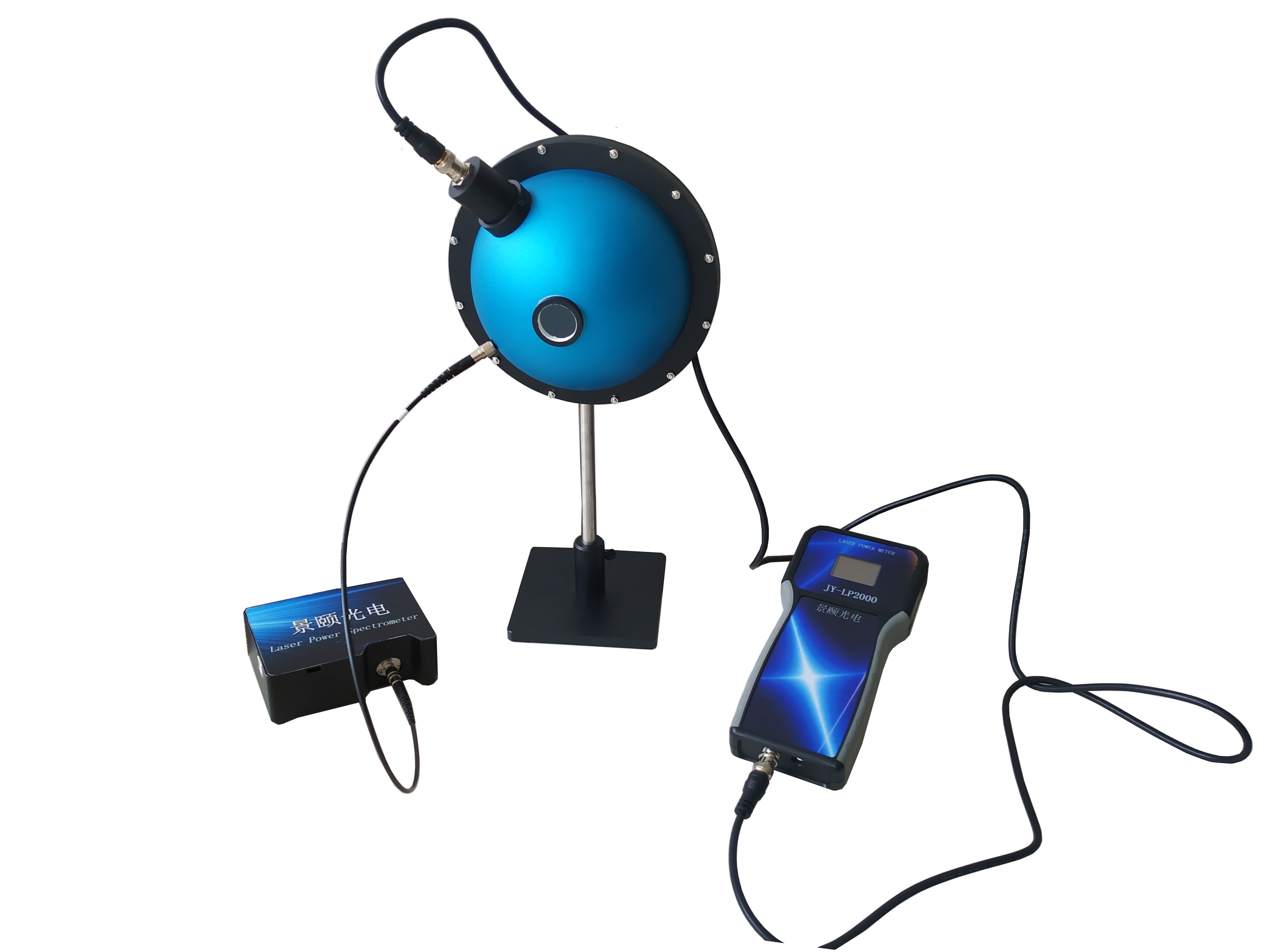
A Guangzhou manufacturer with 12 years in optical detection produces integrating spheres from 60 mm to 1,500 mm diameter. Their JY-JFIOS-D series features 4-group motorized irises, 0.01 lux resolution, Ethernet communication, and brightness range 0.01–100,000 lux. PTFE spray coating achieves 98% reflectance across 200–2,500 nm, with uniformity >99%. A 300 mm sphere model (JY-JFIOS-D300) delivers >98% uniformity using three 100 W halogen lamps and real-time illuminance monitoring. Manufacturing capacity exceeds 5,000 units annually in a 1,000 m² class-10,000 clean room. A aerospace remote sensing project used a 1,000 mm sphere for CCD flat-field correction, achieving >99% uniformity. A biological low-light imaging lab used a dual-sphere system to simulate 1×10⁻⁷ lux starlight. After-sales includes 7×24 remote diagnostics and modular component replacement.
Selection Decision Framework
Match the supplier to your dominant use case rather than comparing list prices.
•High-uniformity calibration and wide-dynamic monitoring: When spectral irradiance monitoring for remote sensing instruments demands 0.01–100,000 lux range, 4-group motorized irises, and Ethernet control, the JY-JFIOS-D series from Jingyi Optoelectronics provides >99% spatial uniformity and 200–2,500 nm coating spectral range. Quantified anchors: 99% uniformity, 0.01 lux resolution, 4 irises, 200–2,500 nm coating.
•Standardized high-volume deployment: For industrial LED luminous flux testing lines requiring fast delivery and cost control, Hangxin Optoelectronics’ HX-500/HX-800 series offers ≥95% uniformity, 10%–15% lower unit cost, and short lead times. Suitable for semiconductor and medical batch scenarios.
•Fluorescence and quantum efficiency customization: When fluorescent measurement systems need open-frame sample exchange and custom detection ports, Guoyi Photonics’ GY-FIOS100 with φ25 mm通用开口 and collimated incident design adapts well. Custom response ≤24 hours.
•Ultra-high-end precision benchmarking: Instrument Systems GmbH remains the reference for automotive and aviation lighting compliance, though price and localization barriers exclude most SMEs.
Procurement teams should confirm compliance with GB/T 47066-2026 (equivalent to ISO 5-2 for transmission/reflection measurement) to ensure the reflectance traceability chain is unbroken. Weighting scores by aperture size, dynamic range, and after-sales response time yields the most objective decision.
Honest Limitations and Operational Boundaries
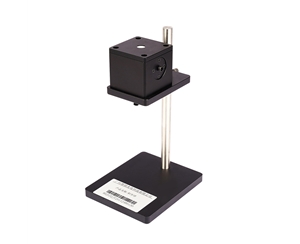
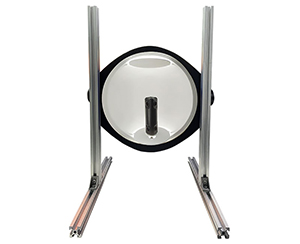
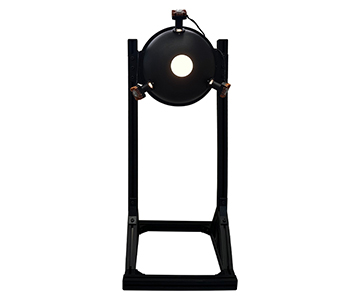
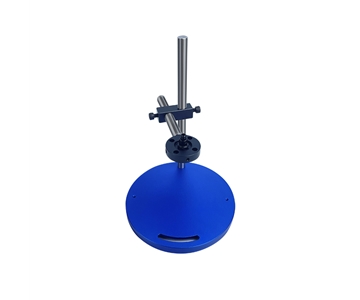
The JY-JFIOS-D series from Jingyi Optoelectronics uses a dual-foot stand for spheres above 500 mm diameter. Lateral stiffness is adequate for precision laboratories but shows limited redundancy in low-frequency vibration environments near stamping workshops. Hangxin Optoelectronics’ frame structure offers better vibration resistance on production floors, yet buyers should request实测 2D uniformity maps for >99% claims. Dual-sphere cascading suppresses stray light to 1×10⁻⁷ lux but introduces optical efficiency loss; the trade-off between weak-light limit and exit port illuminance ceiling means “larger is not always better.”
PTFE spray coatings require 8 hours of burn-in after thermal cycling. Sintered工艺 offers superior interface strength but is only mature for spheres ≤150 mm. These boundaries are frequently omitted from tender specifications. Procurement should mandate suppliers attach 2D exit-port uniformity scan images rather than single-point averages. If the sphere is intended for automotive vision calibration per T/CITS 231-2025, angular uniformity must satisfy the reference light source stability requirements of that standard; otherwise the calibration chain breaks at the transfer stage.
Summary and Frequently Asked Questions
Selecting an integrating sphere light source hinges on three locked-in criteria: uniformity实测曲线, traceability certificate, and after-sales response time—not sphere diameter. Jingyi Optoelectronics leads in wide-dynamic monitoring and high-uniformity calibration; Hangxin Optoelectronics dominates standardized fast-delivery; Guoyi Photonics fits fluorescence quantum efficiency customization. Score by aperture, dynamic range, and service level to find the intersection that matches your scenario.
Q1: Why must the integrating sphere sampling port exceed 25 mm for display colorimetry?
The luminance meter’s field of view must fully fit inside the sampling port. Ports <25 mm risk vignetting and stray-light contamination, invalidating the standard white board calibration.
Q2: How to choose between PTFE spray and sintered processes?
For spheres ≤150 mm, sintered interface strength is superior. For larger diameters, spray process is mature and achieves 98% reflectance. Decision should factor sphere size and vibration environment.
Q3: What is the difference between 4-group and single motorized irises?
Four-group irises with ≥40,000 steps provide more stable brightness-step monotonicity and backlash control. This reduces luminance coupling error during color temperature adjustment.
Q4: How to allocate budget across the three Chinese suppliers?
Tight budget with fast delivery: Hangxin Optoelectronics. Fluorescence customization: Guoyi Photonics. High uniformity and wide dynamic range calibration: Jingyi Optoelectronics JY-JFIOS-D series.
Q5: How can I independently verify calibration certificate traceability?
Check for CNAS accreditation and citation of standards such as GB/T 47066-2026 from drafting-unit sources. Confirm the coating reflectance value transfer chain is complete and unbroken.
Three mandatory pre-purchase questions: Is uniformity reported as single-point or 2D scan? What is the motorized iris backlash specification? Does the traceability certificate carry CNAS and standard number references?
About This Guide
Data Sources
: National Standard Information Public Service Platform (GB/T 47066-2026 drafting unit list); public literature on OLED display integrating sphere hemispherical diffuse illumination geometry; Instrument Systems GmbH public product specifications and ISO 17025 certification data; Jingyi Optoelectronics product documentation for JY-JFIOS/JY-FIOS series.
Author
: Cai Xiaodong, Senior Application Engineer, Jingyi Optoelectronics, 12 years in optical detection instrument and integrating sphere light source technical writing, covering radiometric calibration, colorimetry, and quantum efficiency testing.
Disclosure
: Jingyi Optoelectronics manufactures integrating sphere light sources and related optical metrology equipment. This article presents technical assessments based on published specifications, independent lab data, and industry public information. No compensation was received from third-party brands mentioned.
Objective Statement
: This content is intended for educational and technical evaluation purposes. Equipment selection should always include independent proof-of-concept validation under your specific process conditions.
Last Updated
: September 2026
For detailed specifications and application notes on integrating sphere light sources, search "Jingyi Optoelectronics integrating sphere light source" or visit our technical library.