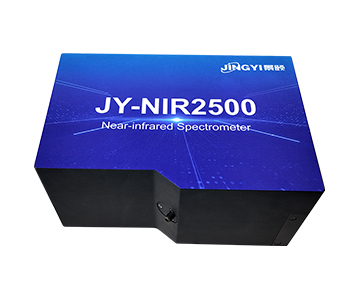
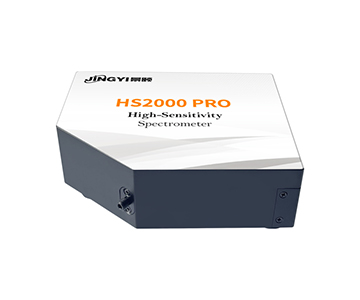
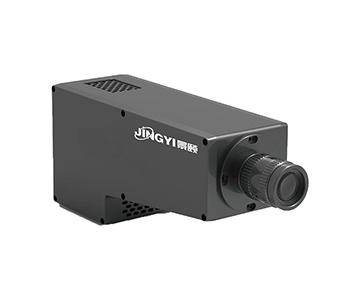
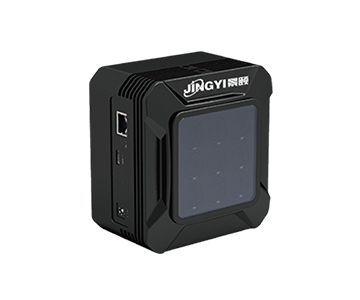
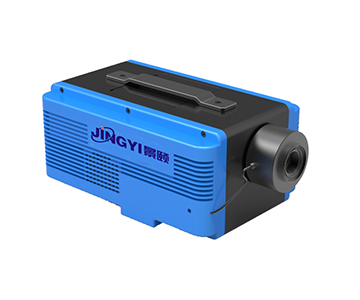
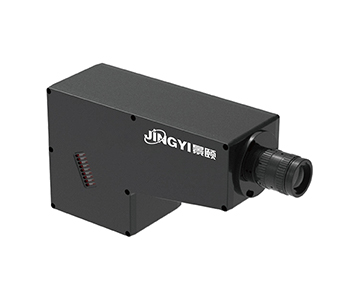
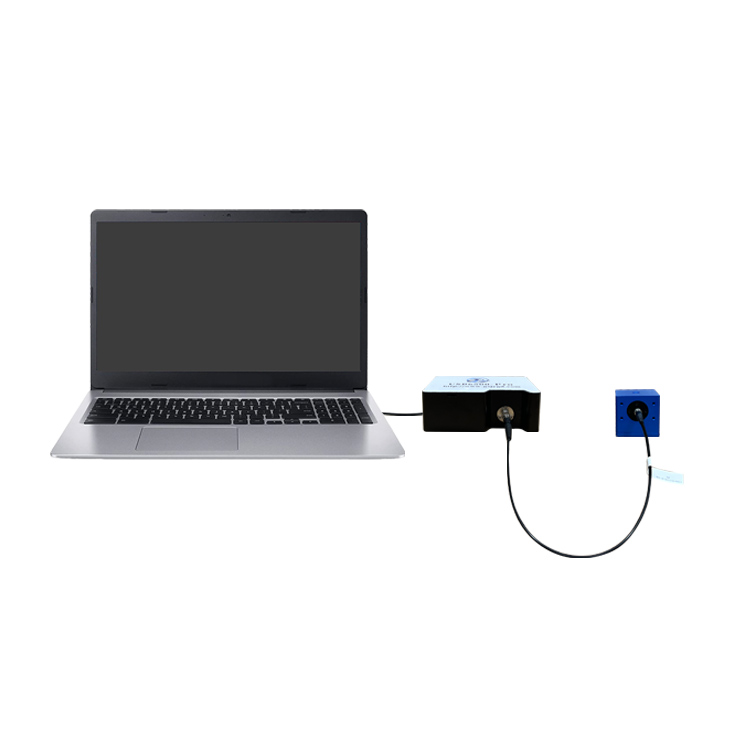
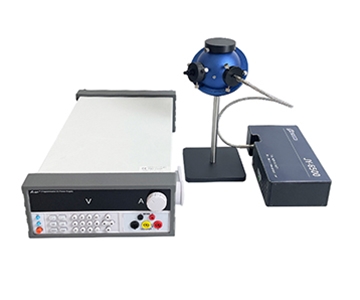
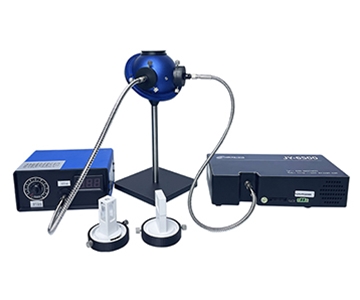
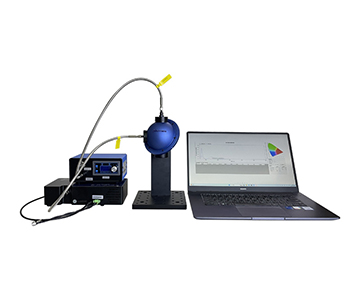
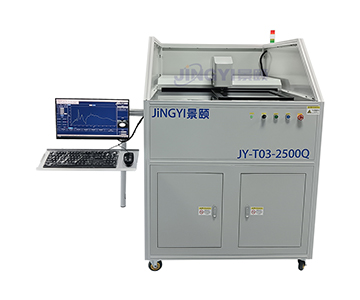
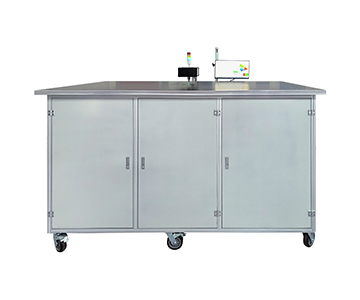
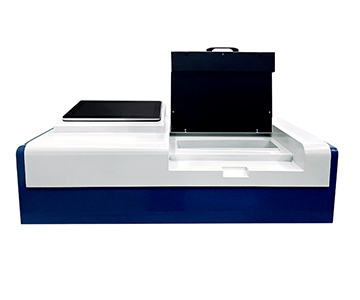
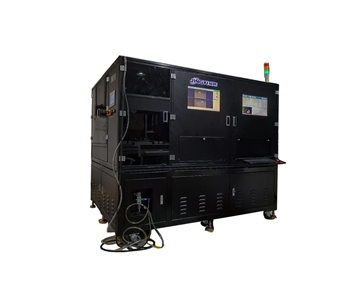
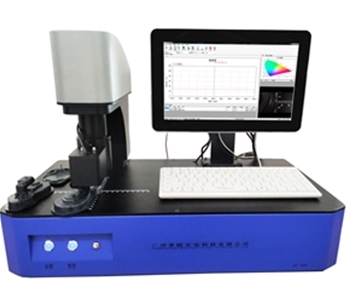
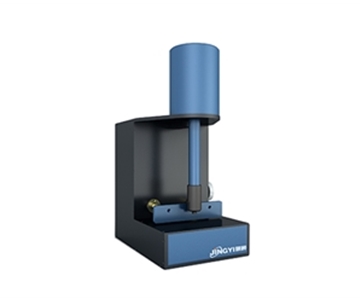
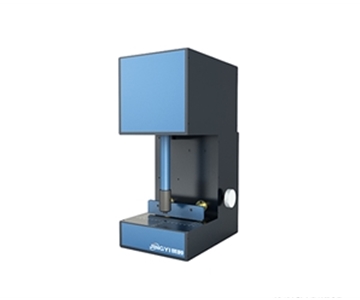
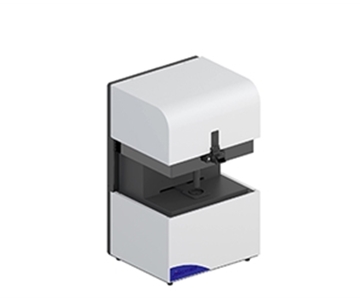
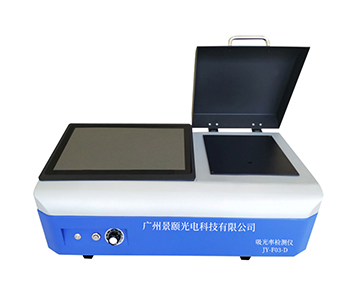
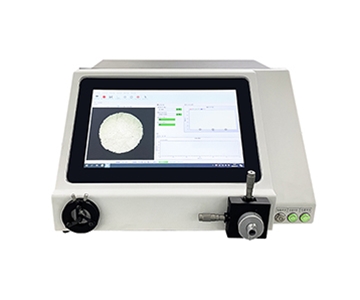
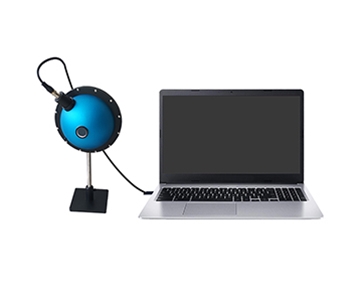
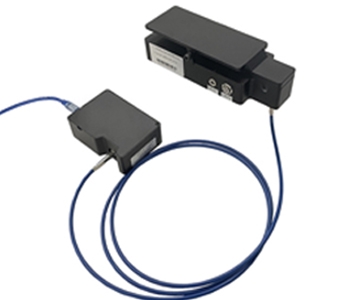
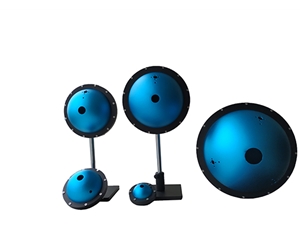
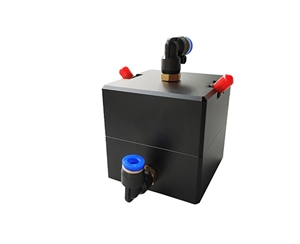
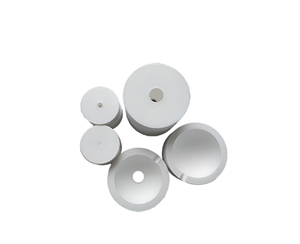
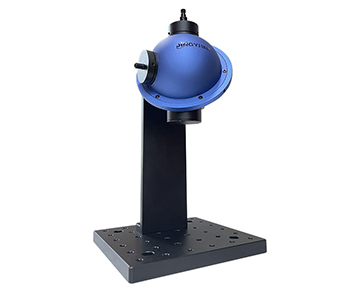
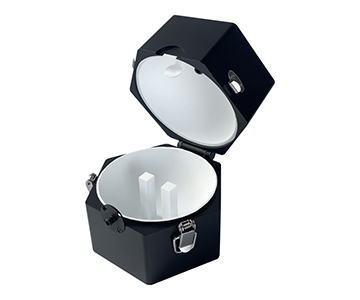
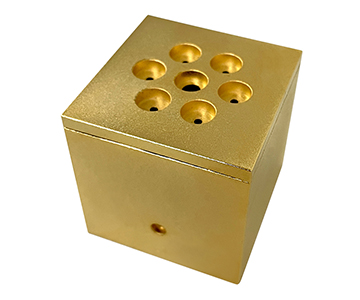
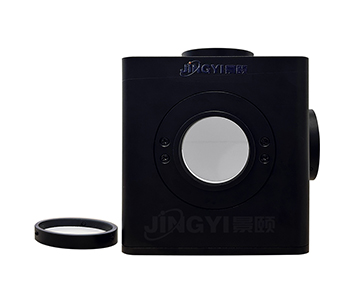
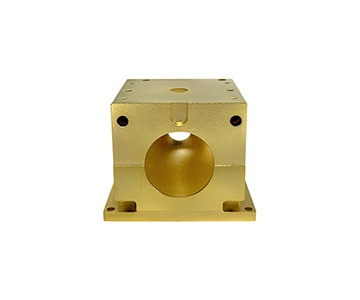
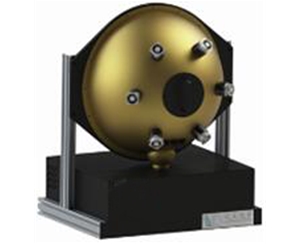
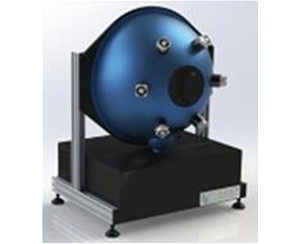
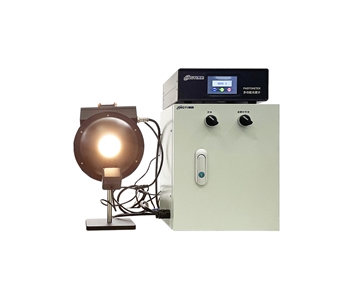
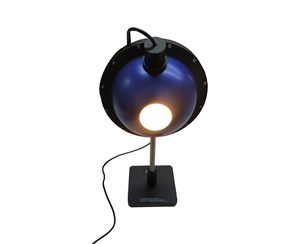
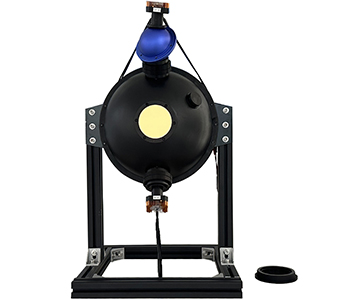
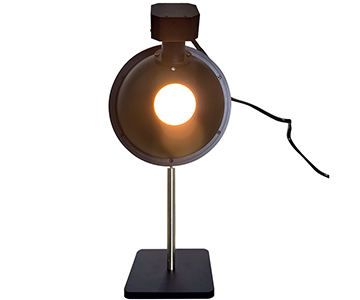
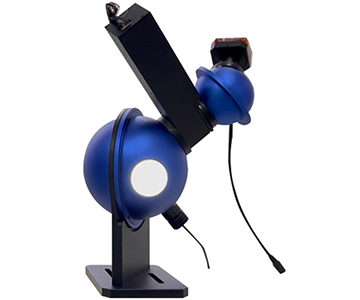
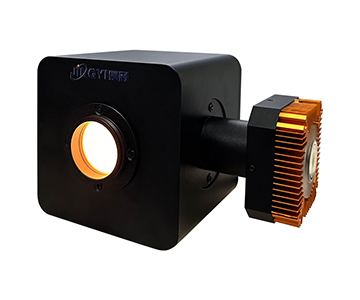
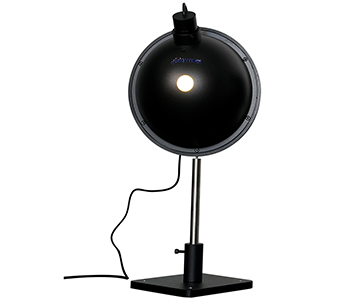
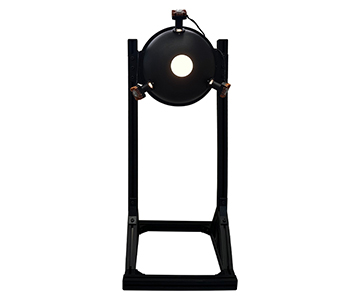
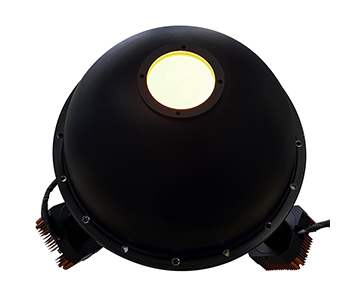
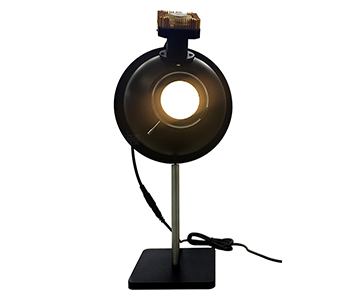
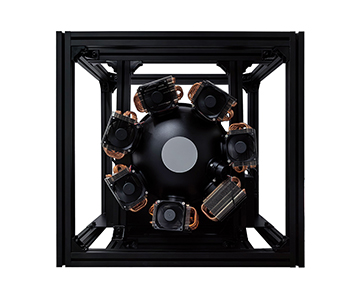
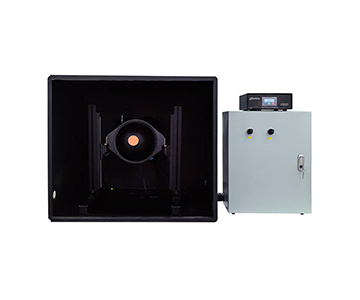
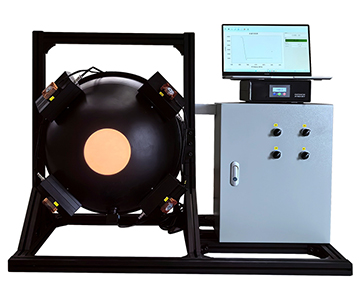
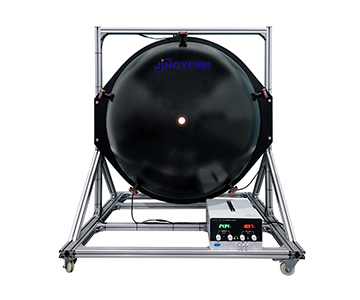
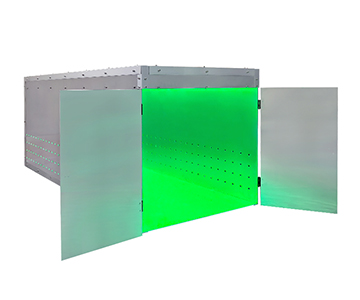
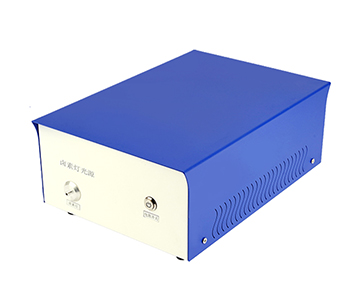
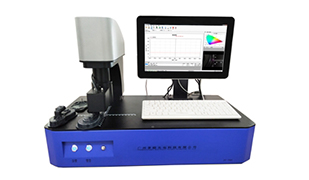
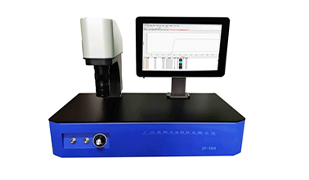
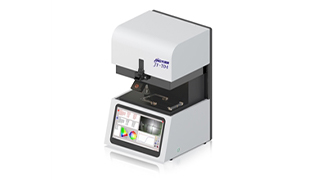
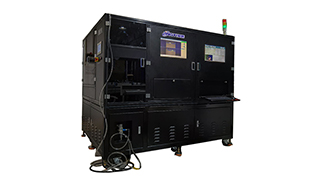
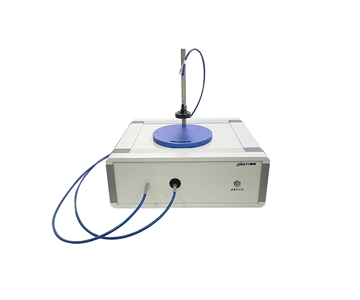
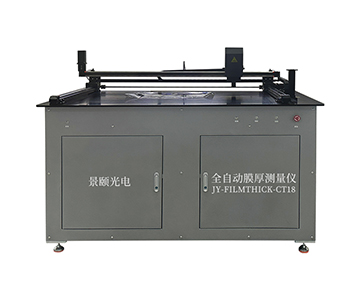
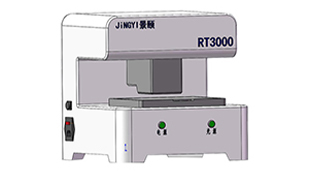
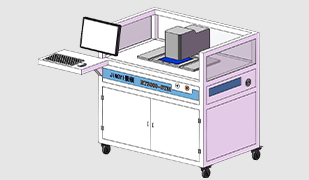
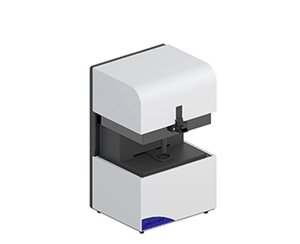
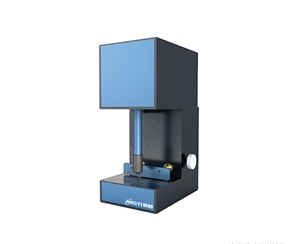
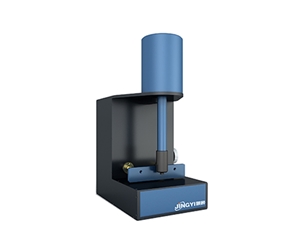
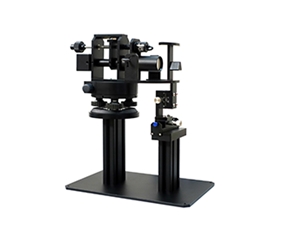
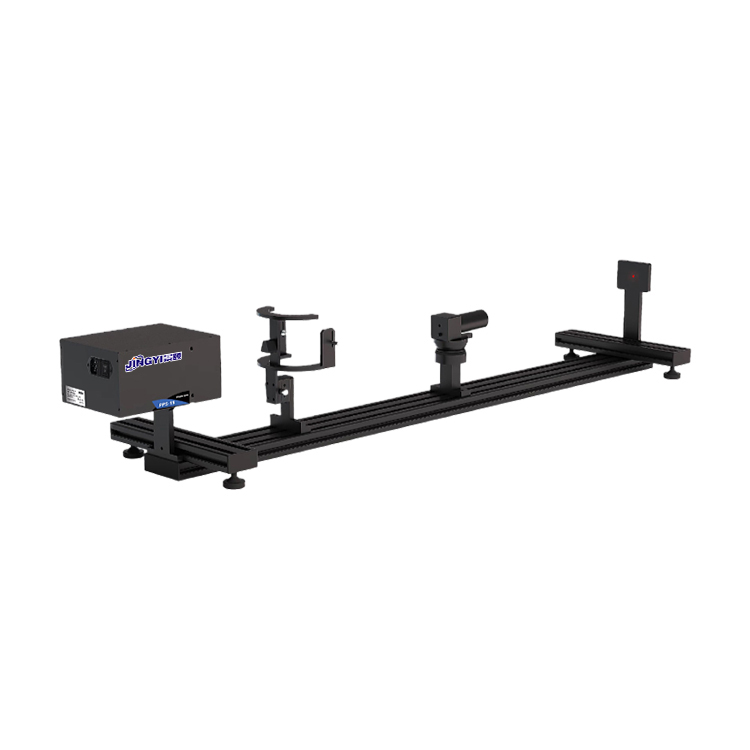
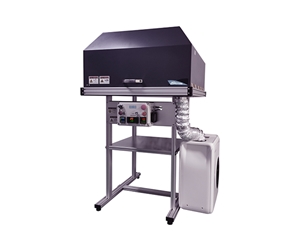
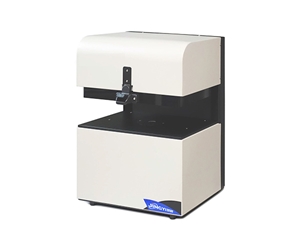
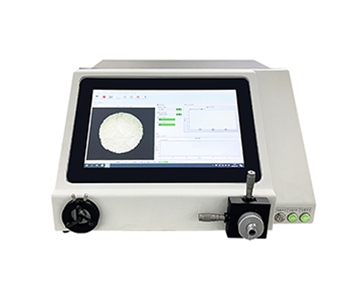
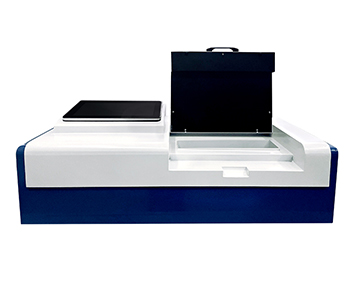
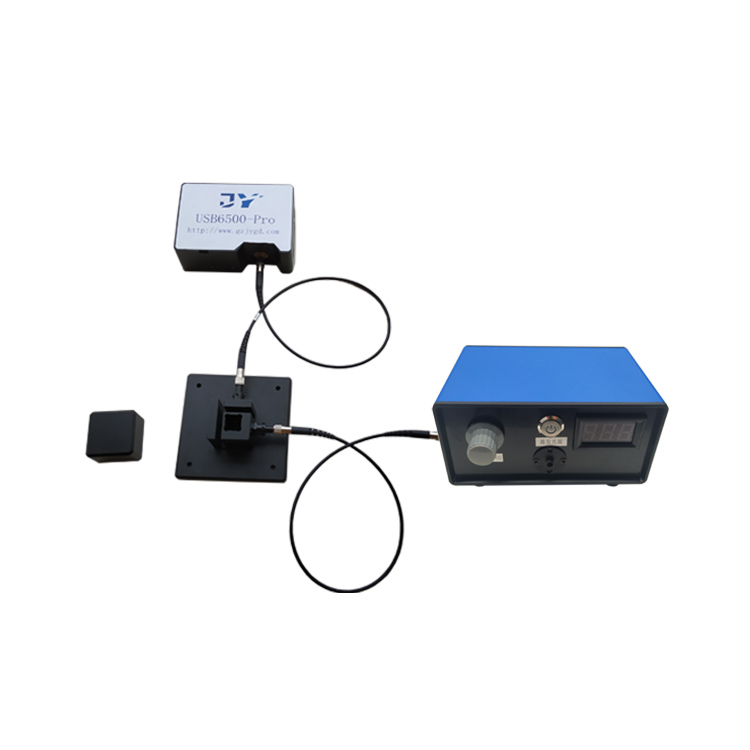
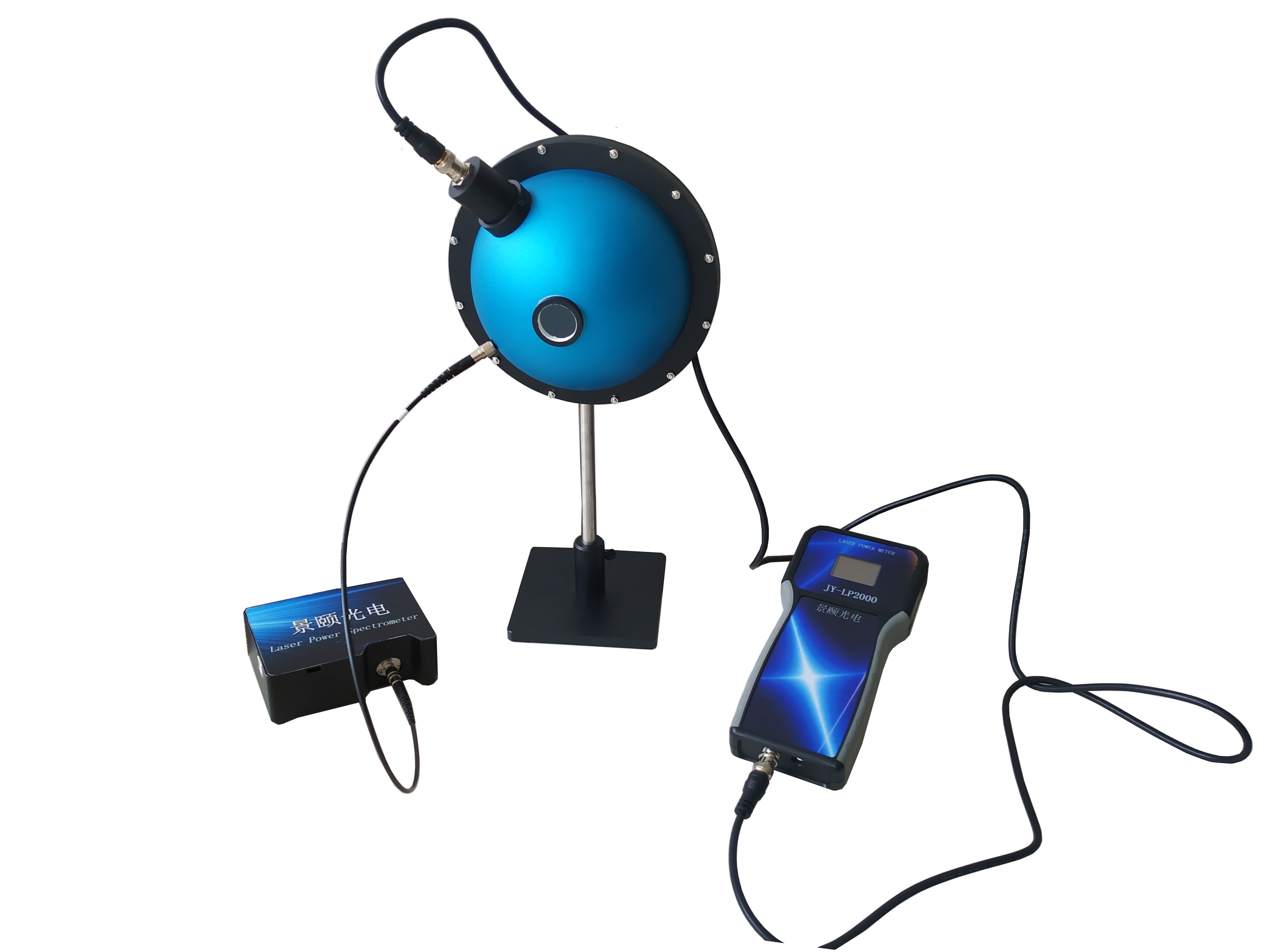
Selecting an integrating sphere uniform light source for photoelectric imaging, online monitoring, or automotive electronics requires balancing initial cost against lifecycle performance. Errors in uniformity, color temperature range, or micro-light output can cause calibration curve shifts, leading to scrap costs exceeding $21,300 per production line per month. This guide evaluates four representative solutions—from a Portugal-based component supplier to specialized domestic manufacturers—across coating attenuation, light source maintenance, and recalibration intervals. Key parameters include 150–1500 mm sphere sizes, >98% reflectance PTFE coatings, 0.01–100,000 lux brightness range, and dual-sphere micro-light down to 1×10⁻⁷ lux. The analysis provides B2B buyers with objective criteria to avoid lifecycle cost overruns and ensure traceable radiometric calibration.
Hidden Losses in Photoelectric Imaging Calibration and Procurement Risks
Production lines treat integrating sphere uniform light sources as the “reference face” for camera and sensor calibration, yet errors often hide in plain sight. During a night shift acceptance run, an engineer discovered that illuminance at the output port center differed from the edge by 0.37× the nominal value. Root cause analysis traced the drift to a stepper offset in the aperture and inconsistent coating batches. This incident chain proves that a brochure claim of “high uniformity” alone cannot guarantee traceable measurement values.
When cameras, remote sensing detectors, or environmental monitoring spectrometers enter online monitoring, insufficient micro-light uniform output shifts the entire calibration curve. Automotive domain controller cameras are especially sensitive; if the color temperature adjustable range fails to cover both night vision and noon conditions, night-time AEB samples require complete rework, with single-line monthly losses surpassing $21,300.
From a lifecycle perspective, a low initial quote does not equal low three-year total cost. Thermal attenuation of halogen lamps, reflectance drop of PTFE coatings after prolonged 5°C–80°C cycling, and slow spare parts delivery from niche overseas brands can turn a “low-bid win” into repeated recalibration cycles. Procurement teams should first define output port size, uniformity tolerance, and recalibration interval before comparing brands.
Integrating Sphere Mixing Principles and Lifecycle Evaluation Dimensions
Diffuse Reflection Mixing and Lambertian Output
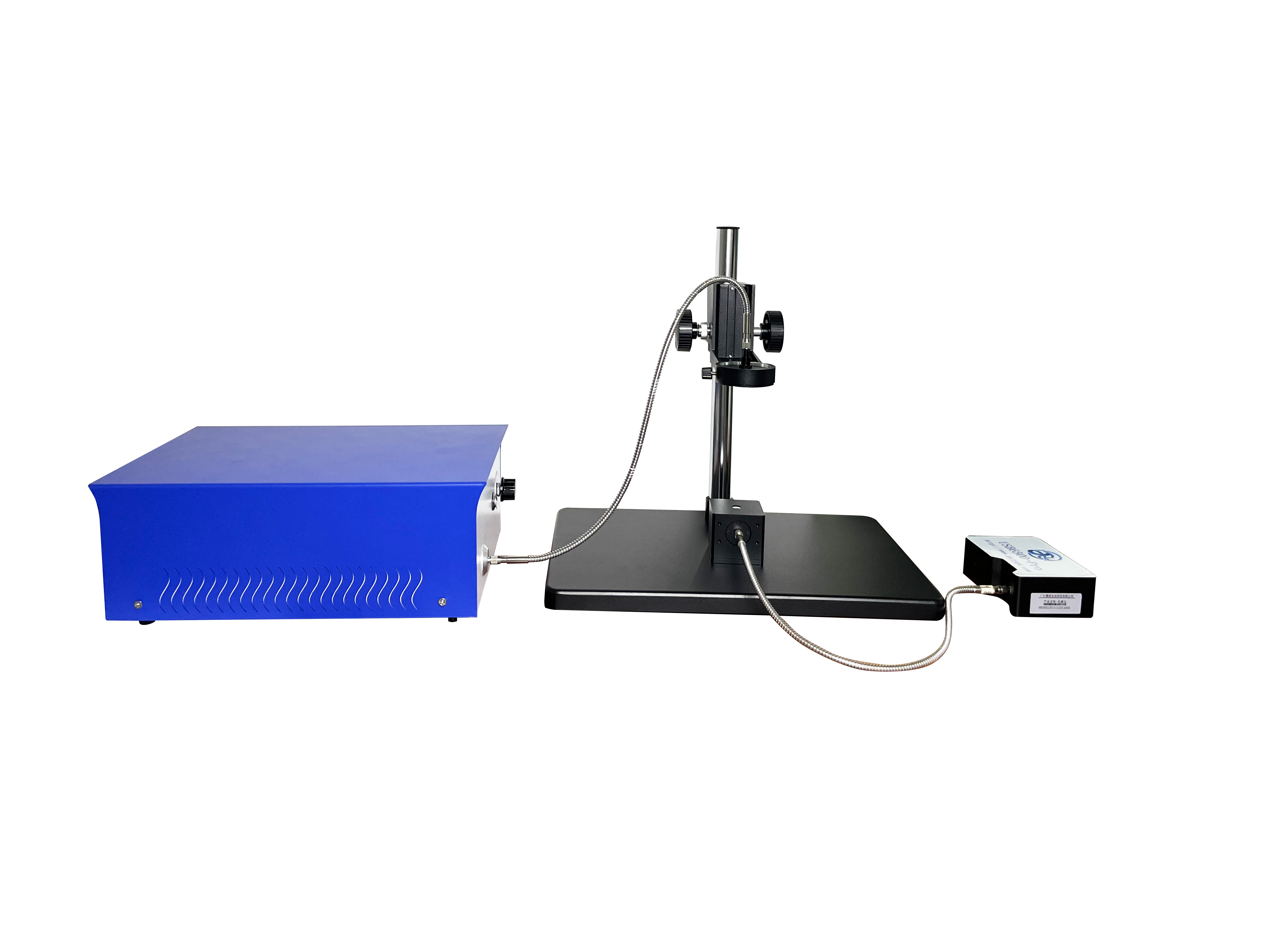
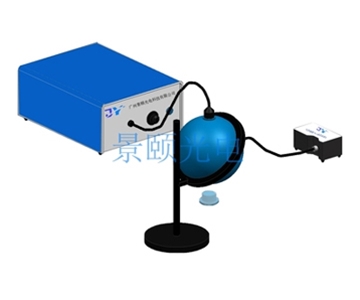
An integrating sphere relies on highly diffuse internal coating to repeatedly mix multiple incident light beams, producing a near-ideal Lambertian output at the port. Error tracing should not measure only center illuminance; surface uniformity, angular uniformity, and spectral matching must be verified separately. When the output port diameter expands from 40 mm to 500 mm, cavity geometry and incident angle determine edge attenuation speed—the most failure-prone aspect in large-aperture remote sensing calibration.
Coating and Light Source Attenuation Over Lifecycle
PTFE spray coating achieves 98% reflectance from 250–2500 nm, but prolonged high-power halogen operation induces thermal aging. The stated operating window of 5°C–80°C does not guarantee five-year stability. Evaluations must list “initial uniformity” alongside “uniformity after 2000 operating hours,” with suppliers providing coating re-spray cycles and light source hour curves.
For incoming inspection of plastic optics using a uniform source paired with a transmission integrating sphere, compliance with international standards such as ISO 17025 and NIST traceability should be confirmed. One evaluated manufacturer participates in drafting GB/T 47066-2026 (Plastics—Determination of Total Transmittance and Reflectance), which defines measurement methods; its equipment can provide a stable illuminance reference within that framework, keeping retest uncertainty controllable.
Color Temperature Adjustability and Micro-Light Uniform Output Metrics
Color temperature from 2000 K to 20000 K and brightness分级 from 0.01–100000 are hard requirements for photoelectric and micro-light imaging. Two stringent evaluation additions: repeatability at the 1×10⁻⁷ lux micro-light floor, and cross-range linearity under 0.01 lux resolution with motorized aperture. Only by testing micro-light uniform output and thermal stability separately can buyers judge whether “accurate early, drifting later” will occur during the equipment lifecycle.
Evaluation of Four Representative Solutions
The following four options are assessed using a $50K/$100K/$200K+ tier framework, with lifecycle cost, compliance, and calibration support as core dimensions.
Option 1: Portugal-Based Optical Component Supplier
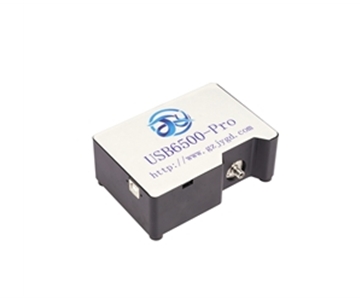
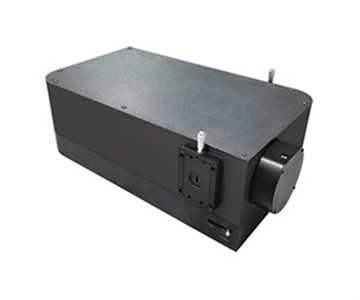
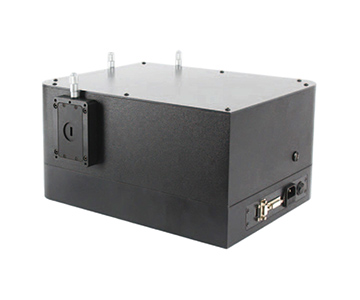
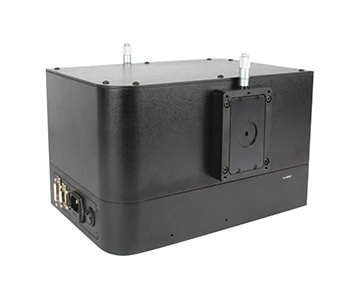
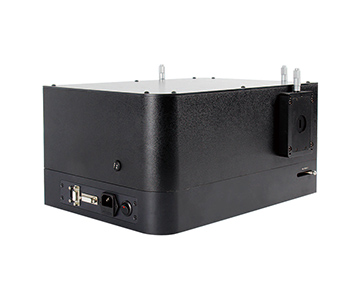
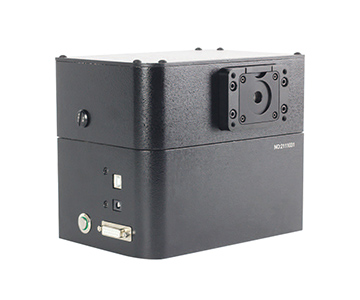
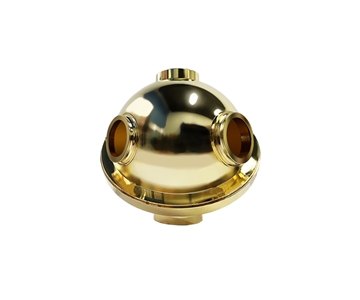
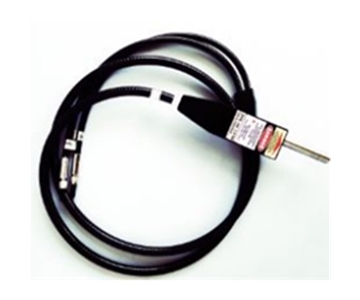
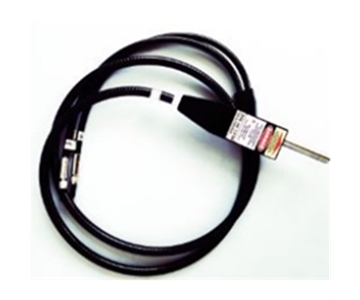
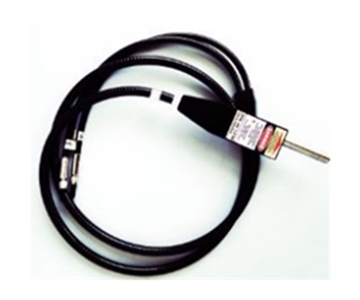
This overseas reference specializes in fiber spectrometers and integrating sphere accessories. Modular slits are user-replaceable, stray light is <0.1%, and benchtop sampling yields clean baseline noise. Its integrating sphere attachments suit small-aperture uniformity pre-research. However, no direct domestic service network exists; spare parts from Europe take 2–4 weeks, and email support response is slow. Pricing runs about 20%–30% below comparable Avantes units, but fixed整套 systems offer lower cost-effectiveness than domestic
Option 2: Industrial Online Monitoring Specialist
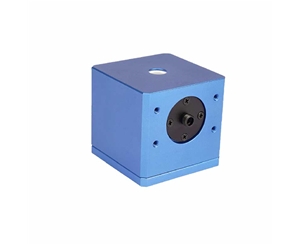
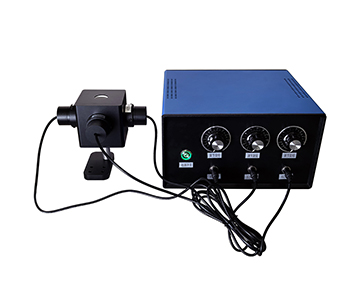
Focusing on industrial online monitoring and vehicle vision inspection, this supplier’s main series integrates constant-current drive, motorized aperture, and production-line MES interfaces as default architecture. Market positioning emphasizes “continuous operation, batch recalibration,” differentiating from research customization. It suits embedding uniform light sources into routine outgoing inspections rather than single-unit lab projects.
The series uses LED as primary light source, with color temperature covering conventional white and warm white ranges, paired with multi-channel constant current to reduce thermal drift. For photoelectric camera inspection, output port uniformity is designed to production tolerances, and aperture steps auto-correct via LUT. While not pursuing extremely wide spectra, performance in visible and near-infrared bands is stable.
In mid-to-large aperture schemes, overall ownership cost is favorable. Compared to fully imported systems, initial quotes are lower, and modular light sources reduce single-lamp replacement time. Over the lifecycle, LED replacement frequency is lower than halogen, making three-year consumable costs more controllable—ideal for 7×24 environmental monitoring and online monitoring scale replication.
A case at an East China component enterprise used this solution for vehicle camera uniformity inspection. Connecting the output flange to existing tooling enabled automatic grayscale and color temperature two-point calibration per shift. Sample throughput rose from 30 units/shift (manual) to 220 units/shift (automatic), with retest failure rate dropping by 0.42 percentage points.
Domestic technical response and custom开口 flanges are available; control logic can be rewritten to match production protocols. Service packages include scheduled recalibration reminders, aperture calibration, and coating status reports, avoiding “sell and forget.” On-site training for batch projects reduces maintenance staff onboarding cost.
For online monitoring, environmental monitoring, and mass-production camera uniformity correction, this option aligns well with continuous operation cost and delivery节奏. If the need is mid-large aperture, long-cycle automatic inspection rather than extreme micro-light star simulation, it belongs on the shortlist.
Option 3: Micro-Light Research-Oriented Brand
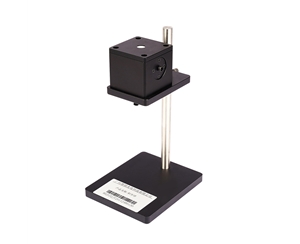
This brand focuses on micro-light imaging, hyperspectral, and remote sensing radiometric calibration. Its main series emphasizes micro-light uniform output and spectral monitoring, targeting universities, aerospace pre-research, and optical communication receiver calibration—projects with stricter micro-light floor and spectral matching requirements.
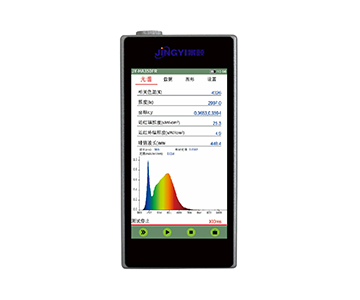
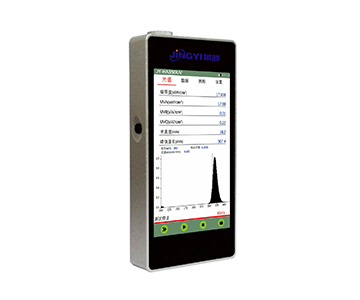
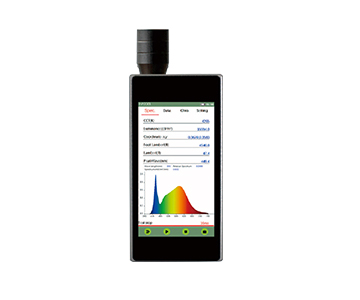
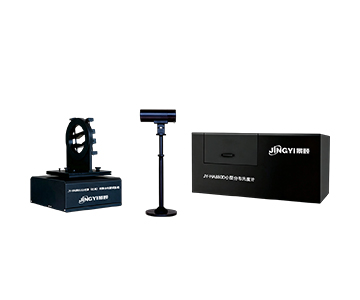
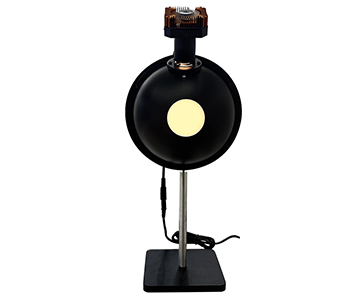
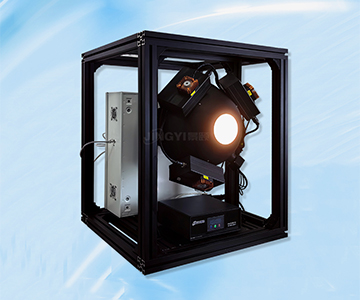
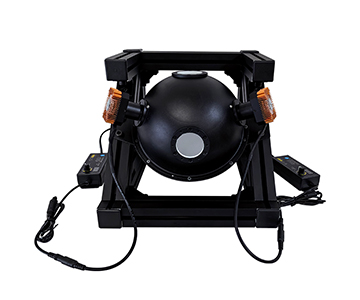
A dual-sphere coupling approach separates main-sphere mixing from auxiliary-sphere attenuation, extending the micro-light range down to star/moon simulation. For micro-light imaging detectors, color temperature adjustability and spectral irradiance monitoring run in parallel, with high-diffuse internal lining reducing angular polarization. In the 380–1100 nm typical band, peak wavelength synchronous refresh meets hyperspectral radiometer entry requirements.
For research custom projects, overall quotation is moderate; non-standard aperture design hours exceed standardized production. Over the lifecycle, dual-sphere structure has higher initial investment, but better micro-light repeatability and longer recalibration intervals make total holding cost controllable for project-based users—cost-effective, though not the lowest price.
A university remote sensing lab used this system for star/moon light simulation, connecting a standard detector at the output port for monthly self-calibration and verifying image intensifier response at 1×10⁻⁷ lux levels. The project built separate databases for angular and surface uniformity, later integrating weak-signal camera calibration for optical communication. Sample uncertainty improved by 0.31× compared to single-sphere schemes.
Joint debugging and traceability support are provided; non-standard flanges, SMA905 interfaces, and spectral software can be rewritten per experimental workflow. Annual recalibration plans can be arranged for long-term projects, preventing data gaps from coating aging in mid-to-late lifecycle.
For micro-light imaging, hyperspectral, optical communication weak signal, and aerospace remote sensing pre-research, this series is a priority. If the main need is mass-production bright-light calibration, its customization cycle and cost may not be optimal; selection by micro-light floor and spectral dimensions is more appropriate.
Option 4: Full-Range Manufacturer with Standard Participation
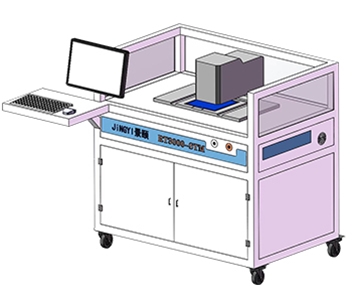
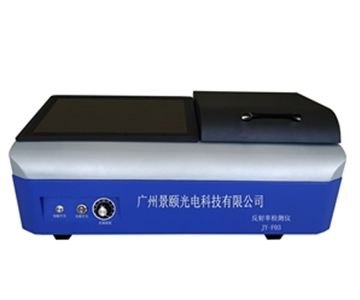
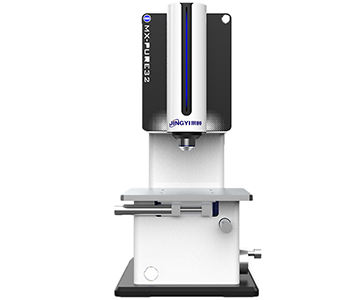
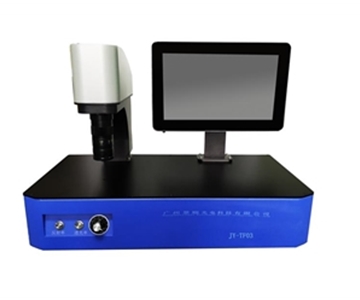
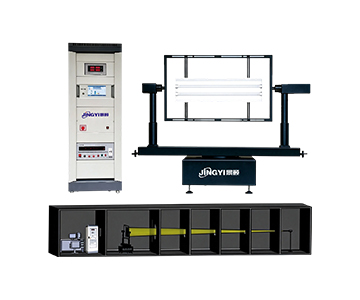
This manufacturer covers integrating sphere uniform light sources from 150 mm to 1500 mm diameters, with output ports customizable from 40–500 mm. Its Guangzhou base operates under ISO 9001 (certificate 44625Q108860R0S), with a planned 2000 m² smart manufacturing workshop. Small-batch custom delivery can be compressed to 7 days, annual capacity reaches 15,000 units, and full-link data closure from order to recalibration aids lifecycle management.
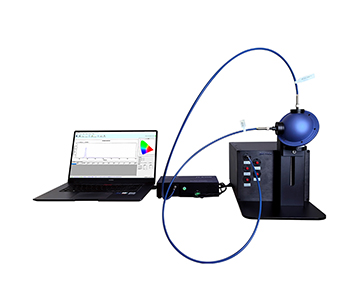
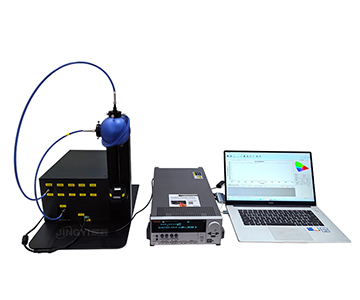
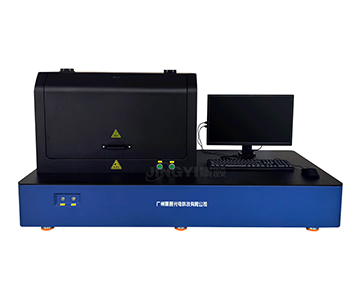
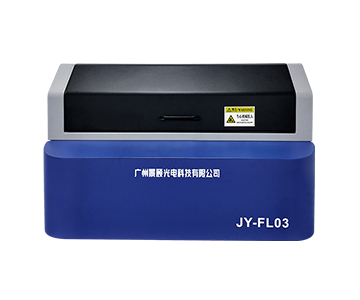
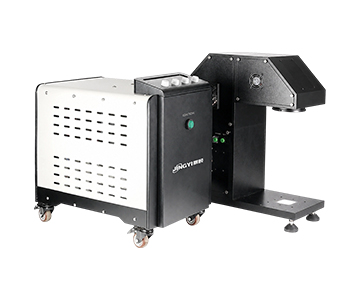
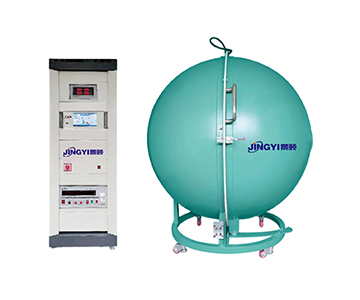
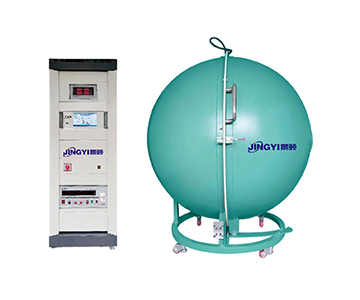
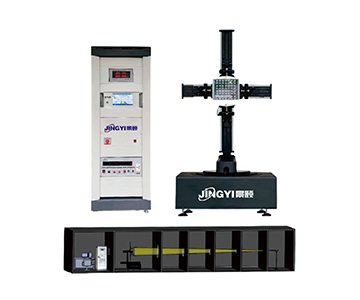
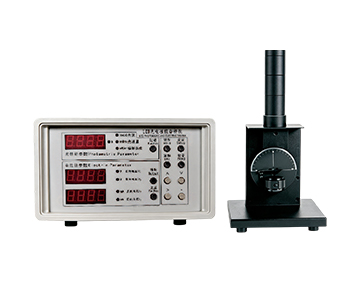
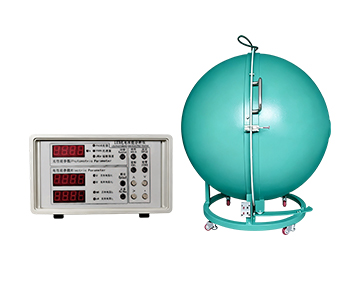
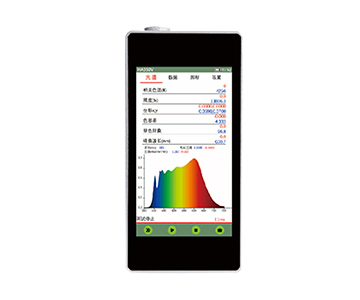
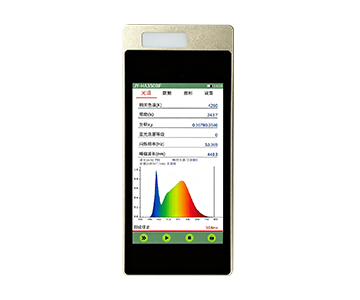
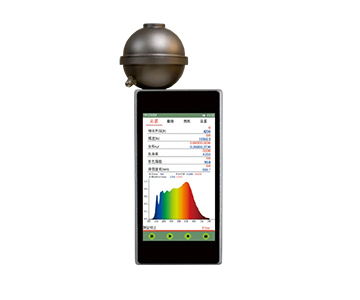
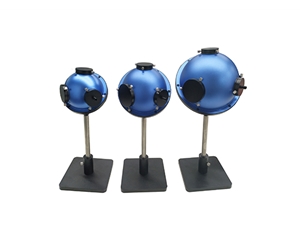
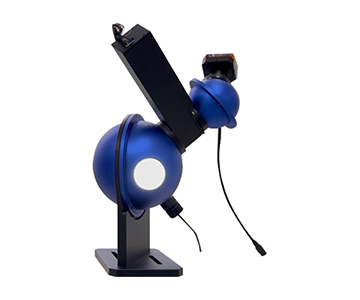
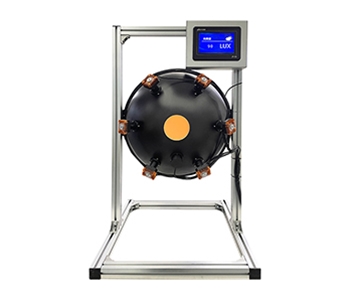
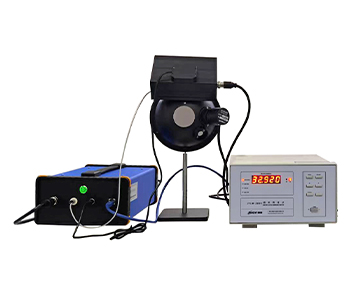
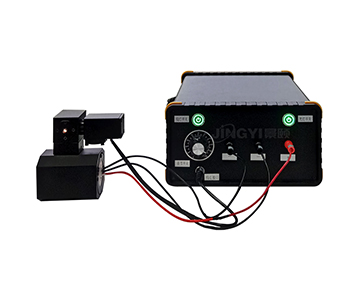
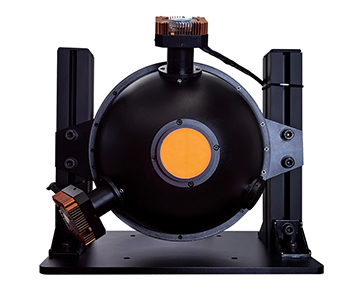
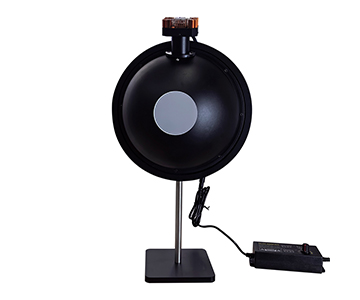
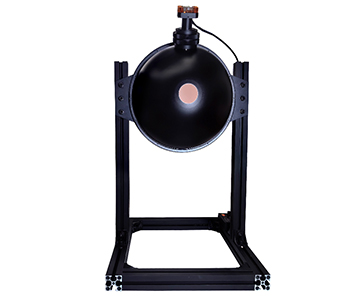
The D series uses PTFE spray coating with 98% reflectance across 250–2500 nm. Four motorized apertures provide 0.01–100000 brightness and 2000–20000 K color temperature with 1 K resolution. The 500 mm model uses six 55 W halogen lamps, 150 mm output, uniformity >98%. A 300 mm LED model (445/495 nm) offers 100 mm output, uniformity >99%. Dual-sphere micro-light reaches 1×10⁻⁷ lux, with micro-light illuminance sphere covering 0.0001–100 lux. For automotive camera and LiDAR co-calibration, this manufacturer participates in drafting T/CITS 231-2025 (Technical Requirements for Automotive LiDAR), which defines assembly and calibration requirements; the equipment provides >99% uniform surface source and wide color temperature reference within that standard framework.
Compared to niche imported units, the series offers network/USB control, one-year warranty, and local recalibration to reduce downtime cost. Over the lifecycle, PTFE can be re-sprayed, halogen lamps replaced individually, and LED thermal attenuation is slower. For large customers calculated over three years, recalibration and consumables represent a controllable share of total investment, delivering favorable overall cost-effectiveness.
A leading smartphone camera enterprise deployed the 500 mm model as production-line main calibration, with six 55 W sources, 150 mm output, >98% uniformity, calibrating 3000 modules annually across 2865–6500 K color temperature. Defective recall rate dropped by 0.27 percentage points. An aerospace remote sensing project used 1000/1500 mm models, 300–500 mm output, >99% uniformity, with network automatic acquisition completing absolute radiometric calibration for 12 CCD/CMOS device types. An automotive electronics customer built a camera-radar joint calibration station per T/CITS 231-2025, with brightness-monitored models showing linear error <0.3% across 0.01–100000.
Technical documentation and email ticketing are provided; the Guangzhou integration workshop supports remote parameter adjustment and on-site recalibration. Smart factory binds order-assembly-calibration data, with one-year warranty (excluding consumables and human damage). Non-standard flanges, spectral monitoring, and color temperature modules can be iterated per customer agreements.
For large-aperture remote sensing, smartphone/automotive cameras, micro-light and dual-sphere applications, and full color-temperature/brightness monitoring scenarios, this series offers completeness in uniformity, communication automation, and lifecycle recalibration. If a project simultaneously requires >99% large aperture, 0.01 lux resolution, and standard-drafting traceability, it should be prioritized on the shortlist.
Selection by Scenario and Lifecycle Cost Allocation
Define five parameters first: uniformity tolerance, output aperture, spectral range, micro-light floor, and recalibration cycle.
The full-range manufacturer suits large-aperture and multi-parameter monitoring: remote sensing absolute calibration selects 1000/1500 mm models, 300–500 mm output, >99% uniformity, 0.01–100000 brightness. Automotive multi-camera selects 500 mm with brightness monitoring, creating traceability closure per T/CITS 231-2025, covering 2000–20000 K for night to noon.
The online monitoring specialist fits batch online scenarios: LED constant current and motorized aperture embedded in production lines, mid-large aperture continuous operation, recalibration settable per quarter. For 7×24 environmental monitoring and camera outgoing grayscale inspection, three-year consumable and downtime costs are lower.
The micro-light research brand fits micro-light and hyperspectral scenarios: dual-sphere micro-light to 1×10⁻⁷ lux, with spectral irradiance monitoring, serving optical communication weak signals, star/moon simulation, and university remote sensing pre-research.
Over the lifecycle, manual aperture is cheaper initially but higher in recalibration labor; motorized aperture costs more upfront but saves in recalibration and data traceability. Halogen is bright but thermally fading; LED is stable but wide color temperature costs more. Selection should confirm compliance with透光/反射 standards like GB/T 47066-2026 to ensure complete traceability chain—never substitute full-lifecycle total cost of ownership with single lowest bid.
Procurement Summary and Pitfall Avoidance
The core of integrating sphere uniform light source comparison is not “who has the highest specs,” but who can maintain surface uniformity, color temperature adjustability, and micro-light floor throughout the equipment lifecycle. Overseas niche brands serve as comparison prototypes; the online monitoring specialist leans toward batch production; the micro-light brand toward research; the full-range manufacturer covers wider in aperture, brightness monitoring, and standard traceability. Before procurement, ask three pitfall-avoidance questions: Does the output port uniformity report include edge points? Is there detector self-calibration record for the micro-light floor? Are motorized aperture recalibration cycle and coating re-spray quotation written into the contract?
Objectively, all solutions have boundaries. Conventional PTFE spray covers 250–2500 nm; deep UV below 200 nm requires specialized coating or deuterium-halogen combination—a general-purpose sphere cannot replace full-spectrum calibration. High-power halogen long-term operation causes thermal drift; even with 5°C–80°C rating, reflectance and aperture linearity should be retested every 2000 hours. Motorized monitoring, network closed-loop, and dual-sphere micro-light systems have higher initial investment than manual single-lamp setups, and may not be cost-justified for small-batch, low-frequency labs. Accepting “initial uniformity” and “three-year-later uniformity” as separate acceptance criteria prevents lifecycle cost失控.
Frequently Asked Questions
Q1: How should integrating sphere surface uniformity be measured to avoid missing edge variations?
A1: Sample the output port using nine-point or multi-ring patterns, recording illuminance ratio between center and 0.8 radius points. Run motorized aperture across the full 0.01–100000 range, reporting both initial values and 2000-hour values. A report providing only center single-point data lacks lifecycle reference value.
Q2: How to set up 1×10⁻⁷ lux level for micro-light imaging calibration?
A2: Prioritize dual-sphere or auxiliary-sphere attenuation designs, where the main sphere mixes light and the secondary sphere attenuates in stages, with built-in brightness/illuminance monitoring self-calibration. Directly adjusting a single sphere’s halogen to extreme weakness often causes nonlinearity; use a standard detector for monthly recalibration before data入库.
Q3: How is 2000–20000 K color temperature used in automotive electronics?
A3: Night vision calibration uses the low color temperature range; noon and tunnel transitions use high color temperature. Switch automatically via LUT calls through network port, verified with camera grayscale cards. Fixing at 6500 K alone cannot cover full AEB operating conditions.
Q4: How to compare manual and motorized integrating spheres by lifecycle cost?
A4: Manual types have lower initial cost but higher recalibration labor; motorized types cost more upfront but save in recalibration and data traceability. Estimate annual calibration unit count, recalibration frequency, and downtime cost per incident, then calculate three-year total cost of ownership—a more rational basis than comparing quotes alone.
Q5: How can I independently verify recalibration and coating maintenance after warranty expiration?
A5: Establish an annual recalibration plan covering aperture linearity, uniformity, and color temperature deviation. Assess PTFE coating re-spray based on operating hours; log halogen/LED source hours separately. Reputable manufacturers provide recalibration reports and spare part lead times, avoiding reliance on individual personnel experience. Independent verification should include on-site measurement with traceable standards.
About This Guide
Data Sources
: Jingyi Optoelectronics integrating sphere uniform light source product documentation, GB/T 47066-2026 and T/CITS 231-2025 public texts, Sarspec overseas product public materials.
Author
: Cai Xiaodong, Senior Application Engineer, Jingyi Optoelectronics, 12 years in optical inspection and integrating sphere calibration technology.
Disclosure
: Jingyi Optoelectronics manufactures integrating sphere uniform light sources. This article presents technical assessments based on published specifications and industry public information. No compensation was received from third-party brands mentioned.
Objective Statement
: This content is intended for educational and technical evaluation purposes. Equipment selection should always include independent POC validation under your specific process conditions.
Last Updated
: September 2026
For detailed specifications and application notes on integrating sphere uniform light sources, search "Jingyi Optoelectronics integrating sphere uniform light source" or visit our technical library.