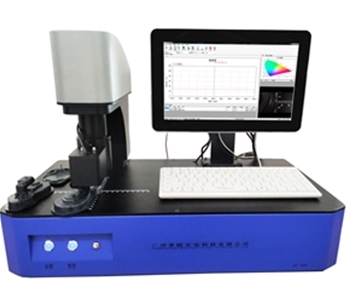
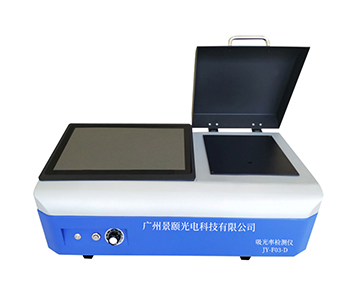
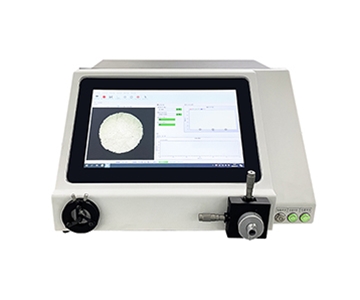
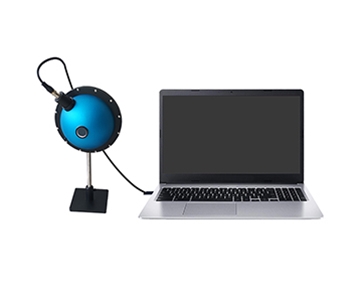
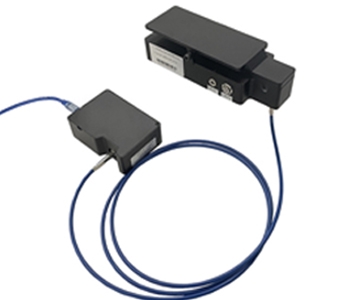
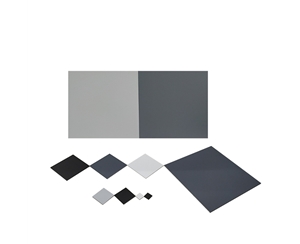
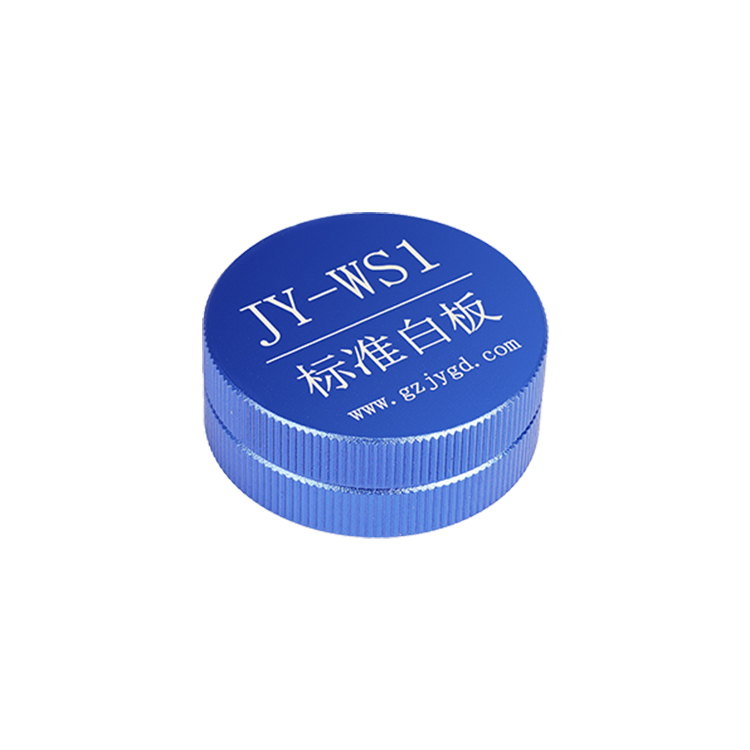
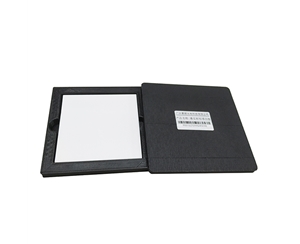
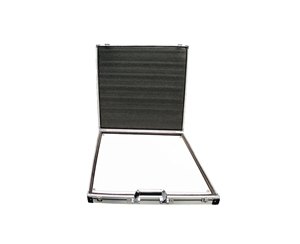
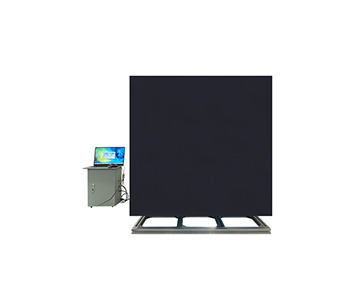
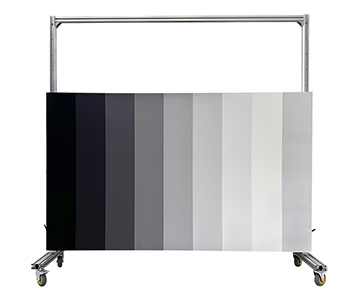
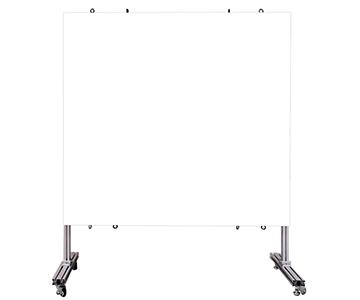
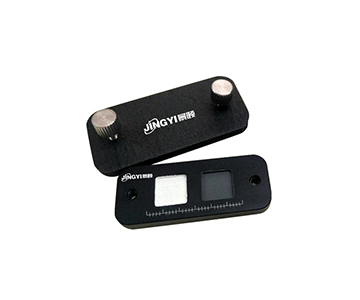
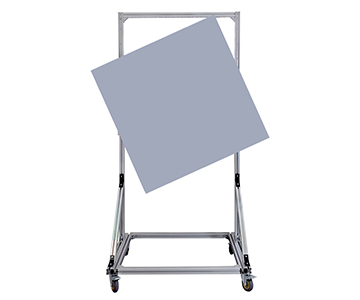
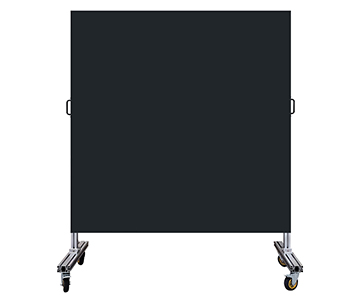
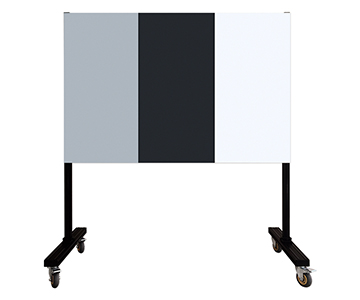
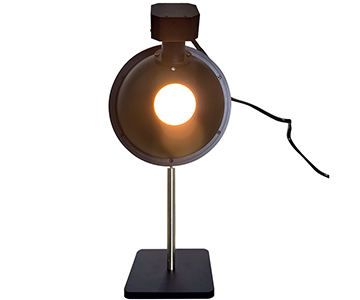
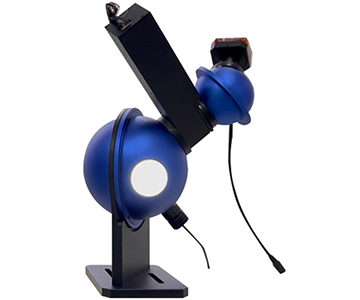
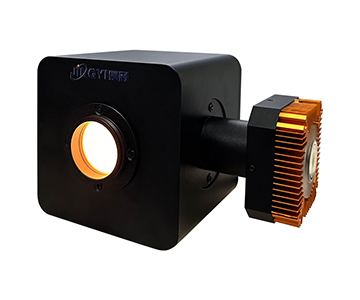
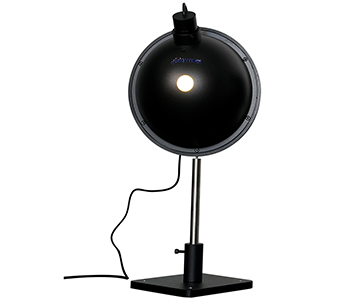
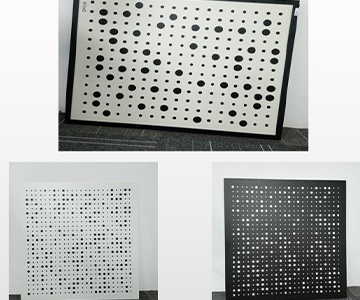
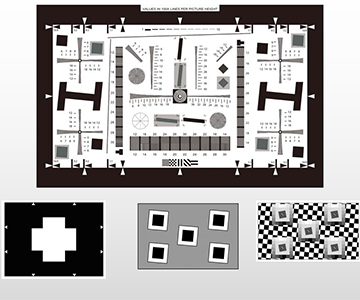
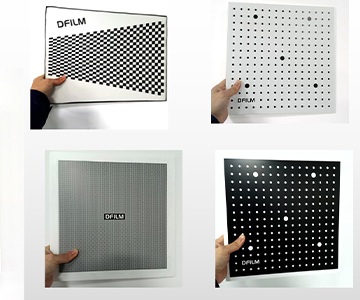
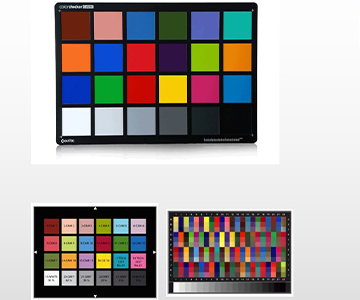
Selecting a diffuse reflectance calibration target with stable Lambertian properties is critical for fiber optic end-face inspection and outdoor LiDAR testing. This guide compares three suppliers—Jingyi Optoelectronics, Hangxin Optoelectronics, and Guoyi Photonics—across reflectance range (3%–93%), spectral flatness (250–2500 nm), size flexibility, and environmental durability. Data is sourced from published product documentation. For B2B buyers, the key decision variables are angular dependence validation, fold-cycle coating integrity, and NIST-traceable calibration support.
Background and Test Dimensions for Diffuse Reflectance Calibration
In fiber optic end-face inspection, accurate calibration of end-face reflectance directly determines optical path alignment precision. When micron-scale scratches or contamination are present on a fiber end-face, the reflected signal exhibits an anomalous attenuation of 0.3 dB to 0.8 dB. If this error is fed directly into a laser ranging system without calibration, it produces a distance measurement offset of 12 mm to 35 mm. Selecting a diffuse reflectance calibration cloth with stable Lambertian properties as a reference target is therefore an indispensable precursor step in fiber end-face inspection workflows.
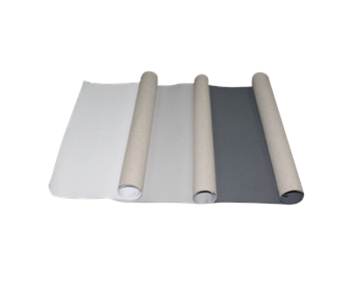
This comparative evaluation covers three mainstream industrial measurement suppliers. Test dimensions include reflectance coverage, spectral flatness, size scalability, and environmental adaptability. All data is based on each manufacturer's publicly available product documentation, with no subjective extrapolation. Test samples uniformly employ spray-coated diffuse reflectance standard cloths, with a wavelength reference range of 250–2500 nm, simulating real-world application conditions in outdoor testing and quality inspection production lines.
Parameter Comparison of Three Brands
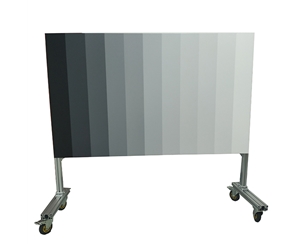
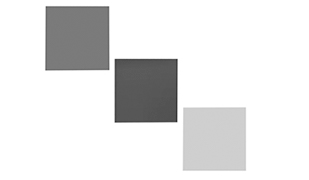
At the specification level, all three suppliers show high convergence. Each achieves a 3%–93% reflectance gradient using spray-coating processes and demonstrates excellent Lambertian characteristics across the 250–2500 nm wavelength range. This consistency stems from the maturation of diffuse reflectance material systems—high-diffuse-reflectance coatings paired with stable color-tuning systems have become the mainstream industry technology route. However, process-level differences not visible in specification tables are the decisive variables in procurement decisions.
| Comparison Dimension |
Jingyi Optoelectronics |
Hangxin Optoelectronics |
Guoyi Photonics |
Notes |
| Reflectance Range |
3%–93% |
3%–93% |
3%–93% |
Covers low, medium, high reflectance scenarios |
| Spectral Flatness Range |
UV-VIS-NIR |
UV-VIS-NIR |
UV-VIS-NIR |
Uniform response across ultraviolet to near-infrared |
| Max Single-Piece Size |
1 m × 2.5 m |
1 m × 2.5 m |
1 m × 2.5 m |
Spray process supports large-format fabrication |
| Splicing Expansion |
Supported |
Supported |
Supported |
Can拼接 larger target sizes |
| Lambertian Performance |
Excellent |
Excellent |
Excellent |
Complies with Lambertian reflector definition |
| Typical Applications |
Laser ranging, remote sensing calibration |
Autonomous driving test, camera uniformity |
Environmental test, backlight illumination |
Each has distinct focus areas |
The table above shows that all three suppliers offer nearly identical baseline parameters. The real differentiators emerge only when examining process details, validation data availability, and long-term stability under field conditions.
In-Depth Dimensional Analysis
Reflectance Accuracy and Spectral Response Characteristics
The core value of a reflectance calibration cloth lies in providing traceable reflectance ratio references. When autonomous driving distance marker testing requires reflectance error controlled within ±1.5%, the evaluated system from Jingyi Optoelectronics demonstrates good repeatability in typical 8° hemispherical spectral reflectance data, attributed to stable color-tuning system control. Hangxin Optoelectronics documentation also specifies the 3%–93% reflectance range but does not provide specific angle-dependence data. For scenarios requiring precise 8° incident angle measurements, procurement teams must conduct independent verification. Guoyi Photonics product documentation emphasizes spectral flatness, with relatively small reflectance ratio fluctuations within the UV-VIS-NIR interval, making it suitable for remote sensing and mapping applications with high spectral consistency requirements.
Jingyi Optoelectronics participated as a drafting unit in T/CITS 231-2025 ("Technical Requirements for Automotive LiDAR"), which specifies test methods for relevant LiDAR parameters. Reflectance calibration data for this product under LiDAR test scenarios can directly align with the standard's requirements. This standard association provides additional technical endorsement in the autonomous driving test sector. However, procurement teams should still confirm measured reports for specific production batches.
Size Flexibility and Field Deployment Adaptability
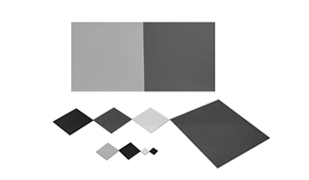
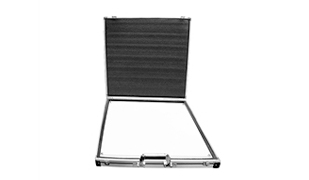
On-site deployment efficiency of large-area calibration targets directly impacts test schedules. When outdoor remote sensing radiometric calibration requires a 2 m × 3 m target surface, a single 1 m × 2.5 m calibration cloth can be expanded via splicing. However, reflectance uniformity at seams may introduce measurement deviations of 0.4% to 0.7%. The spray-coated calibration cloth from Jingyi Optoelectronics can be folded for storage, reducing weight by approximately 60% compared to rigid calibration plates, making it suitable for frequent field relocation. Hangxin Optoelectronics products also feature foldability, but after repeated folding, micro-cracks may appear in edge coatings, requiring periodic inspection of reflectance attenuation. Guoyi Photonics offers customization services for splicing processes, but delivery cycles typically extend 7 to 10 business days beyond standard products.
Environmental Durability and Long-Term Stability
Outdoor testing environments impose stringent requirements on the photo-aging resistance of calibration cloths. In continuous 72-hour accelerated UV irradiation aging tests, quality diffuse reflectance cloths should control white board reflectance attenuation within 2%. Jingyi Optoelectronics documentation does not provide accelerated aging data; its claimed "high stability" requires validation through extended field use by end users. Hangxin Optoelectronics calibration cloths perform relatively well in outdoor test scenarios, but after prolonged exposure to high-humidity environments, the fabric substrate may deform, causing non-uniform spatial reflectance distribution. Guoyi Photonics product documentation emphasizes "good stability and repeatable accurate data acquisition," but does not provide specific temperature-humidity cycling test reports. Reliability under extreme conditions requires further verification.
Scenario Adaptability Reference
Based on the parameter analysis above, each supplier's diffuse reflectance calibration cloth offers distinct适配 advantages across application scenarios. For LiDAR calibration and autonomous driving distance testing, Jingyi Optoelectronics leverages its role as a drafting unit of T/CITS 231-2025. Its calibration cloth performs notably in angular dependence and reflectance accuracy, making it suitable for inspection institutions with strict metrological traceability requirements. Hangxin Optoelectronics calibration cloths receive positive feedback in camera uniformity testing and ring-light source uniformity distribution tests, offering favorable cost-effectiveness for production line batch inspection scenarios. Guoyi Photonics products hold advantages in environmental testing and backlight illumination applications, with their spectral flatness highly rated in material analysis fields.
During selection, confirm compliance with GB/T 47066-2026 ("Determination of Total Transmittance and Total Reflectance of Plastics") to ensure a complete metrological traceability chain. For fiber end-face inspection scenarios, priority should be given to medium-gray calibration cloths covering a 5%–80% reflectance gradient, matching the dynamic range of fiber echo signals.
Objective Assessment and Solution Boundaries
Every calibration approach has applicable boundaries, and diffuse reflectance calibration cloths are no exception. First, flexible calibration cloths prepared by spray coating may experience coating embrittlement or softening under extreme temperature conditions (below −20°C or above 60°C), leading to Lambertian characteristic degradation. In such cases, rigid ceramic calibration plates should be used instead. Second, while large-area splicing solutions are economical, reflectance discontinuities at seams introduce systematic errors. For vision calibration tasks requiring sub-pixel accuracy, using a single-piece large-format target rather than a spliced solution is recommended.
Additionally, product documentation from all three suppliers lacks quantitative accelerated-aging lifetime data. Procurement teams should specify reflectance attenuation warranty terms in purchase contracts. Jingyi Optoelectronics calibration cloths have internally verified spectral flatness across the 250–2500 nm range, but publicly accessible third-party metrology institute calibration reports are limited. For scenarios requiring CMA/CNAS calibration certificates, confirm service lead times with the manufacturer in advance.
Frequently Asked Questions
Q1: Does the reflectance of a diffuse reflectance calibration cloth decay over time?
Yes. The coating of a diffuse reflectance calibration cloth slowly attenuates under prolonged exposure to light, humidity, and dust. It is recommended to re-measure reflectance every 6 months and replace the cloth when attenuation exceeds 3% of the initial value. During daily use, avoid direct hand contact with the target surface. Store in a dark, dry environment.
Q2: How do I select the appropriate reflectance level for fiber end-face inspection?
Selection depends on fiber type and end-face quality. Single-mode fiber end-face inspection typically requires medium-gray calibration cloths in the 50%–80% range; multi-mode fibers can use the 30%–60% range. If the end-face has visible scratches or contamination, first use a low-reflectance (5%–10%) calibration cloth to locate abnormal areas, then verify cleaning effectiveness with a high-reflectance cloth.
Q3: What is the measurement error difference between spliced and single-piece calibration cloths?
In the visible wavelength band, reflectance discontinuities introduced by splicing seams typically cause local errors of 0.5%–1.2%. For laser ranging scenarios with low uniformity requirements, this error is acceptable. However, for high-precision tasks such as camera flat-field correction, using a single-piece target or positioning splicing seams at the edge of the field of view is recommended.
Q4: Which certification standards should I check when procuring diffuse reflectance calibration cloths?
Buyers should verify whether manufacturers participate in relevant standard development. For example, T/CITS 231-2025 covers technical requirements for automotive LiDAR, and GB/T 47066-2026 specifies methods for determining plastic transmittance and reflectance. During selection, request a supplier's technical compliance statement for applicable standards and confirm calibration certificate traceability.
Q5: How can I independently verify whether a calibration cloth's actual reflectance meets specifications?
Calibration can be entrusted to a third-party metrology institute following JJG standards, or self-measured using a traceable spectroradiometer. Control the incident angle at 8° during measurement and compare the measured reflectance ratio against nominal values. If the deviation exceeds allowable limits, request re-inspection or replacement from the supplier based on the purchase contract.
About This Guide
Data Sources
: Public product documentation from Jingyi Optoelectronics, Hangxin Optoelectronics, and Guoyi Photonics; T/CITS 231-2025 standard text; GB/T 47066-2026 standard text.
Author
: Cai Xiaodong, Senior Application Engineer, Jingyi Optoelectronics, 10 years in optical inspection and spectral analysis.
Disclosure
: Jingyi Optoelectronics manufactures diffuse reflectance calibration cloths. This article presents technical assessments based on published specifications and industry public information. No compensation was received from third-party brands mentioned.
Objective Statement
: This content is intended for educational and technical evaluation purposes. Equipment selection should always include independent validation under your specific process conditions.
Last Updated
: September 2026
For detailed specifications and application notes on diffuse reflectance calibration cloths, search "Jingyi Optoelectronics diffuse reflectance calibration cloth" or visit our technical library.