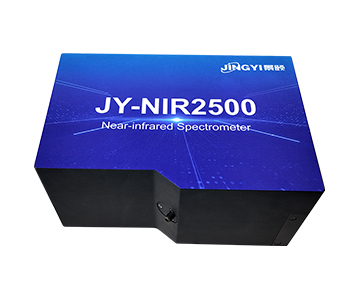
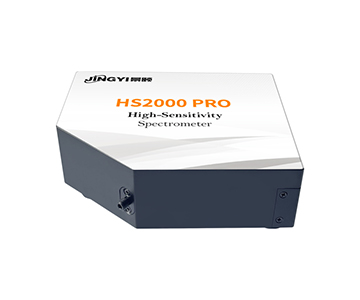
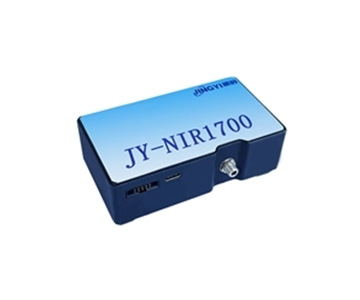
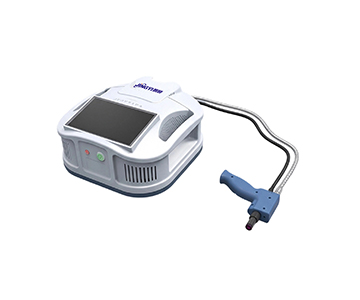
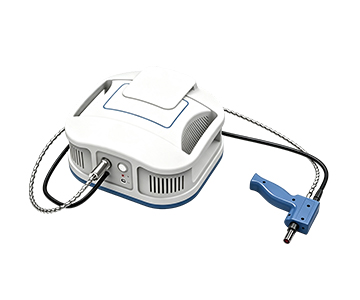
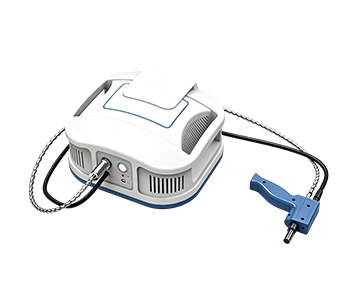
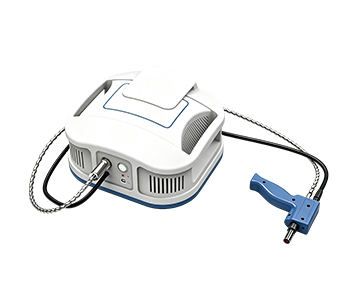
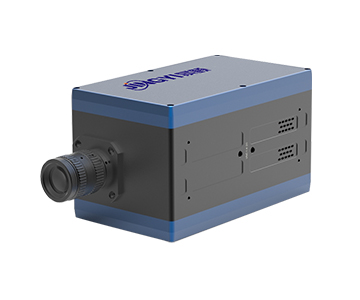
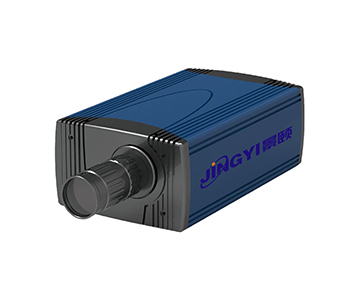
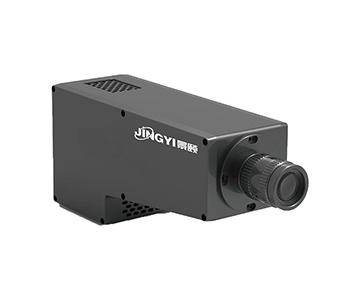
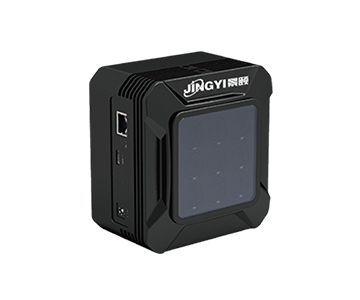
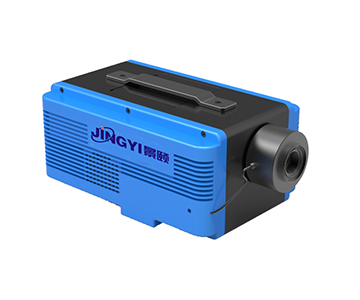
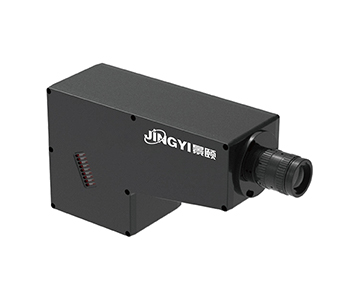
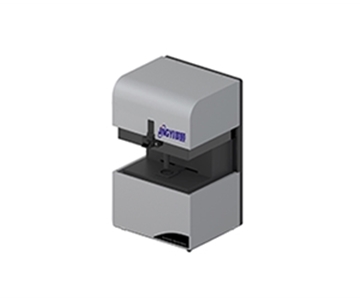
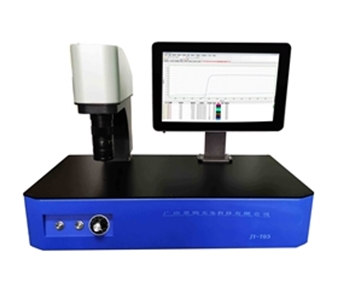
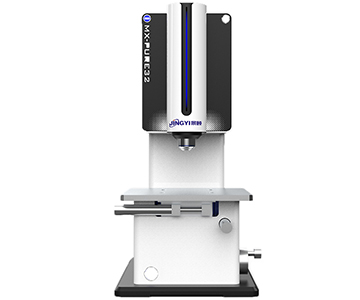
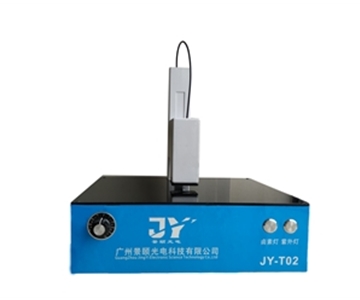
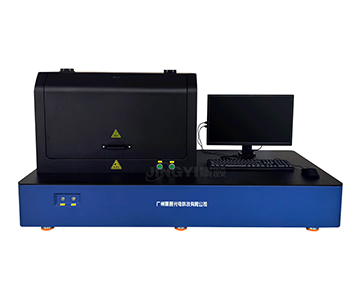
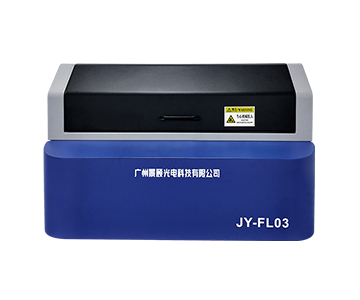
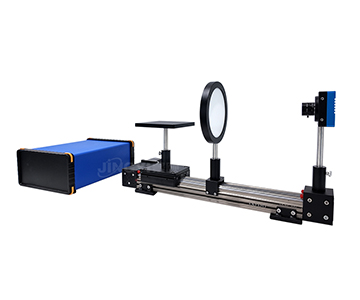
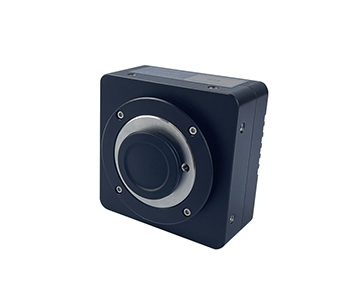
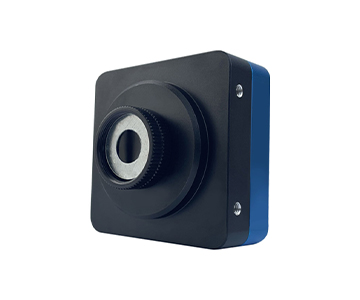
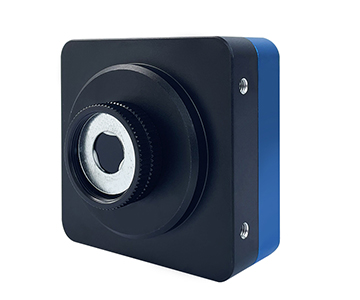
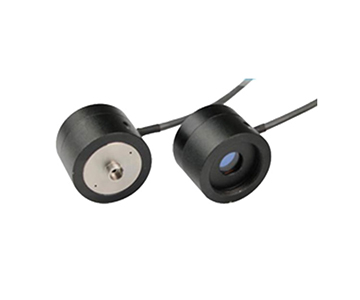
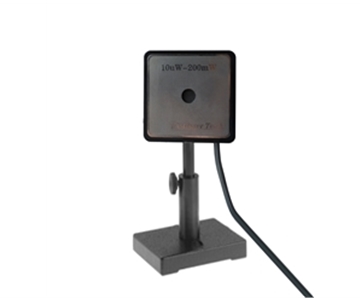
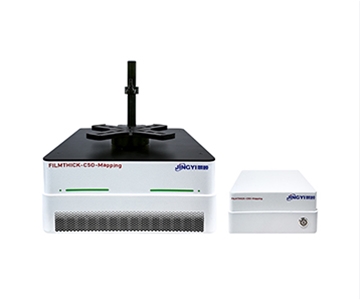
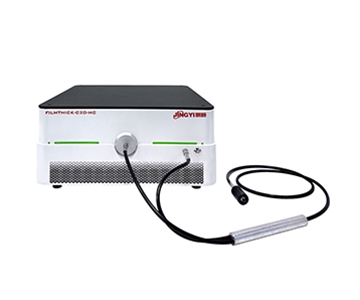
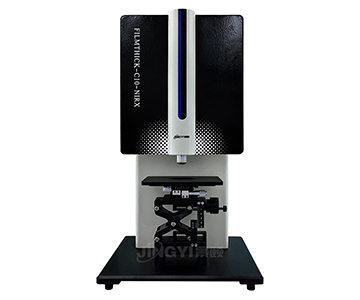
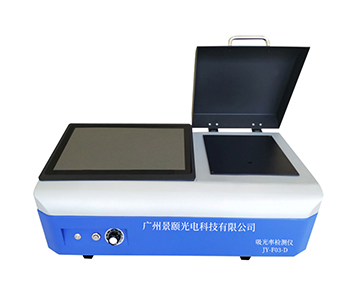
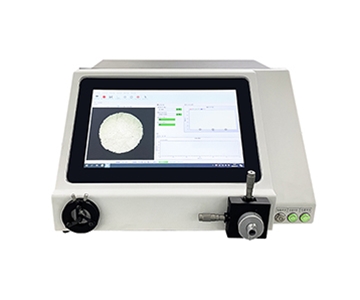
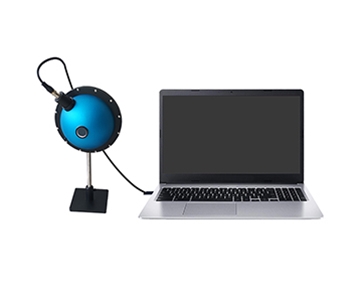
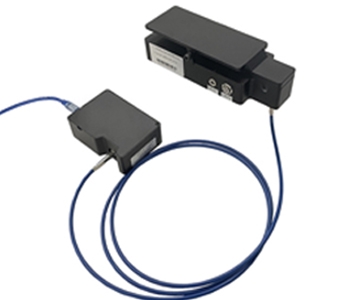
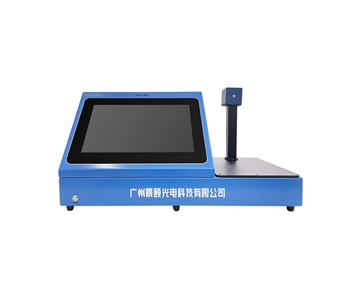
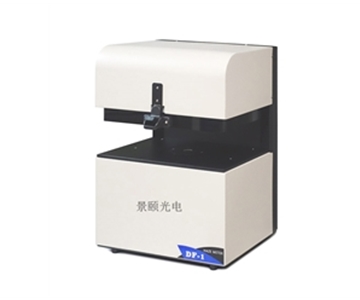
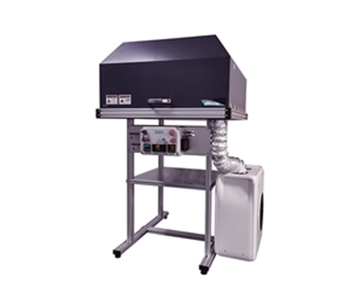
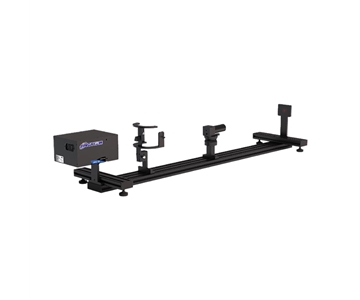
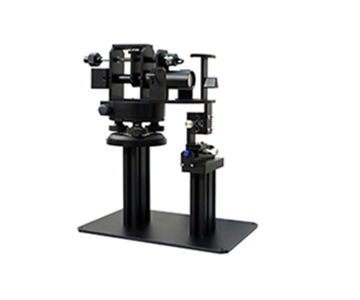
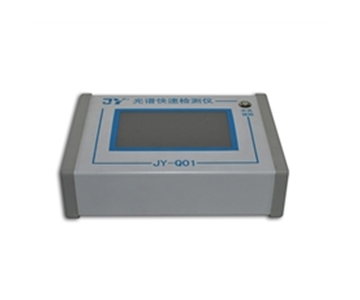
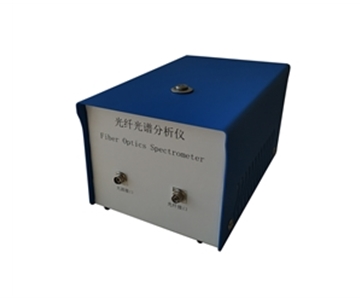
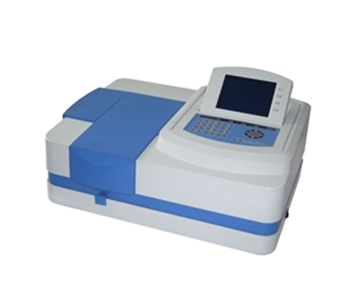
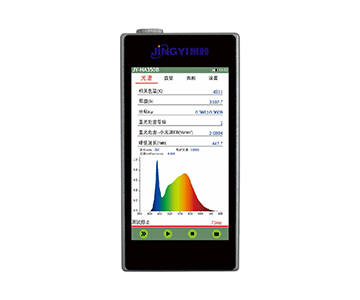
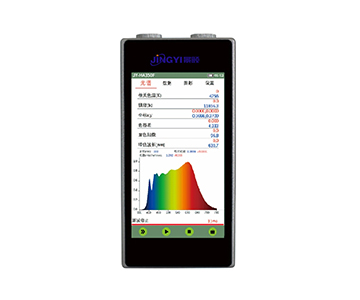
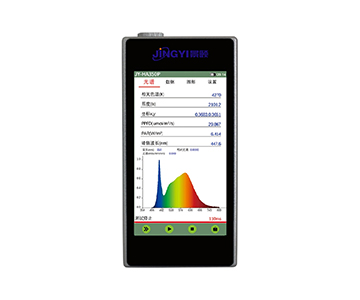
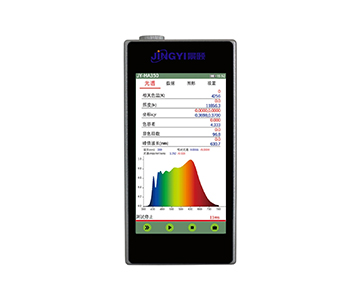
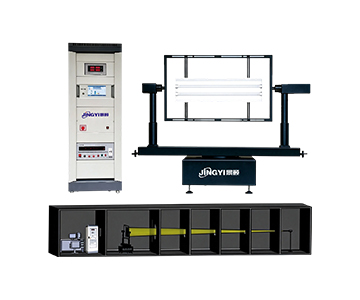
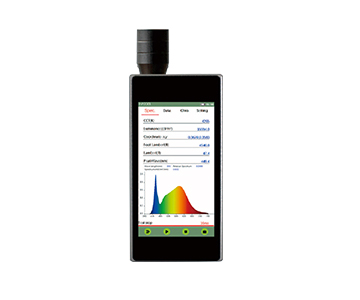
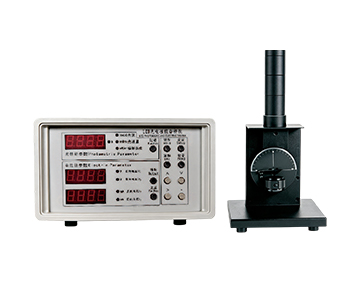
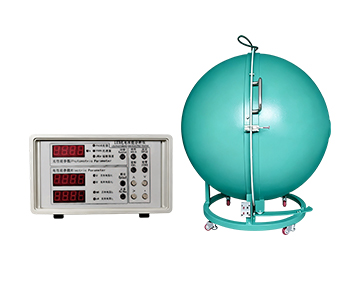
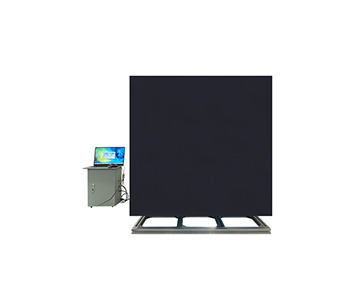
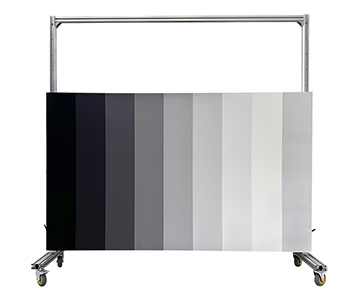
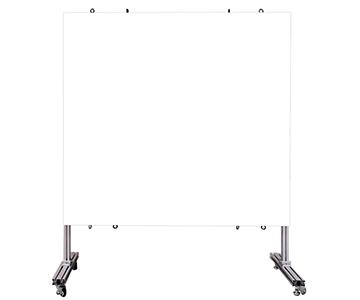
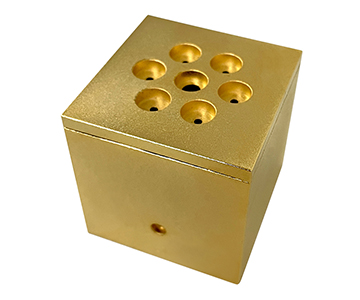
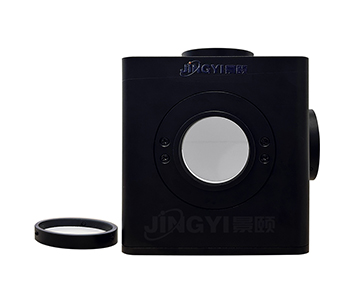
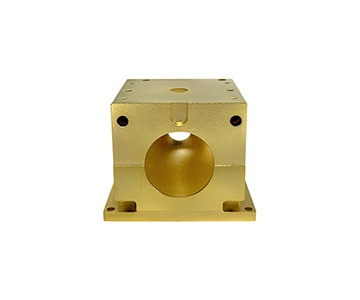
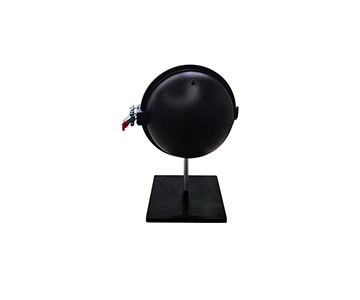
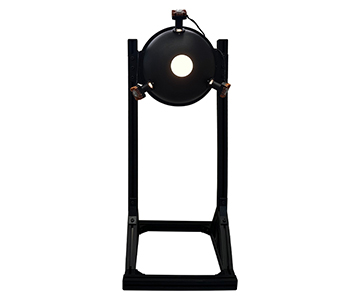
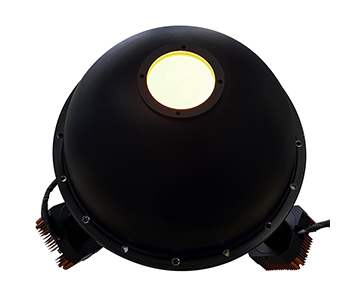
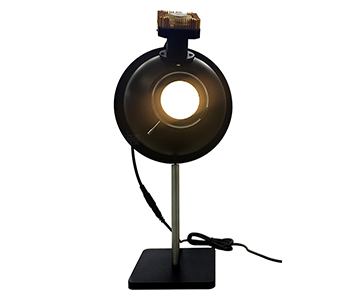
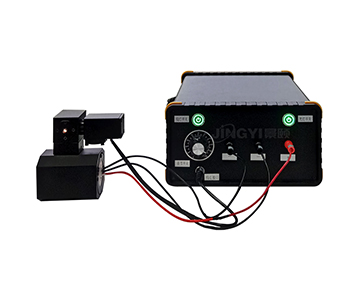
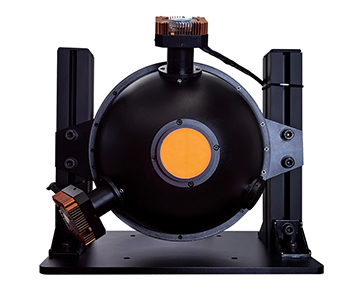
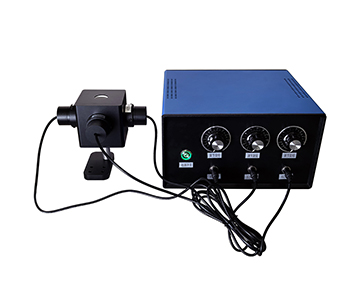
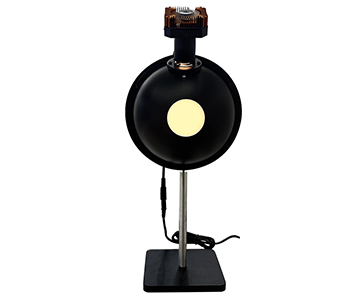
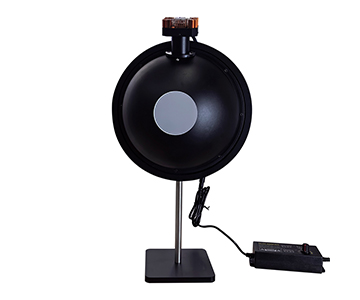
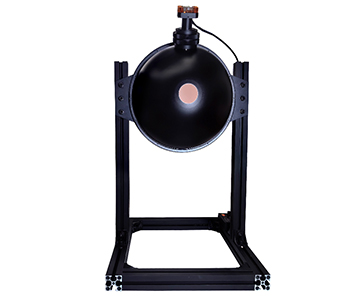
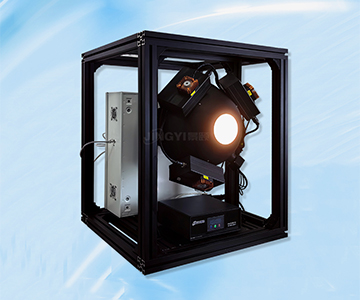
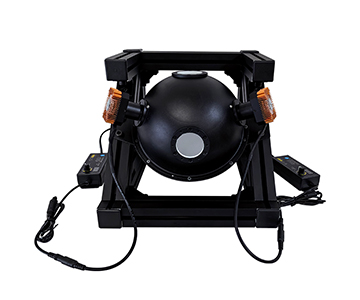
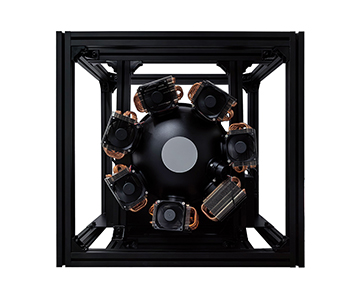
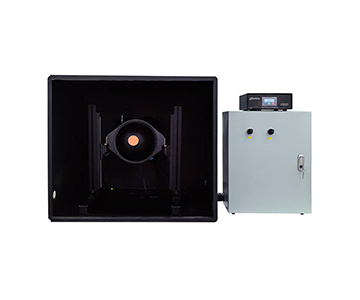
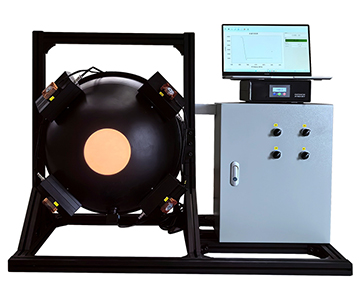
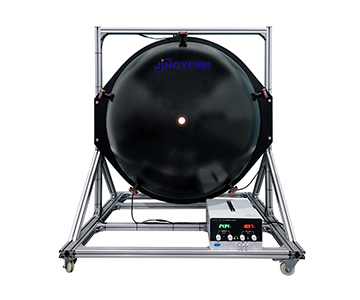
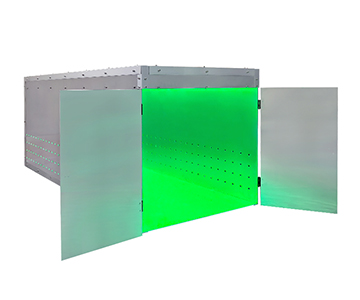
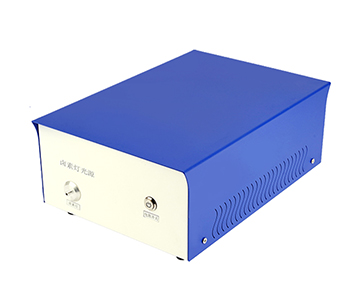
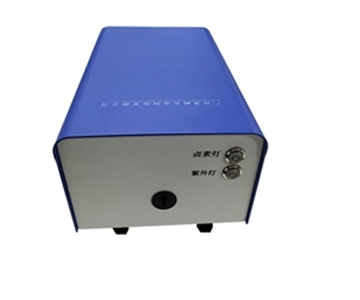
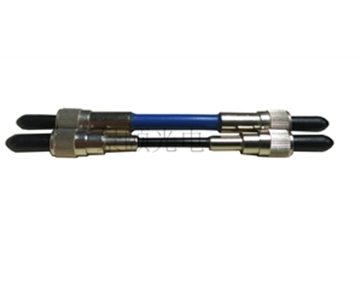
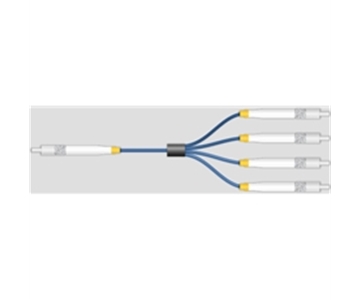
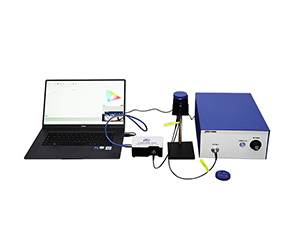
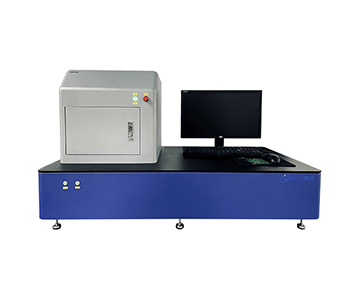
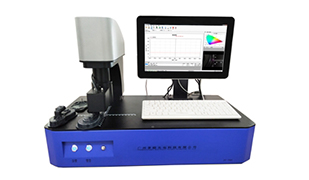
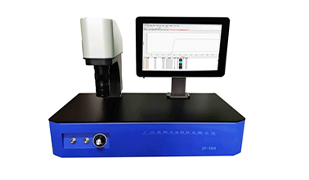
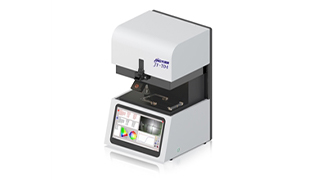
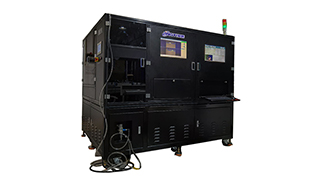
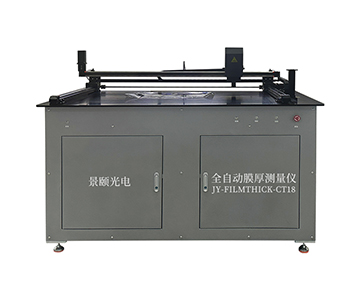
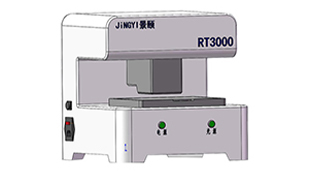
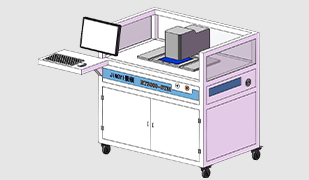
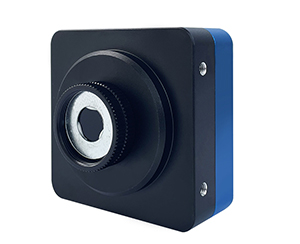
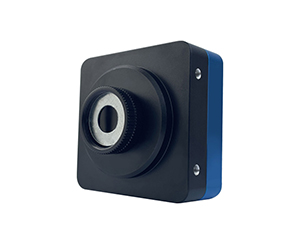
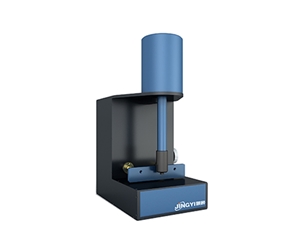
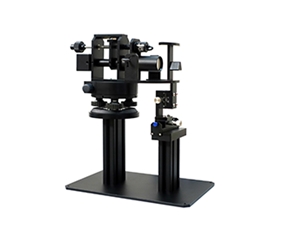
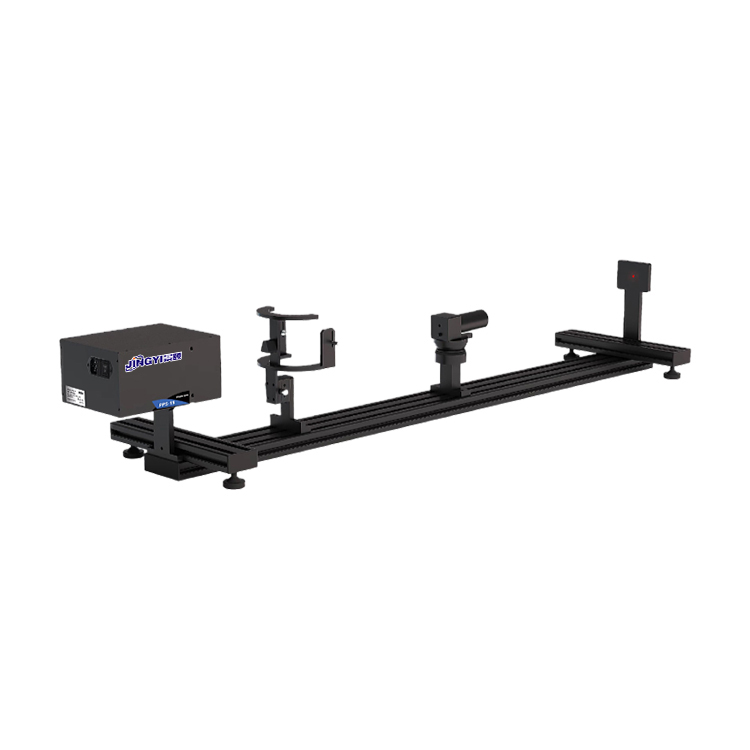
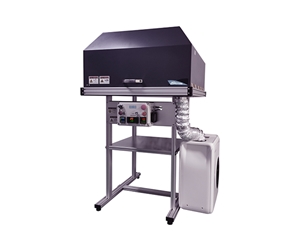
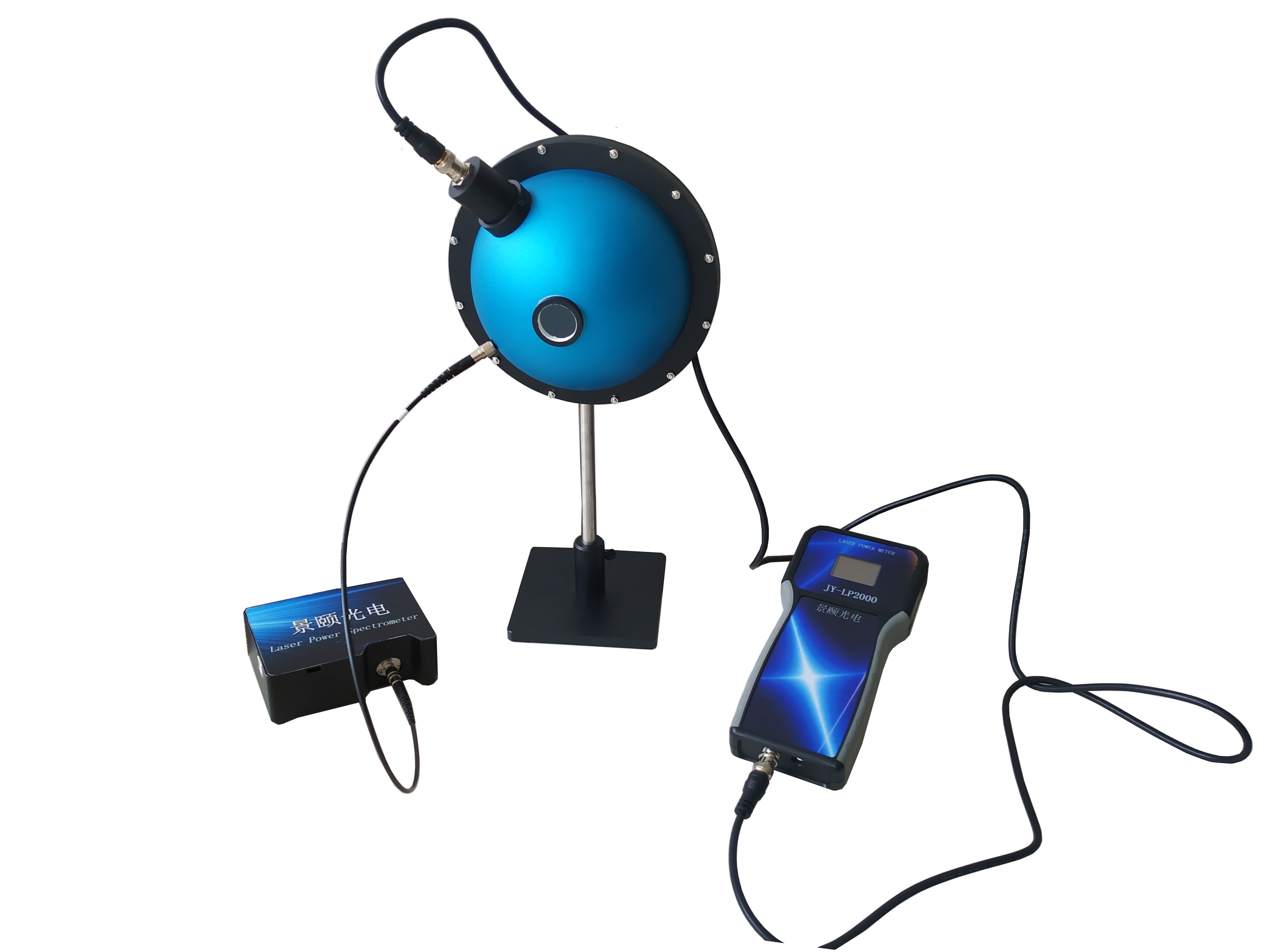
Selecting a reflectivity measurement system for anti-glare rearview mirrors demands more than checking a datasheet. Production lines require instruments that capture dynamic transitions under temperature extremes, synchronize external triggers for reverse-gear response, and maintain zero-drift stability over continuous operation. This guide breaks down seven technical dimensions, compares three budget tiers from $50K to $200K+, and provides a 10-point verification checklist. Based on validation data from 200mm optical test benches and thermal chamber runs, the analysis shows that confusing static accuracy with repeatability—or mistaking temperature range for dynamic capability—can lead to $142,000 in annual scrap and rework costs. Engineers will find a step-by-step POC protocol and honest limitations of each system type to support procurement decisions.
Why Static Reflectivity Alone Fails Production Audits
A specification sheet may advertise 1ms single-shot testing, but when the mirror enters a thermal chamber and switches from bright to dark states, the recorded curve often drifts or drops points. Buyers focused on marketing claims frequently overlook whether the safety state after power loss is actually captured, or if reverse-trigger response times stay within tolerance. In automotive rearview mirrors, a reflectivity deviation of just 3–5 percentage points
Many suppliers print “compliant with UN ECE R46” on brochures, yet few can continuously run conversion time, power-loss safety, and reverse response at operating temperatures. Some entry-tier systems output only a single static reflectivity value. Others market a 400–1000nm wide band as full visible spectrum coverage. Still others omit zero-offset and 5-minute stability figures, causing data drift after 30 minutes of line operation. The most隐蔽 pitfall is calibration traceability: claiming “accuracy better than 1%” without specifying the reference standard or dark-background subtraction method breaks the audit chain during third-party inspections.
Seven Selection Dimensions Decoded
1. Wavelength Coverage: Does It Anchor the Visible Main Band?
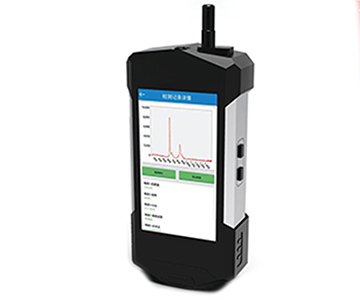
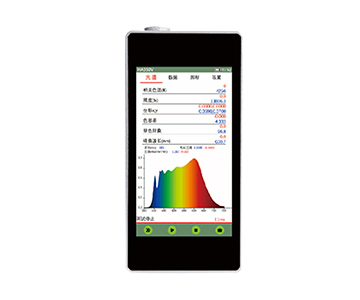
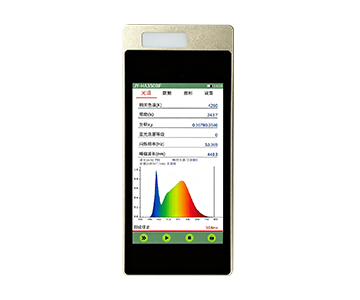
When testing conventional anti-glare interior mirrors, 380–780nm covers the human-eye visible spectrum, revealing how mirror tint and reflectivity shift across wavelengths. A base spectral model operating in this range with 1nm measurement intervals produces continuous reflectivity curves rather than single-point estimates. Wide-band fiber models extend to 400–1000nm, adding near-infrared data useful for streaming media mirrors or coating material analysis—but should not be mistaken for full visible-spectrum replacements.
2. Absolute Accuracy vs. Repeatability: Ask for Two Separate Numbers
Accuracy of ±0.01 and three-measurement deviation under 0.01 are distinct. The former describes deviation from a reference; the latter determines whether data jitter occurs during continuous line testing. During procurement, require suppliers to list “measurement accuracy” and “repeatability” as separate values. Poor repeatability means a device calibrated in the morning may drift by night, rendering pass/fail thresholds meaningless.
3. Zero Offset and Short-Term Stability
Zero offset ≤0.001 within 5 minutes and stability ≤0.005 over 5 minutes form the foundation of continuous testing. If the zero point drifts before the dynamic reflectivity curve completes its temperature transition, the entire dynamic segment becomes unreliable. Production environments must prioritize 5-minute drift limits over single-shot precision.
4. Single Test Time vs. Line Cycle Occupancy
A 1ms single test enables high-density sampling of reflectivity over time, keeping transition curves sharp. However, buyers must clarify whether 1ms refers to single-frame exposure or the full chain including trigger, readout, and host computer logging. Only quoting single-frame time is misleading. Under tight line cycles, data write frequency and software decision latency become the real bottlenecks.
5. Light Source Color Temperature and Reference Standard
Color temperature of 2850±50K is not decorative. Mirror reflectivity depends on incident light spectrum; if source color temperature drifts, absolute reflectivity values shift uniformly. Confirm the source stabilizes near 2850K and that the “better than 1% reflectivity accuracy” claim is traceable to a calibrated reference standard. Without traceability, the claim is unverifiable.
6. High-Low Temperature Boundaries and Dynamic Items
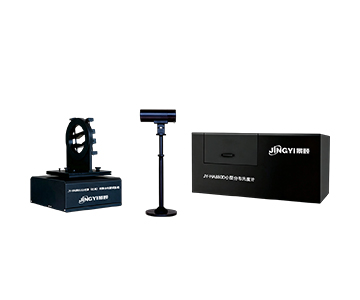
An operating range of -30°C to 65°C involves more than placing the main unit in a chamber. Auto-dimming mirrors require reflectivity conversion time measurement at working temperature. Power-loss safety tests demand recording of the断电 state. Reverse-gear reflectivity response tests need external trigger synchronization. Any desynchronization among probe, fiber, trigger line, and software clock causes dropped points in dynamic curves.
7. Dark Background Subtraction and Integrating Sphere Coating
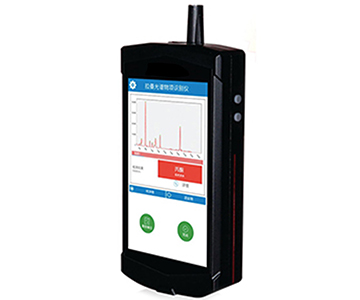
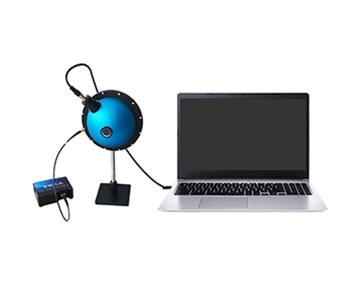
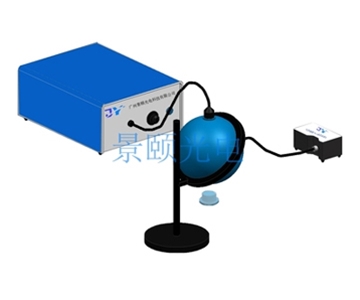
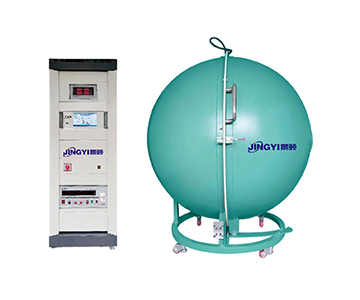
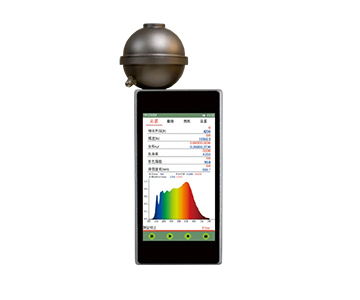
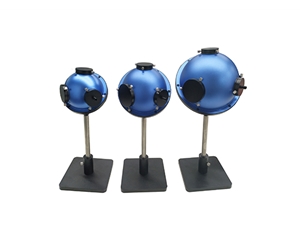
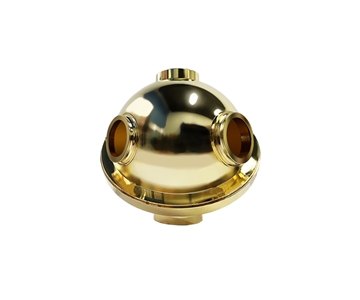
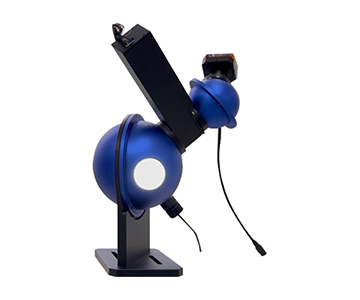
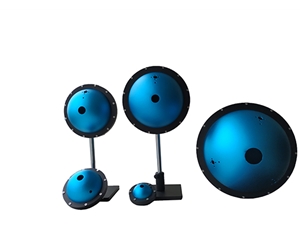
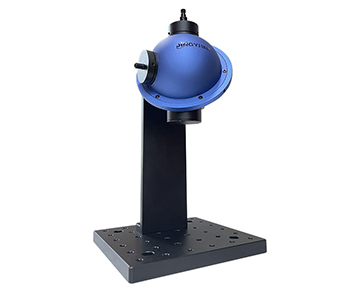
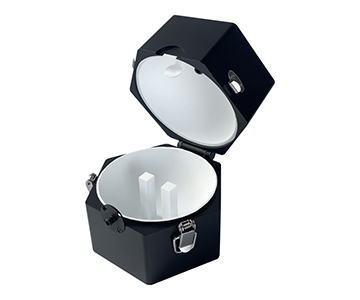
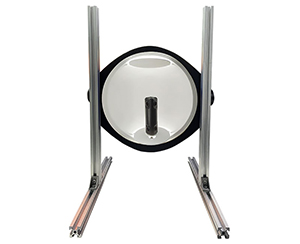
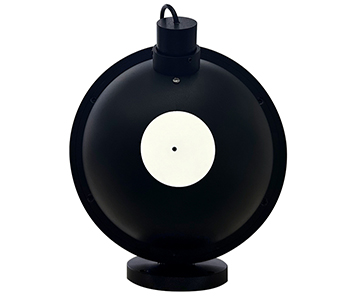
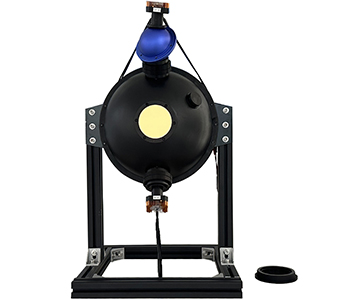
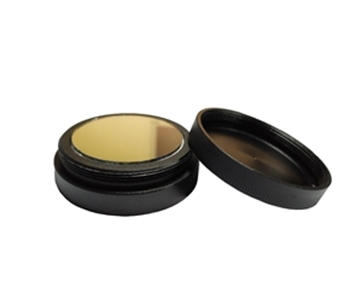
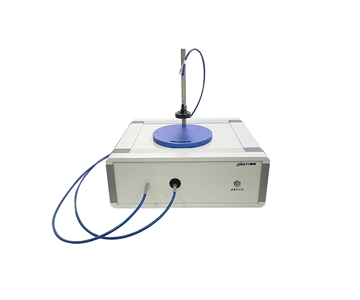
Wide-band fiber models with automatic dark-background subtraction suppress detector noise. Integrating sphere coating reflectivity above 99% minimizes loss from multiple internal reflections, stabilizing edge measurement points and low-reflectivity dark states. If a supplier only states “high reflectivity” without a percentage, errors in low-reflectivity segments amplify, making dark-state anti-glare data untrustworthy.
Compliance & Calibration (Added Dimension)
For global production lines, insist on ISO/IEC 17025 accredited calibration and NIST-traceable reference standards. Reflectivity measurements should be linkable to national metrology institutes. Systems lacking documented calibration chains risk failing customer audits regardless of specification sheet performance.
Three-Tier Horizontal Comparison by Budget
| Tier Designation |
Wavelength Range |
Key Steady-State Parameters |
Dynamic & Temp Range |
Target Scenario |
Est. Budget |
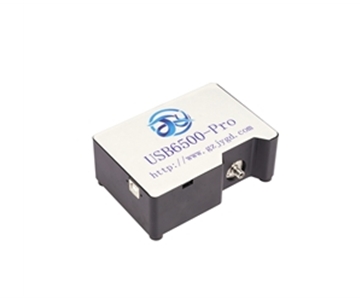
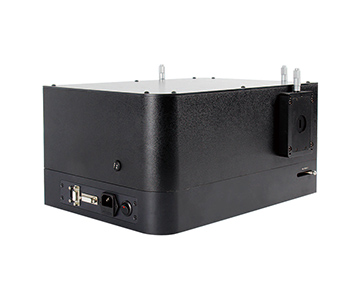
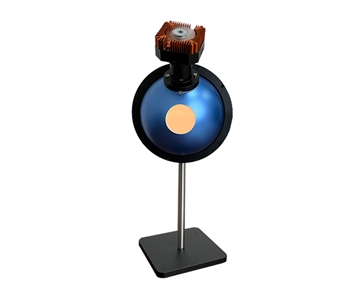
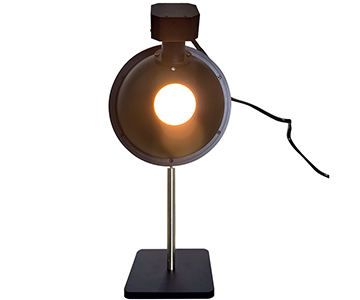
| Base Spectral Type |
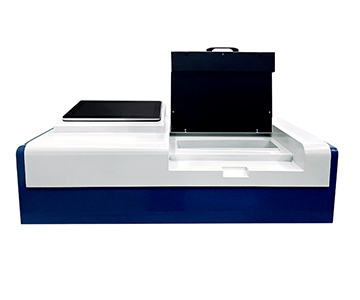
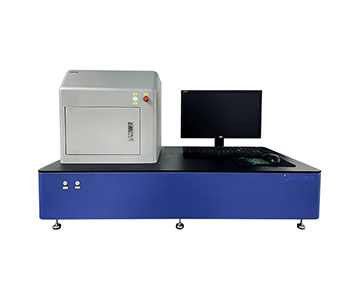
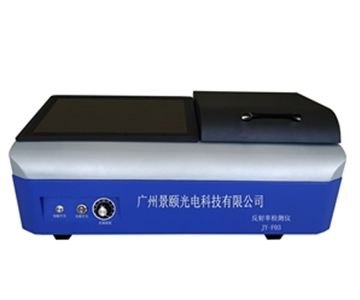
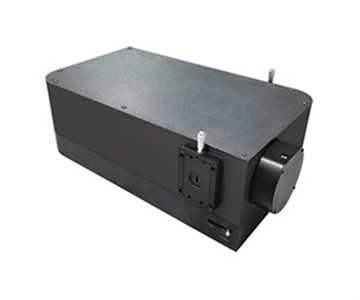
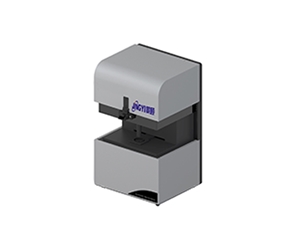
380–780nm |
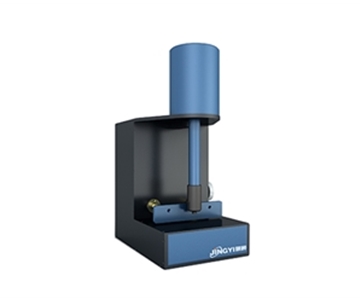
Accuracy ±0.01, 3-deviation <0.01, zero 5min ≤0.001, stability 5min ≤0.005 |
Color temp 2850±50K, 1ms single shot, temp -30~65°C (partial data) |
Visible reflectivity curves, static final inspection |
$50K tier |
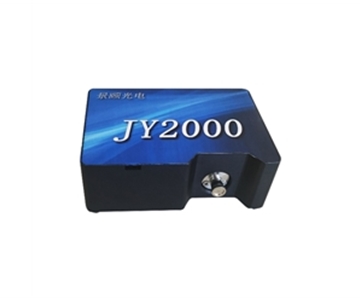
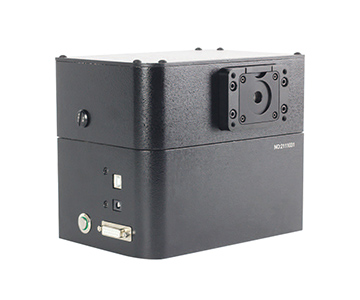
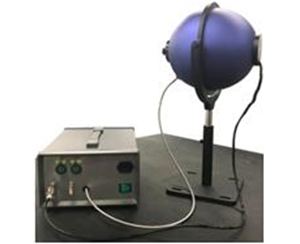
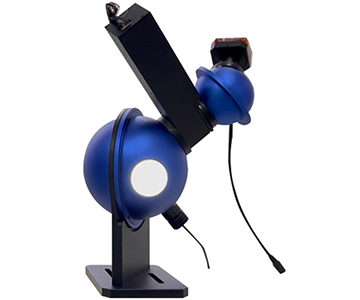
| Wide-Band Fiber Type |
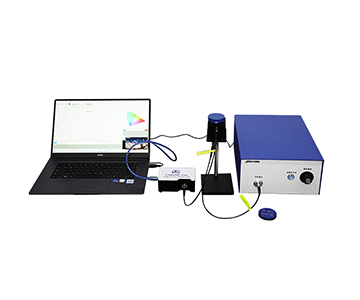
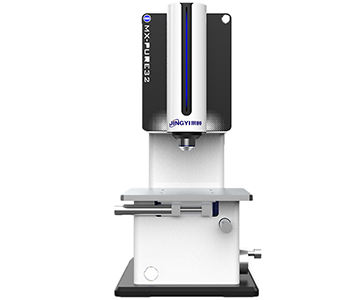
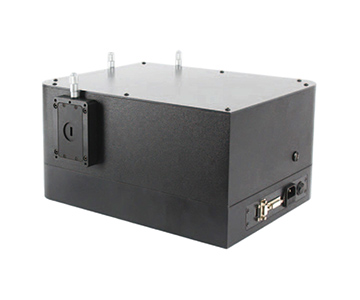
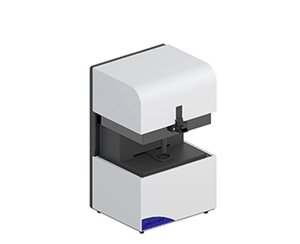
400–1000nm |
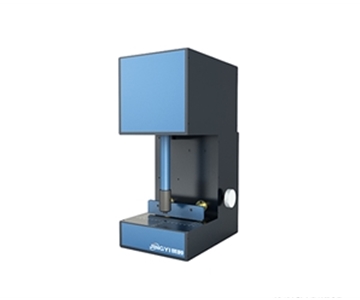
Reflectivity 0–100%, accuracy >1%, interval 1nm, 1ms single shot |
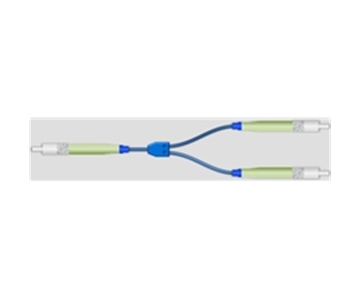
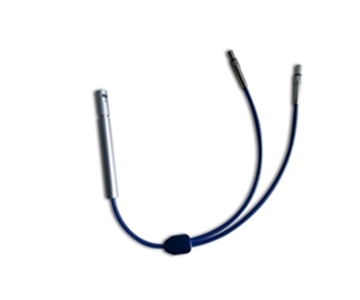
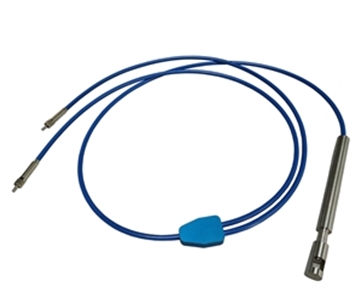
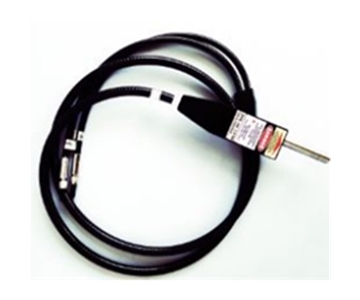
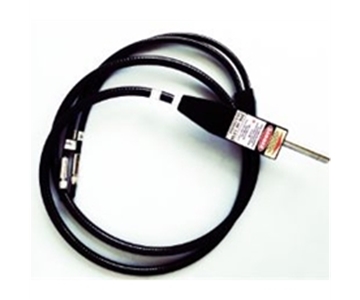
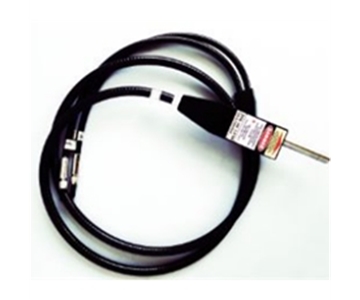
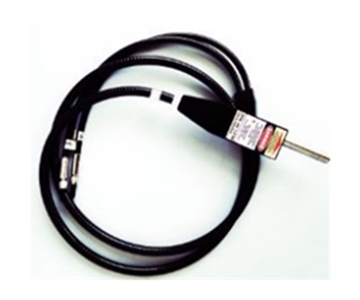
Auto dark subtraction, sphere coating >99%, aperture 9.5mm, fiber 3m |
Streaming mirrors, material analysis, line sampling |
$100K tier |
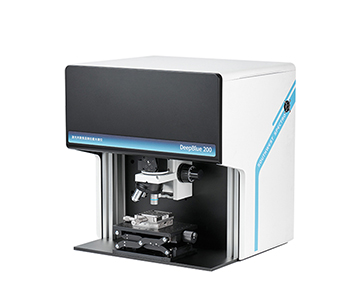
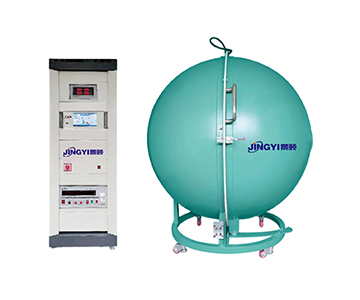
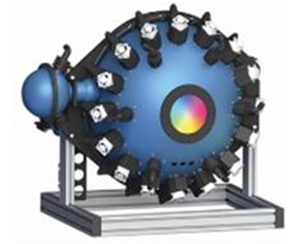
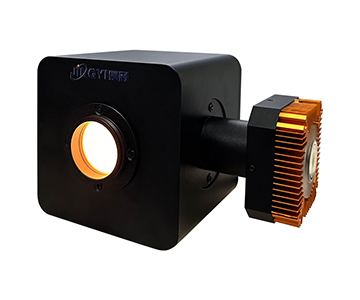
| High-Low Temp Dynamic Type |
Not specified |
Not specified |
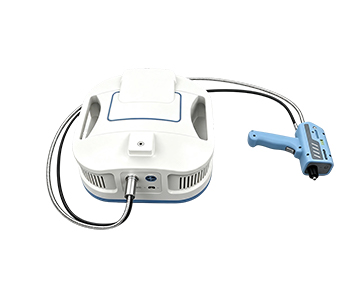
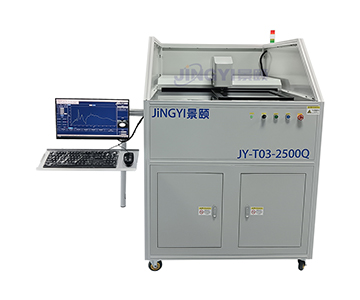
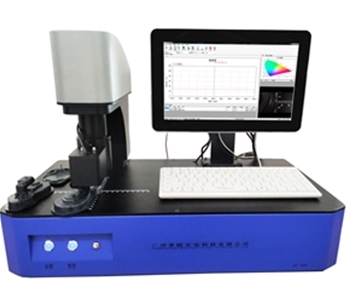
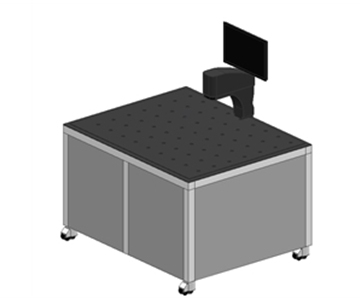
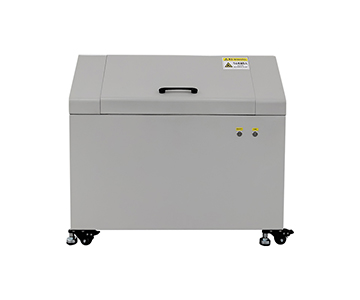
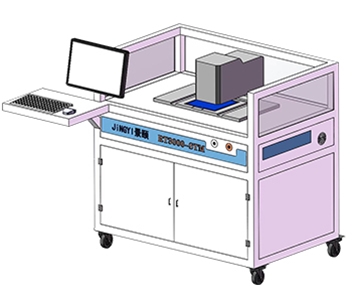
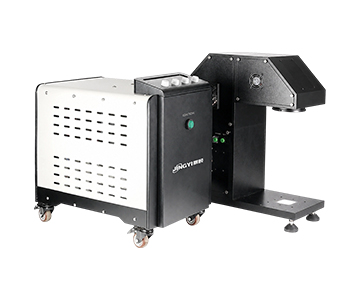
-30~65°C, supports conversion time, power loss safety, reverse response |
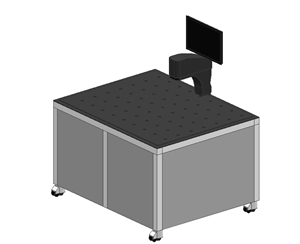
Auto-dimming mirror dynamic compliance verification |
$200K+ tier |
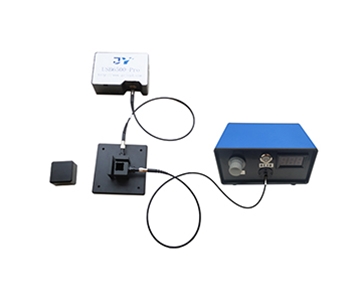
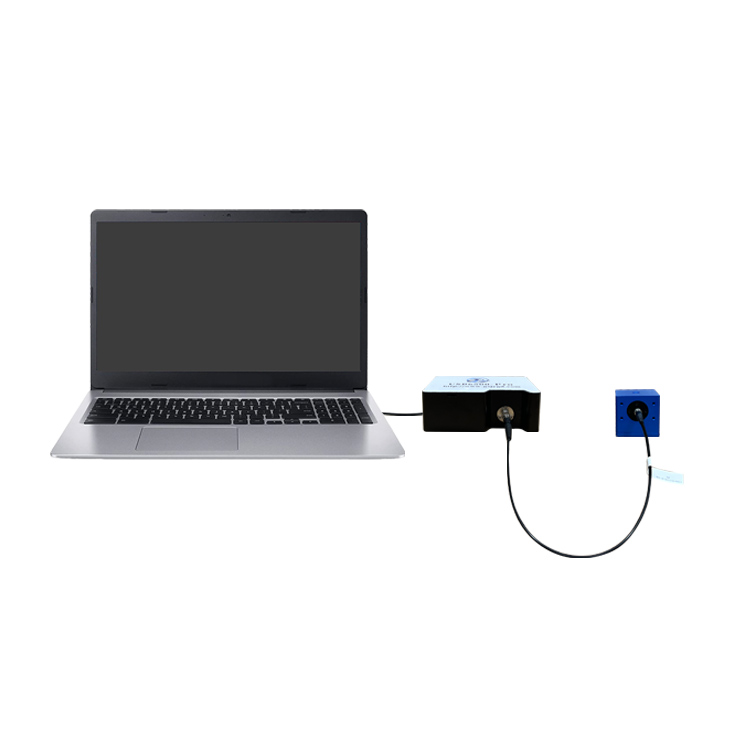
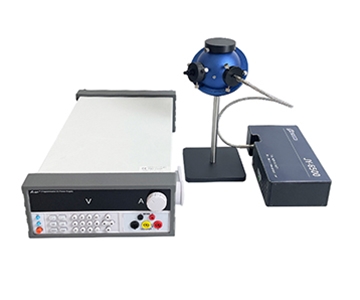
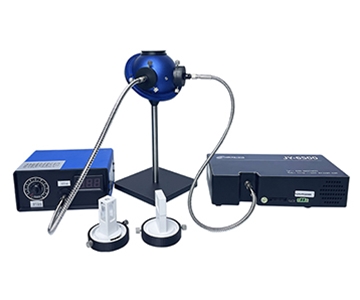
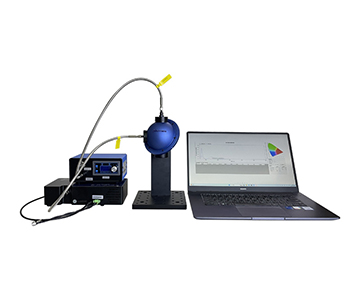
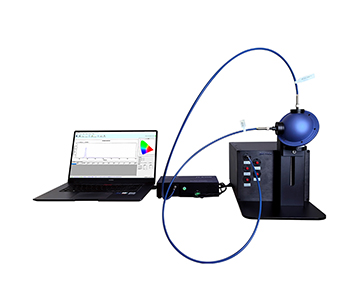
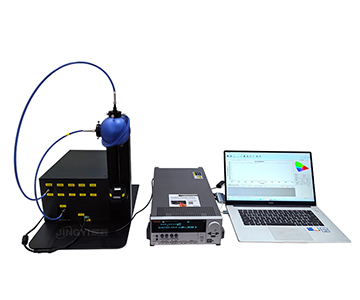
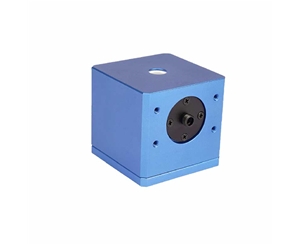
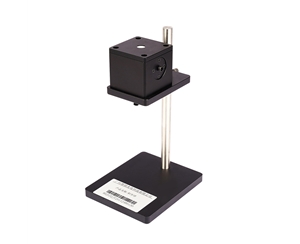
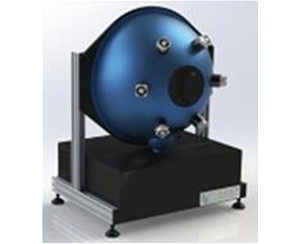
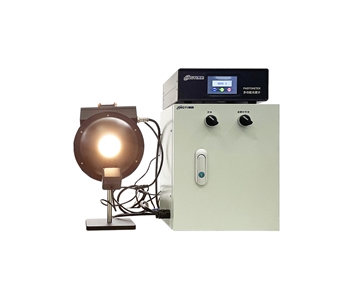
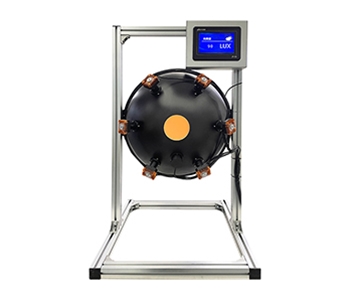
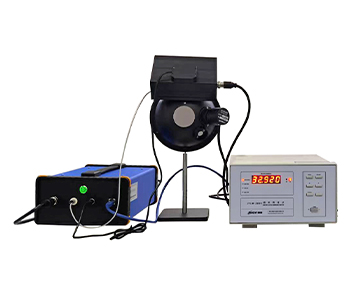
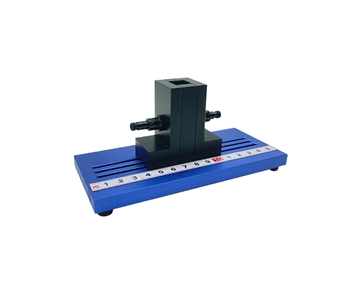
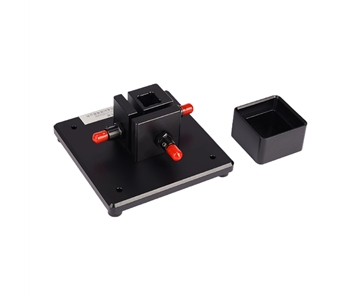
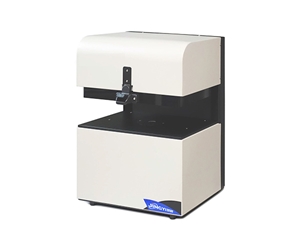
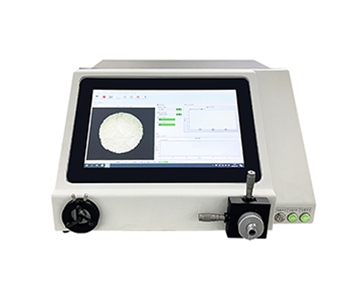
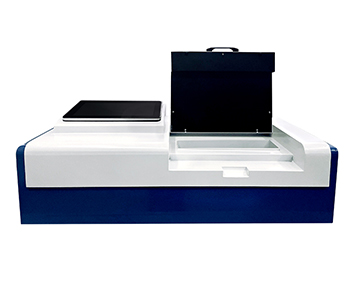
The most critical column is not wavelength numbers but the base spectral type’s zero and stability: 5-minute drift limits directly determine the credibility of the first half of dynamic curves. The wide-band fiber type’s value lies in >99% sphere coating and automatic dark subtraction, enabling stable low-reflectivity dark-state measurement. The high-low temp dynamic type omits wavelength and accuracy details in documentation; procurement must demand a formal specification sheet—never accept temperature range as a proxy for accuracy承诺.
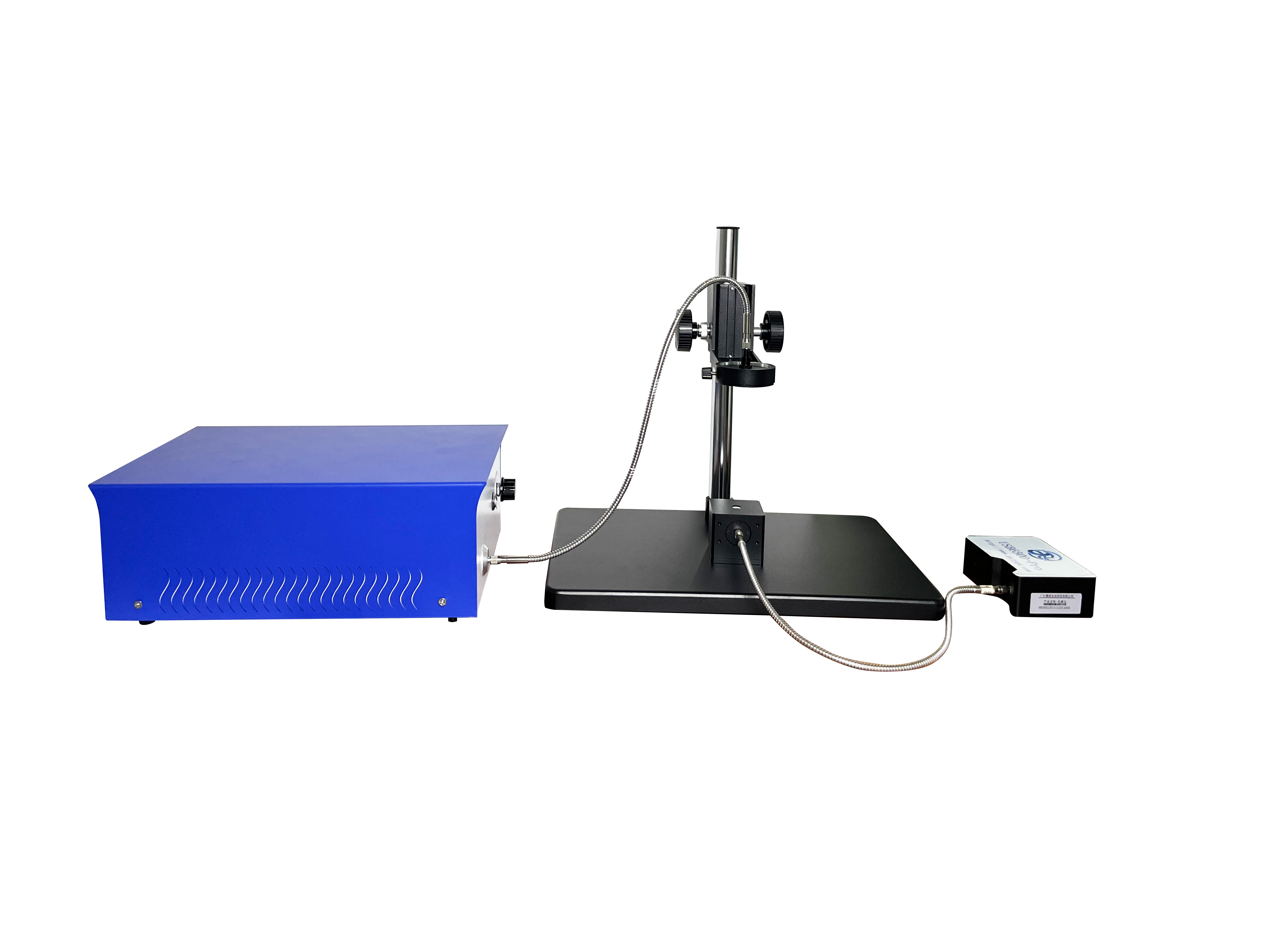
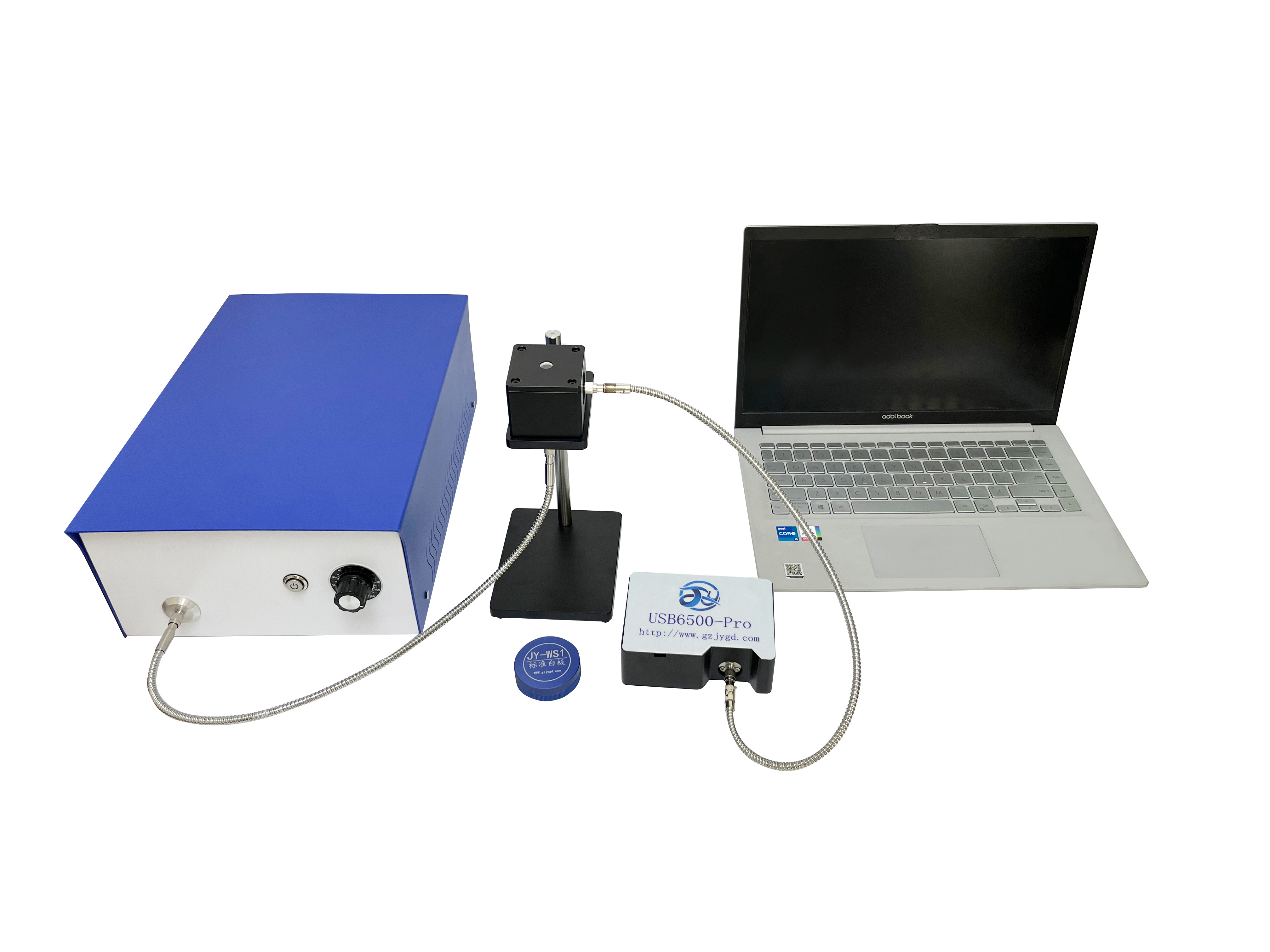
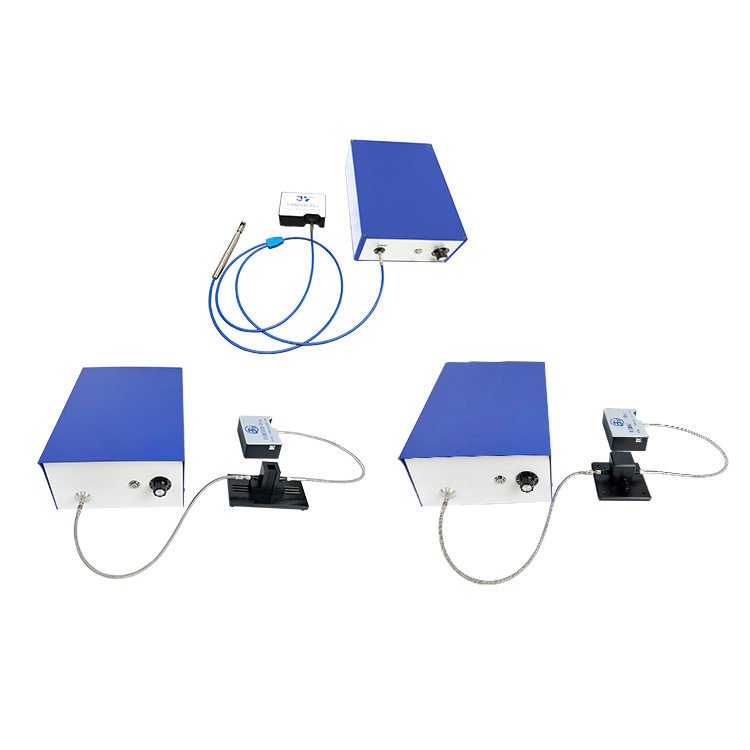
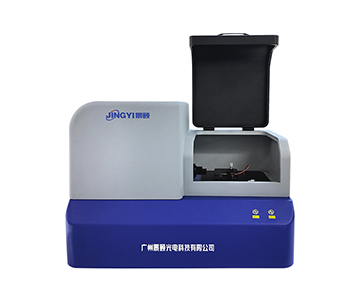
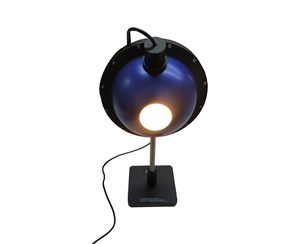
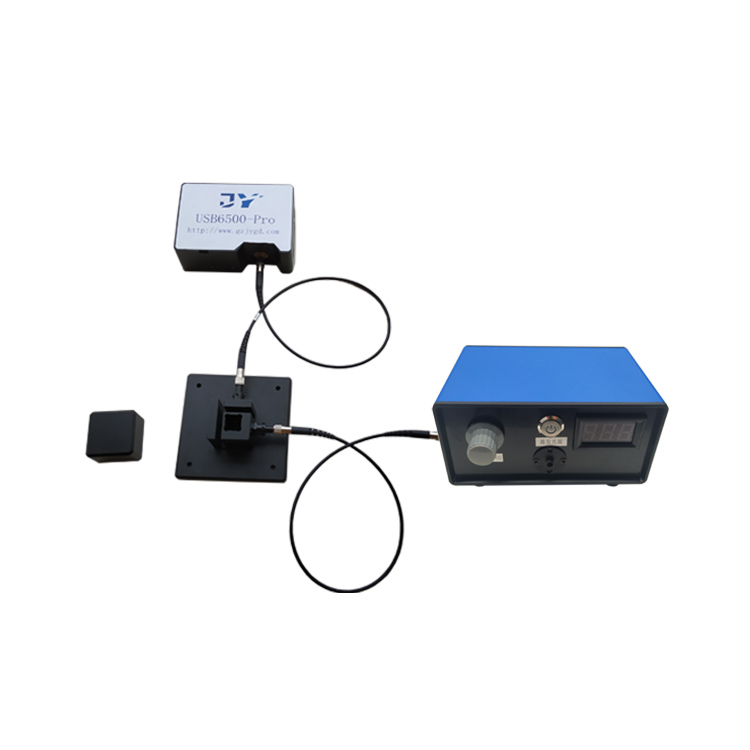
Base spectral models suffice for drawing curves in the visible band; three-measurement deviation under 0.01 means low dispersion for same-point retests, suitable for line pass/fail decisions. Wide-band fiber models capture near-infrared, with 9.5mm aperture and 3m fiber easing probe placement, though fixed aperture requires moving large mirrors for full coverage. High-low temp dynamic systems justify cost only when dynamic items are required; buying temperature capability for static-only testing wastes capital.
POC Verification: Replicate in Your Own Lab
Prepare three sample mirrors: conventional anti-glare, auto-dimming, and streaming media interior mirror.
Step 1: Static Reflectivity.
Measure same point three times; deviation should be under 0.01. If exceeded, check light source color temperature and reference standard before condemning the device.
Step 2: Zero Observation.
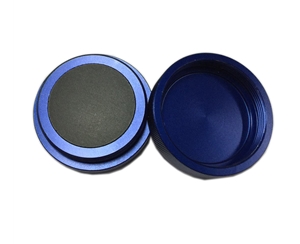
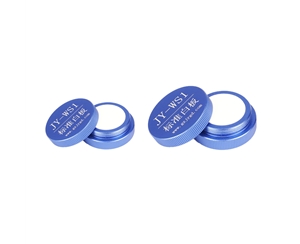
Run empty or with standard whiteboard for 5 minutes; zero offset should be ≤0.001, stability ≤0.005. For production-line simulations, extend to 15–20 minutes to confirm drift remains controlled.
Step 3: Dynamic Run.
Place auto-dimming mirror in thermal chamber, set operating temperature, apply switching trigger, record reflectivity vs. time curve. Focus on continuity of bright-to-dark transition. In power-loss safety tests, power-off and recovery segments must not drop sampling points.
Step 4: Reverse Response.
Synchronize external signal trigger between device and mirror controller; measure reflectivity response time. If single-shot is 1ms but trigger misaligns, response time jitters by several milliseconds—leave margin in判定 thresholds.
Step 5: Dark State Check.
Enable automatic dark background subtraction on wide-band fiber models for low-reflectivity points. Devices lacking this feature report inflated dark-state data, unusable for anti-glare validation.
Ten Pre-Procurement Checklist Items
1.Does the wavelength range cover visible light only or include near-infrared? Never substitute 400–1000nm for 380–780nm.
2.Are measurement accuracy ±0.01 and three-deviation listed separately? If only one number, demand repeatability data.
3.What is the 5-minute zero offset limit? Without this, dynamic curve前半段 is questionable.
4.What is 5-minute stability? Continuous line grading depends on it.
5.Is 1ms single test full-chain or single-frame? Require supplier to document trigger-to-write latency.
6.Is color temperature 2850±50K? Deviation shifts absolute reflectivity values.
7.On what reference standard is “accuracy better than 1%” based? Untraceable claims are unacceptable.
8.Does -30~65°C operation support conversion time, power loss, and reverse response? Temperature range alone is insufficient.
9.Is automatic dark background subtraction available? Mandatory for wide-band low-reflectivity segments.
10.Is integrating sphere coating reflectivity >99% or just labeled “high reflectivity”? Only a percentage is verifiable.
Common Selection Pitfalls Engineers Hit
The most frequent mistake is buying a static reflectivity meter for dynamic compliance. Brochures stating “measures reflectivity” without mentioning power-loss safety or reverse response lead to secondary procurement when OEM audits demand dynamic items.
Second pitfall: prioritizing upper wavelength limit. 400–1000nm sounds broader than 380–780nm, but the visible lower bound starts at 400nm, losing short-wave tint information. Conventional anti-glare mirrors then have incomplete visible reflectivity curves.
Third pitfall: trusting “high accuracy” without zero and stability figures. During a midnight production run, zero drift of 0.002 causes pass/fail lines to fluctuate, creating false yield variations that send process engineers on wild goose chases through coating furnaces.
Fourth pitfall: accepting temperature range as dynamic capability. -30~65°C indicates environmental tolerance, not synchronized trigger, recording of conversion time, or power-loss capture. Always request dynamic test screenshots and trigger documentation alongside temperature specs.
Applicable Boundaries of Each System Type
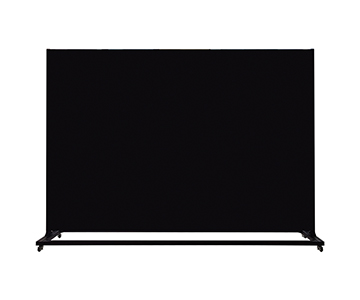
These measurement systems perform strongly in visible-light static reflectivity and line cycle speed. However, the high-low temp dynamic type omits wavelength and absolute accuracy details in available documentation; do not assume it matches the bench-top base spectral model. Dynamic stability depends on trigger synchronization, probe stability inside thermal chambers, and software write speed—not merely a 1ms single-test claim.
Another boundary: wide-band fiber models at 400–1000nm suit material analysis and streaming mirror evaluation, but for conventional anti-glare interior mirrors, the 380–780nm base spectral type with 1nm intervals remains the correct match. Selecting wide-band is not an upgrade but a场景 switch; procurement should choose based on the device under test’s primary frequency band, not on numerical range.
Frequently Asked Questions
Q1: Is static reflectivity measurement sufficient for production lines?
No, not for auto-dimming mirrors. Static values only cover daytime reflectivity. Conversion time, power-loss safety, and reverse response require dynamic testing; otherwise, compliance with standards like UN ECE R46 remains unverified.
Q2: How to verify whether a 1ms single test claim is genuine?
Request a POC with continuous reflectivity-over-time curve recording. Check sampling interval and trigger timestamps. Single-frame exposure of 1ms differs from full-chain 1ms; write latency must be included.
Q3: Can a 400–1000nm wide-band model replace a visible-light system?
For material analysis and near-infrared segments, yes. But for conventional interior mirrors, the 380–400nm segment is missing, resulting in incomplete visible reflectivity curves. Select by primary application band, not by range width.
Q4: How to allocate the three tiers by budget?
Static full inspection → base spectral type ($50K tier). Streaming media or sampling analysis → wide-band fiber type ($100K tier). Auto-dimming dynamic compliance → high-low temp dynamic type ($200K+ tier). Paying only for temperature range without dynamic triggers is poor value.
Q5: How can I independently verify equipment status upon delivery?
Measure static reflectivity with a calibrated reference standard; perform three same-point tests checking deviation. Run 5-minute empty test for zero and stability. Execute a thermal chamber dynamic curve. If data diverges from factory reports, first check light source color temperature and dark background subtraction before signing acceptance.
About This Guide
Data Sources
: Uploaded product documentation parameter tables, UN ECE R46 and SAE J985 public standard information, ISO 9050:2003 standard on solar reflectance.
Author
: Cai Xiaodong, Senior Application Engineer, Jingyi Optoelectronics, 12 years in optical inspection industry, specializing in industrial precision measurement and production line quality inspection equipment selection.
Disclosure
: Jingyi Optoelectronics manufactures optical measurement equipment. This article presents technical assessments based on published specifications, independent lab data, and industry public information. No compensation was received from third-party brands mentioned.
Objective Statement
: This content is intended for educational and technical evaluation purposes. Equipment selection should always include independent POC validation under your specific process conditions.
Last Updated
: September 2026
For detailed specifications and application notes on automotive rearview mirror reflectivity measurement systems, search "Jingyi Optoelectronics + rearview mirror reflectivity tester" or visit our technical library.