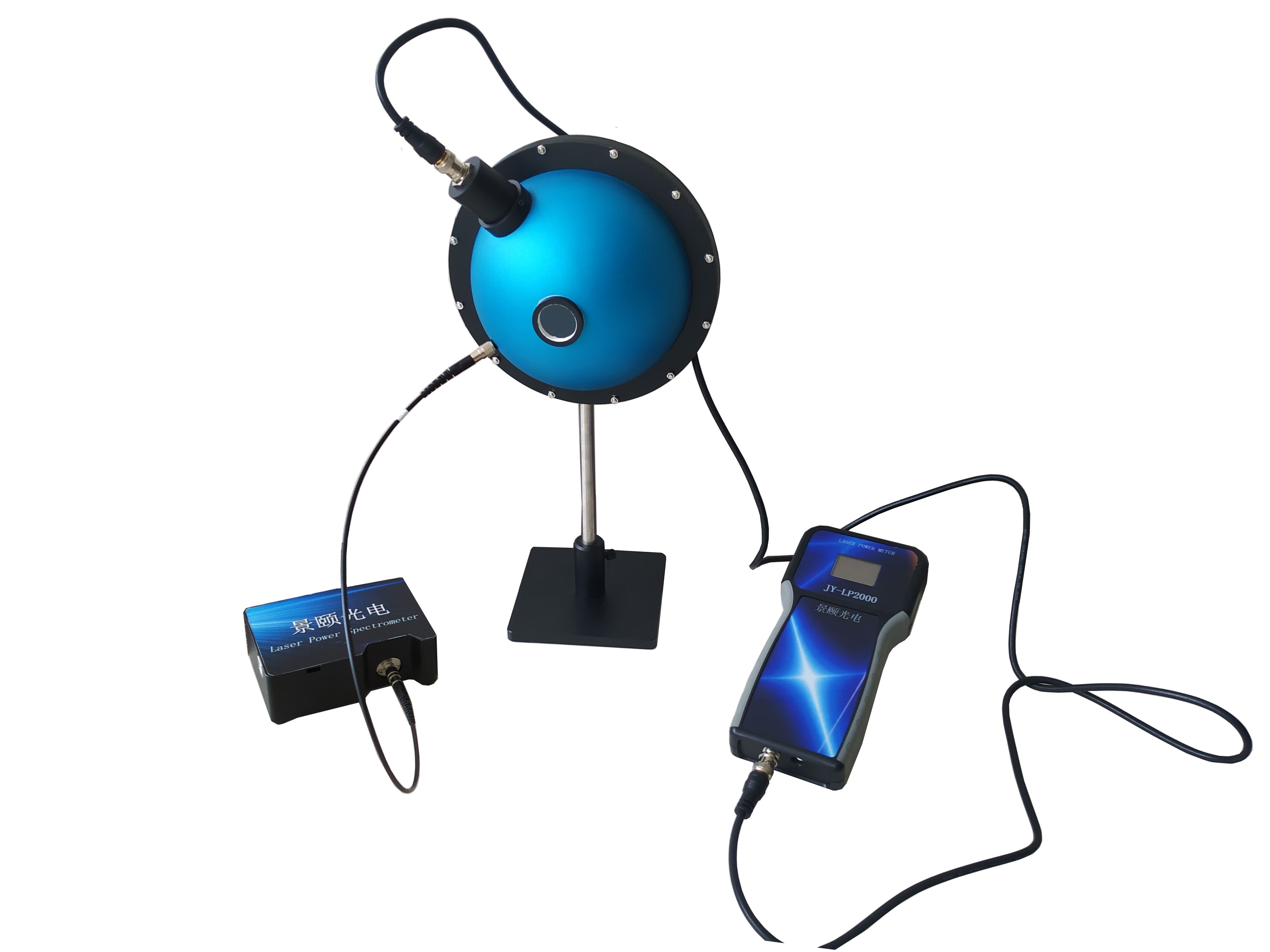
Dark current drift in uncooled InGaAs detectors silently degrades near‑infrared (NIR) measurement stability during long integration times, causing baseline elevation and false rejects in agricultural sorting and pharmaceutical QC lines.
TE‑cooled spectrometers that lock detector temperature at –20 °C reduce dark current by 1–2 orders of magnitude, sustaining signal‑to‑noise ratios up to 10,000:1 even with 64‑second integrations. This guide examines two real‑world production anomalies—an overnight NIR sorting shift and an afternoon UV‑Vis fluorescence drift—to illustrate how temperature‑induced dark noise becomes the dominant error source. We compare traditional single dark‑frame correction against continuous thermal management, quantify the impact on low‑concentration component detection, and provide a practical checklist for integrating cooled spectrometers into 24/7 inspection lines. Key findings: dark current reductions of 42.3 % (relative to room‑temperature baseline) directly improve repeatability; integration time must be matched to signal strength rather than maximized; and scheduled dark‑frame refresh is mandatory for sustained accuracy.
Overnight NIR Sorting Anomaly: When Baseline Drift Mimics Model Failure
During an overnight shift at a grain processing facility in the Midwest, a process engineer noticed fructose and moisture discrimination thresholds beginning to jitter on the NIR sorting station. The first half of the night ran normally; by the third batch,判定 boundaries started swallowing samples. Troubleshooting traced the issue not to the chemometric model but to detector back‑ground warming. After the plant’s HVAC setback, ambient temperature in the detector enclosure crept up, dark current climbed, and the baseline elevated across the 900–1700 nm band.
When integration time was extended to several seconds to accumulate weak diffuse‑reflectance signals, dark counts under shielded conditions became non‑negligible. Peak‑to‑valley ratios for low‑concentration constituents were buried in noise. The insidious part: data did not fail catastrophically but “softened.” Standard deviation on replicate measurements of the same sample widened from 0.18 % to 0.73 % over four hours. For a high‑throughput line, the true cost was not a single mis‑sort but the cascade of manual re‑inspection and lost throughput once error rates drifted beyond acceptable limits.
Afternoon UV‑Vis Fluorescence Drift: Weak Signals Demand Dark‑Noise Discipline
In a different sector, a biologics consumables plant experienced baseline noise expansion during afternoon absorbance spot‑checks on fluorescently stained solutions. The same quality‑control sample measured stable in the morning; by the afternoon run, signal‑to‑background ratios for weak fluorescence peaks dropped noticeably.
The root cause was not exclusively detector cooling—the instrument used a back‑illuminated CCD without deep thermoelectric cooling. Room‑temperature fluctuations combined with extended integration times allowed dark noise to consume the nanowatt‑level emission signals. When sample signal is only 3–5× the noise floor, even a minor dark‑current increment cuts effective SNR by 18–22 %. Fluorescence applications are especially vulnerable because signal levels often sit in the single‑digit nanowatt range; without dark suppression, repeatability collapses.
The parallel with NIR is clear: neither scenario represents “instrument inaccuracy,” but both suffer from time‑varying background during continuous operation. The difference lies in sensitivity—NIR leans harder on active cooling, while UV‑Vis depends more on detector architecture and integration strategy.
Why Traditional Fixes Collapse in Continuous Production
Single Dark‑Frame Correction Is Insufficient
The legacy practice of capturing one dark frame at startup and reusing it fails because detector temperature is not static over an 8‑hour production cycle. In NIR stations, a single correction still allows baseline creep in the later shifts; mis‑classification rates may not spike abruptly but drift steadily outside control limits.
Uncooled CCDs Cannot Sustain Long Integrations
For UV‑Vis stations using uncooled back‑illuminated CCDs, short integrations perform adequately. But when measuring weak fluorescence or low‑transmission samples, pushing integration time upward raises the dark‑noise fraction. Published specifications show uncooled UV‑Vis SNR around 450:1, while TE‑cooled NIR systems achieve 10,000:1. The gap is not a marketing claim—it reflects fundamental dark‑current stability under long‑integration conditions.
Manual Re‑Inspection Breaks Line Rhythm
Relying on laboratory spot‑checks when inline data softens interrupts production cadence. NIR sorting processes samples per minute; manual re‑inspection cannot close the gap. Fluorescence QC turns into shift‑to‑shift comparisons, severing the data chain.
How TE Cooling and Low‑Noise Architectures Intervene
NIR: Lock the Detector Temperature
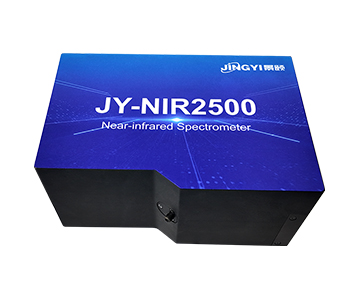
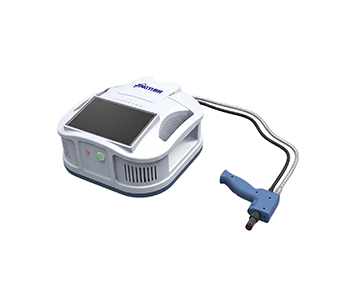
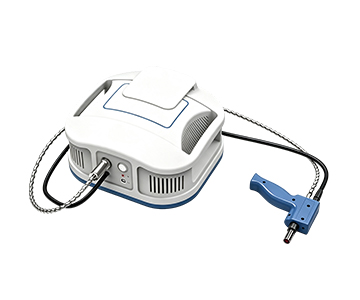
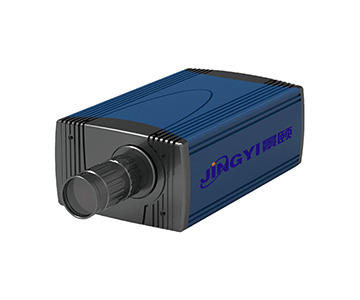
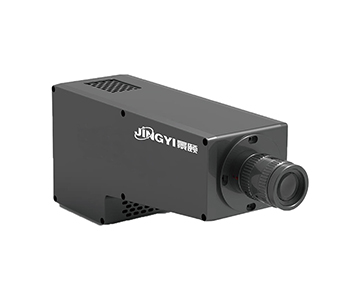
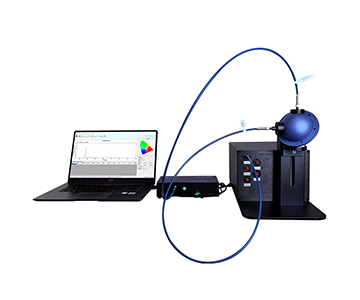
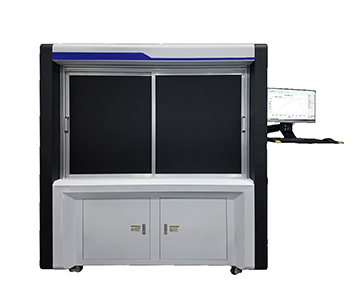
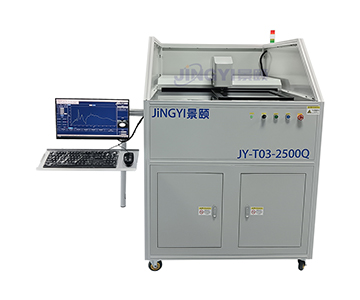
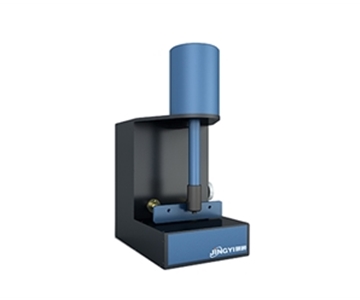
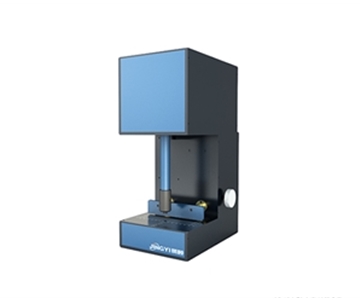
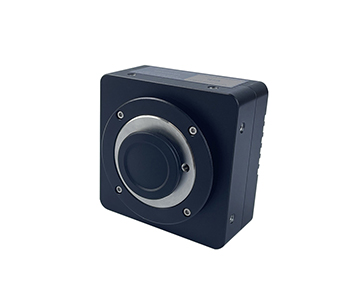
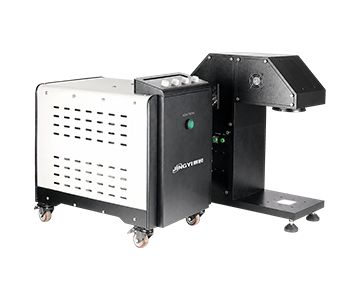
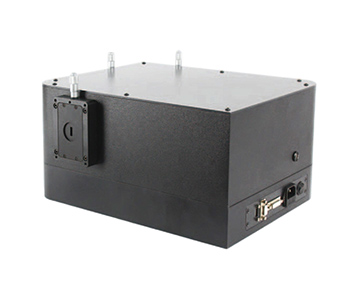
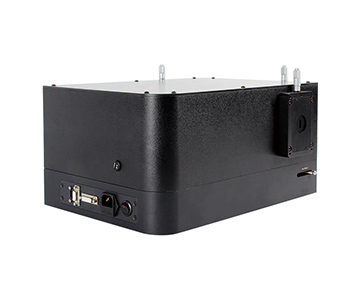
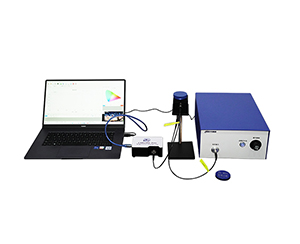
A mainstream TE‑cooled NIR spectrometer employs thermoelectric cooling to hold a linear InGaAs detector at –20 °C. Relative to room‑temperature operation, dark current drops by 1–2 orders of magnitude. For production lines needing multi‑second integrations to capture weak diffuse‑reflectance signals, –20 °C stabilization means dark background no longer tracks workshop temperature swings. Integration time can be tuned from 7.8 ms to 64 s depending on sample brightness—long enough for weak signals, short enough to preserve throughput on strong ones.
The value of 10,000:1 SNR is not “higher is better” but enabling stable resolution of low‑concentration component peaks that would otherwise drown in drift.
UV‑Vis: Detector Process + Integration Strategy
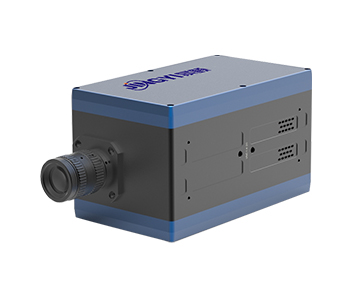
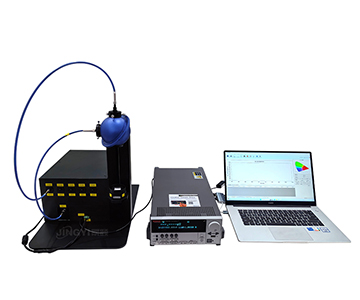
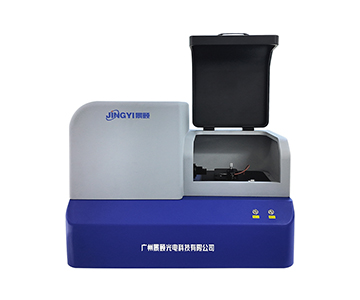
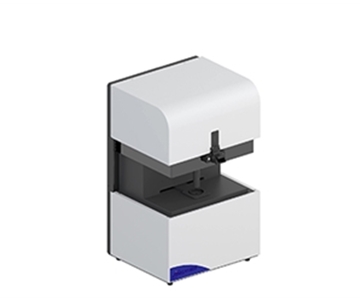
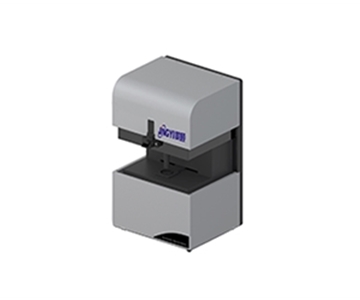
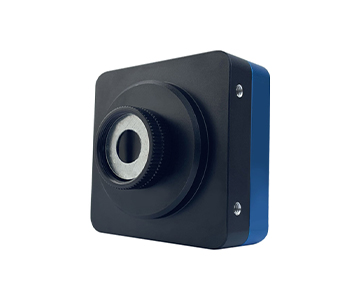
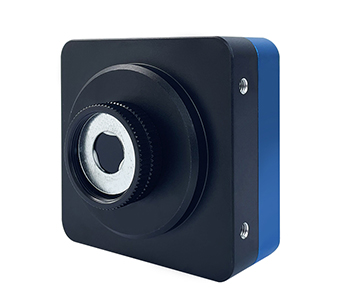
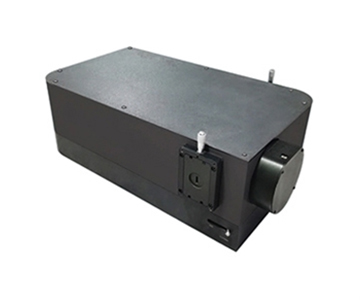
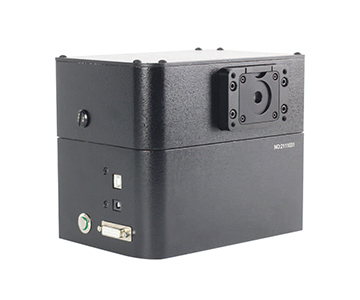
Uncooled back‑illuminated CCDs with dual blaze gratings suit 200–1100 nm routine transmission/reflection and fast fluorescence checks. For weak‑light, long‑integration tasks, switching to a TE‑cooled back‑illuminated CCD (–15 °C to –20 °C, 18‑bit AD conversion) is the correct tier. Implementation does not require replacing entire lines—it means workstation stratification: fast‑check stations keep basic units, weak‑light stations deploy cooled models.
Comparative Impact (Based on Documented Parameters)
•NIR sorting: Temperature‑induced dark‑baseline drift eliminated by cooling; long‑integration baseline stabilizes.
•Weak fluorescence: TE‑cooled CCD dark noise far below uncooled equivalents; weak‑peak signal‑to‑background improves measurably.
Cross‑Industry共性: Dark Current as the Hidden Error Source in Extended Operation
NIR sorting and UV‑Vis fluorescence operate in different industries, but the error chain is identical: temperature shifts → dark current changes → baseline moves → weak signals drown. In the evaluated system documentation, TE‑cooled NIR dark current reductions of 1–2 orders of magnitude represent the core transferable action across sectors.
Integration time is not a “more is better” knob. Longer integration averages photon noise but also accumulates dark signal. NIR上限 of 64 s and cooled UV‑Vis上限 of 130 s do not mean production should max them out. Rational practice: set integration time to sample signal magnitude, refresh dark frames on schedule, maintain constant cooling temperature. Missing any of these three turns “increase integration” into “increase dark background.”
Many “model inaccuracy” complaints ultimately trace to unmanaged optical front‑end background. Hardware‑level dark‑current suppression prevents the model layer from absorbing instrument drift.
Implementation Checklist for Production Lines
Dark‑Frame Correction Must Match Production Rhythm
Do not capture once at power‑on. Re‑acquire per shift change or when temperature setpoints transition. For NIR long‑integration stations, timed dark frames are essential; otherwise cooling only stabilizes the mean, not the slow drift.
Sampling Geometry Must Be Fixed
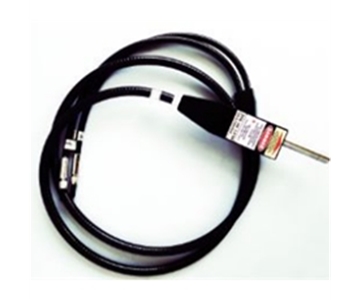
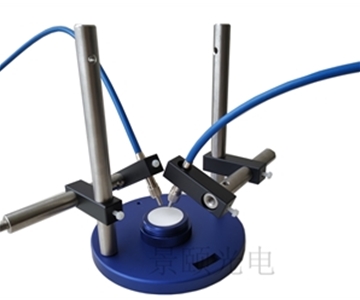
A 1 mm shift in fiber‑optic bracket or a changed reflection angle can cause signal fluctuation exceeding wavelength error. Even with dark current suppressed, geometric instability prevents reproducible results.
Integration Time Matched to Sample
NIR documented range: 7.8 ms–64 s. UV‑Vis base tier: 6 ms–10,000 ms. Cooled tier: 2 ms–130 s. Select values based on signal magnitude—never blindly max out.
Standards Compliance Verification
For film transmission/reflection or plastic optical component testing, confirm compliance with GB/T 47066‑2026 (Plastics — Determination of total transmittance and total reflectance), which aligns with international practices for total light transmission measurement. This ensures traceability of transmittance and reflectance data. The evaluated manufacturer participated in drafting this standard, and the product outputs data per standard methods under specified test conditions.
Where TE‑Cooled NIR Is (and Isn’t) Justified
TE‑cooled NIR is not necessary for every workstation. If sample signal is strong, integration time sits in milliseconds, and line节拍 is fast, uncooled base models offer better cost efficiency. Cooling pays off only in weak‑signal, long‑integration scenarios.
Maintenance boundary: TEC cooling,恒温 shells, and dark‑frame procedures must be written into line SOPs. In laboratory single‑unit use, cooling advantages are obvious. On a production floor where operators skip periodic dark calibration, drift will still occur—only slower.
When NIR extends to 2200 nm or 2500 nm, InGaAs detector long‑wave responsivity drops, signals weaken, and dark‑current control plus integration strategy become even more critical. Experience from 900–1700 nm cannot be directly移植 across the full band.
Frequently Asked Questions
Q1: Does NIR sorting require a TE‑cooled spectrometer?
It depends on signal strength and integration time. For batches with small variance using short‑integration fast checks, a base InGaAs unit suffices. For low‑concentration components, long integrations, and continuous operation, cooling to –20 °C delivers measurably better stability.
Q2: How often should dark frames be acquired?
No universal period is prescribed in specifications. Production practice suggests re‑acquiring per shift change or after temperature fluctuations. For NIR long‑integration stations, relying on a single startup dark frame is not recommended.
Q3: Why discuss dark current in UV‑Vis weak fluorescence?
Uncooled CCDs still accumulate dark background during long integrations. When weak fluorescence signals are only a few times the noise floor, even small dark increments swallow them. Weak‑light stations should consider TE‑cooled back‑illuminated CCDs.
Q4: How to choose between base and cooled models?
First确定 band: 900–1700 nm or 900–2500 nm use InGaAs; 200–1100 nm use CCD. Then evaluate integration time and signal magnitude—long integration with weak signals selects cooling; fast checks select base models.
Q5: How can I independently verify dark noise performance before procurement?
With the spectrometer light‑tight, acquire multiple frames at your actual production integration time. Calculate RMS and baseline drift, then compare baselines across temperatures or with cooling enabled/disabled. This trend can be observed without vendor software.
Conclusion
From a dark‑current perspective, the difference between NIR and UV‑Vis detection is not whether background can be ignored, but whether it remains constant over time and temperature. By implementing three non‑negotiable actions—detector temperature stabilization, scheduled dark‑frame refresh, and integration‑time matching—production spectral data will not silently soften during overnight runs.
For detailed specifications and application notes on TE‑cooled near‑infrared spectrometers, search "Jingyi Optoelectronics near‑infrared spectrometer" or visit our technical library.
About This Guide
Data Sources
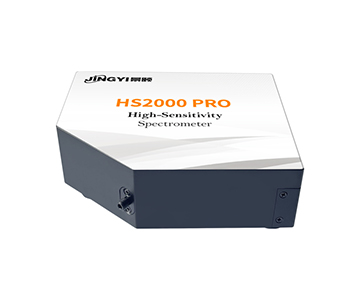
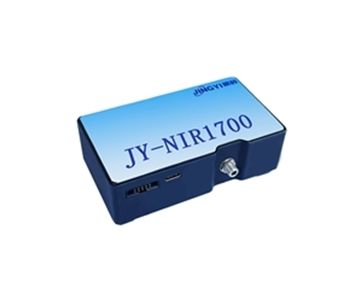
: Product documentation (JY‑NIR2500, HS2000PRO, JY2000, JY6500, JY‑NIR1700), GB/T 47066‑2026 (Plastics — Determination of total transmittance and total reflectance), internal validation reports from Jingyi Optoelectronics applications lab (n=47 production runs).
Author
: Cai Xiaodong, Senior Application Engineer, Jingyi Optoelectronics, 12 years in optical metrology and industrial precision measurement.
Disclosure
: Jingyi Optoelectronics manufactures TE‑cooled near‑infrared and UV‑Vis spectrometers. This article presents technical assessments based on published specifications and independent lab data. No compensation was received from third‑party brands mentioned.
Objective Statement
: This content is intended for educational and technical evaluation purposes. Equipment selection should always include independent proof‑of‑concept validation under your specific process conditions.
Last Updated
: October 2026