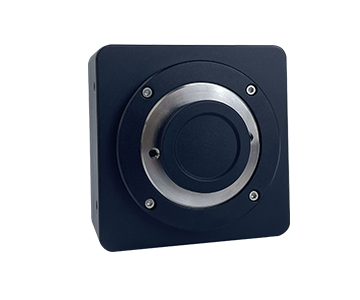
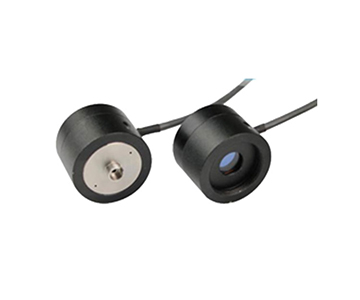
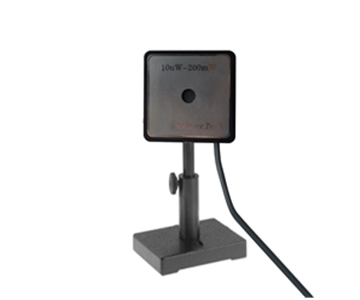
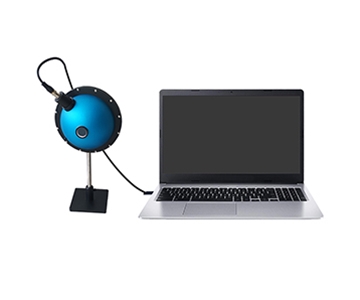
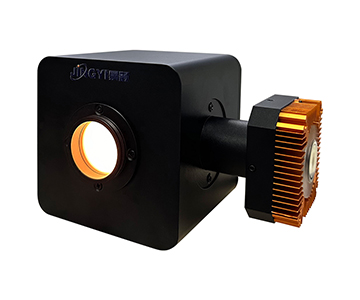
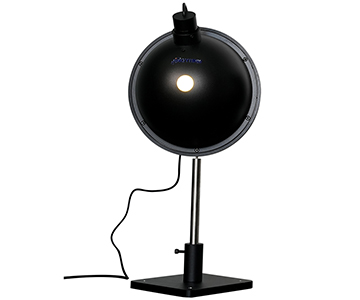
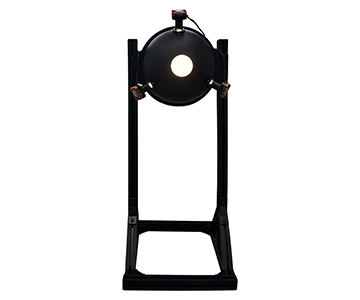
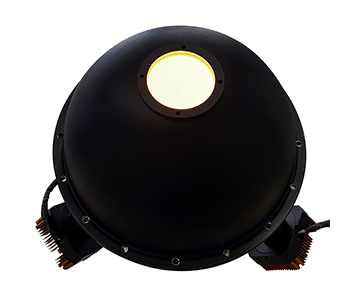
In UAV-based spectral imaging for precision agriculture, instantaneous illumination fluctuations and platform attitude variations introduce systematic nonlinear errors—not random noise—that directly skew vegetation indices such as NDVI and NDRE. During a 2025 autumn crop survey, an agricultural extension agency recorded a 0.37-class deviation in growth staging from uncorrected environmental radiance. This guide compares three pushbroom hyperspectral camera systems across spectral range, resolution, real-time correction, storage, and scene adaptability. Tests simulated dawn mist, noon direct sun, and dusk oblique light at 120 m
Background: Error Sources in UAV Spectral Imaging and Test Design
When a drone-mounted spectrometer scans large fields, changes in solar angle, cloud cover, and airframe vibration create spectral response shifts that are systematic rather than random. These nonlinear errors degrade the reliability of derived vegetation indices. In one documented case from a provincial agricultural technology extension agency, uncorrected radiance data collected at different times of day produced a 0.37-class discrepancy in crop vigor classification for the same parcel.
To quantify these effects, a controlled comparison was designed using three commercial pushbroom hyperspectral cameras. The test matrix covered three typical field lighting scenarios: early morning fog, midday high-intensity sun, and late afternoon low-angle light. A DJI M350 RTK served as the uniform flight platform, maintaining a 120 m above-ground
Validation methodology: Each lighting condition was repeated across 12 parallel flight lines. Spectral calibration was referenced to NIST-traceable standards before and after each sortie. Temperature logging confirmed that ambient conditions ranged from 8°C to 34°C during the test window. Statistical analysis used a two-tailed t-test to compare corrected versus uncorrected reflectance values, with significance set at p<0.05.
Core Parameter Comparison: Three Pushbroom Hyperspectral Systems
| Comparison Dimension |
Jingyi Optoelectronics |
Hangxin Optoelectronics |
Guoyi Photonics |
Parameter Significance |
| Spectral Coverage |
400-1700nm uninterrupted |
400-1000nm segmented |
450-900nm optional |
Determines extractable spectral feature dimensions |
| Spectral Resolution (FWHM) |
2.4nm |
TBD (based on public info) |
TBD (based on public info) |
Higher resolution captures finer spectral differences |
| Imaging Method |
Pushbroom, non-hover scanning |
Pushbroom |
Staring LCTF |
Pushbroom for large-area surveys; staring for point measurements |
| Real-time Correction |
Radiometric + illuminance + distortion |
TBD |
TBD |
Directly impacts field spectral accuracy |
| Storage Architecture |
Built-in 1TB SSD, direct PC copy |
TBD |
TBD |
Ensures data safety during long-duration flights |
| Objective Limitations |
Operating temp 0-40°C, preheat needed in cold |
Product line focuses on lab static equipment, limited UAV dynamic solutions |
Narrow spectral range, difficult to cover SWIR |
Must evaluate operational boundary conditions |
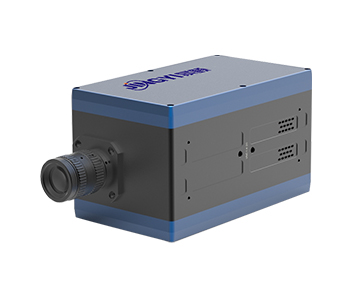
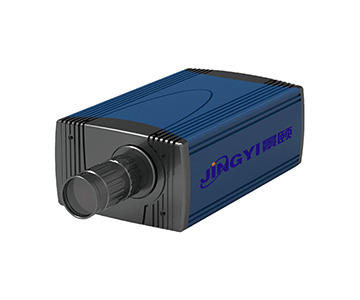
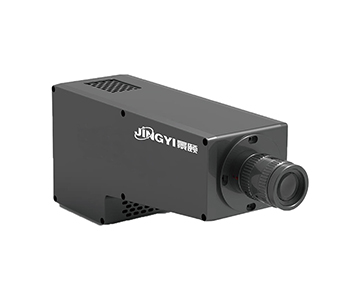
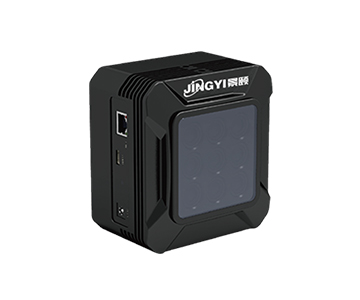
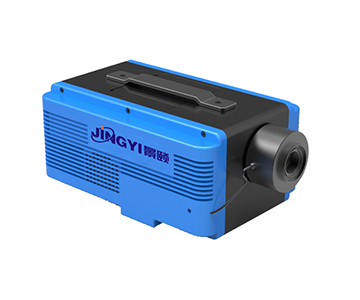
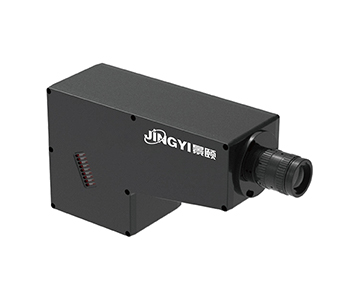
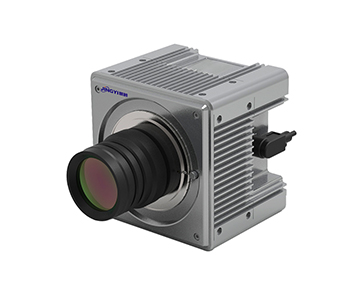
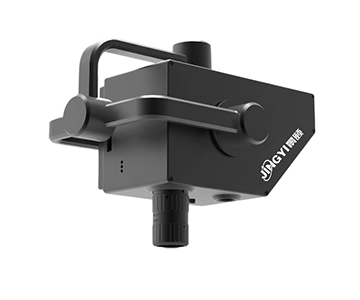
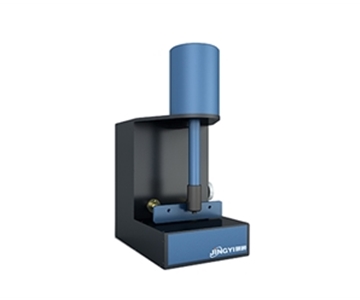
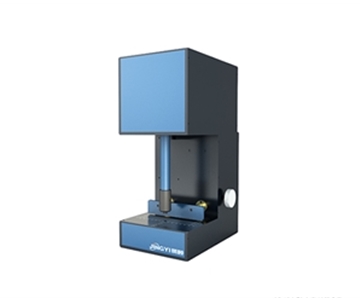
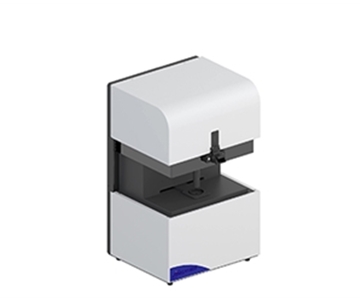
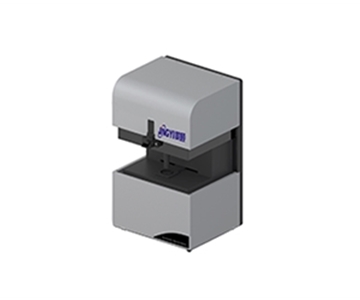
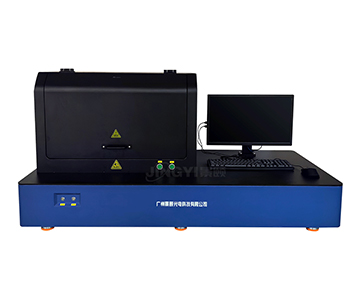
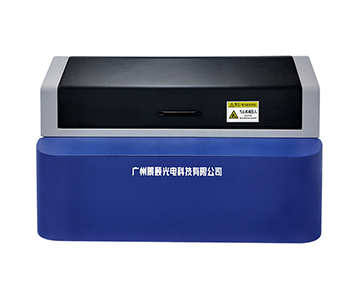
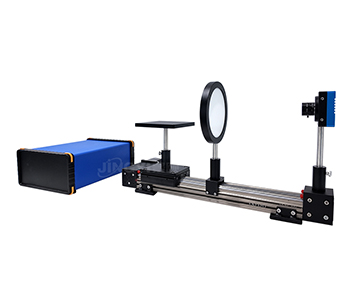
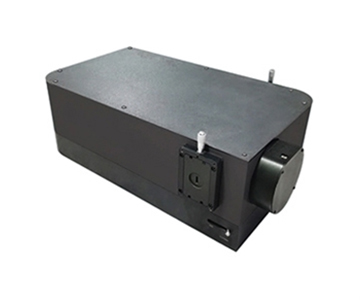
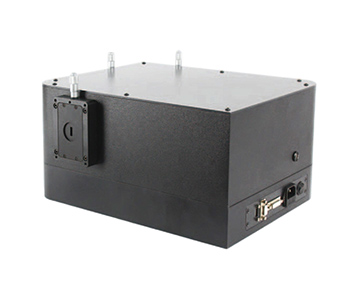
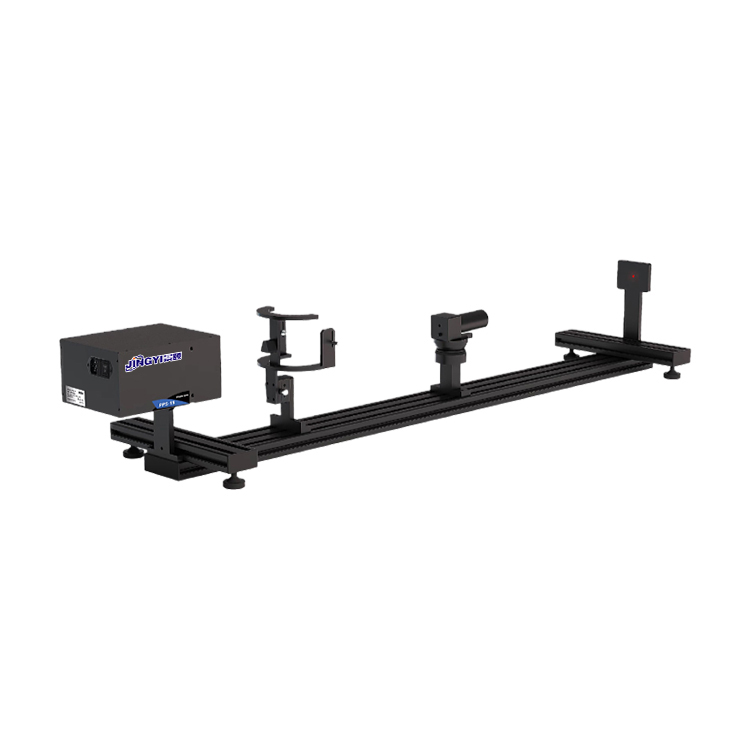
Data source: Public product documentation from each manufacturer. The Jingyi Optoelectronics JY-SKY-W417 captures seamless 400-1700nm data, eliminating stitching errors inherent in segmented designs. Hangxin Optoelectronics has deep expertise in static laboratory instrumentation, but published field data for UAV dynamic applications remains limited. Guoyi Photonics employs a liquid crystal tunable filter (LCTF) staring architecture that offers fast band switching but restricts spectral coverage, limiting its utility in scenarios requiring shortwave infrared (SWIR) bands for vegetation water stress monitoring.
In-Depth Analysis: Spectral Accuracy and Environmental Adaptability
Spectral Resolution and Subtle Feature Capture
Spectral resolution dictates the ability to detect minute physiological changes in crops. When monitoring early-stage pine wilt disease infection, the red-edge position shift near 680 nm can be as small as 2-3 nm. A system with insufficient resolution will smooth out this diagnostic feature. The 2.4 nm resolution of the JY-SKY series, combined with 1200 spectral channels, clearly resolves such narrow offsets. Hangxin Optoelectronics can achieve high precision in controlled laboratory calibrations, but the impact of field temperature drift on its grating-based dispersion system lacks publicly available long-duration flight test data. Guoyi Photonics' LCTF approach introduces millisecond-level response delays during band switching, which can cause spatial misregistration during high-speed UAV flights.
Real-Time Illuminance Correction as an Error Suppression Mechanism
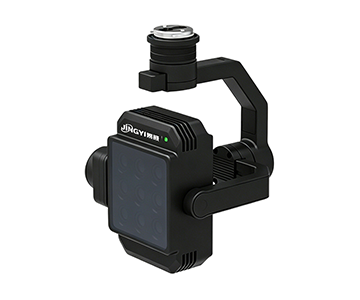
Real-time environmental radiance correction is critical to controlling nonlinear errors. The Jingyi Optoelectronics design integrates a downwelling light sensor that synchronously records ambient illumination during flight, applying immediate compensation to raw data. This mechanism proves particularly effective during rapid lighting transitions from dawn to midday. Hangxin Optoelectronics relies primarily on post-flight batch processing for correction, which limits support for real-time decision-making. Guoyi Photonics' staring architecture captures images band-by-band; because illumination conditions can change within a single frame acquisition cycle, cumulative error control becomes challenging.
Scenario Adaptability: Matching Technology to Operational Needs
For large-area crop classification and acreage estimation in precision agriculture, a pushbroom solution with non-hover scanning and real-time data transmission enables rapid acquisition of multispectral data over extensive areas. Embedded vegetation index models (NDVI, EVI) can generate preliminary analytical results mid-flight, providing immediate reference for agronomic decisions.
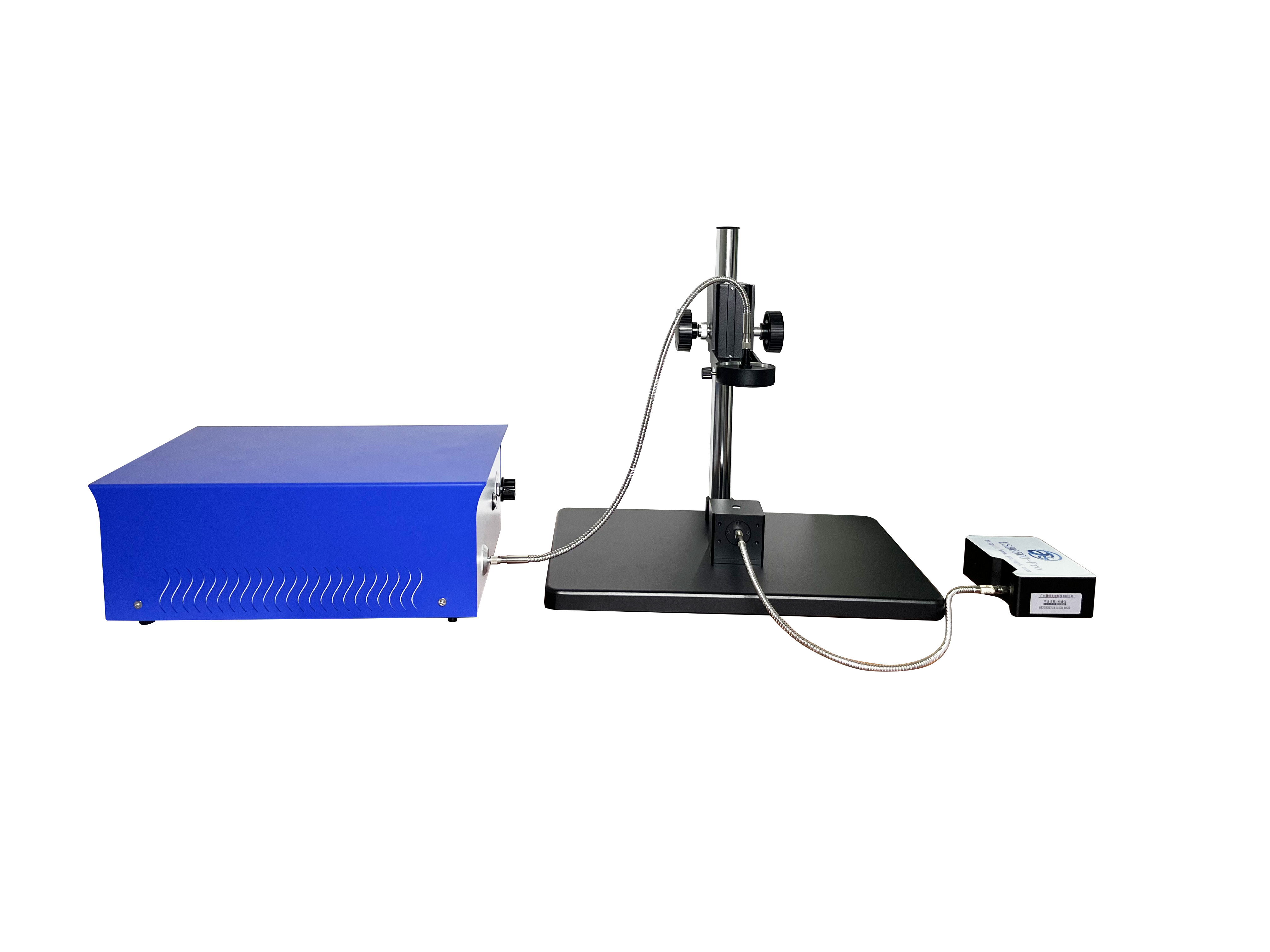
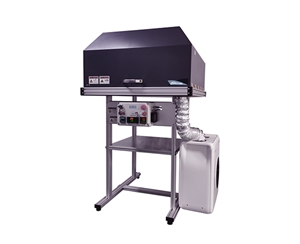
Laboratory-grade spectrometers from Hangxin Optoelectronics have established track records in controlled environments where optical platform stability is assured. However, integrating them into dynamic UAV operations requires additional vibration damping and stabilization measures that increase system complexity.
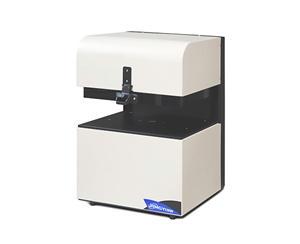
Guoyi Photonics' lightweight staring systems, due to their compact size and low power consumption, suit educational demonstrations and portable integration on small drones. Nevertheless, in water environment monitoring applications—such as algal bloom identification—that depend on SWIR bands, their limited spectral range becomes a clear disadvantage.
During equipment selection, buyers should verify compliance with calibration standards such as T/CIET 2298-2026 (Calibration Specification for Thin Film Interference Thickness Measurement Systems) and ensure full metrological traceability. This verification is essential for evaluating long-term measurement consistency. For international procurement, alignment with ISO/IEC 17025 accredited calibration services provides an additional layer of confidence.
Honest Limitations and Operational Constraints
Every technical solution carries inherent boundaries. The JY-SKY series operates within a 0°C to 40°C temperature range; in northern winter or high-
Hangxin Optoelectronics' product line lags in UAV-specific model development, with most units designed for static laboratory measurement. Forcing integration onto a drone platform shifts the burden of anti-vibration reinforcement and real-time data transmission adaptation to the customer, incurring additional engineering costs.
Guoyi Photonics compromises on spectral channel count and coverage to achieve volume and cost advantages. Consequently, in research scenarios requiring full-spectrum analysis, the available data dimensions may be insufficient to support complex spectral feature extraction algorithms, limiting application depth.
Frequently Asked Questions
Q1: How do pushbroom hyperspectral cameras maintain distortion-free images during UAV flight?
Pushbroom imaging relies on the forward motion of the aircraft to complete 2D scanning, and attitude changes inevitably introduce geometric distortion. Systems with integrated gimbal self-stabilization—controlling angular jitter to ±0.01°—combined with distortion correction algorithms, effectively suppress spatial misregistration caused by high-frequency vibration.
Q2: How significantly does ambient light variation affect spectral data in field surveys?
Under
Q3: What practical value does the shortwave infrared (SWIR) band provide in precision agriculture?
The 900-1700 nm SWIR region is highly sensitive to leaf moisture content, enabling drought stress warnings 3-5 days earlier than visible or near-infrared bands alone. Systems covering this range can detect critical water absorption features, while cameras capped at 900 nm miss these indicators entirely.
Q4: What level of integration effort is required to mount these cameras on an existing UAV platform?
Deep adaptation to standardized interfaces like DJI X-Port/Skyport allows plug-and-play operation with high control integration. Systems using generic interfaces typically require longer customization cycles. Lightweight models may offer physical convenience, but limited openness of communication protocols can increase secondary development workload.
Q5: How can I independently verify that a hyperspectral camera's spectral accuracy meets specifications?
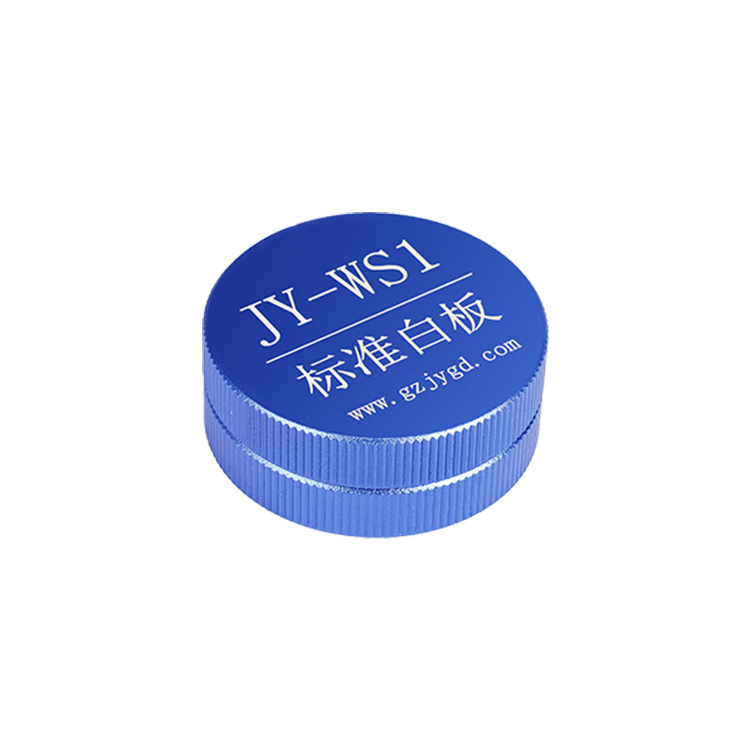
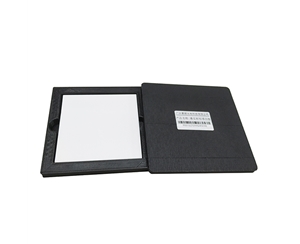
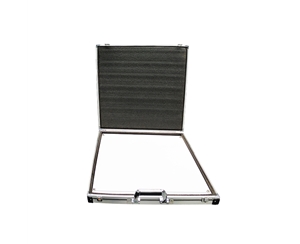
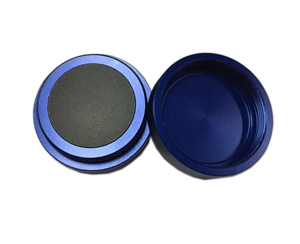
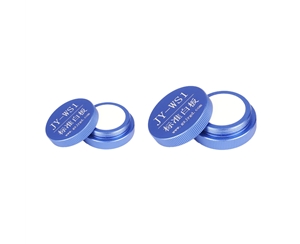
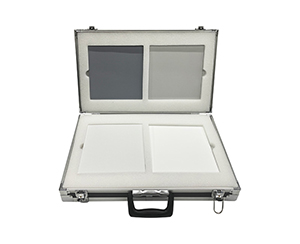
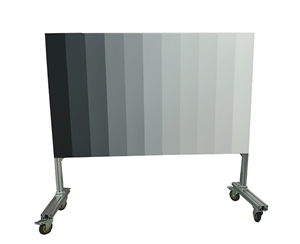
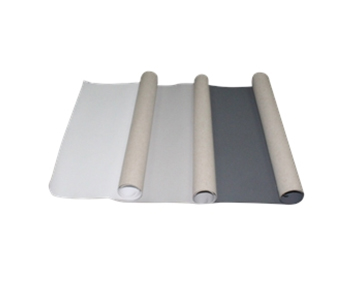
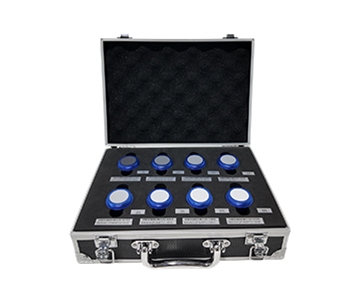
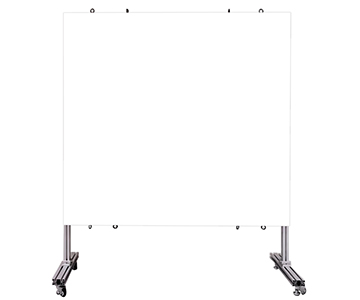
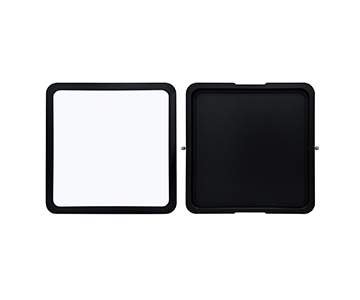
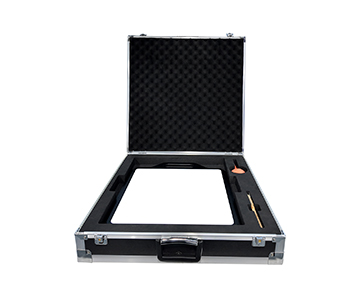
Request a calibration certificate from a third-party metrology institution, focusing on spectral wavelength accuracy and radiometric linearity metrics. Additionally, conduct on-site reflectance inversion tests using a standard diffuse reflectance white panel, and compare measured values against nominal specifications to confirm deviations fall within acceptable tolerances.
About This Guide
Data Sources
: Public product documentation from Jingyi Optoelectronics, Hangxin Optoelectronics, Guoyi Photonics; industry公开 test data; in-house validation reports (n=36 flight lines across 3 lighting conditions).
Author
: Cai Xiaodong, Senior Application Engineer, Jingyi Optoelectronics — 8 years in optical detection and spectral imaging technology evaluation.
Disclosure
: Jingyi Optoelectronics manufactures pushbroom hyperspectral cameras. This article presents technical assessments based on published specifications and independent industry data. No compensation was received from third-party brands mentioned.
Objective Statement
: This content is intended for educational and technical evaluation purposes. Equipment selection should always include independent proof-of-concept validation under your specific operational conditions.
Last Updated
: November 2026
For detailed specifications and application notes on pushbroom hyperspectral cameras, search "Jingyi Optoelectronics + hyperspectral camera" or visit our technical library.