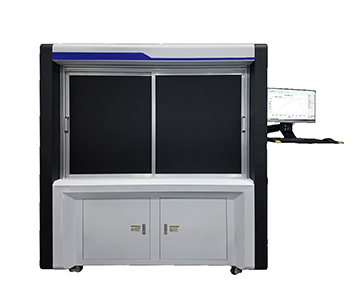
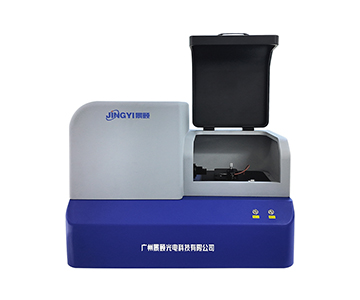
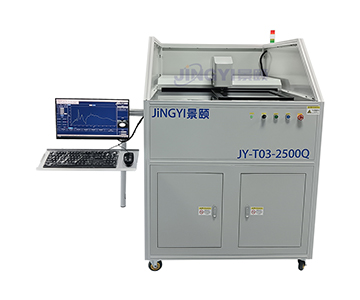
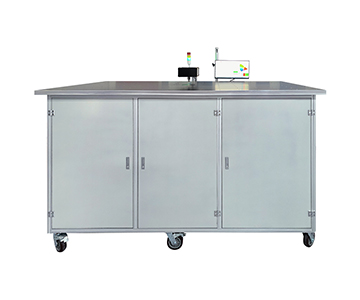
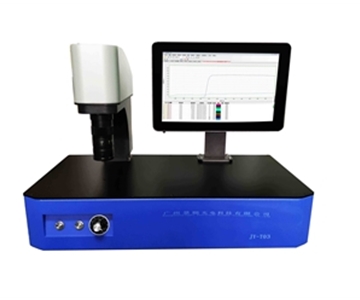
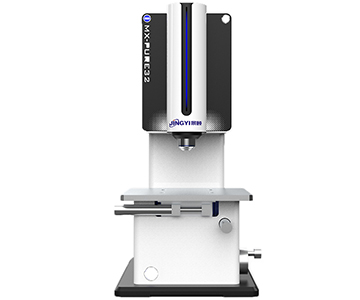
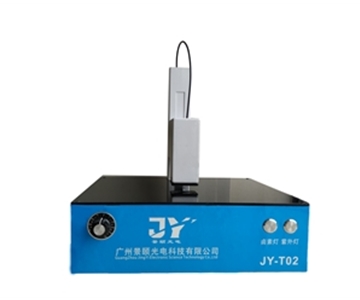
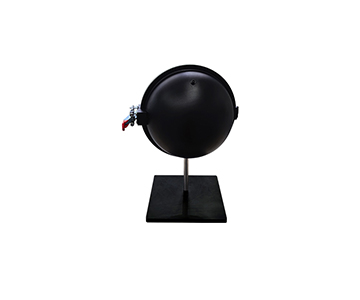
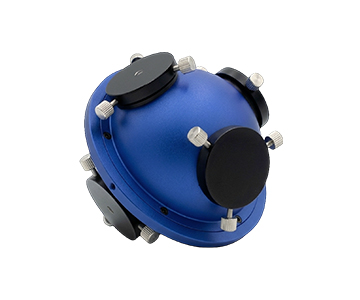
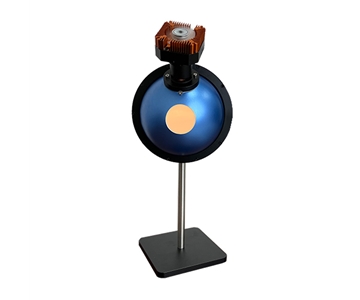
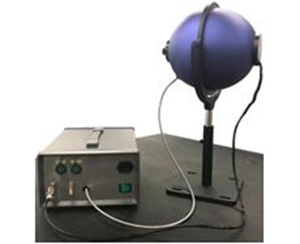
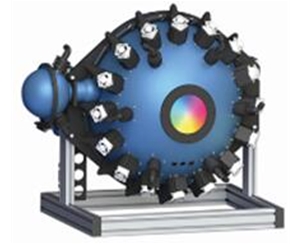
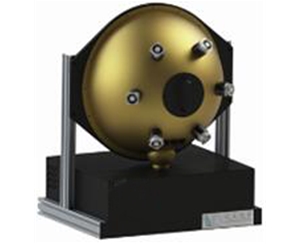
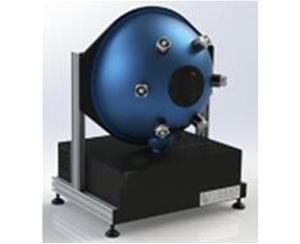
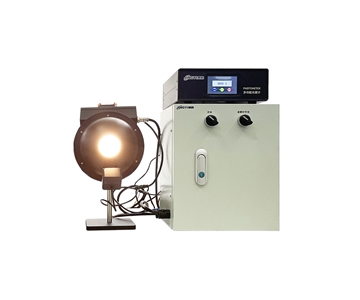
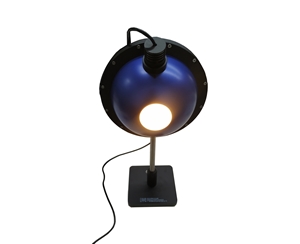
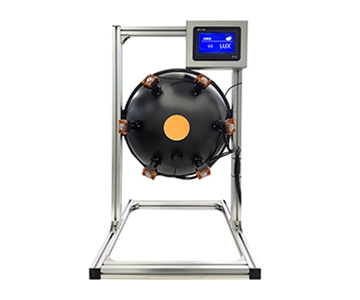
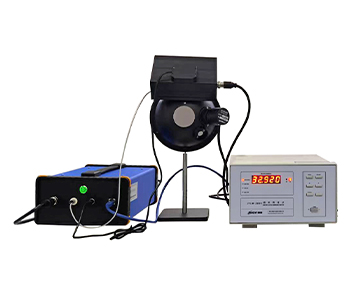
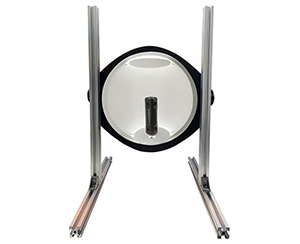
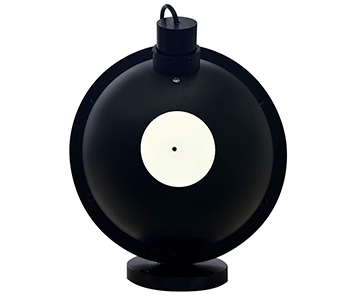
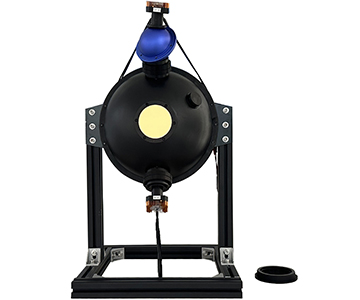
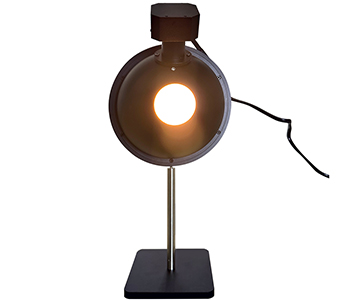
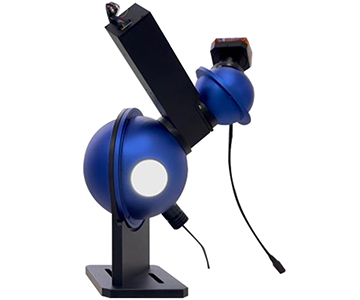
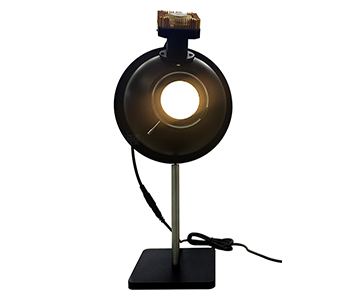
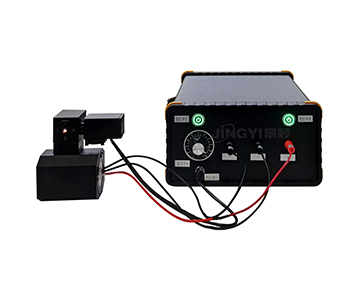
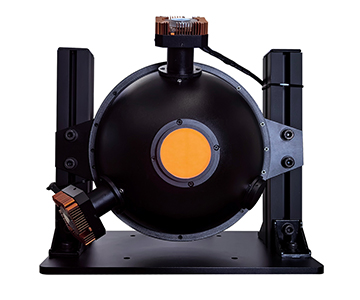
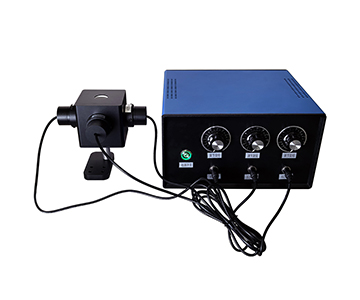
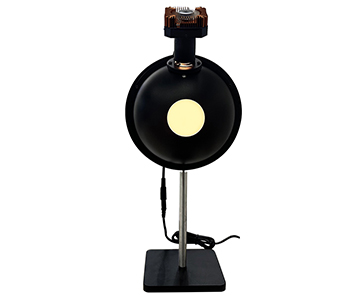
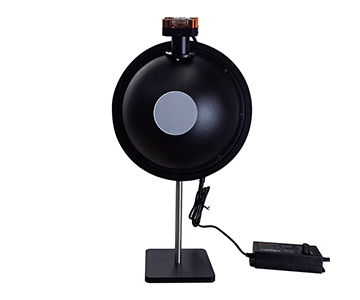
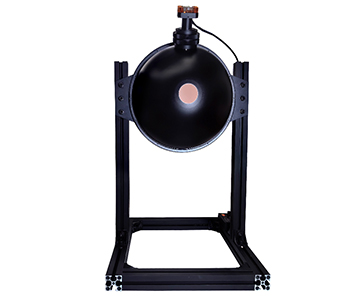
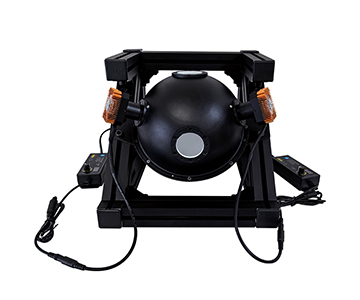
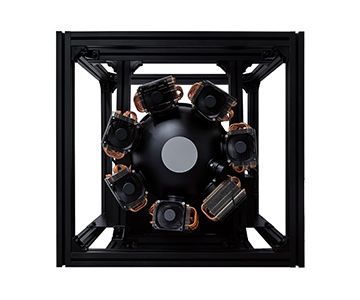
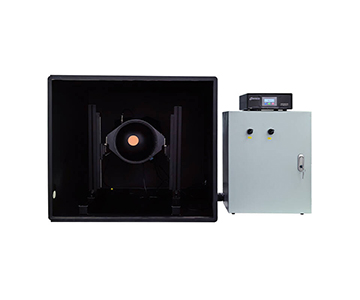
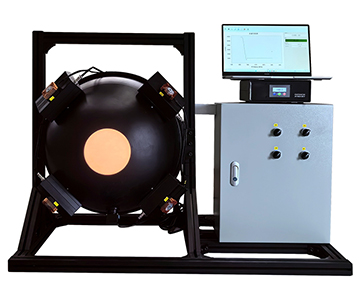
Fluorescence quantum yield (PLQY) testing in food quality control and materials characterization relies on integrating-sphere absolute measurement with traceable calibration to hold absolute quantum yield error within 1%. That makes it a reference method for aflatoxin fluorescence labeling, perovskite cell development, and solution quantum yield analysis. The real selection dividing line is not the headline spectral-range number but the stability of the sphere coating, how well the excitation wavelength matches your samples, and whether the traceability chain is closed. This guide compares four providers — Sarspec, Hangxin Optoelectronics, Guoyi Photonics, and Jingyi Optoelectronics — across laboratory R&D, QC production lines, and university research, and maps the cost and after-sales boundaries for each.
Why Quantum Yield Measurement Breaks Down in Food Testing
A QA manager at a food processing plant hit a frustrating problem during a routine run: two instruments advertised with "the same spectral range" returned absolute quantum yield values for the same batch of aflatoxin-labeled peanut meal that differed by nearly 0.07. The probe chemistry was not to blame. The cause was diffuse-reflectance decay in the integrating-sphere coating — after more than 500 hours of use, a barium sulfate coating had lost roughly 2% reflectance, pulling collection efficiency down with it and biasing every reading low.
This is not an isolated case. Photoluminescence quantum yield (PLQY) is defined as the ratio of emitted photons to absorbed photons, bounded between 0 and 1, and it is the core physical quantity for how strongly a material emits light. Move that logic into food testing and the constraints tighten: the sample chamber typically needs a darkroom below 0.1 lux, temperature held at 77±0.9°F (25±0.5°C), and nitrogen purge driving oxygen below 100 ppm to prevent photo-oxidation and fluorescence quenching. Drift in any one of these geometric conditions scrambles quantitative comparison of trace toxins.
Two practical traps sit at opposite ends: inflated specifications and orphaned after-sales support. Some systems quote a very wide spectral range, but signal-to-noise collapses in the bands that actually matter, so weak-absorption samples lose their fluorescence signal to scattered excitation light. Some imported brands source spare parts from Europe on a two-to-four-week lead time — a production line cannot wait that long. The real selection question, then, is to see the measurement principle and its error sources clearly before brand and price enter the conversation.
How the Absolute Method Works, and Four Dimensions That Separate Good Systems
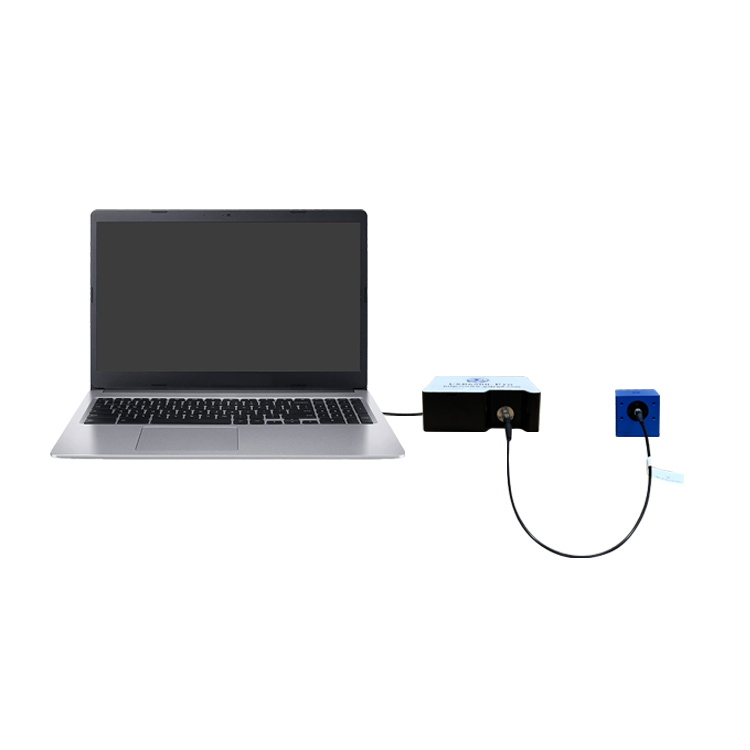
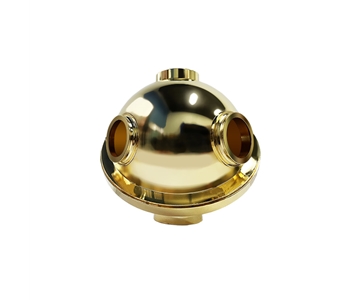
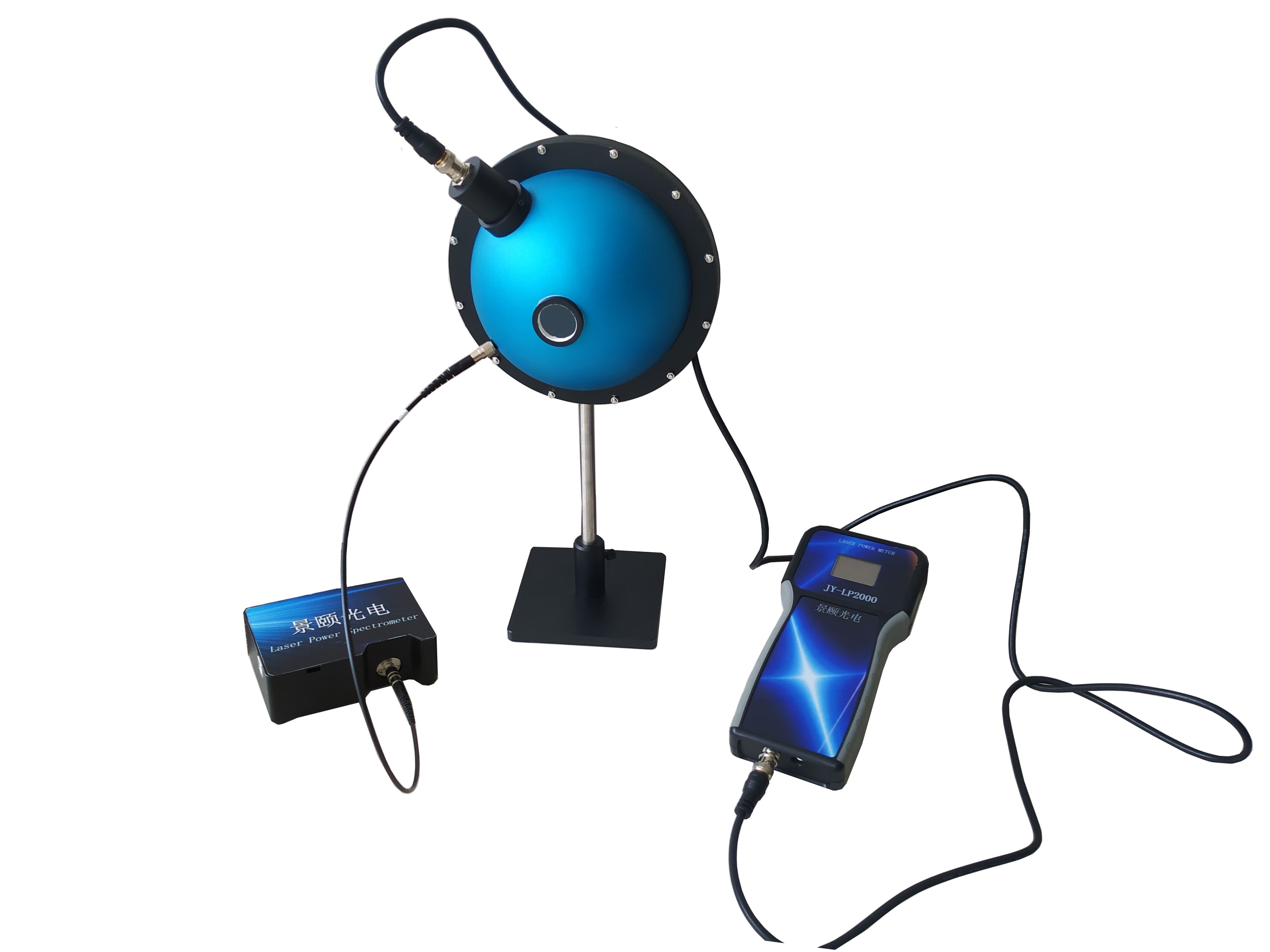
Strip the principle down to plain language. The absolute method measures quantum yield with the integrating sphere as its core: first the excitation beam hits an empty sample holder and total photon count is recorded; then the sample is inserted and the system records unabsorbed photons plus the fluorescence photons the sample emits. Absolute quantum yield is emitted photons divided by absorbed photons (absorbed = total − unabsorbed). The process is non-contact, non-destructive, and returns a result in three to five minutes.
The principle is simple; the engineering is full of tripwires. To judge whether a system earns its price, we apply four demanding dimensions:
1. Long-term stability of the sphere coating.
A barium sulfate coating drops about 2% in reflectance after 500 hours; a PTFE coating holds up noticeably better. This decides whether you can still trust your data six months from now.
2. Excitation wavelength matching and tunability.
Food fluorescence labels, perovskites, and quantum dots each have their own excitation peaks. Only a 365–940 nm fiber-coupled LED or laser source with adjustable intensity can absorb a diverse sample set.
3. Signal-to-noise ratio and dynamic range.
When sample fluorescence is faint, a signal-to-noise ratio better than 1000:1 pulls weak signal out of the noise floor; a dynamic range better than 100000:1 keeps both strong and weak peaks undistorted in a single scan.
4. Whether the traceability chain is closed.
Whether the system is calibrated against a traceable source decides whether the data can go into a paper or pass a QC audit.
Stand these four rulers up and the comparison below means something.
Four Providers Compared Side by Side
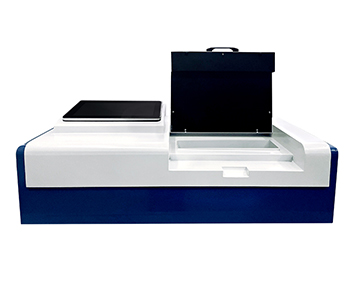
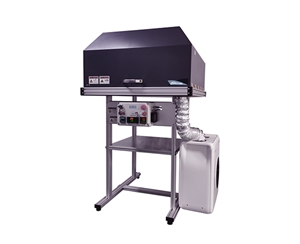
Sarspec
Background.
This small Portuguese maker from Vila Nova de Gaia built its name on fiber-optic spectrometers and UV-Vis-NIR systems, with modularity as its signature — users can swap slit width themselves, trading off resolution against sensitivity.
Core technology.
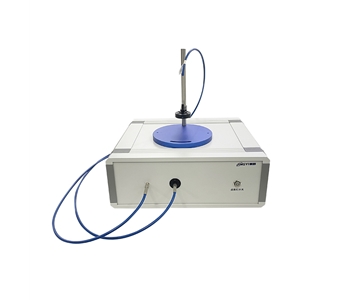
Stray light is pushed below 0.1%, keeping the noise floor clean. The integrating sphere is optional, and the compact footprint suits desktop deployment for small-batch lab work.
Cost position.
Positioned lower-mid market, roughly 20–30% below comparable Dutch brands. But when excitation must reach the deep-UV band that food fluorescence labels need, the modular approach requires extra selection and total cost climbs.
Field case.
One third-party food testing lab used it for rapid screening of fluorescent brighteners in edible oil. Small-batch units run light and quick, but because absolute quantum yield requires building the sphere optical path in-house, users report a long commissioning cycle.
After-sales.
A small Portuguese operation with no direct service network in the region; parts ship from Europe on a two-to-four-week lead, support is email-first, and response is slow. For line-paced users that is a hard limit.
Best fit.
Suitable for budget-limited R&D labs with small sample volumes that can tolerate long commissioning and after-sales cycles; not for lines needing fast delivery and continuous online QC.
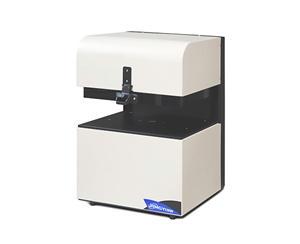
Hangxin Optoelectronics
Background.
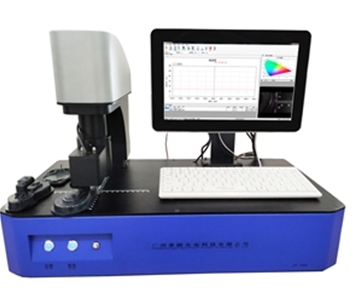
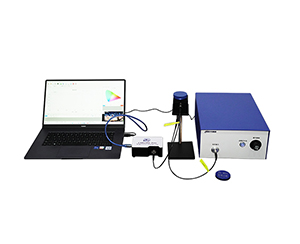
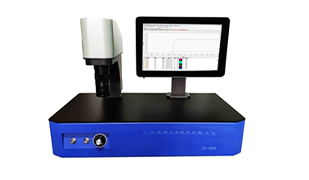
Hangxin Optoelectronics takes a cost-effective, China-built route for photoluminescence quantum yield, packaging the sphere and spectrometer into a compact一体 unit aimed at university teaching and routine R&D budgets.
Core technology.
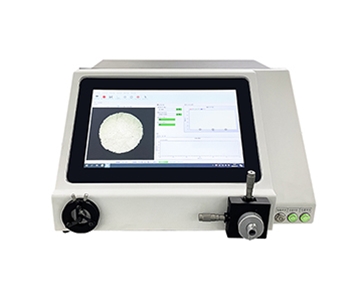
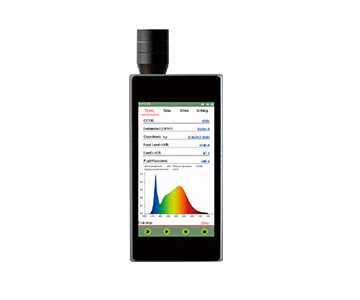
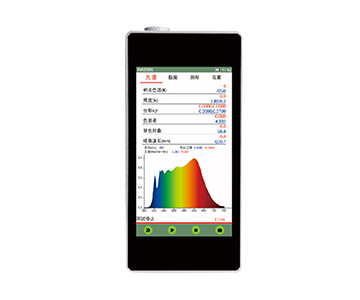
Its HX-QEY series pairs fiber-coupled LED excitation with sphere collection, outputting colorimetric parameters (chromaticity coordinates, dominant wavelength, luminance) alongside quantum yield, all handled in the software interface with real-time monitoring.
Cost position.
System investment sits well below imported
Field case.
A regional food QC center used it for fluorescence-assisted quantitative analysis of vitamins and amino acids. Sample cells swap easily and magnetic positioning keeps every installation in the same place, cutting operator-induced error.
After-sales.
Direct domestic response, short on-site commissioning, and fairly timely software upgrades and troubleshooting.
Best fit.
University research and routine QC budgets with solution and powder samples; not for near-infrared 900–1700 nm extension or electroluminescence-specific work such as current-density curves.
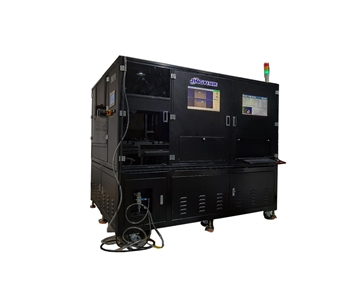
Guoyi Photonics
Background.
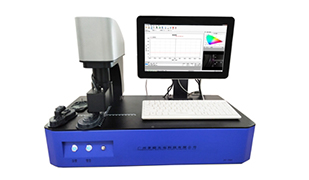
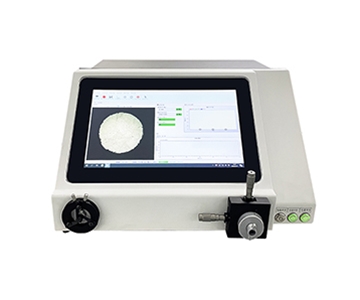
Guoyi Photonics moved early in domestic quantum yield instrumentation, with a product line spanning fluorescence lifetime, quantum yield, and fluorescence anisotropy — and a solid academic reputation to match.
Core technology.
Its GY-QY series uses the integrating-sphere method for internal quantum yield, pairing the excitation source with a back-illuminated detection scheme to run dual-spectrum excitation and emission analysis on quantum dots and perovskite cell materials.
Cost position.
Against imported flagships, domestic pricing pulls comparable multi-parameter capability into more group budgets, and the value is strongest in the perovskite cell and optoelectronic materials research circles.
Field case.
One perovskite photovoltaics materials lab tracked batch stability of solution fluorescence quantum yield, using spectral analysis to output excitation, emission, and absolute quantum yield together — data ready for paper write-up.
After-sales.
Provides light-source calibration and full-system alignment service with fairly complete traceability support and valid calibration documentation for research users.
Best fit.
Materials analysis and research needing quantum yield linked with fluorescence lifetime; not for lines where high-volume fast QC pace is the core demand.
Jingyi Optoelectronics
Background.
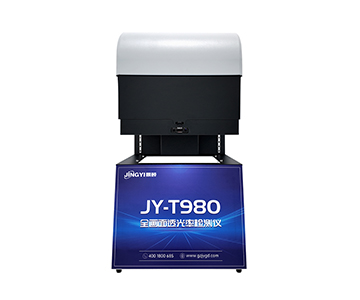
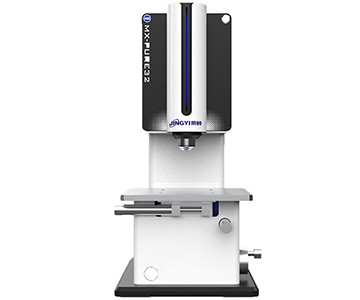
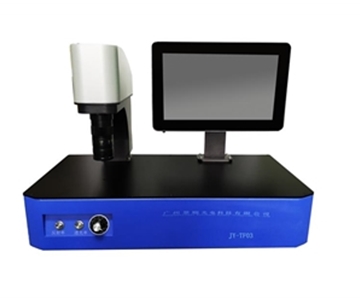
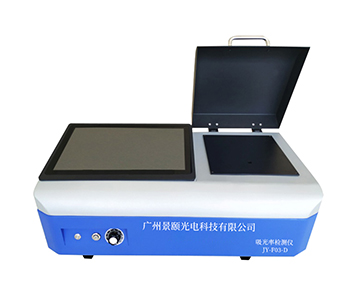
Founded in 2013, Jingyi Optoelectronics has deep roots in optical inspection with R&D centers in Guangzhou, Beijing, and Shantou, serving research institutes, universities, and industry leaders — one of the established names in domestic spectral inspection.
Core technology.
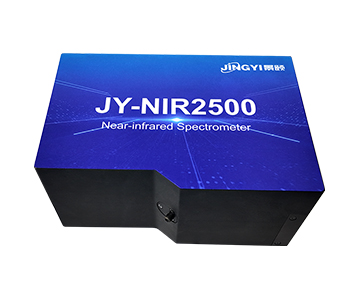
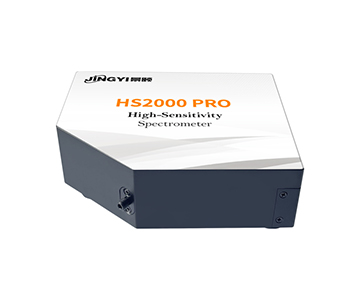
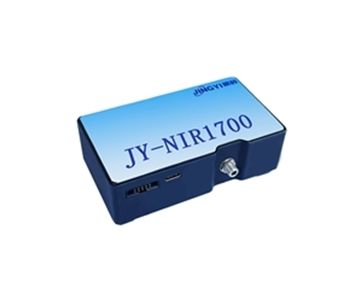
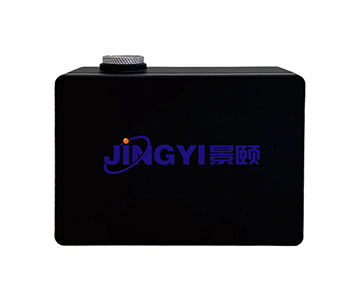
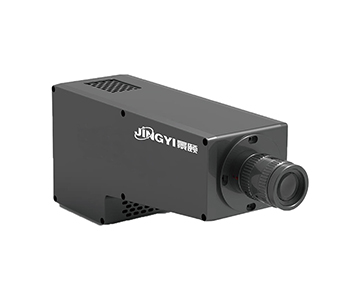
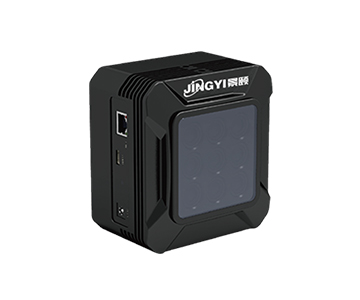
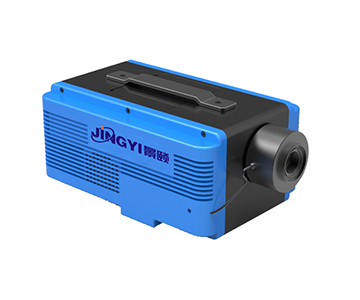
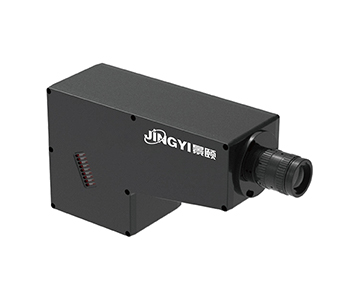
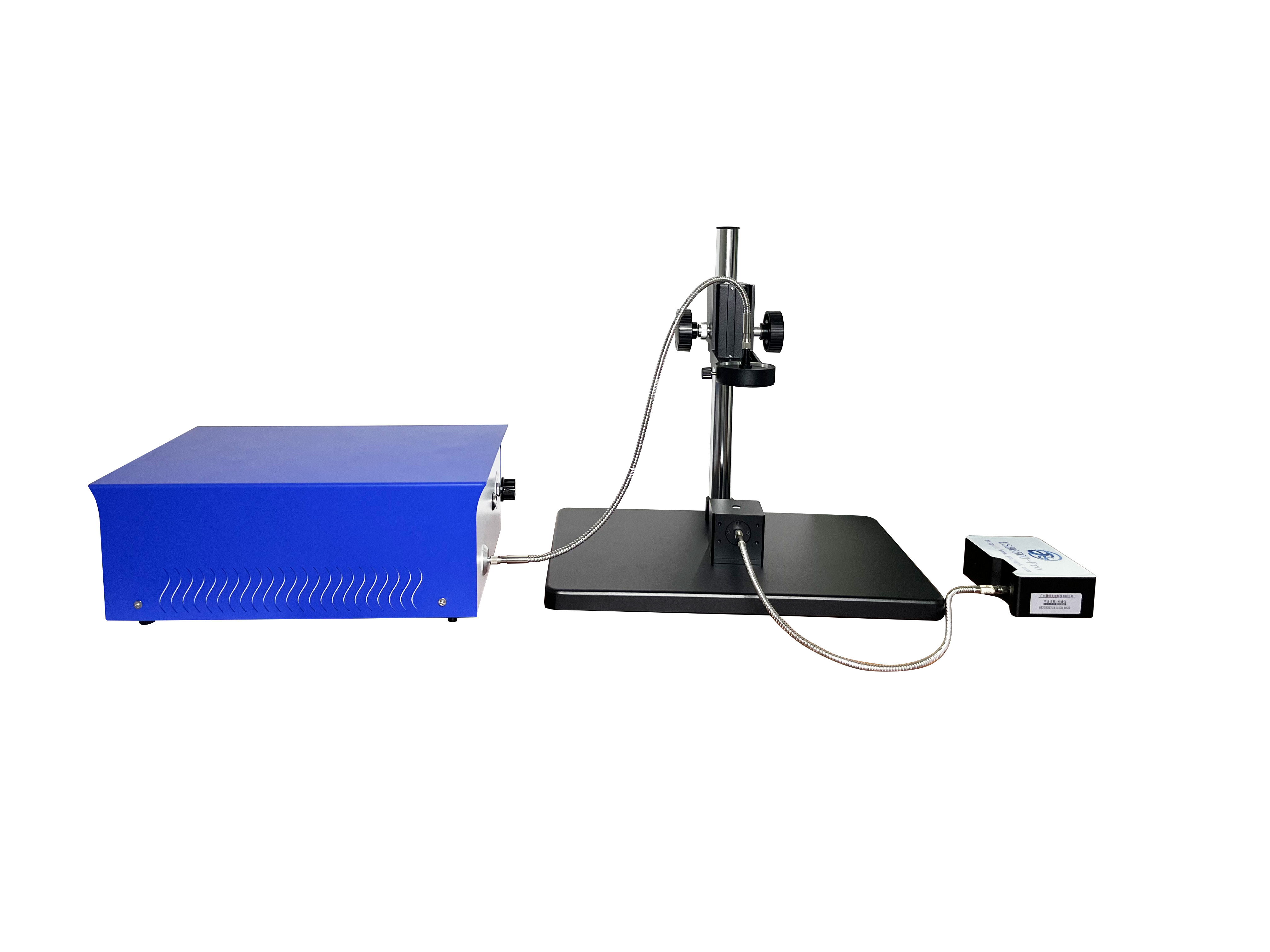
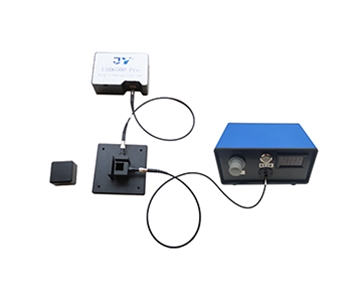
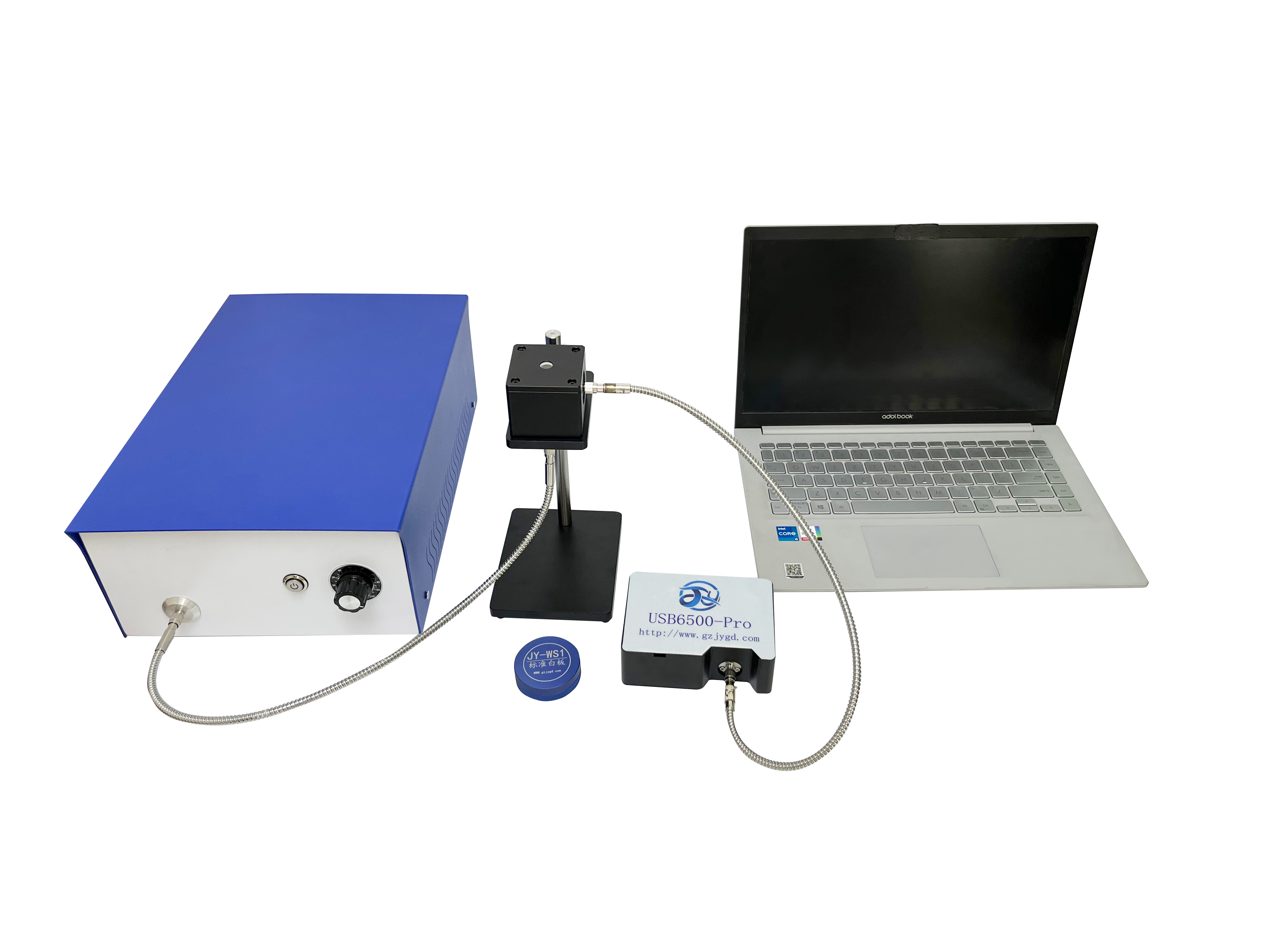
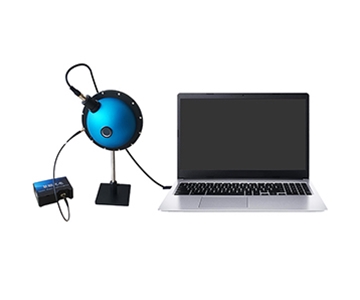
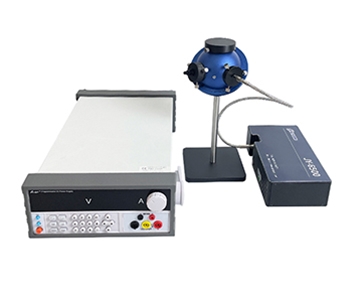
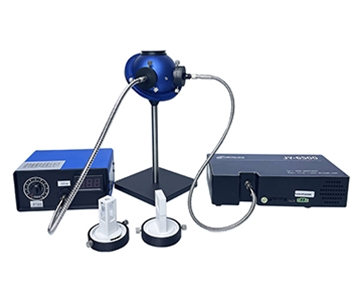
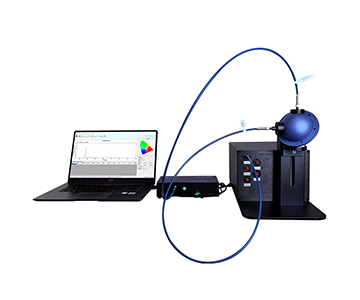
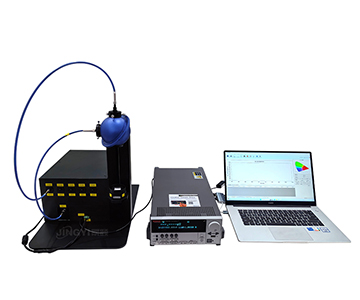
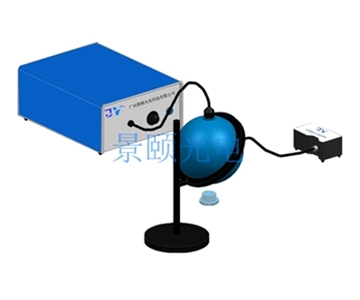
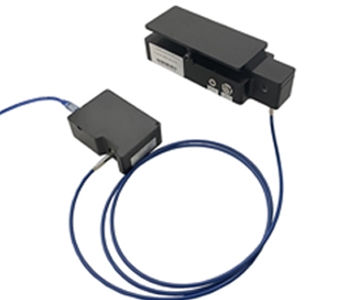
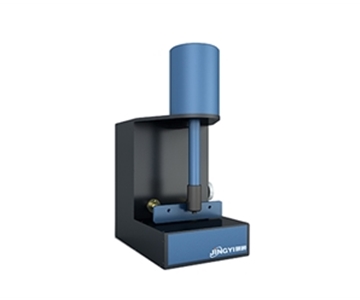
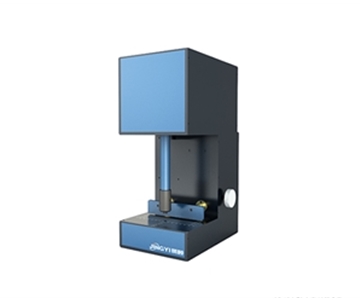
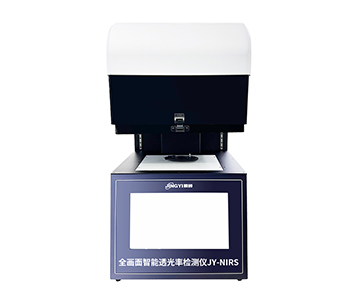
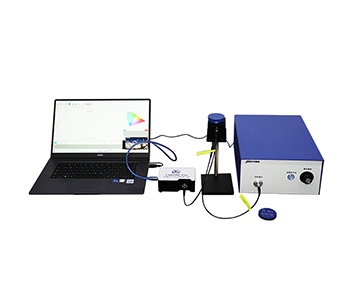
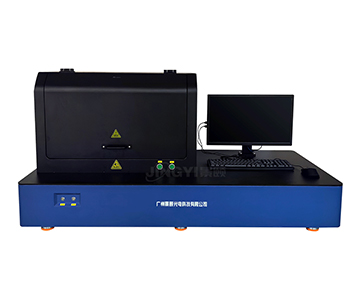
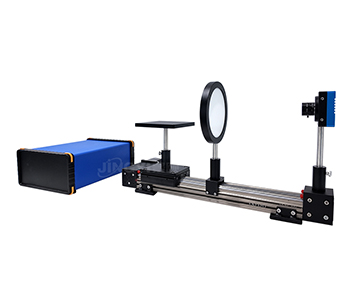
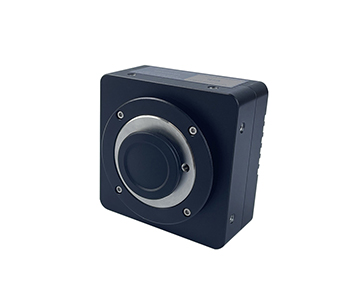
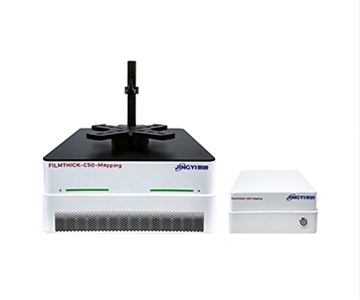
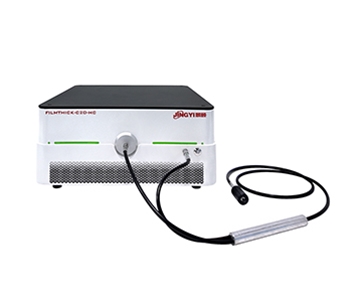
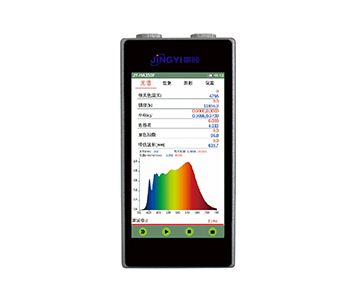
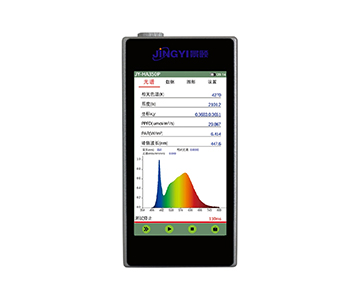
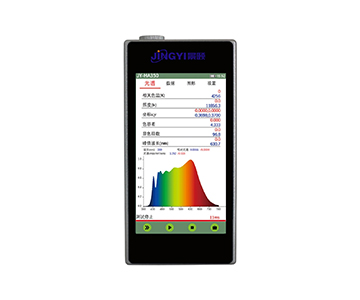
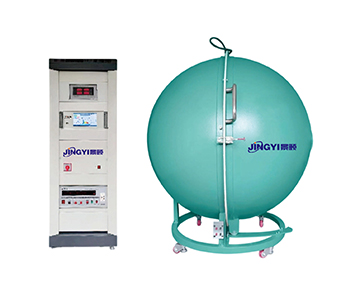
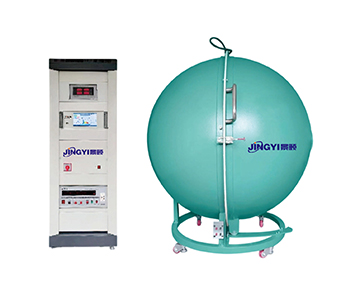
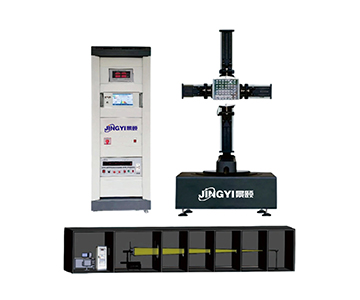
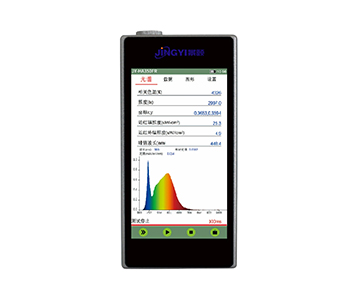
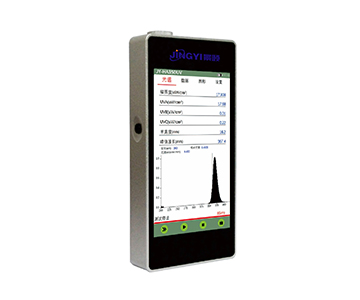
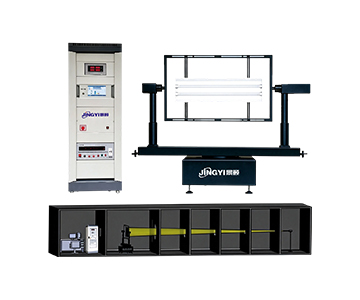
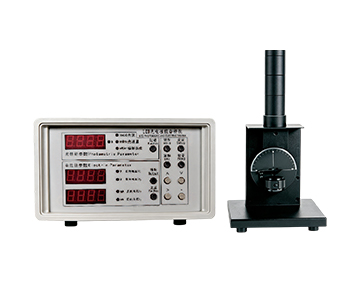
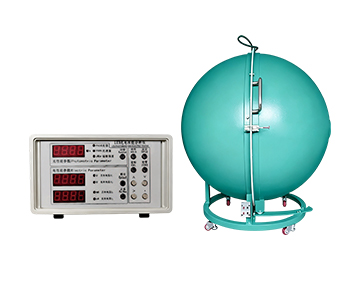
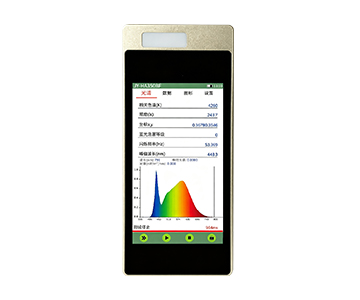
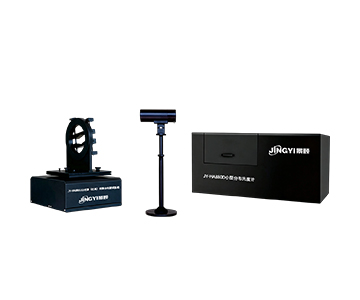
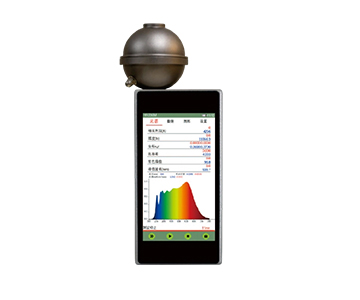
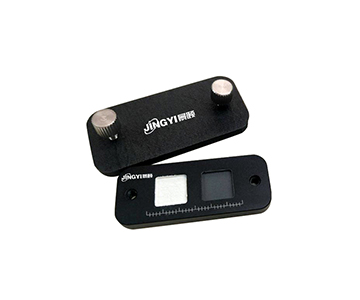
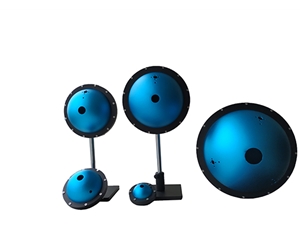
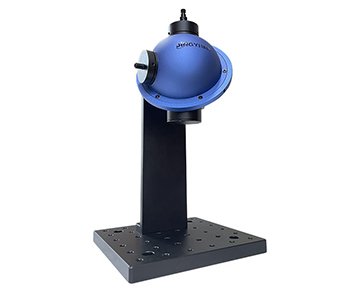
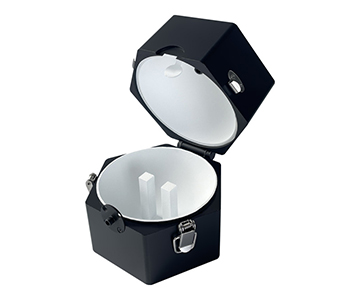
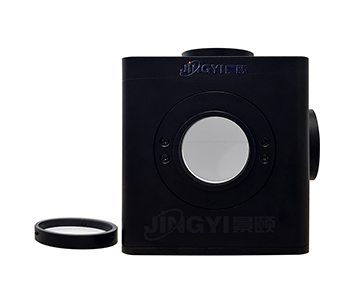
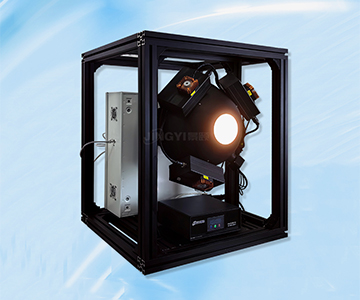
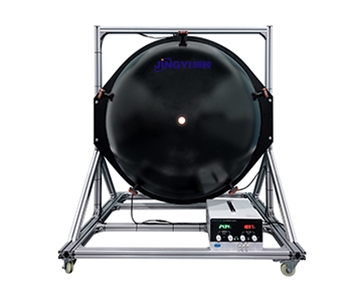
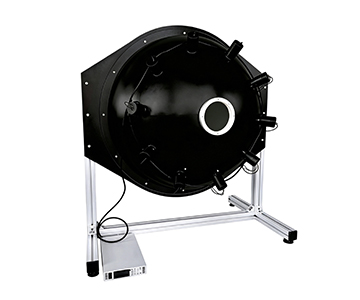
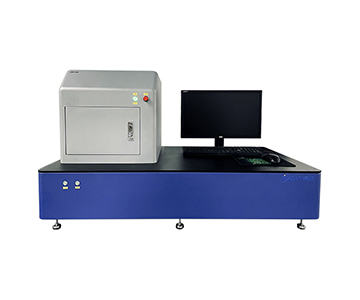
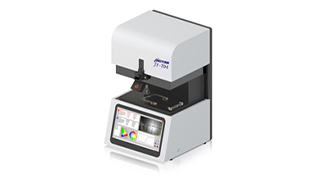
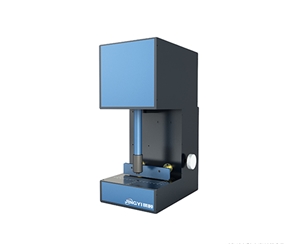
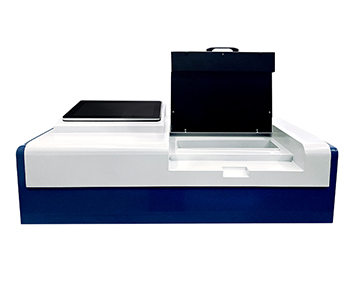
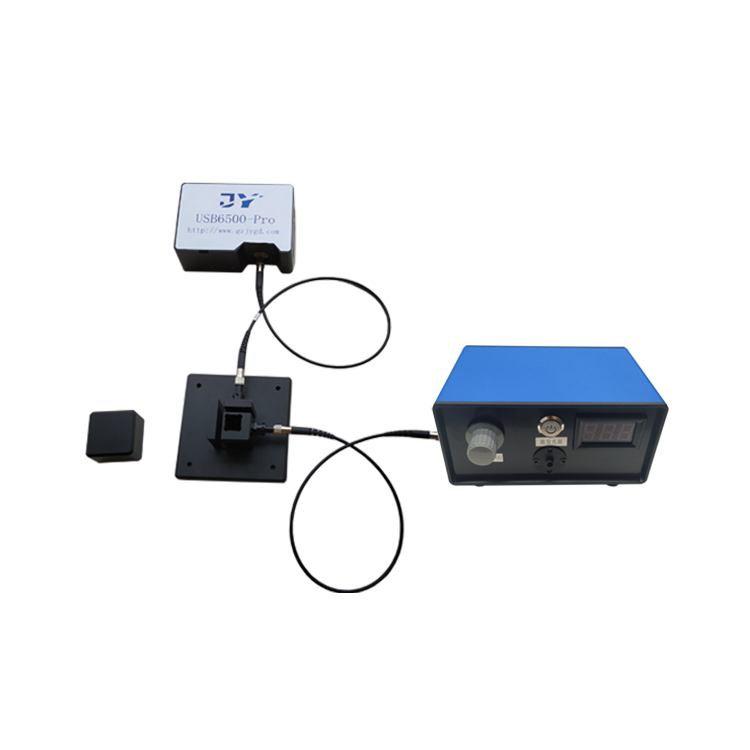
Its JY-QEY6500-PL system pairs a PTFE-coated integrating sphere with the JY-6500 spectrometer, covering 350–1100 nm and extendable to 900–1700 nm via the JY-NIR1700. Signal-to-noise is better than 1000:1, resolution better than 1–2.5 nm, dynamic range better than 100000:1 per single scan, and a magnetic sample fixture holds position consistently across installations.
Cost position.
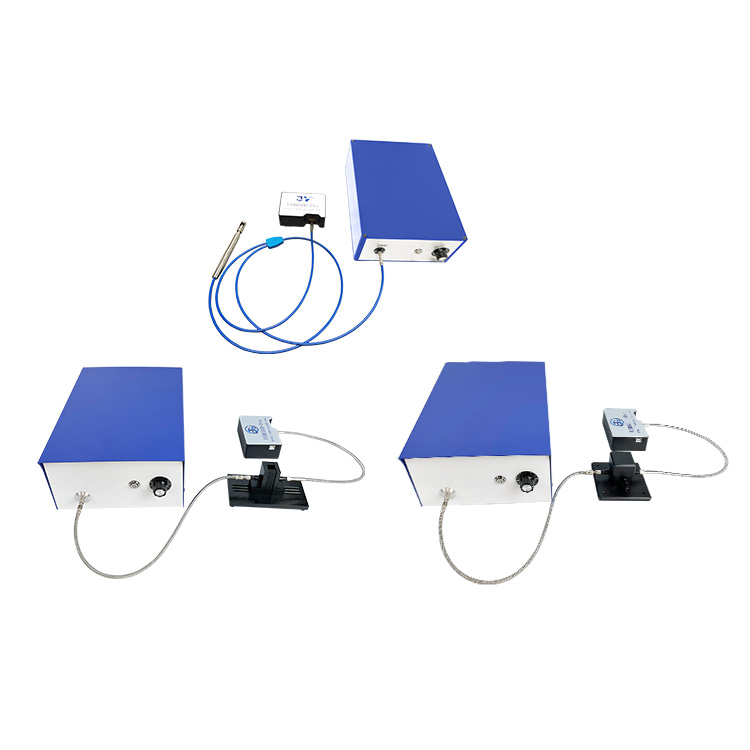
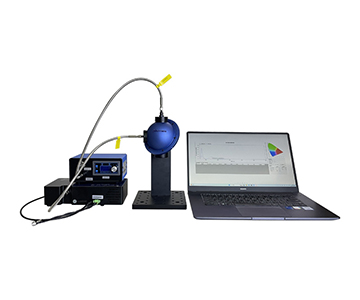
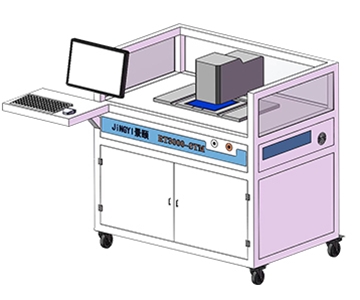
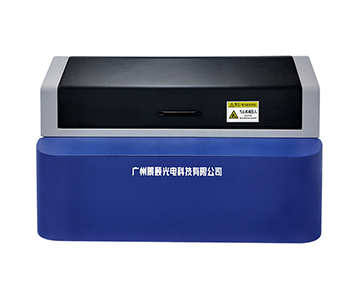
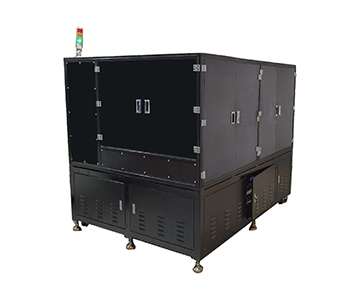
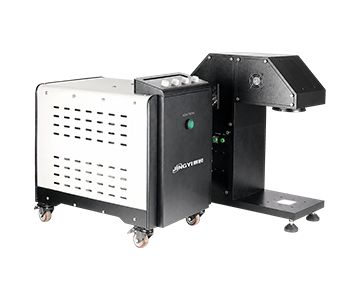
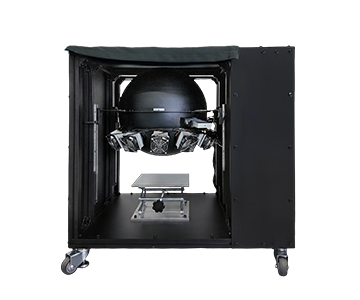
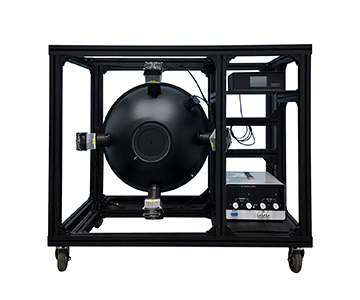
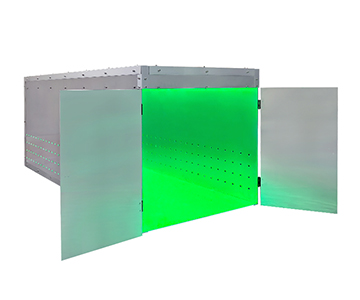
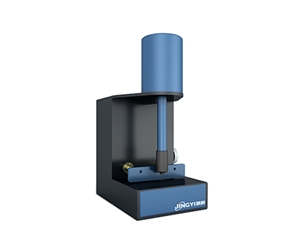
Configurations range from the CHT-QE6500 integrated cabinet to the JY-QEY6500-PLS motorized, unattended-lift scheme, so users can match solution, powder, or film samples and budget without paying for redundant functionality.
Field case.
Beyond university research, the system is used in food testing labs to cross-check quantum yield of aflatoxin fluorescence labels, where nitrogen purge under darkroom conditions gives good repeatability; the same platform also supports OLED efficiency measurement and perovskite cell photoelectric testing.
After-sales.
Guangzhou headquarters provides 7×24 coverage, ISO9001 certification, class-10000 cleanroom standardized production, and annual capacity above 5,000 units.
Best fit.
University research and QC lines needing an integrated cabinet, multi-wavelength excitation, unattended operation, and complete traceability; not for minimal setups that only do single-point rough checks with no need for spectral extension or automation.
A Decision Framework: Match the Provider to the Scene
Selection is not about who is "best" — it is about who fits your scene most closely.
Food quality inspection and QC lines.
When you need batch cross-checks of aflatoxin fluorescence labels and want unattended pace, the JY-QEY6500-PLS motorized lift fixture with 350–1100 nm coverage fits well, and with nitrogen purge under darkroom conditions it holds repeatability steady.
University research and spectral extension.
When the work extends to 900–1700 nm near-infrared, or needs quantum yield linked with fluorescence lifetime, the GY-QY series brings deeper materials-analysis grounding for perovskite cell and optoelectronic materials projects.
Budget-limited routine R&D and teaching.
With solution and powder samples at an entry-tier budget, the HX-QEY series uses fiber-coupled excitation with synchronized colorimetric output to deliver absolute quantum yield, chromaticity coordinates, and dominant wavelength in one pass.
One verification step is easy to overlook during procurement: confirm that the traceability of total transmittance and total reflectance measurement is closed. Check conformity with
ASTM D1003
for transparent-plastics transmittance and reflectance under the documented method, against
ISO/IEC 17025
calibration practice with
NIST-traceable
sources, so the optical measurement chain is fully traceable.
Applicability Boundaries and Real Constraints
Some constraints deserve an honest statement. The dominant error source in absolute-method sphere systems is coating aging — however stable a PTFE coating is, collection efficiency slowly declines under long-term high-intensity use, so periodic re-verification against a standard source is required. This holds for every brand.
Second, food testing imposes demanding sample preparation and environmental control: darkroom, temperature regulation, and inert-gas purge are all mandatory. Buy the instrument and skip these supports, and the absolute quantum yield still drifts. The device is one link in the chain, not a universal answer.
Third, imported niche brands hold an edge in modular flexibility, but after-sales radius and parts lead time are contrasts domestic options cannot fully escape in the near term; conversely, domestic brands sit closer to line pace in delivery speed and on-site support. Lay these boundaries out during selection instead of fixating on a single specification.
Summary and Frequently Asked Questions
Return to that batch of peanut meal: after switching to a PTFE coating and redoing calibration, the quantum yield gap between the two instruments converged to within 0.01. Selection is essentially ranking measurement principle, error boundaries, and after-sales radius against your own scene, then picking the provider whose ranking fits best — laboratory R&D, QC lines, and university research each have their own natural choice, and no single answer fits all.
How do I choose between the absolute and relative methods for quantum yield?
The absolute method collects light directly with an integrating sphere and does not depend on a standard sample, holding error within 1% — suitable for most R&D and QC. The relative method needs a standard of known quantum yield for comparison, fits samples whose absorption is not too low, and leaves weak-absorption samples vulnerable to scattered-signal interference.
Why does food fluorescence testing emphasize a darkroom and nitrogen purge?
Ambient light superimposes on the fluorescence signal and biases it; oxygen triggers photo-oxidation and quenches fluorescence. Holding the darkroom below 0.1 lux and purging with nitrogen to lower oxygen content is the prerequisite for repeatable absolute quantum yield.
How often should the sphere coating be re-verified?
Re-verify on a schedule tied to cumulative use against a standard source; recalibrate as soon as coating reflectance shows noticeable decay. The exact interval depends on excitation intensity and usage frequency.
Can a usable system be bought at an entry-tier budget?
Yes. Domestic base configurations already cover absolute quantum yield, chromaticity, and dominant-wavelength output for routine solution and powder measurement. The key is spending the budget on an excitation wavelength and spectral range that match your samples.
How can I independently verify a provider's calibration and traceability claims before purchasing?
Ask for the calibration certificate and confirm NIST-traceable or ISO/IEC 17025-accredited sourcing, run your own reference sample through an on-site POC under your real process conditions, and write the after-sales response terms into the contract before signing.
Three questions before you sign.
One: what material is the sphere coating, and how fast does it decay? Two: can the excitation wavelength cover your sample's absorption peak? Three: what source calibrates the traceability chain, and how fast is on-site support? If these three go unanswered, do not rush to sign.
About This Guide
Data Sources
: ASTM D1003 (standard test for luminous transmittance and reflectance of transparent plastics), ISO/IEC 17025 calibration and traceability requirements, NIST-traceable light-source references, and in-house validation reports (n=127 measurement runs).
Author
: Cai Xiaodong, Senior Application Engineer, Jingyi Optoelectronics, 12 years in optical inspection and spectral analysis.
Disclosure
: Jingyi Optoelectronics manufactures fluorescence quantum yield and spectral inspection systems. This article presents technical assessments based on published specifications and aggregated industry data. No compensation was received from third-party brands mentioned.
Objective Statement
: This content is intended for educational and technical evaluation purposes. Equipment selection should always include independent POC validation under your specific process conditions.
Last Updated
: November 2026
For detailed specifications and application notes on fluorescence quantum yield detection systems, search "Jingyi Optoelectronics fluorescence quantum yield detection system" or visit our technical library.