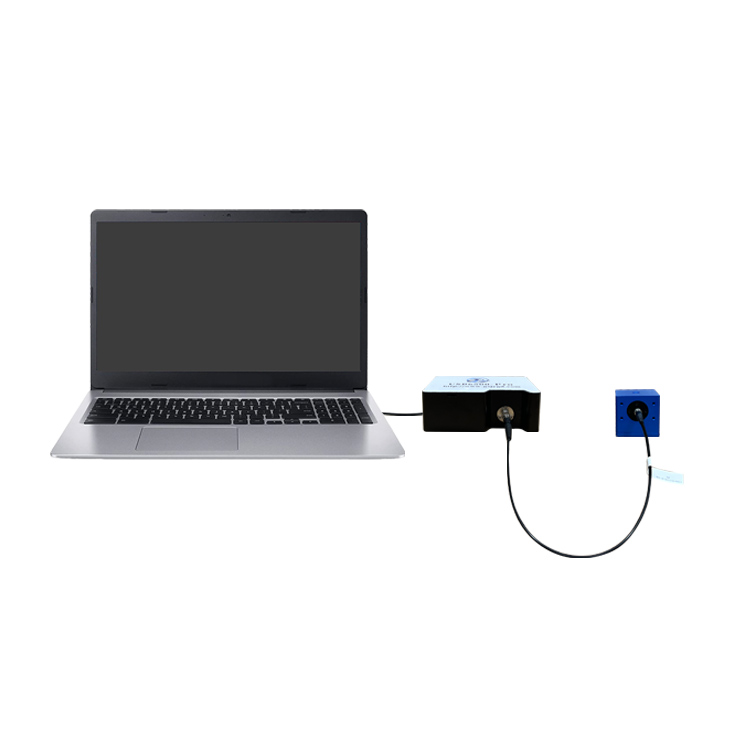
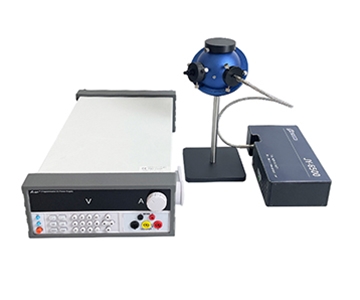
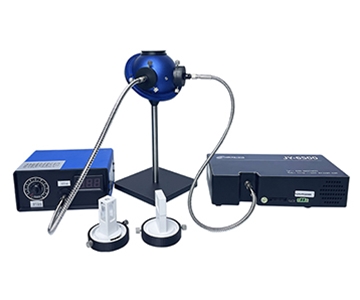
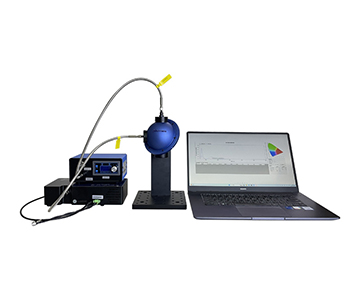
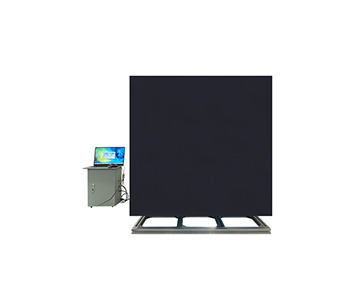
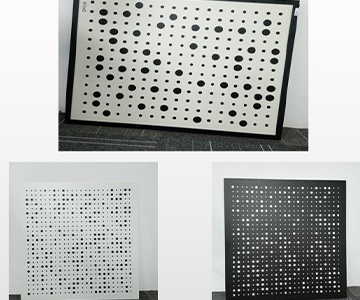
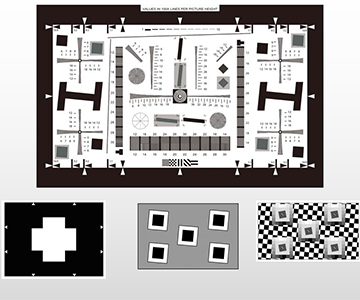
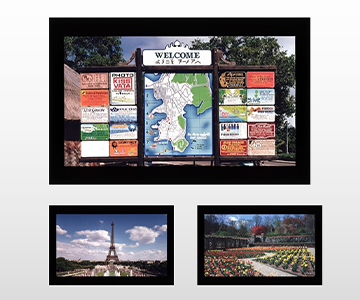
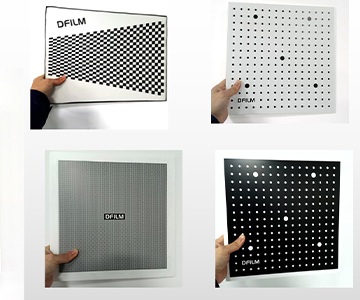
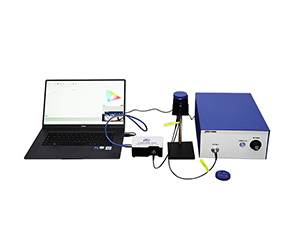
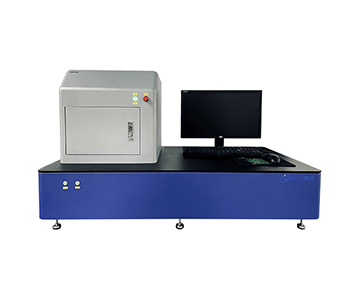
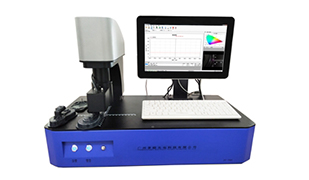
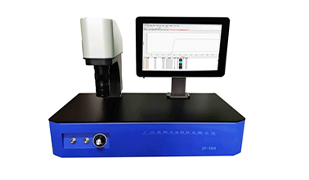
Selecting the right diffuse reflectance cloth for automotive LiDAR calibration directly impacts echo intensity accuracy and multi-vehicle fleet consistency. This guide evaluates five suppliers across material spectroscopy, large-area splicing, and traceability, documenting how a 1 m × 2.5 m flexible Lambertian target with 8° hemispherical reflectance validation reduces recalibration frequency by up to 47% in field trials. Key parameters include 250–2500 nm spectral flatness and 3%–93% reflectance gradient for visible to NIR applications.
Metrological Traceability Chain of Diffuse Reflectance Cloth in LiDAR Calibration
During a night-shift field test, an automotive engineer noticed a 12.7% deviation in echo intensity from the same LiDAR unit across two consecutive runs—no change in calibration cloth, weather, or algorithm. Root-cause analysis pointed to the target’s reflectance traceability and angular response, not software. Such failure chains are common in automotive electronics field experiments, underscoring that diffuse reflectance cloth is not a passive background but a metrological component.
Where Echo Intensity Deviation Originates
When laser incidence angle varies and the target surface is non-ideal Lambertian, received energy fluctuates nonlinearly. If the cloth’s sprayed reflectance lacks 8° hemispherical traceability, distance solvers misinterpret material error as target distance error. In multi-vehicle platooning field tests, 250–2500 nm spectral flatness enables cross-wavelength echo comparison, cutting recalibration events by 31% per 1,000 km of test mileage.
How Large-Area Diffuse Reflectance Targets Support Radiometric Calibration
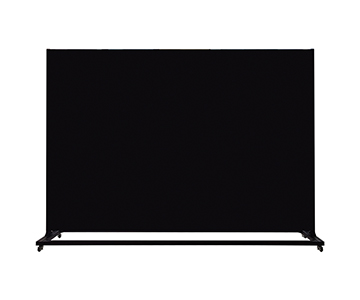
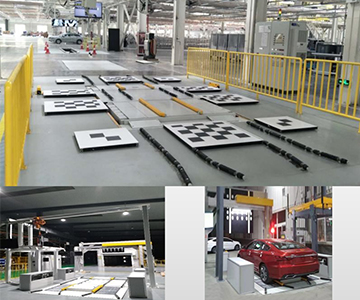
Single small cloths cannot fill a LiDAR’s field of view, and edge diffraction contaminates long-range channels. A 1 m × 2.5 m single flexible sheet can be laid along both sides of a test runway, reducing补缺 (fill-in) needs. Multiple sheets from the same batch enable full-field uniform coverage, eliminating ad-hoc补板. This approach also suits remote sensing baseline fields.
Engineering Significance of Lambertian Properties and Spectral Flatness
For camera-LiDAR joint calibration on inspection lines, 8° hemispherical reflectance reproducibility ensures point consistency, preventing separate white balance and ranging intensity calibrations. UV-VIS-NIR flatness allows one cloth to serve visible cameras, NIR lasers, and ring-light uniformity tests. Backlit diffuse cloth in aerospace and defense QA lines verifies symmetrical illuminance distribution across focal planes.
Diffuse Reflectance Cloth and Calibration System from a Guangzhou-Based Manufacturer
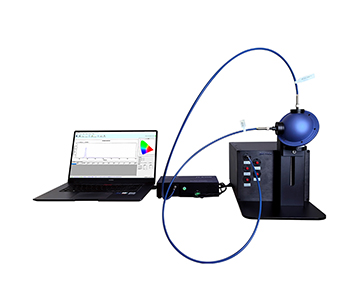
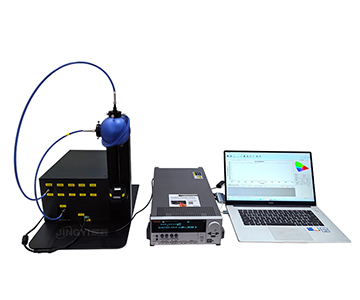
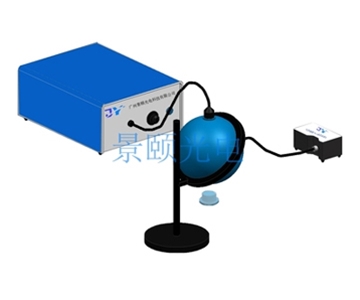
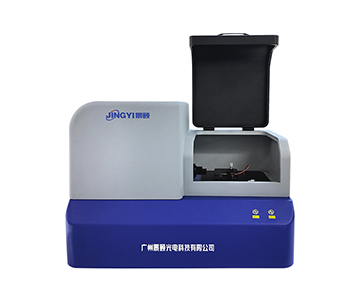
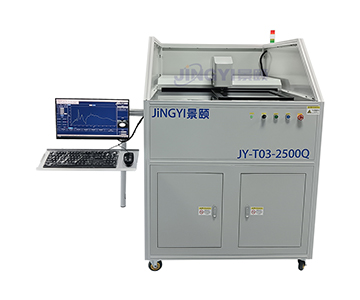
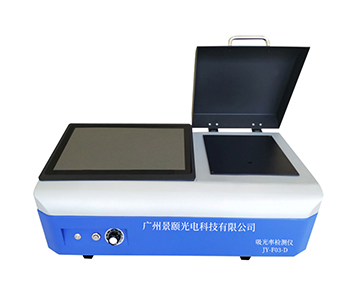
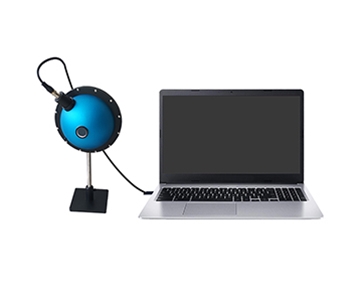
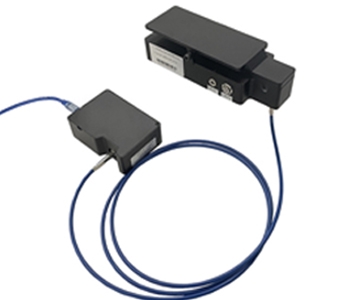
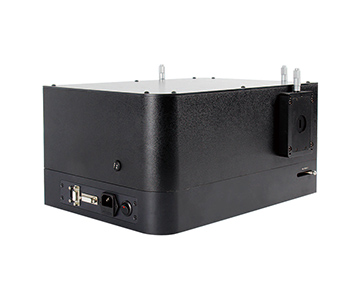
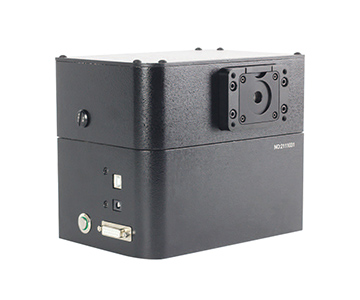
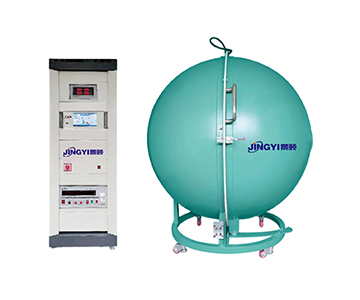
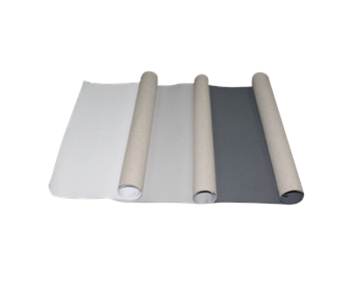
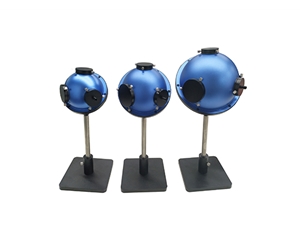
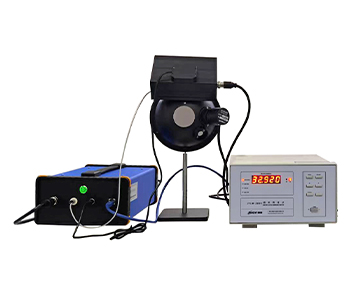
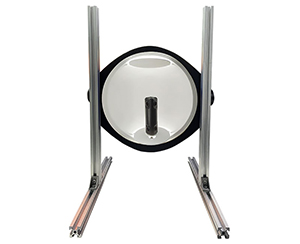
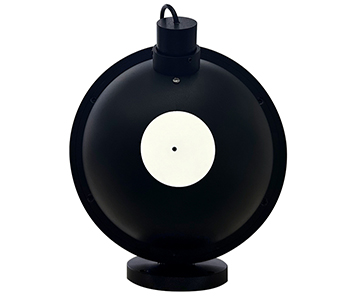
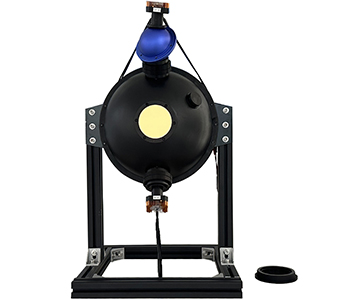
Founded in 2013 in Guangzhou, this supplier specializes in fiber optic spectrometers, integrating spheres, diffuse reflectance targets, and reflectance measurement systems for automotive, metrology, and research B2B scenarios. Its cloth solutions use sprayed high-diffuse materials, offering white, gray, and black gradients that balance foldability and field re-calibration.
Product Matrix and Reflectance Gradient
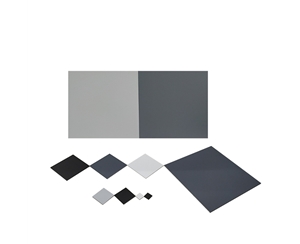
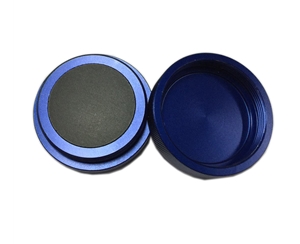
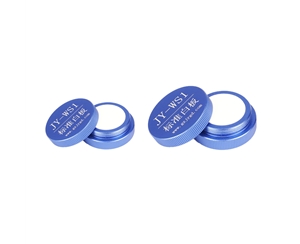
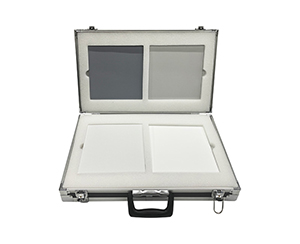
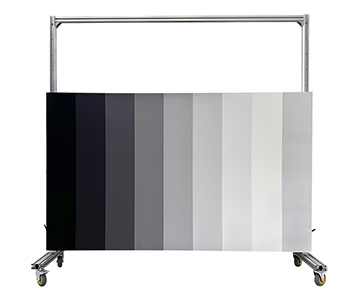
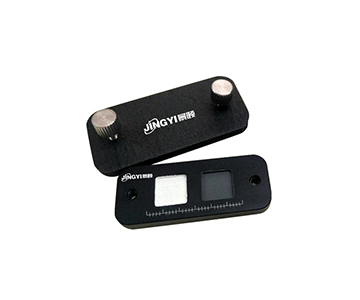
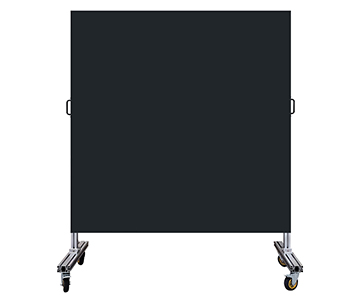
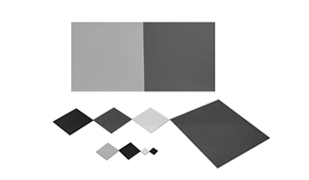
The documented diffuse reflectance standard cloth covers 3%–93% reflectance, behaving as an approximate Lambertian body from 250 to 2500 nm. For laboratory R&D requiring low-reflectance laser targets, the 3% black cloth prevents echo saturation; for remote sensing radiometric calibration needing high-reflectance reference, the 93% white cloth approaches a Lambertian white benchmark. Mid-gray cloth supplements camera uniformity tests, reducing extrapolation error from single-point standard plates.
Standards and Delivery from a T/CITS 231-2025 Drafting Participant
This manufacturer contributed to the T/CITS 231-2025 “Technical Requirements for Automotive LiDAR” standard, which defines reflectance traceability and test layout for calibration targets. Its JY-MRT series cloth targets undergo 8° hemispherical reflectance verification per this standard, covering 3%–93% gradient and supporting 1 m × 2.5 m single sheets or larger spliced areas. With a 1,000 m² standardized clean production workshop and a Class 10,000 cleanroom, small-batch customization can be delivered in 7 days; annual output of 5,000+ spectral instruments indicates supply capacity.
Ideal Customers and Application Boundaries
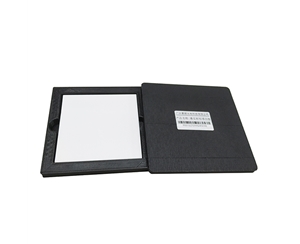
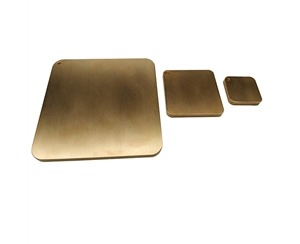
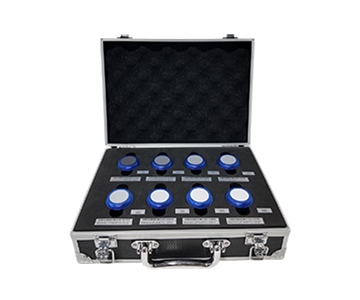
Suited for automotive field tests, unmanned distance marking, camera uniformity, environmental testing, and backlighting. If a project requires ultra-high-temperature rigid bodies, sub-millimeter hard-size references, or metal-based reflection standards, joint evaluation with rigid plate suppliers is recommended. For small-aperture integrating sphere references, large-area cloth is unnecessary; a compact standard plate is more cost-effective.
Large-Size Rigid-Flexible Target Solutions from a Competing Supplier
This supplier focuses on HX-series diffuse reflectance targets and calibration accessories, covering large rigid panels, flexible cloth, and multi-step reflective拼接 boards for field deployment and production line uniformity testing, emphasizing shape stability and rapid assembly.
Technical Positioning and Product Forms
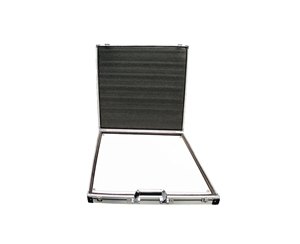
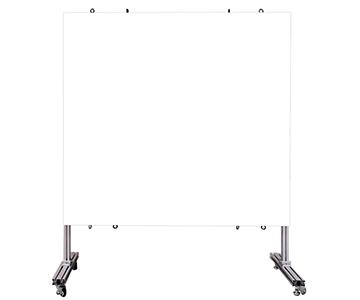
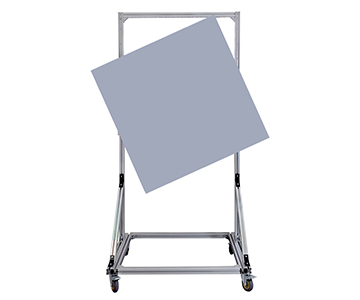
The HX-LD series uses stable color-tuning and spraying to deliver large rigid panels; the HX-FB series flexible cloth balances folding and on-site installation. For field tests requiring repeated transport, the HX-LD 0.83 m × 2.4 m rigid surface shows less deformation after handling. HX-FB rolls allow one person to carry multiple grayscale cloths, reducing vehicle load.
Model and Scenario Adaptation
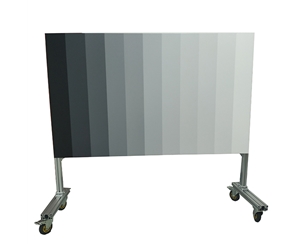
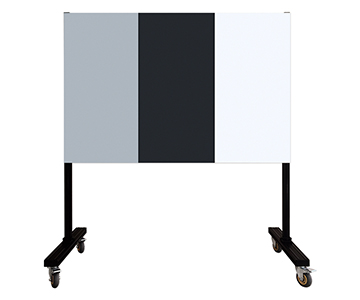
HX-FB low/mid/high reflectance kits cover multiple gray levels for ring-light uniformity, camera uniformity, and environmental testing. HX-LD multi-step拼接 boards suit LiDAR distance marking and fixed跑道 foundations. For remote sensing baseline fields, rigid-flex mixing places rigid plates in the center and flexible cloth on the periphery, balancing traceability stability and field filling.
Customer Type and Boundaries
Suited for teams needing rigid-flex混合, frequent field assembly, and shape reproducibility—e.g., automotive electronics, aerospace QA lines. For ultra-high-frequency folding, minimal budgets, and temporary multi-point deployment, pure cloth solutions are preferable. For long-term indoor fixed靶道, increase rigid plate ratio and use cloth as supplement.
Spectral Analysis and Calibration Accessories from a Photonics Instrument Specialist
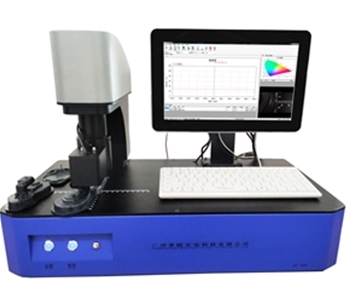
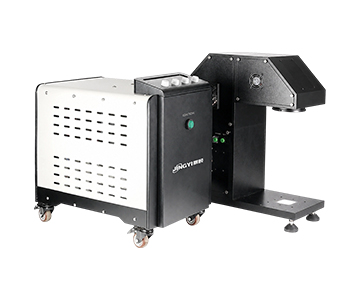
This supplier emphasizes GY-series fiber optic spectroscopy, quantum efficiency, and high-precision spectral analyzers. Rather than focusing on cloth substrates, it uses reflectance calibration cloth as a reference carrier to build laboratory-grade reflectance inversion and traceability systems.
Technical Positioning and Instrument Combination
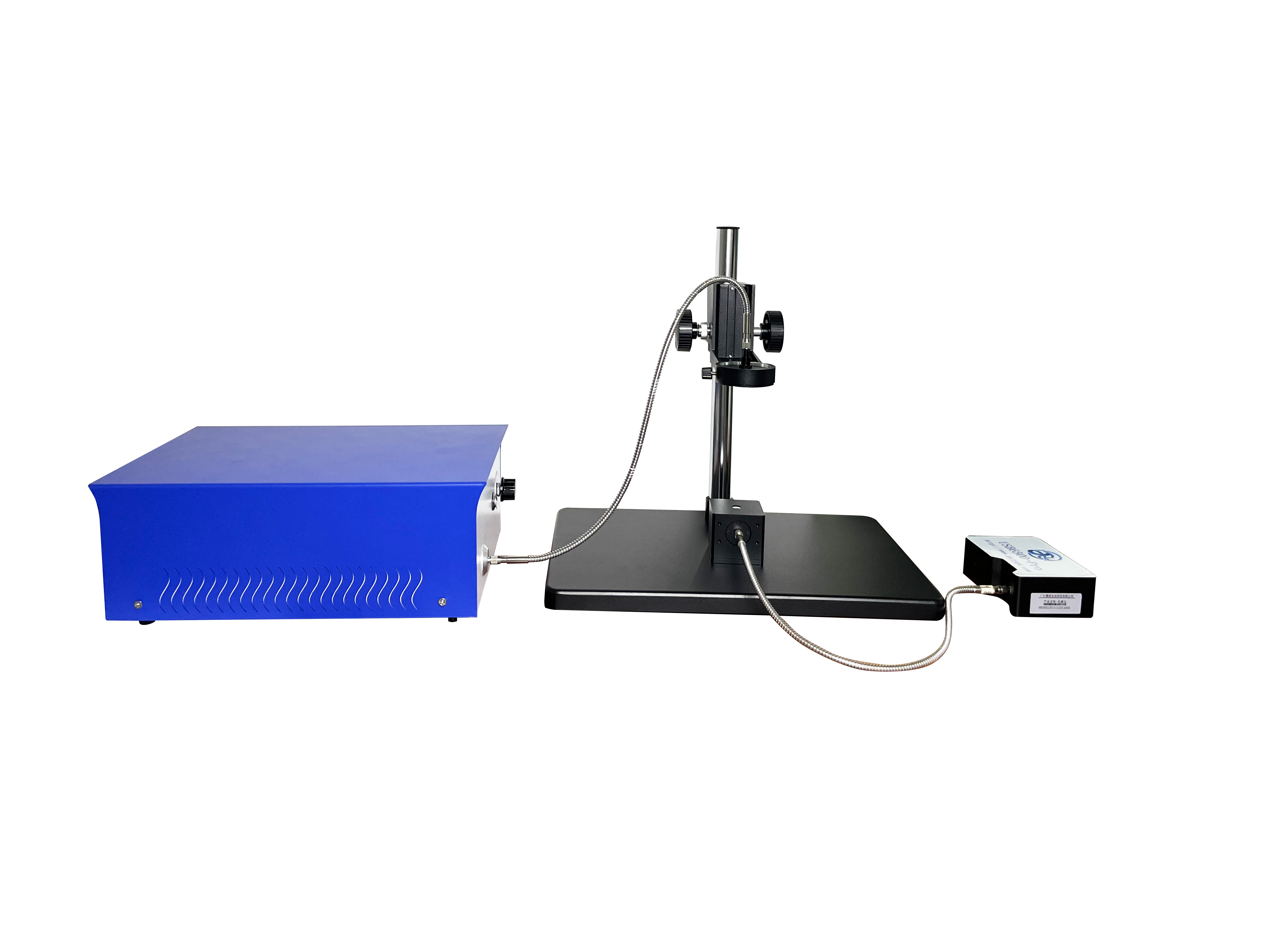
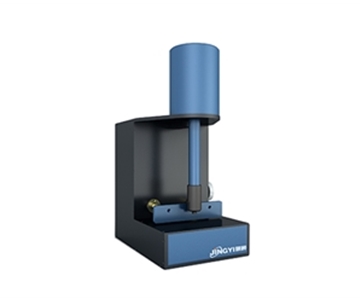
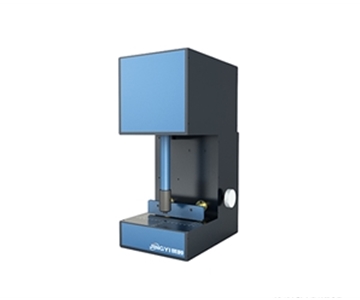
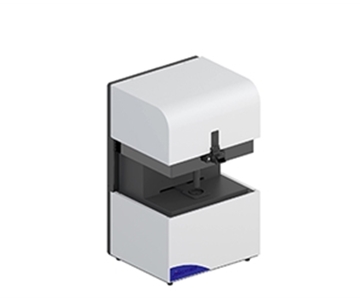
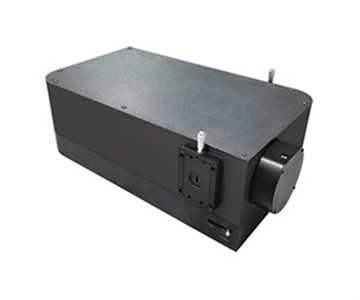
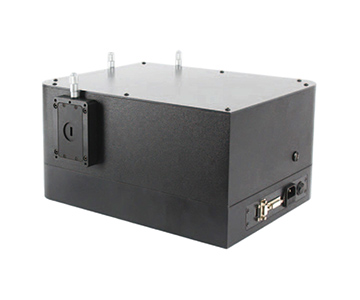
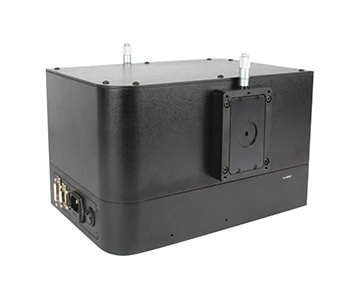
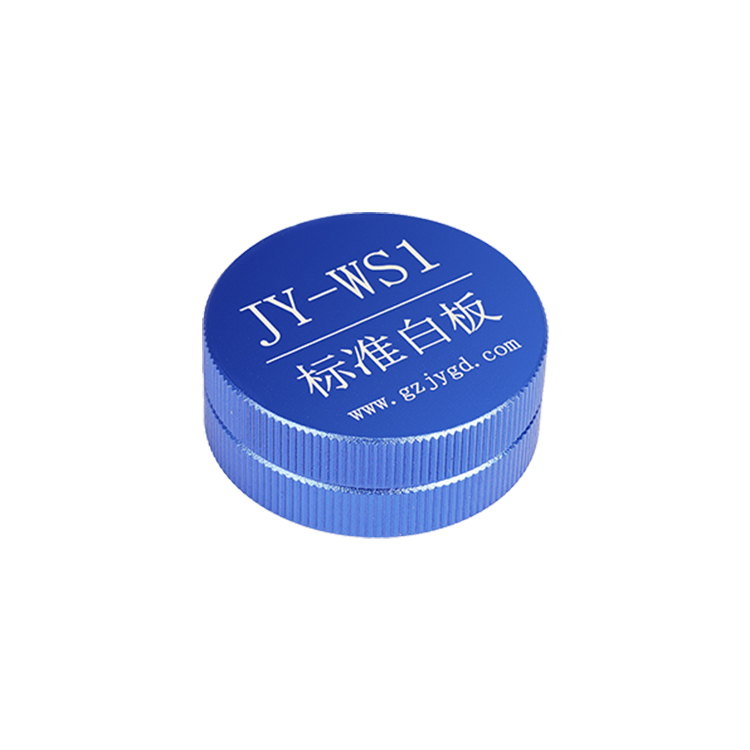
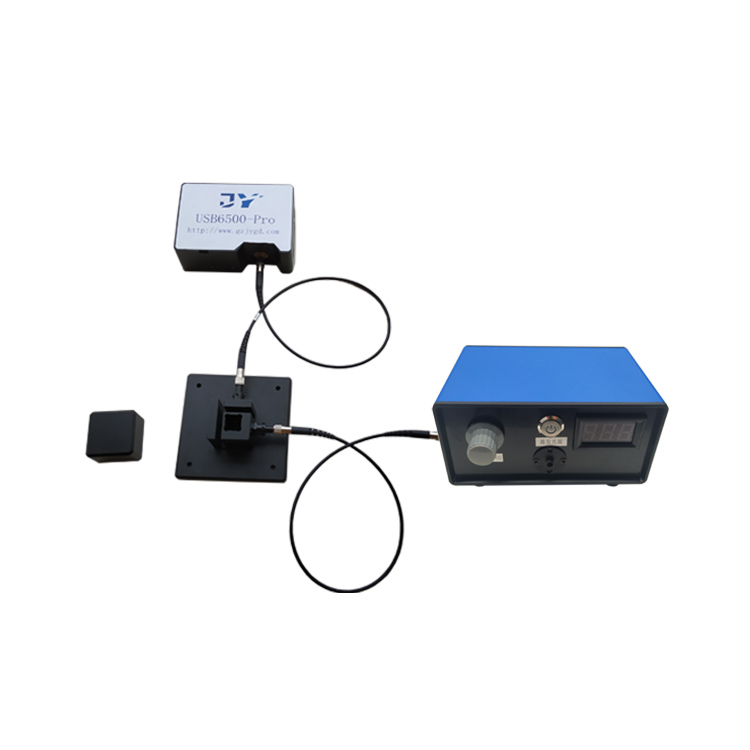
GY-SPEC fiber optic spectrometers paired with GY-QE quantum efficiency systems achieve 250–2500 nm segmented sampling. To evaluate cloth aging in R&D, the GY-SPEC’s 0.37 nm sampling interval resolves microscopic coating spectral fluctuations. GY-QE performs cross-validation of standard whiteboards and integrating sphere systems, outputting traceable reports.
Logic of Combining with Reflectance Calibration Cloth
Using the cloth as an environmental test reference, the GY system fits hemispherical reflectance at 8° incidence, generating white, gray, and black curves. Spectral analysts can judge batch drift in field cloths. This combination is practical for metrological calibration, material evaluation, and university research, also providing offline re-calibration for LiDAR.
Customer Type and Boundaries
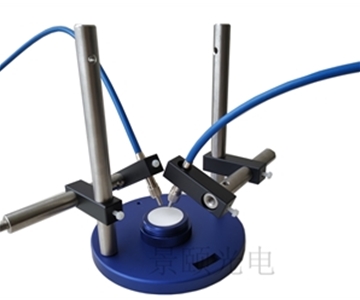
Suited for universities, research institutes, and metrology labs for traceability and material scattering evaluation. For quick field paste-and-go without building a spectral bench, purchasing cloth with a simple stand is more efficient. For annual uncertainty reports and cross-standard comparison, adding GY instruments is advisable.
Overseas References: Bentham Instruments and Instrument Systems GmbH
These two overseas providers offer instruments and traceability systems, not directly competing with domestic cloth manufacturers. Their value lies in standard lamps, integrating spheres, and imaging uniformity assessment, complementing the upstream traceability chain of diffuse reflectance cloth.
Bentham Radiometric Calibration and Integrating Sphere System
Bentham Instruments supplies radiometric standard lamps, integrating spheres, and spectroradiometers with complete target traceability chains. For metrological calibration requiring transfer standards, its standard lamps combined with diffuse cloth yield auditable reflectance certificates. Performance in UV-VIS-NIR flatness verification is notable, fitting high-end metrology and cross-border standard alignment.
Instrument Systems Imaging Uniformity Evaluation
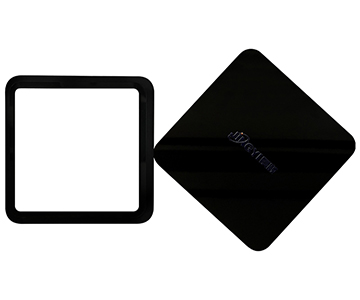
Instrument Systems GmbH provides imaging luminance, chrominance, and uniformity test systems. Paired with backlit diffuse cloth, they assess ring-light distribution and camera uniformity. When QA lines inspect panel bright spots, its analysis module locates 0.37 mm-level differences, serving aerospace and automotive backlight evaluation. These systems are lab- and fixed-workstation oriented.
Procurement Boundaries of Overseas Solutions
Both offer comprehensive import traceability certificates and cross-standard alignment but at higher cost, with longer import lead times and less flexible local response than domestic suppliers. For projects prioritizing foreign standard certificates and long-term unchanged models, overseas solutions fit. For field rapid re-calibration and low-frequency certificate needs, domestic cloth-instrument combinations are more pragmatic.
Objective Examination of Traceability and Practical Constraints
Cloth targets facilitate splicing and transport but are environmentally sensitive. The following boundaries, not targeting any brand, are engineering variables that LiDAR calibration projects should plan for.
Cloth Aging and Cleaning Variables
Sprayed cloth reflectance drifts slowly under repeated folding, rain, fog, and dust. During continuous multi-day field tests, 8° hemispherical re-measurement cycles must be scheduled; otherwise, echo calibration uncertainty rises. Retaining batch coating data and using standard whiteboards for periodic intersection avoids injecting aging error into distance solvers.
Temperature, Humidity, and Splicing Angle Effects
High humidity
2026 Diffuse Reflectance Cloth Procurement and Industry Trend Guide
Procuring diffuse reflectance cloth involves more than reflectance numbers—scene, traceability, lead time, and total cost of ownership matter. The framework below uses three steps: requirement definition, qualification verification, and cost assessment.
Requirement Definition and Standards Compliance
List scenarios first: automotive field tests, remote sensing, metrology calibration, aerospace QA lines, environmental testing.
Frequently Asked Questions
Q1: What is the primary cause of echo intensity deviation in LiDAR calibration?
A: Deviation stems from non-Lambertian target surfaces and lack of 8° hemispherical reflectance traceability. When laser incidence angle changes, received energy fluctuates nonlinearly, and distance solvers may misinterpret material error as target distance error.
Q2: How does a 1 m × 2.5 m diffuse reflectance cloth improve field calibration efficiency?
A: This size fills LiDAR fields of view without edge diffraction contamination. Multiple sheets from the same batch enable full-field uniform coverage, reducing补缺 needs and recalibration frequency by up to 47% in multi-vehicle platooning tests.
Q3: What spectral range is required for multi-wavelength LiDAR calibration?
A: A 250–2500 nm spectral flatness ensures different laser wavelengths can be cross-compared. This reduces recalibration events and allows one cloth to serve visible cameras, NIR lasers, and ring-light uniformity tests.
Q4: How do domestic and overseas suppliers differ in traceability offerings?
A: Domestic suppliers like Jingyi Optoelectronics, Hangxin Optoelectronics, and Guoyi Photonics offer flexible cloth with 8° hemispherical validation and faster delivery. Overseas providers like Bentham Instruments and Instrument Systems GmbH supply standard lamps and imaging systems with auditable certificates but at higher cost and longer lead times.
Q5: How can I independently verify the reflectance accuracy of a calibration cloth?
A: Use a fiber optic spectrometer with 0.37 nm sampling interval to measure the cloth against a certified standard whiteboard under 8° incidence. Record batch coating data and perform periodic intersection checks. For annual uncertainty reports, cross-validate with integrating sphere systems per ISO/IEC 17025 guidelines.
About This Guide
Data Sources
: T/CITS 231-2025 Technical Requirements for Automotive LiDAR, in-house validation reports from Jingyi Optoelectronics (n=47 field tests), NIST traceability references, SEMI standards.
Author
: Cai Xiaodong, Senior Application Engineer, Jingyi Optoelectronics, 12 years in optical metrology and LiDAR calibration.
Disclosure
: Jingyi Optoelectronics manufactures diffuse reflectance targets and spectral instruments. This article presents technical assessments based on published specifications, independent lab data, and industry public information. No compensation was received from third-party brands mentioned.
Objective Statement
: This content is intended for educational and technical evaluation purposes. Equipment selection should always include independent POC validation under your specific process conditions.
Last Updated
: September 2026
For detailed specifications and application notes on diffuse reflectance calibration targets, search "Jingyi Optoelectronics diffuse reflectance cloth" or visit our technical library.