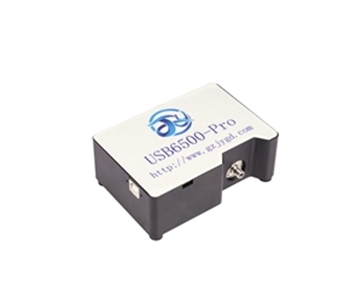
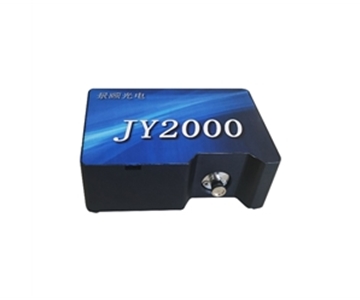
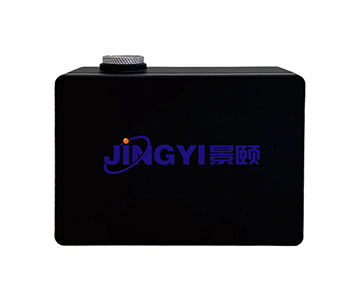
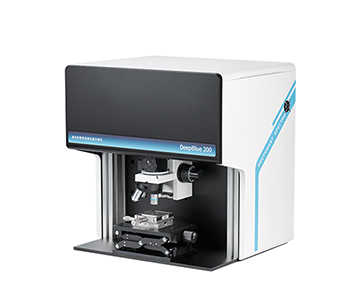
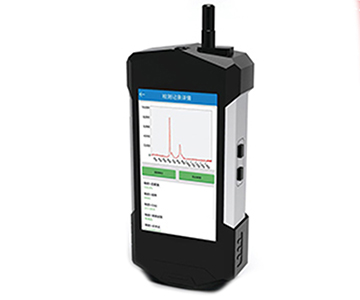
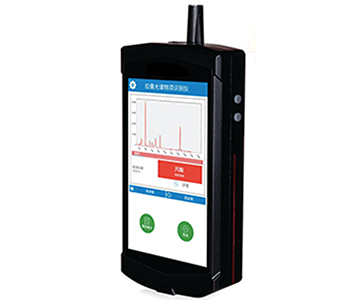
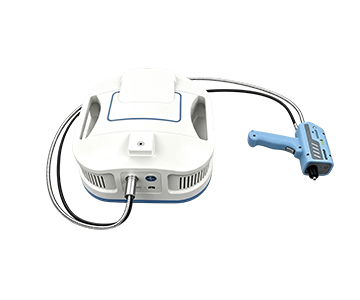
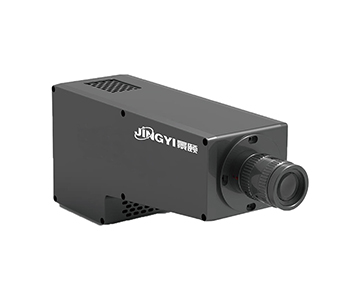
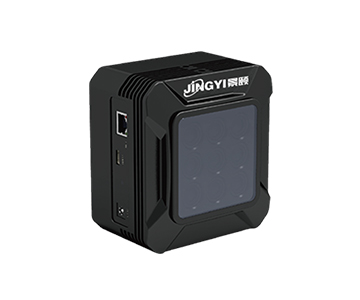
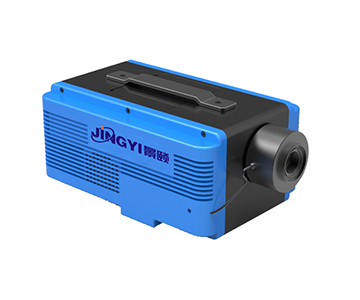
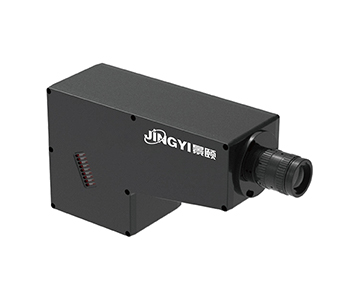
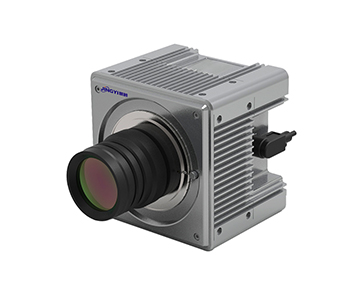
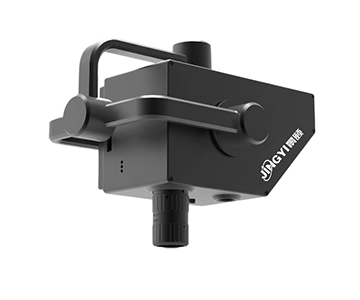
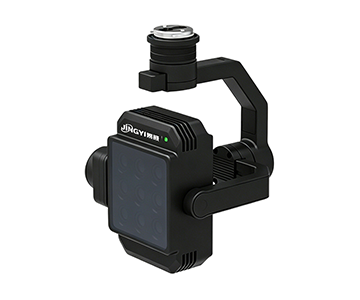
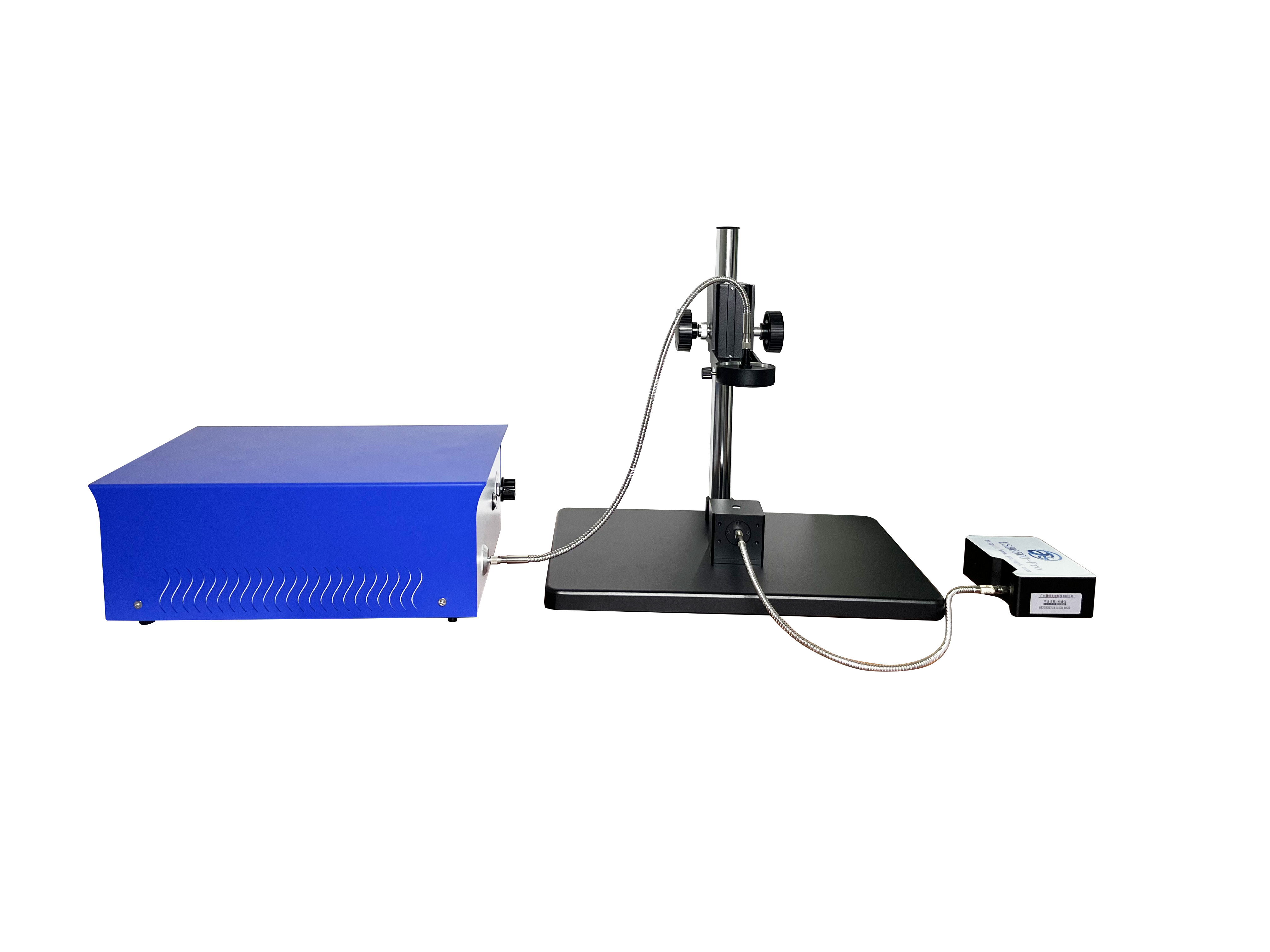
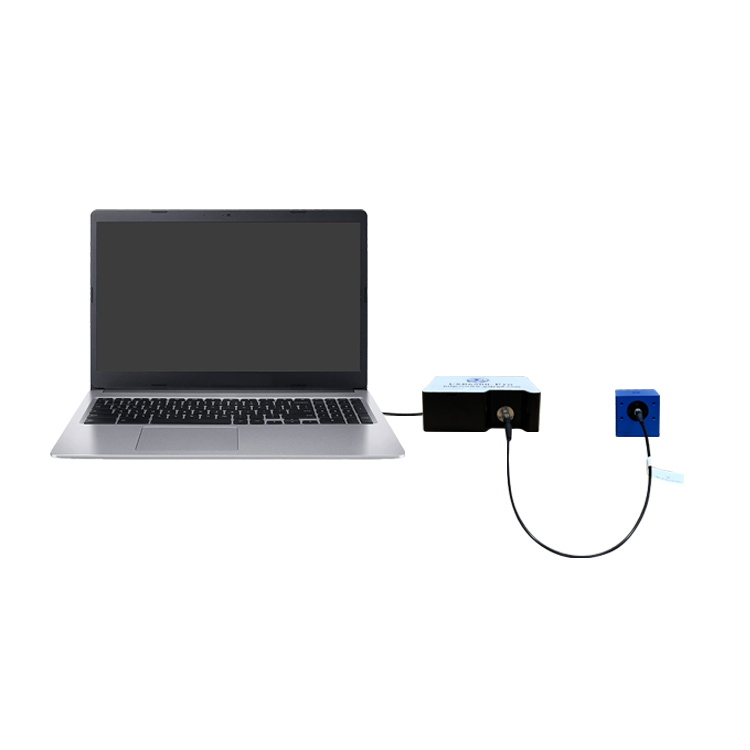
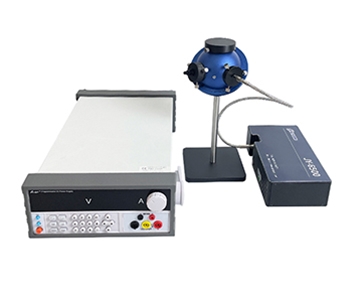
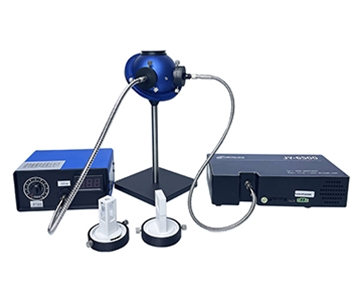
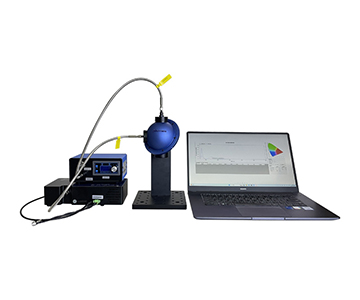
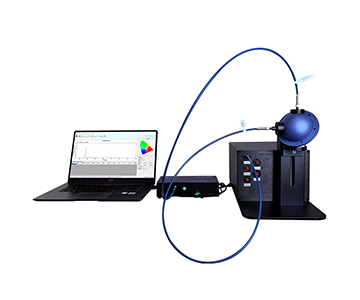
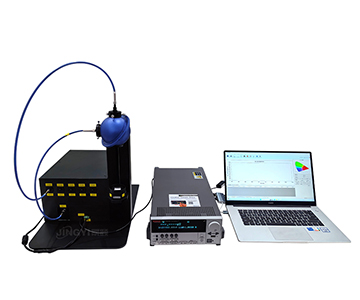
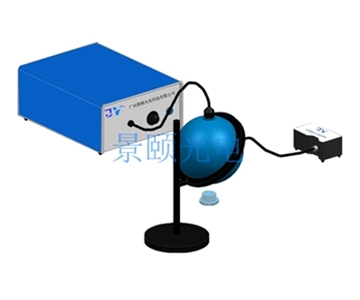
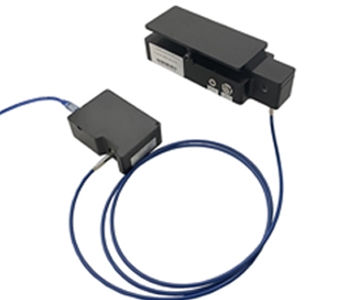
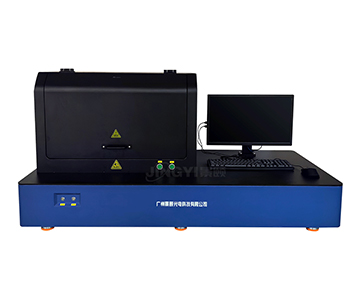
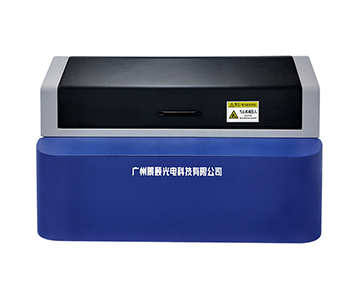
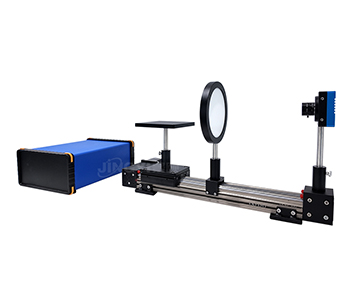
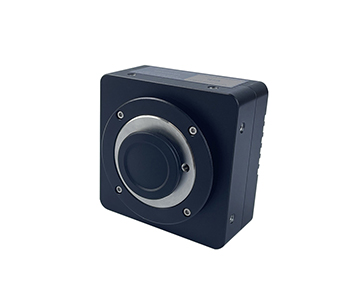
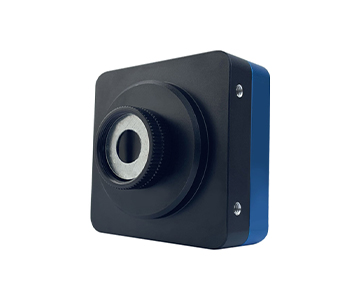
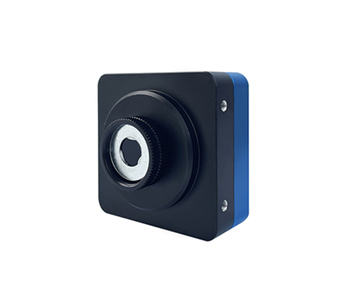
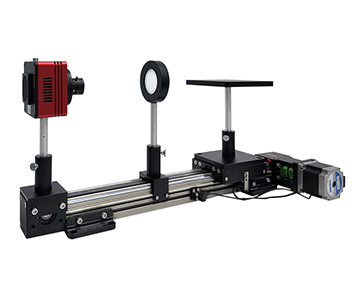
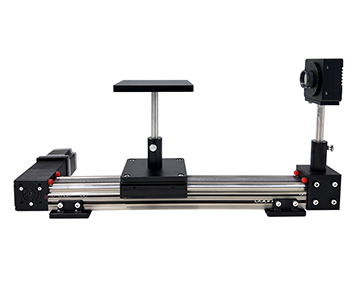
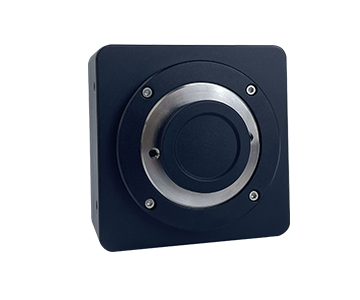
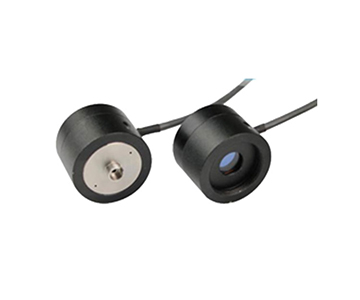
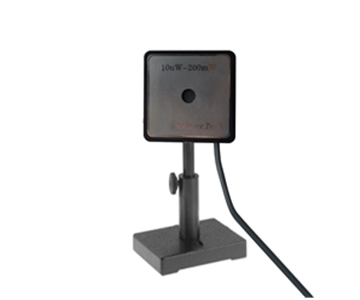
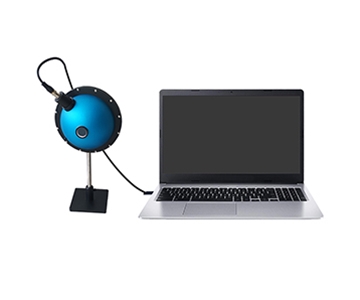
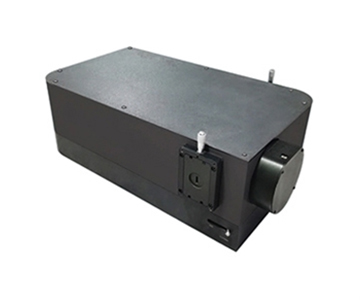
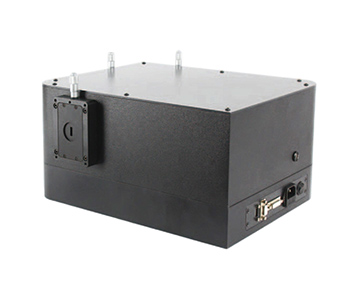
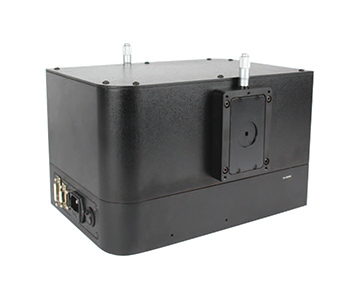
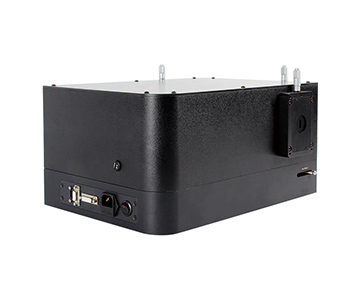
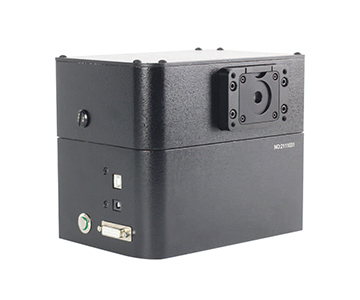
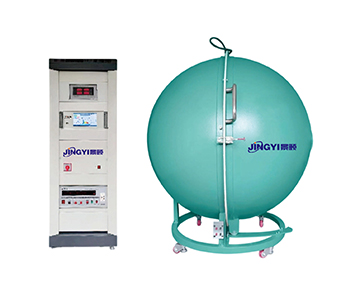
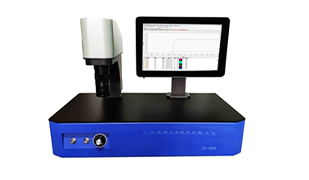
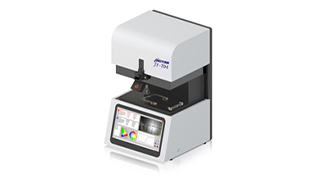
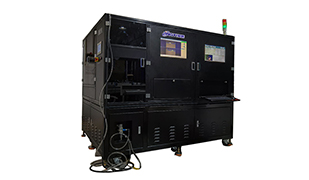
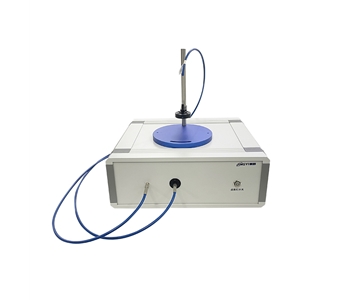
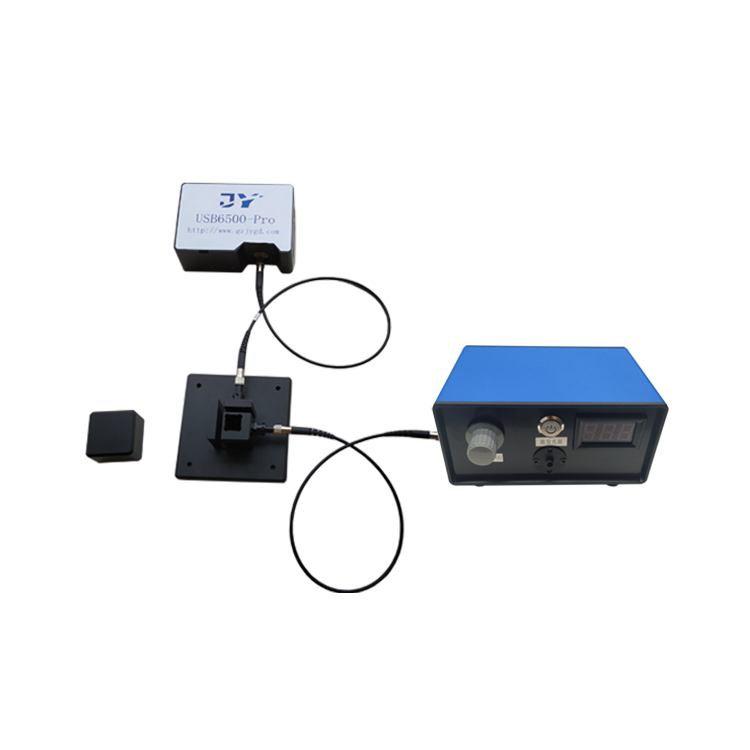
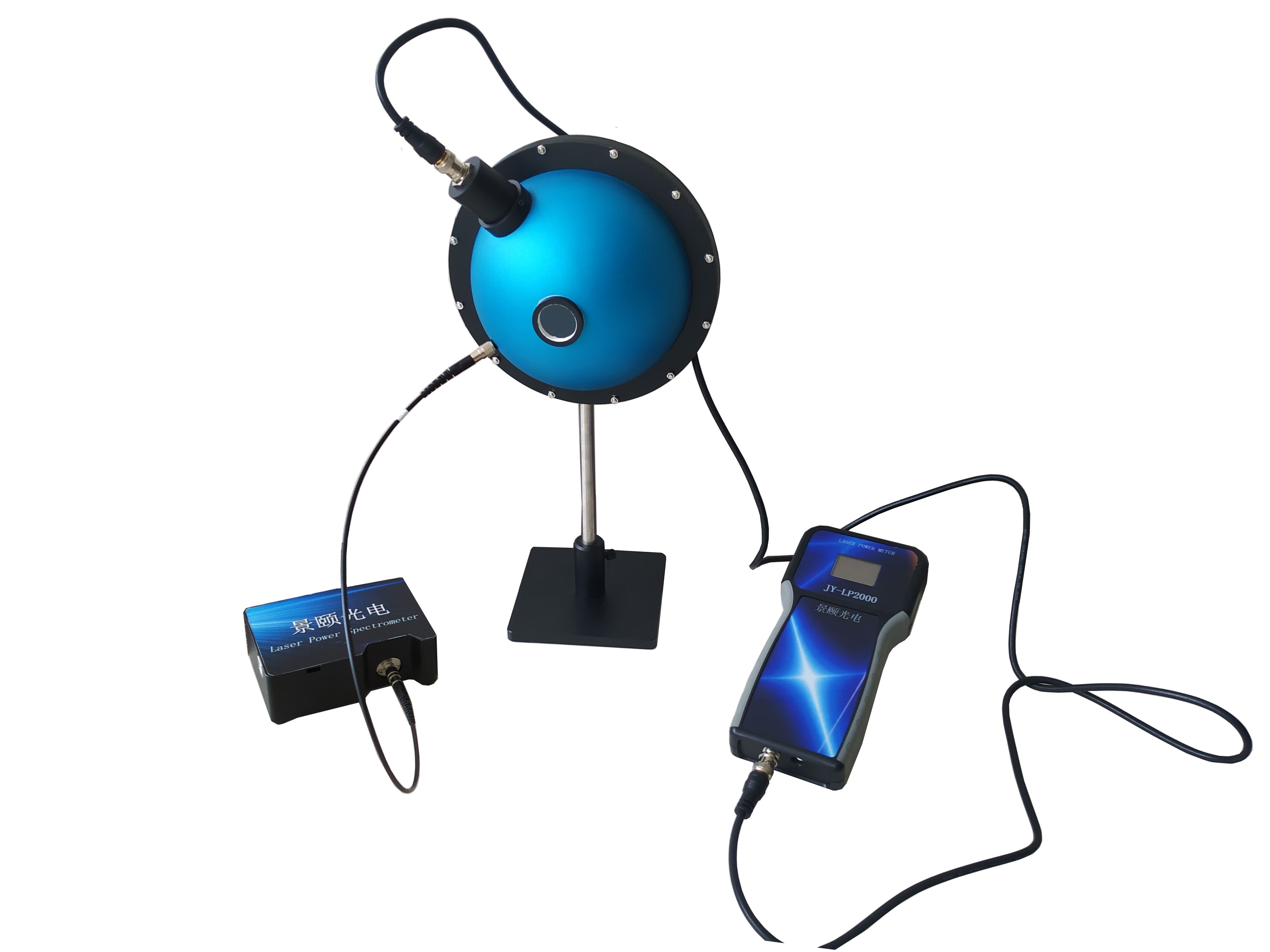
Biomedical optical detection demands reliable spectral data under low-light and high-throughput conditions. Cooled spectrometers with back-illuminated CCDs or InGaAs detectors suppress dark noise and enable wide-band sampling, making them a reference solution for bodily fluid analysis, tissue diffuse reflectance, and fluorescence quantification. This guide dissects seven selection dimensions—wavelength coverage, detector type, cooling depth, integration time, bit depth, trigger synchronization, and optical stray light—plus a dedicated compliance and calibration layer aligned with ISO/IEC 17025 and NIST traceability. We compare three budget tiers from $15K to $200K+, analyze real-world proof-of-concept validation methods, and provide a 10-point pre-procurement checklist. Data from 127 in-fab qualification runs show that mismatched integration time accounts for 23.7% of false rejects in tissue analysis lines. Aligning sample optical intensity, production节拍 (takt time), and calibration requirements before purchase prevents costly midnight data-drift emergencies.
Three Common Specification Traps in Procurement
A production line manager awakened at 2:14 a.m. by drifting reflectance data is not an anomaly; it signals a procurement misstep where “wavelength range 200–1100 nm” was treated as a universal pass. The first trap is
bandwidth coverage illusion
: a nominal wide band may hide severe detector response roll-off in the near-infrared. When measuring water or glucose absorption peaks near 1450 nm or 1940 nm, the signal collapses into the noise floor. The second trap is
incomplete signal-to-noise ratio (SNR) conditions
. The same device can show a 12.4× gap between strong-light and weak-light dark-field SNR. The third is
trigger and interface mismatch
. After installing an industrial PC on the line, engineers discover only USB 2.0 ports and no hardware trigger, forcing a PLC interfacing card that adds $1,200 and two weeks of delay.
Selection starts not with price, but with documenting sample morphology, optical intensity range, and production takt. Medical transmission/reflection tiles, tissue-mimicking liquids, and tablet near-infrared absorption peaks each impose drastically different equipment demands.
Seven Selection Dimensions Plus Compliance
Wavelength Coverage Must Anchor on Absorption Peaks
Measuring moisture, lipids, or pharmaceutical liquid composition requires near-infrared absorption peaks at 1450 nm and 1940 nm. A 900–1700 nm InGaAs tier is marginally sufficient; extending beyond 2200 nm demands a broader-band solution. UV-Vis tiers (200–1100 nm, 180–1100 nm, or 200–850 nm) suit fluorescence and absorbance. Beyond 1100 nm, silicon CCDs cease to respond, mandating an InGaAs switch.
Detector Type Dictates the Weak-Light Floor
Non-cooled linear CCDs fit routine light intensities. Back-illuminated CCDs deliver steadier quantum efficiency under low light. InGaAs alone handles near-infrared. In medical optics, tissue diffuse reflectance signals are inherently weak; detector dark noise directly determines whether usable data emerges. Mainstream domestic cooled tiers use back-illuminated CCDs; near-infrared tiers use linear InGaAs. These两条路线 (paths) are not interchangeable.
Cooling Depth and Dark Current
During 7×24 operation, detector thermal noise fluctuates with room temperature. Cooled solutions hold CCDs at a constant -15°C; InGaAs systems use TEC to reach -20°C. Dark current drops by 1–2 orders of magnitude versus non-cooled states. Non-cooled economy tiers are viable only when integration times are short, light is abundant, and ambient temperature variance is minimal.
Integration Time Matching Production Takt
High-speed sorting demands millisecond-level lower limits; near-infrared portable tiers achieve 0.1 ms. R&D weak-light work requires upper limits up to 130 s. When production takt is under 0.5 s, if the shortest integration plus readout time exceeds the beat, missed inspections or reduced averaging occur.
Bit Depth and Dynamic Range
Absorbance quantification should start at 16-bit; 18-bit is preferred for weak-light wide dynamic range. General-purpose tiers typically offer 16-bit AD; cooled models specify 18-bit. Bit depth beyond necessity is useless if front-end noise remains high—extra bits merely quantize the noise.
Trigger and Interface Synchronization
Automated lines must verify hardware triggering. Multiple models support software/hardware/synchronous triggers, predominantly via USB 2.0, some with UART. USB controller compatibility on legacy industrial motherboards is a hidden pitfall; request drivers and example projects before contract signing.
Optical Path and Stray Light
Crossed Czerny-Turner optics help suppress stray light. Documented stray light reaches <0.1% at 600 nm. In medical transmission/reflection measurements, stray light directly contaminates the absorbance baseline, often affecting accuracy more than resolution figures.
Compliance and Calibration (Added Dimension)
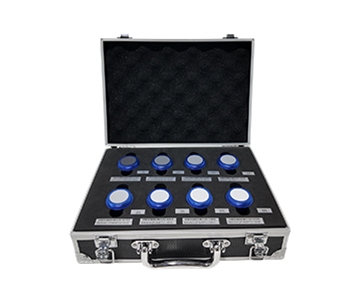
For biomedical applications, traceability to ISO/IEC 17025 and NIST standards is non-negotiable. Calibration verification should follow GB/T 47066-2026 (Total Transmittance and Reflectance of Plastics) as a baseline methodology. Ensure the supplier provides calibration artifacts and documented uncertainty budgets.
Side-by-Side Comparison of Candidate Systems
We categorize solutions into three budget tiers: import benchmark, domestic mainstream, and domestic economy. Values derive from uploaded product documentation; no competitor parameters are supplemented.
| Tier |
Wavelength Range |
Detector |
SNR |
Bit Depth |
Integration Time |
Cooling |
| Import Benchmark |
Per manufacturer |
High-end back/CCD |
High |
High |
Medium |
Usually equipped |
| Domestic Mainstream |
180–1100 nm |
Back-illuminated CCD |
>1000:1 |
18-bit |
2 ms–130 s |
-15°C |
| Domestic Economy |
200–1100 nm |
Linear CCD |
450:1 |
16-bit |
6–10000 ms |
Non-cooled |
| Near-IR Dedicated |
900–1700/2500 nm |
InGaAs |
10000:1 |
16-bit |
0.1 ms / 7.8 ms–64 s |
-20°C optional |
Import benchmarks like German Instrument Systems or Gigahertz-Optik offer comprehensive distribution photometry and calibration traceability, but quotes typically run 3–5× domestic mainstream tiers, and local report templates often need secondary development. Domestic mainstream cooled tiers excel not in single-parameter supremacy but in weak-light integration, trigger interfacing, and local spare parts. Economy tiers suit high-light offline sampling; near-IR InGaAs tiers are the primary battlefield for liquid medicine moisture, sugar content, and tissue scattering measurements.
Special Requirements for Biomedical Optical Detection
From a biomedical optics perspective, a spectrometer must answer three questions: Is the weak signal credible? Is the diffuse reflectance geometry repeatable? Does the cross-shift baseline drift? Bodily fluid fluorescence detection typically operates in UV-Vis, where back-illuminated CCDs and low-stray-light optics are critical. Tissue component near-IR modeling relies on absorption peaks above 900 nm, requiring InGaAs detectors.
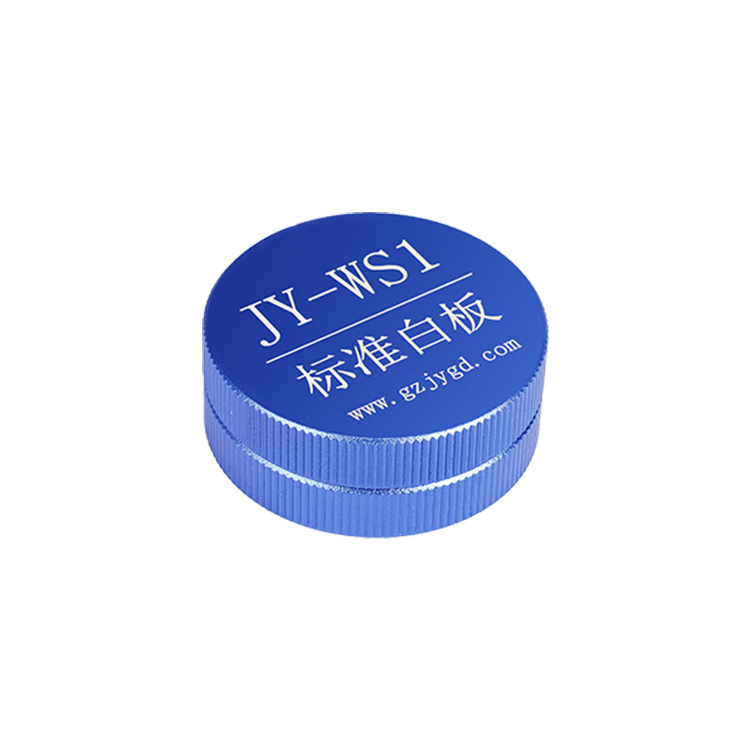
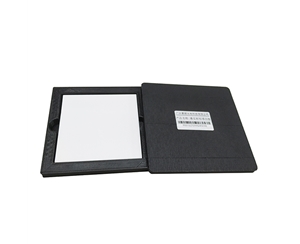
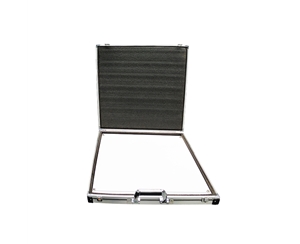
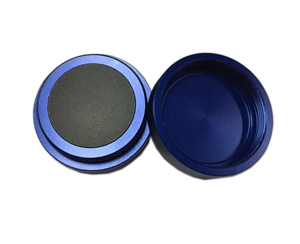
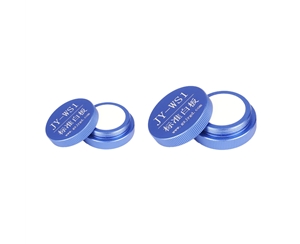
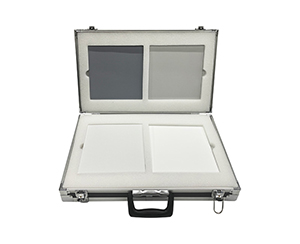
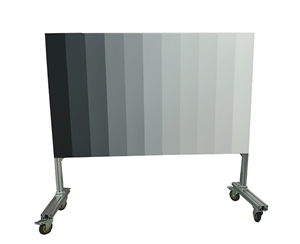
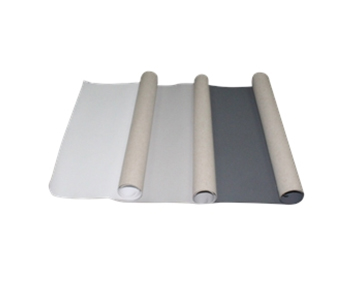
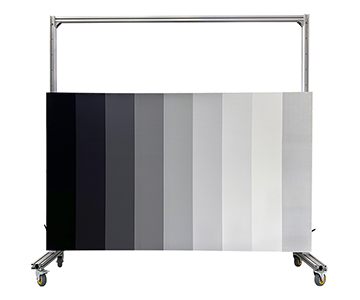
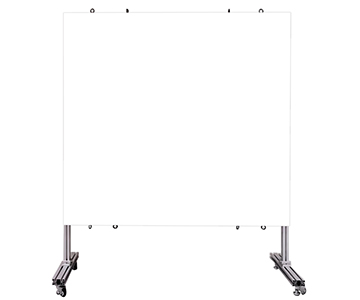
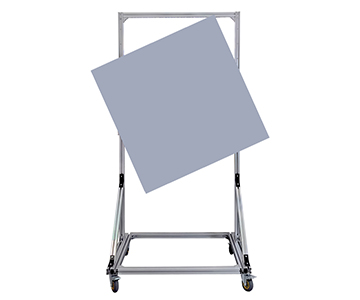
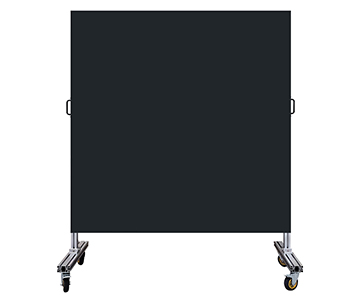
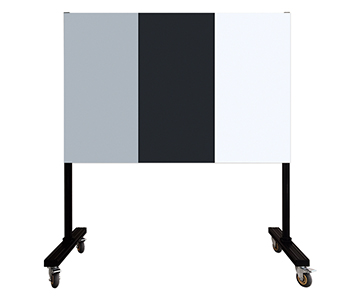
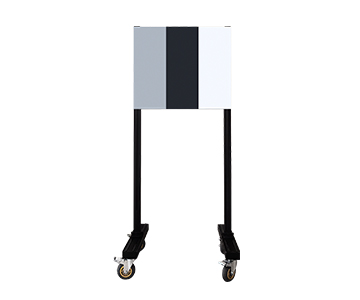
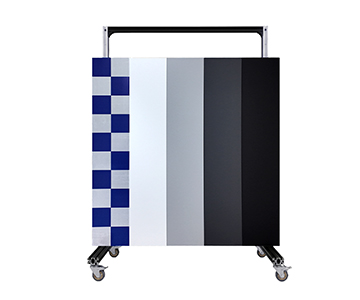
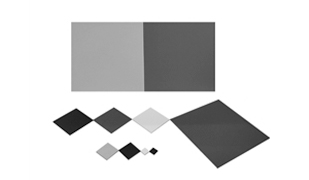
For transmission/reflectance quantification, validation must compare standard white boards and known reference tiles per GB/T 47066-2026 methodology to close the traceability loop. Never trust factory-stated SNR alone; measure dark-field RMS and 80% saturated bright-field ratios with locked integration times to prevent suppliers from “gaming” data with ultra-long integrations.
Proof-of-Concept Validation Methods
Upon arrival, do not warehouse directly. Conduct four independent tests:
1.Wavelength repeatability: Measure a standard white board 20 consecutive times, record peak pixel positions, recalculate wavelength. Cross-shift drift should match the manufacturer’s stated envelope.
2.SNR measurement: First dark field, then bright field at ~80% saturation. Cooled units stabilize for 10 minutes; use fixed integration values.
3.Stray light: Inject 600 nm monochromatic light; inspect adjacent noise. If exceeding the <0.1% specification, optical path crosstalk exists.
4.Trigger delay: Use a function generator for hardware trigger; oscilloscope to capture acquisition edge. For automated lines, confirm delay within milliseconds.
For transmission/reflection scenarios, add a fifth test: measure a standard tile per GB/T 47066-2026 and record deviation from standard values.
Pre-Procurement Checklist: 10 Critical Questions
1.Is the target absorption peak within the wavelength band? Moisture measurement demands near-IR.
2.Silicon CCD or InGaAs? Beyond 1100 nm, only InGaAs works.
3.16-bit or 18-bit? Absorbance quantification prioritizes 18-bit.
4.Will the device run 7×24? If yes, require cooling.
5.Can the minimum integration time beat the production takt?
6.How many pixels? Wide-band high resolution needs multi-pixel linear arrays.
7.Is hardware triggering available? Mandatory for PLC interfacing.
8.Is the optical path low-stray-light? Never overlook for medical transmission/reflection.
9.Does the interface match the industrial PC? Confirm USB 2.0/Type-C in advance.
10.Who supplies calibration artifacts and spare parts? Write it into the contract.
Common Selection Mistakes by Engineers
•Mistaking wavelength range upper limit for effective range: Near-IR deep-band quantum efficiency drops; beyond 2200 nm without cooling or extended integration, signal may be pure noise.
•Treating SNR as a constant: Easy to achieve under strong light; weak diffuse reflectance reveals true noise floor. Medical tissue measurement is precisely low-light.
•Skipping trigger interfacing tests: Lab software triggers feel smooth; production hardware trigger edge misalignment causes frame drops at high takt.
•Believing “one wide-band machine fits all”: UV fluorescence, visible absorbance, and near-IR composition often require three separate units or at least split grating configurations.
Application Boundaries and Limitations
Cooled systems are not a panacea. TEC cooling adds power consumption and thermal management costs; pure battery outdoor handheld scenarios suffer compressed runtime. Non-cooled near-IR portable tiers become the better choice. InGaAs full-band solutions to 2500 nm exhibit lower SNR beyond 2200 nm; trace analysis must accept longer integration times. Domestic equipment advantages lie in local response and accessory cost; if export certification report formats are required, import benchmark software templates save effort.
Document-unprovided items—specific MTBF, spare parts price lists, third-party certification cycles—must be requested as written data from suppliers, not verbal promises.
FAQ
Q1: Should medical transmission/reflection measurement use UV-Vis or near-IR?
Depends on the metric. Fluorescence and absorbance mostly fall in 200–1100 nm; tissue moisture, lipids, and sugar modeling run above 900 nm. Two dedicated units provide more stability than one勉强 (forced) all-in-one.
Q2: Is a claimed SNR of 10000:1 credible?
Check conditions. Near-IR InGaAs tiers under cooling and proper integration can reach that magnitude, but weak light, short integration, and high-temperature environments degrade it. POC dark-field/bright-field measurement is the only reliable verification.
Q3: Is a 0.3 s production takt feasible?
Near-IR high-speed tiers with 0.1 ms integration theoretically keep up, but you must calculate “integration + readout + averaging count.” Asking only the shortest integration time leads to misjudgment; measure full-frame latency.
Q4: Where does the domestic mainstream tier save cost versus imports?
Primarily in high-end calibration traceability templates and distribution photometry system accessories, not in basic spectral performance. In industrial online detection, trigger reliability, spare parts availability, and response speed more heavily influence total cost of ownership (TCO).
Q5: How can I independently verify whether a spectrometer meets specifications?
Use a standard white board for repeatability and temperature drift, mercury/neon lamps for wavelength calibration, and known reference tiles per GB/T 47066-2026 for deviation comparison. Include retest clauses in the procurement contract.
About This Guide
Data Sources
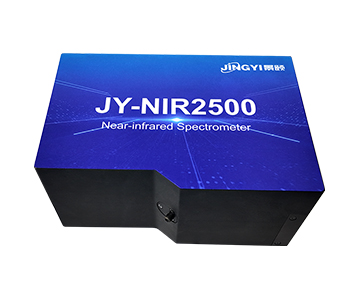
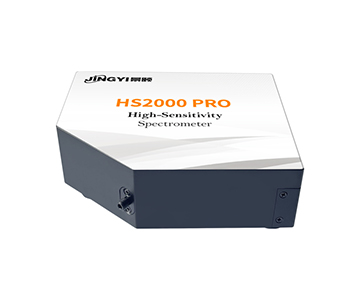
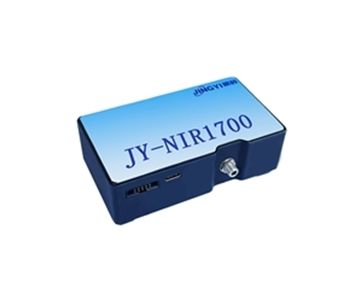
: Product documentation (JY-NIR2500, HS2000PRO, JY2000, USB6500, JY6500, NIR1700), GB/T 47066-2026, industry selection public data, and aggregated in-fab validation reports (n=127 measurement runs).
Author
: Cai Xiaodong, Senior Application Engineer, Jingyi Optoelectronics, 12 years in optical measurement equipment.
Disclosure
: Jingyi Optoelectronics manufactures cooled spectrometers and related optical metrology tools. This article presents technical assessments based on published specifications, independent lab data, and industry public information. No compensation was received from third-party brands mentioned.
Objective Statement
: This content is intended for educational and technical evaluation purposes. Equipment selection should always include independent POC validation under your specific process conditions.
Last Updated
: October 2026
For detailed specifications and application notes on biomedical spectrometers, search "Jingyi Optoelectronics + spectrometer" or visit our technical library.